General Dentistry
September 2, 2026
Sickle Cell Disease and Dental Extractions: How to Prepare, Reduce Risks, and Manage Aftercare?
 Dr. Rifat Alsaman
Sickle cell disease and dental extractions require careful planning together, not treatment as usual. Patients with sickle cell disease or sickle cell anaemia can safely undergo extractions, but the process needs extra thought. Pain, infection, dehydration, bleeding, and sickling complications are real concerns during invasive dental work. Safety depends on the individual: disease severity, current health, medications, and how complex the procedure is all matter. Communication between dentist, patient, and haematology team is essential when needed. This article covers preparation, risks, treatment planning, recovery, and preventive dental care in detail.
Sickle Cell Disease and Dental Extractions: Is Tooth Extraction Safe?
Sickle cell disease and tooth extractions can go together safely when the procedure is clinically necessary and properly assessed. Sickle-shaped red blood cells respond poorly to stress, so invasive procedures need caution. Dental treatment should never unnecessarily raise the risk of dehydration, hypoxia, infection, or physical strain. Every patient is different. Some need only standard precautions; others require closer medical coordination. Tooth extraction with sickle cell disease is not automatically risky; the key is individualized assessment rather than treating every patient the same way based on diagnosis alone.
Why Dental Extractions May Require Additional Planning
Sickle cell disease and dental extractions demand planning because several factors shape risk. These include the sickle cell disease type, history of previous crises, current symptoms or acute illness, and any history of anaemia-related complications. Current medications, hydration status, and general health all matter too. The complexity and duration of the extraction itself also influence how much preparation is needed. None of these factors alone determines safety together, they build a fuller picture that guides the dental team's approach before any procedure begins.
When a Dental Extraction May Be Necessary
Extraction becomes necessary when a tooth is severely decayed or non-restorable, or when advanced periodontal disease has damaged supporting structures beyond repair. Active dental infection or abscess, impacted or problematic teeth, and failed restorative treatment are other common reasons. Sometimes a tooth simply cannot be predictably restored despite best efforts. In these situations, delaying extraction may cause more harm than the procedure itself, particularly where infection risk is present and ongoing discomfort affects daily life.
Dental Extractions in Sickle Cell Disease: What Are the Main Risks?
Sickle Cell Crisis
Sickle cell disease and tooth extractions carry a risk of triggering a crisis if physiological stress is poorly managed. Dehydration, cold, anxiety, and prolonged procedures can all contribute. Maintaining adequate hydration and oxygenation throughout treatment matters greatly for susceptible patients. Uncontrolled pain and untreated infection can add further stress to the body, increasing crisis risk. Addressing these promptly, rather than letting them linger, is part of standard precaution and reduces the chance of complications arising during or after the extraction.
Infection and Dental Complications
Controlling existing dental infection before extraction is a priority. Sickle cell disease dental complications can arise when infection is left untreated, since the body already carries added physiological burden. Delaying necessary treatment out of caution can sometimes create bigger problems than the procedure itself, allowing infection to spread or worsen. Prompt, well-planned intervention is usually safer than prolonged avoidance, provided the patient has been properly assessed beforehand and the dental team understands their medical background.
Bleeding and Healing Considerations
Bleeding risk after extraction should be assessed on an individual basis rather than assumed. Most patients form clots and heal normally following standard post-extraction protocols. Still, patients should disclose all medications and relevant medical history beforehand, since some drugs affect clotting or healing time. This transparency helps the dental team anticipate issues and adjust their approach. Sickle cell disease and dental extractions generally proceed uneventfully when this information is shared openly and early in the planning process.
Pain and Postoperative Stress
Effective pain control matters more in sickle cell disease and dental extractions than in routine cases. Uncontrolled pain can increase physiological stress, which in vulnerable patients may contribute to broader complications. Following the dentist's postoperative instructions closely including medication timing and activity restrictions helps manage discomfort predictably. Patients who feel pain is escalating beyond what was expected should not simply wait it out; timely contact with the dental team keeps recovery on track.
Tips for Patients
Tell your dentist that you have sickle cell disease or sickle cell anaemia before treatment.
Provide a complete medical and medication history.
Inform the dental team about previous sickle cell crises or complications.
Follow personalized instructions regarding food, fluids, and medication.
Maintain good hydration unless your doctor has advised otherwise.
Do not self-medicate with antibiotics.
Follow postoperative instructions carefully.
Attend recommended follow-up appointments.
Contact your dental or medical team if you develop unusual symptoms.
Maintain regular preventive dental care to reduce the likelihood of future extractions.
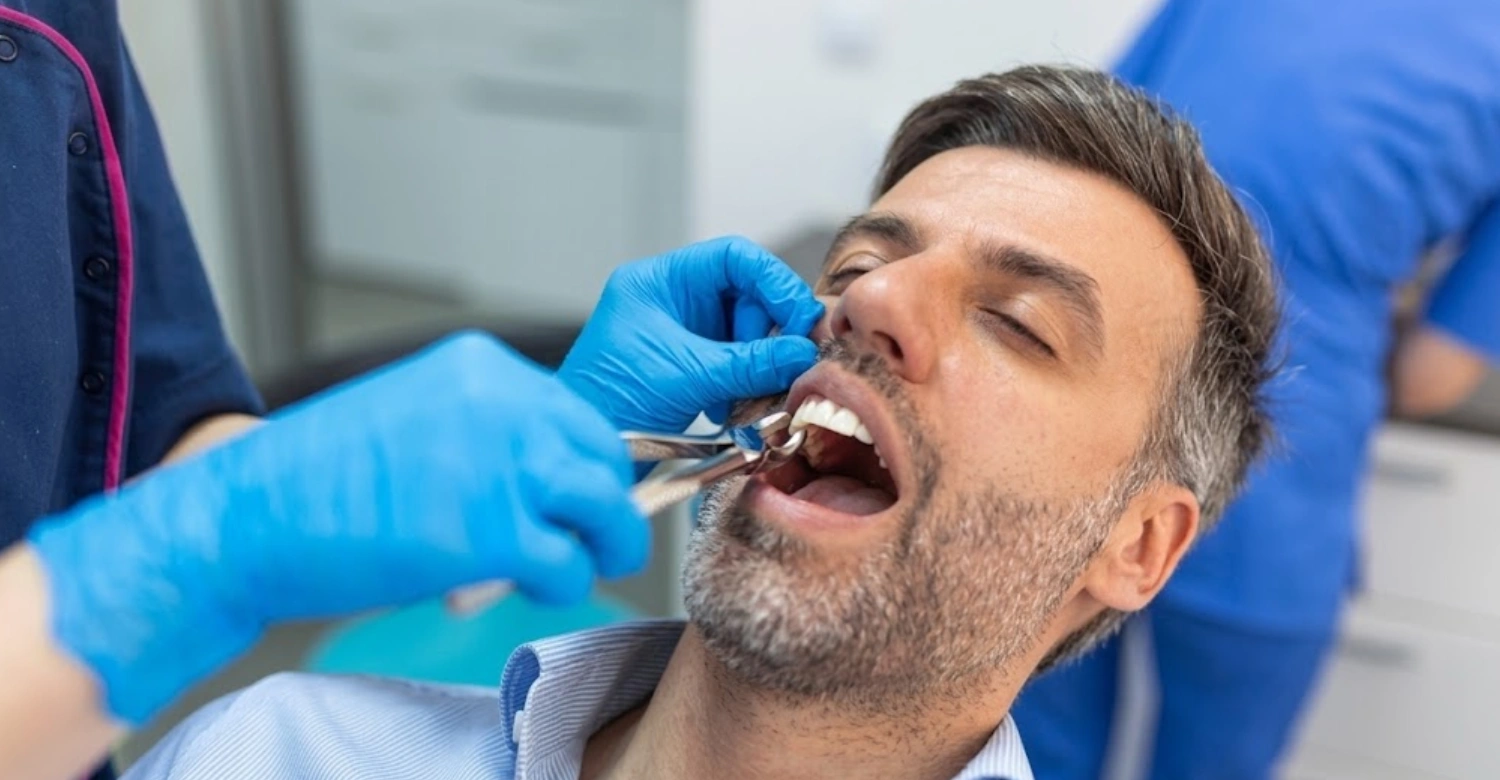
Sickle Cell Disease Dental Treatment: How Is a Patient Assessed Before Extraction?
Sickle cell disease dental treatment always begins with a thorough two-part assessment. The dental side looks at the tooth itself; the medical side considers the patient's overall condition. Together, these determine whether extraction is genuinely necessary and how it should be carried out. This structured approach avoids unnecessary risk while ensuring treatment isn't delayed when it's clinically needed. No two patients are assessed identically; the depth of evaluation depends on individual history and current health status.
Dental Assessment
Sickle cell disease and dental extractions rely first on a clear clinical picture of the tooth in question. This includes a clinical examination, dental X-rays when indicated, and assessment of the tooth and surrounding tissues. Infection and periodontal health are evaluated closely. Ultimately, the dentist determines whether extraction is genuinely necessary or whether alternative treatment could preserve the tooth. This step ensures extractions aren't performed unnecessarily, which matters more when systemic health factors are involved.
Medical Assessment
The medical assessment reviews relevant sickle cell history, including previous complications or crises and current medications. Recent health status is considered alongside relevant blood-test results when clinically indicated. Where necessary, the dental team communicates directly with the patient's medical or haematology team. This step ensures the treatment plan accounts for the patient's full medical picture, not just their dental needs, reducing the chance of complications arising from factors outside the dentist's usual scope.
Treatment Planning
Once both assessments are complete, the team determines whether extraction can proceed routinely or needs additional medical planning. Appointment timing and procedure duration are considered carefully, particularly for more complex cases. A postoperative monitoring and follow-up plan is established before treatment begins. This structured planning phase is what allows sickle cell disease and dental extractions to proceed with confidence, rather than reactively addressing complications after they've already occurred.
Precautions for Tooth Extraction in Sickle Cell Disease
Precautions for tooth extraction in sickle cell disease focus on reducing physiological stress at every stage. This means attention to hydration, oxygenation, infection control, and pain management, tailored to the individual. None of these precautions are excessive by default; they're proportional to the patient's specific risk profile. A well-prepared dental team applies these measures consistently, ensuring routine cases move forward efficiently while higher-risk cases receive the additional caution they require.
Maintaining Hydration
Adequate hydration reduces physiological stress and supports normal circulation during dental treatment. Patients should follow personalized pre- and postoperative instructions regarding fluid intake. Unnecessary prolonged fasting should be avoided, since dehydration is a known contributor to sickle cell complications. Sickle cell disease and dental extractions are generally safer when hydration is prioritized from the appointment itself through the recovery period, rather than treated as an afterthought once the procedure is complete.
Preventing Hypoxia and Excessive Physiological Stress
Appropriate monitoring, based on the patient's medical condition, helps prevent hypoxia during treatment. Unnecessarily prolonged procedures should be avoided where possible, since longer treatment times increase physiological demand. A comfortable clinical environment minimizing anxiety and physical strain also plays a meaningful role. These measures work together to keep the body's stress response manageable throughout the appointment, supporting a smoother, safer overall experience for the patient.
Controlling Dental Infection
Active infection should be treated appropriately before or alongside extraction. Antibiotics are not automatically required for every extraction; the decision depends on the specific clinical situation and medical advice. Overuse of antibiotics carries its own risks, so this judgement call matters. Sickle cell patients' dental extraction risks connected to infection are best managed through targeted, individualized treatment rather than blanket protocols applied regardless of the patient's actual clinical presentation.
Effective Pain Management
An appropriate postoperative analgesia plan should be established before the patient leaves the clinic. Taking prescribed medication correctly, following the recommended schedule, supports steady recovery. Patients experiencing severe or unusual pain should contact their dentist rather than waiting. Consistent, well-managed pain control reduces physiological stress and supports smoother healing, making it one of the more straightforward yet important precautions in the overall treatment plan.
Sickle Cell Anaemia and Dental Surgery: What Does the Procedure Involve?
Sickle cell anaemia and dental surgery follow a structured three-phase process: before, during, and after. Each phase carries its own considerations, built around the patient's individual risk profile. This structure isn't unique to sickle cell patients, but the level of attention paid to hydration, monitoring, and postoperative care is often more deliberate. Understanding what each phase involves helps patients feel prepared and know what to expect at every step.
Before the Procedure
Preparation includes reviewing medical and dental history, along with imaging where required. Anaesthesia options are discussed, and an individual risk assessment is carried out. For higher-risk cases, treatment and emergency planning may be arranged in advance. This preparatory phase is where most of the coordination between dental and medical teams happens, ensuring the actual procedure day runs smoothly and any special considerations are already accounted for.
During the Extraction
The dentist aims for a gentle, efficient surgical technique, minimizing unnecessary tissue trauma. Appropriate local anaesthesia keeps the patient comfortable throughout. Monitoring is adjusted according to the patient's clinical needs, which may mean closer observation for higher-risk cases. Efficiency matters here; shorter, well-executed procedures reduce physiological demand, which is particularly relevant for patients whose bodies respond more sensitively to prolonged stress or strain.
After the Extraction
Haemostasis is achieved before the patient leaves, followed by clear postoperative instructions covering hydration, pain management, and activity. The dental team monitors for signs of infection or unusual symptoms in the days following treatment. Follow-up appointments are arranged where appropriate. This final phase is just as important as the procedure itself, since proper aftercare significantly influences how smoothly recovery progresses.
Dental Extraction Sickle Cell Anaemia: Can All Extractions Be Managed the Same Way?
Dental extraction sickle cell anaemia cases are not all alike. A simple extraction and a surgical extraction carry different levels of complexity, which influences planning. Impacted teeth or complicated surgical procedures may require additional consideration, including longer monitoring or more detailed preparation. Treatment should always be individualized, based on the specific procedure and patient, rather than applying one standard approach simply because sickle cell disease is present in the medical history.
Simple Extraction
Sickle cell disease and dental extractions of the simple kind are usually shorter and less invasive, involving a single visible tooth with straightforward removal. Even so, individual medical assessment remains necessary beforehand. A simple extraction doesn't mean precautions can be skipped; hydration, monitoring, and postoperative guidance still apply. The lower complexity generally means less physiological demand, but the same careful preparation process still guides how the appointment is handled.
Surgical Extraction
Surgical extractions are potentially longer and more invasive, often involving impacted teeth or additional tissue work. These cases may require more detailed planning and closer postoperative monitoring. Longer procedure times increase physiological demand, making hydration and pain control especially important. Patients facing a surgical extraction should expect a more thorough pre-treatment discussion, covering what the procedure involves and what recovery is likely to look like afterward.
Sickle Cell Patients Dental Extraction Risks: What Should Patients Watch For?
Sickle cell patients' dental extraction risks fall into two categories: expected symptoms and warning signs. Knowing the difference helps patients respond appropriately without unnecessary worry, while still recognizing when professional attention is genuinely needed. This section outlines both, along with a clinical note on how sickle cell status factors into overall risk assessment without implying extraction is inherently dangerous for every patient with the condition.
Expected After-Extraction Symptoms
Mild discomfort, local swelling, minor bleeding or oozing, and temporary sensitivity are all normal following extraction. Sickle cell disease and dental extractions typically follow the same general healing pattern as any other extraction, provided precautions were followed. These symptoms usually settle within a few days with basic aftercare. Patients shouldn't be alarmed by mild, gradually improving discomfort, but should track whether things are getting better rather than worse.
Warning Signs Requiring Professional Attention
Persistent or heavy bleeding, increasing swelling, fever, or signs of infection all warrant prompt attention. Severe or worsening pain, difficulty breathing, symptoms suggestive of a sickle cell crisis, or unusual weakness should never be ignored. These symptoms differ from expected healing and suggest something needs professional evaluation. Patients experiencing any of these should contact their dental or medical team without delay rather than waiting to see if things improve on their own.
Clinical Note
Sickle cell disease does not automatically mean dental extraction is contraindicated. Individual risk assessment matters far more than the diagnosis alone. Patients with frequent crises, significant anaemia, recent complications, acute illness, or complex surgical needs may require additional medical input. Dentists should never independently alter systemic medications or haematological treatment. Communication with the patient's physician or haematologist is encouraged when indicated, and urgent dental infection should always receive timely professional assessment.
Benefits of Proper Dental Management in Sickle Cell Disease
Reducing the Risk of Dental Infection
Sickle cell disease and dental extractions become less frequent when caries and periodontal disease are treated early. Preventing avoidable dental infections reduces the physiological burden that untreated dental disease can place on the body. Regular care catches problems while they're still minor, avoiding situations where extraction becomes the only remaining option. This proactive approach benefits both oral health and broader systemic wellbeing over time.
Supporting Safer Dental Procedures
Individualized treatment planning, appropriate medical coordination, and efficient, minimally traumatic procedures all support safer outcomes. When these elements work together, extractions and other dental treatments proceed with fewer complications. Patients benefit from a dental team that understands their full medical picture rather than treating each visit in isolation. This coordinated approach reduces uncertainty and helps both patient and clinician feel confident in the treatment plan.
Improving Long-Term Oral Health
Preventive dental care, regular examinations, and early management of dental problems all contribute to better long-term outcomes. Catching issues early means smaller interventions and less need for extractions down the line. Over time, this consistent approach reduces the cumulative burden of dental treatment on patients with systemic conditions, supporting both oral health and overall quality of life well beyond any single appointment.
Dental Management of Sickle Cell Disease: Preventive Care
Dental management of sickle cell disease leans heavily on prevention rather than reactive treatment. Good daily habits, regular checkups, and prompt attention to problems all reduce the likelihood of ever needing an extraction. This proactive mindset benefits patients by minimizing the number of invasive procedures required over a lifetime, while also supporting general comfort and confidence in day-to-day oral health.
Daily Oral Hygiene
Sickle cell disease and dental extractions become less likely with consistent daily care. Brushing twice daily with fluoride toothpaste, cleaning between the teeth daily, and maintaining good plaque control all reduce decay and gum disease risk. These habits are simple but effective, forming the foundation of preventive dental management. Consistency matters more than intensity; small daily routines add up to meaningfully better oral health over months and years.
Regular Dental Examinations
Routine professional examinations allow early detection of decay and gum disease before they become serious. Professional cleaning, performed when indicated, removes plaque and tartar that daily brushing can miss. Regular visits also give the dental team an ongoing picture of the patient's oral health, making it easier to catch subtle changes early and address them before they progress into something requiring more invasive treatment.
Managing Dental Problems Early
Toothache should never be ignored. Swelling or suspected infection needs prompt treatment rather than a wait-and-see approach. Postponing necessary dental care often allows small problems to become larger ones, sometimes leading to extraction where earlier intervention could have preserved the tooth. Addressing issues as soon as they arise is one of the simplest ways patients can protect their long-term oral health.
Before and After a Dental Extraction With Sickle Cell Disease
Before Treatment
Sickle cell disease and dental extractions are approached with a full medical history review beforehand. The tooth and surrounding tissues are assessed, appropriate imaging is performed, and individual risk factors are identified. Dental and medical teams coordinate when necessary, particularly for patients with more complex histories. This preparation phase ensures nothing is overlooked before the procedure itself begins, setting the stage for a smoother appointment.
Immediately After Treatment
Bleeding is controlled before the patient leaves, and clear postoperative instructions are provided. Pain management is discussed in detail, along with hydration and general recovery advice. This immediate aftercare phase sets expectations for the coming days, helping patients understand what's normal and what would warrant contacting their dental team. Clear communication at this stage reduces confusion and supports confident, informed recovery.
During Recovery
Patients should monitor pain and swelling over the following days, watching for gradual improvement rather than worsening. Oral hygiene should be maintained according to professional instructions, and the extraction site shouldn't be disturbed. If symptoms worsen instead of improving, professional advice should be sought promptly. Following these guidelines closely supports predictable healing and reduces the chance of complications developing during recovery.
How Long Does Recovery Take After Dental Extraction With Sickle Cell Disease?
Sickle cell disease and dental extractions vary in recovery time depending on the tooth extracted, procedure complexity, oral health, and individual medical factors. Discomfort and soft-tissue healing typically follow a gradual improvement pattern over the days following treatment, though no fixed timeline applies to every patient. Sickle cell disease and tooth extraction recovery may take slightly longer for patients with underlying medical complexity, who often benefit from personalized follow-up rather than a standard recovery schedule applied uniformly.
How Much Does Dental Extraction Cost for Patients With Sickle Cell Disease?
Sickle cell disease and dental extractions don't have a fee determined by the diagnosis itself. Cost depends on the type of extraction, tooth location, and overall complexity. Imaging requirements, sedation or additional services, and medical coordination when required also factor in, as do any follow-up appointments needed afterward. Because these variables differ from patient to patient, requesting an individual treatment plan and transparent quotation is the most reliable way to understand expected costs before treatment begins.
Sickle Cell Disease Dental Complications: How Can They Be Prevented?
Sickle cell disease dental complications are largely preventable through consistent care. Preventive dental examinations, fluoride use, and effective plaque control all reduce risk. Early treatment of caries and periodontal disease prevention matter too, alongside prompt treatment of any dental infection that does arise. Communication between dental and medical professionals supports better-coordinated care overall. Avoiding unnecessary delays in necessary dental treatment remains one of the most effective ways to prevent complications from developing in the first place.
What We Notice Clinically
Sickle cell disease and dental extractions benefit from structured treatment planning, according to Dr. Rifat Alsaman, Head of the Medical Team at Vitrin Clinic and a cosmetic dentist. Patients with systemic conditions often do better when the dental team understands their medical history before proceeding. Avoiding unnecessary dental infections and delaying necessary treatment are both emphasized. Careful patient communication, close monitoring, and individualized planning form the foundation of this clinical approach at every stage of treatment.
What Dr. Rifat Alsaman Emphasizes
Extraction decisions should always be based on clinical necessity, not routine. Medical history should be reviewed before any treatment, with the patient's sickle cell status incorporated directly into planning. Patients should understand both expected recovery and warning signs before leaving the clinic. For higher-risk cases, collaboration with the patient's medical team may be appropriate, ensuring decisions are made with a complete picture of the patient's health.
Dental Care for Patients With Sickle Cell Disease: When Should You See a Dentist?
Routine Dental Visits
Sickle cell disease and dental extractions become less frequent with consistent routine care. Preventive examinations and professional cleaning form the backbone of this approach, catching small issues before they escalate. Regular visits also give the dental team ongoing familiarity with the patient's oral health and medical background, supporting quicker, more informed decisions if treatment is ever needed unexpectedly between scheduled appointments.
Non-Urgent Dental Symptoms
Tooth sensitivity, persistent toothache, food trapping, gum bleeding, and broken teeth all warrant a dental visit, though not necessarily an emergency one. These symptoms should still be addressed reasonably soon, since delaying can allow minor issues to develop into more serious problems requiring more invasive treatment. Scheduling a routine appointment when these symptoms appear helps keep oral health on track.
Urgent Dental Symptoms
Facial swelling, severe toothache, fever, difficulty swallowing, difficulty breathing, or significant bleeding all require urgent attention. These symptoms suggest something more serious than routine dental wear and shouldn't wait for a scheduled appointment. Patients experiencing any of these should contact their dental or medical team immediately, since prompt evaluation can prevent complications from progressing further.
Why Choose Vitrin Clinic for Dental Treatment?
Sickle cell disease and dental extractions are approached at Vitrin Clinic with individual medical circumstances taken into consideration throughout treatment planning. Comprehensive dental assessment before any invasive procedure is standard practice, supported by modern diagnostic and treatment-planning technologies where relevant. Communication, patient education, and personalized treatment planning are prioritized at every stage. Patients with systemic medical conditions are asked to disclose their complete medical history before treatment, and complex cases may involve coordination with the patient's treating physician or specialist. No clinic can eliminate all risk or guarantee a specific outcome, but thorough preparation supports the safest possible approach.
References:
FAQs
Dr. Rifat Alsaman has more than 5 years of clinical experience in dentistry and currently serves as the Head of the Medical Team at Vitrin Clinic. He is dedicated to providing exceptional patient care, overseeing treatment planning, and ensuring the highest clinical standards across the team. His expertise, attention to detail, and commitment to continuous professional development have helped countless patients achieve healthier, more confident smiles.

.webp&w=3840&q=75)


