Dental Care Guide
August 16, 2026
Diş Tedavisi Sonrası Bakım Rehberi: Her Tedavi İçin İyileşme İpuçları
 Dr. Rifat Alsaman
Diş Sonrası Bakım Rehberi, hastaların farklı diş tedavilerinden sonra dişlerine ve diş etlerine nasıl bakacaklarını anlamalarına yardımcı olur. Proper post-treatment care can support comfortable healing, protect treated areas, and help maintain long-term results. Recovery requirements vary depending on whether you have received an extraction, dental implant, crown, veneer, filling, whitening treatment, gum therapy, or orthodontic adjustment. Patients should always prioritize the instructions provided by their treating dentist because individual recovery needs can differ. Good aftercare may involve temporary dietary changes, modified oral hygiene, medication instructions, activity restrictions, and follow-up appointments. Knowing what to expect can make recovery more predictable and help patients recognize when professional advice is needed.
Diş Tedavisi Sonrası Bakım Nedir ve Neden Önemlidir?
Diş tedavisi sonrası bakım, hastaların tedavi edilen alanı korumak ve iyileşmeyi desteklemek için bir diş işleminden sonra attığı adımları ifade eder. These steps can include maintaining appropriate oral hygiene, following dietary recommendations, taking medications as prescribed, avoiding damaging habits, and attending follow-up appointments.
Farklı işlemler farklı yaklaşımlar gerektirir. After an extraction, protecting the developing blood clot is important. Following implant placement, the surgical area needs protection while soft tissues and bone heal. Crowns and veneers require careful cleaning and protection from excessive forces, while whitening may mainly involve managing temporary sensitivity.
Doğru Bakım İyileşmeyi Neden Destekler?
Uygun bakım, hastaların hassas iyileşme dönemlerinde gereksiz tahrişlerden kaçınmasına yardımcı olur. Gentle oral hygiene can control plaque without traumatizing sensitive tissues, while appropriate food choices can reduce chewing pressure.
Hastalar ayrıca bakımın biyolojik iyileşmenin anında gerçekleşmesini sağlayamayacağını da anlamalıdır. Instead, the goal is to create favorable conditions for normal recovery. Avoiding smoking, following activity restrictions, maintaining nutrition, and attending professional reviews can all contribute to responsible recovery.
Bakım, Konforu ve Tedavi Sonuçlarını Nasıl Etkiler?
Günlük alışkanlıklar, iyileşmenin ne kadar konforlu hissettirdiğini ve diş tedavisinin ne kadar iyi korunduğunu etkileyebilir. Eating softer foods may reduce pressure after surgery, while careful brushing can help protect treated gums.
Bazı tedaviler ayrıca profesyonel izleme gerektirir çünkü iyileşme her zaman yalnızca semptomlara bakılarak değerlendirilemez. Dental implants are a good example because bone integration continues beneath the gum even after initial discomfort has disappeared.
Diş Tedavisi İyileşme İpuçları: Diş Tedavisinden Sonra Ne Yapılmalı?
Tedaviden sonra hastalar öncelikle diş hekimlerinin verdiği özel talimatlara uymalıdır. These recommendations may cover medication, brushing, eating, exercise, rinsing, and follow-up visits.
Diş Hekiminizin Tedavi Sonrası Bakım Talimatlarına Uyun
Profesyonel talimatlar her zaman genel çevrim içi tavsiyelere göre öncelikli olmalıdır. Your dentist knows which procedure was performed, how extensive it was, and what recovery pattern is expected.
Hastalar ilaçlar, yiyecek kısıtlamaları, fırçalama teknikleri veya normal aktivitelere ne zaman dönülebileceği konusunda kararsızlarsa soru sormalıdır. Written instructions can also be useful because it is easy to forget details immediately after treatment.
İlk 24–48 Saat Boyunca Tedavi Edilen Alanı Koruyun
Ağız cerrahisinden sonra ilk bir veya iki gün özellikle önemli olabilir. Patients may need to avoid chewing directly over the treated area, touching the site, or performing activities that could disturb healing tissues.
Çalkalama, fırçalama, gazlı bez, yiyecek dokusu ve fiziksel aktivite ile ilgili tüm talimatlara uyn. Patients should contact their dental team if bleeding, swelling, or pain becomes significantly worse than expected.
Ağrı, Şişlik ve Hassasiyeti Yönetin
Çeşitli diş tedavilerinden sonra hafif sızı, şişlik veya hassasiyet oluşabilir. The expected level depends on the procedure and the individual patient.
İlaçları yalnızca profesyonel talimatlara uygun olarak kullanın. Cold compresses may sometimes be recommended after surgical treatment. Sensitivity can also occur after fillings, crowns, or whitening.
Giderek hafifleyen semptomlar, genellikle giderek şiddetlenen semptomlara göre daha rahatlatıcıdır. Persistent or worsening discomfort should be discussed with a dentist.
Rahatsızlık Ne Zaman Normaldir?
Diş işlemlerinden sonra, özellikle dokular müdahale gördüğünde veya dişler restoratif bir tedavi geçirdiğinde geçici sızı oluşabilir. Sensitivity to temperature or pressure may also occur during the adjustment period.
Ancak hastalar her semptomun normal olduğunu varsaymamalıdır. Recovery should generally follow the pattern explained by the treating dentist. If discomfort becomes severe, persists unexpectedly, or gets progressively worse, professional evaluation is appropriate.
Diş Hekimi Müdahalesi Gerektiren Uyarı İşaretleri
Aşağıdakileri yaşarsanız diş ekibinizle iletişime geçin:
Şiddetli veya artan ağrı
Kalıcı veya kötüleşen şişlik
Aşırı kanama
Ateş
İrin veya olağandışı akıntı
Gevşemiş bir restorasyon
Belirgin kapanış (ısırma) değişiklikleri
Beklendiği gibi düzelmeyen semptomlar
Nefes alma veya yutkunma güçlüğü, evde takip edilecek bir durumdan ziyade acil bir tıbbi sorun olarak değerlendirilmelidir.
Konforlu İyileşme İçin Diş Tedavisi Sonrası Bakım İpuçları
İyileşme, vücudu daha hızlı iyileşmeye zorlamakla ilgili değildir. Instead, patients should focus on avoiding behaviors that may interfere with normal healing.
İyi bir ağız hijyeni, uygun beslenme, yeterli sıvı alımı, tütünden kaçınma ve profesyonel takip daha sağlıklı bir iyileşme sürecini destekleyebilir. Patients should also follow restrictions regarding food, exercise, and contact with surgical areas.
Tedavi Edilen Alanları Tahriş Etmeden Ağız Hijyenini Sağlayın
Tedaviden sonra ağzı temiz tutmak önemini korur, ancak çok sert fırçalamak hassas dokuları tahriş edebilir. Patients should follow their dentist's instructions about brushing around surgical sites, restorations, or sensitive teeth.
Nazik bir temizlik için yumuşak kıllı bir diş fırçası uygun olabilir. Flossing and interdental cleaning may also require temporary modifications depending on the procedure.
İlaçları ve Önerilen Ürünleri Doğru Kullanın
Hastalar, diş hekimleri tarafından sağlanan tüm ilaçlar için reçete edilen doza ve zamanlamaya uymalıdır. Do not independently increase doses, stop medication, or combine products without appropriate advice.
Diş hekimleri ayrıca özel ağız çalkalama suları, jeller veya hassasiyet giderici ürünler önerebilir. These should be used according to professional instructions rather than replaced with unverified home remedies.
Takip Randevularınızı Aksatmayın
Takip ziyaretleri isteğe bağlı bir ekstra değil, tedavinin bir parçasıdır. Dentists can evaluate healing, restoration stability, gum condition, bite, and other factors that cannot always be assessed at home.
Bu durum özellikle implantlar, ağız cerrahisi, periodontal tedavi veya kapsamlı restorasyonları içeren işlemler için önemlidir. Even when you feel completely comfortable, the underlying healing process may still be continuing.
Diş Tedavisi Sonrası Bakım Rehberi: Her Tedavi İçin İyileşme İpuçları
Diş Sonrası Bakım Rehberi, hastalara yaygın diş işlemlerinden sonra izlemeleri gereken pratik adımlar sunar. Proper aftercare can support healing, improve comfort, protect treated areas, and help maintain long-term treatment results. Recovery requirements vary depending on the procedure, treatment area, and individual healing response. Patients should always follow the instructions provided by their dentist because personalized recommendations take priority over general advice. Aftercare may include changes to eating, brushing, physical activity, medication use, and follow-up appointments. Understanding what to expect can make recovery more predictable and help patients recognize when professional attention is needed. Vitrin Clinic provides personalized aftercare recommendations according to each patient's treatment and clinical needs.
Diş Tedavisi Sonrası Bakım Rehberi Nedir ve Neden Önemlidir?
Diş Tedavisi Sonrası Bakım Rehberi, hastaların diş tedavisinden sonra izlemesi gereken temel adımları açıklar. It may cover oral hygiene, diet, medication, activity restrictions, symptom monitoring, and follow-up care. The recommendations can differ considerably between procedures. For example, extraction aftercare focuses on protecting the healing socket, while implant recovery involves both soft-tissue healing and longer-term bone integration. Crown and veneer aftercare focuses more on protecting restorations and maintaining surrounding gum health. Clear instructions can help patients avoid unnecessary irritation and understand when a symptom may require professional evaluation. Following personalized dental advice is therefore an important part of successful treatment recovery.
Doğru Diş Bakımı İyileşmeyi Neden Destekler?
Diş Tedavisi Sonrası Bakım Rehberi, hastaların tedaviden sonra iyileşirken dokularını korumalarına yardımcı olur. Appropriate aftercare can reduce unnecessary irritation and encourage patients to maintain suitable oral hygiene without applying excessive pressure. Dietary adjustments may also reduce stress on sensitive or healing areas. Avoiding tobacco, following medication instructions, and attending recommended appointments can further support appropriate recovery. However, aftercare cannot make biological healing happen instantly. The body's tissues still require adequate time to repair and adapt. Patients should therefore focus on creating favorable conditions for normal healing rather than searching for shortcuts. Vitrin Clinic recommends treatment-specific instructions based on the procedure performed.
Bakım; İyileşmeyi, Konforu ve Tedavi Sonuçlarını Nasıl Etkiler?
Diş Tedavisi Sonrası Bakım Rehberi, günlük alışkanlıkları iyileşme süreciyle birleştirir. Appropriate care can help protect sensitive tissues, newly placed restorations, and surgical sites from unnecessary stress. Patients may need to temporarily modify their eating habits, brushing technique, or physical activity. Follow-up appointments are equally important because some aspects of healing cannot be evaluated accurately at home. For example, implant integration occurs beneath the gum and cannot be confirmed simply because discomfort has disappeared. Similarly, a crown that feels comfortable still requires appropriate long-term hygiene. Personalized professional guidance helps patients understand both immediate recovery and ongoing maintenance requirements.
İyileşme Sürecinde Ağız Hijyeninin Rolü
Diş Tedavisi Sonrası Bakım Rehberi her zaman ağız hijyenine değinmelidir çünkü plak kontrolü iyileşme sürecinde önemini korur. However, cleaning must be performed carefully around sensitive or recently treated areas. Aggressive brushing can irritate vulnerable tissues, while completely avoiding oral hygiene can allow plaque to accumulate. Dentists may recommend temporary modifications to brushing, flossing, or rinsing depending on the procedure. Patients should follow those instructions rather than creating their own routine. A soft-bristled toothbrush may be appropriate in some situations, while specialized cleaning methods may be recommended around implants or orthodontic appliances. Good technique and gentle pressure are more important than brushing aggressively.
Profesyonel Takibin Gerekli Olduğu Durumlar
Diş Tedavisi Sonrası Bakım Rehberi, profesyonel takibin önemini açıklamalıdır. Dental appointments allow clinicians to evaluate healing, restoration stability, gum condition, bite, and other factors that patients may not be able to assess themselves. Follow-up can be particularly important after extractions, implants, periodontal procedures, and complex restorative treatments. Patients should also contact their dental team if pain, swelling, bleeding, or sensitivity becomes unusually severe or progressively worse. A loose crown, temporary restoration, or implant component should never be repaired at home. Prompt professional assessment can determine whether a symptom is part of normal recovery or requires additional treatment.
Diş Tedavisi İyileşme İpuçları: Diş Tedavisinden Sonra Ne Yapılmalı?
Diş Tedavisi Sonrası Bakım Rehberi, tam olarak uygulanan işlemle başlamalıdır. Different treatments require different recovery strategies, so patients should prioritize their dentist's specific instructions. During the first hours after treatment, protecting the treated area may be particularly important. Patients may need to modify their diet, avoid certain activities, or temporarily change their oral hygiene routine. Adequate hydration and appropriate nutrition can also support general recovery. Patients should monitor their symptoms and compare them with the expectations provided by their dental team. If instructions are unclear, contacting the clinic is preferable to relying on generic information found online.
Diş Hekiminizin İşlem Sonrası Bakım Talimatlarına Uyun
Diş Tedavisi Sonrası Bakım Rehberi, tedaviyi uygulayan diş hekiminin verdiği talimatların yerine geçmemeli, onları tamamlamalıdır. Dental professionals understand the exact procedure performed, the condition of the treated area, and any individual factors that may affect recovery. Instructions may include medication schedules, brushing recommendations, dietary restrictions, exercise limitations, and follow-up appointments. Patients should ask questions before leaving the clinic if any recommendation is unclear. They should also avoid changing prescribed medication or treatment routines without professional advice. At Vitrin Clinic, treatment-specific guidance helps patients understand what to expect during each stage of recovery.
İlk 24–48 Saat Boyunca Tedavi Edilen Alanı Koruyun
Diş Tedavisi Sonrası Bakım Rehberi, iyileşmenin en erken aşamasında hassas alanların korunmasını vurgular. Depending on the procedure, patients may need to avoid chewing directly over the treatment site or touching it unnecessarily. Hard foods can create mechanical pressure, while repeated contact with the tongue or fingers can irritate healing tissues. Patients should also follow specific instructions about brushing and rinsing. Surgical procedures may require more restrictions than routine fillings or cosmetic treatments. If unexpected bleeding, severe pain, or rapidly increasing swelling occurs, patients should contact their dental team rather than attempting to manage the problem independently.
Ağrı, Şişlik ve Hassasiyeti Yönetin
Diş Tedavisi Sonrası Bakım Rehberi, hastaların diş işlemlerinin ardından bir miktar rahatsızlığın oluşabileceğini anlamalarına yardımcı olur. Mild soreness, sensitivity, or swelling may be expected depending on the treatment. Dentists may recommend medication, cold compresses, or other appropriate measures. Patients should follow the instructions provided rather than changing medication doses independently. Symptoms that gradually improve are generally more reassuring than symptoms that become stronger over time. Persistent or worsening discomfort should be discussed with the treating dentist. Vitrin Clinic encourages patients to report unusual symptoms so the clinical team can determine whether additional evaluation is necessary.
Rahatsızlık Ne Zaman Normaldir?
Diş Tedavisi Sonrası Bakım Rehberi, beklenen rahatsızlığı değerlendirme gerektirebilecek semptomlardan ayırt etmelidir. Mild soreness can occur after procedures such as fillings, crowns, extractions, gum treatments, and orthodontic adjustments. Sensitivity may also temporarily occur after whitening or restorative treatment. Recovery varies considerably between patients, so there is no single timeline that applies to everyone. Patients should focus on whether symptoms follow the pattern explained by their dentist. Discomfort that gradually becomes less intense is generally more reassuring. However, persistent, severe, or worsening symptoms should be discussed with a dental professional.
Diş Hekimi Müdahalesi Gerektirebilecek Belirtiler
Diş Tedavisi Sonrası Bakım Rehberi, göz ardı edilmemesi gereken semptomları net bir şekilde tanımlamalıdır. Severe or increasing pain, persistent swelling, excessive bleeding, fever, or significant changes around a treated area may require professional assessment. A restoration that becomes loose or feels incorrectly positioned should also be examined. Difficulty swallowing or breathing requires urgent attention rather than waiting for a routine dental appointment. Patients should avoid self-diagnosing complications based on online information. Vitrin Clinic recommends contacting the dental team whenever recovery appears significantly different from the expected pattern.
İyileşmeyi Geciktirebilecek Aktivitelerden Kaçının
Diş Tedavisi Sonrası Bakım Rehberi, geçici olarak kısıtlanması gerekebilecek aktiviteleri içermelidir. Smoking can be particularly concerning after oral surgery, while alcohol may be restricted depending on the procedure and medications being used. Strenuous exercise may also be limited following certain surgical treatments. Patients should avoid touching healing tissues or placing unnecessary pressure on treated areas. The duration of these restrictions depends on the specific procedure. Patients should therefore follow their dentist's instructions instead of assuming that a standard timeline applies to everyone. Returning to normal activities should occur when the treating professional considers it appropriate.
Sigara ve Tütün Kullanımı
Diş Tedavisi Sonrası Bakım Rehberi, diş tedavisinden sonra önerildiğinde tütünden kaçınılmasını vurgulamalıdır. Smoking can negatively affect oral tissues and may create additional concerns during healing, particularly after extraction or implant surgery. Patients should also discuss vaping with their dental professional rather than assuming it is harmless during recovery. Tobacco avoidance can provide benefits beyond the immediate treatment period by supporting healthier oral conditions. Patients who find tobacco cessation difficult should communicate this openly with their dental team. Vitrin Clinic can incorporate relevant lifestyle considerations into individualized treatment and aftercare recommendations.
Alkol
Diş Tedavisi Sonrası Bakım Rehberi, alkol kısıtlamalarının tedaviye ve dahil olan ilaçlara bağlı olduğunu açıklamalıdır. Some medications may interact with alcohol, while certain surgical procedures may require temporary avoidance during healing. Patients should follow the specific instructions provided by their dentist or healthcare professional. They should not assume that a general internet recommendation applies to their individual situation. If medication has been prescribed, patients should confirm whether alcohol is appropriate before consuming it. Following professional guidance can help prevent avoidable problems during recovery.
Yorucu Egzersizler
Diş Tedavisi Sonrası Bakım Rehberi egzersiz konusunu ele almalıdır çünkü bazı diş ameliyatları geçici aktivite kısıtlamaları gerektirir. Physical exertion may be inappropriate during the earliest stage of recovery after certain procedures. The appropriate timeframe depends on treatment complexity and individual circumstances. Routine activities may be acceptable following simpler procedures, while more extensive oral surgery may require additional recovery time. Patients should ask their dentist when strenuous exercise can safely resume. Returning gradually to normal activity can help patients avoid unnecessary stress during vulnerable healing periods.
Klinik Not
Diş Tedavisi Sonrası Bakım Rehberi her zaman bireysel hastanın klinik bağlamı içinde yorumlanmalıdır. Dentists evaluate factors such as tissue condition, swelling, oral hygiene, bite, restoration stability, and treatment-specific healing. Symptoms alone cannot always reveal what is happening beneath the tissues. This is especially relevant for dental implants because osseointegration occurs beneath the gum and continues after early discomfort has improved. Follow-up examinations therefore remain important even when a patient feels well. Vitrin Clinic emphasizes individualized monitoring rather than relying on a single recovery timeline for every patient.
Daha Hızlı İyileşme İçin Diş Tedavisi Sonrası Bakım İpuçları
Hastalar sıklıkla iyileşmeyi hızlandırmanın yollarını ararlar, ancak iyileşme her zaman vücudun doğal biyolojik süreçlerinin ötesinde hızlandırılamaz. The best approach is to support normal healing and avoid habits that may interfere with it. Good oral hygiene, appropriate nutrition, hydration, tobacco avoidance, and adherence to professional instructions can all contribute to favorable recovery conditions. Patients should also attend follow-up appointments and report unusual symptoms promptly. Rather than relying on unproven home remedies, patients should follow evidence-based recommendations provided by their dental team.
Tedavi Edilen Alanı Tahriş Etmeden İyi Ağız Hijyenini Sürdürün
Diş Tedavisi Sonrası Bakım Rehberi, etkili plak kontrolü ile hassas dokuların korunmasını dengelemelidir. Patients should continue cleaning their teeth unless their dentist recommends temporary changes. Aggressive brushing around a surgical site can cause irritation, while avoiding the area completely may allow plaque to accumulate. Dentists may recommend modified brushing, flossing, interdental cleaning, or rinsing techniques depending on the procedure. Patients with implants, crowns, veneers, or orthodontic appliances may require specialized cleaning methods. Vitrin Clinic recommends following individualized hygiene instructions and asking the dental team for a demonstration when necessary.
İlaçları ve Önerilen Ürünleri Doğru Kullanın
İlaçlar her zaman tedaviyi uygulayan profesyonelin verdiği talimatlara göre kullanılmalıdır. Dentists may recommend pain medication, antimicrobial products, desensitizing toothpaste, mouth rinses, or other products depending on the procedure. Patients should not increase doses, combine medications, or discontinue prescribed treatment without appropriate advice. New oral-care products should also be introduced cautiously when tissues are healing. If a medication causes an unexpected reaction or significant side effect, patients should contact their healthcare professional. Correct use of recommended products can make recovery more comfortable while reducing unnecessary complications.
Takip Randevularınızı Aksatmayın
Takip ziyaretleri isteğe bağlı bir ekstra değil, tedavinin önemli bir parçasıdır. Dentists can evaluate healing, restoration fit, gum condition, bite, and treatment stability during these appointments. Some processes cannot be assessed accurately at home, particularly after implant surgery or complex restorative procedures. Patients should attend scheduled appointments even if they feel that everything is healing normally. If an appointment cannot be attended, the dental team should be contacted so another time can be arranged. Vitrin Clinic emphasizes continued professional monitoring when a treatment requires multiple recovery stages.
İyileşme Sürecinde Dişlerinizi Koruyun
Hastalar yakın zamanda tedavi edilmiş dişlere gereksiz mekanik stres uygulamaktan kaçınmalıdır. Hard foods, biting objects, nail biting, and using teeth as tools can create avoidable forces. Patients who grind or clench their teeth should discuss this habit with their dentist because excessive forces may affect restorations. A protective appliance may be recommended for selected patients. Following dietary instructions during early recovery can also reduce pressure on vulnerable areas. As healing progresses, normal eating can generally resume according to the dentist's recommendations.
Diş Tedavisinden Sonra Fırçalama ve Diş İpi Kullanımı
Fırçalama ve arayüz temizliği diş tedavisinden sonra önemini korur, ancak tekniğin geçici olarak değiştirilmesi gerekebilir. Patients should use gentle pressure around sensitive areas and follow any instructions concerning surgical sites. Flossing should be performed carefully around crowns, veneers, and temporary restorations. Patients with implants or orthodontic appliances may need specialized interdental tools. Vitrin Clinic can provide individualized hygiene instructions based on the treatment performed. Good daily cleaning protects surrounding teeth and gums while helping patients maintain their treatment results.
Ağız Çalkalama Suları ve Tuzlu Su Gargara İşlemleri
Ağız çalkalama suyu önerileri uygulanan işleme göre değişir. Some patients may receive a specific antimicrobial rinse, while others may be advised to use a saltwater rinse at an appropriate stage of recovery. Vigorous rinsing may not be appropriate immediately after certain extractions because it can disturb the developing blood clot. Patients should therefore follow the exact timing and technique provided by their dentist. Using more mouthwash or rinsing more forcefully does not necessarily improve healing. Patients should consult their dental team before adding unfamiliar products.
Hastalar İçin İpuçları
Hastalar mümkün olan her durumda tedaviden önce hazırlık yaparak iyileşmeyi kolaylaştırabilirler. Having appropriate soft foods available can be helpful after procedures that require dietary modification. Written instructions can also help patients remember medication schedules, hygiene recommendations, and follow-up dates. Patients should understand which symptoms are expected and which require professional attention. They should also avoid comparing their recovery directly with another patient's experience because healing varies between individuals. Open communication with the dental team is one of the most useful parts of successful aftercare.
Diş İşleminden Sonra Ne Yenmeli?
Yiyecek seçimleri iyileşme sırasında konforu etkileyebilir. Softer foods generally require less chewing and may place less pressure on sensitive areas. Patients may also need to consider food temperature, especially when tissues are irritated or teeth are temporarily sensitive. Balanced meals should still provide adequate protein, calories, vitamins, and minerals. Hydration is also important unless the dental team has provided specific restrictions. The appropriate diet depends on the procedure, so patients should follow individualized dietary instructions rather than applying one diet to every treatment.
Diş Tedavisi İyileşmesi İçin En İyi Yiyecekler
Konforlu yiyecekler arasında yoğurt, yulaf ezmesi, çırpılmış yumurta, yumuşak sebzeler, yumuşak balık, püre yapılmış yiyecekler ve uygun şekilde hazırlanmış çorbalar yer alabilir. Patients should select foods that provide adequate nutrition without requiring excessive chewing. Crunchy toppings, hard seeds, and other ingredients that increase mechanical stress may need to be removed temporarily. Patients with dietary restrictions should select suitable alternatives. The treating dentist can provide more specific recommendations according to the procedure. As healing progresses, food texture can generally be increased gradually when professionally appropriate.
Yumuşak Yiyecekler
Yumuşak yiyecekler, ağız cerrahisinden veya geçici çiğneme rahatsızlığına neden olan tedavilerden sonra özellikle yararlı olabilir. Yogurt, oatmeal, scrambled eggs, mashed vegetables, soft pasta, and smooth soups are common options. Patients should avoid adding hard or crunchy ingredients when the treatment requires a soft diet. The length of time a soft diet is needed varies according to the procedure. Patients should follow their dentist's instructions before returning to harder textures. A gradual transition can make eating more comfortable while treated tissues continue recovering.
Proteince Zengin Yiyecekler
Protein, dengeli bir diyetin önemli bir bileşenidir ve normal doku bakımını ve onarımını destekler. Patients can obtain protein from eggs, yogurt, soft fish, tofu, beans, tender poultry, and other suitable foods. Preparation should focus on comfortable textures when chewing is difficult. Protein drinks may be convenient for some patients, but patients should follow any procedure-specific instructions concerning drinking methods. A balanced diet is generally preferable to focusing on a single nutrient. Patients with specific nutritional requirements should seek individualized dietary advice.
Besin Değeri Yüksek Yiyecekler
Dengeli bir iyileşme diyeti, konforlu dokularda hazırlanmış besin değeri yüksek yiyecekleri içerebilir. Soft fruits, cooked vegetables, eggs, yogurt, legumes, and other nutritious foods can contribute vitamins and minerals. Nutrients such as protein, calcium, vitamin C, and vitamin D have important roles in normal body functions. However, patients should not automatically begin supplements after dental treatment. Supplement use should be discussed with an appropriate healthcare professional when necessary. Food choices should complement, rather than replace, professional dental aftercare instructions.
Diş Tedavisinden Sonra Kaçınılması Gereken Yiyecek ve İçecekler
Belirli yiyecekler diş işlemlerinden sonra gereksiz basınç veya tahriş yaratabilir. Hard, crunchy, sticky, and very hot foods may be temporarily inappropriate depending on the treatment. Patients may also receive recommendations concerning acidic or sugary foods, particularly when sensitivity or enamel concerns are present. The restrictions should always be interpreted according to the specific procedure. For example, dietary recommendations after an extraction may differ considerably from those after whitening or a filling. Patients should follow the treatment-specific instructions supplied by their dentist.
Sert ve Çıtır Yiyecekler
Kuruyemişler, sert şekerler, mısır patlağı taneleri ve çıtır atıştırmalıklar gibi sert yiyecekler önemli çiğneme kuvvetleri yaratabilir. Following surgery or certain restorative treatments, these forces may irritate vulnerable tissues or place unnecessary stress on temporary restorations. Patients should choose softer alternatives when advised. Normal foods can usually be reintroduced gradually once the dental professional confirms that the treated area can tolerate them. Patients should stop eating a particular food if it causes unexpected pain, pressure, or sensitivity.
Çok Sıcak Yiyecek ve İçecekler
Çok sıcak yiyecek ve içecekler bazı işlemlerden sonra hassas ağız dokularını tahriş edebilir. Reduced sensation caused by local anesthesia can also increase the possibility of accidentally burning the mouth. Patients should allow foods and drinks to reach a comfortable temperature before consuming them while numbness remains. The exact restrictions depend on the procedure. Once sensitivity and numbness have resolved, patients can generally return to normal temperatures according to professional guidance.
Yapışkan veya Çiğnemesi Zor Yiyecekler
Karamel ve sakız gibi yapışkan yiyecekler geçici restorasyonlar üzerinde çekme kuvvetleri oluşturabilir. They may also become difficult to clean around dental work. Patients wearing temporary crowns or undergoing certain restorative procedures may therefore be advised to avoid sticky foods temporarily. Permanent restorations are more durable but still require appropriate care. Patients should contact their dentist if a temporary restoration becomes loose or detached rather than attempting to reattach it themselves.
Yüksek Oranda Asitli veya Şekerli Yiyecekler
Sık şeker maruziyeti plakla ilişkili diş sorunlarına katkıda bulunabilirken, asitli yiyecek ve içeceklere tekrarlanan maruziyet mine erozyonuna katkıda bulunabilir. These concerns extend beyond immediate recovery and are relevant to long-term oral health. Patients should prioritize balanced meals and good oral hygiene. Following whitening, dentists may provide additional dietary recommendations for a limited period. Patients should follow the specific protocol provided by their dental professional.
Diş Tedavisinden Sonra Nelerden Kaçınmalısınız?
Diş Tedavisi Sonrası Bakım Rehberi, hastaların iyileşmeyi engelleyebilecek yaygın davranışları belirlemelerine yardımcı olmalıdır. Depending on the procedure, patients may need to temporarily avoid smoking, alcohol, hard foods, sticky foods, strenuous exercise, or touching the treatment site. They should also avoid using their teeth as tools. Restrictions are not identical for every procedure, so patients should ask their dentist before resuming activities that have been restricted. Following personalized instructions can reduce avoidable stress on healing tissues and restorations.
İyileşme Sürecinde Yiyecek Sıcaklığı ve Dokusu Neden Önemlidir?
Yiyecek dokusu gereken çiğneme kuvveti miktarını etkilerken sıcaklık, ağız dokuları hassas olduğunda konforu etkileyebilir. Softer foods generally require less mechanical pressure. Extremely hot foods may irritate certain areas, while very cold foods may trigger sensitivity in recently treated teeth. Patients should gradually return to normal food textures and temperatures as advised. Vitrin Clinic provides treatment-specific recommendations according to the procedure and recovery stage.
Diş Tedavisi İyileşme Zaman Çizelgesi: İyileşme Ne Kadar Sürer?
İyileşme süresi işlemler arasında önemli ölçüde değişir. A filling may involve only a short period of sensitivity, while extraction or implant surgery involves more extensive biological healing. Veneers and crowns may require an adaptation period, while whitening can cause temporary sensitivity. Orthodontic adjustments may produce short-term soreness. Individual healing can also vary depending on treatment complexity, oral conditions, habits, and other factors. Patients should therefore use the timeline provided by their own dentist as the primary reference.
Diş Tedavisinden Sonraki İlk 24 Saat
İlk gün, cerrahi tedaviden sonra özellikle önemli olabilir. Patients may need to protect the treated area from pressure, avoid certain foods, and follow specific instructions about brushing or rinsing. Activity restrictions may also apply. Patients should monitor pain, swelling, and bleeding according to the expectations provided by their dentist. They should contact the dental team if symptoms become unexpectedly severe or do not respond to the recommended measures.
2–3. Günler: Erken İyileşme ve Semptom Değişiklikleri
İkinci ve üçüncü günlerde bazı hastalar işleme bağlı olarak şişlik, hassasiyet veya sızı yaşamaya devam edebilir. Patients should continue their prescribed hygiene and dietary routines and follow any activity restrictions. Improvement should be evaluated according to the timeline given by the treating professional. Feeling better does not necessarily mean that deeper biological healing is complete. Patients should continue following their recovery plan even when symptoms begin to disappear.
İyileşmenin İlk Haftası
İlk hafta boyunca birçok hasta kademeli olarak daha normal beslenme ve günlük aktivitelere döner. Surgical areas may still require protection, while restorations may require continued care. Patients should attend planned follow-up appointments and report symptoms that are worsening rather than improving. Vitrin Clinic recommends continuing treatment-specific precautions until the treating professional confirms that normal activities can safely resume.
Uzun Vadeli İyileşme ve Nihai Tedavi Sonuçları
Bazı tedaviler, ilk rahatsızlık kaybolduktan uzun süre sonra da iyileşmeye devam eder. Dental implants are a clear example because bone integration takes considerably longer than initial soft-tissue healing. Crowns and veneers also require long-term hygiene and protection from excessive forces. Patients should continue preventive dental care after their immediate recovery period. Regular examinations help monitor restorations and surrounding tissues and support long-term oral health.
İyileşme Süresi Hastalar Arasında Neden Değişir?
İyileşme; işlem karmaşıklığı, tedavi konumu, ağız sağlığı durumu, hijyen, tütün maruziyeti, bireysel iyileşme yanıtı ve diğer koşullar nedeniyle farklılık gösterebilir. Two patients receiving similar procedures may therefore experience different recovery patterns. Patients should avoid comparing themselves directly with friends or information found online. Their dentist can provide the most appropriate interpretation of their symptoms and healing progress.
Diş Tedavisi İyileşmesini Etkileyen Faktörler
Önemli faktörler arasında tedavinin türü ve kapsamı, çevre dişlerin ve diş etlerinin durumu, ağız hijyeni, beslenme, tütün kullanımı, ilaçlar ve bireysel iyileşme özellikleri yer alır. Follow-up care is another important factor because professional monitoring can identify problems that patients may not notice themselves. Patients should focus on the factors they can control, particularly following instructions and maintaining appropriate oral hygiene.
Klinik Not
Klinik iyileşme yalnızca ağrı veya konfora göre değerlendirilmemelidir. Dentists may evaluate tissue healing, restoration stability, bite, gum health, and other clinical indicators. This is particularly important for implants, where osseointegration cannot be confirmed simply because the patient feels comfortable. Individualized examinations provide a more reliable assessment than generic recovery charts.
Diş İmplantları İçin Bakım İpuçları
İmplant tedavisi dikkatli bir özen gerektirir çünkü iyileşme hem yumuşak doku iyileşmesini hem de uzun vadeli kemik entegrasyonunu içerir. Patients should protect the surgical area, follow dietary recommendations, maintain appropriate hygiene, and avoid behaviors that may negatively affect healing. Smoking and vaping should be discussed with the implant team. Follow-up appointments allow the clinician to monitor progress and determine when the implant is ready for the next stage of treatment. Vitrin Clinic provides individualized implant aftercare according to the procedure and patient's clinical requirements.
Diş İmplant Ameliyatından Sonra Ne Yapılmalı?
Hastalar cerrahi alana gereksiz yere dokunmaktan kaçınmalı ve tüm ilaç, beslenme ve hijyen talimatlarına uymalıdır. Soft foods may be recommended to reduce chewing pressure during early recovery. Patients should also follow professional guidance regarding exercise and tobacco use. Swelling and tenderness may occur after surgery, but symptoms that become progressively worse should be reported. Professional assessment is important whenever recovery appears unusual.
İmplant Bölgesine Nasıl Bakılır?
İmplant bölgesi gereksiz mekanik tahrişlerden korunmalıdır. Patients should avoid touching it with their fingers or repeatedly disturbing it with their tongue. Cleaning instructions vary according to surgical technique and implant location. The dental team may provide specific recommendations concerning brushing and rinsing. Patients should never remove sutures or manipulate the surgical area themselves. Follow-up appointments allow the clinician to evaluate healing and implant stability.
İmplant Yerleştirildikten Sonra Ne Yenmeli?
İmplant yerleştirildikten sonra yumuşak yiyecekler önerilebilir çünkü daha az çiğneme kuvveti gerektirirler. Yogurt, eggs, oatmeal, soft vegetables, tender fish, and similar foods may be appropriate depending on the case. Hard, crunchy, or very hot foods may require temporary avoidance. Patients should gradually return to normal textures according to the implant team's instructions. If eating produces unexpected pain or pressure, the patient should contact the dental team.
İmplant İyileşmesi Sırasında Nelerden Kaçınılmalı?
Hastaların implant iyileşmesinin belirli aşamalarında sigara, elektronik sigara, sert yiyecekler, gereksiz dokunma ve yorucu aktivitelerden kaçınması gerekebilir. The appropriate restrictions vary according to surgical technique and individual circumstances. Patients should not assume that the disappearance of pain means all restrictions can immediately end. The implant team should confirm when normal activities can resume.
Sigara ve Elektronik Sigara Kullanımı
Tütün maruziyeti implant iyileşmesi sırasında özellikle önemlidir çünkü sağlıklı ağız dokuları ve uygun iyileşme koşulları tedavi başarısı için önemlidir. Patients should discuss smoking and vaping honestly with their implant dentist. Avoiding tobacco can also contribute to better long-term oral health. Vitrin Clinic encourages patients to discuss practical strategies for tobacco avoidance during the recovery period.
Sert veya Çiğnemesi Zor Yiyecekler
Sert ve çiğnemesi zor yiyecekler önemli mekanik kuvvetler oluşturabilir. During early implant recovery, patients may therefore be instructed to use softer foods and avoid chewing directly over the surgical site. The duration of dietary restrictions depends on the treatment plan. Patients should follow the timeline provided by their implant team rather than using a general internet recommendation.
Cerrahi Bölgeye Dokunmak veya Rahatsız Etmek
Hastalar parmaklarıyla cerrahi bölgeye dokunmaktan veya dilleriyle sürekli kontrol etmekten kaçınmalıdır. Mechanical disturbance can irritate healing tissues. Sutures should not be removed by the patient. If something appears loose, unusual, or concerning, the dental team should evaluate it professionally.
Diş İmplantı İyileşme Zaman Çizelgesi
İmplant iyileşmesi birkaç aşamada gerçekleşir. Initial soft-tissue healing takes place around the surgical site, while osseointegration continues beneath the gum for a longer period. Patients may feel comfortable before biological integration is complete. Clinical evaluation determines when the implant has reached the appropriate stage for the next part of treatment.
İlk Yumuşak Doku İyileşmesi
Diş eti ameliyattan kısa bir süre sonra implant bölgesinin etrafında iyileşmeye başlar. Patients should protect the area from unnecessary irritation and follow the cleaning instructions provided by their dental professional. Swelling and tenderness can occur during this stage. Unexpected changes should be communicated to the clinical team.
Osseointegrasyon ve Kemik İyileşmesi
Osseointegrasyon, implant ile çevredeki kemik arasındaki biyolojik entegrasyonu ifade eder. This process occurs over a longer period than initial gum healing. A patient may feel completely comfortable while integration is still occurring. Clinical evaluation is therefore essential before progressing to the final restoration.
Nihai Restorasyon Aşaması
İmplant uygun iyileşme ve stabilite aşamasına ulaştığında nihai restorasyon planlanabilir. The dentist may use impressions or digital scans to design the restoration. Patients should continue maintaining excellent hygiene throughout this stage. Follow-up remains important after the final crown or prosthesis is placed.
Klinik Olarak Fark Ettiğimiz Hususlar
Hekimler implant iyileşmesini izlerken ağrıdan daha fazlasını değerlendirir. They evaluate the condition of the surrounding tissues, oral hygiene, stability, function, and relationship between the implant and planned restoration. Patients benefit from understanding that successful implant care extends beyond the surgical appointment. Long-term maintenance is essential after the final restoration is delivered.
Dr. Rifat Alsaman’ın Görüşü
Dr. Rifat Alsaman'a göre implant iyileşmesi, evrensel bir zaman çizelgesi yerine bireysel tedavi planına göre yönetilmelidir. Patients should protect the surgical area, maintain appropriate hygiene, follow dietary recommendations, and attend scheduled evaluations. He also emphasizes communicating unusual symptoms early rather than waiting for them to become severe. Personalized monitoring allows the dental team to assess healing and make appropriate decisions throughout treatment.
Diş Kuronları (Kaplamaları) İçin Bakım İpuçları
Diş Tedavisi Sonrası Bakım Rehberi hem yeni restore edilen dişi hem de çevre diş eti dokusunu ele almalıdır. Mild sensitivity can occur after crown placement, particularly when the underlying tooth has recently been prepared. Temporary crowns require additional caution because they are designed for short-term use. Patients should avoid excessive forces and follow dietary instructions until the permanent restoration is secure. Good brushing and interdental cleaning remain essential around the crown margins. A crown that feels loose or creates an unusual bite should be evaluated by a dentist.
Diş Kuronu Yaptırdıktan Sonra Ne Yapılmalı?
Hastalar yeni restorasyona uyum sağlamak için kendilerine zaman tanımalıdır. They should avoid deliberately testing the crown with excessive biting pressure. Temporary crowns may require particular caution around sticky or hard foods. Normal hygiene should continue unless the dentist recommends modifications. Persistent sensitivity, pain, or an uneven bite should be reported. Early evaluation can help address problems before they affect the tooth or restoration further.
Kuron Yerleştirildikten Sonra Yemek Yemek
Diş hassas ise hastalar başlangıçta daha yumuşak yiyecekleri tercih edebilirler. Hard or sticky foods may be restricted, particularly when a temporary crown is present. Patients should chew carefully and follow the dentist's recommendations about when normal eating can resume. Temperature sensitivity may also occur temporarily. Vitrin Clinic provides dietary guidance according to the restoration and treatment stage.
Diş Kuronu Etrafı Nasıl Fırçalanır ve Diş İpi Kullanılır?
Kuron kenarlarının etrafında plak birikebilir, bu da günlük temizliği gerekli kılar. Patients should brush gently around the gumline and clean between the crowned tooth and adjacent teeth. Flossing should be performed carefully, especially around temporary restorations. Specialized interdental cleaning devices may be useful for some patients. A dental professional can demonstrate the most appropriate technique.
Geçici Kuron ve Kalıcı Kuron Bakımı Karşılaştırması
Geçici kuronlar genel olarak daha fazla dikkat gerektirir çünkü geçici koruma sağlamak amacıyla tasarlanmışlardır. Sticky foods may contribute to loosening in some circumstances. Permanent crowns are stronger but still require appropriate hygiene and protection from excessive forces. Both types require professional monitoring. Patients should contact their dentist if a temporary crown becomes loose or detached.
Kuron Hassasiyeti: Ne Normaldir?
Kuron tedavisinin ardından soğuğa, sıcağa veya basınca karşı geçici hassasiyet oluşabilir. The underlying tooth may require time to adapt after preparation. Symptoms that gradually decrease are generally more reassuring. Severe, persistent, or worsening symptoms should be evaluated. An abnormal bite can also contribute to discomfort and may require adjustment.
Hassasiyet Ne Zaman İyileşmelidir?
Kuron yapılmış her diş için tek bir hassasiyet zaman çizelgesi yoktur. The condition of the tooth before treatment, the extent of preparation, and individual healing can influence recovery. Patients should monitor whether sensitivity is becoming less frequent or less intense. Symptoms that remain unchanged or become worse should be discussed with the treating dentist.
Diş Hekiminizle Ne Zaman İletişime Geçmelisiniz?
Ağrı şiddetlenirse, kuron gevşerse, şişlik gelişirse veya kapanış sıradışı şekilde yüksek hissedilirse hastalar diş hekimleriyle iletişime geçmelidir. Persistent sensitivity also deserves professional evaluation. A dental examination can determine whether the symptoms are related to normal adaptation or another issue requiring treatment.
Klinik Not
Kuron başarısı görünümden daha fazlasını içerir. Dentists assess fit, contacts, margins, bite, gum health, and the condition of the underlying tooth. Patients should maintain consistent hygiene around the restoration and attend recommended examinations. Protecting the crown from excessive forces can also support long-term function.
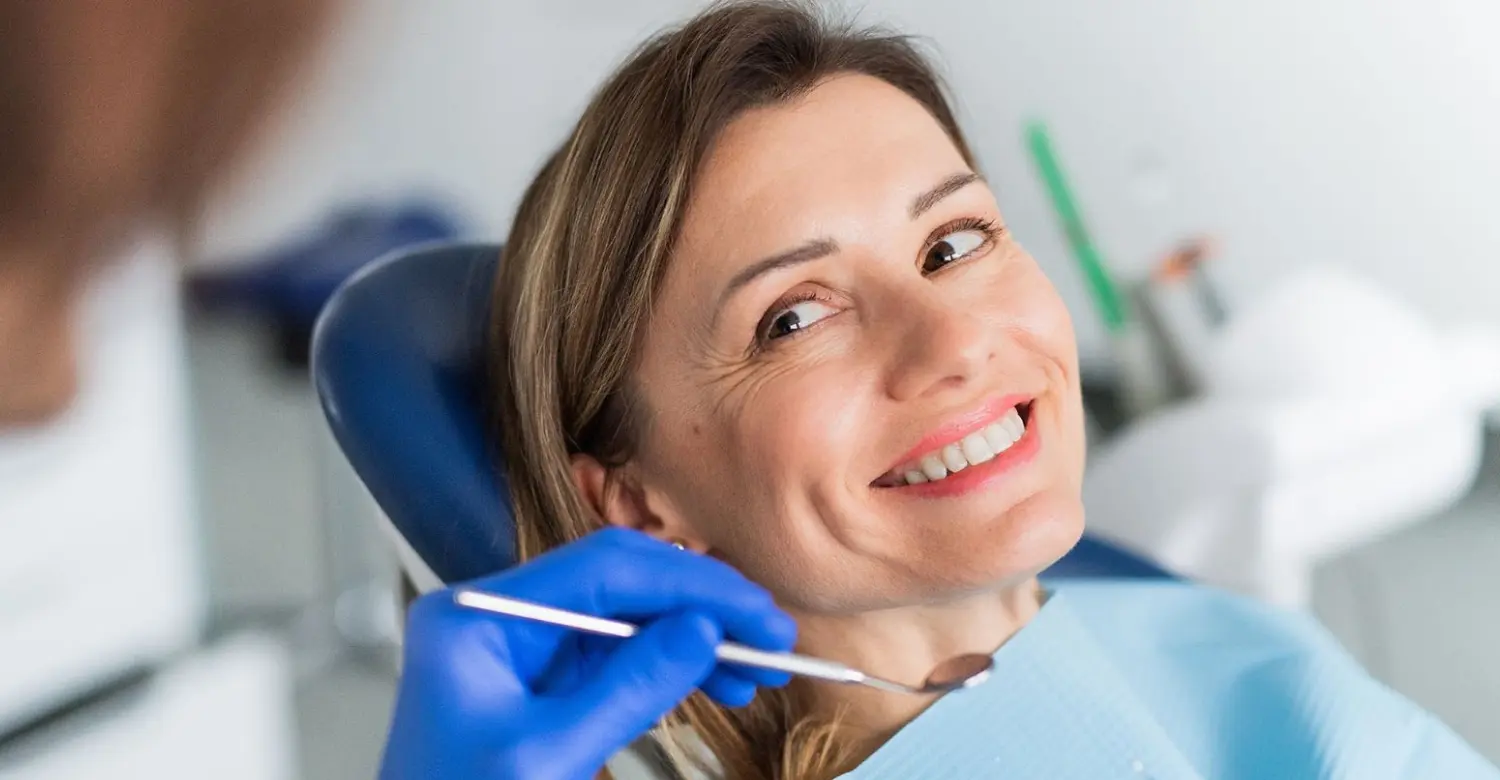
Lamineler (Veneer) İçin Bakım İpuçları
Lamineler önemli estetik değişiklikler sağlayabilir, ancak yine de dikkatli günlük bakım gerektirir. Patients should avoid biting hard objects, opening packages with their teeth, or repeatedly placing excessive force on veneered teeth. Brushing and interdental cleaning remain essential because the surrounding teeth and gums can still develop plaque-related problems. Patients who grind or clench should discuss this with their dentist. Regular examinations help monitor the veneers and surrounding tissues. Vitrin Clinic provides individualized maintenance advice based on veneer type, bite, and patient habits.
Tedaviden Sonra Laminelere Nasıl Bakılır?
Hastalar aşırı mekanik baskıdan kaçınırken dişlerini tutarlı bir şekilde fırçalamalı ve diş aralarını temizlemelidir. They should not use veneered teeth as tools or intentionally bite hard objects. Regular professional examinations can identify changes before they become significant. Patients should contact their dentist if a veneer becomes chipped, rough, loose, or noticeably different.
Lamine Yerleştirildikten Sonra Ne Yenmeli?
Beslenme önerileri tedavi aşamasına bağlıdır. Immediately after placement, patients may be advised to choose comfortable foods and avoid excessive biting forces. Hard and sticky foods may require temporary caution. Patients should also avoid biting unusually hard foods directly with the front teeth. The dentist can provide specific recommendations according to the veneer material and treatment.
Laminelere Zarar Verebilecek Yiyecekler ve Alışkanlıklar
Tekrarlanan mekanik stres diş restorasyonlarını etkileyebilir. Ice chewing, nail biting, opening packages with teeth, and biting pens can create unnecessary forces. Teeth grinding may also increase stress on veneers. Patients should discuss grinding or clenching with their dentist to determine whether protective measures are appropriate.
Sert Nesneleri Isırmaktan Kaçının
Hastalar kalemleri, tırnakları, ambalajları ve yiyecek dışı diğer nesneleri ısırmaktan kaçınmalıdır. These habits create unpredictable forces that can damage both natural teeth and restorations. Using appropriate tools instead of teeth is a simple way to reduce unnecessary mechanical stress.
Sert Yiyeceklere Dikkat Edin
Özellikle bir diş hekimi geçici beslenme kısıtlamaları önerdiğinde sert yiyecekler dikkatli bir şekilde yenmelidir. Cutting food into smaller pieces may reduce the force required to bite it. Patients should follow any treatment-specific instructions concerning hard foods.
Dişleri Alet Olark Kullanmaktan Kaçının
Dişler paketleri açmak, iplik çekmek veya nesneleri tutmak için kullanılmamalıdır. This habit creates sudden forces that can contribute to chips or fractures. Patients should use appropriate household tools instead.
Lamine Sonrası Ağız Hijyeni
Lamineler günlük ağız hijyeni ihtiyacını ortadan kaldırmaz. Plaque can still accumulate around restoration margins and affect the surrounding gums. Patients should brush twice daily and clean between their teeth using a suitable method. Regular dental examinations help monitor the veneers and adjacent tissues.
Lamine Sonuçları Uzun Vadede Nasıl Korunur?
Uzun vadeli bakım tutarlı hijyeni, düzenli diş muayenelerini, aşırı ısırma kuvvetlerinden kaçınmayı ve gerektiğinde gıcırdatma veya sıkma sorunlarını çözmeyi içerir. Patients should also maintain healthy dietary habits and respond promptly to changes in the restoration. Vitrin Clinic recommends individualized maintenance plans following cosmetic dental treatment.
Diş İşlemleri Sonrası İyileşme: Tedaviye Özel Bakım
Farklı işlemler farklı iyileşme stratejileri gerektirir. Extraction aftercare focuses heavily on protecting the healing socket, while root canal care emphasizes protecting the treated tooth until definitive restoration. Fillings may involve temporary sensitivity or bite adaptation. Whitening can produce temporary sensitivity, whereas gum treatments require careful plaque control and tissue protection. Orthodontic adjustments may result in short-term pressure or soreness. Patients should therefore follow instructions that correspond specifically to their procedure rather than combining advice from unrelated treatments.
Diş Çekiminden Sonra
Çekimden sonra hastalar kanama kontrolü, yemek yeme, çalkalama, ağız hijyeni ve aktivite ile ilgili talimatları dikkatlice takip etmelidir. Protecting the developing blood clot is particularly important during the early stage of healing. Patients should avoid disturbing the socket and should contact their dentist if bleeding, swelling, or pain becomes excessive or progressively worse.
Kan Pıhtısının Korunması
Gelişen kan pıhtısı soket iyileşmesinde önemli bir rol oynar. Patients should follow professional instructions concerning gauze, rinsing, eating, and activity. Vigorous rinsing, unnecessary touching, and smoking may interfere with appropriate healing conditions. Patients should not attempt to inspect or remove the clot.
Çekim Sonrası Yeme ve İçme
Yumuşak yiyecekler çekim bölgesi etrafındaki çiğneme basıncını azaltabilir. Patients should avoid chewing directly over the socket when advised. Very hot foods may also be uncomfortable during early healing. Drinking instructions should be followed carefully, particularly during the earliest recovery stage.
Kaçınılması Gereken Aktiviteler
Bazı hastalara çekimden sonra yorucu egzersiz, sigara, alkol ve diğer aktivitelerden geçici olarak kaçınmaları tavsiye edilebilir. The appropriate restrictions depend on the procedure and individual circumstances. Patients should ask their dentist when normal activities can safely resume.
Kanal Tedavisinden Sonra
Kanal tedavisinin ardından tedavi edilen diş kısa bir süre hassas kalabilir. Patients should protect it from excessive chewing pressure, particularly if a temporary restoration has been placed. Good oral hygiene should continue. The final restoration appointment should be completed according to the treatment plan to provide appropriate long-term protection.
Geçici Restorasyon Yapılmış Dişin Bakımı
Geçici restorasyonlar dikkatli kullanım gerektirir çünkü kalıcı restorasyonlarla aynı uzun vadeli korumayı sağlamak amacıyla tasarlanmamışlardır. Sticky or hard foods may therefore need to be avoided. Patients should contact their dental team if the temporary restoration becomes loose or falls out.
Hassasiyet Yönetimi
Kanal tedavisinden sonra ısırma sırasında bazen hassasiyet oluşabilir. Symptoms should generally follow the pattern explained by the dentist. Persistent or worsening discomfort requires professional evaluation rather than self-treatment.
Diş Dolgularından Sonra
Dolgudan sonra, özellikle soğuk veya tatlı yiyeceklerle geçici hassasiyet oluşabilir. The tooth may also feel different while the patient adjusts to the new restoration. If the bite feels unusually high or discomfort persists, the dentist should evaluate the restoration. Good oral hygiene should continue normally unless otherwise instructed.
Dolgudan Sonra Yemek Yemek
Yeme önerileri kısmen dolgu malzemesine ve diş hekimi tarafından sağlanan talimatlara bağlıdır. Patients should avoid chewing on a sensitive tooth when necessary and follow any instructions concerning how soon normal eating can resume.
Geçici Hassasiyeti Yönetmek
Hafif hassasiyet restoratif tedaviden sonra kademeli olarak azalabilir. Patients should monitor the pattern of symptoms and contact their dentist if sensitivity becomes severe, persists longer than expected, or is accompanied by increasing pain.
Profesyonel Diş Beyazlatmadan Sonra
Profesyonel beyazlatma geçici diş hassasiyetine neden olabilir. Patients may be advised to avoid extremely hot or cold foods and drinks for a limited period. Their dentist may also recommend an appropriate desensitizing product. Patients should follow the specific whitening protocol provided by the treating professional.
Diş Hassasiyetini Yönetmek
Hastalar geçici olarak çok sıcak ve soğuk yiyeceklerden kaçınarak rahatsızlığı genellikle azaltabilirler. A dentist may recommend desensitizing toothpaste or another suitable product. Severe or persistent sensitivity should be professionally assessed rather than managed through increasingly aggressive home treatments.
Kaçınılması Gereken Yiyecek ve İçecekler
Beyazlatma protokolüne bağlı olarak hastalara yüksek oranda asitli yiyecekler, çok sıcak veya soğuk içecekler ve renk pigmenti yüksek yiyecek veya içecekler hakkında geçici tavsiyeler verilebilir. The exact recommendations vary according to the whitening system and the dentist's protocol.
Diş Eti Tedavisinden Sonra
Diş eti tedavileri dokular iyileşirken dikkatli plak kontrolü gerektirir. Patients should follow professional instructions concerning brushing, interdental cleaning, medication, and any recommended rinses. Tobacco avoidance can be particularly important when periodontal tissues are healing. Regular periodontal maintenance may also be necessary.
Diş Eti Hijyenini Sürdürmek
Hastalar hassas dokuları zedelemeden etkili bir şekilde temizlemelidir. A dentist or hygienist may demonstrate modified brushing and interdental techniques. Persistent bleeding, swelling, or discomfort should be reported rather than ignored.
Diş Eti İyileşmesini Desteklemek
Hastalar beslenme ve hijyen önerilerine uymalı ve gereksiz mekanik tahrişlerden kaçınmalıdır. Regular periodontal maintenance can help protect gum health after treatment. Long-term success depends on continued home care and professional monitoring.
Ortodontik Ayarlamalardan Sonra
Ortodontik ayarlamalar apareyler kontrollü kuvvetler uygularken geçici basınca veya sızıya neden olabilir. Softer foods may make eating more comfortable during this period. Patients should continue cleaning carefully around brackets, wires, attachments, or aligners. If a wire becomes displaced or an appliance breaks, the orthodontic team should be contacted.
Sızıyı Yönetmek
Ortodontik ayarlamaları takiben hafif sızı oluşabilir. Patients may prefer softer foods during the initial period. Severe or unusual pain should be discussed with the orthodontic team rather than assumed to be a normal part of treatment.
Konforlu Yiyecekler Seçmek
Yumuşak makarna, yoğurt, yulaf ezmesi, yumurta, pişmiş sebzeler ve çiğnemesi kolay diğer yiyecekler bir ayarlamadan sonra konforlu olabilir. Hard and sticky foods should be avoided when they could damage the appliance. Food recommendations depend on the type of orthodontic treatment.
Diş Tedavisi İyileşmesi Nasıl Hızlandırılır?
Hastalar biyolojik dokuları doğal kapasitelerinden daha hızlı iyileşmeye güvenli bir şekilde zorlayamazlar. Instead, they should focus on maintaining conditions that support normal recovery. Following professional instructions, maintaining appropriate hygiene, eating a balanced diet, staying hydrated, avoiding tobacco, and attending follow-up appointments can all contribute to responsible recovery. Unproven home remedies should not be applied to surgical sites without professional approval.
Diş İyileşmesini Gerçekten Hızlandırabilir misiniz?
Amaç daha hızlı bir biyolojik süreç vaat etmekten ziyade iyileşmeyi geciktirmekten kaçınmak olmalıdır. Patients can support normal healing by following instructions and avoiding behaviors that create unnecessary irritation. Nutrition, hydration, hygiene, and tobacco avoidance are important general considerations. The dentist can also identify factors that may be interfering with recovery.
Diş Hekiminizin Talimatlarına Uyun
Tedaviyi uygulayan diş hekimi tam işlemi anlar ve hastanın koşullarına özel öneriler sunabilir. Instructions may cover medications, diet, oral hygiene, exercise, and follow-up. Patients should ask questions before changing any part of their recovery routine.
Mükemmel Ağız Hijyenini Sürdürün
Uygun plak kontrolü iyileşme boyunca önemlidir. Patients should use the cleaning method recommended by their dental team, particularly around implants, surgical sites, orthodontic appliances, and restorations. Excessive brushing pressure should be avoided where tissues are sensitive.
Dengeli ve İyileşmeyi Destekleyen Bir Diyet Yapın
Dengeli bir diyet normal vücut fonksiyonları için ihtiyaç duyulan protein, karbonhidrat, yağ, vitamin ve mineralleri sağlar. Patients may need to modify food textures temporarily after certain procedures. Soft protein sources, cooked vegetables, yogurt, eggs, and other nutrient-dense foods can be incorporated according to individual dietary needs.
Yeterli Sıvı Alın
Yeterli sıvı alımı iyileşme sırasında genel sağlığı destekler. Patients should follow any procedure-specific instructions concerning fluids. Extremely hot or cold drinks may need to be avoided temporarily if the mouth is sensitive.
Sigaradan ve İyileşmeyi Bozan Diğer Alışkanlıklardan Kaçının
Sigara içmek ağız dokularını olumsuz etkileyebilir ve cerrahi işlemlerin ardından özellikle önemlidir. Vaping should also be discussed with the treating dental professional. Patients should avoid habits that create unnecessary mechanical stress on treated teeth or tissues.
Önerilen Takip Ziyaretlerine Katılın
Profesyonel kontroller, diş hekimlerinin iyileşmeyi, tedavi stabilitesini ve restorasyon fonksiyonunu değerlendirmesine olanak tanır. Patients should attend scheduled appointments even when they feel comfortable. If an appointment must be changed, the clinic should be contacted to arrange another time.
Klinik Olarak Fark Ettiğimiz Hususlar
Hastalar her talimatın neden verildiğini anladıklarında iyileşmeyi yönetmek daha kolay olur. Clinical assessment focuses on measurable signs rather than symptoms alone. Vitrin Clinic combines patient education with appropriate professional monitoring so that patients can better understand their recovery process.
Diş Tedavisinden Sonra Ağız Sağlığı Nasıl Korunur?
Rahatsızlık kaybolduğunda iyileşme tamamlanmış sayılmamalıdır. Long-term oral health requires consistent home care, professional examinations, and appropriate protection of dental restorations. Patients should continue brushing, cleaning between their teeth, attending dental checkups, and addressing new symptoms promptly. Crowns, veneers, and implant restorations require particular attention to hygiene and mechanical protection.
Tutarlı Bir Günlük Ağız Hijyeni Rutini Oluşturun
Hastalar diş hekimlerinin önerilerine göre fırçalamalı ve her gün diş aralarını temizlemelidir. Individuals with implants, orthodontic appliances, crowns, or veneers may require specialized techniques. Consistency is more beneficial than occasional intensive cleaning.
Doğru Diş Fırçası ve Diş Macununu Seçin
Nazik plak temizliği için genellikle yumuşak kıllı bir diş fırçası uygundur. Toothpaste selection may depend on sensitivity, fluoride requirements, and professional recommendations. Patients should avoid aggressive brushing and should ask their dentist before making major changes to their oral-care routine.
Dişlerinizin Arasını Temizleyin
Arayüz temizliği, bir diş fırçasının etkili bir şekilde ulaşamadığı alanlardaki plağı temizler. Floss, interdental brushes, or water flossers may be appropriate depending on individual anatomy and treatment. Implant patients and orthodontic patients may require specialized cleaning tools.
Restorasyonları Aşırı Kuvvetlerden Koruyun
Gıcırdatma, sıkma, tırnak yeme ve dişleri alet olarak kullanma mekanik stresi artırabilir. Patients should discuss persistent grinding or clenching with their dentist. Protective appliances may be appropriate for selected patients. Crowns, veneers, and implant restorations should be treated carefully even after the initial recovery period.
Düzenli Diş Kontrolleri Planlayın
Düzenli diş muayeneleri, hekimlerin restorasyonları, diş eti dokularını, doğal dişleri ve ağız hijyenini izlemelerine olanak tanır. Professional cleaning may also be recommended according to individual risk. Patients with extensive dental treatment may require more frequent monitoring.
Yeni Semptomları Erken Çözün
Ağrı, şişlik, kanama, hassasiyet, restorasyon hareketi veya kapanış değişiklikleri devam ettiğinde veya kötüleştiğinde değerlendirilmelidir. Patients should avoid attempting permanent repairs at home. Prompt communication allows the dental team to determine the appropriate next step.
Tedaviden Sonra Koruyucu Bakım Neden Önemlidir?
Diş tedavisi gelecekte diş çürümesi, diş eti hastalığı, restorasyon hasarı veya diğer ağız sağlığı endişeleri olasılığını ortadan kaldırmaz. Preventive care helps identify changes early and supports the longevity of dental work. Good home care should therefore continue after the initial treatment period.
Uzun Vadeli Diş Tedavisi Sonuçlarını Korumak
Uzun vadeli tedavi bakımı günlük hijyene, sorumlu yeme ve ısırma alışkanlıklarına, profesyonel muayenelere ve semptomlara erken müdahaleye bağlıdır. Vitrin Clinic encourages patients to view aftercare as an ongoing part of their dental journey rather than a short period immediately after treatment.
Diş Tedavisinden Sonra Nelerden Kaçınmalısınız?
Hastalar iyileşmeyi engelleyebilecek veya yakın zamanda tamamlanan diş tedavilerine zarar verebilecek davranışlardan kaçınmalıdır. Depending on the procedure, these may include smoking, hard or sticky foods, excessive physical activity, unnecessary touching of treatment sites, and using teeth as tools. Patients should also avoid skipping follow-up appointments or ignoring persistent symptoms. The exact restrictions should always be determined by the treating dentist.
İyileşmeyi Geciktirebilecek Yaygın Bakım Hataları
Yaygın hatalar arasında sert yiyeceklere çok çabuk dönmek, ağız hijyenini ihmal etmek, iyileşme sırasında sigara içmek, gevşek geçici restorasyonları göz ardı etmek ve planlanan takip randevularını kaçırmak yer alır. Patients may also make the mistake of comparing their recovery with someone else's. Every procedure and patient can have different requirements.
Çok Erken Sigara İçmek
Sigara içmek ağız dokularını ve iyileşme koşullarını olumsuz etkileyebilir. Patients should follow tobacco restrictions provided after surgery or other procedures. Those who smoke or vape should discuss their habits with the dental team so appropriate advice can be provided.
Sert veya Yapışkan Yiyecekler Yemek
Sert yiyecekler güçlü çiğneme kuvvetleri oluşturabilirken, yapışkan yiyecekler geçici restorasyonları çekebilir. Patients should follow their dentist's dietary recommendations until the treated area is ready for normal use.
Ağız Hijyenini İhmal Etmek
Ağız hijyenini tamamen durdurmak plak birikmesine izin verebilir. Patients should instead follow modified cleaning instructions when treatment sites are sensitive. Gentle, appropriate cleaning is generally preferable to either aggressive brushing or complete neglect.
Takip Randevularını Kaçırmak
İyileşmenin bazı yönleri semptomlar aracılığıyla değerlendirilemez. Follow-up appointments allow the dentist to assess progress and treatment stability. Patients should reschedule missed appointments rather than abandoning planned monitoring.
Belirli İşlemlerden Sonra Çok Erken Egzersiz Yapmak
Bazı cerrahi tedaviler yorucu egzersizlerde geçici kısıtlamalar gerektirir. Patients should follow the activity restrictions provided by their dentist and ask when normal exercise can safely resume.
Kalıcı Ağrı veya Şişliği Göz Ardı Etmek
Kalıcı veya kötüleşen semptomlar otomatik olarak normal kabul edilmemelidir. Patients should contact their dental team when pain or swelling does not follow the expected recovery pattern. Early evaluation is preferable to prolonged self-treatment.
Uyarı İşaretleri: Diş Hekiminizle Ne Zaman İletişime Geçmelisiniz?
Diş Tedavisi Sonrası Bakım Rehberi, ne zaman profesyonel temasın gerekli olduğunu net bir şekilde açıklamalıdır. Severe or increasing pain deserves dental assessment. Persistent swelling can also indicate a problem requiring evaluation. Excessive bleeding should not be ignored. Fever may indicate infection and requires professional attention. Difficulty swallowing or breathing requires urgent medical assessment. A loose restoration can affect function and underlying tooth protection. Symptoms lasting beyond the expected recovery period should also be discussed. Vitrin Clinic encourages patients to communicate concerns promptly. Patients should follow emergency instructions provided by their treating dental team.
Şiddetli veya Artan Ağrı
Diş Tedavisi Sonrası Bakım Rehberi, beklenen sızıyı kötüleşen ağrıdan ayırmalıdır. Pain that becomes stronger instead of gradually improving deserves professional evaluation. Patients should follow prescribed medication instructions while awaiting advice. They should not increase medication doses independently. A dentist can assess the treatment area and determine the cause. Vitrin Clinic recommends contacting the clinical team when pain changes unexpectedly. Prompt assessment can prevent unnecessary delays.
Kalıcı veya Kötüleşen Şişlik
Diş Tedavisi Sonrası Bakım Rehberi, kötüleşen şişliği profesyonel temas nedeni olarak tanımlamalıdır. Some swelling can occur after oral surgery. However, increasing swelling requires assessment according to the dentist's instructions. Patients should monitor changes carefully. They should also report associated fever or increasing pain. Vitrin Clinic recommends timely communication when swelling does not follow the expected pattern. Professional evaluation is safer than self-treatment.
Aşırı Kanama
Diş Tedavisi Sonrası Bakım Rehberi, kanama beklentilerinin işleme göre değiştiğini açıklamalıdır. Some minor oozing can occur after oral surgery. Persistent or excessive bleeding requires professional guidance. Patients should follow the exact bleeding-control instructions provided after treatment. They should contact the dental team if bleeding does not respond as expected. Vitrin Clinic provides postoperative instructions according to procedure type. Patients should not delay communication when bleeding seems abnormal.
Ateş veya Enfeksiyon Belirtileri
Diş Tedavisi Sonrası Bakım Rehberi, ateşi potansiyel bir uyarı işareti olarak tanımlamalıdır. Fever accompanied by swelling, worsening pain, or discharge requires professional evaluation. Patients should not diagnose infection independently. Dental professionals can assess the treatment area and determine appropriate management. Vitrin Clinic encourages patients to report concerning symptoms promptly. Early professional assessment can help determine the correct next step.
Yutkunma veya Nefes Alma Güçlüğü
Diş Tedavisi Sonrası Bakım Rehberi, yutkunma veya nefes alma güçlüğünü acil semptomlar olarak net bir şekilde tanımlamalıdır. These symptoms can indicate complications requiring immediate professional attention. Patients should not wait for routine follow-up when breathing becomes difficult. They should follow emergency guidance from their healthcare team. Vitrin Clinic advises patients to seek urgent medical attention when these symptoms occur. Safety should always take priority over routine recovery questions.
Gevşemiş veya Yanlış Hissedilen Bir Restorasyon
Diş Tedavisi Sonrası Bakım Rehberi, gevşek restorasyonların derhal değerlendirilmesini teşvik etmelidir. Crowns, temporary restorations, veneers, or implant components can require professional assessment. Patients should not attempt to glue or repair dental work themselves. An altered bite can also create unnecessary mechanical stress. Vitrin Clinic recommends contacting the dental team when a restoration feels abnormal. Early adjustment can protect the underlying tooth or treatment.
Beklenen İyileşme Süresi İçinde İyileşmeyen Semptomlar
Diş Tedavisi Sonrası Bakım Rehberi, hastaları semptomları profesyonel beklentilerle karşılaştırmaya teşvik etmelidir. Recovery timelines differ between procedures and individuals. Symptoms that remain unchanged or worsen may require evaluation. Patients should not rely exclusively on online recovery charts. Their treating dentist understands the specific procedure performed. Vitrin Clinic encourages patients to communicate persistent symptoms directly. Professional assessment provides a more reliable answer than self-diagnosis.
Diş Tedavisi Sonrası Bakımınız İçin Neden Vitrin Clinic'i Seçmelisiniz?
Diş Tedavisi Sonrası Bakım Rehberi, hastalar kişiselleştirilmiş profesyonel destek aldıklarında daha etkili hale gelir. Vitrin Clinic provides treatment-focused care designed around individual dental needs. Aftercare can vary significantly between implants, crowns, veneers, and surgical procedures. Professional follow-up helps patients understand whether recovery is progressing appropriately. Education can also improve confidence during the recovery period. Patients receive guidance based on their treatment rather than generic instructions. Vitrin Clinic emphasizes communication, monitoring, and long-term oral health. Patients should discuss concerns openly throughout their treatment journey.
Her Diş Tedavisi İçin Kişiselleştirilmiş Bakım
Diş Tedavisi Sonrası Bakım Rehberi, uygulanan işleme göre uyarlanmalıdır. Vitrin Clinic provides treatment-specific recommendations for appropriate dental procedures. Implant recovery differs from crown or veneer maintenance. Extraction aftercare also differs from orthodontic recovery. Personalized guidance helps patients understand dietary, hygiene, and activity requirements. Clinical follow-up can further refine recommendations as healing progresses. Patients should communicate lifestyle factors that could influence aftercare. Vitrin Clinic aims to make recovery instructions practical and understandable.
Kapsamlı Tedavi Planlaması ve Takip
Diş Tedavisi Sonrası Bakım Rehberi, tedavi planlamasını iyileşme planlamasıyla birleştirmelidir. Vitrin Clinic considers aftercare requirements as part of the broader treatment journey. Follow-up allows clinicians to monitor healing and restoration function. Patients can also receive clarification when recovery questions arise. Comprehensive planning may reduce confusion between different treatment stages. Patients should maintain communication with their dental team throughout treatment. Appropriate follow-up remains especially important for complex procedures.
Modern Diş Teknolojisi ve Deneyimli Bakım
Diş Tedavisi Sonrası Bakım Rehberi, uygun klinik değerlendirme ile desteklenmelidir. Modern dental technology can assist diagnosis, treatment planning, and follow-up. Digital imaging and other tools may provide useful clinical information. Technology does not replace professional judgment. Vitrin Clinic combines modern dental approaches with individualized clinical assessment. Patients benefit when technology supports clear treatment decisions. Follow-up remains important even when advanced technology is used.
Ağız Sağlığınız İçin Uzun Vadeli Destek
Diş Tedavisi Sonrası Bakım Rehberi, acil ameliyat sonrası talimatların ötesine geçmelidir. Long-term oral health requires preventive care and restoration maintenance. Vitrin Clinic supports appropriate follow-up after dental treatments. Patients can receive guidance regarding hygiene, restoration protection, and professional examinations. Maintaining oral health helps protect treatment investments. Patients should continue routine dental care after recovery is complete. Long-term support remains an important part of responsible dental treatment.
Vitrin Clinic'te Diş Tedavisi Sonrası Bakım
Diş Tedavisi Sonrası Bakım Rehberi, hastalar kendi özel iyileşme planlarını anladıklarında en yararlı halini alır. Vitrin Clinic provides aftercare guidance according to treatment type and clinical requirements. Patients can receive instructions regarding hygiene, diet, activity, and follow-up. Implant patients may require longer monitoring than routine restorative patients. Cosmetic patients also need long-term maintenance strategies. Clear communication helps patients recognize normal recovery patterns and warning signs. Vitrin Clinic emphasizes patient education throughout the treatment process. Patients should ask questions whenever instructions are unclear.
Tedaviye Özel İyileşme Rehberliği
Diş Tedavisi Sonrası Bakım Rehberi, diş işlemleri arasındaki farklılıkları yansıtmalıdır. Vitrin Clinic provides recovery recommendations based on individual treatment plans. Surgical procedures may require detailed wound-care instructions. Restorative procedures may focus more on chewing and sensitivity. Cosmetic treatments often emphasize restoration protection and hygiene. Orthodontic care requires appliance-specific maintenance. Patients should follow the guidance associated with their actual procedure. Individualization makes aftercare more practical and clinically relevant.
Diş İmplantları, Kuronlar ve Laminelerden Sonra Takip Bakımı
Diş Tedavisi Sonrası Bakım Rehberi, takibin restorasyonlar arasında farklılık gösterdiğini açıklamalıdır. Implant treatment requires monitoring of healing and integration. Crowns require evaluation of fit, bite, and surrounding tissues. Veneers require monitoring of margins, gum health, and restoration condition. Vitrin Clinic provides appropriate follow-up according to treatment requirements. Patients should attend scheduled appointments even when symptoms have resolved. Long-term maintenance supports restoration durability and oral health.
Daha İyi İyileşme İçin Hasta Eğitimi
Diş Tedavisi Sonrası Bakım Rehberi, hastaları pratik iyileşme bilgileriyle güçlendirmelidir. Patients need to understand what actions support healing. They should also know which symptoms require professional attention. Vitrin Clinic emphasizes clear communication and patient education. Understanding instructions can make recovery less stressful and more organized. Patients should ask questions before leaving treatment appointments. Good education supports better adherence to aftercare recommendations.
Dr. Rifat Alsaman’ın Diş Bakımına Klinik Yaklaşımı
Diş Tedavisi Sonrası Bakım Rehberi, kişiselleştirilmiş klinik bakım ilkesini yansıtmalıdır. Dr. Rifat Alsaman emphasizes matching aftercare recommendations to treatment complexity. Patients should protect treated areas while maintaining appropriate oral hygiene. Follow-up remains important for evaluating healing and treatment stability. He also encourages patients to report unusual symptoms early. Vitrin Clinic applies this patient-centered approach across appropriate treatment pathways. Recovery should be monitored rather than assumed.
Özet ve Sonuç
Diş Tedavisi Sonrası Bakım Rehberi, hastalara diş tedavisinden sonra iyileşmeleri için pratik bir çerçeve sunar. The correct approach depends on the procedure, treatment complexity, and individual healing response. Following professional instructions remains the most important step. Patients should maintain appropriate oral hygiene, choose suitable foods, and protect treated areas. Smoking and other potentially harmful habits should be avoided when advised. Follow-up appointments provide important opportunities to assess healing and treatment stability. Warning signs should never be ignored or self-treated. Vitrin Clinic emphasizes personalized aftercare, patient education, and continued professional support. Good aftercare does not end when discomfort disappears. Long-term maintenance remains essential for protecting oral health and treatment results.
Referanslar
FAQs
Dr. Rifat Alsaman, diş hekimliği alanında 5 yıldan fazla klinik deneyime sahiptir ve şu anda Vitrin Clinic'te Medikal Ekibin Başkanı olarak görev yapmaktadır. Hastalarına en iyi bakımı sunmaya, tedavi planlamalarını yönetmeye ve ekip genelinde en yüksek klinik standartların uygulanmasını sağlamaya kendini adamıştır. Uzmanlığı, detaylara verdiği önem ve sürekli mesleki gelişime olan bağlılığı sayesinde birçok hastanın daha sağlıklı ve daha özgüvenli gülüşlere kavuşmasına yardımcı olmuştur.


