

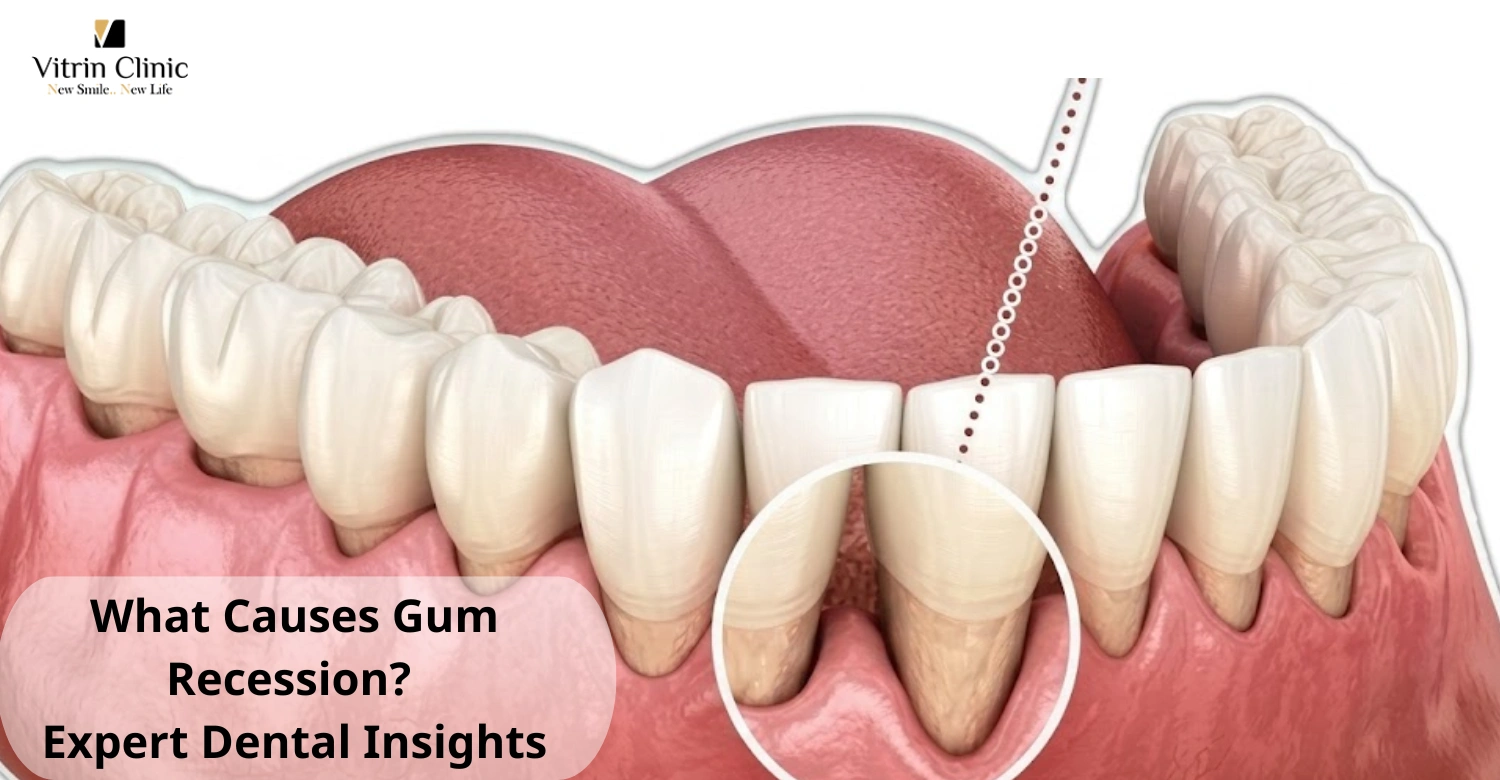
Gum recession is a common yet often overlooked dental condition that affects millions of people worldwide. Understanding what causes gum recession is the first step toward protecting your smile and long-term oral health. From brushing habits to lifestyle choices and orthodontic appliances, multiple factors contribute to this condition. In this guide, we explore the causes, treatments, and prevention strategies to help you take control of your gum health today.
Understanding Gum Recession
Gum recession occurs when the gum tissue surrounding the teeth gradually pulls back, exposing more of the tooth or its root. Many patients don’t realize what causes gum recession until significant damage has already occurred. Early awareness is essential. Whether caused by genetics, poor habits, or dental appliances, understanding this condition helps you seek timely care and avoid irreversible damage to your smile and supporting bone structure.
What Is Gum Recession?
Gum recession is the process by which the margin of gum tissue that surrounds the teeth wears away or pulls back, exposing the tooth root beneath. This exposure increases sensitivity and vulnerability to decay. Many patients ask what causes gum recession; the answer involves a combination of biological, behavioral, and environmental factors. Left untreated, recession can lead to tooth loss, bone damage, and serious long-term oral health consequences.
Signs and Symptoms
Recognizing the early signs of gum recession helps prevent progression. Common symptoms include tooth sensitivity to hot or cold, teeth that appear longer than usual, visible tooth roots, and gum tenderness or bleeding. Patients often notice a notch near the gum line. If you’re wondering what causes gum recession in your specific case, a dental professional can evaluate your symptoms, identify contributing risk factors, and recommend an appropriate and personalized treatment plan for you.
Causes of Gum Recession
Understanding the causes of gum recession is critical for prevention and treatment. What causes gum recession varies from person to person; it may involve genetics, aggressive brushing, tobacco use, orthodontic treatment, or gum disease. Identifying the root cause allows dental professionals to create targeted treatment plans. The following sections explore the most common contributors to gum recession, helping patients recognize which factors may apply to their own daily habits and lifestyle.
Natural and Biological Factors
Some individuals are genetically predisposed to thin or fragile gum tissue, making gum recession more likely regardless of oral hygiene. Hormonal changes especially in women during pregnancy or menopause can also increase gum sensitivity and recession risk. Additionally, misaligned teeth or abnormal tooth positioning places uneven pressure on gum tissue. Understanding what causes gum recession from a biological perspective helps patients and clinicians develop prevention strategies tailored to individual anatomy and long-term health needs.
Oral Hygiene and Brushing Habits
Poor or excessive oral hygiene is among the leading gum recession causes. Does not brushing cause gum recession? Yes plaque buildup leads to gum disease, which causes recession. But can brushing too hard cause gum recession? Absolutely. Aggressive brushing with a stiff-bristled toothbrush wears away enamel and gum tissue. Can electric toothbrushes cause gum recession? They can if used incorrectly with excess pressure. Do electric toothbrushes cause gum recession when used properly? Rarely does technique matter most.
Lifestyle and External Factors
Lifestyle choices significantly influence gum health. Does smoking cause gum recession? Yes, tobacco restricts blood flow and promotes gum disease. Can smoking cause gum recession? Without question. Does vaping cause a gum recession? Research increasingly confirms this. Can vaping cause a gum recession? Yes, nicotine and chemicals irritate tissues. Does nicotine gum cause gum recession? Prolonged use can. Do nicotine pouches cause gum recession? Do nicotine pouches cause gum recession? Both are real concerns. Do zyns cause gum recession, and does zyn cause gum recession? Yes, placing pouches against gum tissue causes localized recession over time.
Dental Appliances and Orthodontics
Orthodontic treatment and dental devices raise important questions about gum recession. Can braces cause gum recession? Do braces cause gum recession? Yes, if teeth are moved too aggressively or oral hygiene is neglected. Does Invisalign cause gum recession? Can Invisalign cause gum recession? It can when aligners are worn with poor hygiene. Can retainers cause gum recession? Ill-fitting retainers may create localized pressure. Understanding what causes gum recession during orthodontic treatment helps patients maintain proper hygiene and receive appropriate monitoring throughout their care.
Treatment Options for Gum Recession
When addressing what causes gum recession, it’s equally important to explore available treatments. Treatment ranges from non-invasive interventions to surgical procedures depending on severity. Early-stage recession often responds well to improved hygiene and lifestyle changes, while advanced cases may require professional procedures. Patients should consult a qualified dental professional to assess their condition thoroughly and determine the most appropriate, effective treatment approach to restore gum health, protect teeth, and prevent further progression.
Non-Surgical Approaches
For mild to moderate recession, non-surgical treatments are often the first line of defense. Deep cleaning procedures such as scaling and root planing remove bacterial deposits and smooth root surfaces to encourage gum reattachment. Antimicrobial treatments reduce infection-causing bacteria. Desensitizing agents relieve root sensitivity. Addressing what causes gum recession such as correcting brushing technique or quitting tobacco is essential alongside these treatments. Regular professional cleanings help maintain results and prevent further tissue loss from recurring bacterial buildup.
Surgical and Cosmetic Solutions
For advanced gum recession, surgical solutions may be necessary. Gum graft surgery involves taking tissue from the palate or using donor material to cover exposed roots. Pinhole surgical technique offers a minimally invasive alternative. Guided tissue regeneration helps rebuild lost bone and tissue support. These procedures restore both function and aesthetics. When what causes gum recession has been identified and addressed, surgical outcomes are far more successful and long-lasting reducing the risk of relapse and protecting surrounding dental structures.
Preventive Measures
Prevention is always preferable to treatment when managing what causes gum recession. Using a soft-bristled toothbrush, brushing gently with proper technique, and flossing carefully are essential habits. Quitting smoking, avoiding nicotine products, and managing stress reduce systemic risk factors. Regular dental checkups allow early detection and intervention. Wearing properly fitted orthodontic appliances and maintaining excellent hygiene during treatment also prevents recession. Prevention requires a consistent, informed approach to daily oral care combined with professional dental oversight and support.
Professional Guidance for Patients
Seeking professional guidance is vital when managing what causes gum recession. Dental professionals can assess your unique risk profile, diagnose the underlying cause, and recommend individualized treatment or preventive strategies. Many patients delay care until recession becomes severe but early intervention leads to better outcomes. Whether your recession stems from brushing habits, tobacco use, or orthodontic treatment, a dental professional at a trusted clinic can help you protect your gums and preserve your long-term smile.
Recognizing Early Signs
Early recognition of gum recession improves treatment success significantly. Watch for increased tooth sensitivity, visible root surfaces, or teeth that look longer than usual. Bleeding or tender gums during brushing can also signal early recession. Patients who understand what causes gum recession are better equipped to recognize these warning signs quickly. Don’t wait for pain to become severe before seeking evaluation. Scheduling a dental visit at the first sign of symptoms can prevent the need for more invasive, costly treatments later on.
Questions to Ask Your Dentist
Being informed during dental visits improves your outcomes. Consider asking: What causes gum recession in my specific case? Is my brushing technique contributing to the problem? Are my orthodontic appliances affecting my gum health? Do my lifestyle choices such as vaping or nicotine use increase my risk? What treatment options are available to me? How can I prevent further recession at home? These questions help patients take an active role in their care and make well-informed decisions about their dental health.
Dental Care Tips to Prevent Gum Recession
Preventing what causes gum recession requires consistent daily effort and informed lifestyle choices. Patients who understand gum recession causes are more motivated to adopt better habits. Small changes from switching your toothbrush to quitting nicotine products can significantly reduce your risk. The following practical tips are designed to help you maintain healthy gums, avoid recession triggers, and support long-term oral health through improved daily routines, dietary choices, and professional dental care engagement.
Daily Oral Hygiene Practices
Establishing smart daily hygiene habits is one of the most effective ways to prevent recession. Use a soft-bristled toothbrush and brush gently in circular motions. Can brushing too hard cause gum recession? Yes, and it’s preventable. Does flossing cause gum recession? Can flossing cause gum recession? Only if done aggressively. Does Waterpik cause gum recession? Can a Waterpik cause gum recession? Can Waterpik cause gum recession? Only on high-pressure settings. Use it gently and on the recommended setting to safely clean between teeth without damaging delicate gum tissue.
Lifestyle and Dietary Recommendations
What causes gum recession is not limited to oral hygiene. Lifestyle plays a major role. Does zyns cause gum recession? Do zyn cause gum recession? Yes, regular nicotine pouch use irritates gums. Do edibles cause gum recession? Frequent sugar-heavy edibles contribute to bacterial growth and gum disease. A diet rich in vitamin C and calcium supports gum strength. Staying hydrated, avoiding tobacco products, limiting sugar intake, and managing stress all contribute meaningfully to healthier gums and reduced long-term recession risk.
Vitrin Clinic: Expertise in Gum Recession Management
At Vitrin Clinic, we specialize in diagnosing and treating what causes gum recession across a wide range of patient profiles. Our experienced dental team provides comprehensive evaluations and personalized treatment plans using the latest techniques in periodontal care. Whether you’re dealing with early-stage recession or require advanced surgical correction, Vitrin Clinic is committed to restoring your gum health with precision, care, and a patient-first approach that delivers real, lasting results for every patient.
Advanced Technology and Personalized Care
Vitrin Clinic utilizes state-of-the-art diagnostic and treatment technology to address gum recession causes effectively. From digital imaging to laser-assisted periodontal therapy, our advanced tools enable precise detection and minimally invasive treatment. Every treatment plan is fully personalized to the patient’s anatomy, risk factors, and goals. Understanding what causes gum recession in your specific case allows our specialists to deliver targeted interventions that protect your gums, preserve your smile, and minimize discomfort throughout the entire treatment process.
Why Patients Trust Vitrin Clinic
Patients from around the world choose Vitrin Clinic for gum recession management because of our commitment to excellence, transparency, and compassionate care. Our multilingual team supports international patients throughout every stage of their treatment journey. With a track record of successful outcomes and a deep understanding of what causes gum recession, Vitrin Clinic provides the expertise and environment needed to achieve lasting gum health. Patient satisfaction, safety, and long-term results remain our highest priorities at every appointment and consultation.
Take Action Today and Schedule Your Free Consultation
If you’ve been wondering what causes gum recession or have noticed early warning signs, now is the time to act. Vitrin Clinic offers free consultations to help you understand your condition and explore your options. Don’t wait until recession becomes severe early intervention leads to better, faster, and more affordable outcomes. Contact Vitrin Clinic today, schedule your FREE consultation, and take the first confident step toward healthier gums, a stronger smile, and improved long-term oral health and wellbeing.

FAQs
What can cause gum recession?
Understanding what can cause gum recession involves looking at multiple factors. The most common gum recession causes include gum disease (periodontitis), aggressive brushing, genetics, tobacco use, hormonal changes, misaligned teeth, and poorly fitted dental appliances. What causes gum recession in one patient may differ from another. A comprehensive dental evaluation helps identify specific triggers. Early detection and targeted treatment significantly reduce the risk of progression and long-term damage to the teeth and surrounding supportive bone structure.
Can braces or Invisalign cause gum recession?
Can braces cause gum recession? Do braces cause gum recession? Yes, orthodontic treatment can contribute to recession if teeth are moved beyond bone boundaries or oral hygiene is neglected. Does Invisalign cause gum recession? Can Invisalign cause gum recession? Similarly, yes, aligners worn without proper cleaning create bacterial buildup. Both treatments require attentive hygiene and regular dental monitoring. When managed correctly, orthodontic treatment does not necessarily cause gum recession, and outcomes are generally safe with proper professional oversight and hygiene practices maintained throughout treatment.
Does smoking, vaping, or nicotine use contribute to gum recession?
Does smoking cause gum recession? Can smoking cause gum recession? Yes, tobacco is one of the most well-documented gum recession causes. Does vaping cause gum recession? Can vaping cause gum recession? Yes, both nicotine and vaping chemicals inflame and damage gum tissue. Do nicotine pouches cause gum recession? Does nicotine pouches cause gum recession? Does zyn cause gum recession? Do zyns cause gum recession? All nicotine delivery methods pose a risk. Quitting any form of nicotine use significantly improves gum health and reduces further recession risk.
Can using a Waterpik or electric toothbrush damage gums?
Does Waterpik cause gum recession? Can a Waterpik cause gum recession? Can Waterpik cause gum recession? When used at excessive pressure settings, yes it can irritate and damage gum tissue over time. Do electric toothbrushes cause gum recession? Can electric toothbrushes cause gum recession? They can when used with too much force or worn brush heads. Used correctly at appropriate settings and pressure, both tools are generally safe and effective for gum health when part of a proper oral hygiene routine.
Does flossing or brushing too hard cause gum recession?
Does flossing cause gum recession? Can flossing cause gum recession? Aggressive or incorrect flossing techniques can irritate and damage the gum line over time. Can brushing too hard cause gum recession? Yes this is one of the most common behavioral gum recession causes. Using a soft-bristled brush with gentle circular motions protects the gums. Does not brushing cause gum recession? Also yes plaque accumulation causes gum disease, which leads to recession. Balance and technique in oral hygiene are essential.
What are the treatment options for gum recession?
Treatment for what causes gum recession depends on severity. Mild cases may be managed with improved hygiene, scaling, root planing, and lifestyle changes. Moderate to severe recession may require gum graft surgery, the pinhole technique, or guided tissue regeneration. At Vitrin Clinic, our specialists evaluate each patient individually and recommend the most appropriate treatment. Addressing the underlying gum recession causes alongside clinical treatment ensures the best long-term outcomes and reduces the likelihood of recession returning after the procedure.
How can gum recession be prevented at home?
Preventing what causes gum recession at home involves consistent, mindful habits. Brush gently with a soft-bristled toothbrush twice daily. Floss carefully: does flossing cause gum recession when done properly? No. Use a Waterpik on low settings. Avoid tobacco and nicotine products. Maintain a balanced diet rich in vitamins C and D. Wear properly fitted orthodontic appliances. Stay well-hydrated and manage stress effectively. Visit your dentist regularly for professional cleanings and early monitoring to catch any signs of recession before they progress.
When should I see a dentist for receding gums?
You should see a dentist as soon as you notice symptoms associated with what causes gum recession including sensitivity, visible roots, or teeth appearing longer. Early intervention is key to preventing irreversible damage. Do not wait for pain to escalate. Patients who understand gum recession causes are better positioned to act quickly. Vitrin Clinic offers free consultations to assess your gum health comprehensively. Scheduling an appointment promptly can make the difference between simple preventive care and more complex, costly surgical treatment.


