
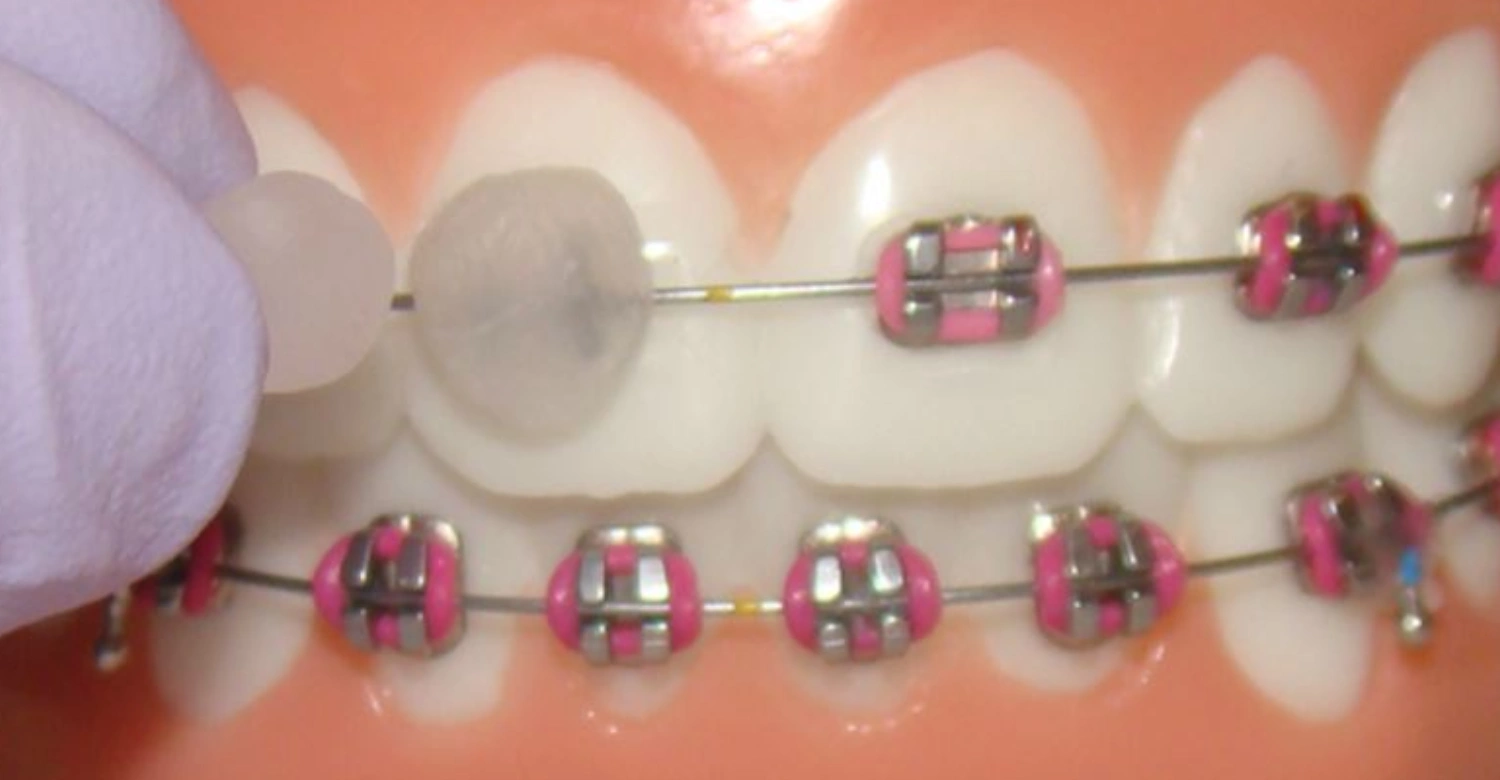
If you have ever worn traditional braces or clear aligners, you are likely familiar with the small, translucent strips of orthodontic wax. It is an absolute lifesaver when a sharp wire begins digging into your inner cheek or a bracket starts rubbing your gums raw. However, because this protective barrier is placed directly inside the mouth where saliva, chewing, and talking are constantly at work it is incredibly common for a piece to dislodge.
The immediate question that flashes through most patients' minds when this happens is: what happens if you swallow orthodontic wax?
Below, we break down exactly what occurs inside your body if you accidentally ingest this material, featuring expert medical insights from Vitrin Clinic and its leading specialist.
What Happens If You Swallow Orthodontic Wax?
The short, reassuring answer to what happens if you swallow orthodontic wax is: almost nothing to worry about. Orthodontic wax is specifically manufactured with the high probability of accidental ingestion in mind. Medical-grade dental wax is typically composed of natural substances such as paraffin, beeswax, or carnauba wax. Sometimes, manufacturers add mild, food-grade flavorings like mint, but the core base remains entirely non-toxic.
When you swallow a piece of orthodontic wax, it enters your digestive tract. Because the human digestive system is highly efficient but cannot break down the specific chemical bonds of complex natural waxes, the wax simply passes through your stomach and intestines completely unchanged. It does not dissolve in your stomach acid, nor does it absorb into your bloodstream. Within 24 to 48 hours, your body will naturally eliminate the wax through normal bowel movements. You will not feel it passing, and it will not cause any internal damage. To understand why it is safe, you must first know what is orthodontic wax made of structurally.
The Expert Opinion of Dr. Rifat Alsaman
To give you the highest level of clinical reassurance, we consulted with Dr. Rifat Alsaman, a highly distinguished cosmetic dentist and the Head of the Medical team at Vitrin Clinic.
"What happens if you swallow orthodontic wax is one of the most frequent panicked questions we receive from patients transitioning into their orthodontic journeys," states Dr. Rifat Alsaman. "As a cosmetic dentist and Head of the Medical team at Vitrin Clinic, I always assure our patients that modern orthodontic wax is 100% biocompatible. Your body treats it as inert material. It cannot poison you, and it will not cause internal chemical burns."
Dr. Rifat Alsaman continues: "At Vitrin Clinic, we prioritize patient safety above all else. Whether you are undergoing traditional orthodontics or preparing for premium cosmetic dentistry enhancements, the materials we recommend are strictly regulated. If you swallow a standard piece of dental wax, you do not need to induce vomiting, and you do not need to rush to the emergency room. Simply drink a glass of water to ensure it has safely cleared your esophagus, and let nature take its course."
As Dr. Rifat Alsaman, Head of the Medical team at Vitrin Clinic, points out, the only real minor risk involves swallowing an unusually large lump of wax all at once, which could theoretically pose a very slight choking hazard, particularly in very young children. However, the tiny pea-sized amounts used to cover a single bracket are completely harmless. While non-toxic, you should still ask can you reuse orthodontic wax to avoid ingesting trapped food particles.
Potential Minor Side Effects to Monitor
While Dr. Rifat Alsaman and the elite medical team at Vitrin Clinic emphasize that swallowing wax is generally harmless, there are a few rare, minor scenarios where a patient might experience slight discomfort. Understanding these can help you stay perfectly calm.
Mild Stomach Upset: If a patient manages to swallow a significantly large amount of wax perhaps an entire strip by accident the stomach might experience very mild, temporary irritation trying to process a foreign object. This can occasionally result in a slight stomach ache or mild nausea, which resolves quickly.
Allergic Reactions: Though exceptionally rare, some individuals might possess a highly specific allergy to certain flavorings or natural additives (like specific bee products in beeswax). If you experience swelling of the lips, hives, or difficulty breathing after swallowing or using the wax, seek medical attention immediately.
Psychological Distress: Often, the worst symptom of swallowing dental wax is the anxiety it creates. Knowing the facts from a trusted branding like Vitrin Clinic can immediately alleviate this mental stress.
How to Prevent Swallowing Orthodontic Wax
Preventing the issue altogether is quite simple if you follow a few basic rules of oral hygiene and appliance maintenance. Dr. Rifat Alsaman, Head of the Medical team at Vitrin Clinic, recommends the following proactive habits:
Remove Wax Before Eating: This is the number one reason patients swallow wax. The mechanical action of chewing food easily dislodges the wax from the bracket, mixing it with your meal. Always peel the wax off before breakfast, lunch, dinner, or snacks.
Remove Wax Before Brushing: Brushing your teeth with a toothbrush will scrub the wax right off your braces. To prevent swallowing it or getting sticky wax embedded in your toothbrush bristles, take it off beforehand. Wax most commonly dislodges from orthodontic bands at the back of the mouth while eating.
Dry the Bracket First: Wax sticks best to a dry surface. Before applying a new piece of wax, use a clean tissue or a cotton swab to dry the specific bracket or wire. This ensures a firm bond so the wax won't fall off casually while you speak.
Use the Right Amount: Only roll a small, pea-sized ball of wax. Making the piece too large increases the likelihood that your lips or tongue will catch on it and pull it loose.
Orthodontic & Cosmetic Care at Vitrin Clinic
At Vitrin Clinic, we believe that a beautiful, healthy smile is a combination of precise orthodontics and masterful cosmetic dentistry. If you are experiencing persistent discomfort from your orthodontic appliances, it may be a sign that your wires need adjusting, or it might be time to explore alternative cosmetic options that offer superior comfort and aesthetics.
The medical team at Vitrin Clinic specializes in transitioning patients from traditional corrective alignment into stunning, permanent smile makeovers. Under the visionary leadership of Dr. Rifat Alsaman, Head of the Medical team at Vitrin Clinic, our facility utilizes state-of-the-art digital scanning, premium materials, and highly personalized treatment pathways to ensure that your journey to a perfect smile is as comfortable, pain-free, and efficient as possible. If you experience any choking or unusual discomfort, you should immediately consult your dental professional.
Average Cost of Vitrin Clinic Treatments
Investing in your smile is a lifelong decision, and Vitrin Clinic is dedicated to offering world-class, premium dental care with transparent pricing structures. Because every smile is unique, exact pricing depends on the complexity of your alignment and cosmetic goals.
On average, comprehensive cosmetic and orthodontic treatments at Vitrin Clinic range from $2,500 to $6,500. This inclusive pricing covers your initial detailed consultations, cutting-edge digital imaging, personalized treatment design supervised directly by Dr. Rifat Alsaman, and comprehensive follow-up care to guarantee your results are absolutely flawless.
If you ever find yourself worrying about what happens if you swallow orthodontic wax, remember the expert guidance from Vitrin Clinic: stay calm, drink some water, and rest assured that your health is perfectly secure.
Reference:
FAQs

Dr. Rifat Alsaman has more than 5 years of clinical experience in dentistry and currently serves as the Head of the Medical Team at Vitrin Clinic. He is dedicated to providing exceptional patient care, overseeing treatment planning, and ensuring the highest clinical standards across the team. His expertise, attention to detail, and commitment to continuous professional development have helped countless patients achieve healthier, more confident smiles.


