
If you've just had your wisdom teeth removed or you're planning the procedure soon, the first question on your mind is probably: post-surgery food options? It sounds simple, but your diet in the days following surgery plays a major role in how fast and how smoothly you heal. Patients who research this topic before their procedure consistently recover with fewer complications and less discomfort. At Vitrin Clinic, a leading cosmetic dental clinic in Istanbul serving patients from around the world, we guide every patient through their recovery with personalized, clinically backed advice. This complete guide tells you exactly what to eat after wisdom teeth removal, what to avoid, when to return to normal foods, and what our expert team notices clinically that most patients overlook.
What to Eat After Wisdom Teeth Removal
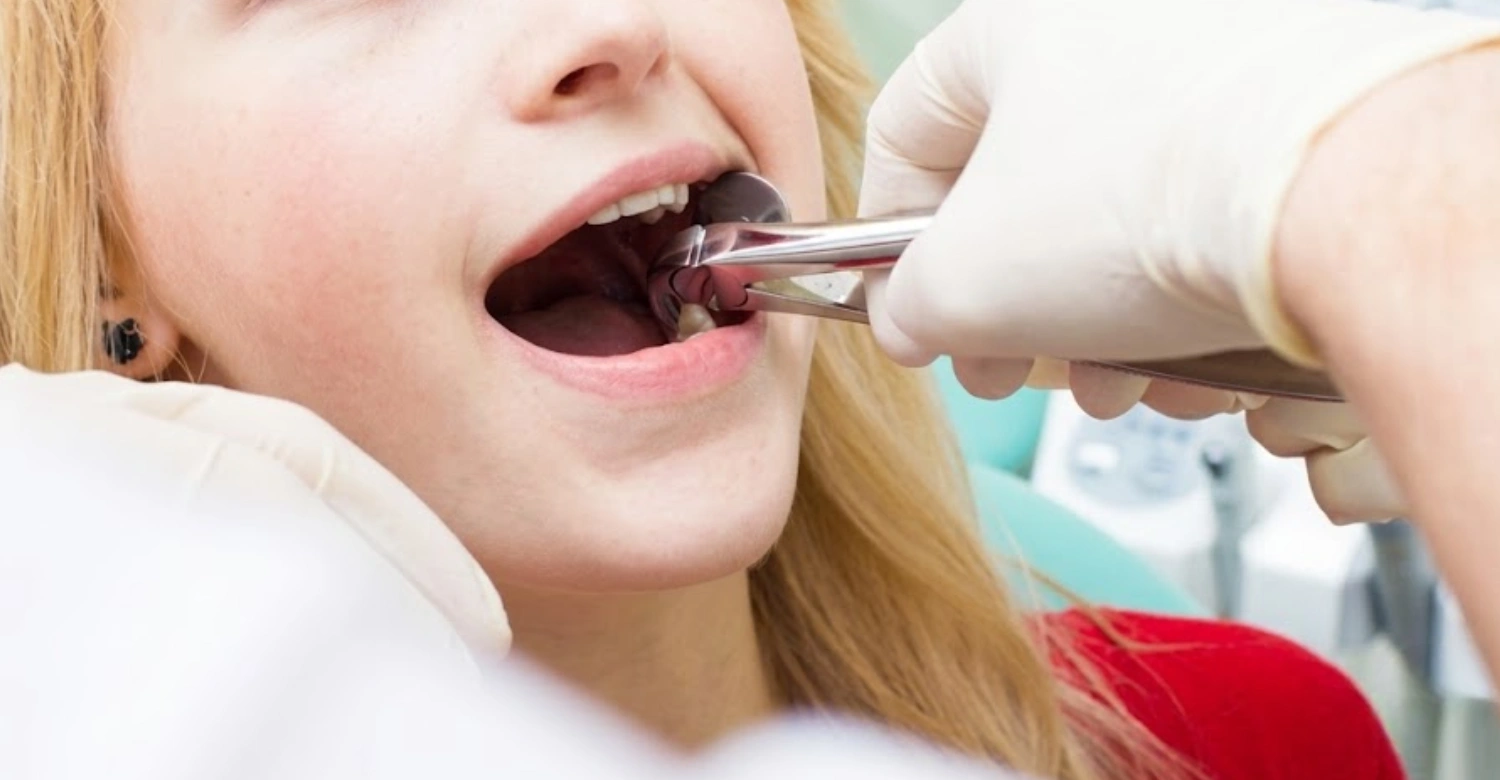
After a wisdom tooth extraction, the surgical site is delicate. A blood clot forms inside the socket, and that clot is everything. It protects exposed bone and nerve tissue while new tissue grows underneath. Disrupting it, even accidentally through what you eat or drink, can lead to a painful condition called dry socket. That's why your diet is not just a comfort question; it is a clinical one.
Eating the wrong foods too soon can:
Dislodge the protective blood clot
Cause infection by introducing bacteria into the open wound
Increase swelling and prolong recovery
Trigger bleeding by raising temperature or pressure in the surgical area
Eating the right foods, on the other hand, gives your body the protein, vitamins, and minerals it needs to rebuild tissue, reduce inflammation, and close the wound quickly and cleanly.
Dr. Rifat Alsaman, Head of the Medical Team and cosmetic dentist at Vitrin Clinic, explains: "What you eat in the first 72 hours after surgery is just as important as the surgery itself. I always remind our patients that healing happens from the inside out. Proper nutrition is the foundation of a smooth recovery."
What to Eat After Wisdom Teeth Removal
Before getting into the specific meal plan, here are the core rules every patient at Vitrin Clinic receives as part of their post-operative care instructions. Understanding these principles is the foundation for a safe and effective recovery.
Wait for the anesthesia to wear off. Before you attempt to eat or drink anything, make sure the sensation has returned to your mouth completely. Eating while numb risks accidentally biting your cheek, tongue, or lip.
Choose soft, easy-to-chew foods. The goal is to reduce jaw movement as much as possible. Think liquids, purées, and foods that fall apart with minimal pressure. This is the single most important principle when deciding what to eat after wisdom teeth removal.
Avoid hot temperatures. Heat increases blood flow to the surgical area, which can reopen bleeding and disrupt the clot. Stick to cold or lukewarm foods and drinks.
Never use a straw. The suction created by a straw is enough to pull the blood clot out of the socket. This is one of the most common causes of dry socket and one of the most preventable.
Avoid spicy, acidic, and crunchy foods. Spice and acid irritate exposed tissue. Hard or crunchy foods can physically damage the wound.
Stay hydrated. Water is your best friend during recovery. Dehydration slows healing. Sip water frequently and gently throughout the day.
Chew on the opposite side. If you must chew, use the side of your mouth furthest from the extraction site.
3-Day Meal Plan: What to Eat After Wisdom Teeth Removal Day by Day
Recovery is not the same on Day 1 as it is on Day 5. The team at Vitrin Clinic recommends a gradual approach, introducing more texture and variety as your mouth heals. Here is your complete day-by-day plan for post-surgery food choices.
For more information on oral surgery recovery and dental care, explore our other articles: How to Prepare for Wisdom Teeth Removal, Understanding Dry Socket: Symptoms and Prevention, and Nutrition Tips for Oral Surgery Recovery. These resources provide additional guidance to help you through your recovery journey.
What to Eat After Wisdom Teeth Removal: Day 1 Liquids
The first 24 hours are the most sensitive. Your mouth is sore, the blood clot is newly formed and fragile, and swelling may make eating uncomfortable. This is not the time to worry about variety. Focus entirely on getting calories and hydration without disturbing the surgical site. When patients ask what to eat after wisdom teeth removal on Day 1, the answer is always the same: liquids and ultra-soft foods only.
Breakfast: A thick smoothie made with banana, Greek yogurt, and peanut butter consumed with a spoon, never a straw. This gives you protein, potassium, and natural sugar for energy.
Lunch: A bowl of smooth, lukewarm (not hot) chicken broth or blended vegetable soup. Strain out any chunks. Cream of pumpkin or cream of potato work well. Both are rich in vitamins and easy to swallow without chewing.
Snack: Plain unsweetened applesauce or a soft pudding cup. These require zero chewing and are gentle on healing tissue.
Dinner: Whipped mashed potatoes made as smooth as possible with butter or a small amount of soft cheese. Add a side of plain yogurt or a protein shake if more nourishment is needed.
Drinks: Water throughout the day. Small amounts of diluted non-citrus juice. No coffee, no soda, no alcohol.
Dr. Rifat Alsaman, Head of the Medical Team at Vitrin Clinic, advises: "On the first day, even if you have no appetite, try to take in liquid calories consistently. Your body is in active repair mode and needs fuel. Broth, yogurt, and protein shakes are my go-to recommendations for Day 1."
Soft Foods for Day 2 After Wisdom Teeth Removal
By the second day, the clot is slightly more stable. You can introduce a bit more variety while still keeping everything very soft. This is when most patients start asking specifically about suitable options that feel more like real food.
Breakfast: Soft scrambled eggs cooked on low heat until just set, with a small amount of melted cheese. Eggs are one of the best sources of complete protein during recovery. Alternatively, cook oatmeal until it is very mushy and thin it with extra milk.
Lunch: Smooth yogurt (plain or vanilla, no seeds or fruit chunks) paired with mashed banana or a blended smoothie. Cottage cheese is also an excellent option high in protein, soft in texture, and easy to eat cold.
Snack: A small bowl of gelatin dessert or a mashed ripe avocado with a tiny pinch of salt. Avocado is rich in healthy fats and potassium, both beneficial for tissue repair.
Dinner: Well-cooked soft pasta such as macaroni or small noodles, with a smooth cream sauce or plain tomato sauce with no chunks. Alternatively, flaky baked salmon that falls apart easily, or soft tofu.
Drinks: Continue with water and herbal tea. If you want coffee, it must be lukewarm, never hot and consumed without a straw.
According to Dr. Rifat Alsaman, Head of the Medical Team at Vitrin Clinic: "Day 2 is when I encourage patients to focus on protein. The body uses protein to rebuild collagen and close the wound. Eggs, yogurt, and cottage cheese are ideal because they deliver high-quality protein without any chewing stress."
Soft Foods to Eat After Wisdom Teeth Removal
Most patients feel meaningfully better by Day 3, though swelling often peaks around this time. You can expand your menu to fork-tender foods. Nothing that requires real chewing effort, but foods with more substance and flavour. Patients wondering about suitable choices on Day 3 can begin moving into a wider variety of soft, cooked options.
Breakfast: Smooth banana oatmeal. Cook oats until very soft, mash in a ripe banana, and add a small amount of cinnamon. Thin with extra milk if needed. This provides fibre, natural sugar, and potassium.
Lunch: Blended vegetable soup with very soft cooked carrots, zucchini, or pumpkin. If you feel ready, add shredded chicken that has been simmered until completely tender. This provides vitamins and protein together.
Snack: A smoothie with added protein powder, or a blend of mashed avocado and cottage cheese for healthy fats and calcium.
Dinner: Mashed sweet potatoes (rich in vitamin A) alongside braised or ground chicken or turkey cooked until very soft. Alternatively, soft casserole or flaked baked fish with mashed cauliflower.
Dr. Rifat Alsaman, cosmetic dentist and Head of the Medical Team at Vitrin Clinic, notes: "By Day 3, I remind patients that swelling peaking is normal. It does not mean something has gone wrong. Keep following the soft diet, stay hydrated, and the swelling will begin to resolve from Day 4 onward."
Soft Foods to Eat After Wisdom Teeth Removal
Once you pass the initial 72-hour period, you can gradually widen your diet. At this stage, choosing foods that are soft but don't need blending is key. This is part of what to eat after wisdom teeth removal.
Cooked Vegetables for eat wisdom
Softly steamed or boiled carrots, zucchini, broccoli, and squash are excellent. Rich in vitamins A and C, they support immune function and tissue repair. Avoid anything raw or crunchy.
Tender Meats
Moist shredded chicken, soft salmon, or ground beef cooked until very tender can now be introduced. These provide the protein your body needs to close the wound and rebuild gum tissue. At Vitrin Clinic, we specifically recommend salmon. It is soft, anti-inflammatory, and rich in omega-3 fatty acids.
Soft Grains
Cooked rice, quinoa, soft pasta, and couscous are good sources of carbohydrates and energy. Make sure grains are cooked thoroughly so they are fully tender, not al dente.
Ripe Fruits
Ripe bananas, avocado, stewed apple, and soft melon are ideal. These provide natural sugar, fibre, and vitamins. Avoid any fruit with hard seeds or tough skins.
Dairy Products
Soft cheeses, cottage cheese, and yogurt remain excellent throughout the first week and beyond. They provide calcium and protein, both essential for bone and tissue repair after extraction.
5 Nutritious Recipes for Recovery
At Vitrin Clinic, we believe that knowing soft food diet recommendations is only useful if the food is also enjoyable. Here are five easy, nourishing recipes designed for the recovery period.
Recipe 1: Smooth Banana Oatmeal
Ingredients: Half a cup of quick oats, 1 cup of milk or water, 1 ripe banana, a pinch of cinnamon.
Instructions: Cook oats with milk or water until very soft and porridge-like. Mash banana thoroughly and stir in. Add cinnamon if desired. Add extra milk to achieve a loose, smooth consistency that requires no chewing. This is warm, comforting, and gives you natural energy to start the day.
Recipe 2: Protein-Packed Scrambled Eggs
Ingredients: 2 eggs, 2 tablespoons of milk, 1 tablespoon of butter, optional shredded cheese.
Instructions: Whisk eggs with milk. Cook on low heat in a non-stick pan, stirring gently, until just set and fluffy. Stir in shredded cheese at the end. The result is soft, protein-rich, and easy to eat without pressure on the extraction site.
Recipe 3: Creamy Mashed Sweet Potatoes
Ingredients: 2 large sweet potatoes, 2 tablespoons of butter, a splash of milk, salt to taste.
Instructions: Peel, chop, and boil sweet potatoes until very soft. Drain and mash with butter and milk until completely smooth. Add salt. For an ultra-smooth texture, blend in a food processor. Rich in vitamins A and C, this dish actively supports healing.
Recipe 4: Healing Chicken and Vegetable Soup
Ingredients: 1 cup shredded cooked chicken, 2 carrots, 1 potato, 1 zucchini, 4 cups chicken broth, herbs and salt to taste.
Instructions: Chop vegetables into small pieces and simmer in broth with chicken until completely soft. Remove from heat and partially or fully blend. Serve lukewarm. This is a complete meal providing protein, vitamins, and minerals in one gentle bowl.
Recipe 5: Avocado and Cottage Cheese Blend
Ingredients: 1 ripe avocado, half a cup of cottage cheese, a drizzle of olive oil, salt and pepper.
Instructions: Mash avocado and cottage cheese together until smooth. Add olive oil and season lightly. High in healthy fats, protein, and calcium a perfect snack that requires virtually no chewing at all.
Foods to Avoid After Wisdom Teeth Removal
Just as important as knowing what to eat after wisdom teeth removal is knowing what to absolutely avoid. The following foods and drinks can disrupt healing, cause infection, or lead to dry socket.
Hard and crunchy foods such as chips, nuts, popcorn, crackers, raw vegetables, and hard bread. These can physically scrape or lodge inside the socket. Even tiny fragments like popcorn hulls can cause infection if they get stuck in the healing wound.
Sticky and chewy foods such as caramel, gummy candy, chewing gum, and toffee. Sticky foods can pull at stitches or drag on the clot when you open your mouth.
Spicy and acidic foods such as hot sauce, chili, salsa, citrus juice, tomato sauce, and vinegar-based foods. These irritate raw gum tissue and cause stinging and inflammation. Avoid completely for the first 7–10 days.
Very hot food and beverages. Heat disrupts the blood clot and can reopen bleeding. All food and drinks must be lukewarm or cool, not hot. This includes soup, coffee, tea, and cooked meals fresh from the oven.
Carbonated drinks and soda. The bubbles disturb the extraction site and the chemicals in fizzy drinks irritate exposed tissue. Avoid for at least 48–72 hours.
Alcohol and tobacco. Alcohol slows healing and interacts dangerously with pain medications. Tobacco whether smoked or chewed dramatically increases the risk of dry socket and infection. Avoid for a minimum of 72 hours, ideally much longer.
Straws. The suction is enough to pull the clot out. This rule applies for at least the first seven days.
What We Notice Clinically at Vitrin Clinic
At Vitrin Clinic, our team reviews hundreds of post-operative cases each year. Beyond the standard recovery guidelines, there are patterns we consistently observe in patients who recover quickly versus those who experience complications. This section reflects the clinical observations of Dr. Rifat Alsaman, Head of the Medical Team at Vitrin Clinic, and what he notices most about how diet affects healing outcomes.
Patients Who Skip Protein Heal Slower
One of the most consistent observations Dr. Rifat Alsaman claims that patients who focus only on liquid comfort foods, fruit juice, applesauce, plain broth without adequate protein tend to have slower tissue closure. Collagen synthesis, which is what closes the wound, requires amino acids from protein. Eggs, yogurt, soft fish, and protein shakes are not optional extras; they are clinically significant.
"When I see a patient at their follow-up and healing is slower than expected, the first question I ask is what they have been eating," says Dr. Rifat Alsaman, Head of the Medical Team at Vitrin Clinic. "Protein deficiency is one of the most underestimated recovery factors after oral surgery."
Dry Socket Is Almost Always Preventable
In the cases of dry socket that Dr. Rifat Alsaman and his team see at Vitrin Clinic, the vast majority involve a straw, carbonated drinks, or smoking within the first 48 hours. Patients often underestimate how fragile the blood clot is in the first two days. A single sip through a straw is genuinely enough to dislodge it.
International Patients Need Extra Clarity on Temperature Rules
At Vitrin Clinic, many patients travel from countries where warm or hot soups are a core comfort food after illness or surgery and they naturally apply the same thinking after wisdom teeth removal. Dr. Rifat Alsaman makes a point of specifically addressing temperature with every international patient: lukewarm only, for at least 48–72 hours. Knowing what to eat after wisdom teeth removal must always include knowing the right temperature, not just the right texture.
The Pineapple Juice Question Comes Up Daily
The viral trend of drinking pineapple juice before and after wisdom teeth removal is something Dr. Rifat Alsaman addresses frequently at Vitrin Clinic. Pineapple contains bromelain, a natural enzyme with documented anti-inflammatory properties, and there is some evidence it may reduce post-operative swelling. However, pineapple juice is highly acidic. His clinical recommendation: wait at least 48–72 hours before trying it, dilute it significantly with water, and never sip it in a way that brings it into direct contact with the wound.
Vitamin A and C Intake Makes a Visible Difference
Patients who consume soft foods rich in vitamins A and C sweet potatoes, cooked carrots, mashed pumpkin, blended spinach smoothies tend to show visibly faster gum tissue regeneration at follow-up appointments. Dr. Rifat Alsaman, cosmetic dentist and Head of the Medical Team at Vitrin Clinic, recommends prioritizing these nutrients throughout the first two weeks of recovery.
Allergies and Dietary Restrictions
Before your surgery, discuss any food allergies or dietary restrictions with your dental team. Many recommended post-surgery foods may contain common allergens like dairy, gluten, or nuts. For example, if you're lactose intolerant, you might opt for lactose-free yogurt or dairy-free smoothies. If you have celiac disease, choose gluten-free soft breads or pasta.
Always read labels carefully, and when in doubt, prepare your own soft foods at home to ensure they meet your dietary needs. If you have severe allergies, ask your dentist for a list of safe, soft food alternatives that align with your restrictions.
Managing Nausea from Pain Medications
It's not uncommon for pain medications to cause nausea, which can make eating even more challenging. To manage this, take your medication with a small amount of food, such as a few spoonfuls of applesauce or a piece of toast. Avoid taking them on an empty stomach.
If nausea persists, ask your dentist about anti-nausea medication or alternative pain relievers. Staying hydrated by sipping water or clear fluids can also help. Ginger tea or sucking on ginger candies may ease nausea naturally. If you vomit after eating, wait a bit before trying to eat again, and start with bland, easy-to-digest foods like crackers or clear broth.
What to Do If Bleeding Occurs After Eating
If you notice slight bleeding after eating, don't panic. First, gently rinse your mouth with cool water to remove any food particles. Then, place a clean, damp gauze pad over the extraction site and bite down firmly for 30 to 45 minutes. Avoid spitting or using a straw, as this can dislodge the blood clot and worsen bleeding.
If bleeding continues or is heavy, contact your dentist immediately. To prevent bleeding, stick to soft foods that don't require much chewing, and avoid hot, spicy, or crunchy foods that could irritate the surgical site.
When Can You Eat Solid Food Again? (Complete Timeline)
One of the most frequently asked questions at Vitrin Clinic is when patients can return to eating normally. The answer depends on how complex the extraction was. Here is the general timeline the team follows:
Period | What to Eat |
Days 1–3 | Liquids and ultra-soft foods only: broth, yogurt, smoothies (spoon only), mashed potatoes, applesauce, scrambled eggs |
Days 4–6 | Soft solids: cooked vegetables, ripe banana, avocado, soft pasta, ground meat, soft fish |
Days 7–10 | Gradual return to regular diet if healing is on track. Continue avoiding anything hard, chewy, or crunchy. |
After Day 10 | Most patients can eat normally. Avoid chewing directly on the extraction site. |
Always rinse gently with warm saltwater after eating to keep the area clean. Continue to chew on the opposite side from the extraction site for as long as it feels sensitive.
Why Choose Vitrin Clinic for Your Wisdom Teeth Removal?
Vitrin Clinic in Istanbul combines advanced dental technology with a deeply personal patient experience. Our international patients come to us from across Europe, the Middle East, and beyond. They consistently say that the care they receive goes far beyond the dental chair.
Here is what makes Vitrin Clinic the right choice for your wisdom teeth removal:
Personalized treatment planning and post-operative care in multiple languages
A dedicated international patient support team from consultation through to recovery
Free post-op consultations because we are invested in your healing, not just the procedure
Clinically experienced team led by Dr. Rifat Alsaman, Head of the Medical Team and cosmetic dentist, with over five years of specialized experience
A calm, modern clinic in Istanbul with access to advanced imaging and surgical tools
Prices significantly lower than equivalent clinics in the UK, US, and Western Europe
Whether you are recovering from surgery or planning your dental visit to Istanbul, the team at Vitrin Clinic will guide you through every step. That includes exactly dietary guidelines for recovery, so your recovery is smooth, safe, and supported.
References:
https://www.healthline.com/nutrition/what-to-eat-after-wisdom-teeth-removal
https://somersetoms.com/2025/10/05/wisdom-teeth-extraction-essential-foods/
https://paramountdentistry.com/tooth-extraction/what-to-eat-after-wisdom-teeth-removal-a-guide/
FAQs

Dr. Rifat Alsaman has more than 5 years of clinical experience in dentistry and currently serves as the Head of the Medical Team at Vitrin Clinic. He is dedicated to providing exceptional patient care, overseeing treatment planning, and ensuring the highest clinical standards across the team. His expertise, attention to detail, and commitment to continuous professional development have helped countless patients achieve healthier, more confident smiles.


