Invisalign
May 4, 2026
Invisalign Installation: What Is It and How Does the Step-by-Step Process Work?
 Dr. Rifat Alsaman
Invisalign Installation is the first step toward transforming your smile without the inconvenience of traditional metal braces. Many patients wonder what happens at each stage of treatment. They also want to know how long it takes, and whether the Invisalign step-by-step process suits their specific needs. This comprehensive guide covers everything from your initial consultation to receiving your first set of aligners. It walks you through each stage of treatment, so you can begin your journey to a straighter, healthier smile with complete confidence. Read on to discover how modern orthodontics can fit seamlessly into your lifestyle, while enhancing your appearance and supporting your long-term oral health.
Introduction to Invisalign
Invisalign installation uses a series of clear, removable aligners crafted from proprietary SmartTrack plastic. These trays gradually shift teeth into their ideal positions. Unlike conventional braces, there are no metal brackets or wires involved. Instead, a series of precisely fabricated trays sit over the teeth. Each aligner set applies gentle, controlled pressure to targeted areas, advancing the teeth incrementally through the treatment plan. Millions of patients worldwide have embraced this treatment for its discreet appearance, ease of use, and predictable outcomes. It is one of the most popular orthodontic solutions available today.
What Makes Invisalign Different from Braces
The core difference between invisalign installation and traditional braces lies in both design and experience. Aligners are clear and nearly invisible, while braces are conspicuous. Aligners are fully removable for eating, drinking, and oral hygiene, whereas braces are fixed throughout treatment. There are no sharp wires or brackets to irritate soft tissue. This results in a far more comfortable experience. The invisalign step by step process uses digital planning technology to map out every tooth movement in advance. Both patient and provider get a clear picture of expected results before a single aligner is placed. Before your fitting, you might wonder how long does Invisalign take to come in after your digital scans.
Who Is an Ideal Candidate?
Suitable candidates for this treatment include teens and adults dealing with crowding, spacing, overbite, underbite, or crossbite of mild to moderate severity. Strong candidacy also requires a commitment to wearing aligners 20 to 22 hours per day. Thorough oral hygiene throughout treatment matters just as much. Patients with severe skeletal misalignment or very complex bite discrepancies may need additional orthodontic or surgical intervention beyond aligners. A comprehensive evaluation by a certified provider is the only way to confirm fit. It reveals whether the invisalign step by step process suits a given patient's dental profile and goals.
Common Dental Concerns Before Choosing Invisalign
Before beginning any orthodontic treatment, patients naturally have questions and reservations. Cost, comfort, timeline, and whether their specific dental problem is treatable are among the most common concerns raised during initial consultations. Understanding the full scope of the invisalign step by step process, including what it can and cannot address, helps patients arrive at consultations prepared. This section covers the most frequently raised concerns, so anyone considering this path can move forward with clarity. You will know exactly what to expect throughout every stage of invisalign installation. During your fitting appointment, the dentist will teach you exactly how to take out Invisalign without damaging attachments.
Crowded Teeth and Misaligned Bites
Crowding is one of the most common issues treated through this orthodontic system. When teeth overlap due to insufficient jaw space, the invisalign step by step process applies targeted, sequential pressure. This creates proper alignment and spacing. Misaligned bites such as overbites and crossbites can also be effectively corrected. Small tooth-colored attachments often help with these specific movements. This treatment suits a wide range of crowding severities, though complex cases may need a combined approach. Your provider will outline a clear, personalized treatment plan during your initial consultation.
Gaps, Overbite, and Underbite Issues
Gaps between teeth can be closed gradually through a carefully sequenced aligner series. Overbites, where upper teeth extend excessively over lower teeth, are treatable through the invisalign step by step process. So are underbites, where lower teeth protrude in front of upper teeth, particularly when the issue is dental rather than skeletal in origin. Severe bite discrepancies involving underlying bone structure may need orthognathic surgery combined with clear aligner therapy. Your provider will assess the nature and severity of your bite issue during the initial examination. This determines the most effective path forward for your individual situation. Proper daily aligner maintenance is crucial from the very first day you leave the clinic with your new trays.
Patient Anxiety About Treatment and Appearance
Treatment anxiety is common, particularly among adults who worry about how they will look during orthodontic care. Aligners are virtually invisible, making this treatment uniquely suited for patients who value discretion. The invisalign step by step process minimizes visible signs of orthodontic treatment throughout its entire duration. This is a major advantage for professionals, students, and anyone who values a natural appearance during care. Most patients report that anxiety fades quickly once they see how comfortable and unobtrusive the aligners are in practice. Open, honest communication with your provider from the first appointment helps address remaining concerns effectively.
Addressing Lifestyle and Comfort Concerns
A key question for many patients is how treatment will fit into their existing lifestyle. Since aligners are removable, there are no dietary restrictions and no complicated cleaning routines around brackets and wires. Athletes, musicians, and public speakers all find the invisalign step by step process highly compatible with their activities. Minor speech adjustments typically resolve within the first week. The primary lifestyle commitment is consistent wear time: aligners must be worn at least 20 to 22 hours daily to achieve the intended results. Patients who maintain this discipline consistently are rewarded with smoother progress and outcomes that meet or exceed expectations.
Cost Considerations and Treatment Planning
Invisalign installation is priced according to case complexity, number of aligners required, and the clinic's location and service level. Costs are discussed transparently during your initial consultation, with a full breakdown of what is included in the treatment package. At Vitrin Clinic, international patients benefit from clearly structured packages that cover every stage of treatment. Viewing this orthodontic investment alongside its long-term health and cosmetic benefits makes the value clear. Flexible payment arrangements may be available. The best way to understand your personalized cost estimate is to book a consultation. From there, you'll receive a tailored treatment plan with full pricing transparency.
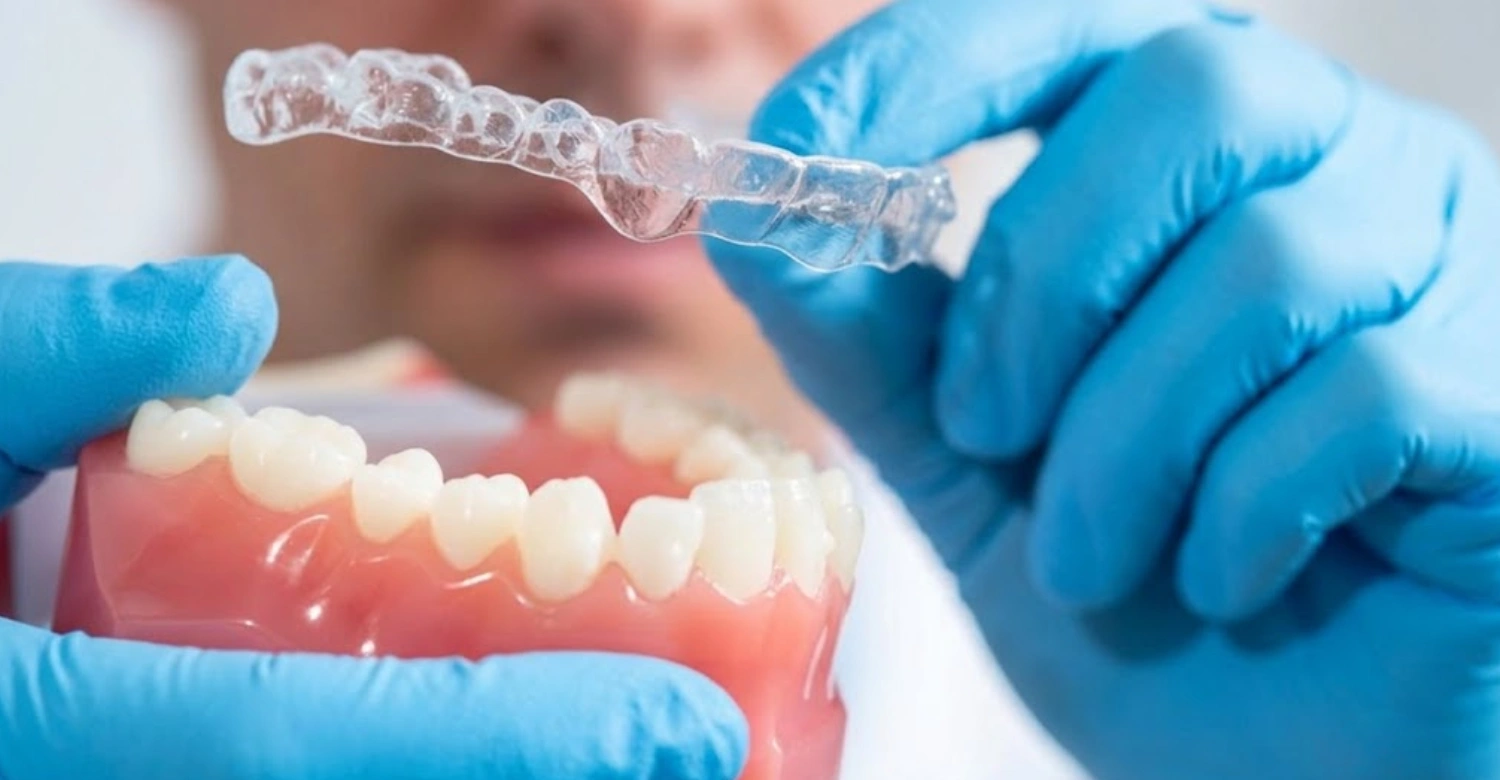
Clinical Preparation Procedures: Getting Your Teeth "Invisalign-Ready"
Invisalign installation begins with a set of invisalign preparation procedures, long before your first tray is seated. These steps create the physical space and surface conditions your aligners rely on. They make every later movement predictable. Skipping this preparation phase is one of the more common reasons a treatment plan drifts off track. Your provider evaluates tooth contacts, enamel surfaces, and bite relationships first. This usually happens during the invisalign prequalification consult, before any tray touches your teeth. Two procedures dominate this stage: interproximal reduction and attachment bonding. Understanding both helps patients feel less surprised when their dentist mentions filing or bonding at an early appointment.
Interproximal Reduction (IPR): Creating Micro-Spaces for Precise Movement
Interproximal reduction, or IPR, removes a fraction of a millimeter of enamel between two teeth. This creates a small gap. Crowded teeth then have somewhere to move without pushing the whole arch outward. The procedure is painless. It targets enamel, not dentin or nerve tissue, and takes only minutes per contact point. IPR is planned in advance through the digital scan. Your provider knows exactly which contacts need reduction, and by how much, before you arrive.
Enamel Preparation and Attachment Bonding Protocols
Attachment bonding places small, tooth-colored composite shapes onto specific teeth. This gives the aligner a firmer grip during complex movements, like rotation or extrusion. Before bonding, the enamel is cleaned, mildly etched, and dried. This helps the composite adhere for months of wear. These attachments are barely visible and are removed once their job is done. Some patients confuse attachments with a separate appliance, but they are simply small anchors. Proper bonding technique directly affects how accurately the invisalign installation sequence tracks to plan.
Clinical Note
Early cavities frequently cause no pain or visible change. They are easy to miss during self-checks at home. A dental examination with X-rays detects decay between teeth and under the enamel, before it reaches the stage where a patient would feel it. This is one reason a full diagnostic exam always precedes IPR and attachment bonding. Any hidden decay must be treated first.
Step by Step: Invisalign Installation Process
The invisalign installation process follows a structured sequence of stages. Each one is designed to ensure that tooth movement is precise, comfortable, and on schedule. From the moment of your first examination to the day you complete your final aligner, every step is supported by digital planning tools. Certified expertise and consistent professional oversight guide the way. Understanding this sequence in advance helps patients feel prepared, motivated, and actively engaged in their own treatment progress. The following breakdown covers each major phase in detail, giving you a clear picture of what the experience looks like from start to finish.
Initial Dental Examination and Consultation
The process begins with a comprehensive dental examination. Your provider will assess your teeth, gums, jaw alignment, and overall oral health to confirm your suitability for treatment. Clinical photographs and X-rays are typically taken to support diagnosis. Your smile goals, expected treatment timeline, and associated costs are discussed in full. The invisalign installation consultation is also an opportunity to ask questions and address any concerns before committing to treatment. This foundational step ensures that the entire invisalign step by step process is designed around your specific dental profile. No underlying issues get overlooked before care begins.
3D Digital Scanning and Smile Simulation
Following your consultation, an intraoral scanner creates a precise 3D digital model of your teeth, replacing the need for traditional impression molds. This scan feeds into a ClinCheck software plan, a digital simulation mapping out every predicted tooth movement across the entire invisalign step by step process. Patients can view a virtual preview of their expected final smile. This adds clarity and excitement to the treatment journey. This technology ensures each aligner set is calibrated with exceptional accuracy. The digital model is also used to design any required attachments and to plan the precise sequence of movements. This sequence guides your teeth into their final alignment. It is completely normal to find your Invisalign teeth sensitive for a few days following the initial attachment placement.
Custom Aligner Creation for Your Teeth
Once your digital treatment plan is finalized and approved, your custom aligners are manufactured in a certified Invisalign laboratory. Each tray in the invisalign installation sequence is engineered to move specific teeth by carefully controlled increments. This follows the precise plan created during the scanning phase. Aligners are made from Invisalign's proprietary SmartTrack material, a clear, flexible, BPA-free plastic. It fits snugly over the teeth while applying consistent, gentle pressure. Depending on the case, patients may receive their full aligner set at once or in batches. Each set is labelled sequentially to guide you clearly through the entire treatment plan.
First Fitting and Detailed Instructions
The first fitting marks a significant milestone in the invisalign installation process. Your provider will seat the initial aligner set, verify the fit and bite, and bond any required tooth-colored attachments onto specific teeth. These attachments enhance the aligner's ability to achieve complex movements. You will receive detailed instructions on daily wear time, removal technique, care routines, and what to do if discomfort or issues arise. This appointment sets the operational foundation for everything that follows. Leaving with a full understanding of your responsibilities as a patient is key. It ensures the invisalign step by step process progresses smoothly and on schedule.
Follow-Up Appointments and Adjustments
Invisalign installation requires consistent professional monitoring throughout treatment. Follow-up appointments are scheduled every six to eight weeks. Your provider checks progress, ensures teeth are tracking to plan, and provides the next aligner sets. Early detection of any tracking issues allows adjustments to be made before they affect overall outcomes. These visits are brief but critical. They represent the active supervision component of the invisalign step by step process, ensuring the digital plan is realized accurately in practice. Missing or delaying follow-up appointments is one of the most common reasons for extended treatment timelines.
What to Expect During the Invisalign Journey
Invisalign installation is not a single event. It is a months-long journey with distinct phases, each bringing its own milestones and adjustments. Patients who understand what to expect at each stage of the invisalign step by step process tend to experience smoother treatment and higher satisfaction. The first weeks involve adjustment, the middle months bring visible progress, and the final phase delivers refinement. Managing expectations realistically, while staying motivated by the progress you can observe, makes the entire experience more rewarding. It also helps you stay committed to the wear schedule that drives successful outcomes. Your fitting day marks the exciting official beginning of your transformative Vitrin Clinic aligner therapy journey.
Early Weeks: Getting Comfortable with Aligners
The first weeks after invisalign installation begins are often the most challenging, as your mouth adjusts to the constant presence of aligners. You may experience mild pressure, slight changes in speech, or increased saliva production. All of this is entirely normal, and it typically resolves within one to two weeks. Wearing aligners as consistently as possible during this initial period is critical. It accelerates adaptation and builds the momentum the invisalign step by step process needs for successful tooth movement. Most patients find that once the initial adjustment phase passes, wearing aligners feels completely natural and barely noticeable in daily life.
Mid-Treatment: Tracking Progress and Adjusting
By the mid-point of treatment, visible improvements are usually evident. Teeth are moving according to the digital plan. Patients often experience a significant boost in motivation as the changes become increasingly noticeable. The invisalign step by step process continues with regular aligner changes and scheduled follow-up visits. Your provider may recommend refinements: a supplementary series of aligners that address any minor deviations from the original plan. Maintaining strict wear time discipline and thorough oral hygiene during this phase is essential. Progress in the middle stages sets the foundation for the precision work carried out during the final phase of your treatment journey.
Final Phase: Perfecting Alignment
The final phase focuses on precision: completing the last tooth movements, refining occlusal relationships, and ensuring overall aesthetic symmetry. Some patients receive additional refinement aligners to address any movement not fully achieved with the original series. Once all aligners are completed, a retainer is fitted to preserve the achieved alignment. Invisalign installation concludes with a thorough final assessment by your provider. Retainer wear, typically at night, is a permanent commitment following any orthodontic treatment. This final phase marks not just the end of active treatment, but the beginning of a lifetime spent maintaining your beautifully aligned new smile.
Benefits of Invisalign Treatment
Invisalign installation delivers benefits that extend far beyond a straighter smile. Patients who complete the full invisalign step by step process consistently report improvements in confidence, oral function, and long-term dental health. The advantages are cosmetic, functional, and physiological, making this treatment a genuinely comprehensive investment in your wellbeing. Understanding these benefits in full helps patients appreciate the broader value of orthodontic treatment. It also helps motivate them to complete every stage of their aligner series. From your first appointment to your final retainer fitting, every step taken moves you closer to a healthier, more confident version of yourself.
Cosmetic Advantages: Achieving a Confident Smile
A beautifully aligned smile profoundly affects how patients feel about themselves and how they present to the world. Invisalign installation produces a smile that enhances facial aesthetics, improves first impressions, and boosts day-to-day confidence. Because the aligners are nearly invisible throughout the invisalign step by step process, patients never have to sacrifice their appearance during treatment. Many patients describe the transformation as life-changing, not just in how they look at the end. It changes how they feel about smiling throughout their everyday lives. The cosmetic outcome is one of the most powerful motivators for completing the full treatment in its entirety.
Functional Improvements: Bite and Alignment
Beyond aesthetics, correctly aligned teeth and a well-calibrated bite deliver significant functional benefits. The invisalign step by step process addresses misaligned bites that cause uneven wear, jaw pain, and inefficient chewing. Once corrected, patients experience more comfortable eating and reduced jaw tension. They also see elimination of the enamel damage caused by teeth meeting at incorrect angles. Properly aligned teeth distribute bite forces more evenly across the full dental arch. This reduces the risk of fractures and excessive wear over time. These functional improvements are enduring when supported by good oral hygiene and consistent retainer use; they last for many years following treatment.
Health Benefits: Easier Cleaning, Reduced Decay
Straighter teeth are demonstrably easier to clean, and this directly reduces the risk of cavities and gum disease. This treatment eliminates the overlapping and crowding that create plaque traps, areas where toothbrush and floss cannot reach effectively. As teeth align through the invisalign step by step process, oral hygiene becomes progressively more thorough and effective. Additionally, because aligners are removable, patients can brush and floss without the obstacles posed by fixed brackets and wires. This helps maintain excellent gum health throughout treatment. The result is not just a straighter smile, but a healthier oral environment that significantly reduces long-term disease risk.
Caring for Your Teeth and Aligners
Proper aligner care is an essential part of invisalign installation. Aligners that are not cleaned regularly can harbour bacteria, develop odors, and lose their clarity, affecting both hygiene and aesthetics. Maintaining thorough oral hygiene alongside aligner care ensures that the invisalign step by step process delivers the cleanest and healthiest possible outcome. Fortunately, aligner care requires only a few additional minutes each day. Following a consistent care routine from day one of treatment keeps both your aligners and your teeth in optimal condition throughout your orthodontic journey.
Proper Aligner Cleaning Techniques
Clean your aligners every time you remove them by rinsing thoroughly under cool water. Use a soft-bristled toothbrush with a small amount of clear, unscented liquid soap to gently scrub both surfaces twice daily. Avoid toothpaste, which is too abrasive and will scratch the plastic surface. This reduces clarity and creates microscopic grooves for bacteria. The invisalign step by step process recommends dedicated aligner cleaning crystals or effervescent cleaning tablets for a thorough daily soak. Always handle aligners over a soft surface to prevent breakage. Store them in their protective case whenever they are not being worn.
Oral Hygiene Habits to Support Treatment
Brush your teeth thoroughly after every meal, before reinserting your aligners, to prevent trapping food debris and bacteria against your enamel. Floss once daily to protect your gum line and reduce the risk of interdental decay during the long months of treatment. Use a fluoride toothpaste to strengthen enamel, particularly as teeth are actively moving. Regular professional dental cleans during the invisalign step by step process help remove tartar and check for early signs of decay or gum issues. Consistent oral hygiene habits are a cornerstone of achieving the best possible result. They also help maintain gum health throughout every stage of your aligner treatment.
Foods and Habits to Avoid
Because aligners are removed during meals, there are no permanent food restrictions during this treatment. However, certain habits can harm both aligners and oral health. Avoid drinking hot beverages while aligners are in place, as heat warps the plastic and affects fit. Sugary or acidic drinks consumed with aligners in the mouth accelerate enamel erosion and decay. Smoking causes severe staining and should be avoided throughout the invisalign step by step process. Chewing on pens, fingernails, or hard objects while wearing aligners can cause cracking. Adopting careful habits around aligner use from the very first day protects your investment and keeps treatment on track.
The Post-Treatment Protocol: Retainers Installation and Long-Term Retention
Invisalign installation does not end when your last aligner tray comes off. It moves straight into a retention phase that protects everything you have gained. Teeth stay naturally mobile within the jawbone. Without a retainer, they drift back toward their original positions over time. This is why every completed treatment plan includes a retainer fitting within days of your final tray. The retention phase runs on its own orthodontic retention protocol, with its own materials and its own wear schedule. Understanding it in advance prevents the single most common cause of relapse: inconsistent retainer wear.
Types of Retainers: Vivera vs. Hawley vs. Fixed Lingual Wires
Vivera retainers use a thicker, more durable plastic than standard aligners, custom-made by Invisalign for long-term retention. Hawley retainers use a wire and acrylic base plate. They are adjustable and tend to last longer under heavy wear. Fixed lingual wire retainers are thin wires bonded permanently behind the front teeth. They give constant retention without relying on patient compliance. Vivera and Hawley retainers are removable and easy to keep clean. A fixed lingual wire retainer suits patients who are likely to forget removable wear.
The Transition Phase: Moving from 22-Hour Wear to Nighttime Retention
The shift from 22-hour daily aligner wear to nighttime-only retainer use is gradual, not immediate. Most providers ask patients to wear their retainer close to full-time for the first few months. Teeth are least stable right after movement stops. Over the following months, wear typically drops to nights only, then continues indefinitely as a lifelong habit. Skipping this transition, or dropping straight to occasional wear, is the top reason teeth relapse in the first year after invisalign installation finishes. Regular check-ins also help a provider catch aligner tracking issues before they affect the final result.
Tips for Patients
Small daily habits make a measurable difference throughout invisalign installation and afterward. Use a toothpaste with 1,450 ppm fluoride. After brushing, spit rather than rinse with water, so the fluoride stays on the teeth longer. If you snack on something sugary, have it with a meal instead of spreading sweets across the day. It is the frequency of acid attacks, not the total amount, that drives a tooth cavity. These two habits alone meaningfully lower decay risk during long treatment timelines.
What We Notice Clinically
Dr. Rifat Alsaman, Head of the Medical Team at Vitrin Clinic and a cosmetic dentist, notes that the patients who struggle most with retention rarely disliked wearing aligners. They simply underestimated the retainer phase. Dr. Rifat Alsaman explains that a fixed lingual wire retainer is often the safer default for patients with a history of missed appointments or inconsistent home care. It removes the compliance variable entirely. In Dr. Rifat Alsaman's clinical experience, most relapse cases at Vitrin Clinic trace back to months without any retainer at all, not to the type chosen. He recommends that every patient leave their final appointment with a written wear schedule, not just a verbal one.
Invisalign Services at Vitrin Clinic
Vitrin Clinic offers comprehensive invisalign installation services designed to meet the needs of patients from both Turkey and abroad. The team combines certified orthodontic expertise with advanced digital technology to deliver the full invisalign step by step process at international standards of care. Every aspect of treatment is managed with precision and professionalism, from the initial consultation and digital scan through to the final retainer fitting. Each step reflects a genuine commitment to each patient's individual goals. Vitrin Clinic's reputation for high-quality outcomes and patient-centered care makes it a trusted destination. Patients seeking exceptional orthodontic treatment find a world-class clinical environment here.
Personalized Treatment Packages for International Patients
Invisalign installation packages at Vitrin Clinic are thoughtfully structured for patients travelling from Europe, the Middle East, and beyond. Each package bundles your full treatment consultation, 3D scanning, aligner fabrication, fittings, follow-up appointments, and retainers into a clear, all-inclusive plan with transparent pricing. The clinic's experienced team coordinates treatment across multiple visits. This ensures the full invisalign step by step process is achievable even for patients travelling from overseas. Detailed treatment timelines and pre-arranged appointment scheduling make it easy for international patients to plan their visits in advance. This lets them begin their smile transformation without unnecessary delays.
Comfort-Focused Services: Airport Transfers, Accommodation, Interpreter Support
Vitrin Clinic understands that travelling abroad for orthodontic treatment requires more than clinical excellence; it requires genuine hospitality. International patients receive support that includes airport transfer arrangements, accommodation recommendations near the clinic, and interpreter services for those who are not fluent in Turkish. These comfort-focused offerings let patients focus entirely on their treatment during the invisalign step by step process. There's no added stress of navigating an unfamiliar city alone. The attentiveness and warmth of Vitrin Clinic's support team is one of the most consistently praised aspects of the patient experience. This is especially true among first-time visitors travelling to Turkey for dental care.
Modern Clinic Facilities and Technology
Vitrin Clinic is equipped with the latest dental technology to ensure that every stage of invisalign installation is carried out with precision. Intraoral scanners, cone beam CT imaging, 3D treatment planning software, and digital smile design systems are all integrated into the clinic's workflow. These tools allow the full invisalign step by step process to be planned and executed with a high level of accuracy. That precision translates directly into better patient outcomes. The clinic's modern, carefully maintained facilities create a clean, comfortable, and professionally appointed environment. Patients can undergo treatment here with complete confidence in the quality and safety of their care.
Success Stories and Patient Satisfaction
Vitrin Clinic has successfully guided hundreds of patients through their complete orthodontic journey, from first consultation to final smile reveal. Patient satisfaction is consistently high, with many describing the experience as transformative and the outcomes as exceeding expectations. Before-and-after documentation across a wide range of case types, from simple spacing corrections to complex bite treatments, demonstrates the clinic's breadth of expertise. The invisalign step by step process at Vitrin Clinic is delivered with the same care, precision, and personalized attention for every patient, regardless of case complexity. Real patient stories provide the most authentic measure of what this clinic consistently delivers.
About Vitrin Clinic
Vitrin Clinic is a cosmetic dental clinic based in Istanbul, Turkey, serving local and international patients. Treatments span a full range of restorative and cosmetic dentistry. The clinic combines certified specialists, in-house digital scanning, and multilingual patient coordination to support patients travelling from Europe, the Middle East, and beyond. Every treatment plan, including invisalign installation, is overseen directly by the clinic's medical team. This keeps clinical standards consistent from consultation through to final review. Patients considering an invisalign prequalification consult elsewhere, or comparing providers such as Becker Orthodontics Invisalign programs, will find the same core standard at Vitrin Clinic: transparent pricing, coordinated travel support, and a team that treats every case with equal care.
Schedule a FREE Consultation Today
Your invisalign installation journey begins with a single, no-obligation consultation. Book your free appointment at Vitrin Clinic today. Discover how the invisalign step by step process can be tailored to address your specific dental concerns and smile goals. During your consultation, a certified provider will conduct a thorough assessment, explain your treatment options, and outline a personalized plan with clear timelines and transparent pricing. Whether you are a local patient or travelling from abroad, Vitrin Clinic's team is ready to welcome you. They will guide you confidently through every stage of your treatment, from first scan to your final, confident smile.
References:
FAQs
Dr. Rifat Alsaman has more than 5 years of clinical experience in dentistry and currently serves as the Head of the Medical Team at Vitrin Clinic. He is dedicated to providing exceptional patient care, overseeing treatment planning, and ensuring the highest clinical standards across the team. His expertise, attention to detail, and commitment to continuous professional development have helped countless patients achieve healthier, more confident smiles.

.webp&w=3840&q=75)


.webp&w=3840&q=75)