Invisalign
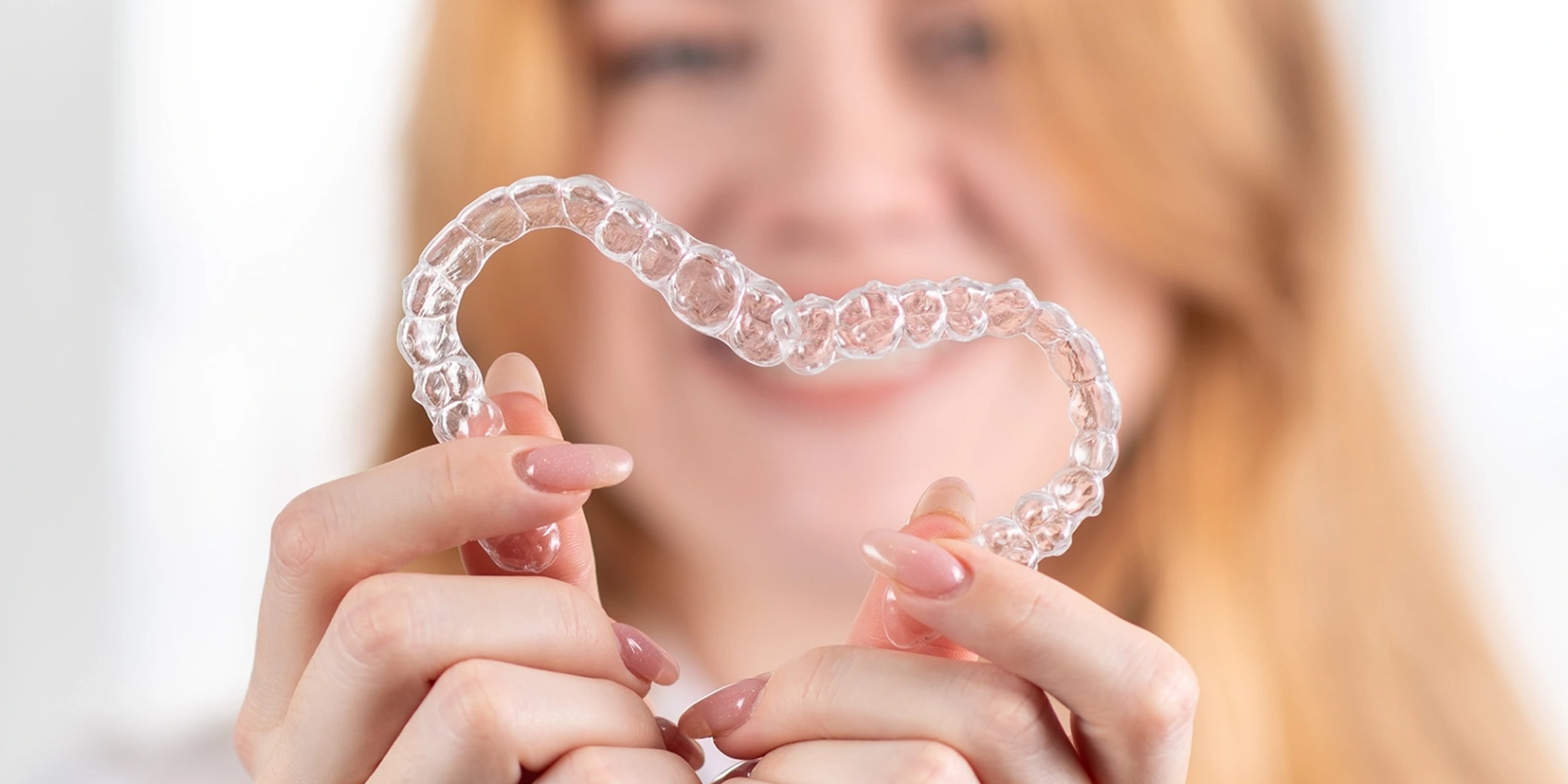
Invisalign treatment uses a series of custom, removable clear aligners to gradually shift your teeth with no brackets, no wires, and total discretion. Vitrin Clinic offers the full range of treatment tiers for every case complexity.
Treatment Process
A clear step-by-step overview of how the treatment is planned and performed, from the initial consultation to the final results, ensuring comfort, safety, and predictable outcomes.
01
Initial Consultation & Assessment
Comprehensive orthodontic evaluation by capturing a precise 3D model of your teeth with no messy impressions. We examine your teeth, gums, and jaw and discuss your smile goals in detail.
02
ClinCheck 3D Simulation
Using Invisalign's proprietary ClinCheck software, we create your personalised Invisalign treatment plan a virtual animation of exactly how your teeth will move at every stage, and your projected final smile. You only proceed once you're fully satisfied with the plan.
03
Custom Aligner Fabrication
Your entire aligner series is precision-fabricated using Invisalign's material for optimal comfort and force delivery.
04
Aligner Fitting & Attachments
You receive your first aligners and are shown exactly how to use and care for them. attachments may be added to help apply more precise forces where needed.
05
Progress Monitoring
Every 6–8 weeks, we carefully evaluate your teeth movement to ensure your treatment is progressing exactly as planned, Also track your alignment in detail, and ensure optimal comfort and efficiency throughout your journey delivering results that are both refined and predictable.
06
Refinements & Retention
Minor refinement aligners are created at the end of treatment to perfect the final result. Custom made to keep your teeth in their new positions for life.
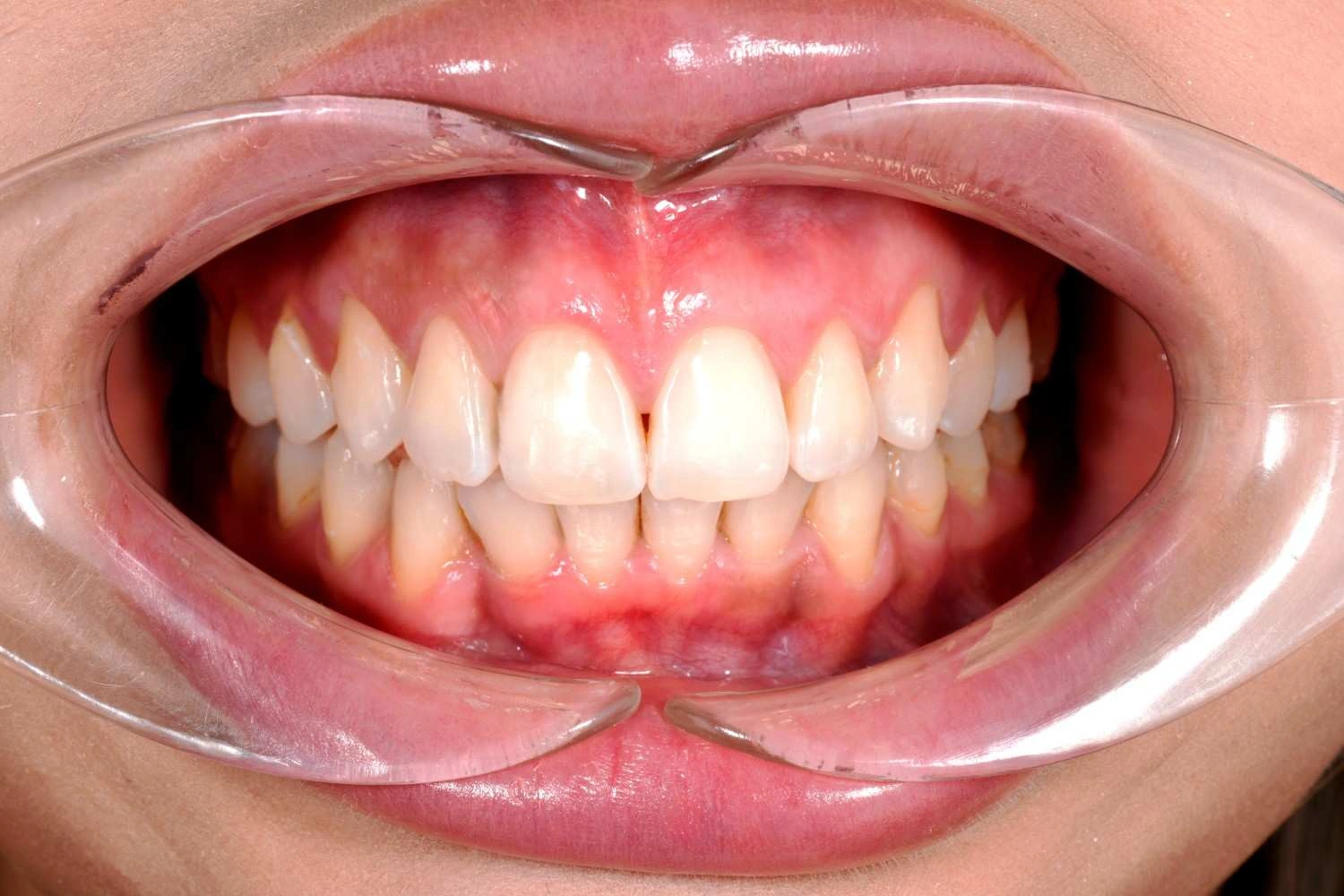
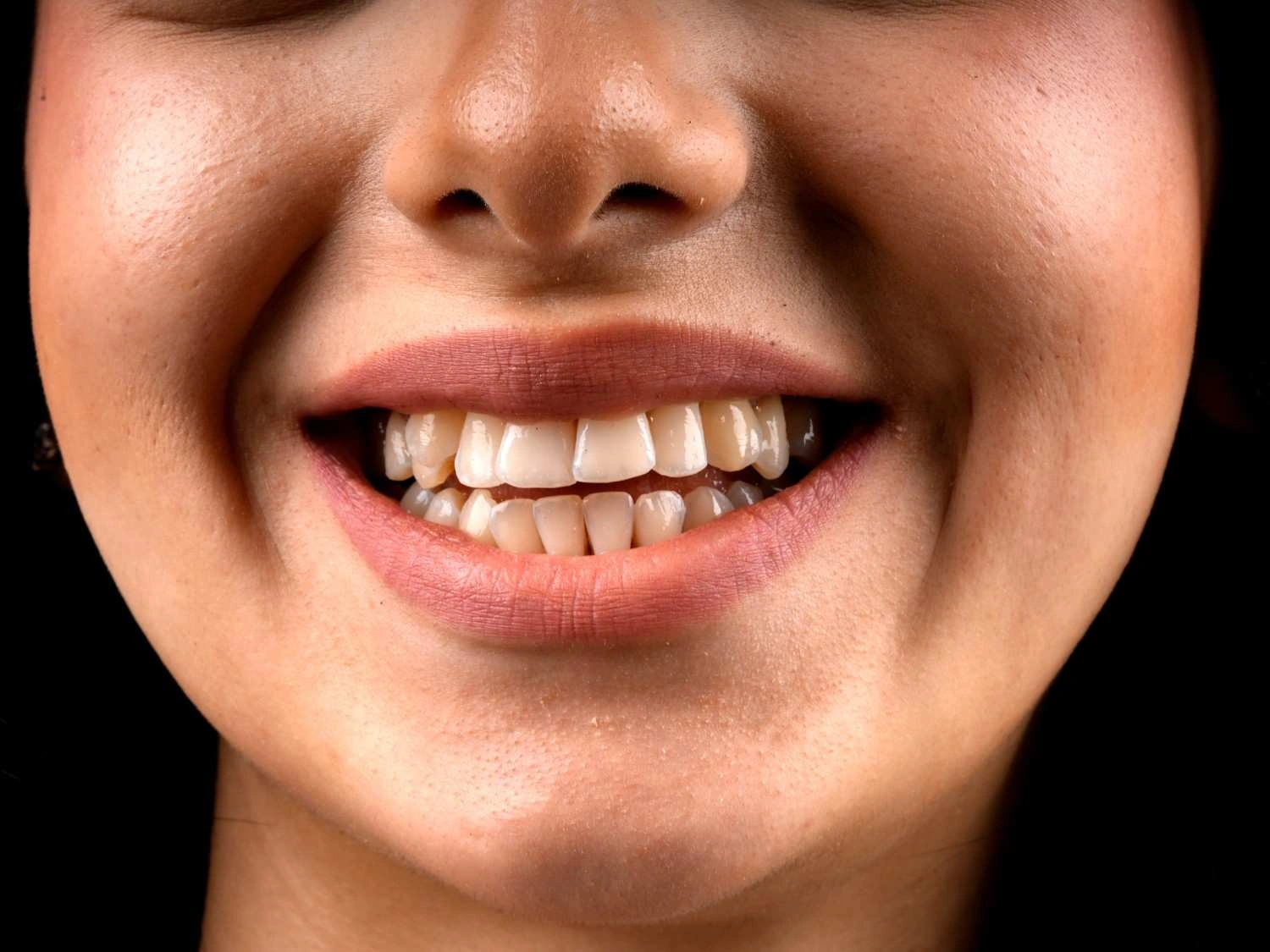
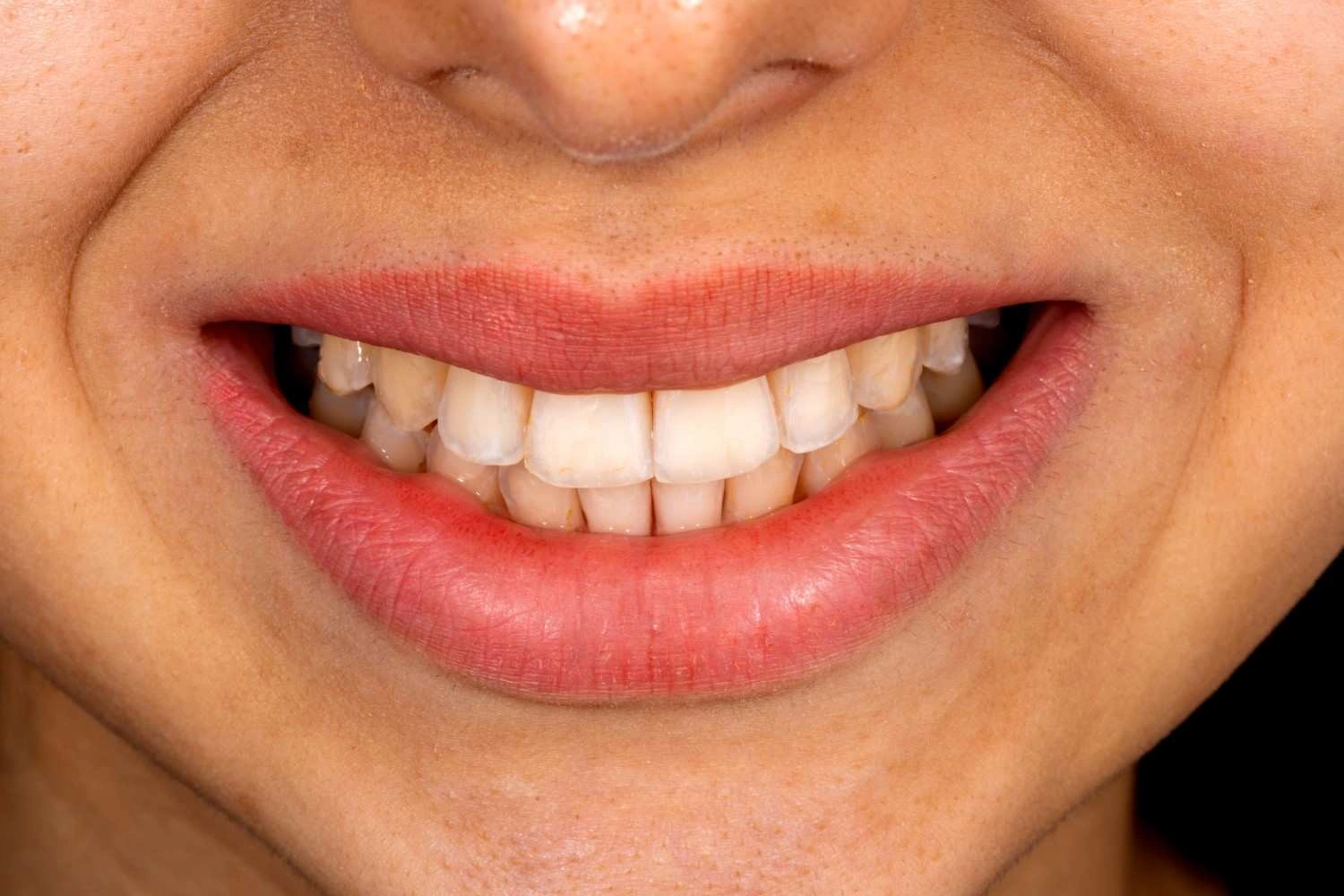
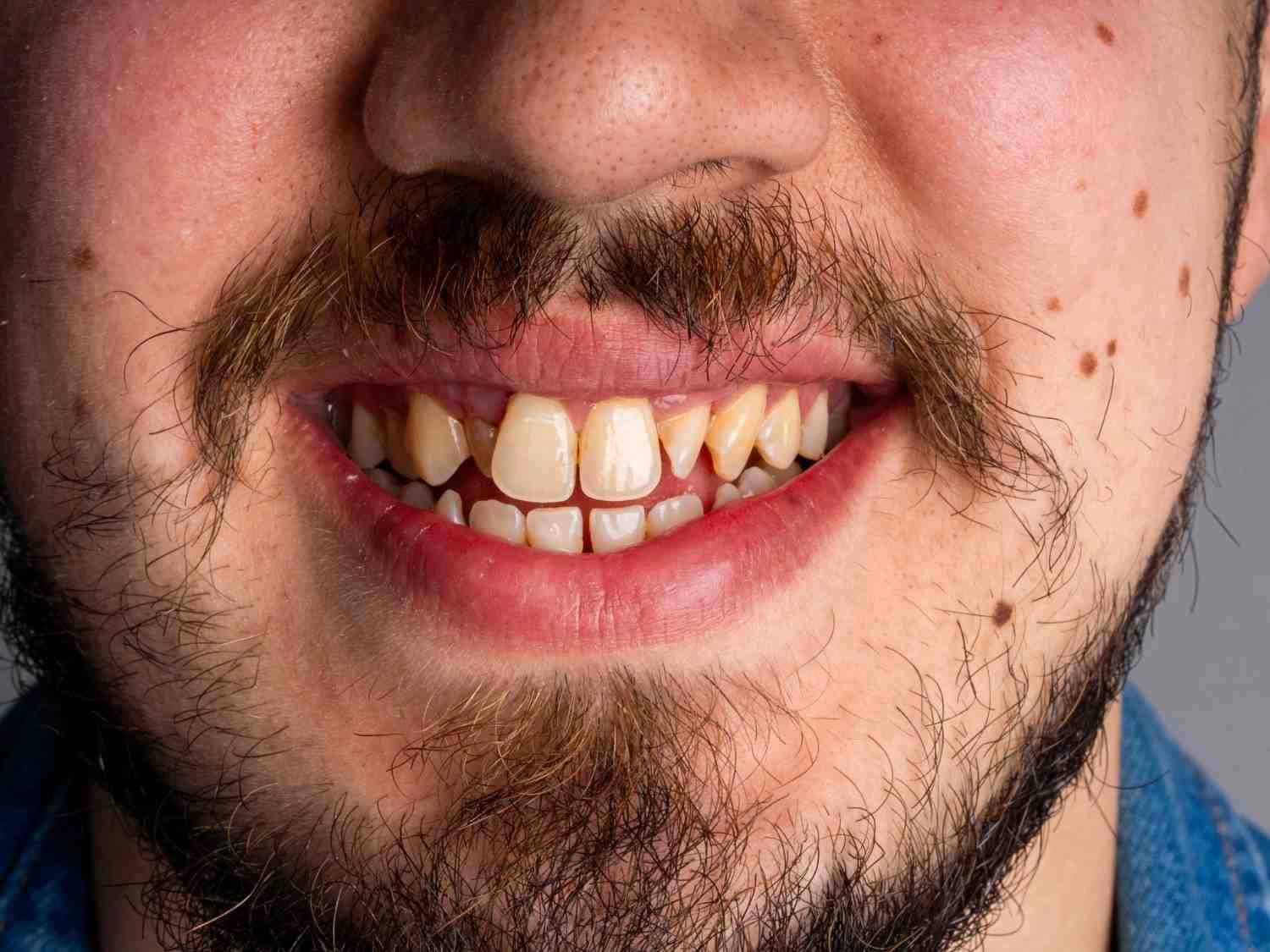
Before & After Results
Real patient transformations showcasing the quality, precision, and care behind our dental treatments. Results are personalized to each patient's needs and goals.
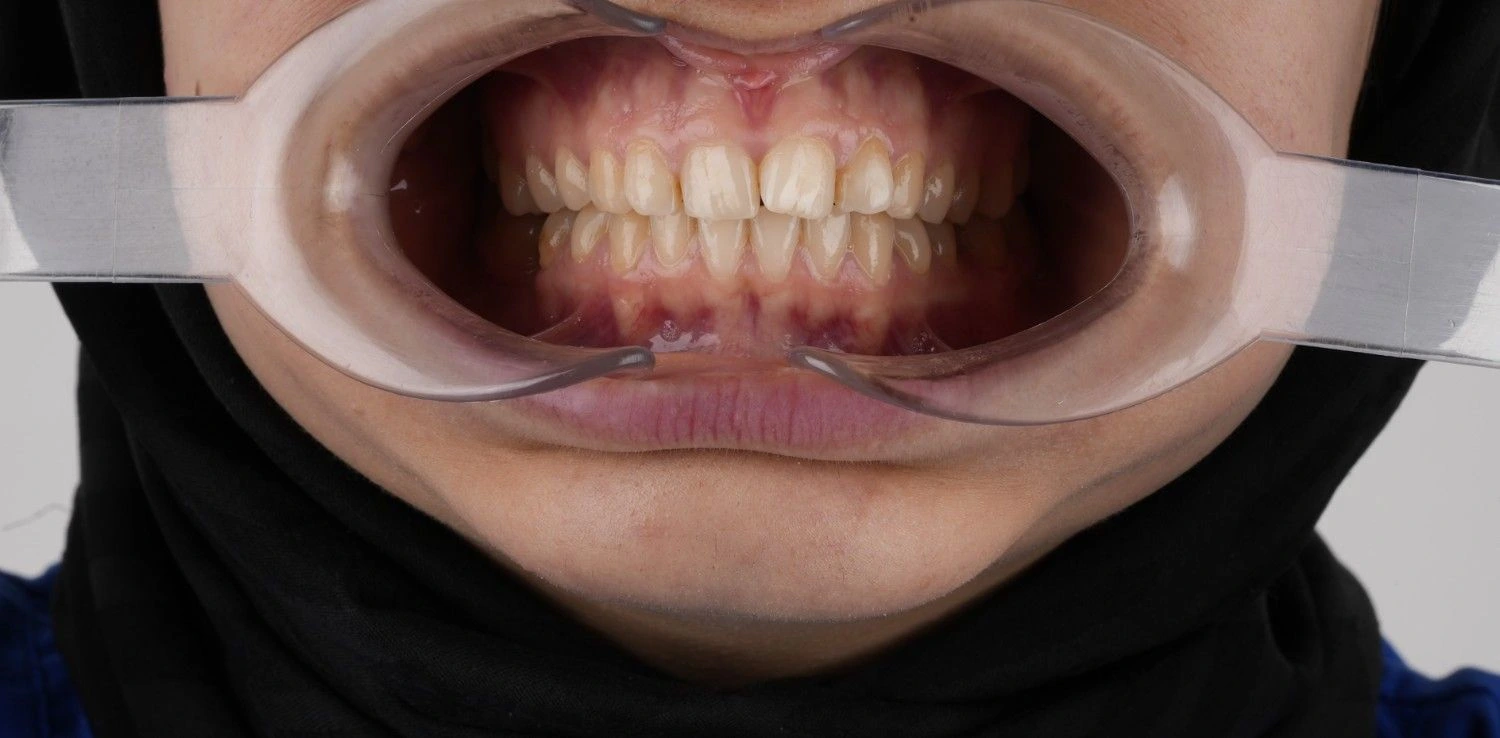
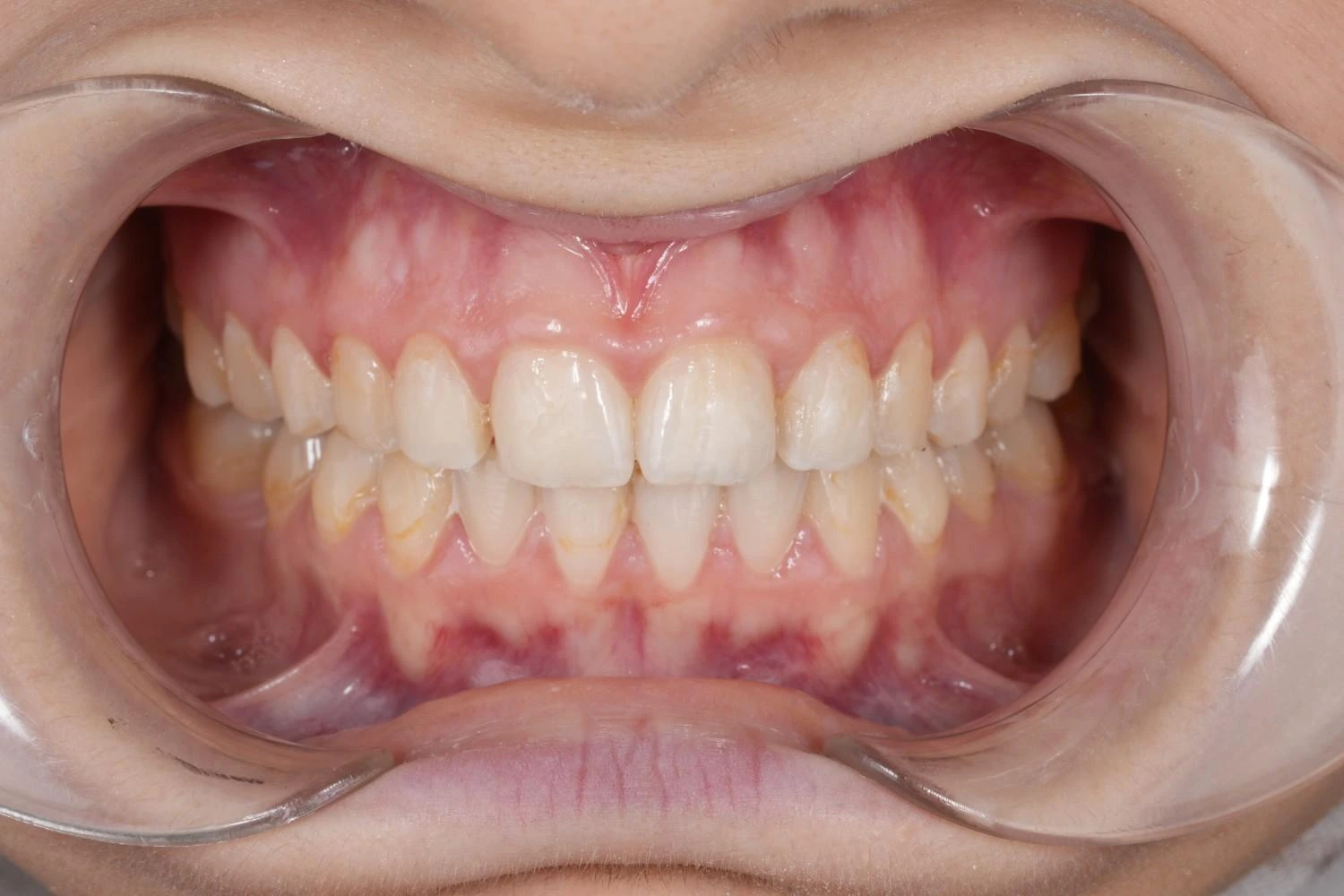
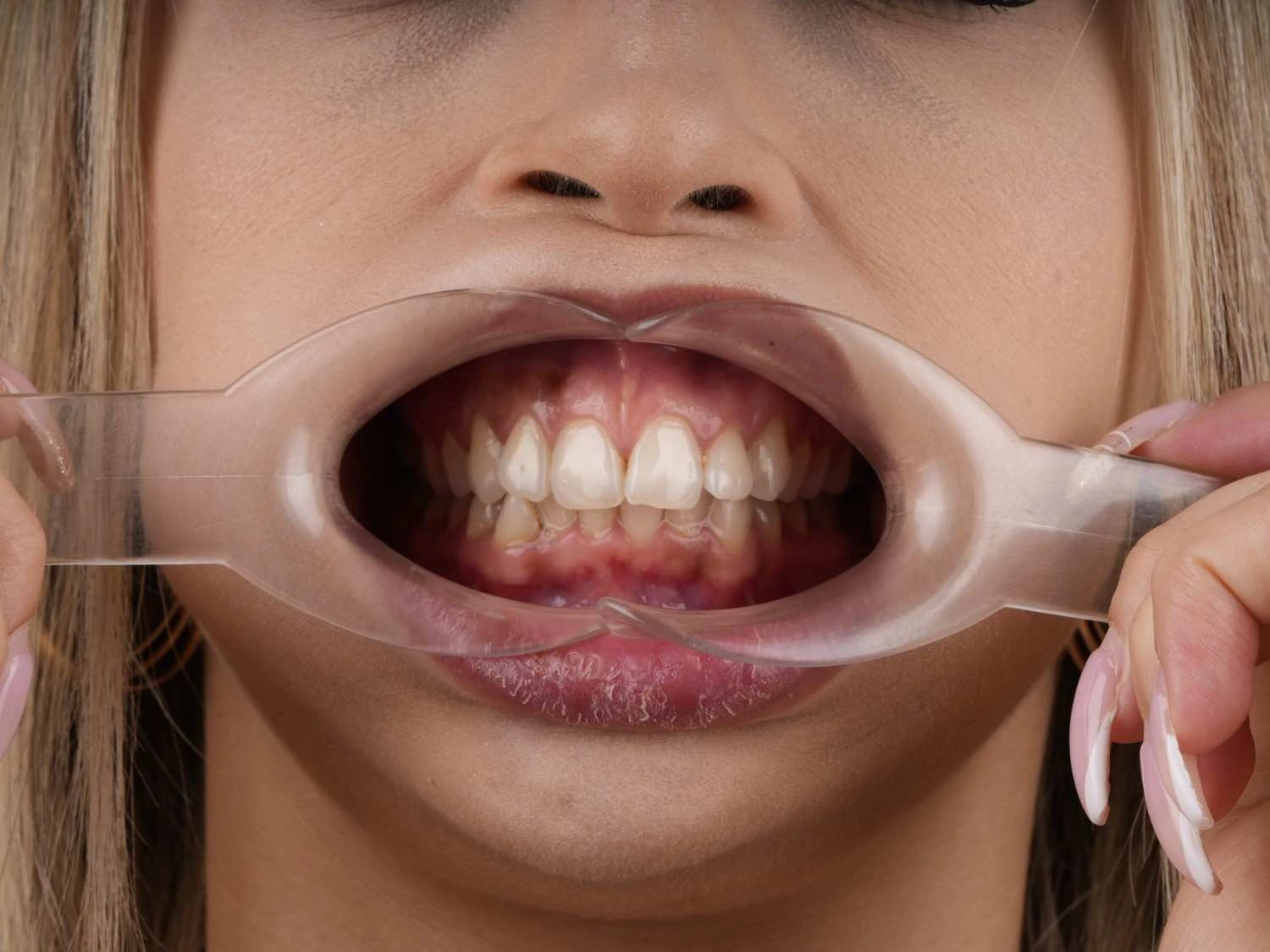
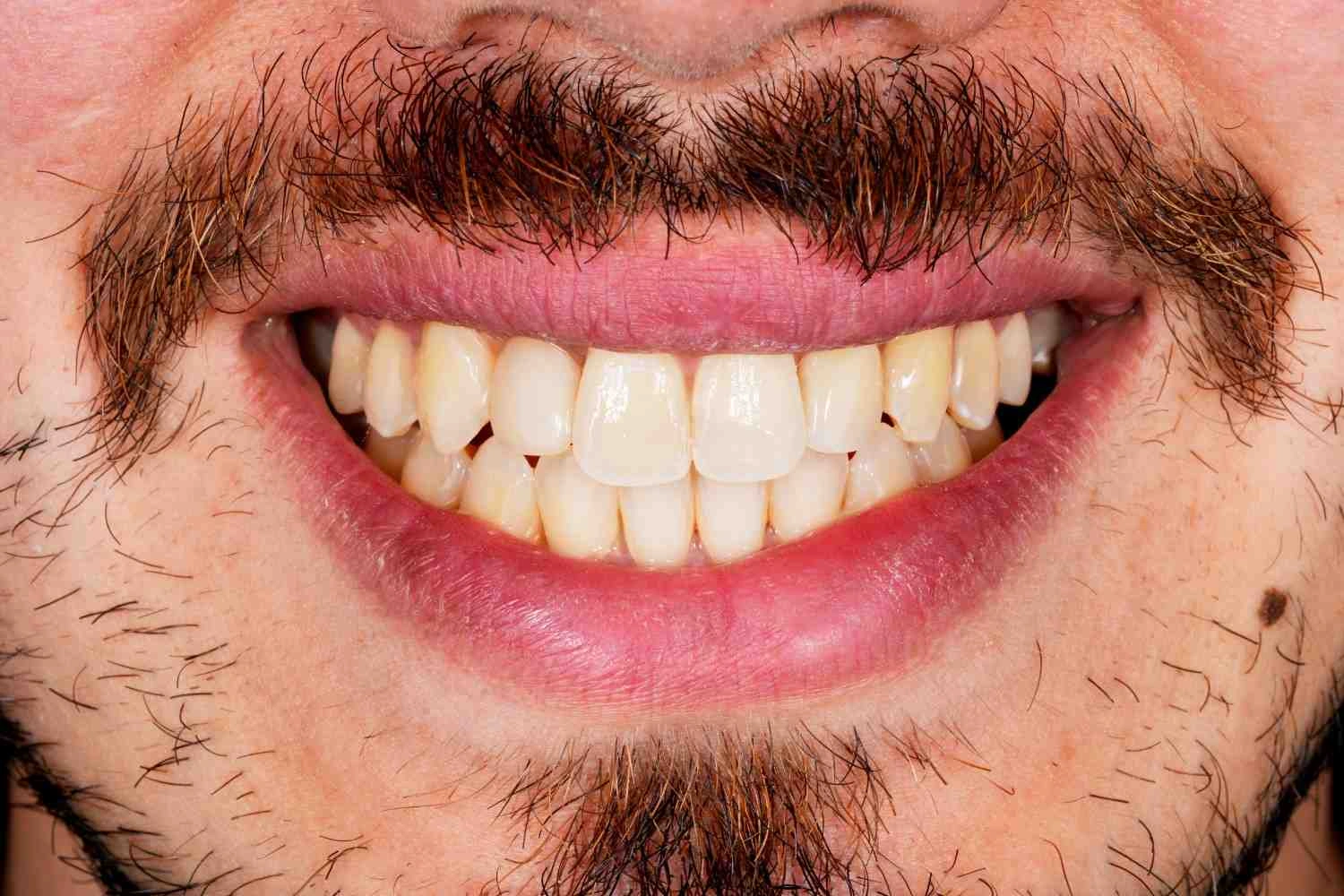
What Is Clear Aligner Therapy (Invisalign) ?
Clear aligner (Invisalign) therapy is an orthodontic treatment that uses a series of custom-fabricated, removable thermoplastic aligners to move teeth progressively into their target positions achieving the same clinical objectives as fixed orthodontic braces without metal brackets or wires.
Each aligner in the series is worn for approximately one to two weeks before being replaced by the next in the sequence, with each successive aligner incorporating a precise incremental adjustment to the tooth positions.
Clear aligner (Invisalign) therapy is one of the most extensively studied orthodontic modalities of the past three decades, with a peer-reviewed literature base covering adult and adolescent populations across a wide range of malocclusion types.
Prior to treatment, a digital 3D simulation of the complete tooth movement sequence is generated allowing both the treating orthodontist and the patient to review and approve the planned outcome before any clinical work begins.
Systematic reviews indexed in NIH/PubMed confirm clinical effectiveness across defined malocclusion types, with outcomes most predictable in mild-to-moderate crowding, spacing, and anterior alignment cases.
Clear aligner (Invisalign) therapy is not interchangeable with all orthodontic treatments. It is indicated for specific case types and is most effective when selected for the right patient by a clinician experienced in aligner biomechanics.
6–18Months Average Treatment | 3DDigital Treatment Planning | 1–2Weeks Per Aligner |
|---|---|---|
What Conditions Does Clear Aligner (Invisalign) Therapy Treat?
Clear aligner (Invisalign) therapy is effective across a defined range of orthodontic conditions.
Clinical predictability is highest for mild-to-moderate cases particularly those involving anterior crowding, spacing, and minor rotations.
More complex movements, including significant molar correction, large rotations of rounded teeth, and substantial vertical changes, are less predictable with clear aligners alone and may require supplemental attachments, auxiliaries, or in some cases a combined approach with fixed appliances.
Honest case selection is the most important factor in clear aligner outcomes. An experienced orthodontist will identify which aspects of a patient's case are ideally suited to aligner therapy and which may require compromise or hybrid approaches and will communicate this clearly before treatment begins.
At Vitrin Clinic, clear aligner (Invisalign) therapy is not offered as a universal solution; it is offered where the evidence supports it for the individual case.
Clear Aligners(Invisalign) vs. Fixed Braces
The choice between clear aligner (Invisalign) therapy, fixed orthodontic appliances, depends on the complexity of the case, the patient's lifestyle and compliance profile, and the specific tooth movements required.
The following comparison is drawn from peer-reviewed systematic reviews and controlled clinical studies.
Criterion |
| Fixed Metal Braces | |
|---|---|---|---|
Visibility During Treatment | Near-invisible , clear thermoplastic | Highly visible, metal brackets and wires | |
Periodontal Health During Tx | Superior , removable, normal oral hygiene maintained | Compromised , plaque accumulation around brackets | |
Patient Comfort | Higher satisfaction , no bracket irritation, better eating | Discomfort from wire adjustments and bracket friction | |
Complex Movement Capability | Moderate , effective for defined case types | Highest, full 3D control including torque and molar correction | |
Clinical Evidence Base | Extensive, 25+ years peer-reviewed literature | Extensive , gold standard for over 100 years | |
Digital Treatment Preview | Full 3D digital simulation before treatment starts | No pre-treatment visual simulation | |
Dietary Restrictions | None , aligners removed for eating | Yes , hard, sticky foods avoided throughout treatment | |
Compliance Dependency | High , 20–22 hrs/day wear essential for outcome | Low , fixed to teeth, no patient compliance required | |
Occlusal Contact Refinement | Good , refinement aligners available if needed | Superior, precise control of occlusal contacts |
Compiled from: Johannes Gutenberg University Mainz Braces vs. Clear Aligners: Gingival Parameters and Patient Satisfaction, PMC4478712 · NIH/PMC Patient Compliance with Braces vs. Clear Aligners, PMC12652435, 2025 · NIH/PMC Differential Impact of Clear Aligners and Fixed Appliances on Periodontal Health, MDPI Children 2025 · PubMed PMID 30384934 Patient Satisfaction and Quality of Life: Clear Aligners vs. Conventional Fixed Appliances.
Why Clinical Approach Matters
Clear aligner (Invisalign) therapy outcomes are more sensitive to clinical decision-making than almost any other dental treatment because the patient controls the most important variable: wear time.
A fixed brace works whether the patient cooperates or not. An aligner does not.
This means the clinical approach must address not only treatment planning and biomechanics, but patient selection, realistic expectation-setting, and a monitoring system that identifies tracking problems before they compound into significant deviations from the plan.
What the research shows
Superior | 20.9× | 22hrs |
|---|---|---|
Periodontal health outcomes during clear aligner treatment compared to fixed appliances due to the removability of aligners allowing normal brushing and flossing. Clear aligners are associated with reduced biofilm formation and lower gingival inflammation indices versus brackets. | Higher probability of requiring refinement aligners in cases with severe spacing compared to mild cases confirming that case complexity materially affects treatment trajectory and timeline, and must be communicated to patients at the outset. | Daily wear requirement confirmed as the minimum threshold for achieving planned tooth movement. Patient compliance is identified as the single most modifiable determinant of clear aligner success reinforcing the importance of patient selection and structured monitoring. |
Johannes Gutenberg University Mainz Braces vs. Clear Aligners: Gingival Parameters, PMC4478712 · MDPI Children Periodontal Health Systematic Review, 2025 | Barashi et al., 2024 Retrospective Cohort, cited in NIH/PMC Systematic Review PMC12665358 | NIH/PMC Factors Influencing Predictability and Success of Clear Aligners, PMC12665358, 2025 |
Vitrin Clinic Standard
You are told if clear aligners are not right for your case
If a fixed appliance or combined approach would produce a better outcome for your specific teeth, we will tell you with clear clinical reasoning. We do not offer clear aligner therapy as a one-size solution.
Remote monitoring included for international patients
You do not need to be in Istanbul throughout treatment. Vitrin Clinic's remote monitoring protocol tracks your progress through structured photographic check-ins, with orthodontist review at each stage.
Digital plan reviewed and refined not accepted as default
Your treatment plan is reviewed and modified by the treating orthodontist before aligners are fabricated. The software generates a starting point; the clinical expertise determines what actually gets made.
Retention is planned from the start, not the end
Your long-term retention strategy is discussed and agreed before treatment begins so you understand the full commitment of orthodontic treatment, not just the active phase.
Invisalign Cost: Vitrin Clinic vs. UK vs. USA
The cost of Invisalign treatment varies depending on the complexity of the case, the treatment tier required, and the country of treatment. The following table provides a transparent comparison of average costs across the United Kingdom, United States, and Vitrin Clinic in Istanbul from minor express corrections to full comprehensive treatment allowing patients to plan their orthodontic journey with accurate financial context before their consultation.
Treatment tier | 🇬🇧 UK | 🇺🇸 USA | 🇹🇷 Turkey |
|---|---|---|---|
Invisalign i7 / Express Minor corrections, up to 7 aligners, 3–6 months | $1,905 – $2,475 | $1,800 – $3,500 | From $800 |
Invisalign Lite Mild to moderate, up to 14 aligners, 6–8 months | $3,175 – $4,445 | $3,000 – $4,500 | From $1,500 |
Invisalign Moderate Moderate cases, 12–18 months | $3,935 – $5,080 | $5,000 – $7,000 | From $2,500 |
Invisalign Comprehensive Complex cases, unlimited aligners, 12–24 months | $5,715 – $6,985 | $7,000 – $10,000 | From $3,500 |
Consultation & scans | Charged separately | Charged separately | Free & included |
Estimated saving | — | — | Up to 60% less |
* Prices are averages for reference only and may vary based on case complexity, treatment duration, number of aligners required, and individual clinical requirements. A personalised quote is provided following your free consultation.
Vitrin Clinic by the Numbers: Invisalign Excellence You Can Measure
Your Invisalign treatment at Vitrin Clinic is led by Dr. Sami Assani, one of the most recognized Invisalign providers in the region.
Top 1%
Dr. Sami has received the Invisalign Apex Award 2026–2027. The award recognizes the top 1% of Invisalign providers across Europe, the Middle East, and Africa.
1 of 32
He is one of only 32 doctors in Türkiye with Blue Diamond Provider status, Invisalign’s highest tier, held by just 75 doctors across the EMEA region.
500+
He has completed more than 500 Invisalign cases. Each one adds to the experience that goes into your personal treatment plan.
For you, this means precise planning, close follow-up at every stage, and results you can feel confident about.
.jpg)
Clinical Evidence & References
Johannes Gutenberg University Mainz, Germany
Braces versus Clear Aligners: Gingival Parameters and Patients' Satisfaction During Treatment
BMC Oral Health · June 2015Azaripour A, Weusmann J et al. · DOI: 10.1186/s12903-015-0060-4 · PMC4478712
Key finding: Patients treated with clear aligners demonstrated superior periodontal health and greater satisfaction during orthodontic treatment compared to patients with fixed orthodontic appliances primarily attributed to the removability of aligners enabling effective oral hygiene.
Kalinga Institute of Industrial Technology (Deemed University), India
Clinical Effectiveness of Clear Aligner Therapy During Interceptive Orthodontic Treatment in Adolescent Patients Systematic Review and Meta-Analysis
Cureus · July 2025Chakraborty D, Sahoo N et al. · DOI: 10.7759/cureus.88157 · PMC12357539
Key finding: PRISMA-compliant systematic review across PubMed, Embase, and Scopus confirms clinical effectiveness of clear aligner therapy in adolescent interceptive orthodontics for arch expansion and anterior crossbite correction, with clear aligner systems demonstrating positive treatment outcomes in the mixed dentition phase.
hongqing Medical University, China
Clinical Outcomes of Arch Expansion with Clear Aligners — Systematic Review
BMC Oral Health · August 2023Ma S, Wang Y · DOI: 10.1186/s12903-023-03302-6 · PMC10464440
Key finding: Arch expansion with clear aligners is a viable clinical option but is not entirely predictable. Statistically significant differences exist between predicted and achieved expansion, particularly in posterior regions confirming that expansion cases require careful staging and realistic patient expectations.
University of Naples Federico II, Italy
Effects of Clear Aligners Treatment in Growing Patients Systematic Review
Frontiers in Oral Health · January 2025D'Antò V, De Simone V et al. · DOI: 10.3389/froh.2024.1512838 · PMC11744020
Key finding: Systematic review of clear aligner therapy in growing patients confirms dentoalveolar effectiveness, improved periodontal outcomes, and positive quality-of-life impact — while identifying the need for longer follow-up studies to evaluate skeletal effects in younger patients.
Have a question about this treatment?
Send us your questions or photos. Our doctors and patient coordinators reply every day of the week with a personal treatment plan.
Frequently Asked Questions
Answers to common questions about the treatment, including suitability, procedure details, recovery, and long-term care — helping you feel informed and confident before moving forward.
Yes , if you wear your retainers. Teeth have a natural tendency to shift after orthodontic treatment. Custom Vivera retainers worn nightly maintain your result indefinitely. Skipping retainers is the primary reason patients experience relapse.


.webp&w=3840&q=75)

.webp&w=3840&q=75)


.webp&w=3840&q=75)

.webp&w=3840&q=75)
