
Yes, Invisalign can correct an overbite in many patients, especially when the problem is mild to moderate. It works best when the bite issue comes mainly from tooth position rather than jaw structure. Invisalign uses a series of custom, removable clear aligners to move teeth gradually. Each aligner shifts teeth toward planned positions and improves how the upper and lower teeth meet. Can Invisalign Fix an Overbite in your case? The answer depends on cause, severity, jaw relationship, age, and overall orthodontic needs. Some cases need attachments, elastics, or other orthodontic techniques for predictable results. Severe skeletal overbites may require fixed braces or orthognathic surgery instead. An orthodontic assessment is therefore important before treatment begins. At Vitrin Clinic, digital scans and clinical examination help evaluate alignment and bite relationships. An individualized plan is then developed around the findings.
Is Invisalign Effective for Overbite Correction?
Yes, clear aligner treatment can correct many dental overbites. Suitability depends on the cause, severity, tooth position, and jaw relationship. Invisalign treatment uses a sequence of customized aligners to move teeth step by step. Some cases also require attachments, elastics, or other orthodontic techniques. Research supports clear aligners for many mild-to-moderate orthodontic problems. However, results become less predictable with larger vertical or skeletal discrepancies. Can Invisalign Fix an Overbite effectively for every patient? Not always, because each bite requires different movements. The real question is whether aligners can produce the specific movements your bite needs. At Vitrin Clinic, planning can include digital scanning and orthodontic assessment. The right approach should always follow a thorough clinical examination.
What Is an Overbite?
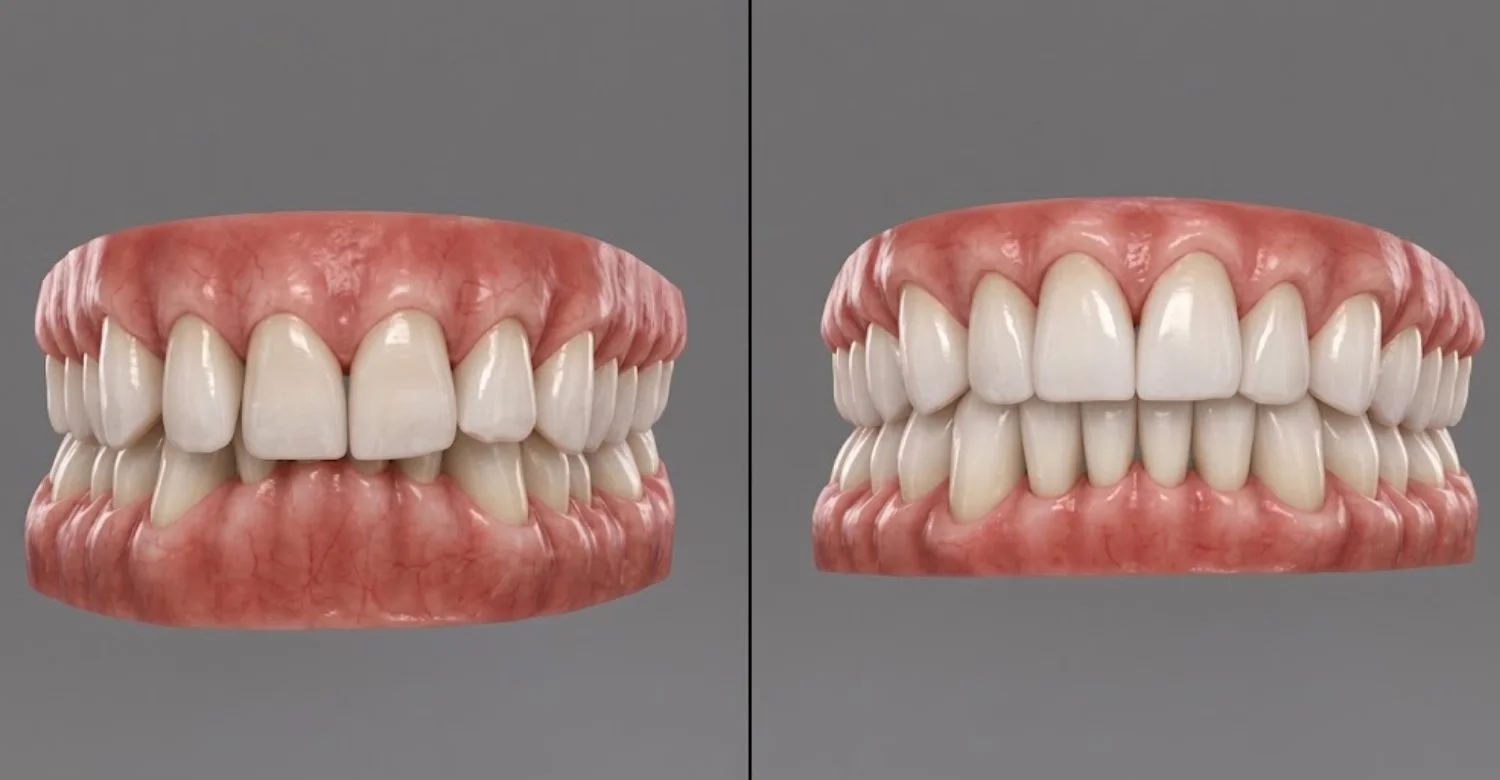
An overbite describes the vertical overlap between the upper and lower front teeth. A small amount of overlap is normal and helps the front teeth work during biting. Problems may appear when this overlap becomes excessive. An excessive overbite can contribute to tooth wear, gum irritation, or difficulty biting. The effects depend on the individual bite and the surrounding oral structures. Overbite should also be distinguished from overjet, which is a different measurement. Overbite describes vertical overlap, while overjet describes horizontal projection of the upper teeth. Many people use the terms interchangeably, but clinicians treat them separately. An orthodontic examination determines whether the overlap stays within a healthy functional range.
What Is a Normal Overbite?
A commonly cited normal overlap covers roughly one-third to one-half of the lower incisors. Another clinical description places normal overlap at around two to four millimeters. Measurements vary because orthodontists assess several relationships rather than one single number. A normal overlap usually needs no correction when the bite functions comfortably. Concerns grow when excessive coverage affects tooth surfaces, gums, chewing, or appearance. An orthodontist should measure the bite directly rather than relying on photographs. Facial growth, tooth position, and jaw relationships can all change how a measurement is interpreted. For this reason, two similar numbers may lead to different treatment recommendations.
Can Invisalign Correct an Overbite in Adults?
Adults can receive clear aligner treatment for many types of dental malocclusion. Treatment applies controlled forces to reposition teeth progressively over time. Can Invisalign Fix an Overbite in adults as well as teenagers? Yes, although adults may need longer treatment when movements are more complex. Evidence supports clear aligners for selected mild-to-moderate malocclusions in adult patients. Larger front-to-back and vertical discrepancies may be less predictable. Adult treatment therefore requires careful diagnosis before any aligners are prescribed. A dentist or orthodontist may combine aligners with attachments, elastics, or interproximal reduction. Existing crowns, fillings, and gum health also influence adult treatment planning. The plan should address both tooth alignment and functional bite relationships.
Can Invisalign Fix a Deep Bite?
A deep bite is an excessive vertical overlap of the front teeth. Clear aligners can reduce deep-bite measurements in selected patients. However, vertical tooth movement remains one of the more challenging tasks for aligners. A recent systematic review found only low-certainty evidence for aligners in deep-bite treatment. Research also shows that additional design features can influence vertical control. Attachments and carefully planned staging may support these specific movements. Some treatment plans also overcorrect the bite slightly to allow for expected rebound. Severe skeletal discrepancies may require alternative or combined orthodontic approaches. The diagnosis should identify whether the problem is dental, skeletal, or mixed.
Discover how electrolyte drinks can affect dental health
How Invisalign Fixes an Overbite
Invisalign addresses an overbite by applying controlled forces that reposition teeth gradually. These forces also improve the relationship between the upper and lower dental arches. Each aligner produces specific tooth movements before the patient moves to the next stage. Attachments can provide extra grip and control, while elastics may help guide the bite. Can Invisalign Fix an Overbite effectively? That depends on whether the overlap is dental or related to jaw structure. Orthodontists may use intrusion, extrusion, rotation, or controlled tipping to improve the bite. Patients generally wear aligners for most of the day and change them as instructed. Regular appointments allow the clinician to monitor progress closely. The treatment plan can then be modified whenever teeth do not track as expected.
How Clear Aligners Move Teeth
Clear aligners apply programmed forces to selected teeth at each stage. Each tray represents one step within the digital treatment plan. Small differences between consecutive trays encourage gradual and controlled tooth movement. The orthodontist decides which teeth should move, in what direction, and in what sequence. Aligners can produce tipping, rotation, leveling, and some vertical changes. However, not every movement is equally predictable with plastic trays. Research identifies limitations with certain rotations, root torque, extrusion, and complex bite corrections. Good planning accounts for these limits from the start rather than after problems appear. The objective is controlled, healthy movement rather than simply straightening the visible front teeth.
How Invisalign Controls the Bite
Bite correction requires close coordination between the upper and lower arches. The treatment plan can change tooth inclination, vertical position, and arch relationships together. Some patients also need elastics to influence how the upper and lower teeth meet. For growing patients with certain Class II relationships, mandibular advancement features may be considered. Invisalign describes this technology as a way to combine jaw guidance with tooth movement. Adults with skeletal discrepancies usually require different strategies because growth has finished. Can Invisalign Fix an Overbite through tooth movement alone? The clinician must decide whether that can achieve the intended functional relationship. This decision shapes every later stage of the treatment plan.
The Role of Invisalign Attachments
Attachments are small tooth-colored shapes bonded temporarily to selected teeth. They give the aligner extra surfaces for applying controlled, directional forces. Attachments may support rotations, extrusion, intrusion, and other planned movements. They are not automatically required for every patient or every tooth. The type, location, and number depend on the specific treatment objectives. Invisalign describes its SmartForce attachments as tools designed to improve movement control. Attachments can be especially useful when bite correction requires precise vertical movement. Patients should know that attachments make aligners slightly more noticeable up close. They are removed and polished away once active treatment is complete.
When Invisalign Elastics Are Needed
Elastics are small rubber bands connecting upper and lower orthodontic components. They help influence the front-to-back relationship between the dental arches. Their use depends entirely on the diagnosis and chosen treatment mechanics. Some patients with Class II relationships need elastics alongside their clear aligners. Compliance becomes especially important once elastics are prescribed. Elastics only work when worn consistently for the recommended number of hours. Invisalign notes that complex cases may combine attachments, elastics, interproximal reduction, and digital planning. Elastics should never be added by patients without professional instruction. The orthodontist decides attachment points, force direction, and the daily wearing schedule.
Find out whether chickenpox in the mouth can be dangerous
What Causes an Overbite?
An overbite can develop from several dental, skeletal, and behavioral factors. Genetics influences jaw growth, tooth size, and facial structure in many families. Crowded or poorly positioned teeth can also contribute to excessive vertical overlap. Some childhood habits, such as prolonged thumb sucking, may affect dental development. Can Invisalign Fix an Overbite regardless of its cause? Not necessarily, because the cause strongly shapes the right treatment. In some people, the upper front teeth sit too far downward. In others, the lower teeth have erupted too far upward. Sometimes the jaw relationship itself contributes significantly to the problem. An orthodontic evaluation separates tooth-related overbites from skeletal discrepancies. It then determines whether clear aligners are an appropriate option.
Dental Causes of an Overbite
A dental overbite develops primarily from the position of the teeth themselves. Upper incisors may become excessively tipped or positioned too far over the lower incisors. Lower teeth can also contribute through their inclination or vertical height. Crowding and tooth-size differences may change how the two arches meet. Missing back teeth can allow the bite to collapse and deepen over time. Treatment depends on identifying exactly which teeth are contributing to the overlap. Orthodontic assessment separates these tooth-related causes from underlying jaw discrepancies. This distinction matters because tooth movement alone may be sufficient for many dental cases.
Skeletal Causes of an Overbite
A skeletal overbite involves the size and relationship of the upper and lower jaws. Jaw growth patterns influence both vertical and horizontal relationships between the dental arches. A discrepancy may become more obvious as facial growth continues through adolescence. In adults, significant skeletal differences cannot always be corrected by moving teeth alone. Orthodontic treatment can sometimes compensate for mild skeletal relationships through controlled dental movement. More severe discrepancies may require combined orthodontic and surgical planning. Cephalometric X-rays and clinical measurements help reveal the underlying jaw relationship. Can Invisalign Fix an Overbite with a skeletal cause? Mild cases may respond, but severe ones often need more.
Genetics and Jaw Development
Genetics can shape jaw size, facial growth, and overall dental relationships. Family patterns may therefore explain why certain bite traits appear across generations. However, genetics is only one of several contributing factors. Growth direction, tooth eruption, oral habits, and environment can all affect bite development. Children and adolescents may have extra growth-related treatment options available. These options can guide jaw development while growth is still active. Adults have completed most facial growth, which changes the available strategies. A detailed assessment helps identify which factors contribute most to each bite.
Crowding and Tooth Position
Crowding occurs when the dental arch lacks enough space for proper alignment. It can change the position and inclination of individual teeth. Those changes may alter the relationship between the upper and lower incisors. Treatment may involve arch coordination, controlled tooth movement, or creating extra space. Interproximal reduction can create limited space by gently polishing between selected teeth. Extractions may occasionally be considered when enough space cannot be created conservatively. Any decision about space should follow a complete orthodontic assessment.
Childhood Habits and Overbite
Certain childhood habits can influence developing dental relationships. Prolonged thumb sucking, pacifier use, and similar behaviors may affect tooth position. The American Academy of Pediatric Dentistry recognizes prolonged oral habits as possible contributors to malocclusion. The effect depends on duration, frequency, intensity, and individual growth patterns. Stopping a habit early may reduce its influence on the developing teeth. Established changes may still require orthodontic evaluation later in childhood. Early assessment gives families a clearer picture of any future treatment needs.
Learn more about veneers and bad breath
What Are the Signs of an Excessive Overbite?
An excessive overbite occurs when the upper front teeth overlap the lower teeth more than normal. Some people notice the appearance of their smile first. Others experience functional symptoms before any cosmetic concern. Possible signs include deep overlap, lower teeth touching the palate, and difficulty biting some foods. Tooth wear and jaw discomfort may also appear in some patients. Can Invisalign Fix an Overbite based on appearance alone? No, because the extent and cause must be assessed first. An orthodontist evaluates incisor position, gum tissues, bite contacts, and jaw relationship. Some overbites cause few symptoms, while pronounced cases may affect chewing or palatal tissues. Professional assessment is especially important when pain, tooth wear, or eating difficulty appears.
Upper Teeth Covering Too Much of the Lower Teeth
The most visible sign is excessive vertical coverage of the lower front teeth. The upper incisors may hide much of the lower incisors when the mouth closes. However, a quick look in the mirror cannot determine the exact severity. Orthodontists use precise measurements and functional assessment to evaluate the overlap. Some patients have significant overlap without any obvious symptoms. Others develop tooth wear, gum irritation, or chewing difficulties over time. Professional assessment is therefore more reliable than comparing your smile with photographs.
Tooth Wear and Enamel Damage
Excessive bite forces can contribute to gradual tooth wear. The front teeth may experience repeated heavy contact during normal chewing. Grinding or clenching, especially at night, can increase this mechanical stress. Over time, wear may expose the softer dentin layer beneath the enamel. Exposed dentin can lead to sensitivity and changes in tooth shape. Not every person with excessive overlap develops significant wear. The risk depends on bite relationships, habits, enamel strength, and diet. Regular dental examinations can identify early changes before they become severe.
Gum Irritation and Soft-Tissue Trauma
Some excessive bites cause the lower incisors to strike the gum behind the upper teeth. Repeated contact may produce irritation, soreness, or localized tissue trauma. The affected tissue can become red, inflamed, or tender when eating. A clinician should confirm whether the bite is truly causing the problem. Other causes of gum irritation, such as gum disease, must also be considered. Treating the underlying bite can reduce repeated mechanical contact when appropriate. Early care helps protect the gum tissue from long-term damage.
Difficulty Biting or Chewing
A significant bite discrepancy can change how teeth contact during chewing. Some people notice difficulty biting into sandwiches, apples, or other firm foods. Others experience uneven contact between different teeth when closing their mouth. Chewing difficulty can also have several unrelated causes. Dental decay, missing teeth, jaw disorders, and loose teeth can all affect function. A complete examination helps identify the actual source of the problem. Treatment should then target the cause rather than the symptom alone.
Jaw Discomfort
Some patients with significant malocclusion report jaw discomfort or muscle tension. However, an overbite does not automatically mean the bite causes jaw symptoms. Temporomandibular disorders have many possible contributing factors, including stress and clenching. Current evidence does not support a simple cause-and-effect link between bite and jaw pain. Orthodontic treatment is therefore not a guaranteed cure for jaw discomfort. Persistent jaw pain should receive a separate professional assessment.
Explore the connection between ADHD and gum disease
Can Invisalign Fix Mild, Moderate, and Severe Overbites?
Can Invisalign Fix an Overbite at every severity level? The answer varies with severity and the underlying cause. Mild overbites caused mainly by tooth position are often suitable for clear aligners. Moderate cases can also be treated in many patients with extra planning. These may require attachments, elastics, or additional planned movements. Severe overbites need more careful assessment because jaw differences may be involved. In these situations, Invisalign may form only one part of the treatment plan. Braces, growth modification, or jaw surgery may sometimes be considered instead. Suitability cannot be judged from the amount of overlap alone. An orthodontist must examine teeth, gums, facial proportions, jaw relationship, and available space.
Invisalign for Mild Overbite
Mild dental overbites are often among the more straightforward aligner cases. Treatment may involve controlled incisor movement and simple arch coordination. Attachments can improve control when particular movements are required. Compliance remains essential because removable aligners only work when they are worn. Clinical evidence generally supports aligners for selected mild-to-moderate malocclusions. A digital plan can show the intended movement sequence before treatment starts. Can Invisalign Fix an Overbite that is only mild? In many cases, yes, with good planning and consistent wear. The final result still depends on biological response and treatment adherence.
Invisalign for Moderate Overbite
Moderate cases may require more sophisticated biomechanics and closer monitoring. Attachments, elastics, interproximal reduction, or additional aligners may be incorporated. The clinician must evaluate how much vertical and horizontal correction is required. Research suggests aligners can treat many moderate cases, though predictability varies by movement type. Complex bite relationships may require extra treatment phases or refinements. The number of aligners cannot be estimated accurately from severity alone. A detailed digital simulation helps set realistic expectations for moderate cases.
Invisalign for Severe Overbite
Severe cases require particularly careful diagnosis and planning. Some can be managed through comprehensive orthodontic treatment with clear aligners. Others involve skeletal discrepancies that limit what tooth movement alone can achieve. Invisalign's current materials describe treatment options for complex overbite cases. Independent systematic reviews remain more cautious about predictability in complex vertical problems. Can Invisalign Fix an Overbite classified as severe? A severe label does not automatically exclude aligners. The underlying anatomy determines whether aligners alone are appropriate.
When Invisalign May Not Be Enough
Clear aligners may not provide enough correction when substantial skeletal change is required. They may also have limits with certain complex tooth movements. Fixed appliances can sometimes provide different levels of biomechanical control. Some patients need elastics, temporary anchorage devices, extractions, or surgery. Temporary anchorage devices are small screws that provide stable points for moving teeth. Treatment should therefore be selected by diagnosis rather than preference alone.
Dental Overbite vs Skeletal Overbite
A dental overbite mainly involves the position and angle of the teeth. A skeletal overbite involves the relationship and growth pattern of the jaws. Dental problems can often be managed through orthodontic tooth movement. Skeletal discrepancies may require compensation or combined surgical treatment. Radiographs and clinical measurements help distinguish between the two types. Many patients actually have a mixed pattern with both dental and skeletal features. Can Invisalign Fix an Overbite of the dental type more reliably? Generally yes, since aligners are designed to move teeth.
When Braces May Be Recommended
Braces apply continuous force through brackets bonded to teeth and connecting archwires. They can offer strong control over complex root and vertical movements. An orthodontist may recommend braces when movement predictability is a major concern. Braces can also be combined with elastics or temporary anchorage devices. They do not depend on the patient remembering to wear an appliance. Clear aligners and braces both have appropriate clinical indications. The decision depends on the specific malocclusion and the treatment objectives.
When Jaw Surgery May Be Considered
Orthognathic surgery may be considered for significant skeletal discrepancies in adults. Surgery changes the position of the jaws rather than simply moving teeth. Orthodontic treatment is commonly coordinated before and after the surgical procedure. Not every severe overbite requires surgical treatment. The decision requires specialist evaluation, imaging, and a discussion of risks and benefits.
Discover what can cause a rough roof of the mouth
How Is an Overbite Diagnosed?
Diagnosing an overbite involves much more than looking at the front teeth. An orthodontist evaluates the bite, tooth positions, jaw relationship, facial profile, and dental health. Measurements are taken to determine the vertical overlap between the incisors. Photographs, digital scans, impressions, and radiographs may also be used when appropriate. Can Invisalign Fix an Overbite? That answer comes only after these findings are considered together. At Vitrin Clinic, digital X-rays and 3D intraoral scanning may support treatment planning. The clinician also checks tooth wear, gum condition, existing restorations, crowding, and space. This information shows whether aligners can achieve the planned movements. It also reveals whether additional procedures or approaches may be needed.
What Happens During an Orthodontic Examination?
The clinician evaluates your teeth, gums, bite relationships, and facial proportions. Photographs may document your starting position from several angles. Digital scans record the three-dimensional shape of both dental arches. Radiographs may provide information about roots, bone levels, and jaw relationships. The clinician also checks how the jaw moves during opening, closing, and chewing. These findings are combined to establish an accurate diagnosis. Treatment should begin only after the underlying problem has been clearly identified.
How Dentists Measure an Overbite
Overbite is measured vertically between the edges of the upper and lower incisors. Measurements may be recorded in millimeters or as a percentage of lower incisor coverage. Other bite measurements are also relevant to the final diagnosis. These include overjet, molar relationships, incisor inclination, and arch coordination. A single measurement cannot describe every aspect of a malocclusion. Orthodontists interpret numbers alongside clinical and radiographic findings.
Dental X-Rays and Orthodontic Imaging
Radiographs reveal structures that photographs and scans cannot show. Depending on the case, clinicians may use panoramic or cephalometric imaging. Panoramic images show all teeth and roots in one view. Cephalometric images show the side profile and help measure jaw relationships. Three-dimensional CBCT is reserved for situations where extra information is clinically justified. Imaging should never be performed routinely without an appropriate indication.
Digital Scanning for Invisalign Planning
Digital scanning creates an accurate three-dimensional model of the dental arches. It replaces conventional impressions in many modern workflows. The scan is quick, comfortable, and usually takes only a few minutes. It supports digital treatment planning and precise aligner fabrication. Invisalign describes digital 3D scanning as a core part of its workflow. At Vitrin Clinic, digital dental technology forms part of the standard treatment workflow.
How Dentists Decide if Invisalign Is Suitable
Suitability depends on diagnosis, movement requirements, oral health, and patient compliance. The clinician evaluates whether the planned movements are realistically achievable with aligners. Existing restorations, gum problems, missing teeth, and jaw relationships can all influence planning. Active decay or gum disease usually needs treatment before orthodontics begins. The patient's ability to follow the wearing schedule also matters greatly. Can Invisalign Fix an Overbite for someone who struggles with compliance? Results may suffer, so braces might suit them better. The final recommendation should follow an individualized examination.
What We Notice Clinically
Clinically, an overbite should be evaluated as part of the complete bite. It should not be treated as an isolated cosmetic concern. The clinician considers how the incisors contact and whether lower teeth touch the palate. Tooth position and skeletal structure are both assessed as possible contributors. Can Invisalign Fix an Overbite? This requires individualized assessment rather than general assumptions. Dr. Rifat Alsaman, Head of the Medical Team at Vitrin Clinic, stresses evaluating teeth and surrounding tissues first. Digital records help visualize tooth positions and monitor planned movements. The appropriate treatment depends on clinical findings, orthodontic goals, and treatment response. Clear aligners may suit many dental overbites. More complex cases may need additional techniques or specialist assessment.
Why Every Overbite Is Different
Two people can have similar visible overlap but completely different causes. One patient may have primarily tipped upper incisors. Another may have a significant difference in jaw size or position. Treatment mechanics therefore cannot be selected from photographs alone. The same aligner protocol may not work equally well for every patient. Age, bone density, and gum health also change how teeth respond. This is why diagnosis matters more than the appliance brand.
Overbite vs Overjet: What Is the Difference?
Overbite describes the vertical overlap of the front teeth. Overjet describes the horizontal distance between the upper and lower front teeth. People often call protruding upper teeth an overbite, but that is technically overjet. A patient can have one condition without having the other. Some patients have both conditions at the same time. Correct terminology helps clinicians select appropriate treatment mechanics.
Why a Selfie Cannot Determine Overbite Severity
A photograph cannot show the complete dental and skeletal relationship. Camera angle and lens distance can change the apparent amount of overlap. Lip position can also hide the actual tooth relationship. Photos cannot show the back teeth, roots, or jaw joints. Radiographs and clinical measurements provide this essential missing information. A selfie may help start a consultation, but it cannot replace diagnosis.
Common Misconceptions About Invisalign Overbite Treatment
One common misconception is that every bite can be corrected with aligners alone. Another is that treatment takes the same time for everyone. Some people also assume aligners never require attachments or elastics. Others believe aligners are always weaker than braces. In reality, complex cases may need additional orthodontic mechanics. Evidence supports aligners for many cases while also identifying certain movement limitations. Can Invisalign Fix an Overbite without any extra tools? Sometimes, but many plans include attachments or elastics.
Why Patient Compliance Matters
Aligners are removable, so treatment depends heavily on patient behavior. Invisalign commonly recommends wearing aligners for about 20 to 22 hours daily. Patients should remove aligners only for eating, drinking anything besides water, and cleaning. Repeatedly exceeding the recommended removal time can interfere with planned tooth movement. Missed hours may cause aligners to fit poorly and slow progress. Building simple daily routines makes consistent wear much easier.
Clinical Note
Dr. Rifat Alsaman, Head of the Medical Team at Vitrin Clinic and cosmetic dentist, emphasizes individualized assessment. A bite should be evaluated by tooth position, function, and the underlying jaw relationship. Digital planning supports visualization, but clinical judgment remains essential throughout treatment. Treatment recommendations should follow examination findings rather than appearance alone.
Find out why your jaw may hurt on one side when chewing
Invisalign vs Braces for Overbite
Both Invisalign and traditional braces can correct many overbite cases. However, they work through different treatment systems. Invisalign uses a sequence of removable clear aligners. Braces use brackets, wires, and other components fixed to the teeth. Can Invisalign Fix an Overbite as well as braces can? That depends on the individual case and the movements required. Clear aligners offer removability for eating and cleaning and a discreet appearance. Braces provide highly controlled movement and may suit more complex cases. Neither option is automatically right for every overbite. The orthodontist weighs severity, tooth positions, compliance, goals, and oral health. In some cases, either approach can achieve the desired result when carefully planned.
How Invisalign and Braces Correct Overbites
Both systems apply gentle orthodontic forces to reposition teeth. Braces use brackets and archwires that are adjusted at regular appointments. Clear aligners use a series of removable trays changed on a set schedule. Both approaches may use elastics or additional orthodontic mechanics. Both require retainers once active treatment ends. The right option depends on movement requirements and patient circumstances.
Invisalign for Mild Overbite vs Braces
Both approaches can successfully treat many mild overbite cases. Aligners offer removability and are far less visible during treatment. Braces remain attached continuously throughout the active phase. Patient preference often guides the decision when both options are clinically suitable. Can Invisalign Fix an Overbite of mild severity as effectively as braces? Often yes, when aligners are worn as instructed. The clinician should still confirm which option offers adequate control.
Invisalign for Severe Overbite vs Braces
Severe cases require more detailed biomechanical planning with either appliance. Braces may offer useful control for difficult root and vertical movements. However, modern Invisalign systems are also used for selected complex cases. The key issue is not simply how severe the bite looks. The underlying dental and skeletal characteristics determine which option is suitable.
Appearance and Removability
Clear aligners are much less visible than conventional metal braces. They can be removed for meals, special events, and oral hygiene. Braces stay fixed to the teeth during the whole active treatment phase. Removability makes aligners attractive for people with professional or social concerns. However, removability also means patients must take responsibility for consistent wear.
Oral Hygiene During Treatment
Removable aligners let patients brush and floss without brackets blocking access. However, teeth must be cleaned before the trays go back in. Food trapped under an aligner can increase plaque buildup and decay risk. Aligners themselves should also be rinsed and cleaned every day. Braces require extra effort to clean around brackets and wires. Good oral hygiene remains essential with either treatment choice.
Treatment Adjustments and Follow-Up
Both approaches require regular professional monitoring throughout treatment. Follow-up appointments assess tooth movement and changes in the bite. Braces usually need wire adjustments every few weeks. Aligner patients receive new sets of trays at planned stages. Additional aligners may be needed when teeth do not track as planned. Regular checks allow clinicians to modify treatment whenever necessary.
How Long Does Invisalign Take to Fix an Overbite?
Treatment time for correcting an overbite varies substantially between patients. Mild cases may need a relatively short treatment period. Moderate or complex cases can take considerably longer to complete. Can Invisalign Fix an Overbite within a set timeframe? That cannot be answered accurately without an examination and simulation. Duration depends on required movement, age, bite complexity, and the need for attachments or elastics. Consistent aligner wear is one of the biggest factors patients control. Scheduled monitoring appointments keep treatment on track. Refinement aligners may sometimes be needed if teeth do not move as predicted. Your orthodontist can give an individualized estimate after the diagnostic assessment.
Factors That Affect Invisalign Treatment Time
Treatment time depends mainly on severity and complexity. Other factors include required movements, compliance, biological response, and refinements. Cases involving skeletal discrepancies may need additional treatment phases. Oral health problems, such as decay or gum disease, may also cause delays. Published manufacturer information describes some overbite treatments lasting about 12 to 24 months. Individual treatment times can fall above or below this range.
How Long Mild Overbite Treatment May Take
Mild cases usually require fewer aligners than complex ones. Some simple corrections may be completed within several months. However, a mild-looking problem can still involve complex bite mechanics. Treatment should never be rushed simply to meet a marketing promise. Can Invisalign Fix an Overbite quickly in mild cases? Sometimes, but stability matters more than speed.
Why Complex Overbites May Take Longer
Complex cases require more planned movements and more treatment stages. Additional attachments or elastics are often needed for adequate control. Refinements can add further aligners and extend total treatment time. Skeletal discrepancies may require combined or multi-phase treatment. Evidence reviews show that aligner effectiveness varies between movement types. Vertical corrections, in particular, often take longer to achieve predictably.
How Refinements Affect Treatment Time
Refinements are additional aligners made after reviewing treatment progress. They may be needed when teeth do not reach their planned positions. A new scan is usually taken to design the refinement trays. Refinements do not necessarily mean treatment has failed. Tooth movement is biological and cannot always match digital predictions perfectly. The need for refinements varies between patients and treatment complexity.
Learn about melioidosis and oral health
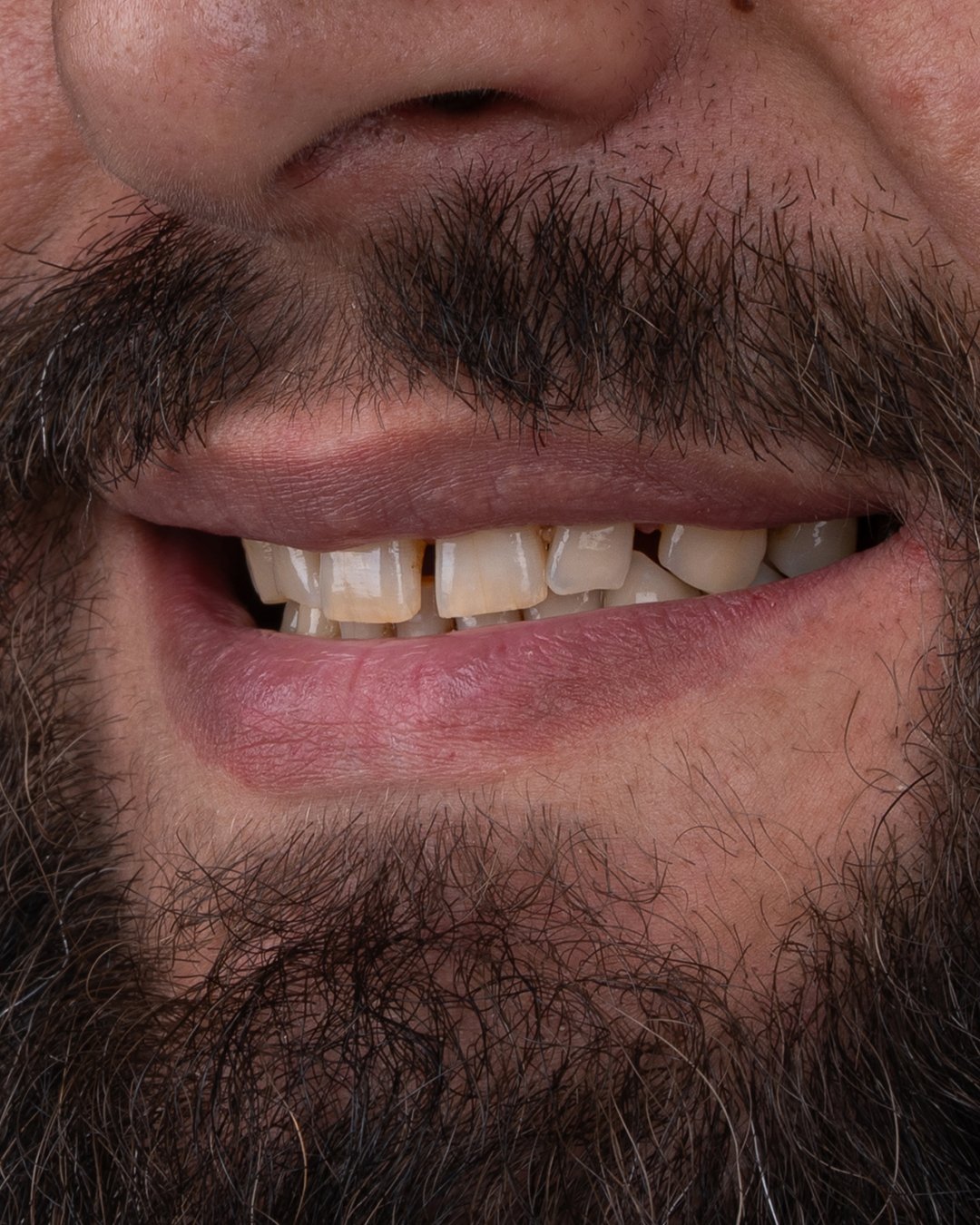
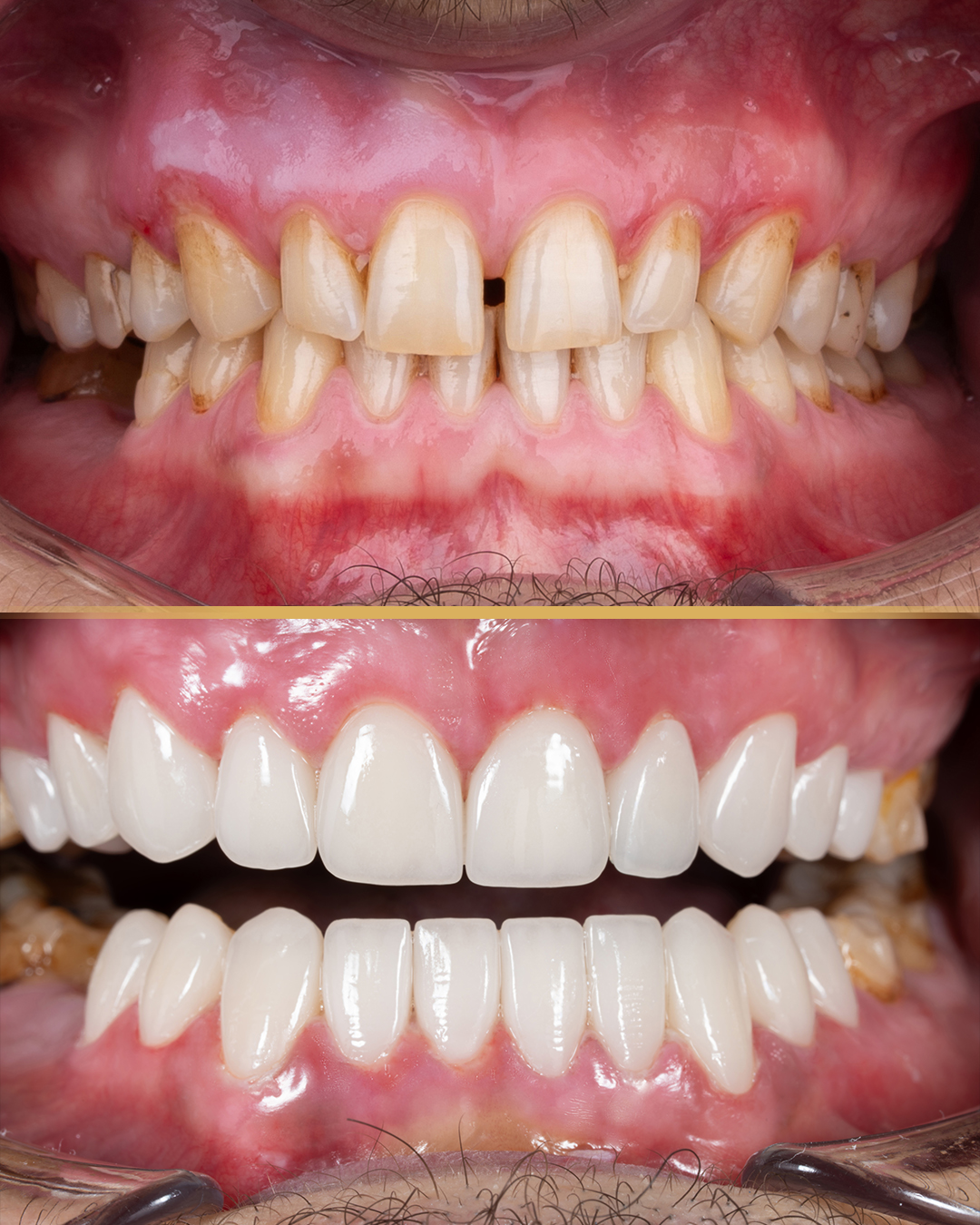
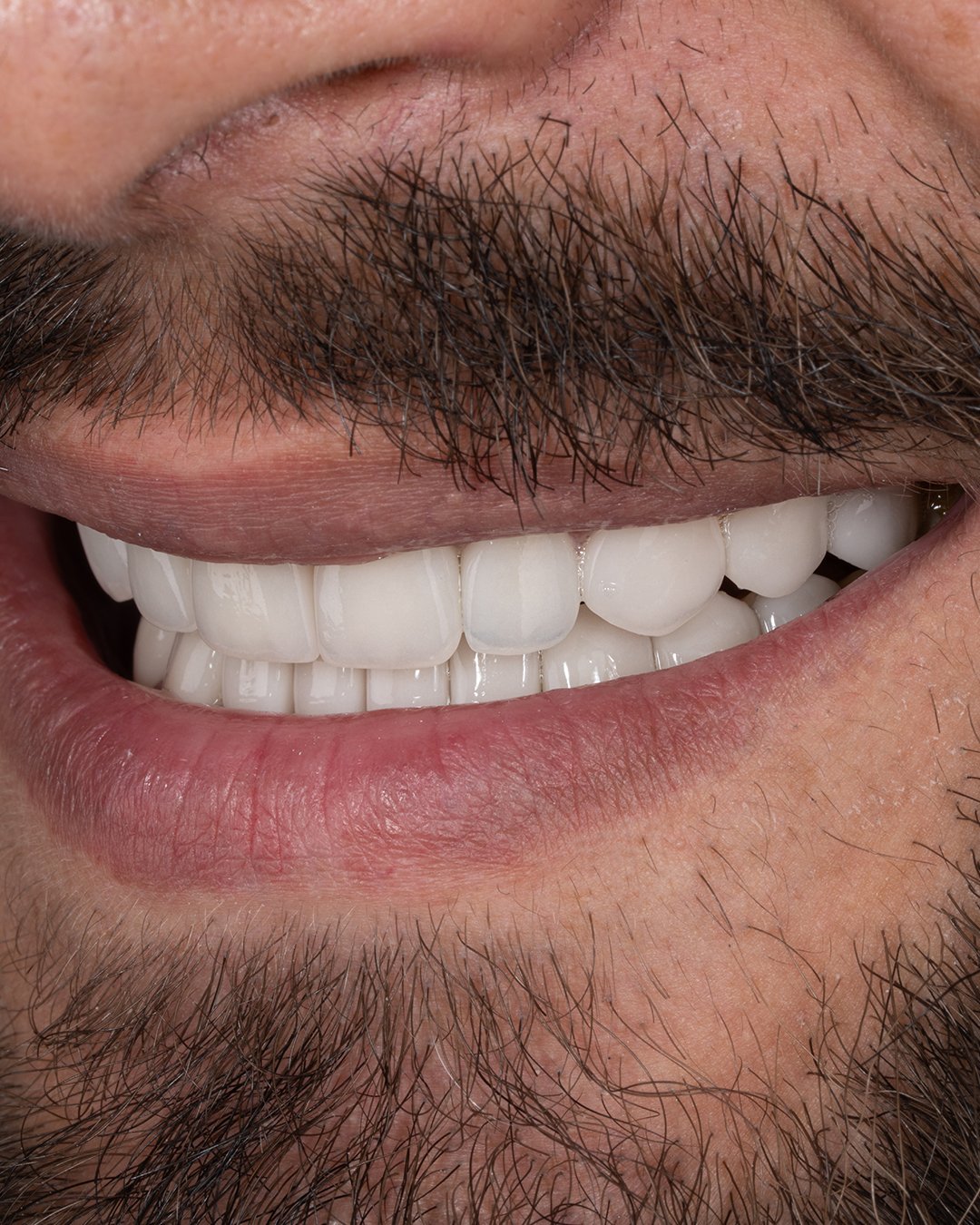
Invisalign Overbite Before and After
Before-and-after results can show how treatment changes tooth alignment and bite relationships. However, these photographs should be interpreted carefully. Treatment outcomes differ from one patient to another. Can Invisalign Fix an Overbite successfully in your case? That depends on diagnosis, plan, required movement, and compliance. Before treatment, the clinician records the bite, tooth positions, and relevant facial features. After treatment, photographs and scans can be compared with these original records. At Vitrin Clinic, digital planning helps patients understand proposed changes before treatment starts. A simulated outcome is a planning tool rather than a guarantee. Meaningful comparisons should include functional bite improvement as well as visible alignment changes.
What Changes Can You Expect?
Treatment may change tooth alignment and the relationship between the upper and lower incisors. The smile may appear more balanced as teeth move into better positions. Functional bite contacts may also improve during treatment. The extent of change depends on the initial diagnosis and treatment plan. Before-and-after photos should always be interpreted alongside clinical measurements.
How the Bite Can Change
Treatment may reduce excessive vertical overlap between the front teeth. It can also improve tooth angles and coordination between the arches. Some cases require elastics to adjust the front-to-back relationship. The final bite should be evaluated clinically rather than judged from photographs alone. Your orthodontist will check contacts during chewing and side-to-side movements.
How Tooth Position and Smile Appearance Can Change
Incisors may become better positioned within the dental arches. Crowding can decrease as teeth move into their planned positions. The visible smile can become more symmetrical and even. However, orthodontic treatment does not change tooth color, shape, or structure. Separate cosmetic treatments may address those concerns when clinically appropriate.
Why Invisalign Before-and-After Results Differ
Patients have different bone structures, tooth positions, and treatment goals. Compliance with aligner wear also varies considerably between individuals. Biological response can affect both movement speed and accuracy. Complex cases may require refinements or additional mechanics. Published research shows variability in how predictable different tooth movements are. Can Invisalign Fix an Overbite with the same result for everyone? No, because every mouth responds differently.
What Are the Side Effects of Invisalign for Overbite?
Invisalign is generally considered a conservative orthodontic treatment. Still, temporary effects can occur during the process. Patients may feel pressure, tenderness, or mild discomfort when starting a new aligner. Speech may feel slightly different during the first days of treatment. Some patients experience temporary irritation from the aligner edges. Can Invisalign Fix an Overbite safely? Yes, when treatment is properly planned and monitored. Good oral hygiene is especially important because aligners cover teeth for most of the day. Patients should follow instructions for cleaning both aligners and teeth. Persistent pain, gum irritation, or unexpected symptoms should be discussed with the treating professional promptly.
Temporary Pressure and Tooth Sensitivity
Mild pressure is common when starting each new aligner. Teeth may feel tender as they respond to orthodontic forces. This discomfort usually fades within a few days. Switching aligners at bedtime can help patients sleep through the most tender period. Severe or persistent pain should be discussed with a dental professional.
Speech Changes
Some patients notice a slight lisp during the first days of treatment. The tongue needs time to adapt to the thin layer of plastic. Reading aloud or talking more often can speed up this adjustment. Most people speak normally again within a short period. Persistent speech difficulty should be mentioned during follow-up visits.
Gum and Cheek Irritation
Aligner edges can occasionally irritate the gums, cheeks, or tongue. Minor irritation often improves as the soft tissues adapt. A clinician can assess and smooth an edge that remains uncomfortable. Patients should not trim or reshape their aligners themselves. Home modifications can damage the tray and reduce its effectiveness.
Temporary Changes in the Bite
Some patients notice unusual tooth contacts while their teeth are moving. This happens because teeth shift position during each treatment stage. These temporary changes should be monitored at regular appointments. Persistent changes may require an adjustment to the treatment plan. Patients should report any bite changes that feel painful or sudden.
When Side Effects Should Be Checked by a Dentist
Professional evaluation is needed for severe pain or facial swelling. Persistent gum injury should also be assessed promptly. A cracked, loose, or damaged aligner may need replacement. Unexpected tooth looseness should receive quick professional attention. A lost attachment should be reported so it can be rebonded.
Discover why chewing pens can be bad for your teeth
How to Get Relief From Invisalign Discomfort
Mild discomfort is common when teeth begin responding to new orthodontic forces. It often appears right after switching to a new aligner. Wearing aligners as instructed helps the mouth adapt to planned movements. Softer foods can make eating more comfortable while teeth feel sensitive. Can Invisalign Fix an Overbite with minimal discomfort? Following the plan and reporting unusual symptoms helps a great deal. If an edge irritates the cheek or gum, your provider can advise on adjustment. Patients should never cut or modify aligners without professional guidance. Good oral hygiene should continue throughout treatment. Severe discomfort, swelling, or other concerning symptoms require prompt contact with your dental professional.
Safe Ways to Manage Mild Discomfort
Follow the instructions provided by your treating clinician carefully. Soft foods such as yogurt, soup, and eggs may help during tender periods. Cold water can provide temporary comfort for some patients. Your dentist can advise whether any pain relief is suitable for you. Do not change the prescribed schedule without professional advice.
What to Do About Aligner Irritation
First, check whether the irritation comes from an aligner edge or an attachment. Orthodontic wax may cover a rough area temporarily when your provider recommends it. Contact your treating provider if the discomfort continues for several days. The clinician can decide whether an adjustment is appropriate. Avoid cutting or reshaping the appliance without professional guidance.
Why You Should Not Force an Aligner
Each aligner should fit according to the treatment plan. Forcing an appliance into place can increase discomfort or damage the tray. A poorly fitting tray may indicate that teeth are not tracking correctly. Contact your provider rather than applying excessive pressure yourself. Early reporting allows the plan to be corrected before problems grow.
When Pain Requires Professional Evaluation
Severe pain is not something patients should simply tolerate. Swelling, fever, trauma, or significant bleeding requires dental evaluation. Pain from a cracked or decayed tooth can also occur during orthodontic treatment. The clinician should identify the true source before treatment continues.
What Happens If an Overbite Is Not Treated?
The consequences of an untreated overbite depend on its severity and cause. A mild overbite may never produce significant problems. A pronounced overbite can contribute to tooth wear, gum or palate trauma, or biting difficulty. Can Invisalign Fix an Overbite for functional reasons, not just cosmetic ones? Yes, treatment can address dental and functional concerns when present. However, not every overbite requires orthodontic correction. An orthodontist can decide whether treatment is clinically needed after examining the bite. Monitoring may be appropriate in some cases. Active treatment may be recommended in others. Assessment is especially important when pain, tooth wear, gum injury, or chewing difficulty appears.
When an Overbite May Not Need Treatment
A small overbite is a normal anatomical relationship for most people. Treatment is not automatically required for every overlap. The decision depends on function, symptoms, tooth health, and personal goals. Some patients simply choose periodic monitoring instead of active treatment. An orthodontic evaluation can determine whether intervention is appropriate.
Tooth Wear and Enamel Damage
An untreated excessive bite can increase contact pressure between certain teeth. Repeated contact may gradually wear down enamel over many years. Grinding can further increase these mechanical forces. Worn teeth may later need bonding, veneers, or crowns to restore shape. Early detection allows clinicians to monitor changes and act sooner.
Gum and Soft-Tissue Problems
Certain bite relationships cause repeated contact with the gum tissue. This contact may produce localized irritation or trauma. Treatment may reduce mechanical contact when the bite is responsible. Other periodontal causes, such as plaque-related gum disease, should also be excluded.
Note : All images used are for editorial and illustrative purposes only and may not originate from the original news provider or associated company.
Functional Bite Problems
Some patients experience ongoing difficulty biting or chewing certain foods. However, functional problems can arise from several different causes. A detailed dental examination can show whether the bite contributes. Can Invisalign Fix an Overbite and improve chewing function? It can when the bite is the main cause. Treatment should address the functional problem rather than appearance alone.
Explore the relationship between tick-borne diseases and oral health
Invisalign Overbite Cost: US, UK, and Turkey
Treatment prices vary widely by location, complexity, provider, and included services. Published US estimates commonly place Invisalign treatment around $3,000 to $7,000. UK published estimates commonly range from about $2,000 to $5,500. Current Istanbul listings vary substantially between clinics and treatment packages. Can Invisalign Fix an Overbite at an affordable price? Often yes, but the total package matters more than the headline figure.
Location | Approximate published range | Important consideration |
US | $3,000–$7,000 | Provider and case complexity |
UK | $2,000–$5,500 | Package and treatment complexity |
Turkey | Varies widely | Clinic, package, aligner number, treatment scope |
These figures are indicative, not fixed quotations. Insurance, diagnostics, refinements, retainers, and additional procedures can change the final price.
Average Invisalign Cost in the United States
Published estimates place US Invisalign treatment at around $3,000 to $7,000. Healthline reports this range and notes that location and complexity affect the final amount. Complex bite correction usually costs more than limited alignment. Insurance coverage for orthodontics varies significantly between plans. Some patients use financing, FSA, or HSA arrangements to spread costs. A written treatment plan should list exactly what the quoted price includes.
Average Invisalign Cost in the United Kingdom
UK estimates commonly range from about $2,000 to $5,500. Comprehensive treatment is often listed at around $3,500 to $5,500. Milder cases may qualify for smaller, lower-cost treatment packages. The final price depends on complexity and individual provider fees. Patients should confirm whether refinements and retainers are included.
Average Invisalign Cost in Turkey
Turkey has no single national price for Invisalign treatment. Current Istanbul listings range from tens of thousands to over 100,000 Turkish lira. Package type, aligner quantity, complexity, and included services all affect pricing. International patients should request a written cost breakdown before traveling. Diagnostic imaging and follow-up arrangements should also be clarified in advance.
Invisalign Cost Comparison: US vs UK vs Turkey
Turkey can have lower advertised prices than many Western markets. However, direct price comparisons can easily be misleading. A lower headline price may exclude diagnostics, retainers, refinements, or travel expenses. The correct comparison is the total treatment package, not the starting figure. Patients should compare clinical scope and aftercare rather than price alone. Can Invisalign Fix an Overbite for less abroad? Possibly, if the full package is compared fairly.
What Is Included in the Cost?
A package may include consultation, scans, aligners, monitoring visits, and retainers. Some providers charge separately for X-rays and other diagnostics. Additional procedures, such as fillings or cleanings, may carry separate fees. Refinement policies differ considerably between providers. Patients should request written confirmation of every included service.
What Factors Affect Invisalign Treatment Cost?
Complexity is one of the most important pricing factors. Treatment length and aligner quantity also affect the total fee. Additional orthodontic mechanics, such as elastics or anchorage devices, may increase cost. Provider experience and clinic location influence professional fees. Travel patients should also budget for flights, accommodation, and transportation.
Treatment Complexity
Complex bite relationships usually require more detailed planning. Additional aligners and attachments may be necessary. Skeletal discrepancies can require combined treatment with other specialists. Complexity should always be determined clinically, not from photos. Can Invisalign Fix an Overbite of high complexity at standard cost? Usually not, since extra planning and aligners add expense.
Number of Aligners
More aligners generally reflect a longer or more involved treatment plan. The exact number depends on the movements your bite requires. Additional trays may be needed after progress reviews. Ask what happens if your treatment needs more trays than planned.
Attachments and Additional Procedures
Attachments are often included in the standard treatment package. Interproximal reduction or elastics may also form part of treatment. Extractions or other dental procedures can create additional costs. Ask for these possible extras to be listed in your written plan.
Refinements
Refinements may require extra aligners later in treatment. Some providers include them within specific treatment packages. Others charge separately for each refinement phase. Patients should ask about refinement policies before treatment begins.
Retainers and Follow-Up Care
Retention is essential once active orthodontic treatment ends. Retainers help maintain the new tooth positions over time. Replacement retainers can create future costs every few years. Patients should ask whether initial retainers and follow-up visits are included.
Can Invisalign Fix an Overbite Without Extraction?
In many cases, Invisalign can correct an overbite without extracting any teeth. This works when required movements fit within available space and controlled techniques. However, extraction may be considered for significant crowding, protrusion, or space needs. Success without extraction depends on space, tooth position, facial profile, and treatment goals. Orthodontists may use arch expansion, controlled movement, or interproximal reduction when appropriate. These options are not suitable for every patient. The plan should follow clinical findings rather than a general wish to avoid extraction. A detailed assessment shows whether non-extraction treatment is realistic. It also shows whether that approach can achieve a stable, functional bite.
When Extraction May Be Considered
Extraction may be considered when enough space cannot be created conservatively. Severe crowding sometimes makes extraction part of comprehensive orthodontic planning. The decision depends on tooth position, facial profile, gum limits, and treatment goals. Extraction should never be recommended based on overbite severity alone.
Creating Space Without Extraction
Some cases create space through controlled arch development or interproximal reduction. Interproximal reduction removes a tiny amount of enamel between selected teeth. Tooth movement must always stay within safe biological limits. The right method depends on individual anatomy and treatment goals. Digital planning helps visualize how much movement is realistically available.
Why Extraction Decisions Are Individualized
Extraction changes both the available space and the treatment mechanics. The clinician must consider the entire bite, not just the front teeth. Facial profile and incisor inclination can influence the decision significantly. Can Invisalign Fix an Overbite after extractions too? Yes, aligners can close extraction spaces in suitable cases. The objective is a stable function rather than simply closing visible spaces.
Can an Overbite Come Back After Invisalign?
An overbite can relapse after treatment because teeth naturally tend to shift. This is why retention is an essential part of any orthodontic treatment. Can Invisalign Fix an Overbite permanently? Long-term results depend largely on maintaining corrected positions after treatment. Retainers hold teeth in their new positions while surrounding tissues adapt. The type and duration of retention vary with each patient's treatment. Not wearing retainers as instructed increases the risk of unwanted movement. Regular dental and orthodontic monitoring can identify changes early. Patients should follow their individualized retention schedule carefully. Contact your orthodontist if a retainer stops fitting or teeth begin moving noticeably.
Why Teeth Can Shift After Treatment
Teeth can naturally change position after orthodontic treatment ends. Gum fibers and surrounding bone need time to adapt to new positions. Growth and normal aging also influence tooth position throughout life. Daily habits, such as tongue thrusting or clenching, may contribute to movement. Retention is therefore an important part of long-term treatment.
The Role of Retainers
Retainers help hold teeth in their corrected positions after aligners finish. They may be removable clear trays or thin fixed wires behind the teeth. The exact wearing schedule depends on each patient's treatment. Patients should follow the orthodontist's retention instructions closely. Clean retainers daily to prevent odor and plaque buildup.
Long-Term Retention After Invisalign
Retention is not simply a short final stage of treatment. Long-term retainer use is commonly needed to maintain alignment for years. Retainers may need replacement as they wear, crack, or lose their fit. Regular dental visits help identify unwanted tooth movement early.
Tips for Patients Considering Invisalign for an Overbite
Start with a professional orthodontic assessment rather than relying on online photos. Ask whether your overbite is mainly dental or skeletal. Also ask which movements are needed to correct it. Can Invisalign Fix an Overbite like yours? Discuss duration, attachments, elastics, refinements, and retention openly. Understand how many hours daily aligners must be worn. Ask how often appointments will be required. Keep up good brushing and flossing habits throughout treatment. Before starting, ask what the quoted fee includes. Confirm whether retainers and refinements are covered. International patients should understand follow-up arrangements after returning home. A clear plan helps you understand both benefits and limitations.
Get a Complete Orthodontic Assessment
Begin with a full clinical examination rather than an online assessment alone. Ask for a clear explanation of your bite diagnosis. Clinical measurements and imaging should support the treatment recommendation. A thorough assessment reduces the risk of surprises during treatment.
Ask What Is Causing Your Overbite
Ask whether your problem is dental, skeletal, or a mix of both. Understanding the cause makes treatment expectations more realistic. It also explains why certain options are recommended over others.
Ask Whether Invisalign Alone Can Correct It
Some cases need additional orthodontic mechanics beyond clear aligners. Ask whether attachments, elastics, or other treatments are planned. Can Invisalign Fix an Overbite in your mouth without other appliances? Your clinician should give a direct and honest answer.
Ask About Attachments and Elastics
Understand where attachments will be placed and how visible they will be. Ask how long elastics may be needed each day. Knowing the mechanics in advance makes daily routines easier to follow.
Follow the Recommended Aligner Schedule
Wear aligners exactly according to your clinician's instructions. Invisalign commonly recommends about 20 to 22 hours of wear daily. Consistency keeps the planned treatment sequence on track. Carry a case so aligners are never wrapped in napkins and lost.
Maintain Good Oral Hygiene
Brush at least twice daily and clean between teeth regularly. Clean aligners according to your provider's instructions. Avoid drinking sugary drinks while wearing aligners. Good hygiene reduces decay, gum inflammation, and staining during treatment.
Avoid Unsupervised or DIY Orthodontic Treatment
Tooth movement should always be professionally supervised. Unsupervised treatment may overlook gum, root, bone, or bite problems. Moving teeth without proper imaging can put roots and supporting bone at risk. The safest approach is supervised care with regular in-person checks.
When Should You See a Dentist or Orthodontist?
Consider an assessment if your upper front teeth deeply overlap your lower teeth. Also seek evaluation if lower teeth touch the palate or gums. Difficulty biting or chewing is another reason to book a visit. Tooth wear, gum injury, jaw discomfort, or bite changes also deserve attention. Can Invisalign Fix an Overbite in your situation? That can only be answered after examining your teeth and jaws. A dentist assesses general oral health and can refer you when needed. An orthodontist specializes in diagnosing and treating tooth and jaw alignment. Early assessment clarifies the cause, severity, and available options. Never begin aligner treatment without a proper clinical examination and plan.
Persistent Tooth or Jaw Pain
Persistent pain deserves prompt professional assessment. Do not assume it is caused by normal orthodontic pressure. Ongoing pain may signal decay, infection, cracked teeth, or joint problems.
Tooth Wear or Gum Trauma
Visible wear on the front teeth should be evaluated early. Repeated gum contact can also indicate an excessive bite. Treatment decisions depend on the underlying cause.
Difficulty Biting or Chewing
Functional problems should not be ignored or accepted as normal. An examination can determine whether malocclusion contributes to the difficulty. Other dental conditions may also affect chewing comfort.
A Rapidly Changing Bite
Sudden bite changes require prompt assessment. Possible causes include tooth movement, trauma, new dental restorations, or joint conditions. Early evaluation can prevent unnecessary complications.
Urgent Dental Warning Signs
Some symptoms require prompt professional care rather than waiting for a routine visit. Recognizing these signs helps protect your health during orthodontic treatment.
Severe Pain or Facial Swelling
Severe pain or facial swelling can indicate infection or another urgent dental problem. Seek urgent dental assessment rather than waiting for an orthodontic appointment.
Dental or Jaw Trauma
Trauma can damage teeth, roots, bone, or jaw structures. Urgent evaluation is appropriate after significant facial or dental injury.
Difficulty Breathing or Swallowing
Difficulty breathing or swallowing is an urgent warning sign. Immediate medical or emergency dental assessment may be required.
Invisalign Overbite Treatment at Vitrin Clinic
At Vitrin Clinic, Invisalign treatment begins with an individualized assessment of teeth, bite, and needs. Can Invisalign Fix an Overbite for you? The team evaluates this through clinical examination and digital planning tools. A 3D intraoral scan provides detailed information about current tooth positions. Additional diagnostic records may be recommended depending on the case. The plan considers your current bite, desired movements, and overall dental condition. The digital workflow helps international patients understand the process before starting. Where appropriate, patients can review a digital preview of planned tooth movements. Questions can then be discussed directly with the dental team. Suitability and expected duration always depend on individual clinical findings.
Personalized Overbite Assessment
Vitrin Clinic provides orthodontic and Invisalign treatment as part of its dental services. An overbite assessment should identify the underlying dental relationship clearly. The clinical team reviews tooth alignment, bite relationships, and treatment objectives. A personalized plan is then built on the examination findings.
Digital Dental Scanning
Digital scanning creates a precise three-dimensional model of the teeth. The model supports treatment planning and later progress evaluation. Vitrin Clinic identifies digital technology as a key part of its clinical workflow.
Digital X-Rays and CBCT When Clinically Appropriate
Radiographic imaging provides information that surface scans cannot show. CBCT should be used only when clinically appropriate. The imaging choice depends on the specific diagnostic question. Not every orthodontic patient requires three-dimensional imaging.
Personalized Invisalign Treatment Planning
Treatment planning accounts for both tooth movement and bite correction. Digital models help visualize each planned stage of treatment. The clinician also considers limits that may require additional mechanics. Can Invisalign Fix an Overbite according to the digital plan? The plan guides treatment, but real progress is always checked clinically.
Reviewing Orthodontic Treatment Options
Patients can discuss aligners, braces, or combined approaches with the team. The appropriate option depends on the confirmed diagnosis. A consultation should explain expected benefits, limitations, timing, and costs.
Dr. Rifat Alsaman’s Clinical Perspective
Dr. Rifat Alsaman, Head of the Medical Team at Vitrin Clinic, emphasizes individualized treatment planning. In this view, overbite correction should begin with diagnosis rather than appliance selection. Digital diagnostics support treatment planning when clinically appropriate. The final approach should reflect each patient's dental and functional requirements.
How Vitrin Clinic Supports Your Treatment Journey
Vitrin Clinic combines digital planning with an international patient experience in Istanbul. Care is coordinated so treatment stages fit around each patient's travel plans. Can Invisalign Fix an Overbite with a standardized plan? No, so each case is assessed according to individual orthodontic needs. Digital records support communication between the clinical team and patient. International patients can receive help with coordination, transport, accommodation, and aftercare. The workflow may include 3D intraoral scanning and other diagnostics when appropriate. Patients can discuss their treatment goals and planned stages with the dental team. Orthodontic treatment extends over time, so follow-up planning matters. Ask how monitoring and refinements will be managed after returning home.
Initial Consultation and Assessment
Vitrin Clinic offers an initial consultation process for international patients. The clinic states that specialists review submitted dental information before treatment planning. The consultation helps determine which assessment steps are required in person.
Digital Diagnostics
Digital scanning and diagnostic imaging support accurate orthodontic planning. The appropriate tools depend on the individual case.
Personalized Treatment Planning
The clinic states that treatment plans include recommended treatments and timelines. Orthodontic plans remain individualized according to clinical findings.
Treatment Coordination
International patients may need coordination between appointments, treatment stages, and travel. Vitrin Clinic describes hotel and transfer coordination as part of its patient journey.
Progress Monitoring
Orthodontic progress should be monitored throughout active treatment. The clinician can identify tracking problems or unexpected bite changes early. Additional aligners may be prescribed when clinically necessary.
Follow-Up and Retention Planning
Treatment does not end when the final active aligner is removed. Retention planning helps maintain the new tooth positions. The clinic can discuss follow-up requirements and long-term retainer use.
Key Takeaways
Invisalign can correct many overbites, particularly when tooth position is the main cause. Mild and moderate cases are often managed well with clear aligners. Severe or skeletal cases may require additional techniques or other approaches. Diagnosis is essential because cause, severity, space, and jaw relationship all matter. Attachments, elastics, refinements, or extraction may be considered depending on the case. Retainers are important after treatment because teeth can shift over time. A qualified professional should evaluate the bite before treatment begins. They should explain the expected timeline, costs, limitations, and alternatives clearly.
Can Invisalign Fix an Overbite?
Clear aligners can correct many dental overbites effectively. Suitability depends on severity, cause, required tooth movement, and jaw relationships. Complex skeletal discrepancies may require additional or alternative treatment.
What Determines Invisalign Treatment Success?
Successful treatment depends on accurate diagnosis and appropriate planning. Patient compliance with daily wear is equally important. Regular monitoring allows clinicians to adjust treatment when needed.
When Other Orthodontic Treatments May Be Needed
Braces, elastics, extractions, or surgery may be considered in selected cases. The choice depends on the specific diagnosis. No single appliance is appropriate for every bite.
Relief and Side Effects to Know
Mild pressure and temporary sensitivity are common after changing aligners. Persistent pain, swelling, or tissue injury should be evaluated. Following professional instructions improves comfort throughout treatment.
Medical and Dental Tips for Patients
Maintain good oral hygiene throughout treatment. Attend every scheduled review appointment. Wear aligners according to instructions. Never attempt unsupervised tooth movement at home.
When Professional Evaluation Is Recommended
Professional evaluation is appropriate when symptoms affect function or oral health. A dentist or orthodontist can decide whether treatment is necessary.
At Vitrin Clinic
At Vitrin Clinic, Invisalign is among the clinic's listed dental treatments. The clinic describes a digital workflow covering consultation, planning, coordination, and follow-up. For patients in Istanbul, an individualized assessment should confirm whether aligners are appropriate. It should consider overbite type, tooth position, jaw relationship, oral health, and goals. A plan can then explain movements, duration, attachments, elastics, refinements, retention, and costs. International patients should also clarify appointments and follow-up arrangements before travel.
Reference
FAQs

Dr. Rifat Alsaman has more than 5 years of clinical experience in dentistry and currently serves as the Head of the Medical Team at Vitrin Clinic. He is dedicated to providing exceptional patient care, overseeing treatment planning, and ensuring the highest clinical standards across the team. His expertise, attention to detail, and commitment to continuous professional development have helped countless patients achieve healthier, more confident smiles.
.webp&w=3840&q=75)


.webp&w=3840&q=75)
.webp&w=3840&q=75)