
Whether periodontal disease can be reversed depends on the stage of the condition. Early-stage periodontal disease, known as gingivitis, can usually be reversed completely. However, advanced periodontal disease (periodontitis) cannot be fully reversed, although it can be successfully treated and controlled. So, can you reverse periodontal disease? The answer is yes for gingivitis, but no for periodontitis.
Periodontal disease begins when plaque and bacteria accumulate on the teeth and along the gumline. This bacterial buildup irritates the gums, causing inflammation, redness, swelling, and bleeding. During the gingivitis stage, the infection affects only the gum tissue and has not yet damaged the bone or connective tissues that support the teeth. Because no permanent structural damage has occurred, professional dental cleanings combined with good oral hygiene practices can often restore the gums to a healthy condition. Read what causes periodontitis to learn about dental health, improve your daily oral hygiene, and smile brighter today.
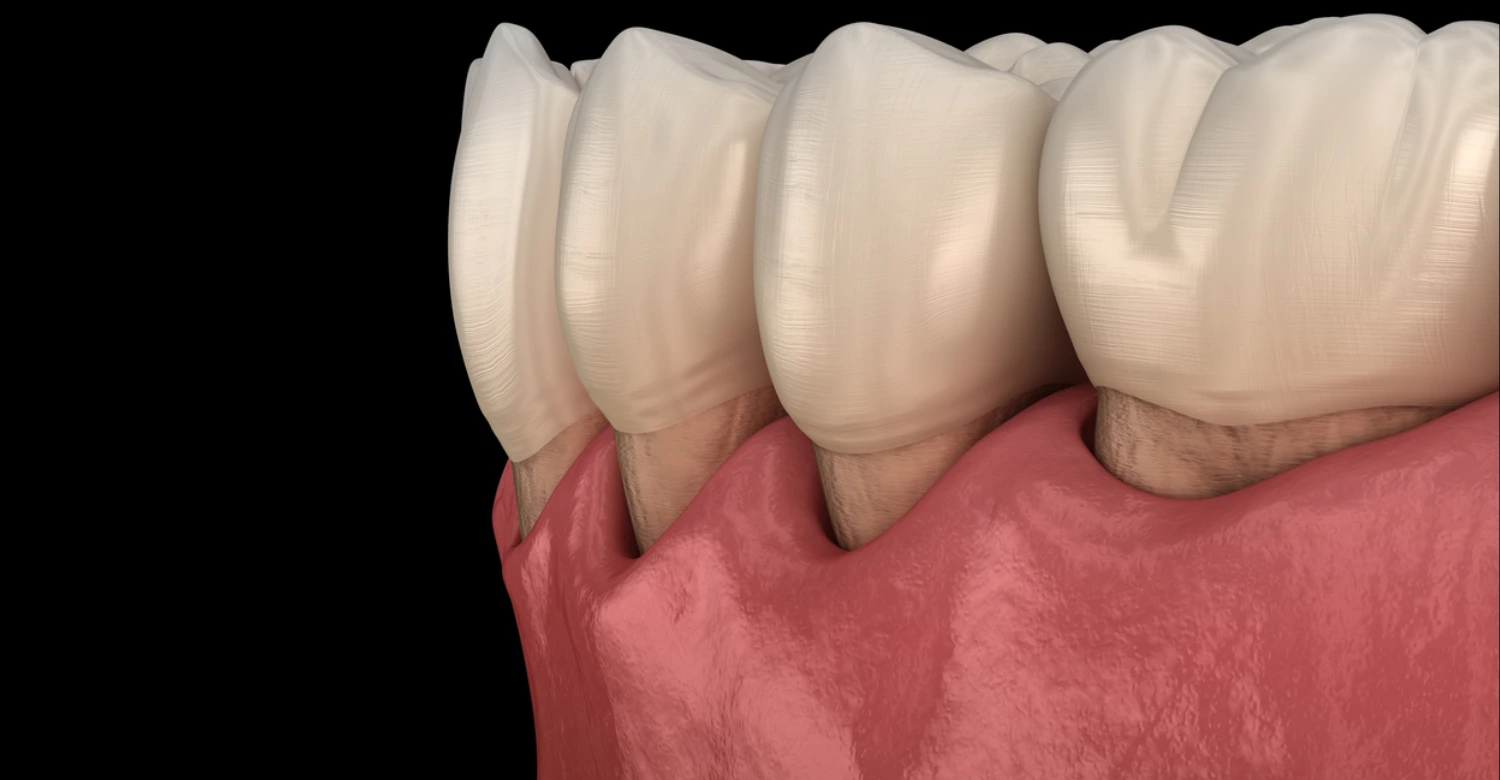
The situation changes when gingivitis progresses into periodontitis. At this stage, the infection spreads beneath the gums and begins to destroy the periodontal ligament and the alveolar bone that hold the teeth in place. As the disease advances, pockets form between the gums and teeth, creating spaces where harmful bacteria can thrive. Over time, this process may lead to gum recession, bone loss, loose teeth, and eventually tooth loss if left untreated.
Can You Reverse Periodontal Disease
The reason periodontitis is not considered reversible is that the body cannot naturally regenerate all of the bone and supporting structures that have already been lost. Once these tissues are destroyed, they do not typically grow back on their own. Therefore, even after successful treatment, some evidence of past damage may remain. Read Vitrin Clinic guide to learn about dental health, improve your daily oral hygiene, and smile brighter today.
That said, modern periodontal treatments can be highly effective at stopping disease progression and improving oral health. One of the most common treatments is scaling and root planing, often called deep cleaning. This procedure removes plaque, tartar, and bacteria from below the gumline and smooths the tooth roots to help the gums heal and reattach more closely to the teeth. In many cases, inflammation decreases significantly, and periodontal pockets become shallower after treatment.
For patients with more advanced disease, a periodontist may recommend surgical procedures. Flap surgery can provide access to deep areas of infection, while regenerative treatments such as bone grafts, tissue grafts, and guided tissue regeneration may help rebuild some of the structures lost to periodontitis. Although these procedures can improve support around the teeth, they generally do not restore the tissues to their exact original condition.
Can Periodontal Disease Be Reversed
Long-term management is a critical part of periodontal treatment. Patients who maintain excellent oral hygiene and attend regular dental visits often achieve stable results for many years. Brushing twice daily, flossing every day, using antimicrobial mouth rinses when recommended, and scheduling routine periodontal maintenance appointments can significantly reduce the risk of further disease progression. Read learn more here to learn about dental health, improve your daily oral hygiene, and smile brighter today.
Can Periodontal Disease Be Reversed?
One of the biggest reasons patients become confused about periodontal disease is that they assume every stage can be reversed. In reality, the answer depends entirely on how much damage has already occurred beneath the gums. The earlier the disease is diagnosed, the greater the chance of preserving healthy gum tissue and preventing permanent bone loss.
Dentists generally classify periodontitis according to pocket depth, attachment loss, and the amount of supporting bone that has been destroyed around the teeth. These measurements help determine the most appropriate periodontitis treatment and predict long-term outcomes.
Mild Periodontitis
Mild periodontitis is considered the earliest stage after gingivitis progresses beyond simple gum inflammation.
Typical clinical findings include:
Pocket depth of approximately 4–5 mm
Slight attachment loss
Early localized bone loss
Bleeding during brushing or flossing
Mild gum swelling
Persistent bad breath
At this stage, the disease cannot technically be reversed because the supporting structures have already experienced some permanent damage. However, with prompt treatment, the disease can usually be stopped before significant destruction occurs.
Patients treated at Vitrin Clinic during this early stage often respond very well to professional deep cleaning, improved oral hygiene, and regular periodontal maintenance.
Moderate Periodontitis
Moderate periodontitis indicates that bacterial infection has spread deeper beneath the gums.
Common findings include:
Pocket depth of 5–6 mm
Moderate bone loss
Gum recession
Tooth sensitivity
Increasing plaque accumulation
Early tooth mobility in some patients
At this point, treatment usually requires scaling and root planing, possible adjunctive laser therapy, and close follow-up appointments.
The earlier treatment begins, the better the long-term prognosis.
Severe Periodontitis
Severe periodontitis represents advanced destruction of the tissues supporting the teeth.
Typical characteristics include:
Pocket depth greater than 6 mm
Significant bone loss
Loose teeth
Gum recession
Difficulty chewing
Risk of tooth loss
Deep pockets often make it difficult for conventional scaling alone to completely remove bacteria. According to clinical evidence, advanced cases frequently require surgical periodontal procedures or regenerative treatments in addition to non-surgical therapy.
Although treatment can successfully stop disease progression, lost bone generally cannot regenerate naturally without specialized procedures.
Several factors can affect treatment outcomes. Smoking is one of the most important risk factors because it impairs healing and increases the likelihood of disease recurrence. Uncontrolled diabetes, poor oral hygiene, genetic factors, stress, and certain medications can also contribute to ongoing periodontal problems. Addressing these risk factors can improve the chances of successful treatment.
Early detection remains one of the most important aspects of periodontal care. The sooner periodontal disease is identified and treated, the more supporting tissue can be preserved. Regular dental examinations allow dentists to monitor gum health, measure periodontal pocket depths, and detect signs of disease before severe damage occurs.
Gingivitis vs Mild Periodontitis vs Advanced Periodontitis
Many patients use the terms "gum disease" and "periodontitis" interchangeably, but understanding the differences helps explain why early diagnosis is so important.
Condition | Can It Be Reversed? | Bone Loss | Recommended Treatment | Long-Term Outlook |
Gingivitis | Yes | None | Professional cleaning and improved oral hygiene | Excellent |
Mild Periodontitis | Disease can be controlled, but lost attachment cannot fully reverse | Minimal | Scaling and root planing with maintenance | Very good when treated early |
Advanced Periodontitis | No | Significant | Deep periodontal therapy, possible surgery, laser treatment, maintenance | Tooth preservation depends on severity |
This comparison highlights why patients should never ignore bleeding gums. Treating gingivitis before it progresses offers the best opportunity to maintain healthy teeth for life.
At Vitrin Clinic, early diagnosis is emphasized because preventing periodontitis is always simpler than treating advanced disease.
What Results Can You Expect from Scaling and Root Planing?
One of the most common questions patients ask after being diagnosed with early periodontitis is whether deep cleaning actually works.
Scaling and root planing is considered the gold standard non-surgical treatment for mild to moderate periodontal disease. During the procedure, plaque, tartar, and bacterial toxins are carefully removed from below the gum line while the root surfaces are smoothed to encourage healthy gum reattachment.
Patients commonly experience:
Reduced gum inflammation
Less bleeding
Shallower periodontal pockets
Improved gum attachment
Better breath
Slower disease progression
Although scaling and root planing cannot regenerate bone that has already been lost, it is highly effective at stopping the infection before additional destruction occurs.
At Vitrin Clinic, scaling and root planing is often combined with individualized oral hygiene education and scheduled periodontal maintenance visits to maximize long-term stability.
Can Laser Therapy Help Reverse Periodontal Disease?
Modern dentistry has introduced laser-assisted periodontal therapy as an additional treatment option for selected patients.
Laser periodontal treatment is designed to remove infected tissue, reduce harmful bacteria inside periodontal pockets, and encourage healthier healing while minimizing discomfort.
Laser therapy may offer benefits such as:
Reduced bleeding
Less postoperative discomfort
Improved bacterial reduction
Faster healing
Better patient comfort
However, laser treatment should not be viewed as a replacement for conventional periodontal therapy. Instead, it often serves as an adjunct to scaling and root planing, especially in patients with persistent periodontal pockets.
At Vitrin Clinic, treatment plans are customized based on pocket depth, bone loss, and the patient's overall periodontal condition. Laser therapy is recommended only when it offers measurable clinical advantages.
What We Notice Clinically
After treating hundreds of patients with varying stages of gum disease, our team has observed one consistent pattern: patients who seek treatment early almost always achieve significantly better long-term outcomes than those who delay care.
According to Dr. Rifat Alsaman, Head of the Medical Team at Vitrin Clinic and a cosmetic dentist, many patients believe bleeding gums are normal and postpone treatment until tooth mobility or severe pain develops. By that stage, treatment becomes considerably more complex.
Dr. Rifat Alsaman emphasizes that mild periodontitis is often highly manageable when diagnosed promptly, particularly when patients commit to regular periodontal maintenance and excellent home care.
Another observation shared by Dr. Rifat Alsaman is that long-term success depends less on a single deep cleaning procedure and more on consistent maintenance visits, professional monitoring, and patient compliance.
At Vitrin Clinic, every periodontal treatment plan is designed with long-term disease control in mind, helping patients preserve their natural teeth whenever possible.
Why Early Diagnosis Matters
According to the CDC, about 4 in 10 adults aged 30 and older in the US have some form of periodontitis. It is one of the most common chronic oral diseases.
Periodontal disease is a leading cause of adult tooth loss worldwide. Early diagnosis greatly improves treatment success. Patients can often keep their natural teeth for many years with proper care and maintenance.
Routine dental exams are the best way to detect periodontal disease early. This helps prevent irreversible damage.
Conclusion
Can You Reverse Periodontal Disease? The answer depends on the stage. Gingivitis can often be completely reversed. Periodontitis involves permanent damage to the tissues supporting the teeth. Early diagnosis and timely treatment can stop disease progression. They also reduce inflammation and help patients keep their natural teeth.
The key is recognizing symptoms early. Seek professional evaluation and follow a personalized maintenance schedule. Treatments like scaling and root planing help. Laser periodontal treatment may be appropriate. Regular maintenance visits play an important role in long-term success.
At Vitrin Clinic, every treatment plan is tailored to the patient's stage of gum disease. This helps preserve oral health through evidence-based care. Dr. Rifat Alsaman, Head of the Medical Team and a cosmetic dentist, emphasizes that preventing further damage is easier than rebuilding what has been lost.
In summary, gingivitis can usually be reversed. Periodontitis cannot be completely reversed once bone and tissue loss have occurred. However, periodontitis can often be effectively treated and controlled. Professional care and consistent oral hygiene are essential. With the right treatment plan, many patients preserve their natural teeth and enjoy long-term oral health. Read can it kill you to learn about dental health, improve your daily oral hygiene, and smile brighter today.
For more information about our team and credentials, please visit our About Us page and Meet the Team section. Dr. Al-Samman's full professional profile is available here.
This article was written by the medical team at Vitrin Clinic. No external funding was received for this content. The clinic has no financial relationships with any product manufacturers mentioned in this article. All recommendations are based solely on clinical evidence and patient benefit.
Reference
Can You Reverse Periodontal Disease? It depends on the stage of the condition. Early-stage gum disease (gingivitis) is often reversible with proper oral hygiene and professional dental care. Advanced periodontal disease can usually be managed rather than completely reversed. The following references provide more information about treatment options, disease progression, and long-term periodontal care:
FAQs

Dr. Rifat Alsaman has more than 5 years of clinical experience in dentistry and currently serves as the Head of the Medical Team at Vitrin Clinic. He is dedicated to providing exceptional patient care, overseeing treatment planning, and ensuring the highest clinical standards across the team. His expertise, attention to detail, and commitment to continuous professional development have helped countless patients achieve healthier, more confident smiles.


