General Dentistry
August 5, 2026
How Does Chemotherapy Affect Teeth and Oral Health?

When people prepare for cancer treatment, one question often gets overlooked: how does chemotherapy affect teeth and the rest of the mouth? Chemotherapy is designed to target fast-growing cancer cells. But it can also affect the cells lining the mouth, the salivary glands, and even developing teeth in children. Patients often notice dry mouth, sensitivity, sores, or a higher risk of cavities during and after treatment. Understanding how chemotherapy affect teeth helps patients and caregivers take preventive steps early, before problems become painful or costly. In this guide, we walk through how chemotherapy impacts teeth, gums, and overall oral health. We also cover what can be done to protect your smile throughout cancer therapy, with guidance from Vitrin Clinic.
Research backs this up. A systematic review and meta-analysis of children with cancer found that chemotherapy was significantly associated with increased risk of tooth discoloration, arrested tooth development, enamel hypoplasia, microdontia, premature apexification, and decreased salivary flow rate. It was also linked to worse oral hygiene overall (ScienceDirect, 2018). These findings are a clear reminder that chemotherapy affect teeth in ways that go beyond simple sensitivity. They set the stage for everything covered below.
Can Chemotherapy Affect Teeth and Cause Long-Term Dental Problems?
Yes chemotherapy affect teeth in both short-term and long-term ways. In the short term, patients may experience sensitivity, dry mouth, and sores. Long term, especially when treatment happens in childhood, chemotherapy can disrupt tooth development. This can lead to missing teeth, discoloration, or weakened enamel that lasts well beyond the end of treatment.
How does chemotherapy affect teeth and gums?
Chemotherapy affect teeth and gums by slowing down the renewal of the delicate tissue inside the mouth. It also reduces saliva flow and lowers the body's ability to fight off bacteria. This combination makes gums more prone to inflammation and bleeding. Teeth become more vulnerable to sensitivity, decay, and enamel changes throughout the course of cancer treatment.
What changes can happen in the mouth during chemotherapy?
Several changes can occur at once. Understanding each one helps explain how chemotherapy affect teeth on a day-to-day basis during treatment.
Can chemotherapy cause tooth loss?
Chemotherapy does not usually pull out teeth directly, but it can weaken the structures that support them. Combined with gum disease, infection, or untreated decay, the risk of tooth loss increases. In children treated at a young age, tooth agenesis teeth that never develop is also a documented long-term risk of chemotherapy.
Why do teeth hurt after chemotherapy?
Tooth pain after chemotherapy is often linked to increased sensitivity, gum inflammation, or mouth sores. Dry mouth also plays a role, since it reduces the natural protection saliva provides. Existing dental infections can also flare up once the immune system is under stress. This makes pain more noticeable during and shortly after treatment cycles.
Does chemotherapy weaken teeth?
Chemotherapy can weaken teeth indirectly. Reduced saliva, nutritional changes, and a higher risk of cavities all place extra strain on enamel. Over time, this makes teeth feel more sensitive and prone to damage. This is especially true if oral hygiene routines are not adjusted to match the demands of cancer treatment.
Can chemotherapy cause gum disease?
Yes, chemotherapy can increase the risk of gum disease. It lowers the body's ability to fight bacteria, which allows plaque to irritate the gums more easily. Without careful brushing, flossing, and professional cleanings, this irritation can progress into more serious gum infections during treatment.
Dry mouth after chemotherapy treatment. Dry mouth, or xerostomia, is one of the most common chemotherapy side effects, especially for patients undergoing treatment for head and neck cancers. Saliva normally neutralizes acids and washes away food particles. When its flow drops, teeth lose an important layer of natural protection against decay.
Mouth sores caused by chemotherapy. Mouth sores, or oral mucositis, develop when chemotherapy affects the fast-growing cells lining the mouth. These sores can make eating, speaking, and even brushing uncomfortable. This sometimes leads patients to skip oral hygiene steps unintentionally raising their risk of further dental problems. This is explored in more depth in our dedicated guide to whether dry mouth causes periodontal disease.
Tips for the Patients
Drink plenty of water throughout the day.
Use fluoride toothpaste.
Avoid sugary snacks and acidic drinks.
Brush gently with a soft toothbrush.
Visit Vitrin Clinic for regular dental examinations.
Can Chemotherapy Cause Tooth Loss?
This is one of the most common concerns patients raise, and it deserves a closer look. Chemotherapy affect teeth differently depending on age and treatment type. Tooth loss is rarely immediate, but the groundwork for it can be laid during treatment if oral health is neglected.
Why do some patients lose teeth during cancer treatment?
Tooth loss during cancer treatment is usually the result of several smaller problems adding up: gum disease, untreated cavities, dry mouth, and lowered immunity. Together, these factors weaken the support structures around teeth. Extraction sometimes becomes necessary if an infection cannot be controlled through standard dental care. Daily interdental care that helps offset this is covered in our guide to how to use dental floss.
Does chemotherapy directly damage teeth?
Chemotherapy does not physically erode teeth the way acid or trauma does, but it changes the environment inside the mouth. Lower saliva flow, higher bacteria levels, and a weakened immune response all play a role. Together they make it easier for existing dental issues to worsen quickly during treatment cycles.
Can chemotherapy cause tooth loss?
Indirectly, yes. Chemotherapy affect teeth by weakening gum and bone support, especially when combined with infection or poor oral hygiene. In children, chemotherapy can also prevent permanent teeth from developing at all. This shows up later as a form of tooth loss called tooth agenesis.
How to prevent tooth decay during chemotherapy. Preventing decay starts before treatment even begins, with a full dental check-up. It continues with fluoride use, limited sugar intake, and frequent water sips throughout treatment. Staying consistent with these habits significantly lowers the chance of new cavities forming during chemotherapy.
Can chemotherapy cause gum disease?
Gum disease risk rises during chemotherapy because the immune system struggles to control everyday plaque bacteria. Gums may become red, swollen, or prone to bleeding. Addressing this early with gentle brushing and professional cleanings helps prevent it from progressing into a more serious infection.
A related study on childhood cancer survivors found that about 1 in 7 children who had chemotherapy may have at least one missing tooth that would otherwise have developed. This was based on follow-up periods of up to 22.9 years (2018 meta-analysis, cited in Medical News Today, 2024). A separate 2023 review found that 53% of people who had cancer therapy in early childhood had crown-root malformations and missing teeth. This underlines just how strongly chemotherapy affect teeth development in young patients.
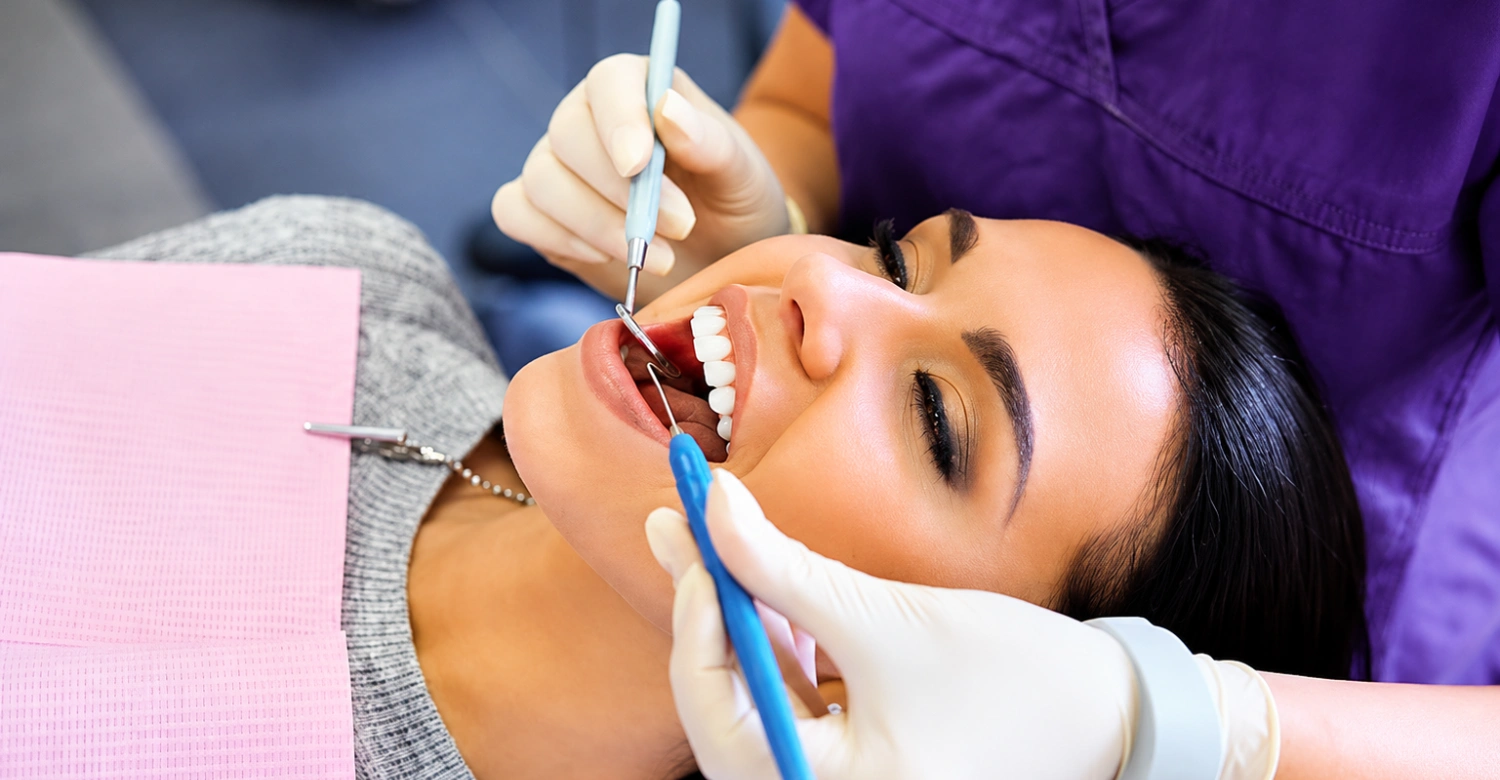
Why Do Teeth Hurt After Chemotherapy?
Dental pain during or after treatment is common. It is one of the clearest everyday signs of how chemotherapy affect teeth and the surrounding tissue.
What causes dental pain during chemotherapy?
Pain usually comes from a mix of causes: increased nerve sensitivity, inflamed gums, sores on the soft tissue, and dry mouth. Sometimes infections that were present but silent before treatment began also flare up. Identifying the exact cause helps guide the right relief strategy.
Common reasons for tooth pain after chemotherapy
Increased tooth sensitivity. Sensitivity often appears because chemotherapy can thin protective layers around the tooth and reduce saliva's buffering effect. Hot, cold, or sweet foods may suddenly feel uncomfortable. This is one of the more noticeable everyday ways chemotherapy affect teeth for patients undergoing treatment. For a broader look at this specific symptom, see our guide to why teeth hurt when eating.
Gum inflammation. When gums become inflamed, they can pull away slightly from the teeth, exposing sensitive areas and causing discomfort while chewing or brushing. Gentle, consistent oral hygiene helps calm inflammation without causing further irritation to already sensitive tissue. This connection is covered in full in our guide to how gingivitis starts.
Mouth ulcers. Ulcers, or ionmucositis sores, can appear on the cheeks, tongue, or gums during chemotherapy. They are often painful enough to interfere with eating and speaking. This can indirectly affect teeth by discouraging patients from maintaining their usual brushing and flossing routine.
Dry mouth after chemotherapy treatment. As saliva production drops, the mouth loses its natural rinsing and buffering action. This allows acids and bacteria to sit closer to the tooth surface for longer. This is one of the key mechanisms behind why chemotherapy affect teeth sensitivity and decay risk increase together.
Existing dental infections. An infection that was manageable before treatment can flare up once the immune system is suppressed by chemotherapy. This is why a full dental review before starting cancer therapy is so strongly recommended by dental teams, including at Vitrin Clinic.
Tips for the Patients
Rinse with salt water.
Avoid very hot or cold foods.
Use alcohol-free mouthwash.
Inform your dentist if pain persists.
Recognizing this early is covered in our guide to infected gums treatment.
Does Chemotherapy Weaken Teeth?
Many patients ask this directly, and the honest answer is nuanced. Chemotherapy affect teeth strength indirectly rather than by attacking enamel on its own. Still, the end result can feel like weaker, more fragile teeth.
How can chemotherapy affect tooth strength?
Chemotherapy affects tooth strength mainly through its side effects reduced saliva, changes in diet, and a higher bacterial load in the mouth. Each of these factors chips away at the natural defenses that normally keep enamel strong and resistant to daily wear.
Factors that may weaken teeth during treatment
Reduced saliva production. Saliva helps remineralize enamel and wash away food debris. When chemotherapy reduces its flow, teeth lose this ongoing protective cycle. This makes them more susceptible to erosion, sensitivity, and decay over the course of treatment and recovery.
Nutritional deficiencies. Nausea, appetite loss, and dietary restrictions during chemotherapy can lead to gaps in calcium, vitamin D, and other nutrients that support strong teeth and bone. Over time, these deficiencies can make teeth more brittle and slower to recover from minor damage.
Higher risk of cavities. With less saliva and sometimes a softer, more carbohydrate-heavy diet during recovery, cavity-causing bacteria have an easier environment to thrive in. This directly ties into how chemotherapy affect teeth by accelerating decay in areas that were previously healthy.
Increased enamel sensitivity. Enamel can become more reactive to temperature and pressure during chemotherapy, even without visible damage. This heightened sensitivity is a signal that the tooth's outer layer is under more stress than usual and needs gentler care. For related context on tooth structure under stress, see our guide to tooth enamel erosion.
Laboratory research supports these mechanisms. An animal study using irinotecan, a common chemotherapy drug, found that a single dose caused structural changes in the enamel-forming ameloblast layer. It also caused a significant reduction in enamel mineralization and thickness just 96 hours after injection (PMC). This kind of evidence helps explain, at a biological level, why chemotherapy affect teeth even when patients cannot see the damage directly.
How to Protect Teeth During Chemotherapy?
Knowing how chemotherapy affect teeth is only half the picture. The other half is building a daily routine that protects the mouth throughout treatment.
Best ways to maintain oral health during cancer treatment
The most effective approach combines consistent home care with regular professional monitoring. Small, gentle daily habits, paired with dental visits timed around treatment cycles, make the biggest difference in reducing chemotherapy's impact on the mouth.
Daily habits that protect teeth and gums
Brush twice daily with fluoride toothpaste.
Floss gently every day.
Stay hydrated.
Use saliva substitutes if needed.
Schedule regular dental checkups.
Tips for the Patients
Vitrin Clinic recommends maintaining a consistent oral hygiene routine throughout chemotherapy to reduce the risk of cavities and gum disease. This simple habit is one of the most reliable ways to limit how much chemotherapy affect teeth over the course of treatment.
How to Prevent Tooth Decay During Chemotherapy?
Decay prevention is closely tied to how chemotherapy affect teeth, since reduced saliva and dietary changes both raise cavity risk during treatment. A full breakdown of prevention strategies is available in our guide to causes of tooth decay.
Effective methods to reduce cavity risk
Reducing cavity risk during chemotherapy relies on a combination of professional and at-home strategies. These strategies work together to compensate for lower saliva flow and a more vulnerable immune system.
Preventive dental care strategies
Fluoride treatments. Professional fluoride applications strengthen enamel and help offset the reduced remineralization that happens when saliva flow drops during chemotherapy. This gives teeth an extra layer of protection against everyday acid exposure. This is explained in more detail in our guide to fluoridated vs. fluoride-free toothpaste.
Limiting sugar intake. Cutting back on sugary snacks and drinks reduces the fuel that decay-causing bacteria rely on. This is especially important when the mouth's natural defenses are already under pressure from treatment.
Drinking more water. Frequent water sips help rinse away food particles and bacteria, partially compensating for the drop in saliva that chemotherapy often causes. This also eases the discomfort of a persistently dry mouth.
Professional cleanings. Regular cleanings remove plaque and tartar buildup that a compromised immune system may struggle to control on its own. This lowers the chance of both cavities and gum disease during treatment.
Regular dental monitoring. Frequent check-ins allow small problems to be caught and treated early. This helps prevent pain, infection, or complications that could interfere with the cancer treatment schedule itself.
Dry Mouth After Chemotherapy Treatment: Why Does It Happen?
Dry mouth is one of the clearest examples of how chemotherapy affect teeth indirectly, by removing saliva's natural protective role.
What causes dry mouth during chemotherapy?
Chemotherapy can temporarily reduce the activity of the salivary glands, especially in patients also receiving radiotherapy to the head and neck. Saliva normally neutralizes acids and helps prevent decay. So when its flow drops, the mouth becomes more vulnerable (Penn Dental Medicine).
Symptoms of chemotherapy-related dry mouth
Difficulty swallowing. A lack of saliva can make chewing and swallowing food noticeably harder. This sometimes leads patients to choose softer, more processed foods that are not always ideal for dental health.
Bad breath. With less saliva to wash away bacteria, odor-causing compounds can build up more easily. This leads to persistent bad breath that improves once hydration and oral hygiene routines are adjusted.
Sticky saliva. Remaining saliva may feel thick or sticky rather than watery. This is less effective at clearing away food debris and can leave a coated, uncomfortable feeling in the mouth.
Increased tooth sensitivity. Without saliva's buffering effect, teeth are exposed to more acid for longer periods. This is a direct example of how chemotherapy affect teeth sensitivity throughout the course of treatment.
Higher cavity risk. Dry mouth is strongly linked to increased cavity formation, since saliva plays such a central role in neutralizing acids and delivering minerals that keep enamel strong.
Tips for the Patients
Sip water frequently.
Chew sugar-free gum.
Avoid tobacco and alcohol.
Use moisturizing mouth rinses.
Radiotherapy, often combined with chemotherapy, adds to this risk. A meta-analysis found that the pooled percentage of patients who developed dental caries after radiotherapy was 29% across studies, rising to 37% when studies with follow-up longer than two years were excluded (ScienceDirect). This reinforces how closely dry mouth, decay, and chemotherapy affect teeth outcomes are connected.
Mouth Sores Caused by Chemotherapy
Mouth sores are another visible way chemotherapy affect teeth and the surrounding tissue. They change how comfortably patients can eat, speak, and clean their teeth. For a full comparison of what you might be seeing, see our guide to mouth ulcer vs. abscess.
Why do mouth ulcers develop during treatment?
Chemotherapy targets fast-growing cells throughout the body, including the healthy cells that line the inside of the mouth. This can lead to painful ulcers, known as oral mucositis, which typically appear a week or two after treatment begins.
Signs of chemotherapy-related mouth sores
Redness.
Burning sensation.
Pain while eating.
Swelling.
Difficulty speaking.
These symptoms often make patients hesitant to brush or floss as thoroughly as usual. This can unintentionally increase plaque buildup right when the mouth needs the most protection from chemotherapy's effects on teeth and gums.
Best Dental Care During Cancer Treatment
Pulling everything together, the best dental care during cancer treatment focuses on prevention, gentleness, and consistent monitoring of how chemotherapy affect teeth at every stage.
How can patients maintain oral health?
Patients maintain oral health best by combining a soft, consistent home routine with professional support. They adjust habits as symptoms like dry mouth or sores appear, and stay in close contact with both their oncology and dental teams.
Essential dental care recommendations
Professional dental examinations.
Gentle oral hygiene.
Fluoride protection.
Hydration.
Regular communication with healthcare providers.
Dental Treatment Before Chemotherapy
Addressing dental issues before treatment starts is one of the most effective ways to limit how much chemotherapy affect teeth later on.
Why is a dental examination important before cancer treatment?
A pre-treatment dental exam identifies infections, cavities, or gum issues that could flare up once the immune system is suppressed. Treating these problems in advance reduces the risk of painful interruptions during chemotherapy cycles.
Treatments dentists may recommend before chemotherapy
Dental cleaning.
Filling cavities.
Treating gum disease.
Tooth extraction if necessary.
Preventive fluoride treatments.
This pre-treatment workup is covered in our broader guide to preventive dentistry.
Why Choose Vitrin Clinic for Dental Care During Chemotherapy?
Choosing the right dental partner matters when chemotherapy affect teeth in so many overlapping ways, from sensitivity to long-term development issues.
How does the Vitrin Clinic support patients undergoing cancer treatment?
Vitrin Clinic works closely with patients before, during, and after chemotherapy. It offers assessments and preventive care tailored to each stage of cancer treatment, so that oral health does not become an added burden during an already difficult time.
Services available at Vitrin Clinic
Comprehensive dental assessments.
Preventive dental care.
Professional cleanings.
Personalized oral hygiene guidance.
Follow-up appointments during treatment.
What We Notice Clinically
The team at Vitrin Clinic explains that proactive dental care before and during chemotherapy can significantly improve oral comfort and reduce complications. This is especially true for patients who are already managing the wider demands of cancer treatment.
Clinical Note
Vitrin Clinic recommends completing necessary dental treatments before chemotherapy starts. This reduces the risk of complications during cancer therapy and gives patients one less thing to worry about while focused on recovery.
Reference
Chemotherapy can affect teeth and oral health by causing dry mouth, gum inflammation, mouth sores, and an increased risk of tooth decay. Maintaining good oral hygiene and regular dental checkups during cancer treatment is essential to reduce these complications. A recent study also highlights the importance of early dental care and close monitoring. This helps protect patients' oral health and improve their overall quality of life during chemotherapy.
https://pmc.ncbi.nlm.nih.gov/articles/PMC9408680/
https://www.oaepublish.com/articles/2573-0002.2017.03
https://pmc.ncbi.nlm.nih.gov/articles/PMC9322384/
https://pmc.ncbi.nlm.nih.gov/articles/PMC9793133/
FAQs

Dr. Rifat Alsaman has more than 5 years of clinical experience in dentistry and currently serves as the Head of the Medical Team at Vitrin Clinic. He is dedicated to providing exceptional patient care, overseeing treatment planning, and ensuring the highest clinical standards across the team. His expertise, attention to detail, and commitment to continuous professional development have helped countless patients achieve healthier, more confident smiles.


.webp&w=3840&q=75)
