General Dentistry
September 1, 2026
Screen Time and Tooth Decay: Does Too Much Screen Time Affect Children’s Teeth?
 Dr. Rifat Alsaman
Modern children spend substantial time using phones, tablets, computers, televisions, and gaming devices. These habits can influence daily routines that matter for oral health. Screen use itself does not directly create cavities. However, certain behaviors surrounding device use may increase cavity risk. Children may snack frequently while watching videos or playing games. They may also drink sugary beverages for longer periods. Some children postpone brushing because entertainment continues into bedtime. These behaviors can expose teeth to sugar and acids more frequently. The American Academy of Pediatrics recommends age-appropriate media boundaries and screen-free meals. A healthy routine can therefore protect both digital habits and oral hygiene. Vitrin Clinic encourages parents to consider screen habits when discussing preventive dental care.
Screen Time and Tooth Decay: What Is the Connection?
The connection mainly involves behavior rather than direct biological damage from screens. A device does not produce the bacteria, acids, or sugars responsible for tooth decay. Instead, screen routines can change when and how children eat, drink, sleep, and brush. Children watching entertaining content may lose awareness of how frequently they snack. Sugary drinks can also remain available beside the device for extended periods. This creates repeated exposure to fermentable carbohydrates. The CDC identifies frequent sugary or acidic food and drink consumption between meals as a cavity risk factor. Recent observational research has also identified associations between screen-related eating and dental caries. Parents should therefore focus on the behaviors surrounding devices.
Does Screen Time Cause Tooth Decay?
There is no strong evidence that screen exposure itself directly causes tooth decay. Dental caries develop through interactions among oral bacteria, dietary carbohydrates, tooth susceptibility, saliva, and time. Screen use can indirectly influence several of these factors. Children may eat sugary foods while watching television or playing games. They may sip sweet drinks instead of water. They may also delay brushing because they want to continue watching content. These behaviors can increase opportunities for acid production around teeth. A recent study found higher caries levels associated with screen-related eating habits. However, researchers cannot conclude that screens independently caused the cavities. Parents should address the routine surrounding device use rather than treating screens as a direct dental cause. Screen Time and Tooth Decay remains a useful lens for this point.
Clinical Note
Dental caries is a multifactorial disease. This means several conditions usually contribute to its development. Frequent sugar exposure can provide bacteria with fermentable carbohydrates. Bacterial metabolism then produces acids that can lower plaque pH. Repeated acid attacks may contribute to enamel demineralization. Saliva helps neutralize acids and supports remineralization between eating episodes. Brushing with fluoride toothpaste further supports cavity prevention. The CDC reports that approximately half of children aged six to nine have experienced cavities in primary or permanent teeth. Screen-related habits can therefore become relevant when they increase sugary exposure or interfere with preventive routines. A dental assessment can identify the child's individual risk factors. Screen Time and Tooth Decay helps frame this discussion. Best advice for Teeth Whitening Aftercare
How Screen Time Affects Children’s Oral Health
Digital activities can influence several daily behaviors that support healthy teeth. Long periods of entertainment may reduce opportunities for movement and structured routines. Children may become absorbed in videos, games, or social content. This can make meals longer and encourage unconscious snacking. Bedtime viewing may also push brushing later than planned. Some children may eventually fall asleep without completing their evening hygiene routine. The American Academy of Pediatrics recommends screen-free meals and avoiding screens before bedtime for young children. These boundaries can indirectly support oral health. Parents should focus on predictable routines rather than simply counting minutes. The goal is to prevent devices from replacing brushing, balanced meals, water consumption, sleep, and regular dental care. Screen Time and Tooth Decay is a relevant consideration here.
Screen Time and Poor Oral Hygiene
Poor oral hygiene may occur when devices interfere with established routines. A child who begins watching videos before bedtime may repeatedly postpone brushing. Gaming can create similar interruptions when children want to finish a level. Over time, irregular brushing may allow more plaque to remain on tooth surfaces. Plaque contains bacteria capable of metabolizing dietary sugars. Children should brush twice daily using fluoride toothpaste appropriate for their age. Parents may need to supervise younger children to ensure adequate brushing. A consistent schedule can make oral hygiene easier to maintain. Linking brushing to another fixed routine can also improve adherence. For example, brushing can follow pajamas and precede bedtime reading. Vitrin Clinic can help families create practical preventive routines based on age and individual dental risk. Screen Time and Tooth Decay ties directly into this topic.
Screen Time Habits and Cavities
Certain device habits can increase opportunities for cavity development. Eating throughout a long movie creates repeated exposure to carbohydrates. Drinking sweetened beverages slowly can prolong sugar availability. Frequent snacking between meals may reduce the time teeth spend recovering between acid challenges. The CDC specifically identifies eating or drinking sugary products between meals as a cavity risk factor. Screen-related eating can therefore become problematic when it replaces structured meals. A 2025 study involving 353 children found a significant association between screen-related eating habits and cavitated lesions. The researchers also emphasized that the observed correlations were relatively low. Parents should therefore consider the entire dietary and hygiene pattern. Screen Time and Tooth Decay is worth keeping in mind at this stage.
Screen Time Effects on Children’s Teeth
The effects are usually indirect and depend on the child's habits. Frequent sugary snacks can increase bacterial acid production. Sweetened drinks can expose teeth repeatedly throughout a viewing session. Delayed brushing can leave plaque undisturbed for longer periods. Bedtime disruption may also reduce consistency with evening hygiene. These behaviors can compound existing cavity risks. Children with previous decay, enamel defects, orthodontic appliances, or limited fluoride exposure may require additional attention. Not every child with substantial device use develops cavities. Individual susceptibility and overall oral hygiene remain important. Dental professionals can assess these factors during routine examinations. A balanced approach avoids unnecessary fear while still recognizing preventable behaviors. Screen Time and Tooth Decay continues to shape this part of the discussion.
What We Notice Clinically
Clinicians generally evaluate patterns rather than blaming one lifestyle factor. A child may present with frequent snacking, visible plaque, irregular brushing, and multiple early lesions. Parents may then reveal that meals commonly occur while watching videos. Another child may use devices extensively but maintain excellent hygiene and drink mostly water. Their cavity risk may therefore be very different. The important clinical question is whether device use interferes with protective behaviors. Dietary frequency, fluoride exposure, brushing technique, saliva, and previous caries history all matter. A complete history can reveal behavioral opportunities for prevention. This approach supports individualized recommendations rather than rigid assumptions about screen use. Screen Time and Tooth Decay adds useful context to this section.
Dr. Rifat Alsaman’s Opinion
Dr. Rifat Alsaman emphasizes that parents should focus on routines surrounding technology. The device itself is not a direct cause of dental caries. Problems can arise when entertainment encourages frequent snacking or delays brushing. He recommends creating clear boundaries around meals and bedtime. Water should be the preferred drink during longer activities. Children should also maintain consistent fluoride brushing regardless of their daily screen habits. Parents should avoid using devices as a reason to frighten children about cavities. Instead, simple routines can make healthy choices easier. Early dental visits can identify risks before they become extensive problems. This preventive approach supports healthier habits while allowing children to use technology appropriately. Screen Time and Tooth Decay is central to understanding this point. Recovery expectations for Gum Contouring Recovery
Does Excessive Screen Time Increase the Risk of Cavities?
Excessive device use may increase cavity risk when it changes eating, drinking, hygiene, or sleep behaviors. Research does not establish screen exposure as an independent cause of caries. However, observational studies have identified relationships between certain device-use behaviors and oral health outcomes. A 2026 study found significant associations between device use during meals and both cavitated and noncavitated lesions. Another recent study reported higher caries among children with screen-related eating patterns. These findings support prevention strategies focused on meal routines. Parents can reduce risk by separating entertainment from eating. They can also maintain consistent brushing and encourage water. The strongest strategy is to control behaviors that directly affect oral health. Screen Time and Tooth Decay remains relevant to this discussion.
Excessive Screen Time and Cavities
Long viewing sessions can create conditions that encourage repeated eating. Children may consume snacks slowly while remaining focused on entertainment. They may also overlook thirst and choose available sweetened drinks. If brushing is postponed afterward, plaque remains on tooth surfaces longer. These habits may be particularly concerning for children already at high caries risk. However, duration alone does not determine dental health. A child can spend substantial time using a device while maintaining excellent oral hygiene. Conversely, shorter sessions accompanied by frequent sugary snacks may still create risk. Parents should therefore evaluate what happens during and after device use. Dental professionals can help identify specific behaviors that require adjustment. Screen Time and Tooth Decay deserves attention within this context.
Sugary Snacks and Drinks During Screen Time
Sugary foods and drinks deserve particular attention during digital activities. Cookies, candy, sweetened cereals, flavored drinks, and juice can provide fermentable carbohydrates. Oral bacteria metabolize these carbohydrates and produce acids. Repeated exposure can increase the frequency of acid challenges. Sweetened drinks may be especially problematic when children sip them throughout a movie or gaming session. Water is generally a better choice between meals. The CDC recommends limiting sugary foods and drinks, particularly between meals. Parents can also establish screen-free meals to reduce distracted eating. These simple changes can separate entertainment from frequent sugar exposure. Screen Time and Tooth Decay is an important thread running through this section.
Why Frequent Snacking Can Be Worse for Teeth
Frequency matters because teeth need time between acid challenges. Each carbohydrate exposure can stimulate bacterial acid production within dental plaque. Saliva gradually helps restore oral conditions after eating. Frequent grazing may reduce these recovery periods. A child who repeatedly eats small snacks during entertainment can therefore experience multiple daily challenges. The total amount of sugar matters, but eating frequency also deserves attention. Parents can schedule snacks rather than allowing continuous grazing. Choosing tooth-friendly options can further reduce exposure. Cheese, plain yogurt, vegetables, and other low-sugar foods may fit structured snack times. Water should remain the preferred drink. These habits can protect teeth without requiring parents to eliminate every occasional treat. Screen Time and Tooth Decay connect naturally to this idea.
Clinical Note
The relationship between entertainment habits and cavities should be interpreted carefully. Current evidence is mainly observational rather than proof of direct causation. Researchers have identified associations between screen-related eating and caries outcomes. This means other factors may partly explain the relationship. Family dietary patterns, socioeconomic conditions, fluoride exposure, brushing, and previous dental disease can all influence risk. The CDC reports that children from lower-income households experience substantially higher cavity prevalence. A clinical assessment should therefore consider the whole child. Parents should not assume that reducing devices alone will eliminate cavity risk. Comprehensive prevention remains more effective. Screen Time and Tooth Decay is a helpful reference point here. What to expect after Veneers Recovery
Screen Time and Tooth Decay in Children: Key Risk Factors
Several behaviors can connect digital routines with oral health. Eating while watching content may make children less aware of how much they consume. Sugary drinks can remain beside devices for prolonged periods. Brushing may be postponed when entertainment continues into bedtime. Some children may fall asleep before completing their evening routine. These behaviors can increase exposure to known cavity risk factors. The CDC identifies frequent sugary consumption and inadequate brushing as important contributors to cavity risk. Recent research also suggests that screen-related eating deserves further investigation. Parents can address these risks with simple household rules. Screen-free meals, scheduled snacks, water, and predictable brushing can provide practical protection.
Eating While Using Digital Devices
Distracted eating can change how children approach meals and snacks. Children may continue eating because the entertainment remains engaging. They may also lose awareness of fullness and portion size. From an oral health perspective, the concern involves frequent carbohydrate exposure. A child who snacks throughout a video receives repeated opportunities for plaque bacteria to produce acids. Screen-free meals make it easier to structure eating. Parents can encourage children to sit at a table and finish meals before entertainment begins. This approach also supports family interaction and mindful eating. The American Academy of Pediatrics recommends keeping mealtimes screen-free for young children. Such a rule can support both general and oral health. Screen Time and Tooth Decay stays relevant throughout this discussion.
Drinking Sugary Beverages During Screen Time
Sweetened drinks can become a hidden source of prolonged sugar exposure. Children may sip juice, soda, flavored milk, or sweetened beverages throughout gaming or television sessions. Each exposure can contribute to an acidic oral environment. The risk may increase when the beverage replaces water throughout the day. Parents can keep water readily available beside devices. Sugary drinks should preferably be limited to structured occasions. The CDC recognizes sugary and acidic foods or drinks between meals as cavity risk factors. Children who frequently consume sweetened beverages may benefit from personalized dietary guidance. A dentist can assess whether beverage habits are contributing to an individual's caries risk. Screen Time and Tooth Decay reinforces the broader point being made.
Skipping Tooth Brushing Because of Screen Time
Brushing can become delayed when entertainment extends into bedtime. Children may repeatedly say they will brush after one more episode or game. Eventually, fatigue may cause them to skip brushing altogether. Evening brushing is particularly important because plaque can remain undisturbed overnight. Parents can establish a simple rule that brushing happens before screens. Another option is brushing immediately after dinner. Younger children should receive supervision to ensure effective cleaning. Fluoride toothpaste should be used according to age-appropriate recommendations. Consistency matters more than perfection. If a child frequently misses brushing, parents should discuss the pattern with a dental professional. Screen Time and Tooth Decay remains a useful frame of reference.
Falling Asleep While Watching Screens
Falling asleep with a device can disrupt the evening hygiene routine. A child who falls asleep during a movie may never brush afterward. This can leave plaque and food debris on teeth overnight. The American Academy of Pediatrics recommends avoiding screens before bedtime and removing devices from children's bedrooms. A predictable bedtime sequence can reduce this problem. Children can brush, change into pajamas, read, and then sleep. Devices should ideally remain outside the bedroom. Parents can gradually introduce these boundaries if abrupt changes create resistance. Consistency helps children understand that entertainment ends before bedtime. Screen Time and Tooth Decay ties this observation back to the core topic. Understanding symptoms of Laryngopharyngeal Reflux On Teeth
How Screen Time Affects Teeth Without Directly Causing Cavities
The main issue is behavioral displacement. Time spent with devices can replace activities that protect oral health. Children may spend less time eating structured meals and more time grazing. They may choose convenient snacks because these foods are easy to eat while watching content. Brushing may also be postponed when entertainment continues late. Sleep routines can become less predictable. None of these effects mean that screens directly damage enamel. Instead, they can create conditions that make established cavity risk factors more likely. Parents should therefore focus on routines rather than fear. Healthy device boundaries can support nutrition, sleep, activity, and oral hygiene simultaneously. This approach is practical and easier to maintain. Screen Time and Tooth Decay is again worth noting here.
Reduced Oral Hygiene Routine
A predictable brushing routine helps children maintain plaque control. Device use can interfere when entertainment is prioritized over hygiene. This may happen particularly during evenings or weekends. Parents can prevent disruption by attaching brushing to fixed daily events. For example, brushing can follow breakfast and precede bedtime. Younger children may need direct supervision or assistance. Older children can use timers or reminders when appropriate. The goal is to make brushing automatic rather than dependent on motivation. Regular dental visits can also reinforce the importance of home care. If brushing remains inconsistent, a dentist can identify barriers and recommend practical solutions. Screen Time and Tooth Decay underscores the point being discussed.
Increased Sugar Consumption
Digital entertainment can create opportunities for frequent consumption of sweet foods. Advertisements may also influence children's food preferences, particularly among younger viewers. The American Academy of Pediatrics notes that young children may have difficulty distinguishing advertising from programming. Parents can reduce exposure by choosing appropriate content and limiting food-related screen habits. They can also keep sugary snacks outside the usual viewing area. Structured meals and snacks make dietary patterns easier to monitor. Water can replace sweetened beverages during entertainment. These changes reduce opportunities for repeated sugar exposure without banning all treats. Dental prevention works best when families establish sustainable routines. Screen Time and Tooth Decay remains an important consideration overall.
Longer Snacking Periods
A snack may normally last several minutes, but entertainment can extend eating substantially. Children may continue nibbling while watching a long video or playing a game. This increases the number of minutes during which carbohydrates are present in the mouth. Saliva still provides protection, but repeated exposure can challenge that balance. Parents can set defined snack periods and remove food afterward. Screen-free snack times can also improve awareness of eating. A recent study found that screen-related eating was associated with caries outcomes among children. More research is needed to understand the exact mechanisms. Still, limiting prolonged grazing is a reasonable preventive strategy. Screen Time and Tooth Decay is a theme worth returning to here.
Disrupted Bedtime Habits
Bedtime routines affect whether children complete their final oral hygiene steps. Screens can make it harder to transition from entertainment to sleep. The American Academy of Pediatrics recommends avoiding screens for approximately one hour before bedtime in young children. Removing devices from bedrooms can also reduce temptation. A calm routine can include brushing, reading, and preparing for sleep. Parents should avoid making bedtime a negotiation over additional episodes. Consistent boundaries are easier for children to understand. Good sleep habits also support broader health. Protecting bedtime can therefore indirectly support oral hygiene. Screen Time and Tooth Decay continues to inform this discussion. Impact on gums from Nicotine Pouches And Gum Health
Screen Time and Children’s Oral Health: What Parents Should Know
Parents do not need to eliminate technology to protect children's teeth. The more useful approach involves separating device use from high-risk behaviors. Meals should ideally happen without screens. Sugary drinks should not become routine companions during entertainment. Brushing should occur at predictable times every day. Devices should not replace sleep or dental appointments. The American Academy of Pediatrics recommends individualized media planning for older children and specific limits for younger children. A recent 2026 analysis reported that only about one-third of children aged two to five met the one-hour recommendation. Families can therefore benefit from realistic boundaries instead of unrealistic perfection. Screen Time and Tooth Decay is closely tied to this observation.
How Much Screen Time Is Too Much?
There is no single number that applies equally to every child. Age, developmental needs, school requirements, family routines, and content all matter. For children aged two to five, AAP guidance recommends one hour or less of high-quality programming daily. For older children, the AAP recommends individualized family media plans. Parents should also consider whether device use displaces sleep, physical activity, family meals, or hygiene. If a child consistently skips brushing because of entertainment, the routine needs adjustment. Screen duration is therefore only one part of the assessment. Healthy boundaries should protect essential daily activities. Screen Time and Tooth Decay remains part of the bigger picture here.
Why Screen-Time Routines Matter for Oral Health
Predictable routines make healthy behaviors easier to repeat. Children are more likely to brush when brushing happens at the same time each day. Structured meals can reduce continuous grazing. Screen-free meals also allow parents to monitor food and drink choices more easily. A consistent bedtime can prevent entertainment from extending indefinitely. These habits reduce opportunities for device use to interfere with oral care. The goal is not to make technology frightening. Instead, technology should fit around healthy routines. Parents can use visual schedules for younger children. Older children can participate in creating family rules. Shared responsibility often makes boundaries easier to maintain. Screen Time and Tooth Decay is a useful framework for this point.
Tips for Patients
Parents can start with three simple changes. First, keep meals and snacks screen-free. Second, offer water instead of sweetened drinks during entertainment. Third, make brushing a non-negotiable part of morning and bedtime routines. Children should also receive regular dental examinations based on individual risk. Parents can keep healthier snacks available when children watch content. Devices should ideally stay outside bedrooms overnight. Families can gradually reduce excessive use rather than creating sudden restrictions. Positive reinforcement can make changes easier. If a child already has cavities, professional assessment should guide the prevention plan. Vitrin Clinic can help families identify practical habits that fit their child's dental needs. Screen Time and Tooth Decay stays central to this part of the discussion. Is it safe: Ulcerative Colitis And Dental Implants
Can Reducing Screen Time Help Prevent Tooth Decay?
Reducing device use can help when it removes behaviors associated with cavity risk. The benefit does not come from removing a screen's direct effect on enamel. Instead, reduced entertainment can create more opportunities for structured meals, water consumption, brushing, and sleep. Screen-free eating can also reduce distracted snacking. The American Academy of Pediatrics recommends screen-free meals for young children. Recent studies support further attention to meal-related device use and caries risk. Parents should remember that reducing screen use alone cannot prevent every cavity. Fluoride, oral hygiene, diet, saliva, genetics, and dental care remain important. A complete prevention strategy addresses all relevant risk factors. Screen Time and Tooth Decay is a recurring theme worth acknowledging.
Create Screen-Free Meal and Snack Times
Screen-free eating is one of the simplest changes families can make. Children can sit at a table and focus on the food they are eating. Parents can monitor portion sizes and beverage choices more effectively. Removing devices can also reduce prolonged grazing. Meals can then have a defined beginning and end. Snacks can follow a similar structure. After eating, children can return to their planned activity. This approach reduces the chance that entertainment will turn a short snack into continuous eating. The American Academy of Pediatrics specifically recommends screen-free mealtimes for young children. The habit can be introduced gradually when families currently use screens during most meals. Screen Time and Tooth Decay continues to matter in this context.
Establish a Screen-Free Bedtime Routine
Bedtime should provide a clear transition away from entertainment. Children can finish screen use before beginning their nighttime hygiene routine. Brushing can then happen without negotiation or distraction. Devices can remain outside the bedroom to prevent renewed viewing. The AAP recommends avoiding screens for approximately one hour before bedtime. Families can replace videos with reading, conversation, or quiet activities. Younger children often respond well to predictable sequences. Older children can help choose acceptable alternatives. The key is consistency rather than punishment. A stable routine helps protect both sleep and oral hygiene. Screen Time and Tooth Decay is a relevant background for this point.
Make Tooth Brushing Part of the Daily Schedule
Brushing should become a fixed part of the child's schedule. Parents can connect it with established events such as breakfast and bedtime. Younger children may require supervision or assistance. A fluoride toothpaste should be used according to the child's age and dental guidance. A timer can help children brush for an appropriate duration. Parents should inspect difficult areas when necessary. If the child uses orthodontic appliances, additional cleaning may be required. Regular dental visits can confirm whether home care is effective. The goal is to make brushing predictable. Children should not need to choose between entertainment and oral hygiene. Screen Time and Tooth Decay remains a guiding theme here.
Choose Tooth-Friendly Screen-Time Snacks
If children eat while using devices, parents can choose lower-sugar options. Fresh vegetables, cheese, plain yogurt, and other nutrient-dense foods may be suitable choices. Sticky sweets and frequent sugary snacks should be limited. The exact choices should reflect allergies, age, nutrition needs, and professional guidance. Portioning snacks before entertainment can prevent continuous grazing. Parents should also avoid keeping a large bowl of sweets beside a device. Water is the simplest beverage option. Dietary frequency remains important because repeated sugar exposure can increase cavity risk. A dentist or nutrition professional can provide personalized recommendations when needed. Screen Time and Tooth Decay is worth revisiting in this context.
Encourage Water During Screen Use
Water is an excellent default beverage during entertainment. It does not provide fermentable sugars that fuel bacterial acid production. Drinking water can also support hydration without adding calories or sugar. Parents can keep a reusable bottle near the child. This makes the healthier choice convenient. Sweetened drinks can instead be reserved for occasional, structured situations. Juice should not become an automatic companion to television or gaming. The CDC identifies sugary drinks as a cavity risk factor. Establishing water as the default beverage can therefore simplify daily prevention. Children often accept healthier habits more easily when the whole family follows them. Screen Time and Tooth Decay stays connected to this discussion. Spotting early Signs Of Acid Reflux On Teeth
Screen Addiction and Tooth Decay: Is There a Link?
The term "screen addiction" is often used informally for problematic or difficult-to-control device use. Dental research does not establish addiction itself as a direct cause of cavities. The concern is the behavioral pattern that may accompany problematic use. Children may resist stopping for meals, brushing, sleep, or family activities. They may also snack continuously during long sessions. These behaviors can increase exposure to established dental risk factors. Parents should avoid diagnosing addiction based solely on high screen use. Instead, they can observe whether device use disrupts daily functioning. Persistent difficulties may warrant discussion with a pediatric healthcare professional. Oral health professionals can address the dental consequences of disrupted routines. Screen Time and Tooth Decay remains an important backdrop here.
Does Screen Addiction Cause Tooth Decay?
There is insufficient evidence to say that problematic device use directly causes tooth decay. Caries develop through biological and behavioral factors involving plaque bacteria, diet, saliva, fluoride, and tooth susceptibility. Device use can influence some behavioral factors. For example, a child may refuse to stop gaming before bedtime. That behavior may result in missed brushing. Another child may consume sugary drinks throughout a long viewing session. These indirect pathways are more biologically plausible than a direct effect from screen exposure. Parents should therefore focus on specific behaviors. If device use consistently disrupts oral hygiene or diet, intervention can be useful. Screen Time and Tooth Decay continues to inform this section.
Behavioral Habits That May Increase Cavity Risk
Several habits deserve attention. Frequent snacking can increase the number of daily sugar exposures. Sweetened drinks can prolong carbohydrate availability. Skipping brushing can increase plaque accumulation. Falling asleep without brushing removes an important preventive step. Eating while distracted may also make frequent consumption harder to recognize. These behaviors can occur independently of device use. However, entertainment can make them easier to repeat. Parents should focus on the behavior rather than the technology itself. Small changes can produce meaningful improvements. Structured meals, water, fluoride brushing, and regular dental visits remain foundational. Screen Time and Tooth Decay is a helpful anchor for this point.
When Should Parents Be Concerned?
Parents should pay attention when device use consistently interferes with daily health behaviors. Warning signs can include repeated skipped brushing, constant snacking during entertainment, frequent sugary drinks, or falling asleep with devices. Persistent tooth sensitivity, white spots, brown areas, pain, or food avoidance also deserve dental evaluation. The CDC notes that untreated cavities can affect eating, speaking, playing, and learning. Parents should not wait for severe pain before seeking care. Early assessment can identify developing problems. Behavioral changes are easier when families address them early. A dentist can also determine whether other risk factors are present. Screen Time and Tooth Decay remains woven through this discussion. Systemic effects of High Blood Pressure And Oral Health
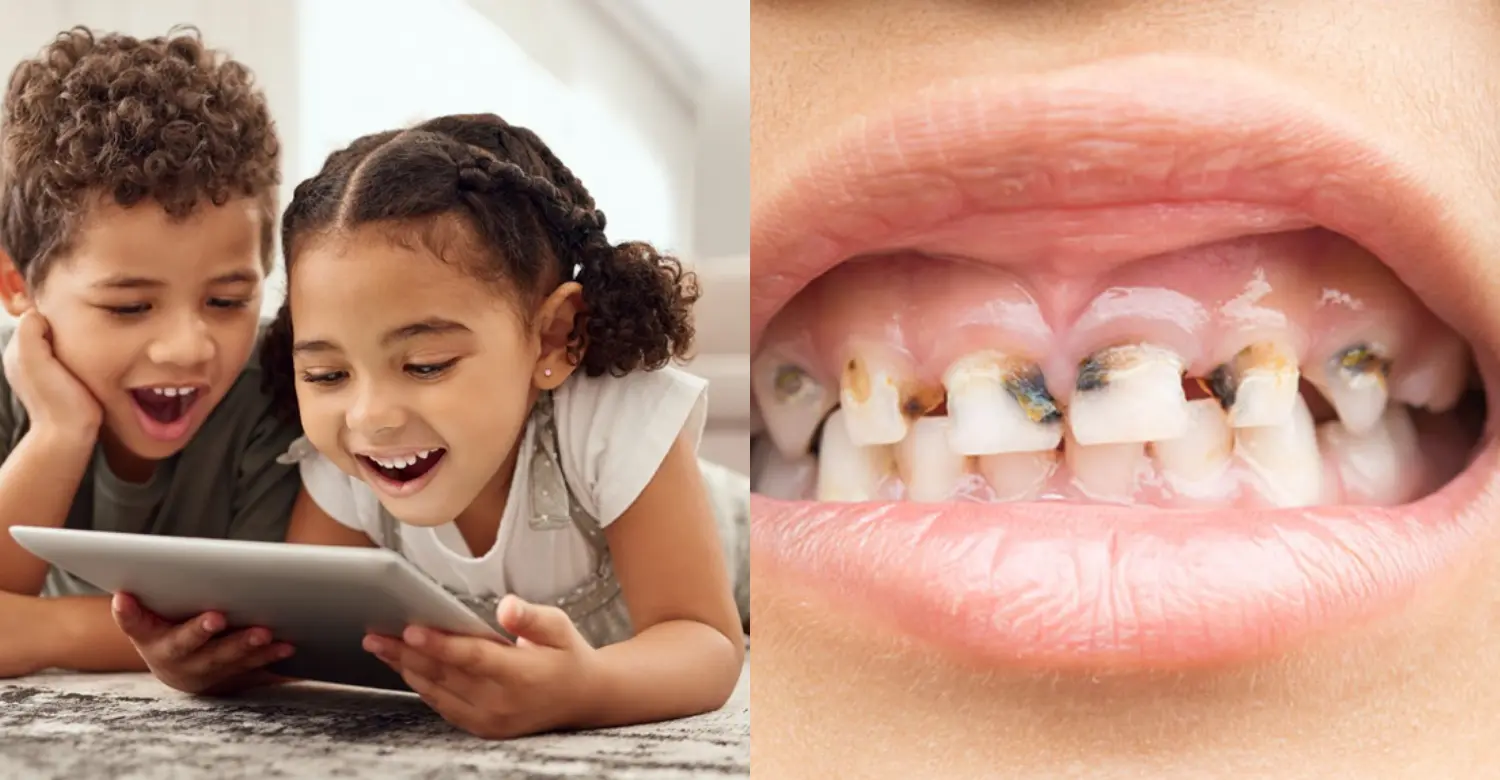
How Parents Can Protect Children’s Teeth During Screen Time
Parents can protect children's teeth by controlling the behaviors surrounding devices. Screen use should not automatically include snacks or sweet drinks. Meals can remain screen-free. Brushing should happen at consistent times regardless of entertainment schedules. Devices should not replace sleep or dental appointments. Water can be the default drink. Healthy snacks can be portioned before viewing begins. Parents can also model the same habits themselves. Children often respond better when rules apply to everyone. The American Academy of Pediatrics recommends family media planning and consistent boundaries. These strategies can make technology compatible with good oral health.
Set Healthy Screen-Time Boundaries
Boundaries should be clear, realistic, and consistent. Parents can decide when devices are permitted and when they are not. Mealtimes and bedtime are useful screen-free periods. Younger children may benefit from scheduled viewing periods. Older children can participate in creating family media rules. AAP guidance recommends individualized media plans for children and adolescents. Families should review rules as children grow. The goal is to protect sleep, activity, learning, family interaction, and hygiene. Sudden restrictions may create resistance in some households. Gradual changes can be easier to maintain. Consistency matters more than creating perfect rules.
Limit Sugary Snacks During Device Use
Parents can reduce cavity risk by keeping sugary snacks away from routine entertainment. If a child is hungry, offer a planned snack instead. Avoid allowing children to continuously graze throughout videos or games. Sticky sweets should be particularly limited. Portioning snacks before viewing can prevent repeated trips to the kitchen. Parents should also avoid making sweets as a reward for screen use. The CDC identifies frequent sugary consumption between meals as a cavity risk factor. These simple boundaries reduce opportunities for repeated sugar exposure. Children can still enjoy occasional treats within a balanced diet.
Encourage Water
Water should be readily available during digital activities. It provides hydration without added sugar. Parents can place water bottles in the child's usual viewing area. This reduces reliance on sweetened drinks. Flavored sugary beverages can become habitual when they are always available. Replacing them with water removes an important source of cavity exposure. Children may initially resist changes if sweetened drinks are already routine. Parents can introduce water gradually and model the behavior themselves. Dental professionals can also reinforce the recommendation during preventive visits. Consistent access makes healthy choices easier.
Maintain a Consistent Brushing Routine
Children need brushing routines that remain stable regardless of device schedules. Morning brushing should happen before the day becomes busy. Evening brushing should occur before bedtime and before entertainment ends. Parents should supervise young children when necessary. The exact toothpaste and fluoride approach should follow age-appropriate dental guidance. If brushing becomes a repeated conflict, parents can use visual schedules or timers. Positive reinforcement may help younger children cooperate. The goal is reliable plaque removal rather than punishment. Regular dental examinations can confirm whether the routine is working effectively.
Schedule Regular Dental Checkups
Routine dental examinations allow professionals to identify early changes. Dentists can assess plaque, enamel condition, existing restorations, bite development, and cavity risk. They can also discuss diet and home hygiene. Children with higher risk may require more frequent monitoring. The appropriate interval depends on individual circumstances. Parents should seek evaluation sooner when symptoms appear. Pain, sensitivity, swelling, visible holes, or discoloration should not be ignored. Early treatment can prevent small problems from becoming more complex. Vitrin Clinic can provide individualized preventive guidance and help families understand their child's oral health needs. Identifying Cyclospora Symptoms And Oral Health
What We Notice Clinically
Clinically, children with problematic device routines may show several overlapping behaviors. These can include frequent snacking, sweetened beverage consumption, inconsistent brushing, and delayed bedtime. Such patterns do not prove that technology caused the dental disease. They indicate opportunities for preventive intervention. Dental professionals can ask simple questions about eating during television, gaming, and mobile use. Parents may then recognize patterns they had not previously noticed. A complete dental history should include dietary frequency, brushing habits, fluoride exposure, and previous cavities. These factors provide more useful information than screen duration alone. Prevention should address the child's overall routine.
Common Oral Health Patterns Associated With Excessive Screen Habits
Common patterns can include prolonged snacking, frequent sweet drinks, and irregular brushing. Some children also consume food late at night while using devices. Others fall asleep without completing their evening routine. These behaviors can increase exposure to known caries risk factors. A recent study involving children aged six to thirteen found significant associations between screen use during meals and carious lesions. Another study involving 353 children reported associations between screen-related eating and cavitated lesions. Because these studies are observational, they cannot establish direct causation. Clinical decisions should therefore consider the complete risk profile.
Dr. Rifat Alsaman’s Clinical Perspective
Dr. Rifat Alsaman views prevention as a routine-management issue. He recommends separating eating from entertainment whenever possible. Children should have predictable brushing times that do not depend on device schedules. Water is preferable during longer entertainment sessions. Parents should also watch for frequent grazing rather than focusing only on total screen hours. Children with previous cavities may need more individualized prevention. Regular examinations can help identify early enamel changes before symptoms develop. He also recommends positive communication rather than fear-based messaging. Children should understand that technology can be enjoyable while healthy routines remain important. This balanced approach supports sustainable family habits.
Clinical Note
Current evidence supports an association between some device-related behaviors and caries. It does not establish screens as a direct biological cause. The distinction is important for accurate patient education. Parents should not feel guilty simply because their child uses technology. Instead, they should identify behaviors that can be changed. Screen-free meals, water, structured snacks, and reliable brushing are practical targets. Dental professionals can then assess whether those changes reduce individual risk. Research continues to investigate the relationship between digital behavior and oral health. Future longitudinal studies may clarify whether these associations persist over time. Truth about Does Smoking Affect Teeth Whitening Results
When Should a Child See a Dentist?
Children should receive routine dental care before problems become painful. A dentist can monitor developing teeth and identify early enamel changes. Parents should seek earlier evaluation when they notice discoloration, sensitivity, pain, swelling, or visible holes. The CDC warns that untreated cavities can interfere with eating, speaking, playing, and learning. Early evaluation can prevent progression and provide personalized prevention. A dental visit can also identify whether diet, brushing, fluoride, or other factors contribute to risk. Parents should mention frequent snacking or sweetened drinks during device use. This information can help the dentist understand the child's complete daily routine.
Early Signs of Tooth Decay
Early decay may appear as white or chalky areas on enamel. Later changes can include yellow, brown, or dark spots. Cavities may eventually produce sensitivity or pain. Some children avoid chewing on a particular side. Others may become reluctant to eat certain foods. These symptoms should not be ignored. Early dental assessment can determine whether the lesion is active and how advanced it is. Not every tooth discoloration represents decay. Professional examination is therefore important. Parents should continue regular brushing while arranging evaluation. Waiting for severe pain can allow disease to progress.
Why Early Dental Evaluation Matters
Early assessment allows dentists to identify risk before extensive damage develops. Preventive care may include fluoride guidance, dietary counseling, professional cleaning, or additional preventive measures. The exact approach depends on age and individual risk. Children with recurrent cavities may require closer monitoring. Early treatment can also reduce the complexity of future dental procedures. Regular visits help children become comfortable with dental care. Parents can use appointments to discuss difficult routines, including brushing and device use. A personalized plan is often more effective than general advice. Vitrin Clinic can help families develop prevention strategies around their child's specific needs.
How Dentists Assess Cavity Risk
Dentists evaluate multiple factors when assessing caries risk. These include previous decay, visible plaque, dietary habits, fluoride exposure, saliva, oral hygiene, and tooth condition. They may also consider medical history and oral appliances. Screen-related behaviors can be included in the lifestyle discussion. The dentist may ask whether the child snacks while watching videos. They may ask whether sugary drinks accompany gaming. They can also ask whether devices interfere with bedtime brushing. This information helps identify modifiable risks. The final assessment should never depend on screen duration alone. A comprehensive approach provides more accurate prevention. Comprehensive Senior Dental Care For Seniors Guide
How Vitrin Clinic Can Help Protect Your Child’s Oral Health
Vitrin Clinic can support families with preventive dental assessment and individualized oral health guidance. A child's dental risk depends on more than one behavior. Our approach can consider diet, hygiene, tooth development, previous dental problems, and daily routines. Parents can discuss concerns about snacking, sweetened drinks, brushing, and device use during appointments. The purpose is to identify practical changes rather than create unnecessary restrictions. Early professional assessment can also detect developing problems. Children benefit when preventive care becomes part of their regular routine. Families can receive guidance that matches the child's age and individual needs. Vitrin Clinic aims to make preventive dentistry clear, practical, and family-focused.
Personalized Preventive Dental Care at Vitrin Clinic
Personalized care begins with understanding the child's current oral health. Dental professionals can examine teeth and gums while reviewing relevant lifestyle factors. This may include dietary frequency, brushing habits, fluoride use, and previous cavities. Device routines can be discussed when they affect eating or hygiene. Recommendations can then focus on the child's highest-risk behaviors. Some children may need improved brushing supervision. Others may benefit more from dietary changes or closer dental monitoring. Individualized guidance avoids applying identical rules to every child. Vitrin Clinic can help families create realistic prevention strategies that fit their daily lives.
Parent-Focused Dental Guidance
Parents play a central role in children's oral health. Young children depend on caregivers for brushing support, food choices, and routine development. Parents can also control when and where devices are used. Dental guidance can help families connect these responsibilities. For example, parents can establish screen-free meals and fixed brushing times. They can also learn how to recognize early signs of decay. Clear explanations can make preventive recommendations easier to follow. Vitrin Clinic emphasizes practical communication with families. The goal is to help parents feel confident rather than overwhelmed. Consistent small changes can create meaningful improvements over time.
Why Choose Vitrin Clinic for Children’s Dental Care?
Vitrin Clinic focuses on individualized dental care and preventive guidance. Children have different oral health needs depending on age, development, diet, hygiene, and previous dental history. A personalized approach can therefore be more useful than generic advice. Parents can discuss daily routines and concerns openly with the dental team. Preventive visits can identify risks before they develop into more complex problems. Families can also receive guidance about brushing, diet, and healthy routines. Technology habits may be discussed when they affect oral health behaviors. The overall goal is to support healthier teeth through practical prevention and professional monitoring.
Comprehensive Dental Assessment
A comprehensive assessment looks beyond visible cavities. Dentists evaluate teeth, gums, plaque levels, bite development, and other relevant oral findings. They may also review previous dental treatment and family concerns. Dietary habits can provide additional information about cavity risk. Device-related eating patterns can be discussed when relevant. The resulting assessment helps prioritize the most important preventive changes. Children with higher risk may need closer monitoring. Early detection can reduce the chance of progression. Vitrin Clinic can help parents understand findings clearly and develop an appropriate care plan.
Personalized Prevention Plans
A prevention plan should match the child's age and risk profile. Some children may need stronger focus on brushing supervision. Others may need dietary changes or professional preventive treatments. Families can also establish specific rules around entertainment and meals. Water can become the default beverage during device use. Screen-free bedtime can protect the final brushing routine. Regular follow-up allows recommendations to change as the child develops. Personalized plans are easier to maintain because they address real household challenges. Vitrin Clinic can help families create practical prevention strategies.
Patient-Centered Dental Care
Children often respond better to calm and positive dental experiences. Patient-centered care considers the child's comfort, communication style, and developmental stage. Parents can also receive clear explanations without unnecessary technical language. This can make preventive recommendations easier to apply at home. Children can learn why brushing and healthy eating matter. They do not need to associate technology with punishment. Instead, families can establish balanced routines. Patient-centered dentistry aims to build long-term confidence in dental care. This can encourage children to continue preventive habits as they become more independent.
Expert Dental Guidance
Professional guidance can help parents distinguish important risks from minor concerns. Dentists can assess whether dietary or hygiene habits are contributing to caries. They can also recommend appropriate fluoride use and preventive measures. Parents can ask about brushing technique, snack frequency, and beverage choices. Device habits can be discussed when they interfere with these behaviors. Evidence-based advice should remain individualized. Current research suggests associations between screen-related eating and dental caries, but more research is needed. Vitrin Clinic can provide professional guidance based on the child's examination and risk factors.
Screen Time and Tooth Decay: Key Takeaways
Screen use does not directly create dental cavities. The greater concern involves behaviors that can accompany prolonged device use. Children may snack more frequently while watching entertainment. They may drink sugary beverages for extended periods. They may also postpone brushing or fall asleep before completing oral hygiene. Current studies have reported associations between screen-related eating and caries. However, these findings do not prove direct causation. Parents can reduce potential risks through screen-free meals and structured snacks. Water should be the default beverage during entertainment. Brushing should remain consistent every morning and evening. Regular dental examinations provide additional protection. Vitrin Clinic can support families with individualized preventive dental care.
Reference
FAQs
Dr. Rifat Alsaman has more than 5 years of clinical experience in dentistry and currently serves as the Head of the Medical Team at Vitrin Clinic. He is dedicated to providing exceptional patient care, overseeing treatment planning, and ensuring the highest clinical standards across the team. His expertise, attention to detail, and commitment to continuous professional development have helped countless patients achieve healthier, more confident smiles.

.webp&w=3840&q=75)


