Periodontics
August 12, 2026
Chronic Gingivitis: Can Omega-3 and Aspirin Be Effective Treatments?
 Dr. Rifat Alsaman
Chronic Gingivitis is a common condition that can start with mild redness or occasional bleeding, yet it may persist or return if the root cause is never addressed. Persistent gum inflammation does not always mean the problem is minor. It is also not something home care alone can fully resolve. A dental examination remains the most reliable way to identify why the gums stay inflamed, and to rule out progression toward more advanced periodontal disease.
This guide walks through symptoms, causes, treatment, and prevention, along with how omega-3 and aspirin fit into the picture, since treatment always depends on severity and the presence of plaque or tartar.
Chronic Gingivitis: What Is It and Why Does It Persist?
Chronic Gingivitis develops when plaque bacteria irritate gum tissue over an extended period rather than just once. Unlike brief irritation from a rough brushing session, this inflammation lingers or keeps returning even after symptoms seem to calm down. Left undisturbed, plaque hardens into tartar, which brushing alone cannot remove. Bacteria trigger an ongoing immune response along the gumline, keeping tissue swollen and reactive. Understanding why the condition persists is the first step toward choosing an effective treatment plan and preventing it from advancing into deeper tissue and bone damage.
What Is Chronic Gingivitis?
It is ongoing inflammation of the gum tissue, caused mainly by plaque bacteria at the gumline. Temporary inflammation fades once irritation is removed. When the same trigger keeps returning, or plaque is never fully cleared, tissue stays inflamed for weeks or months. Bacteria trigger the body's immune response, producing redness, puffiness, and bleeding. Without consistent hygiene or professional cleaning, this cycle repeats, keeping the gums in a constant low-grade irritated state instead of allowing them to heal properly between exposures.
Does Chronic Gingivitis Mean You Have Periodontal Disease?
Not necessarily. Gingivitis affects only the soft gum tissue, and it is fully reversible with proper care. Periodontitis is different. Not sure which condition you're actually dealing with? See the full comparison in the stages of periodontal disease. It involves loss of the supporting tissue and bone anchoring the teeth, and that damage does not fully reverse. Symptoms alone cannot tell the two apart reliably, since both can involve redness and bleeding. A clinical examination, often including pocket measurements, is the only way to confirm which condition is present and how far it has progressed.
When Does Chronic Gingivitis Require Professional Evaluation?
Certain signs mean home care is no longer enough. Recurrent bleeding that keeps happening despite good brushing habits is one signal. Swollen or painful gums, persistent bad breath, and visible gum recession are others worth acting on quickly. Loose teeth or discharge and pus around the gumline point toward a more advanced problem. Any of these symptoms, especially combined, warrant a dental visit rather than continued self-management, since delaying evaluation allows underlying causes to keep working unnoticed.
Persistent Gingivitis Symptoms You Should Not Ignore
Symptoms of Chronic Gingivitis often start subtly, which is exactly why they get dismissed. Mild redness or occasional bleeding while brushing feels minor at first. Over time, though, the tissue can become noticeably swollen, sensitive, or discolored, and breath odor may persist despite normal hygiene. These changes are the body signaling ongoing irritation, not routine wear and tear. Recognizing them early, rather than waiting for pain, gives the gums the best chance of returning to a healthy state with proper care.
Chronic Gingivitis and Its Most Common Symptoms
The most familiar signs include red, swollen gums that look puffier than usual. Bleeding during brushing or flossing is extremely common and often the first symptom noticed. Sensitivity to temperature or pressure can follow, along with persistent bad breath that mouthwash does not fully mask. The texture of the gums may also change, appearing shinier or less firm. None of these symptoms should be considered normal, even if they seem mild or intermittent at first.
Chronic Gingivitis and Bleeding Gums
Bleeding happens because inflamed tissue is fragile and reacts to the friction of brushing or flossing. It is not a reason to stop cleaning the teeth; in fact, avoiding the area usually makes bleeding worse by letting plaque build further. Gentle, consistent brushing typically reduces bleeding within days once plaque is controlled. If bleeding continues for more than a week or worsens despite good technique, that is a clear signal to schedule a dental evaluation. Don't ignore bleeding that keeps returning — see what it means in our full guide to gum bleeding.
Signs That May Indicate a More Advanced Problem
Some symptoms suggest inflammation may be moving beyond the gum surface. Gum recession, where tissue pulls back and exposes tooth roots, is one warning sign. Deep periodontal pockets, detectable only through measurement, are another. See exactly what dentists check for during an exam in what periodontal disease looks like. Loose teeth or a bite that suddenly feels different when chewing point toward changes in the supporting structures. These signs differ from ordinary gingivitis symptoms and typically call for a more thorough periodontal assessment rather than home care alone.
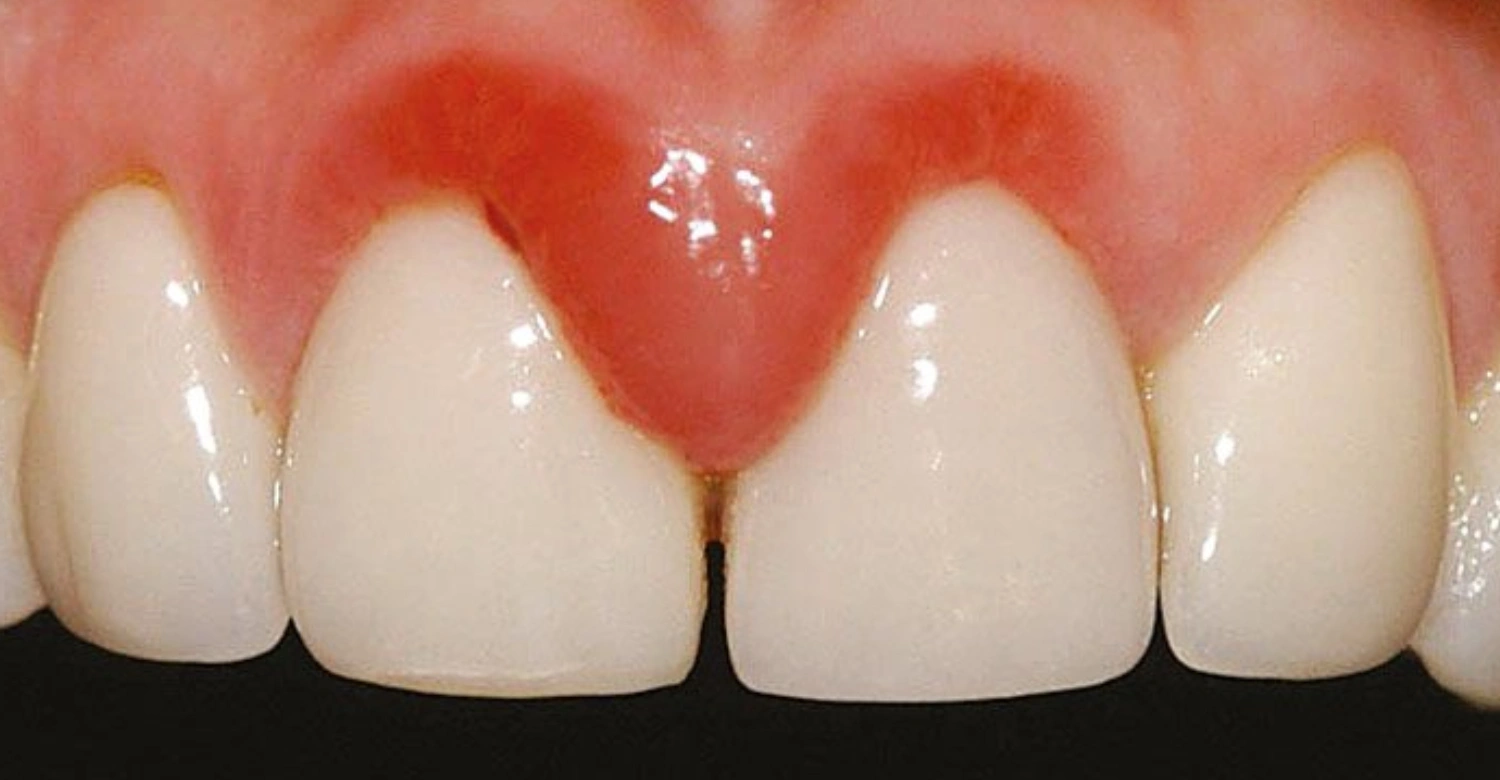
Can Omega-3 and Aspirin Be Effective Treatments for Persistent Gingivitis?
Omega-3 fatty acids and aspirin are sometimes discussed as possible supportive options because both have known effects on inflammation. Omega-3 is a dietary supplement thought to influence inflammatory pathways over time. Aspirin is a medication with anti-inflammatory and pain-relieving properties. Neither, however, was designed as a first-line answer for gum disease, and neither replaces the mechanical removal of plaque and tartar. The sections below look at what current evidence actually supports and where the real limits lie.
Can Omega-3 Help Reduce Gum Inflammation?
Omega-3 fatty acids, found in fish oil and certain plant sources, are known to influence the body's inflammatory response. Some research has explored whether regular supplementation could support healthier gum tissue as part of a broader periodontal care routine. Findings so far are limited and mixed, suggesting a possible supportive role rather than a proven treatment effect. Supplementation should never be treated as a substitute for professional cleaning or effective daily plaque control at home.
Can Aspirin Help Treat Chronic Gingivitis?
Aspirin is sometimes mentioned because of its anti-inflammatory action, but it is not a standard treatment for the condition. It may ease discomfort or reduce swelling temporarily, without addressing plaque or tartar, which remain the actual underlying cause. Managing a symptom is not the same as resolving the condition producing it. Patients should not begin taking aspirin specifically for gum inflammation on their own, since it carries risks and should only be used under medical guidance.
Omega-3 vs Aspirin for Chronic Gingivitis: What Is the Difference?
Omega-3 is a nutritional supplement with a gradual, indirect effect on inflammation over weeks of use. Aspirin is a medication that acts faster but is meant for pain or inflammation generally, not gum disease specifically. Evidence for either as a gingivitis treatment remains limited and preliminary. Neither can replace professional cleaning, plaque control, or periodontal therapy. Both, at best, may play a minor supporting role alongside proper dental care, never in place of it.
Can Omega-3 and Aspirin Be Used Together?
Combining a supplement with a medication should always be discussed with a healthcare professional first, not decided independently. Aspirin affects blood clotting, so bleeding risk becomes an important consideration when other supplements or conditions are involved. Patients should disclose every medication and supplement they take to both their dentist and physician before starting anything new. Treatment decisions ultimately depend on a person's overall health, medical history, and individual risk factors, not general assumptions.
What Does the Research Say About Omega-3 and Aspirin for Gum Health?
Available evidence spans laboratory studies, observational research, and a smaller number of clinical trials. Laboratory findings suggest biological plausibility, but that does not automatically translate into meaningful clinical benefit for patients. Observational studies show associations without proving cause and effect. Clinical trial data remains limited in size and consistency. Overall, research supports these substances, at most, as possible adjunctive factors, not primary treatments, and further high-quality studies are needed before conclusions.
Are Omega-3 and Aspirin Alternatives to Professional Gingivitis Treatment?
No. Neither can substitute for the physical removal of plaque and tartar, which remains the core of treating gum inflammation. Professional dental assessment is essential whenever gingivitis persists beyond routine home care improvements. Controlling the underlying cause always stays the priority, regardless of what supplements or medications a patient may also be using. Omega-3 or aspirin might play a supportive role in specific, medically appropriate situations, but only alongside, never instead of, proper treatment.
Causes of Chronic Gingivitis and Factors That Increase the Risk
These causes usually trace back to plaque that is not adequately removed on a daily basis. Tartar forms when plaque hardens and calcifies, creating a rough surface bacteria cling to more easily. Gaps in interdental cleaning and incorrect brushing technique both allow buildup to persist. Beyond hygiene habits, several lifestyle and health factors can make gum inflammation harder to resolve, which is why identifying every contributing factor matters during diagnosis and treatment planning.
Main Causes of Persistent Gingivitis
Plaque buildup along the gumline is the primary driver in nearly every case. When plaque is not removed consistently, it hardens into tartar within a matter of days, and tartar cannot be brushed away at home. Failing to clean between the teeth leaves bacteria undisturbed in spaces a toothbrush cannot reach. Incorrect brushing technique, whether too soft to be effective or missing key areas, compounds the problem further, allowing inflammation to continue unnoticed.
Factors That May Make Gingivitis Persistent
Several factors beyond plaque can keep inflammation from resolving. Smoking impairs blood flow to the gums and slows healing significantly. See the full clinical picture in does smoking cause periodontal disease. Dry mouth reduces the natural rinsing action of saliva, letting bacteria accumulate faster. Certain medications and hormonal changes, such as those during pregnancy, can heighten gum sensitivity to plaque. Underlying systemic diseases, poor dietary habits, and delaying treatment of other oral health problems all add to the risk of persistent inflammation as well.
Can Toothbrushing Technique Make the Problem Worse?
Yes, technique matters as much as frequency. Brushing too aggressively can injure tissue and cause recession rather than protecting the gums. A very hard-bristled brush compounds that risk further. Neglecting the gumline, where plaque accumulates fastest, leaves the most vulnerable area under-cleaned. Relying on mouthwash alone, without proper brushing and interdental cleaning, does not remove plaque mechanically. Failing to clean the tongue also allows bacteria to keep repopulating the mouth after every cleaning. Get the full connection explained in how gingivitis starts.
Chronic Gingivitis Treatment: What Options Are Available?
Treatment always begins with a clinical evaluation rather than guesswork. A dentist assesses gum health, measures periodontal pockets when necessary, and evaluates how much plaque and tartar have accumulated. X-rays may be used when deeper issues are suspected. Risk factors that could be preventing improvement, such as smoking or certain medications, are identified during this process. Only after this evaluation can an appropriate, individualized treatment plan be developed for the patient.
How Does a Dentist Determine the Treatment for Chronic Gingivitis?
Treatment planning starts with a full clinical examination of the gum tissue and surrounding structures. Periodontal pocket measurements help reveal whether inflammation has moved beneath the gumline. Plaque and tartar levels are assessed visually and with instruments, and x-rays may be ordered when bone involvement is a concern. The dentist also looks for risk factors, from smoking to certain medications, that could be preventing the gums from responding normally to treatment. Curious how these measurements actually work? Read how to tell if you have periodontal disease.
Treatment of Persistent Gingivitis in the Early Stages
Early cases typically respond well to improved oral hygiene at home combined with professional cleaning. Learning correct brushing technique makes a meaningful difference, as does consistent cleaning between the teeth. Professional tartar removal clears deposits that home care cannot touch. Addressing any contributing factors, such as switching medications when possible or managing dry mouth, supports faster healing. Most early-stage cases show noticeable improvement within a short period once these steps are followed. Get the full breakdown of this deep-cleaning procedure in dental scaling.
Treatment of Severe Gingivitis
Severe Gingivitis Treatment requires a more comprehensive evaluation than early-stage cases. It often involves removing deposits below the gumline, where a toothbrush cannot reach. If periodontal disease is diagnosed alongside the inflammation, that condition is treated as well, since the two can overlap. Regular follow-up after treatment is essential to confirm the gums are healing properly. Antibiotics or medications are never a substitute for physically removing plaque and tartar when they remain the primary cause. See what this more advanced treatment actually involves in what causes periodontitis.
Treatment of Chronic Gum Disease and Long-Term Maintenance
Treatment of Chronic Gum Disease does not end once symptoms improve. Supportive periodontal maintenance keeps the gums stable over the long term through scheduled follow-up visits. These appointments allow the dental team to monitor bleeding and periodontal pocket depth for any signs of relapse. Follow-up frequency depends on the individual patient's condition and risk factors. Maintaining results ultimately relies on consistent home care between visits, not on the initial treatment alone. Learn what ongoing maintenance actually looks like in our related periodontal guide.
What Results Can Be Expected After Chronic Gingivitis Treatment?
Patients typically notice reduced redness and swelling within days to weeks of effective treatment. Bleeding decreases as inflammation subsides, and breath odor linked to bacterial buildup often improves as well. Gum tissue generally regains a firmer, healthier appearance once plaque and tartar are removed and hygiene improves. These changes reflect the tissue healing, not just symptoms being masked temporarily, which is one reason gingivitis is considered a reversible condition when caught early.
What Happens to the Gums After Treatment?
Once the underlying cause is removed, the gums typically begin healing within days. Redness and puffiness fade as inflammation calms down, and bleeding during brushing becomes far less frequent. Bad breath linked to bacterial buildup tends to improve alongside these changes. Tissue texture also becomes firmer and less shiny compared to its inflamed state. The overall improvement reflects genuine healing at the tissue level, not simply symptoms being temporarily suppressed by treatment.
Do the Gums Return to Normal After Gingivitis Treatment?
In most cases, yes, since gingivitis itself is reversible when the cause is properly addressed. Outcomes depend on severity, how consistently the underlying cause is managed, and how closely the patient follows the recommended care plan. It is important to distinguish reversible gingivitis from periodontitis, where some tissue or bone loss cannot be regained even with successful treatment. This distinction is exactly why early diagnosis and prompt treatment matter so much. Get the honest answer to this exact question in can you reverse periodontal disease.
Before & After Expectations
Expectations should center on improved gum health rather than cosmetic changes alone, since the goal is functional healing. Results vary from patient to patient based on severity, contributing factors, and how consistently home care is followed after treatment. Clinical photographs and examinations before and after treatment can help both patient and dentist track genuine improvement over time. See where that line is drawn clinically in is periodontitis reversible. These comparisons are most useful when paired with objective measurements, not appearance alone.
Omega-3 and Gingivitis: Can It Help?
Omega-3 and Gingivitis research explores whether fatty acids found in fish oil and certain plant sources can influence how the body responds to plaque-driven inflammation. The existence of studies on this topic does not mean omega-3 can replace professional dental treatment. At most, current evidence points to a possible supportive role for some patients. Any supplementation decision should be discussed with a healthcare provider, especially alongside other medications or existing health conditions.
What Is the Relationship Between Omega-3 and Gum Health?
Omega-3 fatty acids are known to influence inflammatory signaling pathways throughout the body, including in gum tissue. Some studies suggest regular intake may be associated with lower markers of inflammation in certain patients. This relationship remains an area of ongoing research rather than an established clinical protocol. The existence of these studies does not mean omega-3 can substitute for professional dental treatment or daily plaque control, which remain the foundation of gum health.
Is Omega-3 a Direct Treatment for Persistent Gingivitis?
No, it functions at most as a supportive therapy rather than a primary treatment. Supportive approaches may complement care but cannot address the mechanical buildup of plaque and tartar on their own. Supplements should never be presented as a substitute for plaque removal or treatment of the underlying cause driving the inflammation. Any role omega-3 plays remains secondary to professional cleaning, proper hygiene, and addressing whatever factors are keeping the gums irritated.
Aspirin and Gingivitis: What Should Patients Know?
Aspirin and Gingivitis come up together mainly because of aspirin's known anti-inflammatory properties, not because it treats gum disease directly. Patients taking aspirin regularly, for heart health or other reasons, should understand how it interacts with dental treatment and bleeding risk. It is not a routine or recommended gingivitis treatment on its own. Anyone considering it specifically for gum symptoms should speak with their physician and dentist first, rather than self-medicating.
Does Aspirin Treat Gingivitis?
Not in any standard or recommended sense. Aspirin can relieve pain and reduce inflammation temporarily, similar to how it works for other conditions in the body. That effect, however, does not address plaque or tartar, which are the actual underlying causes of gum inflammation. Treating a symptom is not the same as treating the source of the problem. Professional cleaning and improved hygiene remain necessary regardless of any pain relief aspirin might provide.
Why Should You Tell Your Dentist If You Take Aspirin?
Informing the dental team about every medication, including aspirin, allows them to plan treatment safely. Aspirin affects blood clotting, which can increase bleeding during cleanings or other procedures if not accounted for beforehand. Patients should never stop or change their aspirin dosage without guidance from the physician who prescribed it, even ahead of dental work. Open communication between patient, dentist, and physician helps avoid complications and ensures treatment is planned appropriately around existing medications.
Clinical Note
From Dr. Rifat Alsaman's clinical perspective, gum bleeding is often treated by patients as an isolated symptom rather than a signal pointing toward plaque or tartar buildup underneath. As Head of the Medical Team at Vitrin Clinic and a cosmetic dentist, he notes that brushing harder is a common instinct, but it rarely improves outcomes and can injure tissue instead. In his experience, improvement in symptoms does not always mean the underlying cause has fully resolved, which is why follow-up appointments remain important. He considers evaluating gum health carefully before starting cosmetic dental procedures essential clinical practice.
Tips for Patients
Brush your teeth twice a day using a gentle yet effective technique.
Clean between your teeth every day.
Avoid applying excessive pressure when cleaning along the gumline.
Replace your toothbrush when the bristles become worn.
Have professional cleanings and dental examinations according to your individual needs.
Do not ignore recurrent gum bleeding.
Tell your dentist about all medications and supplements you are taking.
Avoid smoking because it can negatively affect gum health and the response to treatment.
Long-Term Prevention of Persistent Gingivitis
This approach relies on a consistent daily oral hygiene routine that includes brushing, interdental cleaning, and attention to the gumline. Addressing any bleeding or swelling early prevents small issues from becoming persistent ones. Keeping regular follow-up appointments allows a dentist to catch problems before they progress. Mouthwash should never replace mechanical cleaning on its own. Managing contributing risk factors, from smoking to dry mouth, further reduces the likelihood of recurring inflammation.
Complications of Untreated Persistent Gingivitis
Complications of Chronic Gingivitis can develop when inflammation is left unaddressed for an extended period. In some patients, the condition progresses into periodontal disease, which involves loss of the tissue and bone supporting the teeth. Gum recession and loose teeth may follow in more advanced cases. Left untreated long enough, severe cases can eventually result in tooth loss. These outcomes are largely preventable with timely diagnosis and consistent treatment of the underlying cause.
Can Gingivitis Progress?
Yes, in some patients gingivitis can advance into periodontal disease if the underlying cause is never resolved. Progression involves loss of the tissue and bone structures that support the teeth, which cannot be fully regained afterward. Gum recession often accompanies this stage, along with teeth that feel looser than before. In the most severe, prolonged cases, tooth loss can result. Timely treatment at the gingivitis stage is what prevents this progression from occurring. Learn how far this can progress if left untreated in how long you can keep your teeth with periodontal disease.
Impact of Persistent Gingivitis on Quality of Life
Beyond clinical concerns, ongoing inflammation affects daily comfort and confidence. Chewing can become difficult or uncomfortable when gums are swollen or sensitive. Persistent bad breath, despite regular hygiene, can affect social confidence and interactions. Many patients also become concerned about how their gums look, particularly around the smile line. When diagnosis is delayed, the eventual treatment required tends to become more complex, time-consuming, and costly than addressing the issue earlier would have been.
How Can You Maintain Healthy Gums After Chronic Gingivitis Treatment?
Maintaining these results depends on consistent daily habits combined with periodic professional care. A thorough home routine keeps plaque from reaccumulating between dental visits. Professional follow-up allows the dental team to catch any early signs of relapse before they become significant again. Together, these two elements form the foundation of long-term gum stability, ensuring the improvements achieved through treatment are not gradually lost over time.
Home Oral Care Routine
A solid home routine includes brushing twice daily with proper technique, focusing attention along the gumline without excessive pressure. Interdental cleaning, using floss or similar tools, removes plaque from spaces a toothbrush cannot reach. Cleaning the tongue reduces the overall bacterial load in the mouth as well. Using any products specifically recommended by a dentist, rather than generic alternatives, ensures the routine is suited to the individual patient's gum condition and needs. Not flossing correctly yet? Learn how in how to use dental floss.
Professional Follow-Up
Regular dental visits allow ongoing reassessment of gum health after initial treatment concludes. These appointments catch early signs of returning inflammation before they become noticeable to the patient. Removal of any new deposits happens promptly when needed, preventing buildup from progressing. The home-care routine can also be adjusted based on how the gums are responding over time. This ongoing partnership between patient and dental team is what sustains long-term results. See what a proactive dental routine actually involves in preventive dentistry at Vitrin Clinic.
What We Notice Clinically
Dr. Rifat Alsaman, Head of the Medical Team at Vitrin Clinic and a cosmetic dentist, notes that patients often focus on gum bleeding as an isolated symptom while overlooking the plaque or tartar buildup actually driving it. In his clinical view, brushing harder is a common reaction, but it does not necessarily mean brushing more effectively, and can injure tissue instead. He also points out that improvement in visible symptoms does not always mean the underlying problem has fully resolved, which is why follow-up remains important. Evaluating gum health before beginning certain cosmetic procedures is, in his experience, a consistent clinical priority.
Vitrin Clinic: Evaluating Gum Health Before Choosing Treatment
Vitrin Clinic emphasizes examination and diagnosis before any treatment plan is developed, since assumptions about cause can lead to ineffective care. Every plan is based on the patient's individual condition rather than a generic protocol. Diagnostic technology, including imaging and digital examinations, supports this process when needed. See exactly how your treatment plan gets mapped out in Digital Smile Design. The goal extends beyond controlling visible symptoms toward achieving stable, lasting gum health. Since healthy gums support cosmetic dental procedures, this evaluation connects directly to broader treatment planning. Curious what comes next once your gums are healthy? Explore porcelain veneers and other cosmetic options.
References:
FAQs
Dr. Rifat Alsaman has more than 5 years of clinical experience in dentistry and currently serves as the Head of the Medical Team at Vitrin Clinic. He is dedicated to providing exceptional patient care, overseeing treatment planning, and ensuring the highest clinical standards across the team. His expertise, attention to detail, and commitment to continuous professional development have helped countless patients achieve healthier, more confident smiles.


