Periodontics
October 22, 2026
Porphyromonas gingivalis Disease: What are The Symptoms, Causes, Diagnosis, and Treatment?
 Dr. Rifat Alsaman

Porphyromonas gingivalis disease is a term often used to describe gum problems linked to Porphyromonas gingivalis, a bacterium strongly associated with periodontal disease. However, finding this bacterium in your mouth does not automatically mean you have an active infection or severe gum disease. In susceptible people, it can disturb the balance of oral bacteria and drive inflammation. Over time, this may damage the gums and the bone that supports the teeth, contributing to periodontitis.
Recognizing early gum changes matters. Common symptoms include bleeding, swelling, and persistent bad breath, while advanced cases may involve receding gums and loose teeth. The main causes involve plaque buildup combined with risk factors such as smoking, diabetes, and genetic susceptibility. Diagnosis relies on a periodontal examination, pocket measurements, and X-rays when indicated. Treatment focuses on removing plaque and calculus, followed by long-term maintenance. This guide explains each step so you can understand Porphyromonas gingivalis disease and make informed decisions based on clinical findings.
.jpg)
.jpg)
.jpg)
.jpg)
.jpg)
.jpg)
Ready to transform your smile?
Talk to our team and get a FREE treatment plan.
Porphyromonas gingivalis Disease: What Is It and How Does It Affect Your Oral Health?
Porphyromonas gingivalis disease refers to periodontal problems in which this bacterium plays a contributing role. It is not a separate diagnosis that dentists formally use. Instead, clinicians diagnose conditions such as gingivitis or periodontitis. Porphyromonas gingivalis and oral health are closely connected because the bacterium can thrive in deep gum pockets and influence how the immune system responds. When inflammation becomes chronic, the tissues and bone holding the teeth may gradually break down. Left untreated, this can eventually lead to tooth loss.
What Is Porphyromonas gingivalis?
Porphyromonas gingivalis is a Gram-negative, anaerobic bacterium. It grows best in low-oxygen environments, such as dental plaque beneath the gumline and inside periodontal pockets. Many people first encounter the term Porphyromonas gingivalis oral bacteria in research news or test reports. Scientists often describe it as a "keystone" species. This means that even in relatively small numbers, it may push the oral microbiome toward an imbalance called dysbiosis. That imbalance can favor inflammation and the growth of other harmful bacteria.
How Does Porphyromonas gingivalis Contribute to Gum Disease?
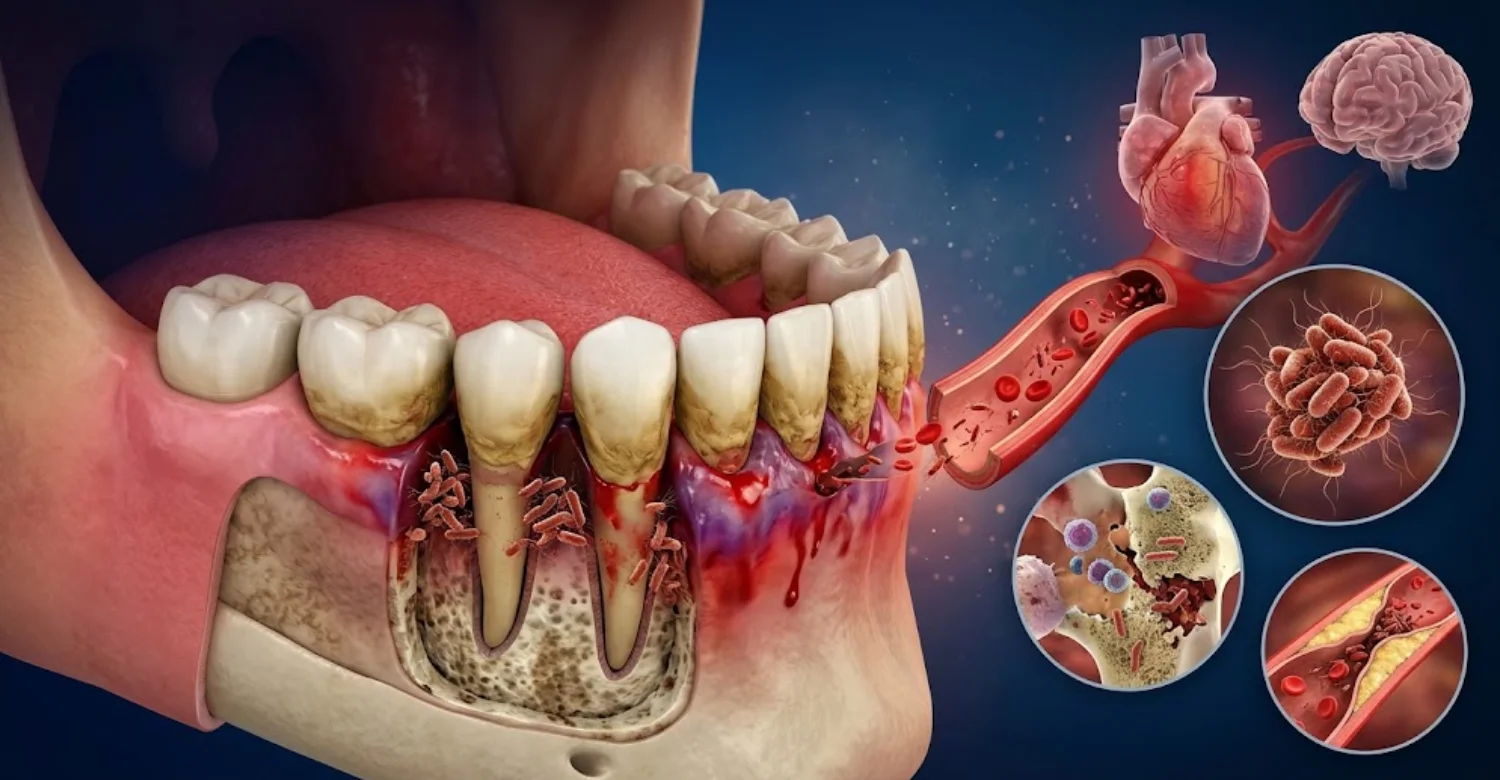
Porphyromonas gingivalis and gum disease are linked mainly through the bacterium's effects on the immune system. It produces enzymes called gingipains, which break down proteins and may interfere with normal immune signaling. It can also disrupt parts of the complement system, an important defense mechanism. Rather than being cleared, the bacteria may persist while inflammation continues. This ongoing inflammation, not the bacterium alone, drives much of the damage. Over time, it can destroy gum attachment and the bone that supports the teeth.
Is Porphyromonas gingivalis Disease the Same as Periodontitis?
No. Porphyromonas gingivalis disease is an informal label, while periodontitis is a specific clinical diagnosis. Bacterial presence simply means the organism has been detected. Infection suggests it is contributing to a disease process. Gingivitis is reversible gum inflammation without loss of supporting bone. Periodontitis involves damage to the gum attachment and bone around the teeth. Some people carry P. gingivalis without having periodontitis. Therefore, detecting the bacterium alone cannot confirm disease or establish its severity. A clinical examination is needed.
What Are the Symptoms of a Porphyromonas gingivalis Infection?
Porphyromonas gingivalis symptoms are really the symptoms of gum inflammation and periodontal disease. The bacterium does not produce a unique sign you can recognize at home. Early changes usually affect the gums themselves, such as bleeding or swelling. As disease progresses, the supporting tissues may break down, causing recession, spaces between teeth, or loose teeth. Some people notice very little. Because symptoms overlap with other dental problems, a Porphyromonas gingivalis infection cannot be confirmed by symptoms alone. A professional examination is essential.
Early Gum Symptoms You Might Notice
Early signs of gum inflammation are often subtle and easy to dismiss. You might notice:
Red, swollen, or tender gums.
Bleeding when brushing or flossing.
Persistent bad breath or an unpleasant taste.
Gum tenderness when eating or cleaning between teeth.
These symptoms are not specific to P. gingivalis. Plaque buildup, hormonal changes, certain medications, and poor brushing technique can produce similar effects. Still, they suggest your gums are inflamed and deserve attention before the problem advances.
Signs That Gum Disease May Be Progressing
As periodontal damage advances, symptoms tend to involve the structures that hold teeth in place. Warning signs include:
Gums that appear to be pulling away from the teeth.
Teeth that look longer because more of their surfaces are exposed.
New spaces between teeth or changes in their alignment.
Loose teeth or discomfort when chewing.
Pus or swelling around the gums.
These changes may reflect advanced Porphyromonas gingivalis disease or other forms of periodontitis. They should be evaluated promptly.
Can You Have Porphyromonas gingivalis Without Symptoms?
Yes. Periodontal bacteria, including P. gingivalis, can be present without causing obvious discomfort. In fact, periodontitis is often painless in its early and moderate stages. Many people discover it only during a routine dental check-up. Smoking can also mask bleeding, hiding a key warning sign. The absence of pain or bleeding therefore does not rule out periodontal disease. Porphyromonas gingivalis disease frequently progresses quietly. Regular examinations, including gum pocket measurements, help detect silent damage before it becomes advanced.
What Causes Porphyromonas gingivalis Infection?
Porphyromonas gingivalis causes are rarely limited to one factor. The bacterium can pass between people through saliva, and it may live in the mouth at low levels without causing harm. Problems usually arise when plaque accumulates and the gum environment changes. Inflamed tissue and deeper pockets create conditions where this anaerobic species can multiply. Personal risk factors, including smoking, diabetes, genetics, and stress, then shape how strongly the body reacts. Porphyromonas gingivalis disease generally reflects this combination of bacterial and host factors.
Plaque Buildup and Inadequate Oral Hygiene
Dental plaque is a sticky biofilm that forms continuously on teeth. When it is not removed regularly, it collects along the gumline and between teeth. Over time, it can harden into calculus (tartar), which brushing cannot remove. Older, undisturbed plaque contains more anaerobic bacteria, including periodontal species. Brushing twice daily and cleaning between teeth disrupt this biofilm before it matures. However, home care cannot reach deposits below the gumline, so professional assessment and cleaning also play an essential role.
Existing Gingivitis and Periodontal Pockets
Inflamed gums release more gingival crevicular fluid, which contains proteins and iron-rich compounds that P. gingivalis uses as nutrients. This helps explain why inflammation and bacterial growth can reinforce each other. As periodontitis develops, the space between gum and tooth deepens into a periodontal pocket. These pockets are low in oxygen and difficult to clean at home. They provide a sheltered environment for anaerobic bacteria. The result can be a self-sustaining cycle of inflammation and tissue breakdown.
Smoking and Tobacco Use
Smoking is one of the strongest modifiable risk factors for periodontitis. It reduces blood flow to the gums, weakens immune defenses, and slows healing after treatment. Tobacco use may also change the oral microbiome in ways that favor harmful species. Importantly, smoking constricts blood vessels, which can reduce visible bleeding. Smokers may therefore have Porphyromonas gingivalis disease that looks milder than it really is. Quitting tobacco improves periodontal treatment outcomes and lowers the risk of further damage.
Diabetes and Other Factors Affecting Immune Response
Poorly controlled diabetes is closely linked to periodontitis. High blood sugar can impair immune cell function and increase inflammation, making gum tissues more vulnerable. The relationship works in both directions, because periodontal inflammation may also make blood sugar harder to control. Other conditions that weaken immune responses can have similar effects. However, these factors do not prove that a specific infection exists. Instead, they change how the body reacts to oral bacteria, influencing disease severity and healing.
Genetic Susceptibility, Stress, and Other Contributing Factors
People respond differently to the same bacteria. Some develop severe periodontitis despite moderate plaque levels, partly because of inherited differences in inflammatory responses. A family history of gum disease or early tooth loss can therefore be relevant. Chronic stress may affect immune function and oral hygiene habits. Medications that cause dry mouth reduce saliva's natural protective effect. In most cases, risk reflects several interacting factors rather than one isolated cause. Sharing your full history helps your dentist assess your individual risk.
How Is Porphyromonas gingivalis Linked to Periodontitis and Other Oral Health Problems?
The relationship between this bacterium and gum disease is one of the most studied topics in dentistry. P. gingivalis is frequently found in deep periodontal pockets, and some studies associate its presence with a higher risk of disease progression. Researchers have also explored possible connections with conditions beyond the mouth. These links explain why Porphyromonas gingivalis disease receives so much attention. However, association is not causation. Periodontal disease always involves multiple bacteria and the body's own inflammatory response.
Porphyromonas gingivalis and Gingivitis
Gingivitis is gum inflammation without irreversible loss of supporting bone or attachment. It is mainly caused by plaque accumulating along the gumline. P. gingivalis may be present in some cases, but gingivitis involves a broad mix of plaque bacteria. The good news is that gingivitis is usually reversible. With effective brushing, interdental cleaning, and professional cleaning where needed, inflammation often settles within a few weeks. Early care matters because untreated gingivitis may progress to periodontitis in susceptible people.
Porphyromonas gingivalis and Periodontitis
Porphyromonas gingivalis and periodontitis are linked through dysbiosis, an imbalance in the bacterial community below the gums. P. gingivalis may help create this imbalance, allowing other harmful species to flourish. It belongs to the so-called "red complex," alongside Tannerella forsythia and Treponema denticola, which is associated with advanced disease. The resulting inflammation breaks down gum attachment and bone. Periodontitis remains multifactorial. The host's immune response and several microbial species, not one bacterium alone, determine how it develops.
Can Porphyromonas gingivalis Affect More Than Your Gums?
Researchers have studied associations between periodontal bacteria, including P. gingivalis, and several systemic conditions. These include cardiovascular disease, diabetes, rheumatoid arthritis, and Alzheimer's disease. Some studies have detected the bacterium or its products in tissues outside the mouth. However, these findings show associations, not proven causation. Shared risk factors, such as smoking and chronic inflammation, may explain part of the connection. Current evidence does not show that P. gingivalis alone causes disease elsewhere in the body.
How Is Porphyromonas gingivalis Diagnosed?
Porphyromonas gingivalis diagnosis in everyday dental practice focuses on the gums, not only on the bacterium. Dentists diagnose the condition it contributes to, such as gingivitis or periodontitis. The process usually involves a medical and dental history, a full periodontal examination, and X-rays when indicated. Bacterial testing is sometimes used but is not routinely required. Together, these findings show whether disease is present, how severe it is, and which treatment fits. Diagnosing Porphyromonas gingivalis disease therefore depends on clinical evidence.
Periodontal Examination and Gum Pocket Measurements
During a periodontal examination, the dentist checks the gums for redness, swelling, and bleeding. A thin, calibrated instrument called a periodontal probe is gently placed between the gum and tooth. This measures pocket depth at several points around each tooth. Healthy pockets are usually shallow, around 1 to 3 millimeters. Deeper readings may suggest periodontal damage. The dentist also records gum recession, tooth mobility, and bone involvement between the roots of multi-rooted teeth. These measurements create a baseline.
Dental X-Rays and Bone Loss Assessment
Dental radiographs reveal bone levels around the teeth, which cannot be seen during a visual examination. They can show the pattern and extent of bone loss, whether horizontal or vertical. X-rays may also detect other problems, such as decay or infections at the root tips. Your dentist selects the type and number of images based on clinical need. Imaging complements, rather than replaces, the clinical examination. Both are needed to build an accurate picture of periodontal health.
Is a Porphyromonas gingivalis Bacterial Test Necessary?
In most cases, no. Microbial sampling or molecular tests, such as PCR, can identify P. gingivalis and other periodontal bacteria. Dentists may consider them in selected situations, such as rapidly progressing or treatment-resistant disease. However, these tests are not routinely necessary for every patient. Many people carry periodontal bacteria without severe disease, and treatment decisions rarely depend on the result alone. Any findings must be interpreted alongside the periodontal examination, X-rays, and the patient's overall risk profile.
How Do Dentists Determine the Severity of Periodontal Disease?
Dentists combine several measurements. Clinical attachment loss shows how much supporting tissue has been lost. Pocket depth, bleeding on probing, radiographic bone loss, and tooth mobility add further detail. Under the current international classification, periodontitis is described by stage, reflecting severity and complexity, and grade, reflecting the rate of progression. Risk factors such as smoking and diabetes influence grading. These findings guide treatment planning for Porphyromonas gingivalis disease, help predict outcomes, and determine how often follow-up is needed.
Ready to transform your smile?
Talk to our team and get a FREE treatment plan.
What Can You Do at Home to Support Gum Health?
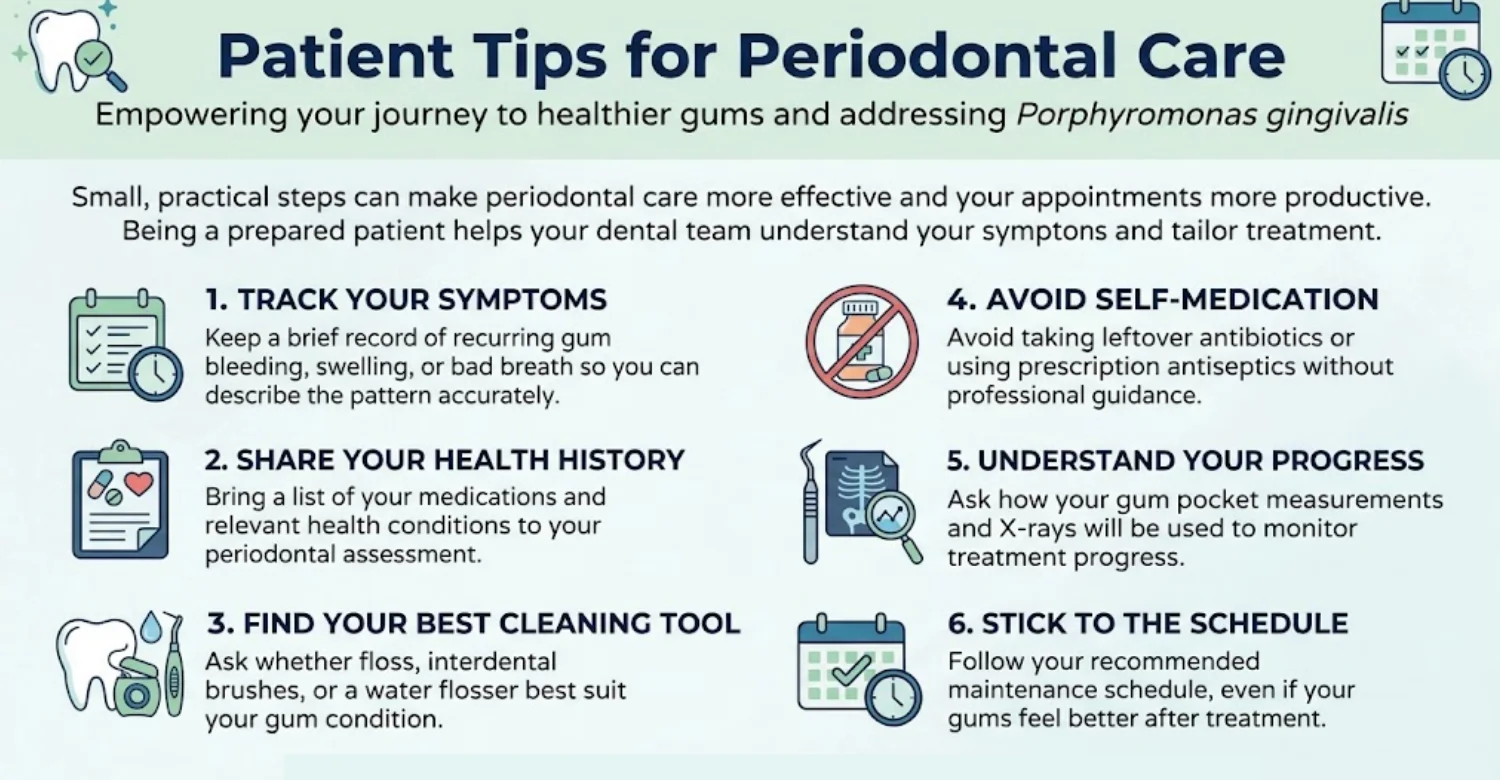
Home care is the foundation of gum health, whether you are preventing problems or recovering from treatment. Daily plaque control limits the bacterial buildup that fuels inflammation. Effective habits include careful brushing, cleaning between the teeth, and avoiding risk factors such as tobacco. Home care cannot treat established periodontitis on its own, because deposits below the gumline need professional removal. However, it strongly influences treatment success. People with Porphyromonas gingivalis disease benefit most when home and professional care work together.
Brush Carefully Along the Gumline
Brush twice daily for about two minutes using a soft-bristled toothbrush and fluoride toothpaste. Angle the bristles toward the gumline at roughly 45 degrees, and use gentle, short strokes. This helps remove plaque where gums and teeth meet. Avoid scrubbing hard, as excessive force can irritate gums and contribute to recession. Replace your toothbrush or brush head every three months, or sooner if the bristles fray. Thorough, gentle cleaning is more effective than aggressive brushing.
Clean Between Your Teeth Every Day
A toothbrush cannot fully clean the spaces between teeth, where periodontal problems often begin. Cleaning these areas once a day helps disrupt plaque before it matures. Options include dental floss, interdental brushes, and other aids such as soft picks. The best choice depends on the size of the gaps between your teeth, your gum condition, and your dexterity. Interdental brushes often suit larger spaces. Your dentist or hygienist can recommend the correct type and size.
Support Your Oral Health Through Daily Habits
Several everyday habits support healthier gums. Avoiding tobacco is one of the most important steps, as smoking increases periodontal risk and slows healing. If you have diabetes, working with your doctor to manage blood sugar may also benefit your gums. A balanced diet that limits frequent sugary snacks supports overall oral health. Drinking enough water can help if you experience dry mouth. Finally, attend recommended dental appointments, because early changes are easier to manage than advanced disease.
Can Mouthwash Eliminate Porphyromonas gingivalis?
Many people search for how to eliminate Porphyromonas gingivalis using mouthwash. Unfortunately, rinses cannot reliably remove established bacteria beneath the gums. Mouthwash mainly reaches tooth surfaces and the gum margin, not deep periodontal pockets. Plaque and calculus below the gumline require professional mechanical cleaning. Antiseptic rinses may help as an adjunct in selected situations, such as short-term use after treatment. Products should be chosen according to clinical needs and professional advice, never as a substitute for proper periodontal care.
.jpg)
What Tools May Help You Manage Plaque Between Dental Visits?
Between professional visits, the right tools can make daily plaque control easier and more thorough. Options include manual or electric toothbrushes, interdental brushes, water flossers, and, in some cases, antimicrobial rinses. No single product suits everyone. The best combination depends on your gum condition, the spaces between your teeth, any restorations or implants, and your dexterity. Consistent use matters more than owning advanced devices. Ask your dental team which tools fit your mouth and periodontal needs.
Electric and Manual Toothbrushes
Both electric and manual toothbrushes can clean teeth effectively when used correctly. Research suggests powered brushes, particularly oscillating-rotating designs, may reduce plaque and gingivitis slightly more than manual brushes. Electric brushes may also help people with limited dexterity, and many include timers or pressure sensors. However, a manual brush used with good technique for two minutes can work well. Effective technique and consistency matter more than the type you choose. Pick the option you will use properly every day.
Interdental Brushes and Water Flossers
Interdental brushes are small brushes designed to clean between teeth. Research suggests they are often more effective than floss for removing plaque from open spaces. Water flossers use a pulsating stream of water to flush debris from between teeth and around the gumline. They may help people with braces, bridges, or implants. However, suitability depends on gum condition, interdental space, restorations, and personal needs. Your dental team can help you choose and size these tools correctly.
Antimicrobial Mouth Rinses
Antimicrobial mouth rinses may support plaque control as an adjunct to brushing and interdental cleaning. They cannot replace mechanical plaque removal. Chlorhexidine is one of the most effective antiseptic rinses, but it is usually recommended for short-term use. Possible side effects include brown staining of teeth and tongue, altered taste, and increased tartar buildup. Rinses containing essential oils or cetylpyridinium chloride are designed for longer use. Any rinse should be used for an appropriate duration under professional guidance.
When Should You Seek Professional Treatment for Gum Symptoms?
Seek professional assessment whenever gum symptoms persist despite good home care. Ongoing bleeding, swelling, bad breath, receding gums, or loose teeth may signal periodontal disease that needs treatment. Sudden swelling, pus, or worsening pain requires faster attention. Early evaluation is important because bone loss caused by periodontitis is generally difficult to reverse. Porphyromonas gingivalis disease is easier to control when it is found early. Even without symptoms, regular check-ups help identify silent problems before they become serious.
Gum Bleeding That Keeps Returning
Healthy gums do not usually bleed during gentle brushing or flossing. Mild bleeding after starting a new flossing routine may settle within a week or two. However, bleeding that keeps returning suggests ongoing inflammation. It deserves assessment, especially when it occurs with swelling, tenderness, or persistent bad breath. Recurrent bleeding may indicate gingivitis or periodontitis, although other causes, including some medications and blood disorders, are possible. A dental examination can identify the source and guide appropriate care.
Gum Recession, Loose Teeth, or Pain When Chewing
Gum recession, loose teeth, and pain when chewing may indicate damage to the tissues that support your teeth. These changes suggest the problem may have moved beyond simple gum inflammation. Home care alone cannot rebuild lost attachment or bone, so continuing to wait may allow further deterioration. Prompt evaluation can determine whether periodontitis is present and how advanced it is. Other causes, such as tooth grinding, cracked teeth, or bite problems, may also need consideration during the examination.
Swelling, Pus, or Sudden Worsening Symptoms
Localized pus, significant gum swelling, worsening pain, or a sudden change in tooth stability warrants urgent dental assessment. These signs may indicate a periodontal abscess or another acute infection. Do not ignore them or try to drain swelling yourself. Seek emergency medical care immediately if you develop facial swelling, fever, or difficulty swallowing or breathing. These symptoms may suggest a spreading infection. Prompt treatment can relieve pain, control infection, and reduce the risk of serious complications.
Patients Review:
Ready to transform your smile?
Talk to our team and get a FREE treatment plan.
What Is the Treatment for Porphyromonas gingivalis Disease?
Porphyromonas gingivalis treatment focuses on controlling the periodontal disease the bacterium contributes to. Care for Porphyromonas gingivalis disease usually follows a step-by-step approach. It begins with oral hygiene guidance and risk factor control, followed by professional removal of plaque and calculus. Deeper cleaning below the gumline is used for periodontitis. Antimicrobials may be added in selected cases, and surgery may be considered for advanced disease. Long-term maintenance is essential. The plan depends on your diagnosis, disease stage, and response.
Professional Scaling and Plaque Removal
Professional scaling removes plaque and hardened calculus from tooth surfaces above and slightly below the gumline. A dentist or hygienist uses hand instruments, ultrasonic scalers, or both. Polishing may follow to smooth the surfaces. For many people with gingivitis, professional cleaning combined with good home care may be enough to resolve inflammation. However, routine cleaning may not adequately treat established periodontitis. Deeper deposits within periodontal pockets usually require more thorough, targeted treatment below the gumline.
Scaling and Root Planing for Periodontitis
Scaling and root planing is a nonsurgical periodontal treatment. It removes plaque and calculus from below the gumline and cleans root surfaces within periodontal pockets. For most patients with Porphyromonas gingivalis disease, it is the core active treatment. Local anesthetic is often used for comfort, and treatment may take one or more visits. The procedure may reduce inflammation, bleeding, and pocket depth. Outcomes depend on disease severity, home care, and risk factors. Reassessment after healing shows the response.
Antimicrobial Treatments and Antibiotics
Antimicrobials may be considered in selected cases. Locally delivered options, such as antimicrobial gels or chips, are placed directly into specific pockets. Systemic antibiotics, taken by mouth, are sometimes prescribed for particular situations, such as certain severe or rapidly progressing cases. However, antibiotics are not necessary for every periodontal infection. They should never replace mechanical removal of plaque and calculus. Unnecessary use can cause side effects and contribute to antibiotic resistance, so prescribing should be selective.
Periodontal Surgery for Advanced Disease
Periodontal surgery may be considered when deep pockets or hard-to-reach deposits persist after nonsurgical treatment. In flap surgery, the gum is gently lifted so the root surfaces can be cleaned directly, and pocket depth may then be reduced. In some cases, regenerative procedures aim to rebuild lost bone or attachment around specific defects. Gum grafts may address recession. The approach depends on the extent of damage, tooth anatomy, and your overall periodontal condition.
Periodontal Maintenance and Follow-Up
Periodontal maintenance is ongoing care after active treatment of Porphyromonas gingivalis disease. It matters because periodontitis can return if plaque accumulates again. Maintenance visits typically include checking pocket depths and bleeding, removing new deposits, and reviewing home care. Many patients initially attend every three months, although intervals vary. Follow-up visits help monitor recurrence and confirm whether stability has been achieved. Effective home plaque control remains equally important. Together, both protect treatment results over the long term.
How Can You Reduce the Risk of Porphyromonas gingivalis Returning?
Bacteria cannot be permanently removed from the mouth, so the realistic goal is keeping periodontal disease under control. Reducing the risk of Porphyromonas gingivalis disease returning depends on several ongoing habits. These include consistent oral hygiene, regular maintenance appointments, risk factor management, and attention to changes in your gums. Recurrence is more likely when plaque builds up again or risk factors remain uncontrolled. With steady care, many people maintain stable gums for years after treatment.
Maintain Consistent Oral Hygiene
Regular brushing and interdental cleaning prevent plaque from rebuilding into a mature, harmful biofilm. This is especially important after periodontal treatment, when the goal is keeping pockets shallow and gums free of bleeding. Brush twice daily with fluoride toothpaste, and clean between your teeth every day using the aids your dentist recommends. Consistency matters more than intensity. Small daily efforts offer better protection against the return of Porphyromonas gingivalis disease than occasional intensive cleaning sessions.
Attend Periodontal Maintenance Appointments
Periodontal maintenance appointments allow your dental team to detect early signs of recurrence before significant damage occurs. Recall intervals are individualized. They depend on disease severity, risk factors such as smoking or diabetes, and how well you responded to treatment. Some patients need visits every three months, while others may be seen less often once their gums are stable. Skipping appointments can allow deposits and inflammation to return unnoticed. Keeping a regular schedule is one of the most protective steps available.
Manage Risk Factors That Affect Gum Health
Managing risk factors strengthens long-term periodontal stability. Stopping tobacco use is particularly important, as smoking increases the risk of recurrence and weakens healing. If you have diabetes, keeping blood sugar well controlled may support better gum health. Tell your dentist about new medications, pregnancy, or health changes, since some can affect your gums or saliva flow. Managing stress and staying hydrated may also help. Open communication allows your care plan to be adjusted as circumstances change.
Monitor Changes in Your Gums
Paying attention to your gums helps you notice problems early. Watch for recurring bleeding, swelling, persistent bad breath, gum recession, or changes in how your teeth feel when you bite. Teeth that begin to shift or feel loose also deserve attention. If these signs appear, arrange an assessment rather than waiting for your next routine visit. Early recurrence of Porphyromonas gingivalis disease is usually easier to manage than advanced breakdown. Self-monitoring complements, but never replaces, professional examinations.
What We Notice Clinically
Visible bleeding and discomfort do not always reflect the true extent of periodontal damage. Some people have deep pockets or bone loss despite relatively mild symptoms, particularly smokers or those with slowly progressing disease. Others notice heavy bleeding from inflammation that is still reversible. A comprehensive examination, including pocket measurements and X-rays when indicated, is therefore important.
Dr. Rifat Alsaman, Head of the Medical Team and cosmetic dentist at Vitrin Clinic, emphasizes the importance of evaluating gum health before planning restorative or cosmetic dental procedures. A stable periodontal foundation can support treatment planning and long-term oral health.
Why Long-Term Maintenance Matters After Treatment
Symptoms often improve within weeks of treatment, before periodontal stability can be confirmed. Bleeding may stop while some pockets still need monitoring. Reassessment, effective home care, and professional maintenance are needed to measure the true response and detect recurrence early.
Dr. Rifat Alsaman, Head of the Medical Team and cosmetic dentist at Vitrin Clinic, supports a diagnosis-led approach that considers each patient's gum health, oral hygiene habits, and individual risk factors. Ongoing follow-up allows the maintenance plan to evolve as needs change.
Clinical Note
Porphyromonas gingivalis is associated with periodontitis, but periodontal disease develops through complex interactions between the oral microbiome, the immune response, and individual risk factors. Bacterial detection alone does not establish disease severity, and not every person with detectable P. gingivalis requires antibiotics.
Treatment of Porphyromonas gingivalis disease should focus on the clinical diagnosis, effective plaque and calculus removal, appropriate periodontal therapy, and ongoing maintenance. Any antimicrobial treatment should be prescribed selectively when clinically indicated. This article provides general information and does not replace an individual examination.
Takeaway: What Should You Do Next?
Porphyromonas gingivalis is an important bacterium associated with periodontitis, but its presence alone does not confirm active disease. Symptoms, periodontal examination findings, and relevant risk factors help determine whether treatment is necessary. Effective daily plaque control remains the foundation of prevention. If gum symptoms persist, seek professional assessment rather than relying on home remedies or antibiotics. Early evaluation and individualized care for Porphyromonas gingivalis disease may help control inflammation, limit further damage, and support long-term oral health.
How Vitrin Clinic Approaches Periodontics and Gum Health
Vitrin Clinic in Istanbul, Türkiye, takes a diagnosis-first approach to periodontal care, assessing gum inflammation, pocket depths, gingival recession, and supporting bone health to identify the appropriate treatment.
Periodontal Treatments at Vitrin Clinic
The clinic provides gingivitis and periodontitis treatment, including professional cleaning, periodontal therapy, oral hygiene guidance, and ongoing maintenance. For concerns about Porphyromonas gingivalis, the team evaluates the overall periodontal condition rather than focusing on a single bacterium.
Personalized Periodontal Care
Dr. Rifat Alsaman, Head of the Medical Team at Vitrin Clinic, emphasizes individualized treatment based on clinical findings. The goal is to manage gum disease, preserve supporting tissues where possible, and maintain long-term oral health. Patients experiencing persistent gum bleeding, swelling, recession, or bad breath can request an assessment and personalized periodontal treatment plan.






This article is for general information and does not replace a personal assessment by a qualified dentist. Prices are approximate 2026 averages, with UK and Turkey figures converted to US dollars, and may vary by clinic and case.
Not sure whether Dental implants or Hollywood Smile is right for you?
Book your FREE treatment plan with Vitrin Clinic and get a personalized assessment and treatment plan from our dental team.
Ready to transform your smile?
Talk to our team and get a FREE treatment plan.
References:
FAQs
Dr. Rifat Alsaman has more than 5 years of clinical experience in dentistry and currently serves as the Head of the Medical Team at Vitrin Clinic. He is dedicated to providing exceptional patient care, overseeing treatment planning, and ensuring the highest clinical standards across the team. His expertise, attention to detail, and commitment to continuous professional development have helped countless patients achieve healthier, more confident smiles.


