
A dead tooth is not a lost cause: in most cases, prompt treatment can save it and avoid extraction. Understanding how to save a dead tooth requires recognizing the signs early and consulting a dentist quickly. At Vitrin Clinic in Istanbul, international patients benefit from an accurate diagnosis and a tailored treatment plan, with comprehensive support from the first contact through post-treatment follow-up, regardless of their country of origin.
What Is a Dead Tooth?
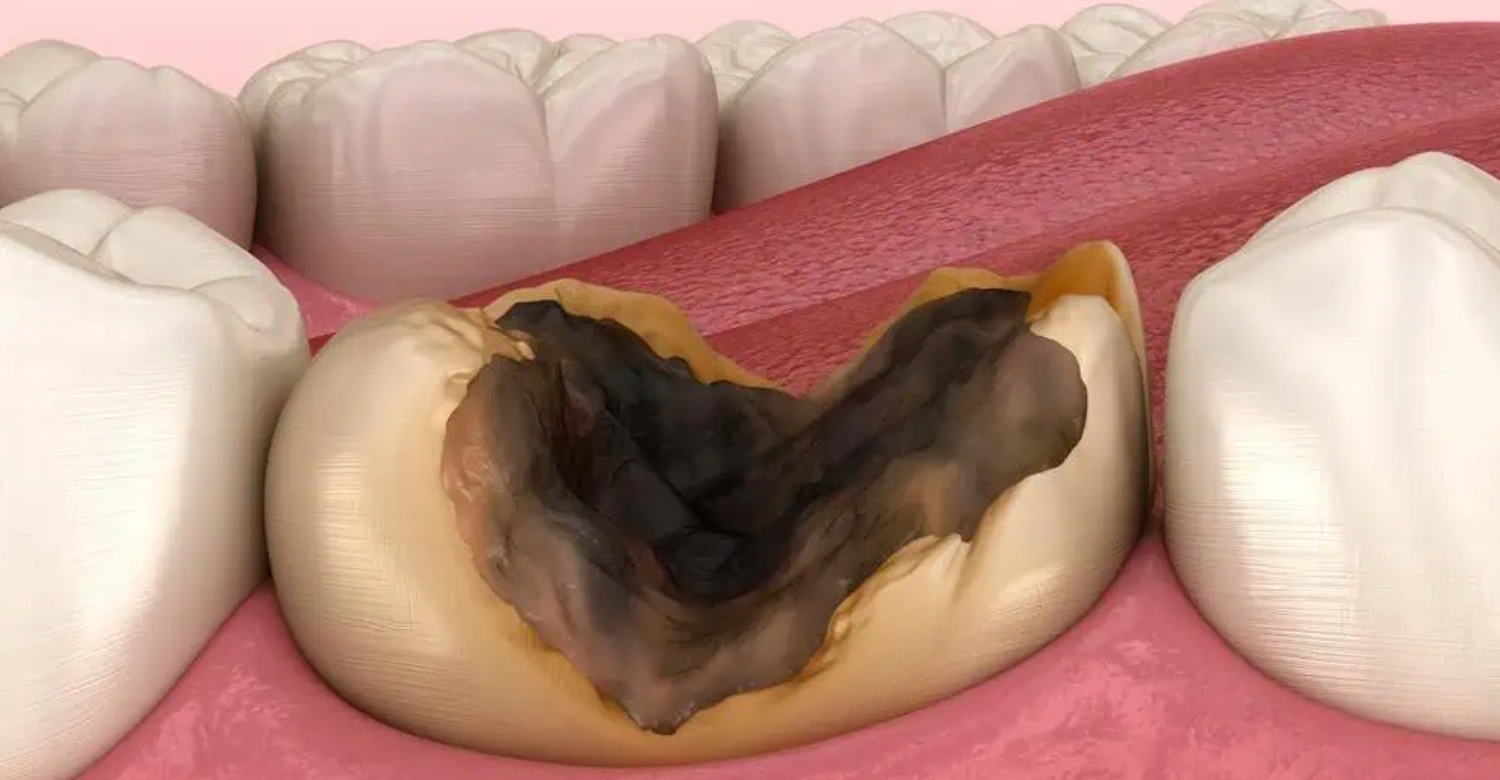
A dead tooth refers to the death of the dental pulp, which is the nerve and blood vessels located inside the tooth. This phenomenon, called tooth necrosis, deprives the tooth of its natural blood supply. Understanding how to save a dead tooth begins with this simple definition: the external structure remains intact, but the living part inside no longer functions, requiring prompt tooth necrosis treatment to avoid complications.
Causes of a Dead Tooth
Several factors can cause dental pulp death. Physical trauma, an untreated deep cavity, or repeated pressure on the tooth can all lead to this result. Knowing how to save a dead tooth involves first identifying the exact cause, as it determines the most suitable treatment. Here are the primary causes encountered at Vitrin Clinic among international patients consulting for this type of dental issue.
Dental Trauma
A direct impact, such as a fall or a blow, can damage the tooth's blood vessels without necessarily breaking it. This trauma can cut off the blood supply, causing gradual pulp death. Symptoms of a dead tooth sometimes appear several weeks after the accident, making monitoring essential. Vitrin Clinic recommends a prompt consultation after any dental trauma, even in the absence of immediate pain. This point helps understand how to save a dead tooth.
Untreated Deep Cavity
An untreated cavity progresses until it reaches the dental pulp, causing infection and subsequent necrosis. This is one of the most common causes of a dead tooth. How do you know if a tooth is dead in this context? The pain initially intensifies, then suddenly subsides when the nerve dies. This deceptive silence often prompts patients to delay consultation, even though a root canal treatment for a dead tooth is still possible at this stage. This is a key element in knowing how to save a dead tooth.
Severe Bruxism
Excessive teeth grinding or clenching exerts continuous pressure on the dental pulp. Over time, this pressure can cut off internal blood circulation and lead to gradual nerve death. Patients suffering from severe bruxism often experience diffuse dead tooth pain that is hard to localize. Vitrin Clinic offers night guards to limit this risk. This is part of the basics of learning how to save a dead tooth.
Repeated Dental Treatments on the Same Tooth
A tooth that has undergone multiple procedures is more fragile. Each successive intervention weakens the pulp and increases the risk of necrosis. Treating a non-vital tooth then becomes a frequent option for these already weakened teeth. Vitrin Clinic closely monitors these high-risk teeth through regular X-ray examinations to anticipate any degradation. An important detail to discover how to save a dead tooth.
Signs and Symptoms of a Dead Tooth
Recognizing the signs of a dead tooth in time allows for action before the situation worsens. Dead tooth symptoms vary from patient to patient, but certain signals occur frequently. How do you know if a tooth is dead? Careful observation of the color, sensitivity, and condition of the surrounding gums provides valuable clues to guide the consultation at Vitrin Clinic. This information sheds more light on how to save a dead tooth.
Color Change (Gray, Yellow, Black)
A change in the color of a dead tooth is often the most visible sign. The tooth may turn gray, dark yellow, or black due to the breakdown of internal tissues. This phenomenon appears gradually, sometimes several months after dental pulp death. A quick consultation at Vitrin Clinic helps evaluate whether a treatment can restore the tooth's natural appearance. This point helps understand how to save a dead tooth.
Pain and Sensitivity to Hot/Cold
Dead tooth pain can be intense at first, then abruptly disappear when the nerve stops functioning. Persistent sensitivity to hot or cold often indicates an active inflammation. This contrast between pain and silence sometimes misleads patients. Vitrin Clinic emphasizes the importance of consulting at the very first signs to save a dead tooth in time. This is a key element in knowing how to save a dead tooth.
Swelling and Bad Breath
Swelling of the gums around the affected tooth often signals an active infection related to a dead tooth. Persistent bad breath, despite good hygiene, can also indicate internal bacterial accumulation. These signs require prompt management. At Vitrin Clinic, a comprehensive clinical examination identifies the exact source of the swelling. This is part of the basics of learning how to save a dead tooth.
Abscess Formation
A dental abscess forms when a dead tooth infection spreads to the root and surrounding tissues. It manifests as a painful lump, sometimes accompanied by fever. This complication represents a dental emergency. Vitrin Clinic prioritizes these cases, combining antibiotics if necessary and root canal treatment to prevent any spread to the bone. An important detail to discover how to save a dead tooth.
How the Dentist Diagnoses a Dead Tooth
The diagnosis relies on several complementary examinations. The dentist performs a visual clinical examination, a pulp vitality test using cold or electricity, and an X-ray to observe the condition of the root and surrounding bone. A CBCT scan may be used for complex cases. These tools help confirm dental pulp death and determine precisely how to save a dead tooth according to each clinical situation at Vitrin Clinic.
Is a Dead Tooth Dangerous?
Is a dead tooth dangerous? Yes, if left untreated. A dead tooth infection can spread to surrounding tissues, cause an abscess, and lead to progressive bone loss around the root. In rare cases, an uncontrolled infection can affect overall health. That is why Vitrin Clinic recommends a consultation at the very first symptoms. This information sheds more light on how to save a dead tooth.
What Happens If a Dead Tooth Is Left Untreated?
What happens if you don't treat a dead tooth? The infection progresses silently, reaching the bone and neighboring tissues. An abscess can form, the tooth can fracture more easily, and extraction sometimes becomes the only remaining option. The longer treatment is delayed, the more therapeutic options shrink. Vitrin Clinic encourages early care to preserve the natural tooth. This point helps understand how to save a dead tooth.
Treatment Options to Save a Dead Tooth
Several solutions exist to save a dead tooth, depending on the degree of damage. Root canal treatment remains the most common and conservative option. When a previous root canal has failed, endodontic retreatment or apical surgery can be considered. Extraction is only used as a last resort. Vitrin Clinic evaluates each case individually to propose the most suitable treatment. This is a key element in knowing how to save a dead tooth.
Root Canal Treatment (Endodontics)
Root canal treatment for a dead tooth involves removing the infected pulp, cleaning and disinfecting the root canals, and then sealing them hermetically. This procedure restores a dead tooth functionally, even though it remains biologically non-vital. This is the most widely used method at Vitrin Clinic to treat tooth necrosis, with a high success rate. This is part of the basics of learning how to save a dead tooth.
Endodontic Retreatment
When an initial root canal fails or a new infection appears, endodontic retreatment is required. The dentist reopens the tooth, removes the old filling material, cleans the canals again, and reseals the tooth. This extra step often saves a dead tooth that seemed compromised. Vitrin Clinic has the necessary equipment to perform this type of retreatment. An important detail to discover how to save a dead tooth.
Apical Surgery
Apical surgery, or apicoectomy, involves surgically removing the infected tip of the root when a standard root canal is not enough. This procedure eliminates residual infection while preserving the natural tooth. It represents a valuable alternative to extraction. Vitrin Clinic offers this technique for complex cases. This information sheds more light on how to save a dead tooth.
Extraction as a Last Resort
When the tooth is too severely damaged, fractured deeply, or when the infection does not respond to any treatment, extraction becomes inevitable. This option always remains the last resort after exploring all alternatives. Vitrin Clinic systematically prioritizes preserving the natural tooth and only recommends extraction when no other solution is possible. This point helps understand how to save a dead tooth.
Root Canal Treatment Step-by-Step
Root canal treatment for a dead tooth follows a precise protocol. each step aims to eliminate the infection while preserving the natural structure of the tooth. Vitrin Clinic uses modern equipment, such as operating microscopes and 3D imaging, to guarantee precision and patient comfort throughout the procedure. This is a key element in knowing how to save a dead tooth.
Anesthesia and Tooth Opening
The procedure begins with local anesthesia to ensure total comfort. The dentist then opens the crown of the tooth to access the infected pulp chamber and root canals. This step, painless thanks to anesthesia, allows for precisely locating the extent of the tooth necrosis. Vitrin Clinic ensures that every patient feels completely safe. This is part of the basics of learning how to save a dead tooth.
Cleaning and Disinfecting the Canals
Once the tooth is open, the dentist removes the infected pulp using specialized instruments, then thoroughly cleans and disinfects the root canals. This step eliminates the bacteria responsible for the dead tooth infection. Meticulous disinfection significantly reduces the risk of future reinfection. Vitrin Clinic utilizes advanced antiseptic solutions. An important detail to discover how to save a dead tooth.
Canal Obturation
After disinfection, the canals are filled with a biocompatible material, usually gutta-percha, to hermetically seal the space left by the removed pulp. This obturation prevents any new infection from setting in. This is a key step to functionally revive a dead tooth. Vitrin Clinic systematically checks the seal of the obturation via X-ray. This information sheds more light on how to save a dead tooth.
Placing a Crown if Necessary
A root-canal-treated tooth becomes more fragile and brittle over time. Placing a crown strengthens its structure and prevents future fractures. It also restores aesthetics, especially in the event of a dead tooth color change. Vitrin Clinic offers zirconia crowns, combining strength and a natural look, for a durable solution. This point helps understand how to save a dead tooth.
How Long Does the Treatment Take?
How long does dead tooth treatment take? Generally, one to two sessions are sufficient for a simple root canal, with each session lasting between 45 and 90 minutes. More complex cases, requiring retreatment or apical surgery, may demand multiple appointments. Vitrin Clinic adapts the schedule according to the complexity of each case. This is a key element in knowing how to save a dead tooth.
Dead Tooth vs Vital Tooth
Comparing a dead tooth vs vital tooth reveals several essential differences. A vital tooth retains its blood supply and natural sensitivity, whereas a dead tooth has lost both functions following dental pulp death. Aesthetically, a dead tooth often changes color over time. Functionally, it remains usable after treatment but becomes more fragile. This is part of the basics of learning how to save a dead tooth.
Extraction or Root Canal? How to Choose
Choosing between extraction vs root canal for a dead tooth depends on several precise clinical criteria. The severity of the infection, bone condition, tooth position on the dental arch, and the patient's age all influence this decision. Vitrin Clinic performs a complete assessment before recommending the most suitable solution. An important detail to discover how to save a dead tooth.
Severity of the Infection
A localized and recent infection generally responds well to a root canal. Conversely, an extensive infection deeply affecting the bone can compromise the success of conservative treatment. The dentist evaluates the extent of the infection via X-ray before deciding how to save a dead tooth or whether to pivot toward extraction.
Amount of Remaining Bone
The amount of bone available around the root directly influences the treatment prognosis. Sufficient bone allows the tooth to be preserved after a root canal or apical surgery. In contrast, significant bone loss limits options and may steer toward extraction. A CBCT scan performed at Vitrin Clinic allows for a precise assessment of this factor. This information sheds more light on how to save a dead tooth.
Position of the Tooth
The tooth's position on the dental arch also influences the choice of treatment. Anterior teeth, being more visible, often benefit from conservative treatment to preserve the aesthetics of the smile. Molars, being subject to greater mechanical stress, may require a different evaluation. Vitrin Clinic takes both this functional and aesthetic aspect into account. This point helps understand how to save a dead tooth.
Patient's Age
The patient's age plays a role in the therapeutic decision. In young patients, preserving the natural tooth is generally preferred to maintain dental arch development. In older patients, the general condition of the dentition and bone health are considered. Vitrin Clinic adapts each treatment plan accordingly. This is a key element in knowing how to save a dead tooth.
Dead Tooth in Children vs Adults
Treating a dead tooth differs depending on whether it is a baby tooth or a permanent tooth. In children, the priority is often to preserve space for the upcoming permanent tooth. In adults, the main goal remains the long-term conservation of the existing tooth. Vitrin Clinic adapts its clinical approach based on age and tooth type. This is part of the basics of learning how to save a dead tooth.
Case of Baby Teeth
For a necrotic baby tooth, the dentist evaluates whether partial pulp treatment is possible or if extraction is preferable, especially when the permanent tooth is close to erupting. Preserving space often remains a higher priority than conserving the baby tooth itself. Vitrin Clinic adopts a gentle approach tailored to young patients. An important detail to discover how to save a dead tooth.
Case of Permanent Teeth
For a permanent tooth, saving a dead tooth via root canal treatment remains the priority, as this tooth will not be replaced naturally. Long-term conservation becomes the main treatment objective. Vitrin Clinic systematically favors conservative solutions for permanent teeth. This information sheds more light on how to save a dead tooth.
Cost of Dead Tooth Treatment
How much does treatment to save a dead tooth cost? The price varies based on several factors, including the number of canals to be treated, the complexity of the case, and whether a crown is required. Vitrin Clinic offers transparent and competitive rates for international patients, with a detailed quote provided after consultation. This point helps understand how to save a dead tooth.
Factors Influencing the Price
The number of root canals, the presence of an advanced infection, the need for retreatment or apical surgery, and the type of final restoration all influence the overall cost. Every non-vital tooth treatment case is unique. Vitrin Clinic provides a personalized quote following a comprehensive clinical examination. This is a key element in knowing how to save a dead tooth.
Root Canal vs Crown: Difference in Cost
Root canal treatment alone represents a baseline cost, whereas adding a crown increases the total price, as it requires additional materials and a separate manufacturing step. However, this crown remains essential to protect the treated tooth in the long run. Vitrin Clinic offers combined packages for better pricing clarity.
How to Prevent a Dead Tooth
Preventing a dead tooth relies on a few simple yet effective habits. Good oral hygiene, appropriate protection during sports activities, and prompt cavity treatment significantly reduce the risks of tooth necrosis. Vitrin Clinic encourages a preventive approach to avoid having to treat a dead tooth later on.
Daily Oral Hygiene
Rigorous brushing twice a day, combined with flossing, limits the accumulation of bacterial plaque responsible for deep cavities. This daily hygiene directly reduces the risk of dental pulp death over time. Vitrin Clinic also recommends an antibacterial mouthwash to reinforce this routine.
Mouthguards for Sports
Wearing a mouthguard during risky sports activities considerably reduces dental trauma that can cause a dead tooth. This device absorbs shocks and protects the anterior teeth, which are the most exposed. Vitrin Clinic offers custom-made mouthguards, which are more comfortable and effective than standard models.
Prompt Cavity Treatment
Treating a cavity as soon as it appears prevents its progression toward the dental pulp. The earlier a cavity is managed, the more simple and conservative the treatments remain. Delaying care increases the risk of a dead tooth infection. Vitrin Clinic encourages its patients never to neglect a cavity, even in the absence of immediate pain.
Regular Dental Checkups
Regular visits to the dentist allow for the early detection of dead tooth signs, which are often invisible to the naked eye. Routine X-rays reveal the onset of necrosis before visible symptoms occur. Vitrin Clinic recommends a checkup every six months to monitor overall dental health.
Care After Dead Tooth Treatment
Following a root canal, a few simple care steps promote proper healing. Avoiding chewing on the treated side for the first few days, maintaining rigorous hygiene, and following the dentist's recommendations help ensure the long-term success of the treatment. Vitrin Clinic provides post-treatment follow-up to check for proper healing.
Post-Treatment Advice
It is recommended to avoid hard or sticky foods on the treated tooth for a few days until the final restoration is placed. Slight sensitivity may temporarily persist after treatment. Vitrin Clinic provides clear guidelines to each patient to optimize healing.
Lifespan of the Treated Tooth
Can a dead tooth become healthy again? Biologically no, but it can function normally for many years after a successful root canal, especially if protected by a crown. Regular follow-up extends its lifespan. Vitrin Clinic provides periodic checkups to guarantee the longevity of the treatment performed.
Misconceptions About Dead Teeth
Many believe that a dead tooth must always be extracted, which is false in most cases. Others think that a dead tooth can no longer cause pain, whereas the underlying infection remains very real. Understanding how to save a dead tooth helps debunk these misconceptions. Vitrin Clinic systematically informs its patients to clear up these common misunderstandings.
What We Observe Clinically
According to our medical team at Vitrin Clinic, most dead teeth detected early can be saved through appropriate root canal treatment. Our team highlights that color change often remains the first clinical sign observed in Vitrin Clinic patients. A prompt consultation upon the appearance of the first symptoms is always recommended to avoid extraction.
Why Choose Vitrin Clinic for This Treatment?
Vitrin Clinic combines clinical expertise with advanced technologies, such as CBCT and intraoral scanners, for an accurate diagnosis. Support for international patients includes appointment coordination, translation, and post-treatment follow-up. This comprehensive approach makes Vitrin Clinic a reliable choice for anyone looking into how to save a dead tooth within a professional and reassuring setting.
Conclusion
Saving a dead tooth is possible in most cases, provided you act quickly at the first signs. From diagnosis to root canal treatment and prevention, every step counts to preserve your natural smile. Vitrin Clinic accompanies international patients at every stage of this journey. Schedule an appointment with Vitrin Clinic today for a personalized diagnosis and a treatment plan tailored to your situation.
References:
FAQs

Dr. Rifat Alsaman has more than 5 years of clinical experience in dentistry and currently serves as the Head of the Medical Team at Vitrin Clinic. He is dedicated to providing exceptional patient care, overseeing treatment planning, and ensuring the highest clinical standards across the team. His expertise, attention to detail, and commitment to continuous professional development have helped countless patients achieve healthier, more confident smiles.


