
A dental cyst is one of the most underestimated oral health conditions, yet its consequences can be severe when neglected. Whether you have recently received a diagnosis or are simply looking to understand this phenomenon, this article guides you through the causes, symptoms, diagnosis, and available treatment options. Discover how to protect your oral health and why prompt management is essential.
Introduction
A dental cyst is a silent pathology that often develops without visible pain for months or even years. It can affect anyone, at any age, and generally forms around tooth roots or inside the jawbone. Without early diagnosis and appropriate treatment, it can lead to serious complications: bone destruction, widespread infections, or tooth loss. Understanding dental cyst causes is the first step toward lasting and preserved oral health.
What Is a Dental Cyst?
A dental cyst is a closed pathological cavity filled with fluid or semi-solid matter that forms inside oral tissues. It most commonly develops in the jawbone, around tooth roots, or in the gums. Unlike an abscess, this formation evolves slowly and frequently goes unnoticed during visual examinations. This is why dental cyst X-ray imaging remains the reference tool for its detection. Early management is essential to avoid serious complications affecting overall oral health.
Dental Cyst: Definition and How It Forms
This pathology forms when abnormal epithelial cells begin to proliferate in oral tissues, creating a fluid-filled cavity. This process is often triggered by a dental cyst infection, a trauma, or a developmental abnormality. Growth is progressive and silent. By exerting increasing pressure on surrounding structures, the lesion eventually causes resorption of the jawbone. Understanding this mechanism helps grasp the importance of rapid diagnosis and appropriate dental cyst treatment.
The Different Types of Dental Cysts
Several types of cystic formations exist, each with a distinct origin. The periapical cyst is the most common: it forms at the tip of the root of a devitalized tooth following a dental cyst infection. The dentigerous cyst develops around an unerupted tooth. The residual cyst appears after an incomplete tooth extraction. Other types, such as keratocystic odontogenic tumors, are rarer but potentially more aggressive for the jawbone. Precise identification guides the dental cyst treatment plan.
What Are the Causes of a Dental Cyst?
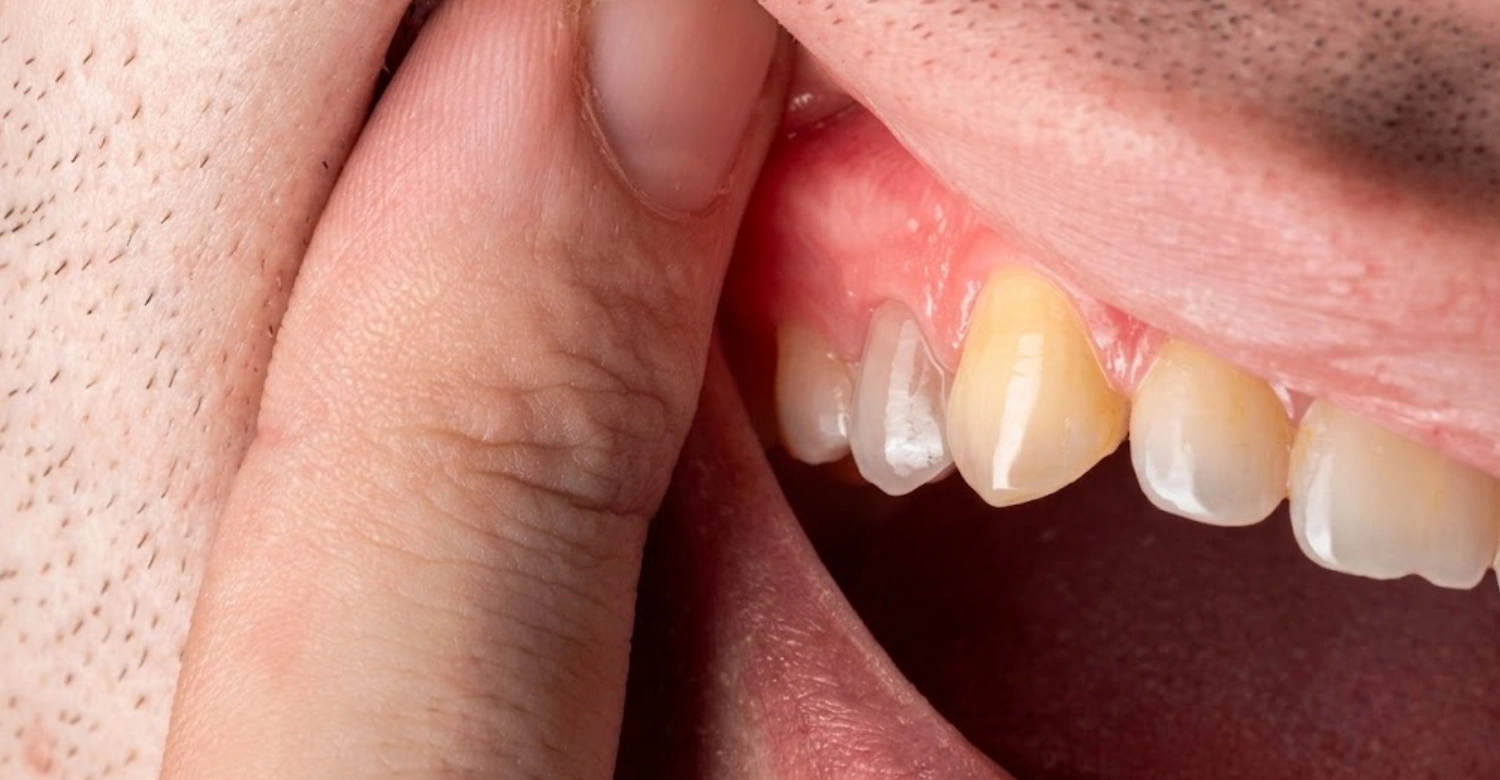
Dental cyst causes are multiple and varied. They can be infectious, traumatic, developmental, or iatrogenic in origin. In the majority of cases, the lesion results from an untreated or poorly managed dental cyst infection leading to pulp necrosis. Other factors such as physical trauma, incomplete extractions, or congenital abnormalities also play a significant role. Precisely identifying the cause is fundamental to establishing an effective dental cyst treatment adapted to each individual clinical situation.
Chronic Infections and Untreated Cavities
One of the main dental cyst causes is chronic infection of carious origin. When a deep cavity reaches the dental pulp without being treated, it leads to the death of pulp tissue. This necrosis creates an infectious focus at the root tip, promoting the formation of a periapical cyst. The dental cyst infection then progressively settles in the jawbone. Without appropriate treatment, the infection can spread to neighboring structures. Rigorous oral hygiene and regular dental check-ups help prevent this progression.
Dental Trauma
A violent blow to a tooth can irreparably damage the root or cause pulp necrosis, even without a visible fracture. This trauma creates favorable conditions for a dental cyst infection that evolves silently. Months or years after the initial shock, a cyst at the root of a tooth can form without the patient being aware. Diagnosis through dental cyst X-ray imaging is then essential to detect this late complication. Dental cyst prevention also involves physically protecting teeth during sporting activities.
Developmental Abnormalities of the Teeth
Some cystic formations are of developmental origin, linked to abnormalities occurring during tooth formation. These formations are often present from birth or appear during childhood and adolescence. The dentigerous cyst, which surrounds an unerupted tooth, is the most representative example. These developmentally originated formations are sometimes genetic and can remain asymptomatic for many years. Their discovery during a routine dental cyst X-ray is common. Regular monitoring allows tracking their evolution and planning appropriate treatment.
Residual Cysts After Tooth Extraction
The residual cyst is a direct complication of an incomplete tooth extraction. Fragments of epithelial tissue left in the socket can develop after the procedure. This type of formation often goes unnoticed because the extraction site appears to have healed normally. It is only during a subsequent dental cyst X-ray that the residual cyst is discovered. Without treatment, it continues to grow in the jawbone, potentially compromising adjacent teeth. Rigorous post-extraction follow-up is therefore essential for oral health.
Poorly Performed Dental Treatments
Dental care performed incorrectly or incompletely can also feature among dental cyst causes. An insufficient root canal treatment leaving bacteria in the root canals, a crown placed on an infected tooth, or filling material extending beyond the root apex can all trigger a dental cyst infection. These situations create a favorable environment for the formation of a cyst at the root of a tooth. Choosing a specialized clinic with rigorous protocols, such as Vitrin Clinic, is essential to avoid these preventable complications.
What Are the Symptoms of a Dental Cyst?
Dental cyst symptoms vary considerably from patient to patient. Some formations remain completely silent for years, while others cause intense pain, visible swelling, or infectious complications. This variability makes diagnosis particularly difficult without appropriate medical imaging. It is therefore crucial not to wait for obvious clinical signs before consulting. Regular dental check-ups combined with periodic dental cyst X-ray imaging allow early detection of these lesions before they compromise overall oral health.
Pain and Pressure in the Jaw
Pain is one of the most frequently reported dental cyst symptoms, although it generally appears at an advanced stage. It manifests as dull pressure or throbbing pain in the jawbone and can radiate toward the ear, temple, or neck. This pain intensifies as the lesion grows or becomes infected. An active dental cyst infection considerably aggravates the discomfort experienced. Not confusing this pain with simple dental sensitivity is crucial. Rapid consultation and precise diagnosis help prevent worsening of symptoms.
Visible Swelling Around the Gums or Face
Progressive swelling of the gums or face constitutes one of the most visible and alarming dental cyst symptoms. This swelling reflects the expansion of the lesion into surrounding tissues. When it affects the jawbone, it can cause notable facial deformation. The affected area is often tender to the touch. This symptom may be accompanied by a localized sensation of heat, a sign of an associated dental cyst infection. In case of persistent swelling, even painless, immediate consultation and dental cyst X-ray imaging are required to accurately assess the situation.
Tooth Mobility and Shifting Teeth
Tooth mobility is a revealing sign that the lesion has begun exerting pressure on the supporting structures of neighboring teeth. By developing in the jawbone, it erodes the bony tissue that keeps teeth in place, causing their progressive displacement. This symptom is particularly concerning as it can lead to the loss of healthy teeth if dental cyst treatment is not initiated promptly. A dental cyst X-ray will measure the extent of bone destruction and guide the appropriate therapeutic strategy to preserve oral health.
Infection and Pus Discharge
When a cystic formation becomes infected, dental cyst symptoms become much more acute and concerning. The dental cyst infection manifests as pus discharge at the gum level, persistent bad breath, intense pain, and difficulty opening the mouth. Fever may also appear, indicating that the infection is beginning to spread. In these cases, emergency treatment is essential. Antibiotic therapy helps control the infection initially before a planned surgical intervention. Never ignore these signs, which represent a truly dangerous dental cyst threatening general health.
Asymptomatic Dental Cyst: When It Goes Unnoticed
A large proportion of cystic formations present no visible symptoms for years. These asymptomatic lesions constitute one of the major challenges of diagnosis. They are discovered incidentally during a dental cyst X-ray performed for another reason. Despite the absence of pain, these formations continue to grow silently, progressively destroying the jawbone and weakening neighboring teeth. This is why regular dental check-ups with radiographic assessment are essential. Early detection, even in the absence of dental cyst symptoms, allows less invasive and more effective treatment.
Is a Dental Cyst Dangerous?
The question of a dangerous dental cyst deserves a clear answer: yes, such an untreated formation can represent a serious health risk. Although its growth is slow, its effects on the jawbone, adjacent teeth, and surrounding nerve structures can be irreversible. The associated dental cyst infection can in some cases spread well beyond the oral cavity. Early diagnosis and appropriate dental cyst treatment are therefore the only effective means of neutralizing this risk and preserving long-term oral health.
Bone Resorption and Weakening of the Jaw
One of the most serious consequences of a dangerous dental cyst is bone resorption. By developing inside the jawbone, the lesion exerts constant pressure that progressively destroys the surrounding bony tissue. This destruction can considerably weaken the jaw structure, increasing the risk of spontaneous fractures in the most advanced cases. The larger the lesion, the more extensive the bone damage. Diagnosis by CT scan allows precise evaluation of the extent of this resorption and planning of appropriate surgical dental cyst treatment.
Risk of Infection Spreading
An infected dangerous dental cyst can become a source of widespread bacterial contamination. The dental cyst infection does not necessarily remain confined to the oral cavity. It can spread to the soft tissues of the neck, the cervicofacial space, or even reach the bloodstream in the most severe cases, causing septicemia. These systemic complications, although rare, are life-threatening. This is why any infected lesion must be managed urgently. Regular dental check-ups and good oral hygiene remain the best defenses against this risk.
Impact on Adjacent Teeth and Nerves
An expanding dangerous dental cyst does not merely destroy bone: it can also compress and damage the roots of neighboring teeth, causing their root resorption and ultimately their loss. Dental nerves and the inferior alveolar nerve can be affected, causing numbness or paresthesia of the lip, chin, or tongue. A cyst at the root of a large tooth can also displace important anatomical structures. These neurological damages, sometimes irreversible, underline the urgency of early diagnosis and rapid, targeted dental cyst treatment.
How Is a Dental Cyst Diagnosed?
Dental cyst diagnosis relies essentially on medical imaging, as the majority of lesions are asymptomatic in their early stages. Clinical examination alone is insufficient to confirm their presence. The combination of several imaging techniques allows precise identification of the location, size, and relationship with neighboring structures. Once diagnosis is established, the practitioner can propose personalized treatment. At Vitrin Clinic, every diagnostic assessment integrates the most advanced imaging technologies to guarantee optimal management of each patient's oral health.
Panoramic Dental X-Ray
Dental cyst X-ray imaging is systematically the first examination performed to detect a cystic lesion. The panoramic X-ray provides a global view of all teeth, jaws, and surrounding bony structures. It allows identification of a characteristic radiological transparency zone, approximate measurement of lesion size, and assessment of its impact on the jawbone. This quick, painless, and inexpensive examination constitutes the cornerstone of dental cyst diagnosis in everyday practice. Regular dental check-ups including periodic X-ray imaging allow detection of asymptomatic lesions before any complication arises.
CT Scan (Computed Tomography)
The CT scan, or computed tomography (cone beam in dentistry), is indicated when dental cyst X-ray imaging reveals a large or complexly located lesion. It provides precise three-dimensional images of the jawbone, allowing exact evaluation of bone destruction extent and relationships with nerve structures. The CT scan is an indispensable tool for surgical planning of a cystectomy or marsupialization. It also allows differentiation of the lesion from other bone pathologies. At Vitrin Clinic, the CT scan is integrated into the standard dental cyst diagnosis protocol for all complex cases.
MRI and Clinical Examination
MRI is reserved for cases where the content and boundaries of the lesion require more precise evaluation, notably to distinguish a cyst from a soft tissue tumor. It effectively complements dental cyst X-ray imaging and CT scanning in complex clinical situations. Clinical examination remains the starting point of dental cyst diagnosis: the practitioner palpates the suspicious area, evaluates tooth mobility, and looks for swelling or discharge. The combination of clinical examination and imaging techniques guarantees reliable diagnosis, allowing dental cyst treatment to be guided precisely and ensuring the best possible oral health.
What We Notice Clinically
At Vitrin Clinic, cystic lesions represent a significant proportion of cases managed daily. Dr. Rifat Alsaman, Head of the Medical Team and cosmetic dentist specialist, emphasizes that the majority of patients who consult have ignored their condition for too long. Thanks to a rigorous diagnostic approach combining dental cyst X-ray imaging and 3D imaging, Vitrin Clinic is able to detect and treat lesions at all stages, offering fully personalized dental cyst treatment plans for each international patient welcomed to the clinic.
The Most Common Cases Seen by Dr. Rifat Alsaman
According to Dr. Rifat Alsaman, Head of the Medical Team at Vitrin Clinic, the periapical cyst is by far the most frequently encountered case in consultation. It is generally associated with a neglected carious dental cyst infection or an insufficiently performed root canal treatment. Dr. Rifat Alsaman also regularly observes residual cysts in patients who have undergone extractions at other facilities. These cases illustrate the importance of rigorous post-operative follow-up and regular dental check-ups including dental cyst X-ray imaging to guarantee lasting oral health.
Why Do Patients Often Come Too Late?
Dr. Rifat Alsaman, Head of the Medical Team at Vitrin Clinic, observes that many patients only consult when the lesion has become symptomatic, meaning at an advanced stage. The absence of dental cyst symptoms in early phases is the main reason for this delay. Patients often do not know that a cyst at the root of a tooth can evolve silently for years. Fear of the dentist and the absence of regular dental check-ups amplify this phenomenon. Dr. Rifat Alsaman insists that early diagnosis allows less invasive, less costly, and more effective treatments for oral health.
Vitrin Clinic's Clinical Approach to Dental Cysts
At Vitrin Clinic, the therapeutic approach is comprehensive and patient-centered. Dr. Rifat Alsaman, Head of the Medical Team and cosmetic dentist, oversees strict diagnostic and therapeutic protocols integrating the latest advances in imaging and oral surgery. Each lesion is evaluated individually: its size, location, impact on the jawbone, and adjacent structures are analyzed meticulously before any therapeutic decision. This clinical rigor guarantees optimal results and rapid recovery, while maximally preserving the oral health of every patient welcomed at Vitrin Clinic.
How Is a Dental Cyst Treated?
Dental cyst treatment depends on several factors: the size and location of the lesion, its type, stage of evolution, and the patient's general health. There is no universal protocol; each clinical situation requires a personalized approach. Therapeutic options range from simple monitoring for small asymptomatic lesions to complex surgery for those that have destroyed the jawbone. The primary objective of dental cyst treatment is to eliminate the lesion, control the dental cyst infection, preserve adjacent teeth, and restore optimal oral health for the patient.
Cystectomy: Complete Surgical Removal of the Cyst
Cystectomy is the reference method for surgical treatment. It consists of total removal of the lesion and its membrane, performed under local anesthesia. This technique is preferred for medium to large lesions, notably the periapical cyst and residual cyst. Cystectomy offers the advantage of definitively eliminating the lesion and allowing histological analysis of the removed tissue. Post-operative recovery generally lasts one to two weeks. At Vitrin Clinic, cystectomy is performed according to strict surgical protocols to guarantee complete elimination of the dental cyst infection and protect the jawbone.
Marsupialization: Drainage and Progressive Reduction
Marsupialization is an alternative to cystectomy, indicated when the lesion is too large or too close to vital structures to allow complete removal without risk. This technique consists of opening the lesion, draining its contents, and suturing its edges to the oral mucosa, creating a permanent communication with the oral cavity. The lesion is then led to progressively decompress, reducing its size before a possible secondary cystectomy. Marsupialization is particularly suited to lesions affecting the jawbone in young patients. Vitrin Clinic performs this technique with precision to preserve oral health.
Endodontic Treatment (Root Canal Treatment)
Endodontic treatment (root canal treatment) is the dental cyst treatment of choice when the lesion is directly caused by pulp necrosis, notably in the case of the periapical cyst. It consists of removing the infected pulp, thoroughly disinfecting the root canals, and sealing them hermetically. This treatment often allows treating a cyst at the root of a tooth without resorting to surgery, by eliminating the source of the dental cyst infection. After this procedure, a dental cyst X-ray check-up is performed at regular intervals to monitor lesion regression and confirm the return to normal oral health.
Antibiotic Therapy as a Complementary Treatment
Antibiotic therapy does not in itself constitute a curative dental cyst treatment, but plays an essential complementary role, particularly in cases of active dental cyst infection. Antibiotics help control bacterial spread, reduce inflammation, and prepare the ground before surgical intervention. They are also prescribed post-operatively to prevent secondary infections after cystectomy or marsupialization. Antibiotic therapy is always associated with mechanical or surgical treatment, as only physical elimination of the lesion guarantees cure. At Vitrin Clinic, antibiotic protocols are adapted to each patient for optimal oral health management.
Monitoring and Radiographic Follow-Up
For certain small asymptomatic lesions, active monitoring through dental cyst X-ray imaging may be considered before initiating invasive dental cyst treatment. This approach consists of performing regular radiographic assessments to track lesion evolution and intervene if progression is noted. It is particularly suited to patients with temporary surgical contraindications. However, monitoring must never be a pretext for prolonged inaction in the face of a progressing dangerous dental cyst. At Vitrin Clinic, radiographic follow-up is systematized after all treatment to confirm complete healing and guarantee long-term preservation of oral health.
How Can You Prevent a Dental Cyst from Forming?
Dental cyst prevention relies on simple but rigorously applied habits. While some formations of developmental origin cannot be avoided, the vast majority of cases result from neglected oral health problems that could have been detected and treated early. Adopting good daily oral hygiene, combined with regular dental check-ups including dental cyst X-ray imaging, constitutes the most effective prevention strategy. Investing in your oral health today means avoiding complex and costly treatments tomorrow. Here are the key measures to adopt to significantly reduce this risk.
Regular Dental Check-Ups: The Key to Prevention
Regular dental check-ups are the cornerstone of dental cyst prevention. A semi-annual or annual assessment including a panoramic dental cyst X-ray allows detection of nascent lesions before they become problematic. Many asymptomatic formations, notably the periapical cyst, are discovered only through these routine examinations. The practitioner can then initiate early treatment, less invasive and less costly. At Vitrin Clinic, every consultation includes a complete diagnostic assessment to guarantee the oral health of our international patients. Never postpone a dental check-up, even in the absence of dental cyst symptoms.
Effective Daily Oral Hygiene
Impeccable oral hygiene is the first line of defense against the dental infections at the origin of cystic lesions. Brushing teeth at least twice daily with fluoride toothpaste, using dental floss daily, and completing with an antibacterial mouthwash are essential gestures. These habits reduce bacterial plaque, prevent cavities, and limit the risk of dental cyst infection at the origin of the periapical cyst. Good oral hygiene also preserves the gums, reducing the risk of periodontal complications that can promote the formation of a cyst at the root of a tooth. Dental cyst prevention truly begins at home, every day.
Treating Cavities and Gum Disease Promptly
Any cavity, even minor, must be managed promptly to prevent its evolution toward a dental cyst infection. An untreated cavity progresses inexorably toward the dental pulp, causing its necrosis and the formation of a periapical cyst. Similarly, untreated periodontal diseases weaken the supporting structures of teeth and can promote these pathological formations. Dental cyst prevention therefore requires immediate reactivity to any oral symptom, however benign it may appear. At Vitrin Clinic, we encourage our patients never to ignore dental pain or sensitivity, as these signals often precede the appearance of a dangerous dental cyst.
Protecting Your Teeth from Trauma
Dental trauma constitutes one of the most underestimated dental cyst causes. A blow received during a sporting activity, a fall, or an accident can cause pulp necrosis and, ultimately, the formation of a cyst at the root of a tooth. Wearing a custom mouthguard during contact sports is a simple and effective dental cyst prevention measure. After any dental trauma, even without apparent pain, a consultation and dental cyst X-ray are required to rule out any invisible lesion. Protecting your teeth means preserving your oral health long-term and avoiding potentially irreversible complications.
Dental Cyst Treatment in Istanbul — Why Choose Vitrin Clinic?
Istanbul is today one of the world's leading destinations for quality dental care. Vitrin Clinic stands out through its recognized expertise in oral surgery, state-of-the-art technical facilities, and comprehensive international patient care. Whether you consult for a periapical cyst, a residual cyst, or any other cystic lesion, Vitrin Clinic offers a rigorous diagnostic and therapeutic approach. Thousands of foreign patients have chosen Vitrin Clinic for their dental cyst treatment and regained optimal oral health in the best possible conditions, with personalized support at every stage of their care journey.
Recognized Expertise Under the Leadership of Dr. Rifat Alsaman
Dr. Rifat Alsaman, Head of the Medical Team and cosmetic dentist at Vitrin Clinic, brings exceptional clinical expertise in the management of cystic lesions. His mastery of surgical techniques, notably cystectomy and marsupialization, combined with a comprehensive aesthetic approach, guarantees both functional and aesthetic results. Under his leadership, the Vitrin Clinic team treats each case with the precision this type of pathology demands. Dr. Rifat Alsaman personally ensures that each dental cyst treatment is adapted to the patient's specific needs, taking into account the state of the jawbone and overall oral health.
Advanced Diagnostic Technology at Vitrin Clinic
At Vitrin Clinic, dental cyst diagnosis benefits from the most modern imaging technologies available. The use of cone beam (CBCT), digital dental cyst X-ray imaging, and MRI allows obtaining a precise three-dimensional mapping of the lesion and its relationships with surrounding structures. This diagnostic precision is essential for planning safe and effective surgical treatment, notably when the lesion is located near the inferior alveolar nerve or other sensitive structures. Vitrin Clinic's cutting-edge technology guarantees reliable diagnosis, reducing surgical risks and optimizing results for every patient's oral health.
Comprehensive International Patient Care
Vitrin Clinic welcomes patients from around the world and has developed an organization specifically adapted to their needs. From the initial online consultation through to remote post-operative follow-up, including comprehensive logistical support (transportation, accommodation, interpretation), Vitrin Clinic ensures a seamless care journey. Patients coming to treat their cystic lesion in Istanbul benefit from European quality care at competitive rates. Dental cyst treatment at Vitrin Clinic includes post-operative radiographic follow-up and check-up consultations to guarantee complete healing and lasting preservation of oral health.
Conclusion
A dental cyst is a serious pathology that deserves rigorous medical attention and prompt management. From multiple dental cyst causes to varied dental cyst treatment options, through dental cyst diagnosis and dental cyst prevention, this article has provided you with all the keys to understand and act against this condition. Whether it is a periapical cyst, a residual cyst, or a cyst at the root of a tooth, no lesion should be ignored. At Vitrin Clinic, dedicated experts are at your disposal to guide you toward optimal oral health. Never let a dangerous dental cyst become an emergency: consult today.
Reference:
FAQs

Dr. Rifat Alsaman has more than 5 years of clinical experience in dentistry and currently serves as the Head of the Medical Team at Vitrin Clinic. He is dedicated to providing exceptional patient care, overseeing treatment planning, and ensuring the highest clinical standards across the team. His expertise, attention to detail, and commitment to continuous professional development have helped countless patients achieve healthier, more confident smiles.
.webp&w=3840&q=75)


