Dental Implant
November 1, 2026
Dental Implants Abroad: Costs, Best Countries, Safety & Complete Treatment Guide
 Dr. Rifat Alsaman

Dental implants abroad attract patients who want quality treatment at a lower price. This guide explains costs, safety, recovery and aftercare. It helps you compare clinics and countries with confidence. Always confirm any plan with a qualified dentist after a full examination.
Key Takeaways
Choose the right country: Compare safety standards, regulations and clinic reputation.
Check surgeon qualifications: Verify experience, registration and implant expertise.
Compare treatment costs: Include surgery, crowns, travel, accommodation and aftercare.
Check implant materials: Ask about implant brands, crown materials and documentation.
Get a full assessment: Bone health, gum condition and medical history determine suitability.
Understand the treatment timeline: Most patients need two trips and several months of healing.
Prioritise safety and aftercare: Confirm follow-up arrangements, warranty terms and complication support.
Request a written estimate: Check all inclusions and exclusions before paying.
Ready to transform your smile?
Talk to our team and get a personal FREE treatment plan.
What Are Dental Implants Abroad and How Does Dental Tourism Work?
Dental implants abroad involve travelling overseas for assessment, implant placement and restorative treatment. Dental tourism may also include accommodation, transport and recovery arrangements. Successful treatment requires careful planning and follow-up.
Dental implants are usually titanium artificial roots placed in the jawbone. Through osseointegration, they integrate with the bone and support crowns, bridges or dentures. This restores function and replaces missing teeth.
Why Do Patients Choose to Get Dental Implants Abroad?
Patients may choose overseas treatment for lower costs, shorter waiting times and access to different implant systems. Some clinics also offer accommodation and transport. However, clinical standards, materials, planning and long-term follow-up remain essential considerations.
What Types of Dental Implant Treatments Are Available Overseas?
Treatment depends on the number of missing teeth, bone health and bite condition.
Single Tooth Dental Implants
Multiple Dental Implants
Full Mouth Dental Implants Abroad
Implant-Supported Bridges and Dentures
Full-Arch Rehabilitation: All-on-4, All-on-6 and All-on-8
What Is the Best Country for Dental Implants Abroad?
Turkey is one of the best destinations for dental implants abroad, particularly for patients seeking competitive prices and coordinated dental care. Istanbul attracts international patients through its established dental tourism sector, modern clinics and convenient international flight connections.
According to official data published by USHAŞ, 1,506,442 people travelled to Turkey for healthcare services in 2024, generating approximately $3.02 billion in healthcare tourism revenue. This highlights Turkey's strong position as an international healthcare destination. However, these figures cover all medical treatments, not dental implants alone.
Turkey also offers competitive implant prices compared with countries such as the United States and the United Kingdom. Patients can access different implant systems and restorative options, depending on their clinical needs and chosen clinic.
However, no single country is the best choice for every patient. The right destination depends on several factors, including dental regulations, the treating surgeon's qualifications, treatment costs, travel arrangements and long-term aftercare. Patients should compare clinics and complete treatment plans rather than choosing based on price or popularity alone.



How to Choose Safe and Reputable Overseas Dental Implant Clinics
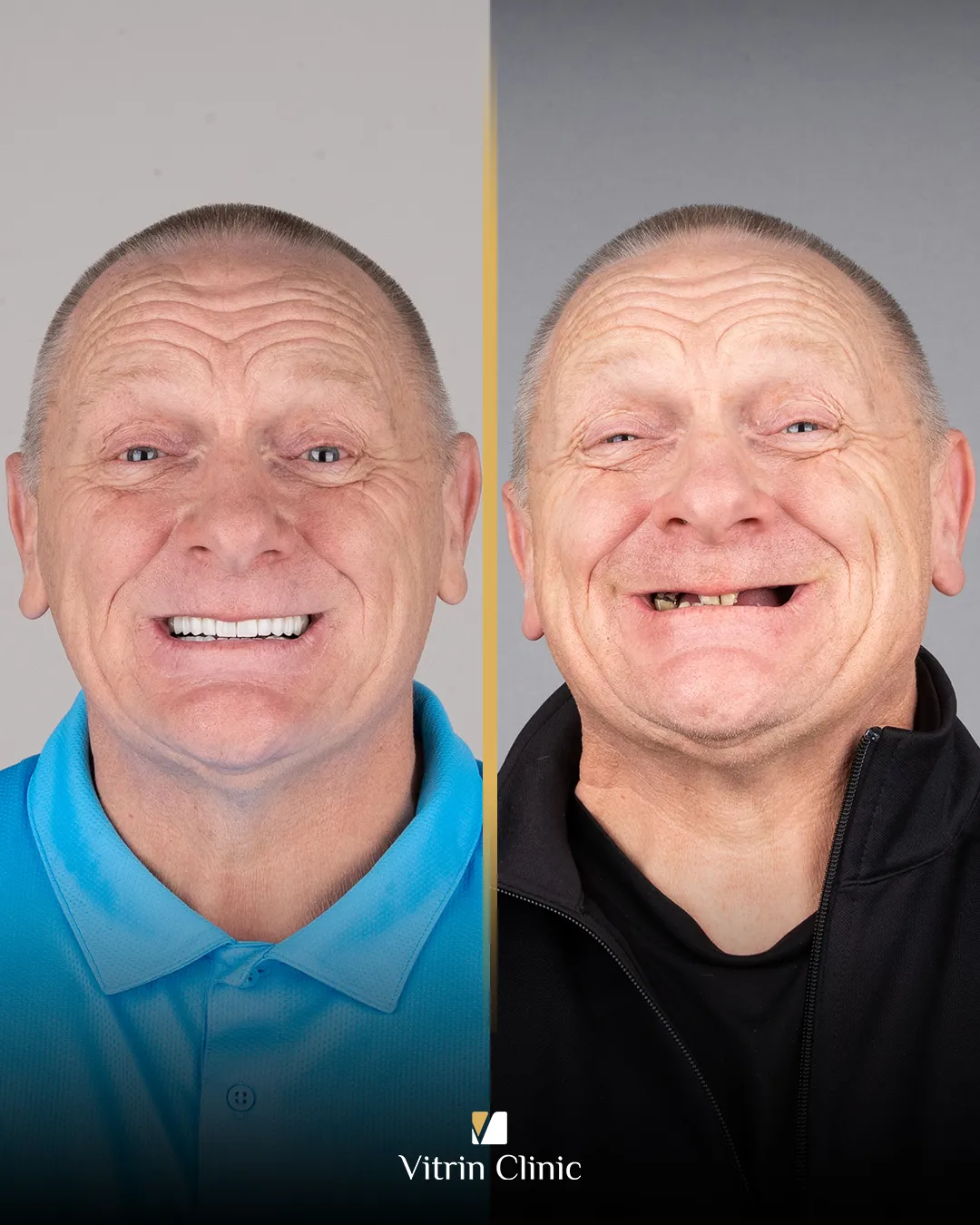
Choosing a reliable overseas dental implant clinic requires more than comparing prices. Check its licensing, surgical team's experience, implant materials and aftercare arrangements. A trustworthy clinic should explain treatment risks, provide clear documentation and never guarantee results.
How Can You Verify a Dental Implant Clinic and Its Specialists?
Check that the clinic holds a valid licence from the relevant health authority. Confirm the treating dentist's registration, qualifications and postgraduate implant training. Ask who will perform your surgery and whether they regularly handle cases similar to yours.
What Implant Brands and Materials Should You Check Before Treatment?
Ask for the exact implant manufacturer, model and prosthetic materials before agreeing to treatment. Established manufacturers provide product information and traceability.
Your written treatment plan should identify:
Implant brand, model and dimensions.
Abutment type and material.
Crown or prosthesis material, such as zirconia or porcelain.
Implant identification card and batch details.
Keep these records for future dental appointments and maintenance.
What Safety and Quality Standards Should a Dental Implant Clinic Meet?
Check the clinic's facility authorisation, sterilisation procedures and infection control practices. Instruments should undergo appropriate sterilisation, while single-use items must be handled safely.
Also, look for genuine patient reviews and verifiable treatment photographs. Independent feedback can help you assess communication, patient support and treatment experiences.
What Are the Warning Signs of an Unreliable Overseas Dental Implant Clinic?
Be cautious if a clinic:
Promises guaranteed implant success or perfect results.
Offers treatment without proper examination or imaging.
Refuses to disclose implant brands or surgeon qualifications.
Provides vague prices without written treatment details.
Pressures patients to pay before explaining the treatment.
Cannot provide implant records or follow-up arrangements.
How Much Do Dental Implants Abroad Cost? US vs UK vs Turkey
Dental implant costs vary depending on the treatment type, implant brand, materials and clinic. Turkey generally offers lower treatment prices than the United States and United Kingdom. The following table compares indicative treatment costs across the three destinations.
Average Dental Implant Costs by Treatment Type: Turkey vs US vs UK
United Kingdom
$1,900
Estimated treatment costs in USD
Single dental implant: $1,900 – $3,500
✓ All-on-4 per jaw: $10,000 – $18,000
✓ All-on-4 both jaws: $20,000 – $36,000
Turkey
$500
Estimated treatment costs in USD
Single dental implant: $500 – $1,800
✓ All-on-4 per jaw: $3,250 – $8,450
✓ All-on-4 both jaws: $6,500 – $16,900
United States
$3,000
Estimated treatment costs in USD
Single dental implant: $3,000 – $6,000
✓ All-on-4 per jaw: $18,000 – $30,000
✓ All-on-4 both jaws: $36,000 – $60,000
Why Do Dental Implant Costs Differ Between Countries?
Several factors explain international price differences. These include local operating expenses, laboratory fees, implant manufacturers and clinical requirements.
Turkey generally has lower operating and treatment costs than the US and UK. This can make dental implant treatment more affordable without automatically indicating lower clinical standards.
However, patients should compare the complete treatment plan rather than headline prices. The quotation should clearly identify the implant system, prosthetic materials, included procedures and follow-up arrangements.
What Factors Affect the Final Cost of Dental Implants?
The final quotation depends on individual clinical requirements, including:
Number of implants: Replacing several teeth usually requires more materials and surgical work.
Implant brand: Different manufacturers offer different implant systems and product specifications.
Restoration materials: Zirconia, porcelain and acrylic restorations have different costs.
Bone grafting and sinus lifts: Additional procedures may increase treatment expenses.
Diagnostic requirements: CBCT scans and digital planning may affect the quotation.
Temporary and final teeth: Some clinics include both restoration stages, while others charge separately.
.webp)
Dental Implant Packages Abroad: What Should Patients Expect?
Dental implant packages combine clinical treatment with additional travel or patient services. However, package contents differ between clinics. A lower package price does not necessarily mean better overall value.
What Do All-Inclusive Dental Implant Packages Usually Include?
Depending on the clinic, an overseas dental implant package may include:
Initial consultation and treatment assessment.
Dental implant surgery.
Temporary teeth, when clinically appropriate.
Final crowns or prosthetic restorations.
Digital imaging and treatment planning.
Hotel accommodation and airport transfers, if offered.
Patient coordination and post-treatment instructions.
Always request a written breakdown of included services.
Are Flights, Hotels and Airport Transfers Included in Dental Implant Packages?
Flights are usually separate from dental treatment packages. Some clinics arrange hotel accommodation and airport transfers as additional services or package benefits.
Confirm the accommodation duration, transport arrangements and any extra charges before booking.
Are Implant Surgery, Temporary Teeth and Final Crowns Included in Dental Implant Packages?
Implant surgery may be included in the quoted treatment package. However, temporary teeth and final restorations are not always covered by the same price.
Ask whether both restoration stages are included and whether additional appointments or refinements involve extra charges.
What Is Usually Excluded from Overseas Dental Implant Packages?
Some procedures and services may fall outside the original package, including:
Bone grafting and sinus lift procedures.
Additional tooth extractions.
Unplanned diagnostic investigations.
Additional accommodation or travel days.
Treatment for unexpected complications.
Replacement or repair of prosthetic restorations.
How Can You Identify Hidden Costs Before Booking?
Request an itemised written estimate before paying a deposit. Check what happens if your examination reveals additional treatment requirements.
Also, clarify the costs of extra procedures, accommodation extensions, replacement restorations and follow-up visits. This helps prevent unexpected expenses.
Are Dental Implant Packages Suitable for Every Patient?
No. Dental implant packages cannot replace individual clinical assessments. Your suitability depends on bone volume, gum health, general oral condition and treatment requirements.
A reliable clinic should confirm the treatment plan after reviewing your dental records and completing the necessary clinical examinations.
What Additional Expenses Should You Consider When Travelling for Dental Implants?
Dental implant travel costs can extend beyond the clinic's quotation. Consider these additional expenses before booking:
Flights, accommodation and transportation: You may need two trips, depending on your treatment stages. Budget for return flights, hotels, local transport and meals.
Consultations and diagnostic tests: Additional scans, second opinions or examinations may involve separate fees.
Medication and postoperative care: Prescribed medicines and recovery supplies may not be included in the treatment package.
Additional visits and unexpected treatment: Delayed healing or extra procedures may require a longer stay or another trip.
Follow-up care at home: Local dental reviews, maintenance or corrective treatment may involve additional private fees.
Keep an emergency budget for unexpected expenses.
Is Getting Dental Implants Abroad the Right Choice for You?
Getting dental implants abroad can offer access to different treatment options and coordinated care. However, travelling for implant surgery requires careful planning. Consider these benefits and limitations before making your decision.
Potential Advantages | Important Considerations |
Access to clinics offering different implant systems and treatment options. | Clinical standards and surgeon experience vary between clinics. |
Coordinated appointments and support for international patients. | Implant treatment may require two visits several months apart. |
Access to digital diagnostics and specialist treatment teams. | Complications may require additional assessments or travel. |
Opportunity to plan treatment around a structured travel schedule. | Recovery and follow-up appointments must fit your travel plans. |
Dental implants abroad may suit patients who can plan their treatment stages, attend necessary follow-up appointments and maintain regular dental care after returning home.
However, patients with complex dental conditions or limited travel flexibility may need additional planning. A preliminary online assessment can help estimate treatment needs, but final suitability must be confirmed through an in-person clinical examination.
Who Is Suitable for Dental Implant Treatment Abroad?
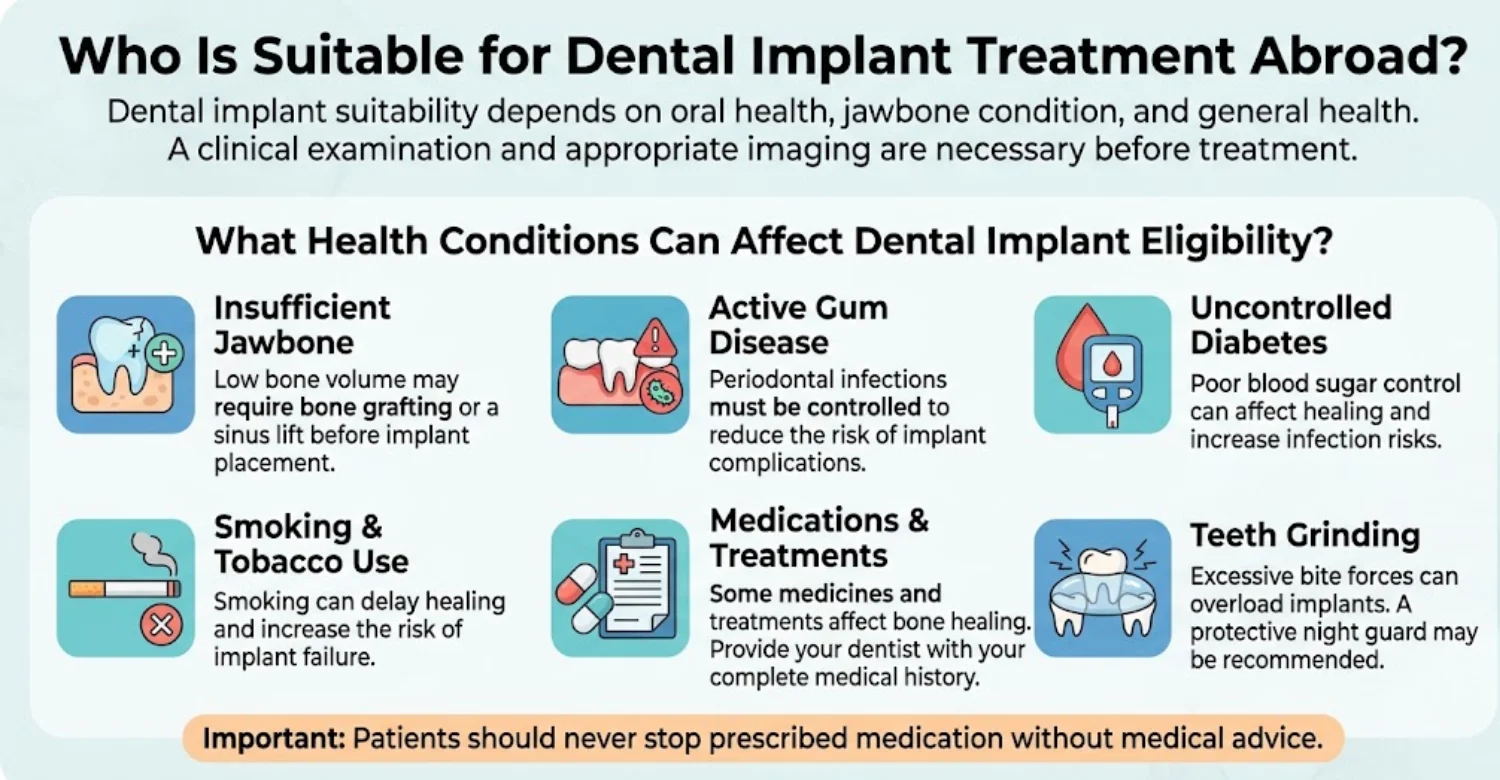
Dental implant suitability depends on oral health, jawbone condition and general health. A clinical examination and appropriate imaging are necessary before treatment.
What Health Conditions Can Affect Dental Implant Eligibility?
Certain conditions may require treatment or additional precautions before implant surgery:
Insufficient jawbone: Low bone volume may require bone grafting or a sinus lift before implant placement.
Active gum disease: Periodontal infections must be controlled to reduce the risk of implant complications.
Uncontrolled diabetes: Poor blood sugar control can affect healing and increase infection risks.
Smoking and tobacco use: Smoking can delay healing and increase the risk of implant failure.
Medications and previous medical treatments: Some medicines and treatments affect bone healing. Provide your dentist with your complete medical history.
Teeth grinding: Excessive bite forces can overload implants. A protective night guard may be recommended.
Patients should never stop prescribed medication without medical advice.
How Does Complete Dental Implant Treatment Overseas Work?
Treatment follows eight steps, usually over several months. Timing depends on healing and on your treatment plan. The steps below describe the usual sequence.
Step 1: Initial Consultation and Medical History Review
The dentist reviews your health, medicines and goals. Past illnesses and allergies are recorded. This step shapes every later decision.
Step 2: Dental Examination and Digital Treatment Planning
Scans and digital planning decide implant positions and numbers. The team also plans the final teeth. You receive a written plan and estimate.
Step 3: Treatment Preparation and Tooth Extractions When Required
Damaged teeth may be removed. Gum disease is treated first when needed. Some patients also need bone grafting at this stage.
Step 4: Dental Implant Placement Surgery
Surgery is usually performed under local anaesthesia. Sedation may be offered for anxious patients. The implant is placed into the prepared bone.
Step 5: Temporary Teeth and Immediate Restoration When Clinically Appropriate
Temporary teeth may be fitted on the same day. This is only possible when bone stability allows. Otherwise a protective healing period comes first.
Step 6: Osseointegration and Healing
Osseointegration is the process where bone bonds to the implant. It commonly takes three to six months. Follow your aftercare instructions during this time.
Step 7: Final Abutments, Crowns or Implant-Supported Bridges
Once healed, the final teeth are made and fitted. Abutments connect the implants to the crowns or bridge. Shade and shape are checked before fitting.
Step 8: Bite Adjustment and Final Clinical Assessment
The dentist checks your bite and the fit of the final restoration. Small adjustments improve comfort and function. You receive care instructions for long-term maintenance.
Ready to transform your smile?
Talk to our team and get a personal FREE treatment plan.
What We Notice Clinically
Successful dental implant treatment depends on accurate diagnosis, bone health and careful planning, not speed or price alone. Missing teeth can affect chewing, bone levels and bite balance, so treatment must address function as well as appearance. Immediate temporary teeth are possible in selected cases, but healing depends on clinical stability. Similarly, All-on-4 and All-on-6 suitability depends on bone volume, gum health and bite forces. Dr. Rifat Alsaman, Head of the Medical Team at Vitrin Clinic, emphasises individual diagnosis and long-term maintenance.
Risks and Side Effects of Dental Implants Abroad?
Dental implants abroad can be safe with proper planning, qualified professionals and reliable aftercare. However, surgery carries risks, and travelling adds follow-up challenges.
What Are the Common Short-Term Side Effects After Implant Surgery?
Temporary side effects usually improve during the first week.
Pain and tenderness: Mild soreness is common and usually improves within days.
Swelling and bruising: Swelling may peak within three days before gradually fading.
Minor bleeding: Light bleeding can occur during the first day.
Difficulty chewing: Soft foods help while the surgical site heals.
What Are the Possible Complications of Dental Implant Surgery?
Some complications require prompt professional attention.
Infection: Increasing pain, swelling or discharge may indicate infection.
Nerve injury: Rarely, surgery may cause persistent numbness or tingling.
Sinus complications: Upper jaw implants may affect the sinus.
Implant failure: Poor bone integration may require implant removal.
Peri-implantitis: Inflammation and infection can damage supporting tissues.
Prosthetic problems: Crowns or screws may loosen or become damaged.
What Is the Success Rate of Dental Implants?
Studies report high long-term implant survival rates. Outcomes depend on general health, bone quality, smoking, hygiene and clinical care. No result is guaranteed.
What Are the Risks of Getting Dental Implants Abroad?
Travelling introduces additional practical challenges.
Limited follow-up: Distance may delay access to the original surgeon.
Missing documentation: Incomplete records can complicate future treatment.
Different regulations: Patient protection and complaint procedures vary between countries.
Additional costs: Repairs or corrective treatment may reduce initial savings.
Travel after surgery: Ask when flying is appropriate, especially after sinus procedures.
What Warning Signs After Implant Surgery Require Professional Attention?
Contact a dentist if you experience:
Increasing pain or swelling after initial recovery.
Persistent bleeding, pus or unpleasant discharge.
Fever or feeling generally unwell.
New or persistent numbness in the lip, chin or tongue.
Implant movement or unusual pain around the restoration.
When Should Patients Seek Emergency Dental or Medical Care?
Seek urgent care for rapidly spreading facial swelling, heavy bleeding or high fever. Breathing or swallowing difficulties require immediate emergency medical attention.
Recovery and Pain Relief After Dental Implant Surgery Abroad
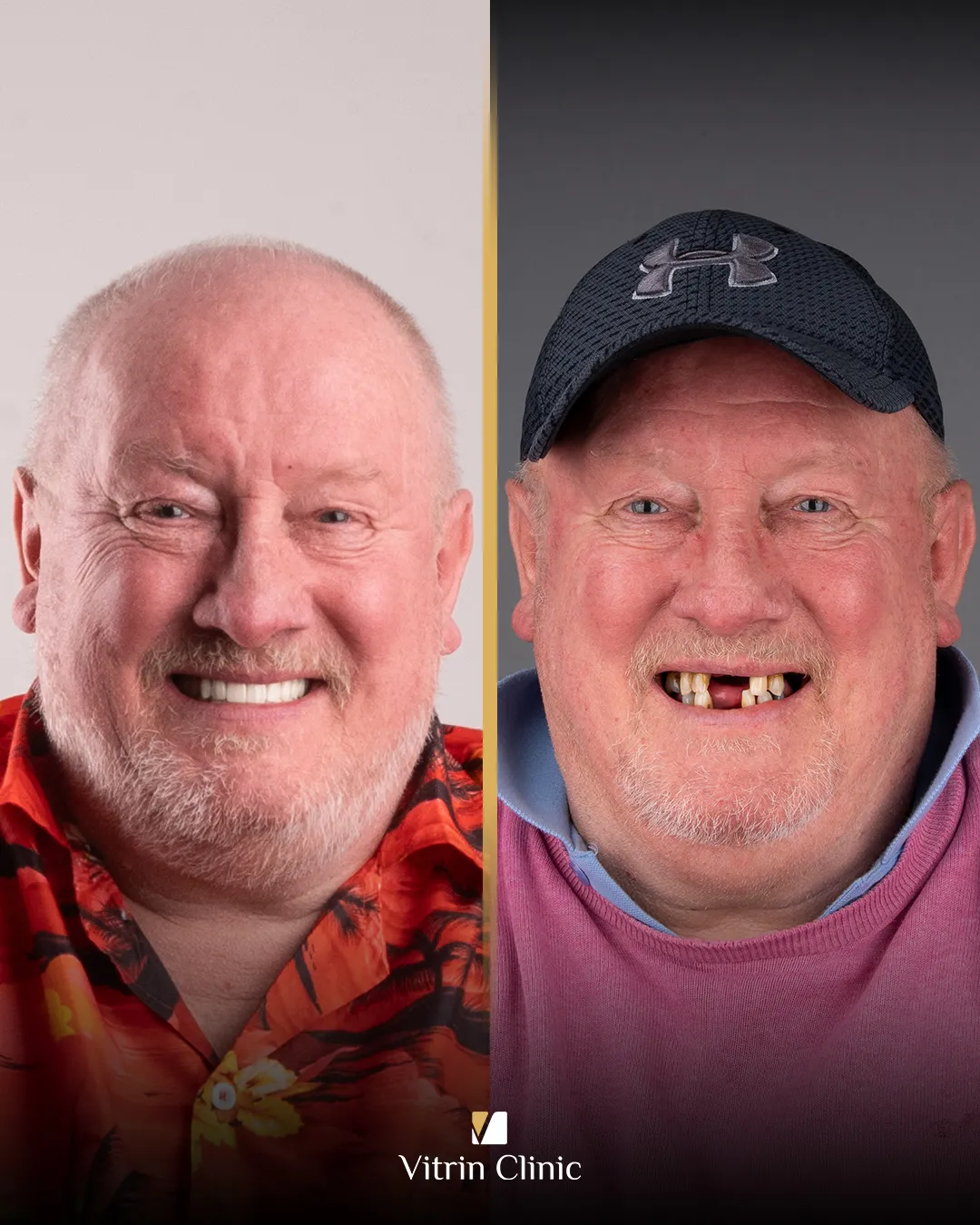
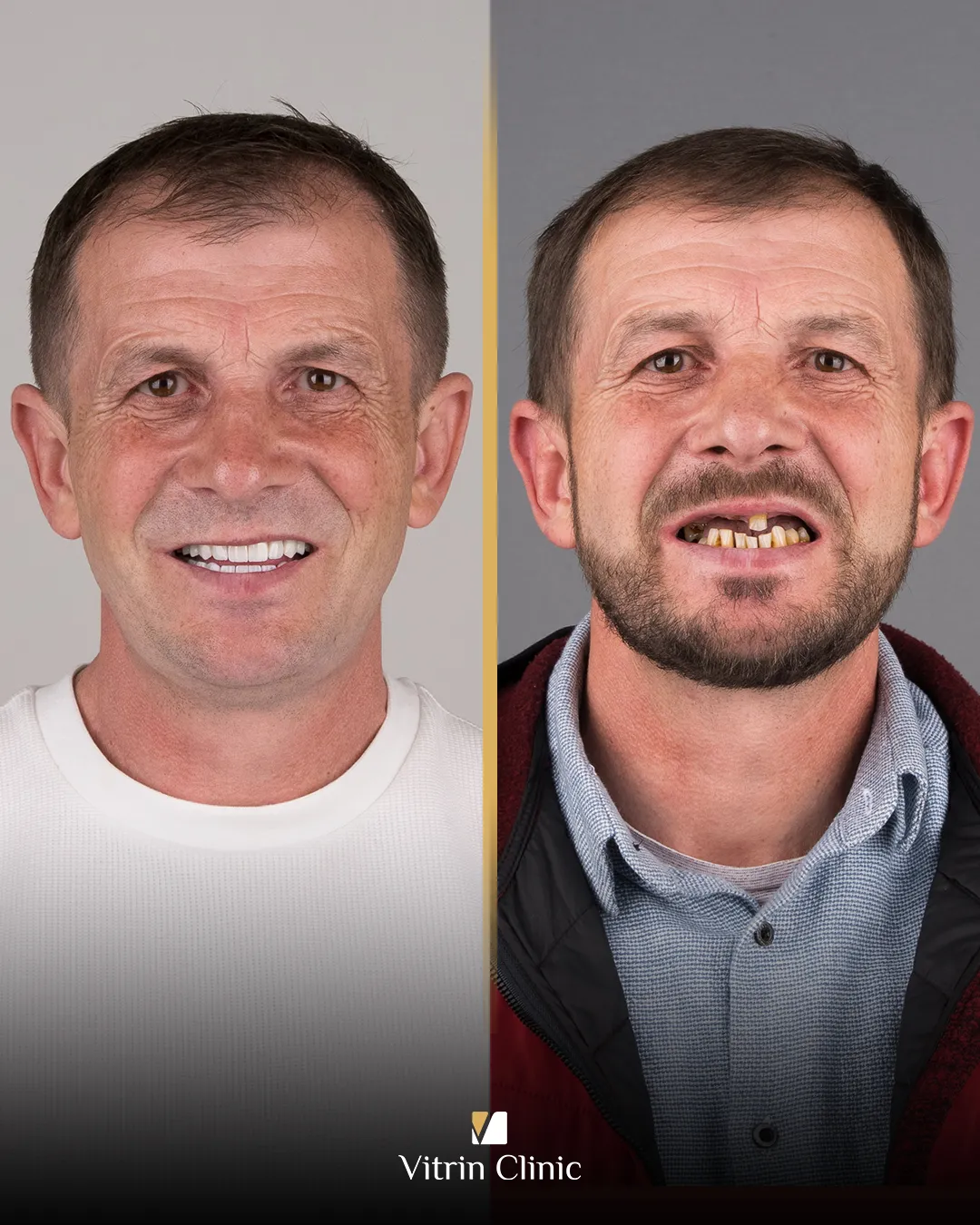
Recovery after dental implant surgery varies between patients. Follow your surgeon’s instructions to support healing and reduce complications.
How Can Patients Manage Pain and Swelling After Surgery?
Take prescribed pain relief exactly as directed. Use cold compresses during the first 48 hours and keep your head elevated. Contact the clinic if pain worsens or does not improve.
What Foods Are Suitable During Early Recovery?
Choose soft foods such as yoghurt, soup and mashed vegetables. Avoid hot drinks on the first day. Chew away from the surgical site and gradually return to normal foods as advised.
What Oral Hygiene Practices Protect Healing Implants?
Brush other teeth gently and clean the surgical area as instructed. Use prescribed mouth rinses correctly. Avoid vigorous rinsing during the first few days.
When Can Patients Resume Normal Activities?
Light activities may resume within a few days. Avoid strenuous exercise during early recovery. Return to normal training and eating only when your dentist confirms it is safe.
What Should Patients Avoid During Initial Recovery?
Smoking and tobacco: Avoid them because they can delay healing and increase implant complications.
Hard or crunchy foods: Avoid foods that put pressure on the surgical area.
Disturbing the site: Do not touch the area, pull your lip to inspect it, or interfere with stitches.
How Can Patients Reduce Infection and Delayed Healing Risks?
Maintain oral hygiene, avoid smoking and attend follow-up appointments. Keep conditions such as diabetes controlled. Report worsening pain, increasing swelling, fever, persistent bleeding or signs of infection promptly.
Ready to transform your smile?
Talk to our team and get a personal FREE treatment plan.
Tips for Patients Planning to Travel Abroad for Affordable Dental Implants
Good preparation helps reduce avoidable problems when travelling for dental implants.
Prepare your medical records: Gather your medical history, medication list, recent X-rays and dental scans.
Set a realistic budget: Include treatment, flights, accommodation and possible extra visits.
Research the implant surgeon: Ask about qualifications, experience, implant brands, risks and follow-up care.
Review the treatment plan: Confirm the proposed procedures and discuss them with your local dentist if possible.
Request an itemised written estimate: Check what is included, what may cost extra and the deposit refund terms.
Allow enough recovery time: Avoid tight travel schedules and leave extra days for unexpected delays.
Check flight arrangements: Ask your surgeon when flying is safe, especially after procedures such as sinus lifts.
Review travel insurance: Confirm whether complications from planned dental treatment abroad are covered.
Dental Implant Aftercare When Travelling Abroad
Long-term aftercare helps protect dental implants and identify complications early.
Attend follow-up appointments: Confirm healing checks, final teeth fitting and future reviews before travelling.
Maintain daily oral hygiene: Brush twice daily, clean between teeth and attend professional hygiene visits. Avoid smoking.
Arrange local monitoring: Ask a local dentist if they can monitor your implants after you return.
Act quickly if problems develop: Contact your overseas clinic and a local dentist if you notice pain, swelling, bleeding or implant movement.
Keep your dental records: Save the implant brand, model, surgical details and restoration information for future care.
Understand the warranty: Check coverage, duration, exclusions, required check-ups and who pays for repairs or additional travel.
At Vitrin Clinic: Personalised Dental Implant Treatment in Istanbul
Vitrin Clinic plans dental implants abroad around each patient's diagnosis, bone condition and treatment needs.
How Does Vitrin Clinic Assess International Dental Implant Patients?
Assessment includes medical history, clinical examination and appropriate imaging. International patients can send X-rays and photographs for preliminary review. The final plan requires an in-person examination.
What Diagnostic Technologies Support Dental Implant Planning at Vitrin Clinic?
The team uses digital tools according to each patient's needs:
Digital X-rays and CBCT: CBCT provides 3D detail when clinically indicated.
Three-dimensional imaging: Helps assess bone volume, nerve paths and sinus position.
Digital intraoral scanning: Records teeth and bite details to support implant and restoration planning.
Which Dental Implant Treatments Are Available at Vitrin Clinic?
Available options include:
Single and multiple implants: Replace individual or several missing teeth.
Full mouth implants: Restore one or both jaws, depending on clinical suitability.
All-on-4, All-on-6 and All-on-8: Full-arch options selected according to bone and bite conditions.
Custom subperiosteal implants: Considered for selected patients with severe bone loss.
How Does Vitrin Clinic Personalise Implant Treatment According to Bone and Gum Conditions?
Plans consider bone volume, gum health and bite function. Some patients may need bone grafting or gum treatment before implant placement.
How Are Implant Materials, Prosthetic Options and Treatment Costs Discussed?
The written treatment plan explains implant materials, restoration options and estimated costs. Patients can review the details before deciding.
How Can International Patients Request a FREE Treatment Plan?
Send your X-rays, photographs and medical history for a free preliminary review. The final plan is confirmed after an in-person examination in Istanbul.
Ready to transform your smile?
Talk to our team and get a personal FREE treatment plan.
Conclusion: Is Getting Dental Implants Abroad the Right Choice?
Dental implants abroad can offer access to different treatment options and potentially lower costs. However, choosing the right clinic requires more than comparing prices.
Before booking, verify the implant surgeon’s qualifications, review an itemised treatment plan and understand the recovery process. Include travel expenses, possible additional visits and long-term aftercare in your decision.
Most importantly, arrange follow-up care before travelling and keep your implant records safe. A thorough clinical assessment is essential to determine whether treatment abroad suits your needs.
Reference
FAQs
Dr. Rifat Alsaman has more than 5 years of clinical experience in dentistry and currently serves as the Head of the Medical Team at Vitrin Clinic. He is dedicated to providing exceptional patient care, overseeing treatment planning, and ensuring the highest clinical standards across the team. His expertise, attention to detail, and commitment to continuous professional development have helped countless patients achieve healthier, more confident smiles.


