Dental Implant
November 4, 2026
Subperiosteal Implants Turkey: Are They Right for Severe Bone Loss?
 Dr. Rifat Alsaman

Severe jawbone loss can make conventional dental implant treatment more challenging. In selected cases, Subperiosteal Implants Turkey may offer an alternative approach using a custom-made framework placed over the jawbone.
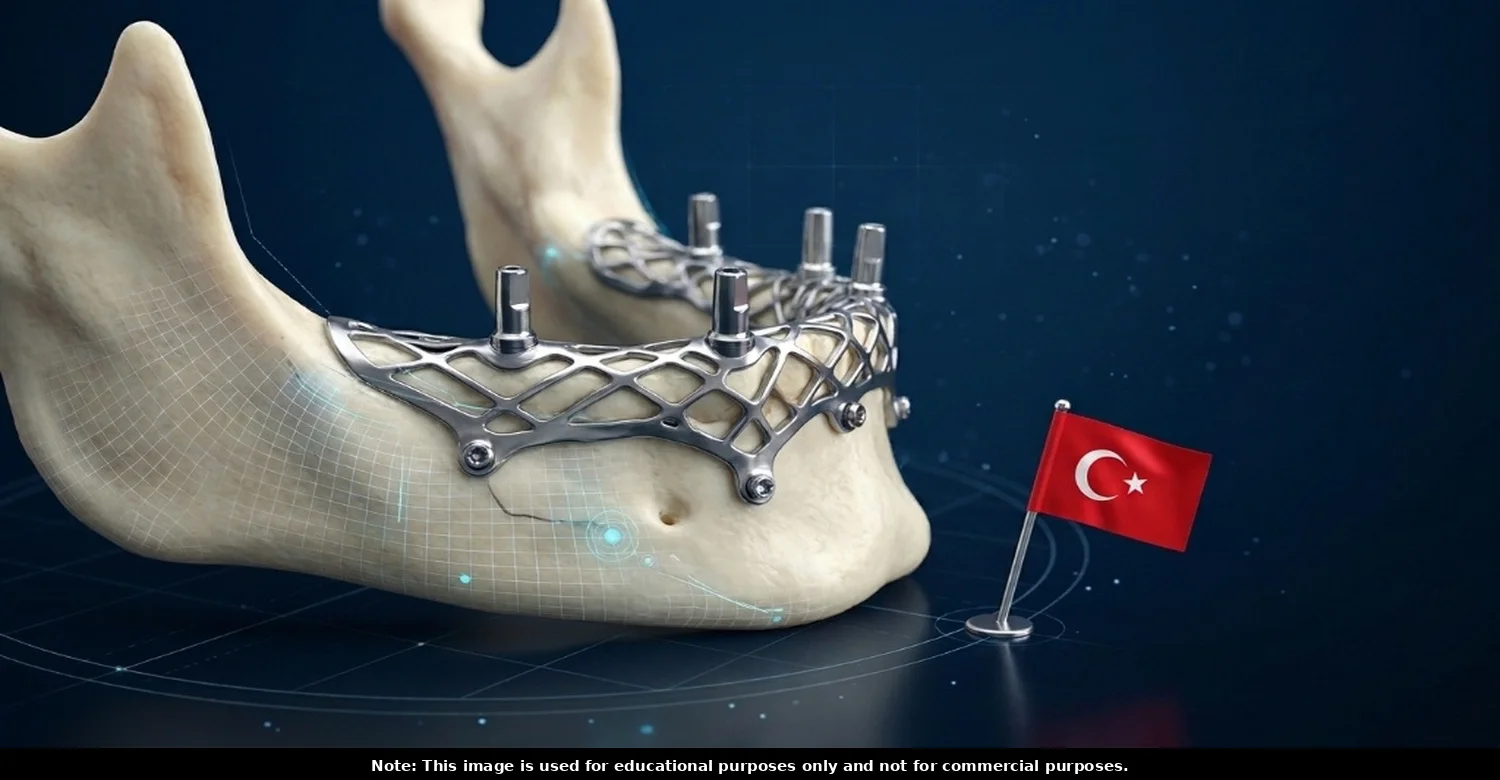
Unlike conventional implants, this framework does not require placement inside the jawbone. Instead, it follows the patient's remaining bone anatomy and supports replacement teeth through specially designed connections.
However, this treatment is not suitable for everyone with bone loss. Gum condition, anatomical structures, medical history, and restorative needs all influence the decision.
This guide explores the treatment options, patient suitability, digital planning, surgical process, recovery, and costs. It also explains what international patients should consider when arranging treatment in Istanbul.
Key Takeaways
Check suitability: Custom subperiosteal implants may help selected patients with severe jawbone loss.
Compare alternatives: Bone grafting, conventional implants and zygomatic implants may also be considered.
Understand the technology: Custom frameworks use digital planning and patient-specific anatomical information.
Know the risks: Infection, gum breakdown, framework exposure and mechanical complications are possible.
Allow for recovery: Healing and prosthetic loading depend on individual clinical assessments.
Compare costs: Vitrin Clinic estimates start from approximately $6,000 per arch, subject to assessment.
Check the treatment plan: Ask about framework materials, manufacturing, surgical experience and aftercare.
Plan your visit: Confirm the treatment schedule, length of stay and follow-up arrangements before travelling.
Prices from £200 per tooth
Full mouth restoration from £1,600
Timescale
5 to 7 days
Hotel + transfers available
Airport-Hotel-Clinic coor
Ready to transform your smile?
Talk to our team and get a personal FREE treatment plan.
Who Can Benefit from Custom Subperiosteal Implants?
Custom subperiosteal implants may be considered for patients whose jawbone has deteriorated significantly. In these situations, conventional implant placement may be difficult without additional reconstructive procedures.
Patients who may require an assessment include those with:
Extensive jawbone resorption after tooth loss.
Advanced bone loss associated with periodontal disease.
Previous implant failures or unsuccessful reconstructive treatment.
Limited bone volume for conventional implant placement.
Anatomical restrictions affecting certain bone-grafting procedures.
However, severe bone loss does not automatically make someone a suitable candidate. Subperiosteal implants Turkey require careful assessment of the remaining bone, surrounding tissues, and intended restoration.
Which Factors Influence Treatment Suitability?
The surgical team should evaluate several aspects before recommending a custom framework:
Bone anatomy: The remaining jawbone's shape and surface condition.
Gum health: Soft-tissue thickness, quality, and healing potential.
Dental history: Previous implants, extractions, and bone-grafting procedures.
Oral health: Active infection or periodontal disease.
Medical history: Conditions and medications that may affect healing.
Oral hygiene: Ability to maintain the restoration over time.
Prosthetic requirements: The planned position and function of replacement teeth.
Patients should also discuss possible complications, maintenance requirements, and alternative treatments before accepting a surgical proposal.
Can Subperiosteal Implants Help With Severe Upper Jawbone Loss?
The upper jaw has important anatomical structures that influence implant planning. These include the maxillary sinuses and nasal cavity.
Subperiosteal implants Turkey may be evaluated in selected cases of severe upper jawbone atrophy. However, zygomatic implants and reconstructive procedures may also be considered.
The surgeon must assess the remaining bone surface, surrounding anatomy, gum condition, and available prosthetic space. The most appropriate approach depends on the individual clinical findings.
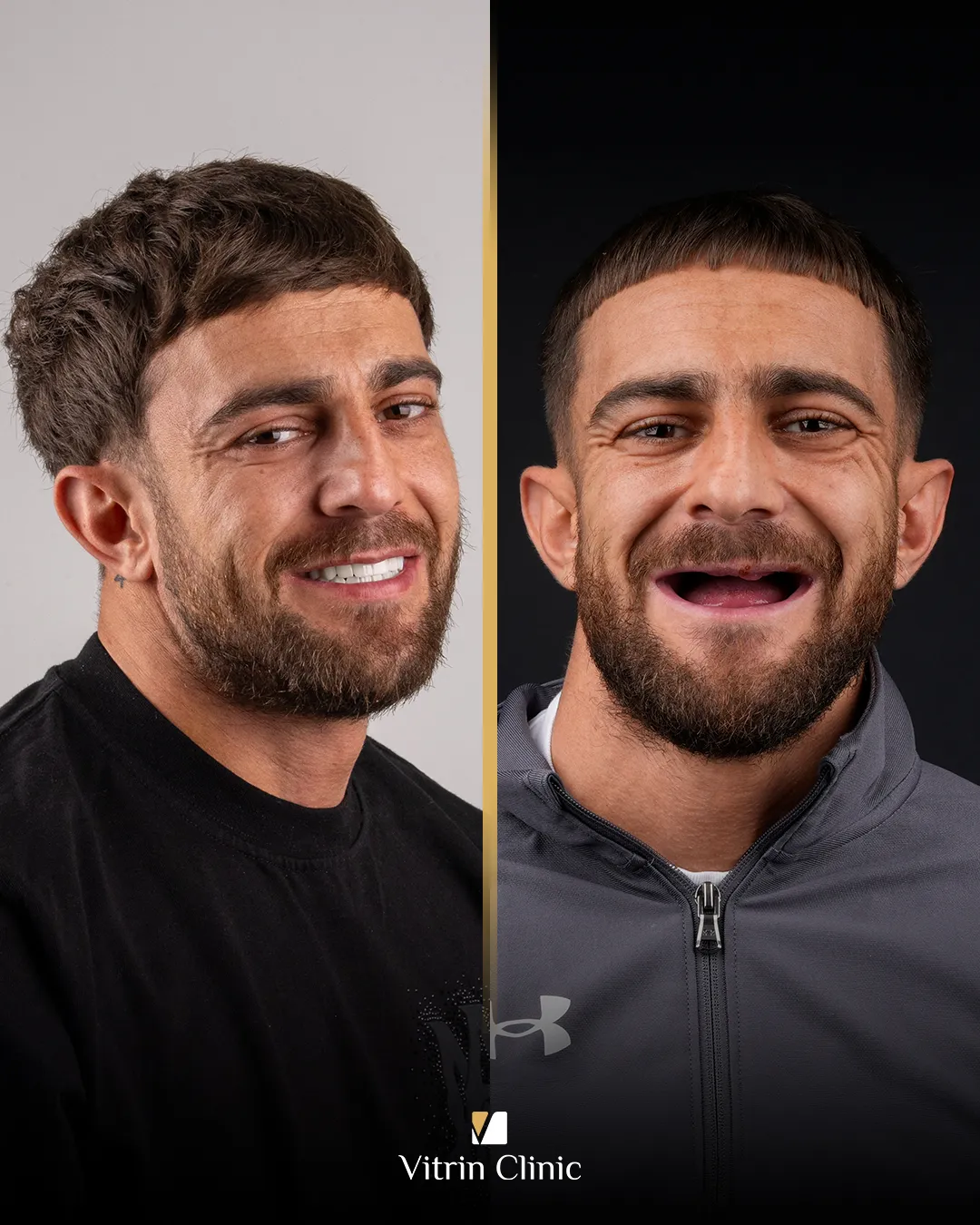
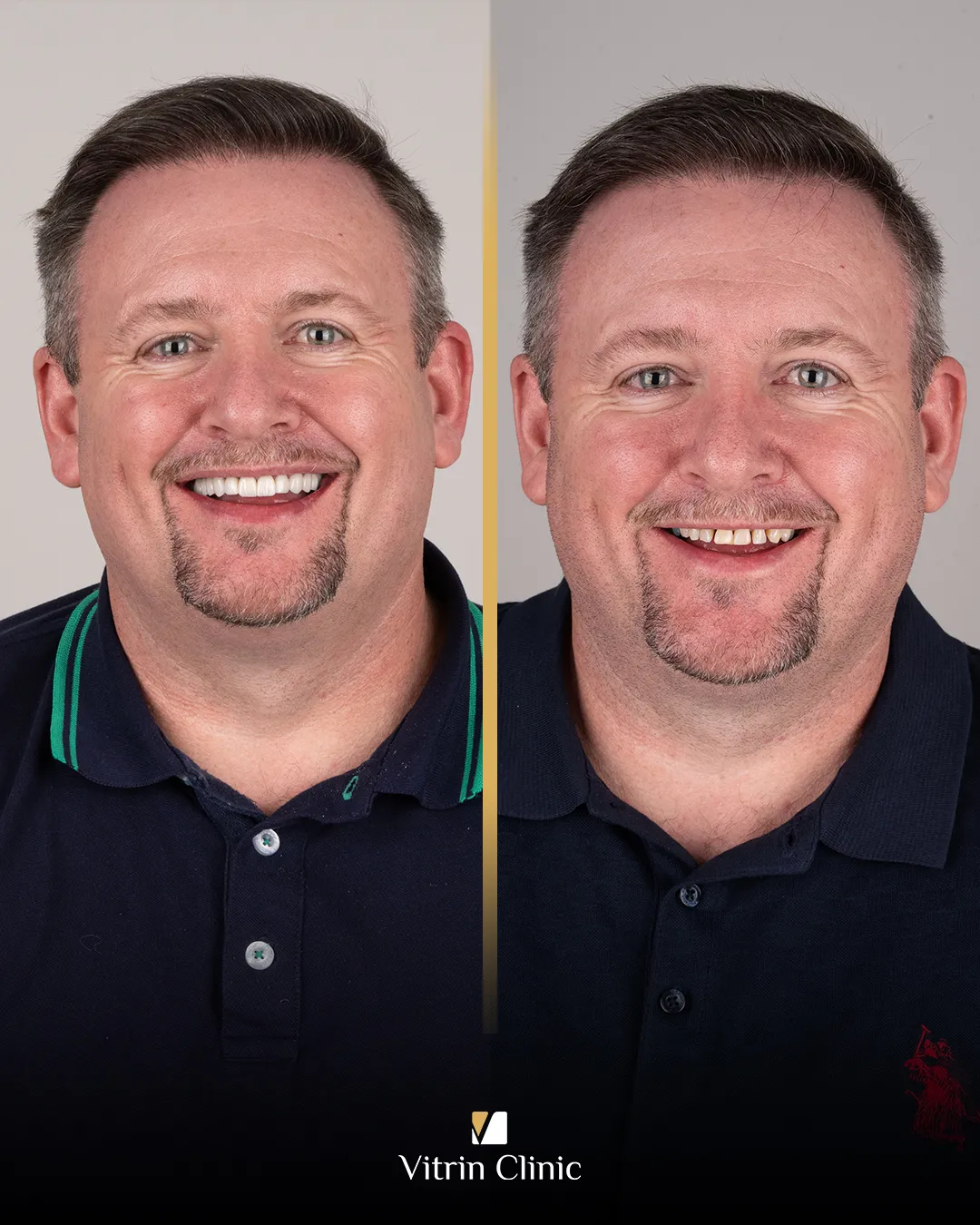
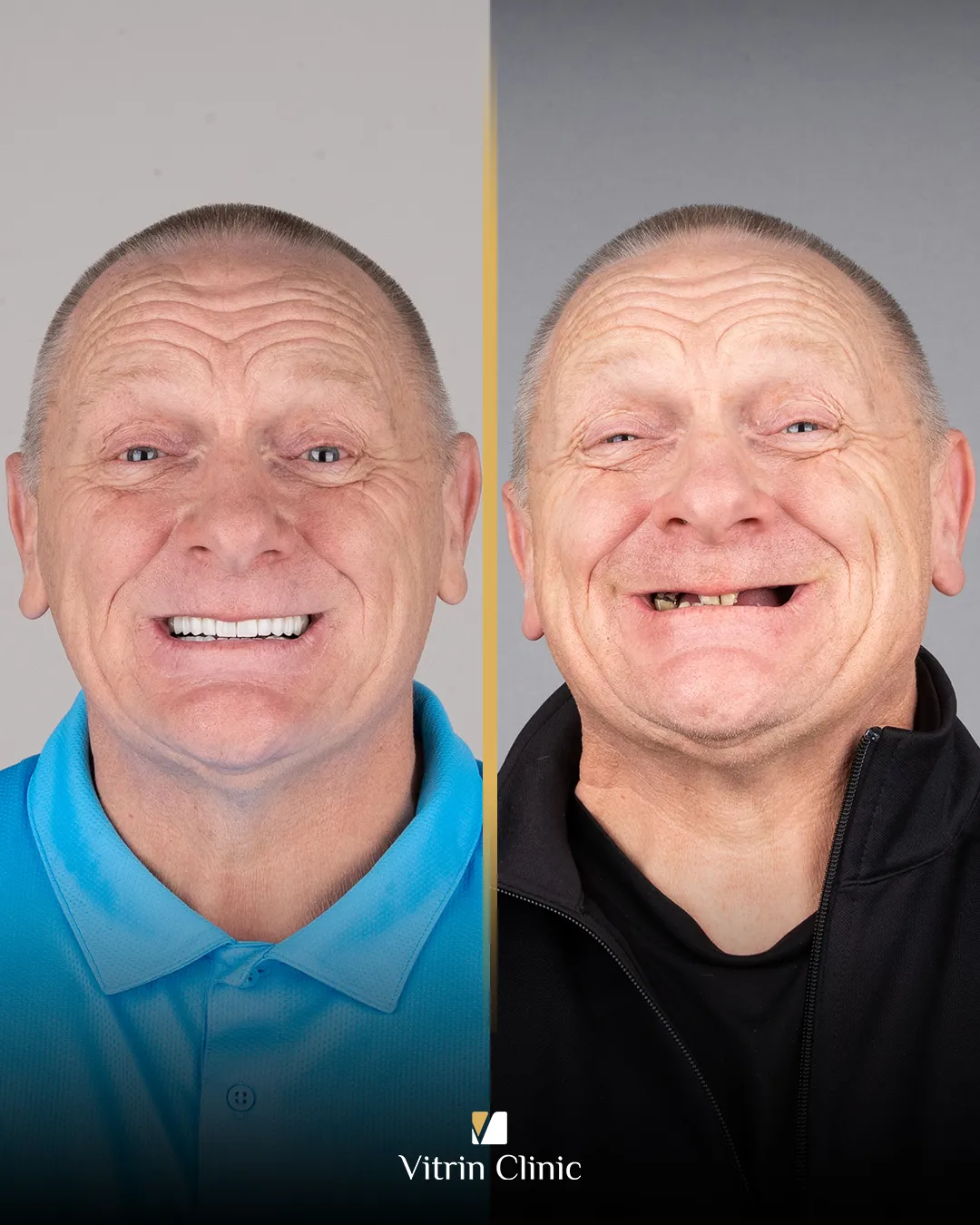
Which Implant Options Should Patients Compare?
Subperiosteal frameworks are not the only option for patients with advanced jawbone loss. Conventional implants, bone augmentation, and zygomatic implants may also be considered.
Treatment option | How it is supported | When it may be considered |
Subperiosteal implants | Custom framework positioned over the jawbone | Selected cases of severe bone loss |
Conventional implants | Fixtures placed inside the jawbone | When sufficient bone is available or augmentation is feasible |
Zygomatic implants | Anchored in the cheekbone | Selected cases of severe upper jawbone loss |
Conventional implants remain a widely established treatment. Bone grafting may help some patients develop sufficient support for conventional implant placement.
Zygomatic implants may provide another option for selected patients with severe upper jawbone atrophy.
Is Bone Grafting Always Necessary?
Not every patient with severe bone loss requires conventional bone grafting. Some patients may be assessed for subperiosteal implants without undergoing traditional bone augmentation.
This is because the custom framework rests over the jawbone rather than being inserted into it. However, avoiding bone grafting does not mean avoiding surgery or its associated risks.
The remaining bone must still provide suitable anatomical support. Some patients may require additional procedures depending on their clinical condition.
Subperiosteal implants Turkey should therefore be compared with other treatment approaches before a final decision.
How Do Subperiosteal Implants Support Replacement Teeth?
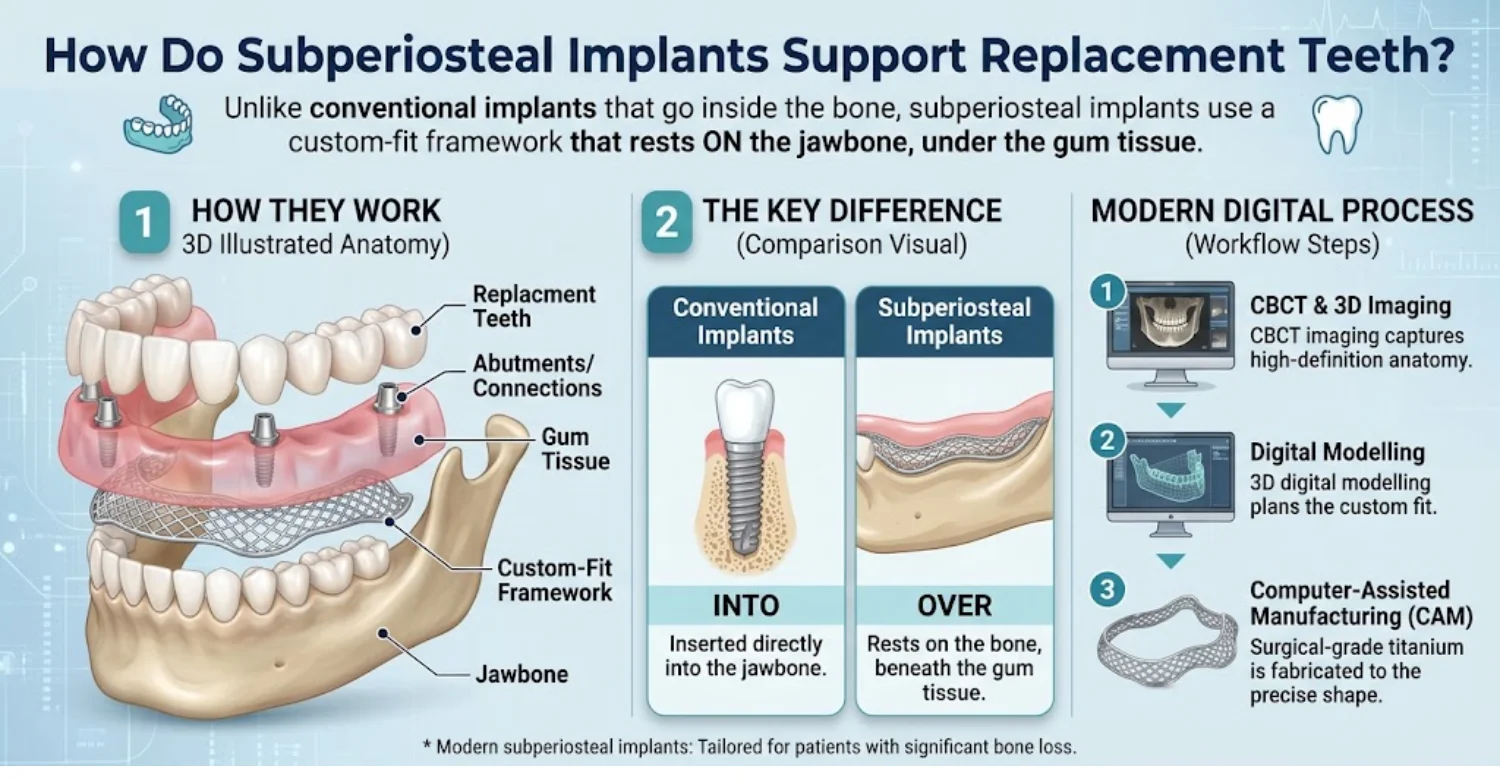
Subperiosteal dental implants use a patient-specific framework positioned over the jawbone and beneath the gum tissue. The framework follows the available bone surface and provides support for prosthetic teeth through specially designed connections.
The main difference from conventional implants is their position. Conventional implants are inserted into the jawbone, while subperiosteal frameworks rest over its surface.
Modern subperiosteal implants Turkey may involve CBCT imaging, digital modelling, and computer-assisted manufacturing. These technologies help the surgical team plan a framework according to the patient's anatomy.
The design must account for bone contours, soft-tissue conditions, fixation requirements, and the intended position of the replacement teeth.
How Is a Patient Specific Subperiosteal Implant Framework Designed?
Planning begins with collecting accurate clinical and imaging information. The objective is to create a framework that corresponds to the patient's remaining jawbone.
The process generally involves three stages.
1. CBCT Imaging and Anatomical Evaluation
Cone-beam computed tomography (CBCT) produces three-dimensional images of the jawbone. These scans help the surgical team assess:
Remaining bone contours and surface anatomy.
Nearby anatomical structures.
The maxillary sinuses and nasal cavity.
Changes caused by previous surgery.
Areas that may affect framework positioning.
The surgeon interprets the images alongside the clinical examination. CBCT findings alone cannot confirm whether treatment is appropriate.
2. Digital Framework Development
The surgical and technical teams use the available anatomical information to develop a patient-specific framework.
Digital modelling helps assess the framework's shape, position, and prosthetic connections. The design should also consider fixation, soft-tissue conditions, and the intended tooth arrangement.
Subperiosteal implants Turkey require coordination between the framework designer and operating surgeon. The proposed design should receive appropriate clinical approval before manufacturing.
3. Titanium Framework Production
Titanium is commonly used in patient-specific implant frameworks because of its established medical applications and mechanical properties.
Depending on the selected system, manufacturing may involve metal additive manufacturing. The finished framework should undergo appropriate quality checks.
Patients can request information about the material, manufacturer, and relevant device documentation.
Digital planning helps prepare for surgery, but it cannot guarantee perfect framework adaptation or successful healing. Surgical findings may require adjustments.
What Happens During Subperiosteal Implant Surgery at Vitrin Clinic?
At Vitrin Clinic, the treatment journey involves clinical assessment, personalised surgical planning, custom framework placement, and prosthetic rehabilitation. Each stage is organised according to the patient's anatomy and approved treatment plan.
Stage 1: Initial Consultation and Clinical Examination
We begin by reviewing the patient's dental condition, medical history, and treatment objectives.
Our team evaluates:
Medical history and current medication.
Previous dental and implant procedures.
Gum condition and remaining teeth.
Oral tissues and bite relationships.
Available dental scans and clinical records.
We may request additional imaging when clinically necessary.
We also ask patients to disclose previous implant failures, bone-grafting procedures, medical conditions, and complications from earlier treatments.
Stage 2: Personalised Surgical Planning
After collecting the necessary records, our clinical team evaluates the proposed framework and surgical approach.
Our planning process considers:
Framework position and fixation.
Nearby anatomical structures.
Surgical access.
Prosthetic connection locations.
Condition of the surrounding soft tissues.
At Vitrin Clinic, we coordinate surgical and restorative planning before proceeding with treatment. The final approach depends on clinical findings and the surgeon's approval.
Stage 3: Placement of the Custom Framework
Framework placement generally involves surgically exposing the jawbone. The surgeon positions the custom framework against the planned bone surface.
The fixation method depends on the framework design and the patient's anatomy. The surgical team checks its position before completing the procedure.
The gum tissue is then repositioned and closed around the framework. We arrange postoperative monitoring to assess healing and identify potential wound problems or framework exposure.
Stage 4: Temporary and Final Teeth
Depending on the surgical plan, temporary teeth may be provided at an appropriate stage. Timing depends on framework stability and the condition of the surrounding tissues.
Before fitting the final restoration, our team evaluates:
Bite and chewing function.
Tooth position and appearance.
Cleaning access around the restoration.
Framework and prosthetic connection stability.
Immediate loading is not suitable for every patient. The surgeon determines when the prosthetic teeth can be fitted safely.
How Long Does the Treatment Process Take at Vitrin Clinic?
The treatment schedule depends on surgical complexity, framework production, and prosthetic requirements.
Consultation, diagnostic imaging, manufacturing, surgery, and restoration may require separate appointments. Additional procedures can extend the overall timeline.
For international patients, we help coordinate the treatment itinerary before arrival. We explain which stages require an in-person visit and the expected time in Istanbul.
Ready to transform your smile?
Talk to our team and get a personal FREE treatment plan.
What Should Patients Expect During Recovery?
Recovery focuses on soft-tissue healing, swelling management, and monitoring the surgical area. Subperiosteal implants Turkey involve potential biological and mechanical complications, so follow-up remains important.
Early Recovery and Healing
The recovery experience differs between patients. Surgical extent, tissue condition, and individual healing all influence the postoperative period.
Possible early effects include:
Swelling around the surgical area.
Mild bleeding or bruising.
Temporary discomfort and tenderness.
Difficulty chewing.
Temporary changes in oral sensation.
Limited mouth opening.
These effects should be monitored by the surgical team. Increasing pain, persistent bleeding, or worsening swelling requires professional assessment.
Gum healing and framework stability need separate clinical evaluations. Visible wound healing does not necessarily confirm complete treatment success.
What Complications Should Patients Understand?
Possible complications include infection, wound breakdown, and framework exposure. Exposure occurs when part of the framework becomes visible through the gum tissue.
Other potential problems include:
Loosening or mechanical damage.
Soft-tissue inflammation or breakdown.
Prosthetic connection problems.
Persistent discomfort.
Additional surgery or framework removal.
Published clinical evidence on custom subperiosteal implants remains more limited than evidence for established implant approaches. Patients should discuss the available research, follow-up periods, and uncertainties with their surgeon.
Subperiosteal implants Turkey require careful patient selection and ongoing professional maintenance. Complications may require further treatment.
What Are the Potential Advantages and Limitations?
Potential advantages
A framework designed for individual bone anatomy.
An option for selected patients with severe jawbone atrophy.
Possible avoidance of conventional bone augmentation.
Digital planning based on individual anatomical information.
Support for complex prosthetic rehabilitation.
Important limitations
Complex surgical and engineering requirements.
Risk of gum breakdown and framework exposure.
Possible infection and mechanical complications.
Limited long-term comparative evidence.
Potential need for additional surgery.
Ongoing hygiene and maintenance requirements.
These points do not establish that subperiosteal implants are better than other treatments. The patient's clinical condition and available alternatives should guide the decision.
How Can Patients Protect the Surgical Area?
Postoperative care aims to protect the wound and support healing. Patients should follow their surgeon's instructions about eating, cleaning, medication, and physical activity.
General precautions may include:
Avoid touching or disturbing the surgical wound.
Follow the recommended eating instructions.
Take medication only as prescribed or directed.
Maintain oral hygiene according to the surgical team's guidance.
Attend all scheduled postoperative reviews.
Cold compresses may help manage early swelling when recommended by the surgeon. Patients should avoid applying home remedies directly to the surgical site.
Subperiosteal implants Turkey require consistent hygiene and professional monitoring after the procedure.
When Is Professional Assessment Necessary?
Patients should contact their surgeon if symptoms worsen or healing appears abnormal.
Warning signs include:
Persistent or increasing bleeding.
Worsening pain or swelling.
Fever or unusual discharge.
Visible framework exposure.
Changes in prosthetic fit or stability.
Rapidly spreading facial or neck swelling requires urgent assessment. Breathing or swallowing difficulties require emergency medical attention.
International patients should receive emergency contact details before travelling. They should also know where to seek urgent care after returning home.
How Much Do Subperiosteal Implants Cost in the US, UK, and Turkey?
The cost of subperiosteal implants varies between countries depending on the framework design, surgical complexity, materials, and prosthetic requirements. At Vitrin Clinic, treatment starts from approximately $6,000 per arch, subject to clinical assessment and an individualised quotation. The following table provides indicative cost estimates for comparison.
Estimated Full-Arch Costs by Country
United Kingdom
Estimated Cost: $3,000–$5,500
Estimated treatment cost
Estimated cost: $3,000–$5,500
Private UK clinic standard pricing
Domestic specialist treatment plan
Turkey
Estimated Cost: 2,350–5,200
Estimated treatment cost
Estimated cost: 2,350–5,200
Up to 50% savings vs. US/UK
Comprehensive full-service clinical care
United States
Estimated Cost: 3,500–7,500
Estimated treatment cost
Estimated cost: 3,500–7,500
US private clinic standard rate
Highest domestic private expense
What Factors Affect the Treatment Cost?
Cost factor | How it affects the price |
Bone anatomy | Complex cases may require more detailed planning and surgery. |
Framework design | Customisation and manufacturing requirements influence costs. |
Number of arches | Treating one or both arches changes the overall estimate. |
Prosthetic teeth | Temporary and final restorations affect the total package. |
Additional procedures | Necessary surgical or clinical procedures may add costs. |
Aftercare | Postoperative reviews and maintenance arrangements should be clarified. |
What Is Included in a Vitrin Clinic Treatment Quotation?
Before proceeding, we provide a treatment proposal outlining the planned services and expected costs.
Treatment component | What should be clarified |
Consultation | Clinical examination and treatment assessment |
Diagnostic imaging | Required scans and imaging |
Digital planning | Patient-specific framework design |
Framework production | Material specifications and manufacturing |
Surgery | Surgical and facility fees |
Prosthetic restoration | Temporary and final teeth |
Aftercare | Postoperative reviews and follow-up arrangements |
At Vitrin Clinic, we assess each case individually before confirming the proposed treatment and costs. This helps patients understand what their treatment plan includes and which expenses may arise separately.
Ready to transform your smile?
Talk to our team and get a personal FREE treatment plan.
Planning Subperiosteal Implant Treatment in Turkey: What International Patients Need to Know
Travelling abroad for complex implant treatment requires preparation beyond comparing prices. Patients should understand the clinical arrangements, travel schedule, and responsibilities after returning home.
Which Medical Records Should You Prepare?
Before the initial consultation, collect relevant documents such as:
Previous dental scans and X-rays.
Surgical reports and implant records.
Details of earlier bone-grafting procedures.
Information about previous implant failures.
An up-to-date medical history and medication list.
The clinical team may request additional imaging after reviewing the available information.
Remote records can support a preliminary assessment. However, they cannot replace the clinical examination needed to confirm treatment suitability.
What Should You Ask Before Starting Treatment?
Patients should understand who will perform the surgery and how the custom framework will be planned.
Useful questions include:
What treatment alternatives are clinically appropriate?
Who designs and manufactures the framework?
Which material and specifications will be used?
How will the framework be fixed?
What happens if framework exposure develops?
What maintenance will be required?
Who manages complications after returning home?
It is also important to ask about the clinical evidence supporting the proposed treatment.
How Can You Check Framework Materials and Manufacturing?
Ask for documentation identifying the framework material and manufacturer. Confirm whether the design uses your own CBCT data.
Patients should understand the fixation method and prosthetic connections. Manufacturing documentation can provide further information about device specifications and traceability.
How Should You Arrange Travel and Follow-Up?
The treatment schedule depends on imaging, manufacturing, surgery, and healing requirements.
Before travelling, confirm:
The expected length of stay in Istanbul.
Appointment dates and treatment stages.
Accommodation and transportation arrangements.
Postoperative contact details.
Follow-up arrangements after returning home.
Procedures for managing complications.
Subperiosteal implants Turkey may require more than one visit, depending on the treatment plan. Patients should receive a realistic itinerary before booking travel.
Custom Subperiosteal Implant Treatment at Vitrin Clinic in Istanbul
At Vitrin Clinic, treatment planning begins with an individual clinical assessment. Subperiosteal implants Turkey require careful evaluation before any surgical recommendation.
Assessing Severe Jawbone Loss
The first step involves examining the remaining jawbone, gums, and oral tissues. The clinical team reviews previous dental procedures, medical history, and treatment objectives.
This helps identify the limitations affecting conventional implant placement. It also allows the team to consider whether other rehabilitation approaches may be appropriate.
Digital Imaging and Patient-Specific Planning
CBCT imaging may help assess complex jawbone anatomy and nearby structures. When clinically appropriate, digital models can support patient-specific framework planning.
The proposed design should be reviewed for anatomical and prosthetic suitability. Digital planning supports preparation but cannot guarantee the final surgical outcome.
Surgical Coordination and Prosthetic Rehabilitation
Titanium frameworks require appropriate design and manufacturing controls. Surgical placement should follow the clinically approved treatment plan.
The surgical team should explain the framework's fixation, prosthetic connections, possible complications, and maintenance requirements.
For full-mouth rehabilitation, planning should also consider bite relationships, chewing function, appearance, and cleaning access. Treatment feasibility must be confirmed through individual clinical assessment.
Supporting International Patients Throughout Treatment
Vitrin Clinic's coordination process should provide clear information before treatment and throughout the patient's journey.
Initial consultation and clinical evaluation
The initial consultation reviews dental history, symptoms, and treatment objectives. Clinical examination helps identify the underlying oral condition. Digital X-rays or CBCT imaging may be recommended when appropriate.
Personalised treatment planning
The team explains the proposed framework, surgical stages, and prosthetic requirements. Patients should receive written, itemised estimates distinguishing included services from possible additional expenses.
Travel and appointment coordination
Appointment schedules should account for consultations, imaging, surgery, and required reviews. Patients should confirm accommodation, transportation, and the expected length of their stay.
Postoperative guidance and follow-up
Patients receive instructions about cleaning, eating, activity restrictions, and warning signs. Follow-up arrangements should identify the responsible clinical contact and explain how communication continues after patients return home.
Conclusion About Subperiosteal Implants Turkey
Subperiosteal implants Turkey may offer an alternative for selected patients with severe jawbone loss. However, suitability depends on bone anatomy, soft-tissue health, medical history, and prosthetic requirements.
Custom frameworks provide a different approach to conventional implant placement. Nevertheless, infection, gum breakdown, framework exposure, and mechanical complications remain important considerations.
Patients should compare available treatments and request clear clinical explanations. Digital planning, surgical experience, and long-term maintenance all contribute to treatment planning.
A personalized clinical examination is necessary before making a decision. Advertised prices should never replace an individual treatment plan and written cost estimate.
Ready to transform your smile?
Talk to our team and get a personal FREE treatment plan.
Reference
FAQs
Yes, selected patients may receive subperiosteal implants without conventional bone grafting. The framework rests over the existing jawbone rather than being placed inside it. However, suitable supporting bone anatomy remains necessary. The surgeon must assess tissue health, fixation possibilities, and prosthetic requirements. Avoiding bone grafting does not eliminate surgical risks. Some patients may still require additional procedures.
Dr. Rifat Alsaman has more than 5 years of clinical experience in dentistry and currently serves as the Head of the Medical Team at Vitrin Clinic. He is dedicated to providing exceptional patient care, overseeing treatment planning, and ensuring the highest clinical standards across the team. His expertise, attention to detail, and commitment to continuous professional development have helped countless patients achieve healthier, more confident smiles.


