Dental Crowns
September 17, 2026
Dental Crown Tooth Pain: Why Does My Crowned Tooth Hurt?
 Dr. Rifat Alsaman
Dental crown tooth pain can appear suddenly or build up slowly over weeks. If you notice pain, pressure, sensitivity, or discomfort around a crowned tooth, you are not alone. Discomfort can have several possible causes, ranging from temporary sensitivity to issues involving the tooth, gums, bite, or crown itself. Identifying the timing, location, and type of pain can help determine the next step. Discomfort shortly after crown placement often differs from pain that develops later.
Dental Crown Tooth Pain: What Does It Feel Like?
Dental crown tooth pain can feel different depending on the person and the cause. It may show up as sharp pain when biting, sensitivity to hot or cold, throbbing, or aching. Some people notice pressure around the crown tooth, pain when chewing, gum tenderness, or pain that appears without eating or touching the tooth. The exact sensation and timing can offer useful clues.
Where Might I Notice the Pain?
Discomfort may feel like it comes from the crowned tooth, nearby teeth, the gumline, or even the surrounding jaw. Pain can sometimes be difficult to localize because nerves in the mouth overlap. Chewing pain, gum soreness, and temperature sensitivity may point toward different potential causes. Notice whether symptoms occur at rest, while biting, or with hot and cold foods.
Why Does My Crowned Tooth Hurt When I Bite Down?
Bite pressure can reveal problems involving the crown's fit, the underlying tooth, inflammation, or grinding. Pressure-related discomfort usually appears only when you clench or chew, while spontaneous pain shows up on its own. A dentist may check the bite and surrounding tissues during an examination to see how the teeth meet. This helps determine whether the crown itself, the tooth beneath it, or a habit like grinding is contributing to the discomfort you feel.
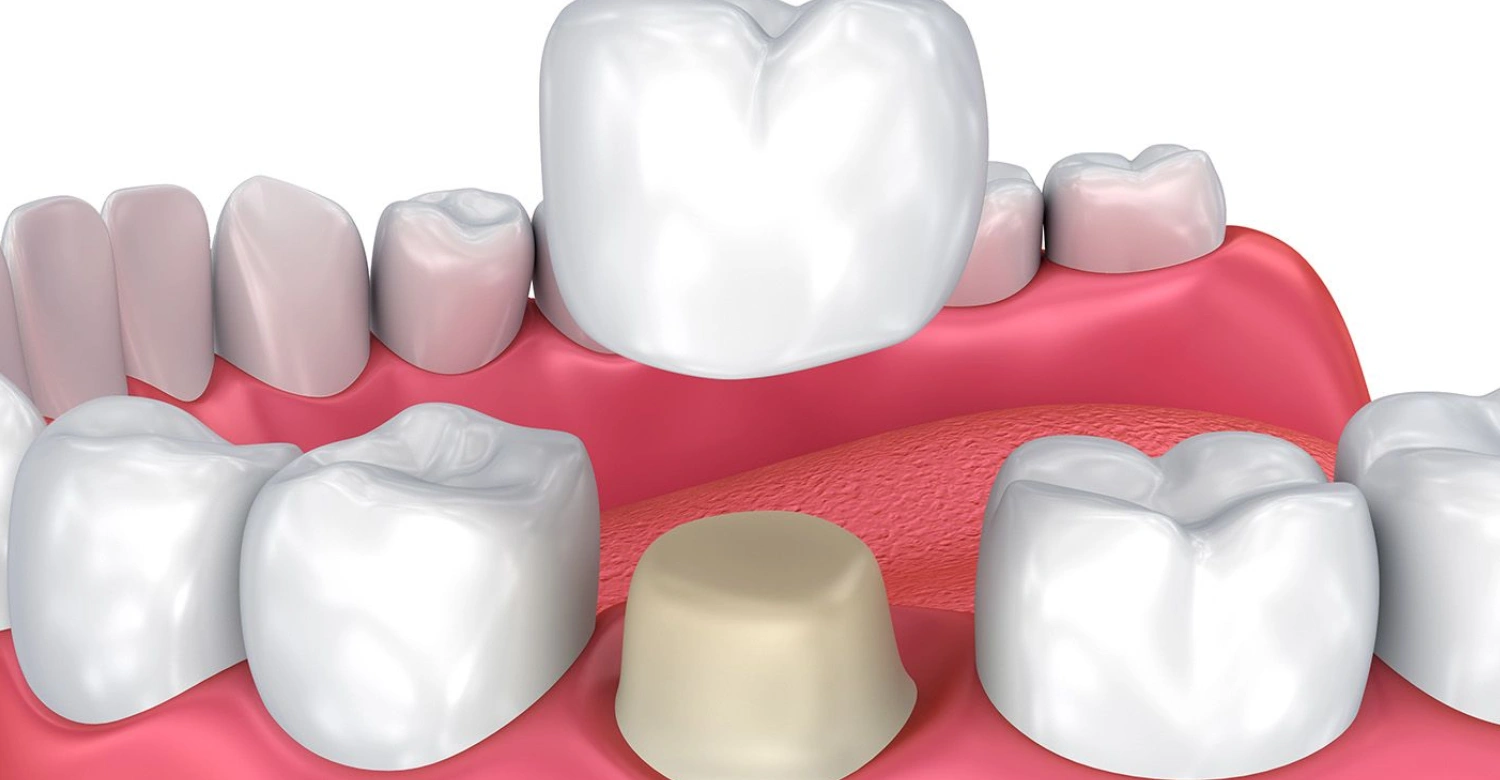
Note: All images used are for editorial and illustrative purposes only and may not originate from the original news provider or associated company.
What Can Cause Dental Crown Tooth Pain?
Dental crown tooth pain does not automatically mean the crown itself has failed. The tooth underneath, surrounding gums, bite, or habits such as grinding may all contribute. Some causes are temporary and resolve on their own, while others need professional attention. Understanding the range of possible sources helps set realistic expectations before an examination.
Dental Crown Infection
A dental crown infection happens when bacteria affect the tooth or tissues around an existing crown. This can occur at the gumline, under the crown margin, or deeper near the root. Symptoms that may accompany infection include persistent pain, swelling, gum tenderness, a bad taste, and pain when biting. Infection requires professional assessment rather than prolonged self-treatment, since bacteria can spread if left untreated.
Tooth Decay Under Crown
Tooth decay under crown restorations can develop if bacteria reach the tooth beneath or around the crown margins. Warning signs may include sensitivity, discomfort when biting, or recurrent symptoms that come and go. Decay may not always be visible to the reader, since it often forms beneath the crown's edge. Dental examination and imaging may be needed to confirm what is happening. Catching decay early often means simpler treatment than waiting until symptoms worsen significantly.
Cracked or Fractured Crown
A cracked or fractured crown may produce localized discomfort, especially around one specific area of the tooth. Chewing often makes this pain more noticeable, particularly on the affected side. Crown damage differs from a crack in the natural tooth underneath, and only an examination can confirm which structure is involved.
Teeth Grinding (Bruxism) and Crown Pain
Bruxism refers to teeth grinding or clenching, often happening without conscious awareness. Repeated pressure from grinding places stress on a crown and the tooth underneath, which can contribute to this kind of discomfort over time. Symptoms often connect to everyday experiences such as waking with jaw tightness or noticing pain after stressful days. Night-time grinding may happen without the person realizing it, making it harder to identify without a dentist noticing wear patterns or asking specific questions.
Receding Gums and Crown Sensitivity
Gum recession happens when gum tissue pulls back, exposing more of the tooth surface. Receding gums and crown sensitivity often appear together, since exposed tooth surfaces near a crown margin become more reactive to temperature and touch. Recession around a crown may make cold drinks or brushing uncomfortable.
Crown Doesn't Fit Correctly
When a crown doesn't fit correctly, it may affect comfort and chewing in noticeable ways. Checking the bite and crown margins helps identify whether the fit is the source of discomfort. A crown that feels "too high" may create discomfort when you close your teeth together, since it meets opposing teeth before the others do.
Why Do Crown Pain and Other Symptoms Happen Together?
Readers may experience several symptoms at the same time, and the combination can offer useful clues about the underlying cause. Dental crown tooth pain paired with swelling, sensitivity, or gum changes tells a different story than isolated discomfort alone. Recognizing patterns across symptoms, rather than focusing on just one, helps guide the conversation with your dentist.
Crown Pain After Root Canal
Crown pain after root canal treatment may occur during the healing period as tissues settle. Temporary inflammation is common and usually fades within days, while symptoms that persist or worsen deserve attention. Root canal treatment does not make the surrounding tissues immune to inflammation or other dental problems developing later.
Tooth Pain After Crown Placement
Tooth pain after crown placement may occur during the early adjustment period as the tooth and gum tissue adapt. Temporary sensitivity to pressure or temperature is common in the first days. Persistent or increasing pain, however, is different and should not be dismissed as normal healing. The timing of symptoms can help guide evaluation, since pain appearing well after placement often points to a separate cause rather than initial adjustment.
Pain, Sensitivity, and Gum Swelling Around the Same Crown
Pain combined with swelling deserves more attention than isolated mild sensitivity, since it may signal deeper involvement. The gums, tooth, or surrounding tissues could all play a role in this combination of symptoms. When swelling accompanies dental crown tooth pain, especially alongside tenderness or a bad taste, the combination should prompt professional evaluation rather than continued home care. Waiting too long with these combined symptoms can allow underlying issues to progress further.
Tips for Patients
Note exactly when the pain appears: while biting, at rest, or with hot and cold foods.
Take note of whether your crown feels higher than your other teeth.
Avoid repeatedly testing the painful tooth by biting hard foods.
Keep the area clean even if the gum feels tender.
Tell your dentist if the tooth previously had root canal treatment.
Ask whether your bite, crown margins, gums, and underlying tooth all need to be checked.
How to Relieve Tooth Pain From Crown at Home
Learning how to relieve tooth pain from crown discomfort at home can help temporarily, but it is not a way to diagnose or permanently treat the underlying cause. Home care simply manages symptoms while you arrange a proper evaluation. Simple habits like gentle brushing, avoiding trigger foods, and using warm salt water rinses can ease this discomfort in the short term. The sections below outline what helps and what to avoid while waiting for an appointment.
Simple Steps to Try First
Use gentle brushing around the crown to avoid further irritation. Avoid very hot, cold, hard, or sticky foods if they trigger discomfort. Choose softer foods temporarily if chewing feels painful on the affected side. Rinse gently with warm salt water when appropriate, since this can soothe irritated gum tissue. Avoid repeatedly pressing or testing the painful tooth, as this habit tends to prolong sensitivity. Follow medication directions carefully if you use an over-the-counter pain reliever and it is safe for you.
What Should I Avoid Doing?
Do not attempt to remove or adjust the crown yourself, even if it feels loose or uncomfortable. Avoid placing irritating substances directly on the gum or tooth, since this can worsen inflammation. Do not ignore increasing swelling or severe pain simply because medication temporarily reduces symptoms, as this can mask a worsening problem. Avoid excessive chewing on the affected side until the cause of your discomfort is clearer to you and your dentist.
Assistive Tools That May Help With Crown Discomfort
Certain simple tools may support comfort and oral hygiene while the underlying issue behind dental crown tooth pain is being assessed. These tools do not replace a dental evaluation, but they can make daily routines more comfortable in the meantime. Choosing the right toothbrush, toothpaste, or protective device depends on what is triggering your discomfort. The next two sections cover options worth discussing with your dentist before making a purchase.
Toothbrushes and Toothpaste for Sensitive Teeth
A soft-bristled toothbrush may reduce irritation around a crown, especially near the gumline where tissue can be more delicate. Toothpaste formulated for sensitivity can also help reduce reactions to hot, cold, or sweet triggers. Sensitivity products may reduce symptoms but cannot correct infection, decay, or an incorrectly fitting crown underneath. Using these products alongside, not instead of, a dental evaluation gives you comfort now while the actual cause is still being identified properly.
Night Guards for Possible Bruxism
A professionally assessed night guard may help reduce mechanical stress from grinding, protecting both the crown and the tooth beneath it. The underlying cause of the pain should still be identified before relying on a night guard alone. Not every type of crown-related pain is caused by bruxism, so a proper evaluation matters first. A well-fitted guard, prescribed after assessment, tends to work far better than one purchased without guidance.
When Should I See a Dentist for Crown Pain?
This is the point where self-care should stop and professional assessment becomes important. Ongoing dental crown tooth pain that does not improve with simple home measures usually signals something a dentist needs to examine directly. Waiting too long can allow a minor issue to become more complicated. The following sections outline warning signs to watch for and situations that call for more urgent attention.
Signs I Shouldn't Ignore
Seek dental evaluation if you notice severe or worsening pain, facial or gum swelling, pus, or a persistent bad taste. Fever alongside dental symptoms is another signal worth acting on quickly. Pain that wakes you at night, difficulty chewing that persists, a loose or fractured crown, or pain that continues well beyond the expected adjustment period all deserve attention. These signs suggest the discomfort is unlikely to resolve without professional treatment and examination.
When Crown Pain May Need Urgent Attention
Significant facial swelling, difficulty breathing or swallowing, or rapidly worsening symptoms require urgent medical attention right away. These situations are uncommon but important to recognize quickly. Infection can sometimes spread beyond the original tooth into surrounding tissues if left unaddressed. If dental crown tooth pain comes with any of these urgent signs, seeking care promptly is safer than waiting to see if symptoms improve on their own overnight.
How Is Dental Crown Tooth Pain Treated?
Treatment for dental crown tooth pain depends on the cause, and the least invasive appropriate option is generally considered first. A dentist typically starts by identifying whether the crown, the tooth, the gums, or the bite is responsible. From there, treatment can range from a simple adjustment to more involved procedures. The sections below outline common treatment paths based on what an examination reveals about the source of discomfort.
Bite Adjustment and Crown Evaluation
A dentist may assess the crown's fit and the way the teeth meet before deciding on treatment. Minor bite adjustment is often appropriate when clinically indicated, smoothing out high points that cause discomfort. The crown may not necessarily need replacement just because it feels uneven. This straightforward step can resolve a surprising amount of dental crown tooth pain linked to bite issues, without requiring more invasive procedures or a completely new crown.
Treating Tooth Decay or Gum Problems
Treatment options depend on the location and extent of the problem found during examination. Cleaning, restoration, or other appropriate treatment may be recommended when decay or gum inflammation is involved near the crown margin. Addressing these issues early tends to protect the crown and surrounding tooth structure longer. Left untreated, decay or gum problems near a crown can progress and eventually contribute to more significant discomfort over time.
Treating Infection or Root-Related Problems
Infection involving the tooth beneath a crown may require targeted dental treatment rather than home care alone. Endodontic assessment may be appropriate where the infection involves the tooth's root or nerve tissue. Treatment depends on whether the tooth can be predictably preserved or whether other options need to be considered.
Crown Replacement or Repair
Repair or replacement may become necessary depending on the extent of damage found. Factors such as fracture, poor fit, recurrent decay, or structural damage all influence this decision. Setting realistic expectations about examination and treatment planning helps avoid surprises. Not every case of dental crown tooth pain ends in replacement, but when it is needed, a well-planned new crown can resolve discomfort that repair alone would not fully address.
What We Notice Clinically
According to Dr. Rifat Alsaman, Head of the Medical Team at Vitrin Clinic and cosmetic dentist, identifying why a crowned tooth hurts matters more than simply treating pain alone. Dr. Rifat Alsaman's clinical perspective involves evaluating the bite relationship, crown margins, gum condition, the underlying tooth, previous root canal treatment, and signs of grinding. Similar symptoms can have very different causes. A careful examination may prevent unnecessary crown replacement.
Clinical Note
Clinical note from Dr. Rifat Alsaman, Head of the Medical Team at Vitrin Clinic and cosmetic dentist: dental crown tooth pain should be interpreted according to its timing, intensity, triggers, and associated symptoms. Pain after a recent crown may have a different explanation from pain appearing months later. Checking the natural tooth and surrounding tissues, not only the crown, remains essential. Radiographs or other diagnostic methods may be considered when the cause is unclear, and persistent symptoms deserve professional assessment rather than repeated home treatment.
How Can You Prevent Dental Crown Pain?
Preventing dental crown tooth pain often comes down to everyday habits around eating, cleaning, and monitoring for early warning signs. Small, consistent choices protect both the crown and the tooth beneath it over the long term. While not every cause of discomfort can be prevented entirely, many common triggers respond well to proactive care.
Protect the Crown During Everyday Eating
Avoid repeatedly using crowned teeth to bite very hard objects, such as ice or hard candy. Be mindful of sticky foods if the crown is already sensitive, since they can pull at the margins. Maintain balanced chewing habits rather than relying heavily on one side of the mouth.
Maintain the Tooth and Gumline
Brush twice daily with appropriate technique, angling bristles gently toward the gumline. Clean between teeth regularly to remove plaque that can accumulate near crown margins. Pay attention to the crown margins and gumline specifically, since this is where decay and irritation often begin. Attend routine dental examinations so small issues are caught before they progress into more noticeable discomfort requiring more involved treatment later on.
Address Teeth Grinding Early
Recognize signs such as morning jaw tightness, worn teeth, headaches, or recurring crown discomfort as possible clues to grinding. Discuss possible bruxism with a dentist if these signs appear, rather than waiting for pain to worsen. Consider whether a night guard is appropriate after assessment, since an unassessed guard may not address the actual problem. Addressing grinding early protects both the crown and the natural tooth structure underneath it.
Dental Care at Vitrin Clinic
Dental crown tooth pain can be caused by sensitivity, an improper bite, gum irritation, or an underlying dental problem that needs professional evaluation. At Vitrin Clinic, patients can receive carefully planned dental crown treatment tailored to their oral health and smile goals. Our experienced dental team combines modern technology, precise planning, and high-quality materials to provide comfortable, natural-looking results. With personalized care and attention to detail, Vitrin Clinic supports patients throughout their dental crown journey.
Takeaway: What Should You Do About a Painful Dental Crown?
Dental crown tooth pain can come from the crown itself, the underlying tooth, gums, bite, or grinding habits. Mild temporary sensitivity may differ significantly from persistent or worsening symptoms that need attention. Swelling, severe pain, fever, or difficulty swallowing or breathing should never be ignored, regardless of how mild they initially seem. The clearest next step is to track your symptoms carefully and arrange a dental assessment when pain persists or concerning symptoms appear.
References:
FAQs
Dr. Rifat Alsaman has more than 5 years of clinical experience in dentistry and currently serves as the Head of the Medical Team at Vitrin Clinic. He is dedicated to providing exceptional patient care, overseeing treatment planning, and ensuring the highest clinical standards across the team. His expertise, attention to detail, and commitment to continuous professional development have helped countless patients achieve healthier, more confident smiles.


