
Do Orthodontics Clean Teeth? Orthodontics does not clean teeth. Its main purpose is to correct the position of teeth and fix bite problems such as crowding, gaps, overbite, or underbite. Treatments like braces or clear aligners move teeth into better alignment, but they do not remove plaque, tartar, or bacteria from the tooth surface.
Teeth cleaning is a separate dental procedure that involves professional scaling and polishing, along with daily brushing and flossing at home. In fact, during orthodontic treatment, cleaning becomes even more important because braces and wires can trap food particles and make it easier for plaque to build up if oral hygiene is not maintained properly.
However, orthodontics still plays an indirect role in improving oral hygiene. When teeth are properly aligned, they become easier to clean, which helps reduce the risk of gum disease, cavities, and bad breath in the long term.
At Vitrin Clinic, orthodontic care is designed not only to straighten teeth but also to support better long-term oral health by improving accessibility for cleaning and maintenance under the supervision of the medical team led by Dr. Rifat Alsaman, a cosmetic dentist and Head of the Medical Team.
From a clinical perspective, Dr. Rifat Alsaman explains that orthodontics should never be confused with teeth cleaning. According to Dr. Rifat Alsaman, while orthodontic treatment improves alignment and aesthetics, patients must still follow strict oral hygiene routines and undergo regular professional cleaning to maintain healthy gums and teeth throughout treatment. Maintaining impeccable oral hygiene is a critical component that directly impacts the mechanics of orthodontics and your final results.
Introduction
A common question patients ask is whether orthodontic treatment also helps clean teeth or improves oral hygiene directly. While orthodontics primarily focuses on correcting the alignment of teeth and jaws, many people believe it might also “clean” the teeth or remove buildup. However, the relationship between orthodontics and cleaning teeth is indirect rather than direct. Understanding this distinction is important for maintaining long-term oral health and preventing gum problems such as inflammation, decay, or periodontal disease.
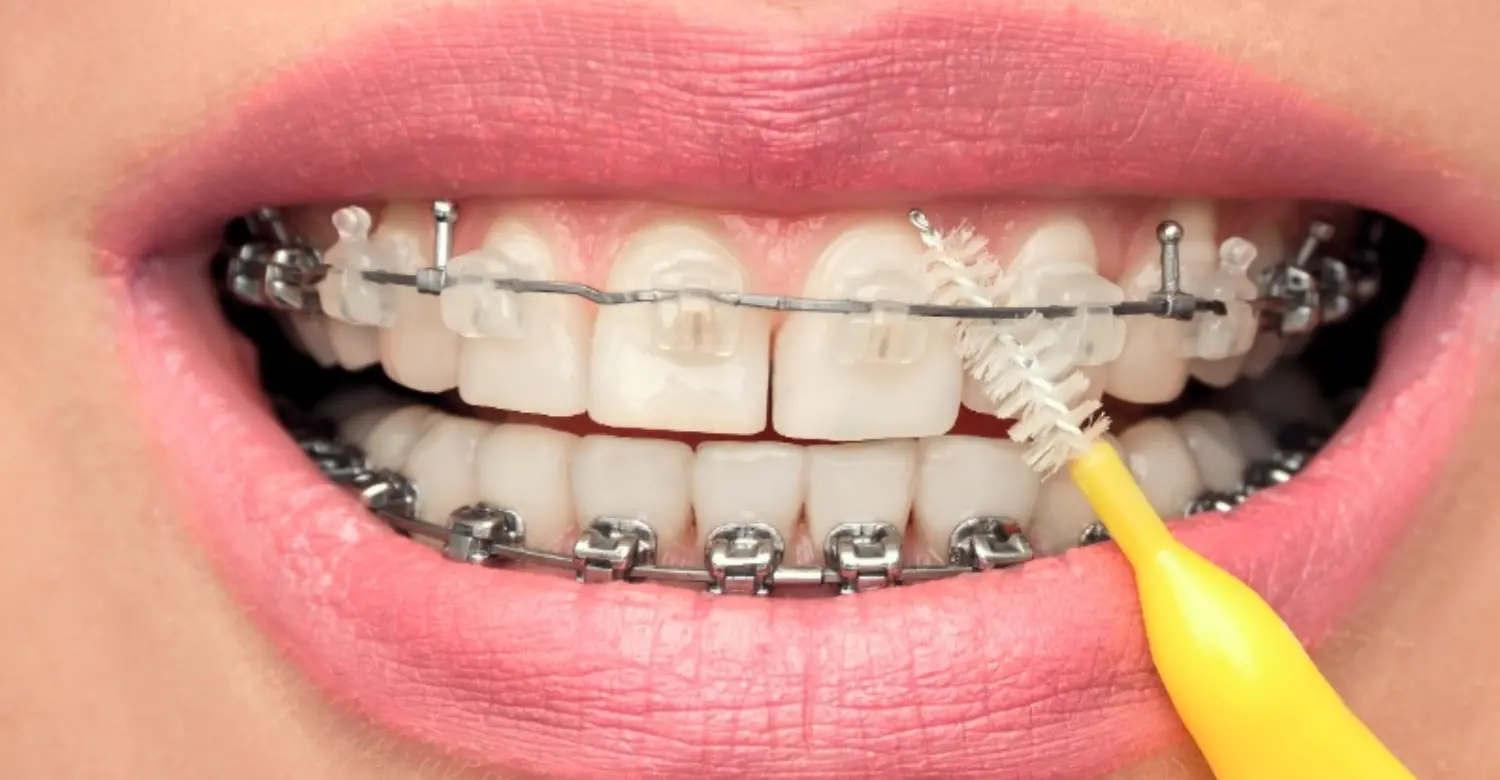
At Vitrin Clinic, orthodontic specialists emphasize that orthodontic treatment improves the structure and alignment of teeth, which in turn makes oral hygiene easier—but it does not replace professional cleaning or daily brushing. During your visits, our skilled orthodontic assistants will often remove your wires so you can thoroughly brush your teeth.
What Orthodontics Actually Does
Orthodontics is a branch of dentistry that deals with correcting:
Crooked teeth
Crowding or spacing issues
Bite problems (overbite, underbite, crossbite)
Jaw alignment issues
Orthodontic appliances such as braces or clear aligners gradually move teeth into better positions. This process improves both aesthetics and function, but it does not remove plaque, tartar, or bacteria.
So, orthodontics does NOT directly clean teeth.
However, properly aligned teeth are easier to clean, which indirectly improves oral hygiene over time.
Does Orthodontics Remove Plaque or Tartar?
No. Plaque and tartar buildup can only be removed through:
Professional dental scaling
Routine hygiene visits
Proper brushing and flossing
Braces or aligners cannot remove hardened deposits. In fact, if oral hygiene is not maintained properly during orthodontic treatment, plaque can accumulate around brackets and wires more easily.
At Vitrin Clinic, patients are guided carefully on maintaining oral hygiene during orthodontic treatment to avoid gum inflammation or white spot lesions.
Orthodontics and Gum Health
Although orthodontics does not clean teeth, it plays an important role in gum health. Misaligned teeth often create:
Tight spaces that trap food
Difficult brushing angles
Higher risk of gum inflammation
By correcting alignment, orthodontics helps reduce these risk areas. However, if cleaning is neglected, gum problems can still occur even after orthodontic treatment. Good hygiene habits must continue even after your braces come off, especially when it comes to cleaning your orthodontic retainers daily.
What We Notice Clinically
From a clinical perspective, Dr. Rifat Alsaman, Head of the Medical Team at Vitrin Clinic and a cosmetic dentist, explains that orthodontics significantly improves long-term oral hygiene outcomes but does not replace cleaning procedures.
According to Dr. Rifat Alsaman, one of the most common misconceptions patients have is that braces “clean” or “protect” teeth automatically. In reality, he notes that:
Patients with orthodontic appliances must be more disciplined with hygiene
Gum inflammation is more common during early treatment stages if cleaning is poor
Once teeth are properly aligned, cleaning becomes significantly easier and more effective
Dr. Rifat Alsaman, Head of the Medical Team at Vitrin Clinic, emphasizes that orthodontic treatment should always be combined with professional cleaning routines to maintain optimal oral and gum health. If you are currently eating with wax on your brackets, you must be extra diligent about brushing away trapped food particles.
Average Cost of Orthodontic Treatment in Turkey
The cost of orthodontic treatment varies depending on complexity, type of appliance, and duration. In Turkey, average prices are:
Traditional metal braces: $900 – $1,800
Ceramic braces: $1,200 – $2,500
Clear aligners: $1,500 – $3,500
At Vitrin Clinic, treatment planning is customized according to each patient’s dental condition, ensuring both functional correction and aesthetic improvement under the supervision of Dr. Rifat Alsaman and the medical team.
Conclusion
Orthodontics does not clean teeth, but it plays a major role in improving how effectively teeth can be cleaned in the long term. Proper alignment reduces plaque-retaining areas and supports better gum health. However, daily hygiene and professional cleaning remain essential throughout treatment.
At Vitrin Clinic, under the expertise of Dr. Rifat Alsaman, Head of the Medical Team and cosmetic dentist, patients receive comprehensive orthodontic care that combines alignment correction with strong preventive hygiene guidance to ensure healthy, lasting results. Special care is also required for cleaning around temporary anchorage devices to prevent painful gum inflammation.
Reference
Do Orthodontics Clean Teeth is a common question, and while orthodontic treatment itself does not clean teeth, it helps align them properly, making it easier to maintain effective oral hygiene and reduce plaque buildup during and after treatment. The following references provide more information about orthodontics, oral hygiene, and dental care during treatment:
FAQs

Dr. Rifat Alsaman has more than 5 years of clinical experience in dentistry and currently serves as the Head of the Medical Team at Vitrin Clinic. He is dedicated to providing exceptional patient care, overseeing treatment planning, and ensuring the highest clinical standards across the team. His expertise, attention to detail, and commitment to continuous professional development have helped countless patients achieve healthier, more confident smiles.


