
Can I eat with orthodontic wax? Yes, you can physically eat with orthodontic wax on your braces, but it is highly recommended that you remove it before meals. Eating with the wax in place can cause food particles to stick to it, creating a breeding ground for bacteria and plaque. Furthermore, the mechanical chewing action will likely dislodge the wax, causing you to accidentally swallow it. While swallowing medical-grade dental wax is completely safe and non-toxic, removing the old wax before you eat, rinsing your mouth, and applying a fresh, clean layer afterward is the best way to maintain optimal oral health.
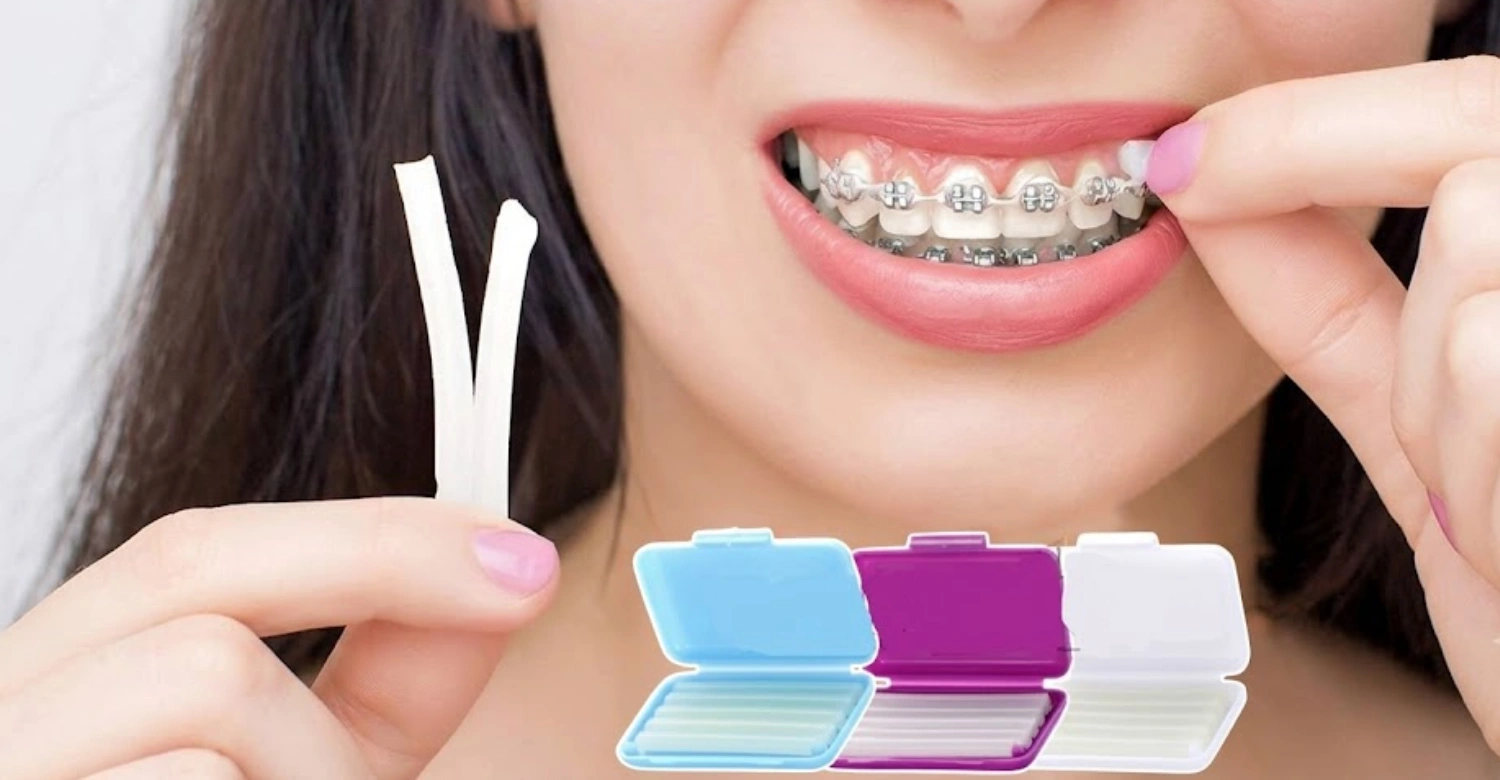
To understand why, it helps to first know what orthodontic wax actually is. Orthodontic wax is a soft, non-toxic, food-grade material usually made from beeswax, paraffin, or carnauba wax. It is designed to be placed over sharp or irritating parts of braces such as brackets, wires, or hooksto prevent them from rubbing against the inside of your lips, cheeks, or gums. Its main purpose is to act as a temporary barrier that reduces pain and irritation during orthodontic treatment.
Because it is soft and moldable, wax does not bond strongly to braces. This is intentional: it allows patients to remove and replace it easily. However, this same property is exactly why eating with wax is problematic. When you chew food, the pressure, moisture, and movement inside your mouth will quickly dislodge the wax. Even sticky or soft foods can cause it to break apart or slide off within minutes. If you are worried about mealtime comfort, read our detailed guide regarding eating with wax in your mouth safely.
One of the main issues with eating while using orthodontic wax is that it loses its protective function almost immediately. Wax is meant to protect irritated areas, but chewing food constantly pushes it out of place. Once it moves or falls off, the sharp part of the braces is exposed again, and the irritation returns. This defeats the entire purpose of applying it in the first place.
Another concern is hygiene. Food particles easily stick to wax because it is slightly tacky and oily. When you eat with wax still in your mouth, bits of food can become trapped between the wax and your braces. This creates a warm, moist environment where bacteria can grow more easily. Over time, this can increase the risk of plaque buildup, bad breath, and even minor gum inflammation if not cleaned properly. A common fear during meals is accidental ingestion, leading many patients to ask can you swallow orthodontic wax without harm.
Additionally, wax is not meant to be swallowed in large amounts. While accidentally swallowing a small piece is harmless and will pass through your digestive system without issue, chewing food with wax increases the likelihood that you will ingest it repeatedly. This is not dangerous, but it is unnecessary and can feel unpleasant. It can also affect the texture and taste of food, making eating less enjoyable.
From a practical perspective, orthodontists usually recommend removing wax before eating. This is because wax becomes ineffective during meals and is often wasted if left in place. After eating, you should clean your teeth and braces thoroughly and then reapply fresh wax if needed. Reusing old wax that has been exposed to food is not recommended, as it can carry bacteria and food debris. Once you finish your meal and brush your teeth, you might also want to sleep with orthodontic wax for overnight relief.
There are also some food-related considerations. If you are using wax because your braces are causing irritation, it is important to avoid hard, sticky, or crunchy foods in general. Foods like nuts, popcorn, caramel, chewing gum, and hard candies can not only damage braces but also make irritation worse. Even with wax, these foods can dislodge brackets or bend wires, leading to more discomfort and potentially delaying treatment progress.
Soft foods are usually better choices during orthodontic treatment, especially when your mouth is sore. Foods like yogurt, mashed potatoes, pasta, soup, scrambled eggs, and smoothies are easier to eat and less likely to interfere with braces or wax. However, even with soft foods, wax should still be removed before eating for proper hygiene and effectiveness.
Another important point is comfort. Many patients find that wax feels strange or slightly bulky in the mouth. When you eat, this sensation becomes more noticeable because your tongue and jaw are actively working. This can make chewing feel awkward or uneven. Removing the wax before meals allows you to eat more naturally and comfortably.
About Vitrin Clinic
Vitrin Clinic is a specialized dental and aesthetic clinic focused on advanced cosmetic and orthodontic treatments. The clinic is known for combining modern dental technology with personalized patient care, ensuring both functional and aesthetic results. Experiencing slight irritation is a very normal part of the overall orthodontic treatment process as your mouth adjusts.
At Vitrin Clinic, treatment planning is designed around patient comfort, long-term oral health, and natural-looking results. The team provides comprehensive orthodontic care, including braces management, aligner treatments, and patient education on proper oral hygiene during treatment. A strong focus is placed on guiding patients through every stage of their orthodontic journey to reduce discomfort and improve outcomes.
What We Notice Clinically
At Vitrin Clinic, under the clinical leadership of Dr. Rifat Alsaman, Head of the Medical Team at Vitrin Clinic and a cosmetic dentist, we observe a consistent pattern in how orthodontic wax is used by patients.
According to Dr. Rifat Alsaman, one of the most common mistakes is keeping wax on while eating. He emphasizes that this habit often leads to reduced effectiveness of the wax and unnecessary prolongation of irritation.
Dr. Rifat Alsaman explains that when patients eat with wax still in place, two main issues frequently appear:
Increased food accumulation around brackets
Reduced healing of irritated soft tissues due to improper wax use
He further notes that patients who follow correct wax usage instructions removing wax before meals and reapplying it afterward experience significantly better comfort and faster adaptation to braces.
In his clinical experience at Vitrin Clinic, Dr. Rifat Alsaman, Head of the Medical Team at Vitrin Clinic and cosmetic dentist, consistently highlights that proper patient education is a key factor in successful orthodontic treatment outcomes.
Conclusion
You can eat with orthodontic wax, but you should not rely on it during meals. It will not stay in place, it will not protect effectively, and it can reduce oral hygiene. In emergency dental situations, many patients wonder if they can use orthodontic wax on a broken tooth to prevent cuts.
The recommended approach from Vitrin Clinic and Dr. Rifat Alsaman, Head of the Medical Team at Vitrin Clinic, is clear: remove wax before eating, maintain good oral hygiene, and reapply it afterward only if needed. This ensures better comfort, cleaner braces, and a smoother orthodontic experience overall.
Reference
The PubMed study shows that orthodontic wax helps reduce soft tissue irritation and discomfort caused by braces, improving overall patient comfort . However, it should not be eaten during meals, as it is designed only as a protective barrier, not for ingestion. These findings highlight its clinical value in orthodontic care while reinforcing proper usage guidelines.
https://pubmed.ncbi.nlm.nih.gov/39523230/
FAQs

Dr. Rifat Alsaman has more than 5 years of clinical experience in dentistry and currently serves as the Head of the Medical Team at Vitrin Clinic. He is dedicated to providing exceptional patient care, overseeing treatment planning, and ensuring the highest clinical standards across the team. His expertise, attention to detail, and commitment to continuous professional development have helped countless patients achieve healthier, more confident smiles.


