Dental Crowns
July 7, 2026
E.max vs Zirconia Crowns Differences: Which Crown Is Better?
 Dr. Rifat Alsaman
The E.max vs Zirconia Crowns Differences are mainly related to aesthetics, strength, durability, and the specific needs of each patient. There is no single crown material that is considered the best for everyone because the ideal choice depends on the location of the tooth, bite pressure, cosmetic expectations, and overall oral condition.
E.max crowns are often preferred when achieving the most natural-looking smile is the main priority. Their lithium disilicate ceramic structure provides excellent translucency and a realistic appearance that closely resembles natural enamel, making them especially suitable for front teeth and cosmetic restorations.
According to Dr. Rifat Alsaman, Head of the Medical Team at Vitrin Clinic and a cosmetic dentist, the best crown choice should be based on a complete clinical evaluation rather than choosing a material based only on popularity. At Vitrin Clinic, each patient receives a personalized treatment plan designed to achieve the right balance between natural appearance, comfort, and long-term function.
E.max vs Zirconia Crowns: Which Crown Is Better?
The E.max vs Zirconia Crowns Differences are mainly related to aesthetics, strength, durability, and how each material performs in different areas of the mouth. Both options are advanced ceramic dental crowns designed to restore damaged teeth and improve smile appearance, but the ideal choice depends on your dental needs, tooth location, bite pressure, and cosmetic goals.
At Vitrin Clinic, crown selection is based on a detailed evaluation rather than choosing one material for every patient. Dr. Rifat Alsaman, Head of the Medical Team at Vitrin Clinic and a cosmetic dentist, explains that the best crown is the one that balances natural appearance with long-term function.
E.max crowns are often preferred when achieving a highly natural smile is the priority because they provide excellent translucency and lifelike aesthetics. Zirconia crowns are known for exceptional strength and resistance, making them suitable for areas exposed to heavy chewing forces.
A professional examination helps determine whether appearance, durability, or a combination of both should guide the final decision.
What Are E.max Crowns?
E.max crowns are premium ceramic dental restorations made from lithium disilicate glass ceramic. This material is widely used in cosmetic dentistry because it closely mimics the natural appearance of tooth enamel. Its ability to transmit light creates a realistic depth and translucency that helps crowns blend naturally with surrounding teeth.
One of the main advantages of E.max crowns is their aesthetic quality, especially when restoring visible teeth such as front teeth. They can be customized in different shades and shapes to create a harmonious smile design.
According to Dr. Rifat Alsaman, Head of the Medical Team at Vitrin Clinic and a cosmetic dentist, E.max crowns are frequently considered when patients want a cosmetic result that looks natural while maintaining reliable strength for appropriate cases.
However, the choice depends on several factors, including tooth position, bite forces, and oral habits. While E.max crowns provide excellent beauty and sufficient durability for many situations, they may not always be the best option for teeth exposed to extremely high pressure.
What Are Zirconia Crowns?
Zirconia crowns are dental restorations made from zirconium dioxide, a highly durable ceramic material recognized for its strength and resistance to wear. They have become one of the most popular choices in modern dentistry because they combine ceramic aesthetics with impressive mechanical performance.
Unlike some traditional crowns that require metal support, zirconia crowns are completely metal-free. This makes them a suitable option for patients looking for strong and biocompatible restorations with a natural appearance.
The main advantage of zirconia is its ability to withstand significant chewing forces, which makes it commonly recommended for molars and areas where durability is essential. Modern zirconia materials have also improved aesthetically, offering more natural shades and better translucency compared with older generations.
At Vitrin Clinic, Dr. Rifat Alsaman evaluates each patient’s smile goals and functional requirements before recommending zirconia crowns. He emphasizes that strength alone is not the only consideration; achieving a balanced result between appearance, comfort, and long-term performance is essential. For a complete overview of every restoration type before comparing these two materials, our main dental crowns page covers all options offered at Vitrin Clinic
E.max vs Zirconia Crowns Comparison: Which One Should You Choose?
Choosing between these two crown materials depends on what matters most for your individual smile. E.max crowns are generally associated with superior aesthetics, making them a popular choice for patients who want highly natural-looking restorations in visible areas. Zirconia crowns are recognized for their outstanding strength and are often selected when durability is the primary concern.
The decision should consider factors such as the location of the tooth, bite pressure, existing dental condition, and desired cosmetic outcome. For example, a front tooth restoration may require maximum translucency and natural appearance, while a back tooth restoration may require greater resistance to chewing forces.
The team at Vitrin Clinic uses advanced assessment methods to determine the most suitable option for each patient. Dr. Rifat Alsaman, Head of the Medical Team at Vitrin Clinic and a cosmetic dentist, focuses on creating personalized treatment plans that achieve both functional stability and aesthetic improvement.
There is no universal “best” crown material; the best choice is the one that matches the patient’s specific dental needs.
How Do E.max and Zirconia Crowns Difference?
The differences between these materials involve their composition, appearance, strength, and clinical applications. Understanding these differences helps patients make informed decisions when considering cosmetic or restorative dental treatment.
E.max is a glass ceramic material designed to provide exceptional aesthetics, while zirconia is a stronger ceramic material designed to handle higher functional demands. Both materials are durable and reliable, but they perform differently depending on where they are placed in the mouth.
At Vitrin Clinic, crown selection is not based only on material popularity. Dr. Rifat Alsaman, Head of the Medical Team at Vitrin Clinic and a cosmetic dentist, considers the complete dental situation, including smile design, tooth condition, bite patterns, and patient expectations.
A detailed consultation allows patients to understand the advantages of each option and choose a restoration that provides a natural appearance and long-lasting comfort. For a broader material comparison beyond just these two ceramics, our guide to the different types of dental crowns includes PFM and gold alongside E.max and zirconia
Difference Between E.max and Zirconia Crowns
Understanding the E.max vs Zirconia Crowns Differences helps patients know why dentists may recommend one material over another depending on their smile goals and oral conditions. The primary difference is the balance between aesthetics and strength. E.max crowns are made from lithium disilicate ceramic, which provides excellent light reflection and a highly natural appearance. Zirconia crowns are created from zirconium dioxide, a ceramic material known for exceptional strength and resistance to fracture.
E.max crowns are usually selected for areas where appearance is the highest priority, especially front teeth and visible smile zones. Zirconia crowns are often preferred for teeth that experience stronger chewing pressure, such as molars.
At Vitrin Clinic, Dr. Rifat Alsaman, Head of the Medical Team at Vitrin Clinic and a cosmetic dentist, explains that crown selection should be personalized. The ideal restoration is not always the strongest material or the most aesthetic option, but the one that provides the right combination of beauty, function, and long-term reliability for each patient. Patients leaning toward the zirconia route can review our dedicated zirconia crowns in Turkey guide for pricing, production process, and case suitability
E.max Crown Material and Characteristics
The E.max vs Zirconia Crowns Differences become clear when comparing their internal structure and clinical performance. E.max crowns are manufactured from lithium disilicate glass ceramic, a material specifically developed to provide a combination of strength and exceptional aesthetics. This ceramic structure allows the crown to imitate the natural transparency and color variations of real teeth.
One of the most important characteristics of E.max crowns is their ability to blend smoothly with natural teeth. Their translucency creates a realistic appearance, which is why they are frequently chosen for cosmetic treatments such as smile makeovers and front tooth restorations.
However, E.max crowns must be carefully planned according to the patient’s bite forces and tooth location. They provide excellent strength for many situations, but extremely high-pressure areas may require a different material.
According to Dr. Rifat Alsaman, Head of the Medical Team at Vitrin Clinic and a cosmetic dentist, successful crown treatment depends on selecting the right material for the patient rather than choosing a crown based only on appearance or popularity.
E.max Crowns Strength and Appearance
The E.max vs Zirconia Crowns Differences are especially noticeable when comparing appearance and strength. E.max crowns are highly valued because they provide one of the closest visual matches to natural enamel. Their glass ceramic composition allows light to pass through the restoration in a similar way to natural teeth, creating a bright and lifelike smile.
In terms of strength, E.max crowns offer reliable durability for many restorative and cosmetic cases. They are designed to withstand normal biting forces when properly placed and maintained. Their strength makes them suitable for many front teeth and some premolar restorations.
The appearance of E.max crowns is one of their strongest advantages, especially for patients who want a restoration that does not look artificial. The shade, shape, and translucency can be customized to match the surrounding teeth.
At Vitrin Clinic, Dr. Rifat Alsaman, Head of the Medical Team at Vitrin Clinic and a cosmetic dentist, considers facial aesthetics, tooth position, and patient expectations when planning E.max restorations to achieve natural-looking results. For patients considering E.max in veneer form rather than full crowns, our guide to E-max veneers explains how the same lithium disilicate material works as an ultra-thin cosmetic restoration
Zirconia Crown Material and Characteristics
The E.max vs Zirconia Crowns Differences are also related to the unique properties of zirconia as a dental material. Zirconia crowns are made from zirconium dioxide, a highly durable ceramic known for its exceptional resistance to cracking and wear. This makes them one of the strongest options available in modern restorative dentistry.
A major characteristic of zirconia crowns is their ability to handle strong chewing forces while maintaining structural stability over many years. This makes them especially useful for posterior teeth, including molars, where pressure during chewing is significantly higher.
Modern zirconia crowns have also improved in appearance. Earlier versions were sometimes considered less natural-looking compared with glass ceramics, but newer generations provide better translucency and improved color matching.
Dr. Rifat Alsaman, Head of the Medical Team at Vitrin Clinic and a cosmetic dentist, highlights that zirconia crowns can provide an excellent balance between strength and aesthetics when properly designed. At Vitrin Clinic, digital planning and careful shade selection help create restorations that support both function and smile appearance. Since metal-free ceramics are a priority for many patients, our guide to all-ceramic dental crowns covers the full range of non-metal options
Zirconia Crowns Strength and Longevity
The E.max vs Zirconia Crowns Differences are particularly important when discussing durability and long-term performance. Zirconia crowns are widely recognized for their exceptional strength, making them suitable for patients who need a restoration capable of handling significant chewing pressure.
The dense structure of zirconia allows these crowns to resist fractures and daily wear. This durability is one reason many dentists recommend zirconia for back teeth, patients with stronger bites, or cases where maximum resistance is required.
Although strength is a major advantage, proper design and placement are still essential for long-term success. A strong crown must also fit accurately, support healthy gums, and match the patient’s bite.
At Vitrin Clinic, Dr. Rifat Alsaman, Head of the Medical Team at Vitrin Clinic and a cosmetic dentist, focuses on combining material selection with precise treatment planning. He explains that a successful crown is not only about choosing a durable material but also about ensuring proper function, comfort, and aesthetics for each patient.
E.max or Zirconia: Which Looks More Natural?
The E.max vs Zirconia Crowns Differences are especially noticeable when comparing how natural each crown appears. E.max crowns are often considered one of the most aesthetic dental crown options because their lithium disilicate ceramic structure allows light transmission similar to natural tooth enamel. This creates a more realistic appearance, especially when viewed in different lighting conditions.
Zirconia crowns have also improved significantly in aesthetics due to advancements in dental technology. Modern translucent zirconia can provide a natural appearance while maintaining the high strength that makes zirconia popular. However, highly aesthetic cases where maximum translucency is required may still benefit from E.max restorations.
At Vitrin Clinic, crown selection focuses on achieving harmony between the restoration and the patient’s natural smile. Dr. Rifat Alsaman, Head of the Medical Team at Vitrin Clinic and a cosmetic dentist, explains that a beautiful crown should not only look attractive but should also match facial features, tooth proportions, and the overall smile design. For patients whose heavy grinding is driving the strength requirement, our guide to crowns for teeth grinding explains which materials withstand bruxism forces best
The best choice depends on whether the priority is superior aesthetics, maximum strength, or a balanced combination of both.
Aesthetic Dental Crowns Comparison
The E.max vs Zirconia Crowns Differences become clear when evaluating aesthetic performance. Dental crowns are not only designed to restore damaged teeth but also to improve confidence by creating a natural and attractive smile. The appearance of a crown depends on several factors, including material transparency, shade matching, surface texture, and the skill of the dental team.
E.max crowns are highly appreciated in cosmetic dentistry because they closely replicate the appearance of natural enamel. Their ability to reflect and transmit light gives them a lifelike quality that is difficult to achieve with some other materials.
Zirconia crowns provide excellent aesthetics while offering greater strength. They are available in different types, including more translucent versions designed to improve their cosmetic appearance.
At Vitrin Clinic, Dr. Rifat Alsaman, Head of the Medical Team at Vitrin Clinic and a cosmetic dentist, believes that aesthetic dentistry requires careful planning beyond choosing a crown material. Digital smile analysis, precise measurements, and customized design help ensure that the final result looks natural and fits the patient’s facial appearance. If the tooth needs a root canal before crown placement, our root canal treatment in Turkey guide explains how that step fits into the overall treatment timeline
E.max vs Zirconia Crowns for Front Teeth
The E.max vs Zirconia Crowns Differences are particularly important when choosing a restoration for front teeth because these teeth have a major impact on smile appearance. Front teeth are highly visible, meaning the crown must closely resemble natural enamel in color, shape, and translucency.
E.max crowns are frequently chosen for front teeth because they provide exceptional aesthetic results. Their glass ceramic structure allows dentists to create restorations with depth and brightness similar to natural teeth. They are especially suitable for patients who prioritize a highly cosmetic outcome.
Zirconia crowns can also be used for front teeth, particularly when additional strength is needed. Newer zirconia materials offer improved translucency and can provide attractive results when properly designed.
At Vitrin Clinic, Dr. Rifat Alsaman, Head of the Medical Team at Vitrin Clinic and a cosmetic dentist, evaluates factors such as tooth position, smile line, bite forces, and patient expectations before recommending a crown type. The goal is always to create a restoration that combines natural beauty with reliable performance. For patients still deciding whether a full-coverage crown or a thinner veneer fits their case, our comparison of veneers vs. crowns explains which situations call for each
Most Natural Looking Dental Crowns: Which Material Wins?
The E.max vs Zirconia Crowns Differences show that both materials can provide excellent cosmetic results, but they achieve beauty in different ways. E.max crowns are often considered the preferred choice for maximum natural appearance because of their superior translucency and enamel-like characteristics.
The ability of E.max ceramic to interact with light creates a realistic appearance that closely resembles natural teeth. This makes it especially valuable in highly visible cosmetic treatments where small details can influence the final smile result.
Zirconia crowns offer a different advantage. They provide outstanding strength while newer versions have improved aesthetic qualities. For many patients, zirconia can achieve a natural appearance while providing additional durability.
According to Dr. Rifat Alsaman, Head of the Medical Team at Vitrin Clinic and a cosmetic dentist, the “most natural” crown is not determined only by the material itself. The dentist’s experience, digital planning, shade selection, and precise placement all play important roles in achieving a realistic result.
Which Crown Is Stronger: E.max or Zirconia?
The E.max vs Zirconia Crowns Differences are significant when comparing strength and resistance to daily chewing forces. Both materials are considered high-quality ceramic options, but zirconia generally has higher mechanical strength compared with E.max.
E.max crowns provide excellent strength for many dental applications, particularly cosmetic restorations and teeth that experience moderate pressure. Their combination of beauty and durability makes them a popular choice for many patients.
Zirconia crowns are known for their exceptional toughness and fracture resistance. This makes them especially suitable for molars, patients with heavy biting forces, and situations where long-term strength is a priority.
However, strength alone does not determine the best crown choice. A restoration must also provide proper fit, comfort, appearance, and compatibility with the patient’s oral condition.
At Vitrin Clinic, Dr. Rifat Alsaman, Head of the Medical Team at Vitrin Clinic and a cosmetic dentist, evaluates each case individually. His approach focuses on selecting the crown material that provides the best balance between durability, aesthetics, and long-term oral health. Once your crown is placed, our full crown care and maintenance guide outlines the daily habits that protect either material long-term
E.max Crowns Strength and Durability
The E.max vs Zirconia Crowns Differences can be understood by looking at how each material performs under everyday conditions. E.max crowns provide a strong ceramic restoration designed to handle normal chewing forces while maintaining excellent aesthetic qualities.
The durability of E.max crowns depends on several factors, including proper case selection, accurate preparation, correct bonding techniques, and maintaining good oral hygiene. When these factors are managed properly, E.max crowns can provide reliable long-term performance.
Their main advantage is that they combine functional strength with a highly natural appearance. This makes them a valuable option for patients who want cosmetic improvement without compromising dental function.
At Vitrin Clinic, Dr. Rifat Alsaman, Head of the Medical Team at Vitrin Clinic and a cosmetic dentist, emphasizes that crown longevity depends on both material quality and professional treatment planning. A well-designed restoration placed correctly can help patients enjoy comfortable and attractive results for many years.
Zirconia Crowns Strength Compared to E.max
The E.max vs Zirconia Crowns Differences are most noticeable when comparing resistance to pressure and long-term durability. Zirconia crowns generally have greater strength than E.max crowns because of their unique crystalline structure.
This high strength allows zirconia crowns to withstand heavy chewing forces, making them a preferred choice for posterior teeth and patients who require extra durability. They are also highly resistant to fractures and daily wear.
E.max crowns still provide excellent strength and may be the better option when aesthetics are the primary concern. The choice between the two depends on balancing the functional requirements of the tooth with the desired cosmetic outcome.
Dr. Rifat Alsaman, Head of the Medical Team at Vitrin Clinic and a cosmetic dentist, explains that selecting a crown material requires understanding the patient’s complete dental situation. At Vitrin Clinic, every treatment plan considers tooth location, bite pressure, smile goals, and long-term expectations to achieve the most suitable result.
Strongest Type of Dental Crown Material
The E.max vs Zirconia Crowns Differences are especially important when evaluating which dental crown material provides the highest level of strength. Among modern ceramic restorations, zirconia is generally considered one of the strongest materials available for dental crowns because of its high fracture resistance and ability to withstand strong biting forces.
Zirconia’s durability makes it a common choice for molars, implant-supported crowns, and patients who place significant pressure on their teeth. It can maintain structural stability even in areas exposed to intense chewing activity.
E.max crowns, while not as strong as zirconia, still offer excellent durability for many cosmetic and restorative situations. Their advantage comes from their combination of reliable strength and superior aesthetic properties.
At Vitrin Clinic, Dr. Rifat Alsaman, Head of the Medical Team at Vitrin Clinic and a cosmetic dentist, explains that the strongest material is not automatically the best choice for every patient. A successful crown treatment requires evaluating tooth position, bite forces, cosmetic expectations, and overall oral health to select the restoration that provides the best long-term outcome.
E.max vs Zirconia: Which Lasts Longer?
The E.max vs Zirconia Crowns Differences can also be evaluated by comparing their expected longevity and performance over time. Both crown materials are designed to provide long-lasting dental solutions when they are properly placed, maintained, and supported by good oral hygiene habits.
Zirconia crowns often have an advantage in areas where heavy chewing pressure is present because of their superior strength and resistance to fractures. This makes them a reliable option for back teeth and patients who require maximum durability.
E.max crowns can also provide many years of successful service, especially when used in suitable cases. Their longevity depends on factors such as tooth preparation, bonding quality, bite balance, and regular dental care.
According to Dr. Rifat Alsaman, Head of the Medical Team at Vitrin Clinic and a cosmetic dentist, the lifespan of any crown depends on more than just the material. Proper diagnosis, precise treatment planning, and professional placement are essential factors that help patients achieve stable and long-lasting results at Vitrin Clinic.
Zirconia vs E.max Dental Crowns Durability
The E.max vs Zirconia Crowns Differences become clearer when comparing durability under different oral conditions. Dental crowns must withstand daily activities such as chewing, speaking, and changes in biting pressure. The durability of each material depends on where the crown is placed and how much force it experiences.
Zirconia crowns are recognized for their exceptional durability due to their strong internal structure. They are less likely to fracture under heavy pressure, which makes them a popular option for molars and high-stress areas.
E.max crowns provide dependable durability while offering superior aesthetic advantages. They perform very well in areas where appearance is a priority and where chewing forces are within suitable limits.
At Vitrin Clinic, Dr. Rifat Alsaman, Head of the Medical Team at Vitrin Clinic and a cosmetic dentist, evaluates each patient’s dental condition before recommending a crown. He considers factors such as tooth location, bite patterns, and cosmetic goals to ensure the chosen restoration provides both durability and satisfaction.
E.max Crown Durability Compared to Zirconia
The E.max vs Zirconia Crowns Differences are reflected in how each material responds to long-term functional demands. E.max crowns are made from lithium disilicate ceramic, which provides a strong and reliable restoration while maintaining a highly natural appearance.
For front teeth and some premolar restorations, E.max crowns can offer excellent durability because they combine proper strength with aesthetic advantages. Their success depends greatly on correct case selection and professional placement.
Compared with zirconia, E.max may have lower resistance to extreme forces. Zirconia’s stronger structure allows it to perform exceptionally well in areas where chewing pressure is higher.
Dr. Rifat Alsaman, Head of the Medical Team at Vitrin Clinic and a cosmetic dentist, explains that durability should always be considered together with aesthetics. At Vitrin Clinic, the goal is not simply to choose the strongest crown but to choose the material that provides the most suitable balance between appearance, function, and long-term reliability.
Zirconia vs E.max Crowns: Long-Term Performance
The E.max vs Zirconia Crowns Differences influence how each crown performs over many years of use. Long-term success depends on several elements, including material quality, dental preparation, bite adjustment, oral hygiene, and regular professional follow-up.
Zirconia crowns are known for maintaining their strength over time, making them suitable for patients who need a highly durable restoration. Their resistance to wear and fracture contributes to their strong reputation in restorative dentistry.
E.max crowns can also provide excellent long-term results when placed in appropriate situations. Their main advantage is maintaining a natural appearance while providing sufficient strength for many cosmetic cases.
At Vitrin Clinic, Dr. Rifat Alsaman, Head of the Medical Team at Vitrin Clinic and a cosmetic dentist, believes that successful dental treatment requires a personalized approach. A crown should not only survive for years but should also remain comfortable, functional, and aesthetically pleasing throughout its lifespan.
What Makes E.max Different From Zirconia?
The E.max vs Zirconia Crowns Differences are based mainly on their material composition, appearance, and performance characteristics. E.max crowns are created from lithium disilicate ceramic, while zirconia crowns are produced from zirconium dioxide. Each material has unique advantages that make it suitable for different dental situations.
E.max is recognized for its excellent translucency and ability to imitate natural tooth enamel. This makes it a preferred option in cosmetic dentistry where achieving a realistic smile is important.
Zirconia is recognized for its strength, durability, and ability to withstand high chewing forces. It is often selected when functional performance is the main priority.
Dr. Rifat Alsaman, Head of the Medical Team at Vitrin Clinic and a cosmetic dentist, explains that choosing between these materials requires understanding the patient’s individual needs. At Vitrin Clinic, every crown treatment begins with careful evaluation to determine which material can provide the most natural, comfortable, and long-lasting result.
Types of Ceramic Dental Crowns Explained
The E.max vs Zirconia Crowns Differences can be better understood by exploring the different types of ceramic crowns available in modern dentistry. Ceramic crowns have become popular because they provide metal-free solutions with improved aesthetics and biocompatibility.
Common ceramic crown options include lithium disilicate crowns, such as E.max, and zirconia crowns made from zirconium dioxide. Each type has different characteristics regarding transparency, strength, and resistance to daily forces.
Lithium disilicate ceramics are valued for their natural appearance and are commonly used in cosmetic treatments. Zirconia ceramics are valued for their strength and are frequently selected for areas requiring additional durability.
At Vitrin Clinic, Dr. Rifat Alsaman, Head of the Medical Team at Vitrin Clinic and a cosmetic dentist, carefully reviews each patient’s dental requirements before selecting a crown material. The decision is based on scientific principles, clinical experience, and the patient’s desired smile outcome.
E.max vs Zirconia Crowns Material Differences
The E.max vs Zirconia Crowns Differences are strongly connected to the materials used to create each restoration. E.max crowns are manufactured from lithium disilicate ceramic, a glass ceramic known for its excellent translucency and natural appearance. This structure allows the crown to reflect light similarly to natural tooth enamel, creating a realistic cosmetic result.
Zirconia crowns are made from zirconium dioxide, a ceramic material recognized for its high strength and durability. Unlike glass ceramics, zirconia has a dense crystalline structure that provides increased resistance to cracks and fractures.
The choice between these materials depends on the patient’s dental situation. E.max may be preferred when achieving a natural-looking smile is the main goal, while zirconia may be recommended when additional strength is required.
At Vitrin Clinic, Dr. Rifat Alsaman, Head of the Medical Team at Vitrin Clinic and a cosmetic dentist, explains that material selection should always be based on a complete evaluation. The condition of the tooth, location of the restoration, bite forces, and aesthetic expectations all influence the final decision.
Pros and Cons of E.max and Zirconia Crowns
The E.max vs Zirconia Crowns Differences become easier to understand when comparing the advantages and limitations of each material. Both crown types provide advanced solutions for restoring damaged teeth, but they are designed with different priorities in mind.
E.max crowns are widely appreciated for their exceptional aesthetic qualities and ability to create natural-looking smiles. They are especially valuable in cosmetic dentistry where appearance is a major concern.
Zirconia crowns are recognized for their outstanding strength and durability, making them suitable for patients who need restorations capable of handling stronger chewing forces.
However, each option has limitations. E.max may not always be ideal for areas exposed to extremely high pressure, while some zirconia crowns may require careful customization to achieve the highest level of natural appearance.
At Vitrin Clinic, Dr. Rifat Alsaman, Head of the Medical Team at Vitrin Clinic and a cosmetic dentist, focuses on choosing the right material for each individual patient rather than recommending one option for everyone.
Advantages of E.max Crowns
The E.max vs Zirconia Crowns Differences highlight why E.max crowns have become a popular choice in cosmetic dentistry. One of the greatest advantages of E.max crowns is their ability to create a highly natural appearance. Their translucent ceramic structure allows light to pass through the restoration, producing a result that closely resembles natural teeth.
Another advantage is their versatility. E.max crowns can be used for many cosmetic and restorative treatments, including front teeth restorations, veneers, and selected posterior teeth cases where aesthetic improvement is important.
E.max crowns are also metal-free, making them suitable for patients who prefer ceramic restorations with a natural appearance and good compatibility with gum tissues.
According to Dr. Rifat Alsaman, Head of the Medical Team at Vitrin Clinic and a cosmetic dentist, successful cosmetic dentistry depends on combining advanced materials with precise planning. At Vitrin Clinic, E.max crowns are carefully designed to match the patient’s facial features, smile line, and natural tooth characteristics.
Limitations of E.max Crowns
The E.max vs Zirconia Crowns Differences also include understanding the situations where E.max crowns may not be the ideal choice. Although E.max provides excellent aesthetics and reliable strength, it may not always be suitable for areas exposed to very high chewing pressure.
Because E.max is a glass ceramic material, it has different mechanical properties compared with zirconia. Patients with strong biting forces, severe grinding habits, or certain molar restorations may require a stronger material depending on their individual condition.
Another consideration is that proper case selection is important. A highly aesthetic crown can only perform successfully when it is placed in an appropriate location and supported by healthy dental structures.
Dr. Rifat Alsaman, Head of the Medical Team at Vitrin Clinic and a cosmetic dentist, emphasizes that understanding limitations is an important part of treatment planning. At Vitrin Clinic, patients receive a complete evaluation to determine whether E.max crowns can provide the desired combination of beauty, strength, and long-term performance.
Advantages of Zirconia Crowns
The E.max vs Zirconia Crowns Differences show why zirconia crowns are considered one of the strongest ceramic restoration options in modern dentistry. Their biggest advantage is exceptional durability, allowing them to handle strong chewing forces while maintaining structural stability.
Zirconia crowns are highly resistant to fractures and wear, making them suitable for molars, implant restorations, and patients who require additional strength. Their metal-free composition also provides a natural alternative to traditional metal-supported crowns.
Modern zirconia crowns have improved significantly in appearance. Newer generations offer better translucency and more natural color options, allowing dentists to achieve attractive cosmetic results while maintaining strength.
At Vitrin Clinic, Dr. Rifat Alsaman, Head of the Medical Team at Vitrin Clinic and a cosmetic dentist, evaluates whether zirconia’s strength matches the patient’s needs. He explains that durability is valuable, but the final restoration must also achieve proper shape, comfort, and harmony with the patient’s smile.
Limitations of Zirconia Crowns
The E.max vs Zirconia Crowns Differences include several factors that patients should understand before choosing zirconia restorations. Although zirconia crowns offer outstanding strength, they may have some limitations compared with glass ceramic options.
Traditional zirconia crowns were sometimes considered less natural-looking because of their lower translucency compared with materials such as E.max. However, newer translucent zirconia technologies have improved their aesthetic performance significantly.
Another consideration is that zirconia crowns require precise planning and advanced techniques to achieve optimal results. Proper design, shade selection, and finishing are essential to ensure the crown blends naturally with surrounding teeth.
Dr. Rifat Alsaman, Head of the Medical Team at Vitrin Clinic and a cosmetic dentist, explains that every material has strengths and limitations. At Vitrin Clinic, the decision to use zirconia is based on a detailed assessment of function, aesthetics, and patient expectations to ensure the final restoration delivers a balanced result.
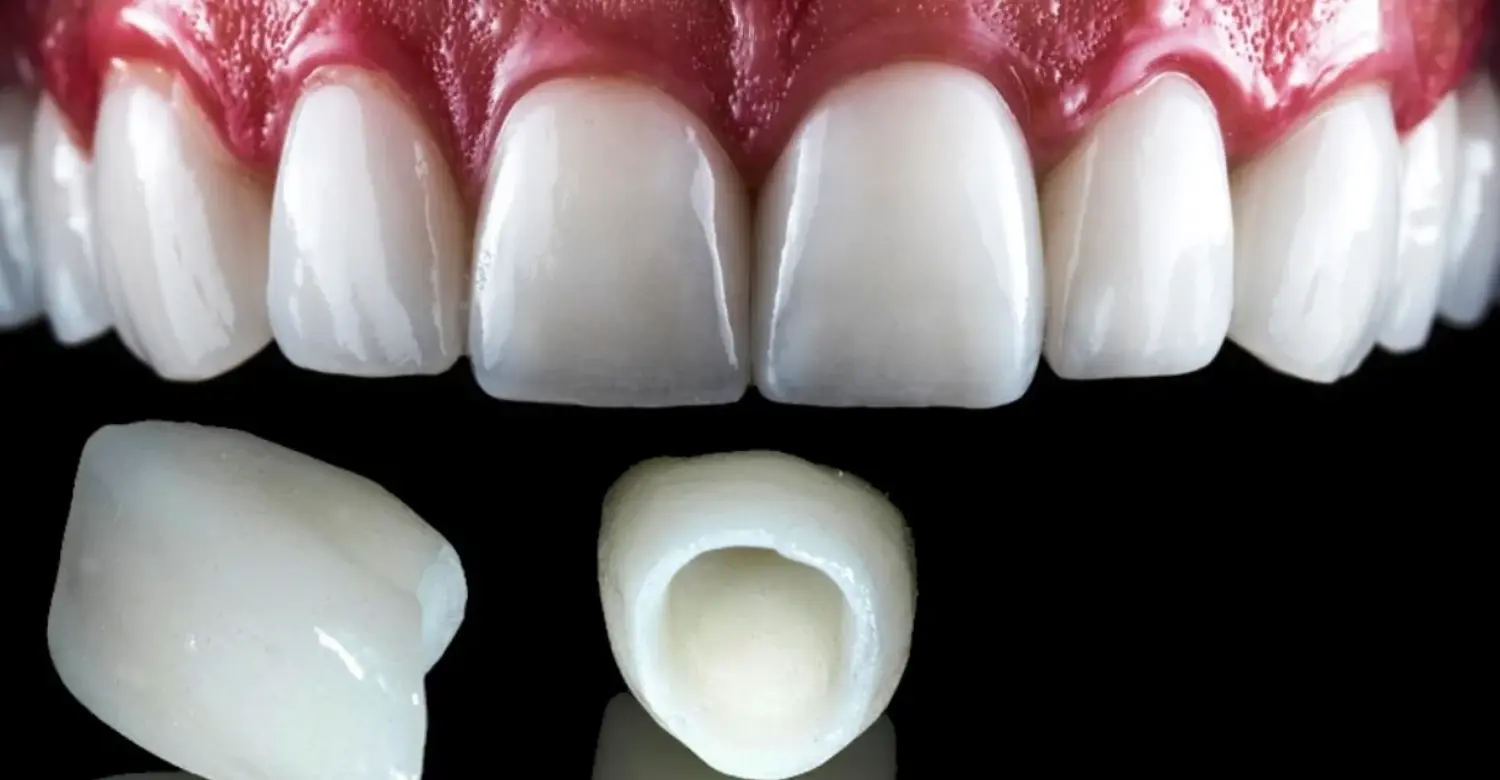
Which Crown Fits Your Smile Best?
The E.max vs Zirconia Crowns Differences demonstrate that the ideal crown choice depends on the unique requirements of each smile. There is no single material that is perfect for every patient because different teeth experience different pressures and have different aesthetic importance.
Front teeth often require maximum attention to appearance because they are visible when smiling and speaking. In these situations, materials with excellent translucency may be preferred. Back teeth require greater resistance because they handle stronger chewing forces.
At Vitrin Clinic, crown selection involves evaluating tooth position, smile design, bite function, and the patient’s personal goals. Dr. Rifat Alsaman, Head of the Medical Team at Vitrin Clinic and a cosmetic dentist, believes that personalized planning is essential for achieving natural and long-lasting dental results.
The best crown is the one that provides the right balance between aesthetics, strength, comfort, and durability according to each patient’s needs.
Choosing the Best Crown Material for Front Teeth
The E.max vs Zirconia Crowns Differences are especially important when selecting crowns for front teeth because these teeth have a major impact on smile aesthetics. Front teeth are visible during everyday activities such as speaking, smiling, and facial expressions, so the crown must closely match the appearance of natural enamel.
E.max crowns are often considered a preferred option for front teeth because of their excellent translucency and ability to reflect light naturally. Their glass ceramic structure allows dentists to create restorations with realistic depth, color, and brightness.
Zirconia crowns can also be suitable for front teeth, especially when additional strength is required. Modern translucent zirconia provides improved aesthetics while maintaining the durability that makes zirconia popular.
At Vitrin Clinic, Dr. Rifat Alsaman, Head of the Medical Team at Vitrin Clinic and a cosmetic dentist, evaluates more than just the crown material. He considers facial appearance, gum shape, tooth proportions, smile line, and patient expectations to create a restoration that looks natural and functions comfortably.
E.max or Zirconia Crowns for Molars
The E.max vs Zirconia Crowns Differences become highly relevant when choosing crowns for molars because these teeth experience significant chewing pressure. Molars are responsible for grinding food, meaning the selected crown material must provide excellent resistance and stability.
Zirconia crowns are frequently recommended for molars because of their exceptional strength and ability to withstand heavy biting forces. Their durable structure makes them suitable for areas where resistance to fracture is a priority.
E.max crowns can also be used for certain molar restorations, especially when aesthetic considerations are important and the patient’s bite conditions are suitable. However, the final choice depends on factors such as tooth condition, occlusion, and functional demands.
Dr. Rifat Alsaman, Head of the Medical Team at Vitrin Clinic and a cosmetic dentist, explains that molar crown selection requires careful assessment. At Vitrin Clinic, the team evaluates each patient individually to determine whether strength, aesthetics, or a combination of both should guide the treatment decision.
Dental Crown Material Selection Guide
The E.max vs Zirconia Crowns Differences provide important guidance when selecting the right crown material, but the final decision should always be based on professional evaluation. Dental crowns are not one-size-fits-all restorations because every patient has different oral conditions, functional needs, and cosmetic expectations.
Important factors to consider include the location of the tooth, amount of remaining tooth structure, bite pressure, gum health, aesthetic requirements, and long-term goals. A front tooth may require a material that provides exceptional beauty, while a molar may need maximum strength.
E.max and zirconia crowns both offer valuable benefits, but their advantages suit different situations. Choosing the correct material helps improve comfort, appearance, and restoration longevity.
At Vitrin Clinic, Dr. Rifat Alsaman, Head of the Medical Team at Vitrin Clinic and a cosmetic dentist, uses a personalized approach when planning dental crowns. The goal is to provide patients with a restoration that fits their smile, supports their oral health, and delivers reliable long-term performance.
How to Choose Between E.max and Zirconia Crowns
The E.max vs Zirconia Crowns Differences should be carefully considered before deciding on a dental crown. The best choice depends on the balance between aesthetic expectations and functional requirements.
Patients who prioritize a highly natural-looking smile may benefit from E.max crowns because of their excellent translucency and enamel-like appearance. They are especially attractive for visible teeth where cosmetic details are important.
Patients who need maximum strength may prefer zirconia crowns because of their superior resistance to fractures and ability to handle stronger chewing forces. This makes them especially useful for molars and high-pressure areas.
The decision should not be based only on material popularity. A professional dental assessment is necessary to determine which option matches the patient’s needs.
Dr. Rifat Alsaman, Head of the Medical Team at Vitrin Clinic and a cosmetic dentist, focuses on creating personalized treatment plans. At Vitrin Clinic, every crown recommendation is based on detailed evaluation to achieve a result that combines aesthetics, function, and durability.
Are E.max Crowns Better Than Zirconia Crowns?
The E.max vs Zirconia Crowns Differences show that neither crown material is universally better because each option provides unique advantages. The better choice depends on the patient’s dental condition, location of the restoration, cosmetic expectations, and functional requirements.
E.max crowns may be considered better for patients who want the highest level of natural appearance, especially for front teeth and cosmetic smile improvements. Their ability to imitate natural enamel makes them highly valuable in aesthetic dentistry.
Zirconia crowns may be considered better when strength and durability are the main priorities. Their resistance to fracture makes them suitable for areas exposed to heavy chewing pressure.
At Vitrin Clinic, Dr. Rifat Alsaman, Head of the Medical Team at Vitrin Clinic and a cosmetic dentist, explains that choosing a crown requires a personalized approach. The best crown is not simply the strongest or most attractive option; it is the restoration that provides the right balance between beauty, comfort, and long-term function for each patient.
E.max vs Zirconia Crowns Pros and Cons
The E.max vs Zirconia Crowns Differences can be summarized by comparing the benefits and considerations of each material. Understanding the advantages and disadvantages helps patients make informed decisions about their dental restoration.
E.max crowns provide outstanding aesthetic results, excellent translucency, and a natural appearance. They are ideal for many cosmetic cases where creating a realistic smile is the main goal. However, they may not be the preferred option for situations requiring maximum resistance to extreme forces.
Zirconia crowns provide exceptional strength, durability, and fracture resistance. They are excellent for patients who need strong restorations, especially in areas exposed to high chewing pressure. However, some cases may require additional customization to achieve the highest level of natural appearance.
According to Dr. Rifat Alsaman, Head of the Medical Team at Vitrin Clinic and a cosmetic dentist, understanding both benefits and limitations is essential for successful treatment. At Vitrin Clinic, patients receive professional guidance to select the crown that best matches their individual needs.
When E.max Crowns Are the Better Choice
The E.max vs Zirconia Crowns Differences explain why E.max crowns can be the preferred option in certain dental situations. They are especially suitable when aesthetics and natural appearance are the main priorities.
E.max crowns are commonly chosen for front teeth because their translucent ceramic structure allows them to closely resemble natural enamel. This makes them an excellent choice for cosmetic treatments where small details in color, shape, and light reflection matter.
They may also be suitable for selected premolars and restorations where chewing forces are moderate and the patient wants a highly aesthetic result.
At Vitrin Clinic, Dr. Rifat Alsaman, Head of the Medical Team at Vitrin Clinic and a cosmetic dentist, carefully evaluates whether E.max crowns are appropriate for each patient. He considers the patient’s smile goals, tooth condition, and functional requirements before recommending treatment.
A well-planned E.max restoration can provide a combination of beauty, comfort, and dependable performance when used in the right situation.
When Zirconia Crowns Are the Better Choice
The E.max vs Zirconia Crowns Differences highlight why zirconia crowns may be the preferred option in cases where strength and durability are essential. Zirconia’s strong ceramic structure allows it to withstand greater chewing forces compared with many other ceramic materials.
Zirconia crowns are commonly recommended for molars, implant restorations, and patients who require additional resistance due to strong bites or increased functional demands. Their durability makes them a reliable choice for long-term restoration.
Although zirconia is known for strength, modern versions also provide improved aesthetics. Advanced translucent zirconia can create attractive results while maintaining excellent mechanical properties.
Dr. Rifat Alsaman, Head of the Medical Team at Vitrin Clinic and a cosmetic dentist, explains that the best restoration combines function and appearance. At Vitrin Clinic, zirconia crowns are carefully planned and customized to ensure they provide patients with comfortable, durable, and natural-looking results.
Cost Difference Between E.max and Zirconia Crowns
The E.max vs Zirconia Crowns Differences also include variations in cost, which can influence a patient’s final decision. The price of dental crowns is not determined only by the material itself but also by several other factors, including the complexity of the case, laboratory techniques, dentist experience, technology used, and the level of customization required.
E.max crowns may have a higher cost in some cases because they require advanced ceramic processing techniques and detailed aesthetic customization. Their value comes from their natural appearance, translucency, and ability to create highly cosmetic results.
Zirconia crowns may also represent a premium dental investment due to their advanced material properties and exceptional durability. Their long-term strength can make them a valuable option, especially for teeth exposed to higher pressure.
At Vitrin Clinic, Dr. Rifat Alsaman, Head of the Medical Team at Vitrin Clinic and a cosmetic dentist, explains that patients should consider quality, longevity, and treatment suitability rather than focusing only on the initial price. The right crown choice can provide better long-term value by supporting both oral health and smile aesthetics.
E.max vs Zirconia Crowns Cost Factors
The E.max vs Zirconia Crowns Differences can affect the overall treatment cost depending on the specific requirements of each case. Although crown material is an important factor, several elements contribute to the final price of dental crown treatment.
The laboratory process plays a significant role because both E.max and zirconia crowns require precise manufacturing and customization. Digital design, advanced milling technology, shade matching, and finishing techniques can influence the quality and cost of the final restoration.
The condition of the tooth before crown placement can also affect treatment expenses. Some patients may require additional procedures such as preparation, gum treatment, or previous restoration replacement before receiving a crown.
At Vitrin Clinic, Dr. Rifat Alsaman, Head of the Medical Team at Vitrin Clinic and a cosmetic dentist, focuses on providing treatment plans based on individual needs. He explains that investing in a properly selected crown can improve comfort, appearance, and durability while reducing potential future complications.
What Affects the Price of Dental Crowns?
The E.max vs Zirconia Crowns Differences are only one part of understanding dental crown pricing. Several factors influence the overall cost of a crown procedure, and these factors can vary depending on the patient’s dental condition and treatment goals.
One important factor is the crown material. Premium ceramic options such as E.max and zirconia may have different prices because of their manufacturing processes and unique properties. The complexity of the tooth restoration, the amount of preparation required, and the precision needed for fitting also influence the final cost.
The experience of the dental team, quality of materials, technology used, and laboratory expertise are additional factors that contribute to treatment value.
At Vitrin Clinic, Dr. Rifat Alsaman, Head of the Medical Team at Vitrin Clinic and a cosmetic dentist, believes that patients should evaluate crowns based on quality and long-term benefits. A properly designed crown can provide years of function, comfort, and aesthetic improvement when planned correctly.
What Should You Know Before Choosing a Crown?
The E.max vs Zirconia Crowns Differences are important to understand before committing to any dental crown treatment. Choosing a crown is a long-term decision that requires careful consideration of appearance, strength, comfort, and the condition of the natural tooth.
Patients should understand that different materials are designed for different purposes. Some crowns focus on achieving the most natural cosmetic result, while others are designed to provide maximum durability in areas exposed to heavy forces.
A professional consultation helps identify which option matches the patient’s oral condition. Factors such as tooth location, bite pressure, gum health, smile goals, and lifestyle habits all influence the final recommendation.
At Vitrin Clinic, Dr. Rifat Alsaman, Head of the Medical Team at Vitrin Clinic and a cosmetic dentist, emphasizes the importance of personalized treatment planning. He explains that successful crown treatment begins with understanding the patient’s expectations and creating a restoration that supports both aesthetics and long-term dental function.
Important Factors Before Getting E.max or Zirconia Crowns
The E.max vs Zirconia Crowns Differences should be evaluated alongside several important factors before choosing a dental restoration. Selecting the right crown requires more than comparing materials because every patient has different dental needs.
The location of the tooth is one of the most important considerations. Front teeth often require excellent aesthetics, while molars usually require stronger resistance due to increased chewing pressure. The condition of the remaining tooth structure and the patient’s bite pattern also affect the decision.
Patients should also consider their cosmetic expectations, maintenance habits, and long-term goals. A crown should not only improve appearance but should also support comfortable function.
Dr. Rifat Alsaman, Head of the Medical Team at Vitrin Clinic and a cosmetic dentist, explains that careful evaluation helps avoid choosing a restoration based only on trends or recommendations from others. At Vitrin Clinic, each patient receives a customized assessment to determine the crown material that best fits their smile, oral health, and lifestyle.
Why Professional Crown Evaluation Matters
The E.max vs Zirconia Crowns Differences highlight why professional evaluation is essential before selecting a dental crown. Although patients can learn about different materials, only a qualified dental professional can determine which option is suitable for a specific tooth and situation.
A complete crown evaluation includes examining the tooth structure, checking the bite relationship, assessing gum health, and understanding the patient’s aesthetic goals. These details help determine whether E.max, zirconia, or another restoration option is the most appropriate choice.
Choosing the wrong material without proper assessment may affect comfort, appearance, or long-term performance. A professionally planned crown provides better adaptation, improved function, and a more natural result.
At Vitrin Clinic, Dr. Rifat Alsaman, Head of the Medical Team at Vitrin Clinic and a cosmetic dentist, uses his clinical experience to guide patients through the decision-making process. His approach focuses on selecting restorations that provide predictable results while matching each patient’s individual needs and expectations.
What We Notice Clinically
The E.max vs Zirconia Crowns Differences become clearer through clinical experience because each material performs differently depending on the patient’s dental situation. In daily practice, dentists often notice that E.max crowns provide outstanding aesthetic results, especially in visible smile areas where natural appearance is a major concern.
Clinically, E.max crowns are frequently selected for patients who want a highly cosmetic result because they can reproduce the depth, shade, and translucency of natural teeth. They are especially effective for front teeth restorations where small aesthetic details make a significant difference.
Zirconia crowns are commonly appreciated for their strength and reliability. Dentists often choose them for posterior teeth, patients with stronger bites, or cases where long-term resistance is a priority.
According to Dr. Rifat Alsaman, Head of the Medical Team at Vitrin Clinic and a cosmetic dentist, successful crown treatment depends on matching the material to the patient’s needs. At Vitrin Clinic, clinical decisions focus on achieving a restoration that looks natural, functions comfortably, and provides predictable long-term results.
Clinical Experience With E.max and Zirconia Crowns
The E.max vs Zirconia Crowns Differences become clearer through real clinical experience because each material demonstrates unique advantages in everyday dental practice. Dentists often observe that E.max crowns deliver outstanding aesthetic results, particularly in visible smile areas where natural appearance is a priority.
Clinically, zirconia crowns are appreciated for their strength and reliability, especially in areas exposed to stronger chewing forces. Their durability makes them a practical choice for many posterior restorations and patients who require additional resistance.
At Vitrin Clinic, clinical decisions are based on careful diagnosis rather than selecting one material for all cases. Dr. Rifat Alsaman, Head of the Medical Team at Vitrin Clinic and a cosmetic dentist, explains that successful crown treatment depends on matching the restoration to the patient’s specific condition.
The clinic’s approach focuses on creating crowns that look natural, function comfortably, and provide long-term stability. Material selection is combined with precise planning, advanced techniques, and attention to every detail of the patient’s smile.
Dr. Rifat Alsaman’s Opinion on Choosing the Right Crown Material
The E.max vs Zirconia Crowns Differences demonstrate why choosing a crown material requires professional judgment and experience. According to Dr. Rifat Alsaman, Head of the Medical Team at Vitrin Clinic and a cosmetic dentist, there is no single crown material that is ideal for every patient.
Dr. Rifat Alsaman explains that the decision should be based on multiple factors, including tooth location, functional pressure, aesthetic expectations, and the patient’s overall dental condition. A front tooth restoration may require maximum beauty and translucency, while a molar restoration may require greater strength and durability.
His approach at Vitrin Clinic focuses on achieving balance. The goal is not only to create a beautiful smile but also to ensure that the restoration performs effectively for many years.
Through personalized evaluation and advanced cosmetic dentistry techniques, Dr. Rifat Alsaman helps patients select crown solutions that support both natural aesthetics and reliable dental function.
Vitrin Clinic’s Approach to Personalized Crown Treatment
The E.max vs Zirconia Crowns Differences are carefully considered at Vitrin Clinic when developing personalized crown treatment plans. Every patient has unique dental needs, so the clinic focuses on creating customized solutions rather than applying the same approach to everyone.
The treatment process begins with a detailed evaluation of the patient’s smile, tooth condition, bite function, and aesthetic goals. This allows the dental team to determine whether E.max, zirconia, or another crown option can provide the best outcome.
Dr. Rifat Alsaman, Head of the Medical Team at Vitrin Clinic and a cosmetic dentist, leads a patient-centered approach that combines clinical expertise with modern cosmetic dentistry principles. His goal is to create restorations that look natural, feel comfortable, and maintain long-term performance.
Why Choose Vitrin Clinic for E.max and Zirconia Crowns?
The E.max vs Zirconia Crowns Differences require professional knowledge and careful evaluation to achieve the best possible dental outcome. Choosing the right clinic is an important step because the quality of crown treatment depends not only on the material but also on diagnosis, planning, design, and clinical expertise.
At Vitrin Clinic, patients receive personalized crown solutions based on their individual dental needs, cosmetic goals, and functional requirements. The clinic focuses on combining advanced dental technology with experienced clinical care to create restorations that look natural and perform reliably.
Dr. Rifat Alsaman, Head of the Medical Team at Vitrin Clinic and a cosmetic dentist, follows a detailed approach when selecting and designing dental crowns. He considers factors such as tooth position, smile aesthetics, bite forces, and long-term expectations.
Whether a patient needs E.max crowns for enhanced cosmetic appearance or zirconia crowns for additional strength, Vitrin Clinic aims to provide balanced solutions that improve both smile confidence and oral function.
Advanced Cosmetic Dentistry Solutions at Vitrin Clinic
The E.max vs Zirconia Crowns Differences are carefully evaluated at Vitrin Clinic through advanced cosmetic dentistry methods designed to deliver accurate and natural-looking results. Modern crown treatment requires more than placing a restoration; it involves detailed planning to ensure the crown matches the patient’s facial features, smile design, and dental structure.
Vitrin Clinic uses advanced techniques to analyze tooth shape, shade, proportions, and function before creating customized crowns. This approach helps achieve restorations that blend naturally with existing teeth while maintaining comfort and durability.
Dr. Rifat Alsaman, Head of the Medical Team at Vitrin Clinic and a cosmetic dentist, focuses on combining artistic principles with dental science. His experience in cosmetic dentistry allows patients to receive treatments designed around their unique smiles.
By carefully selecting the appropriate crown material and applying precise techniques, Vitrin Clinic provides patients with cosmetic dental solutions that support natural appearance, improved confidence, and long-term oral health.
Personalized Crown Planning With Dr. Rifat Alsaman
The E.max vs Zirconia Crowns Differences show why personalized planning is essential when choosing a dental crown. Dr. Rifat Alsaman, Head of the Medical Team at Vitrin Clinic and a cosmetic dentist, believes that every patient requires an individualized approach based on their dental condition and smile expectations.
Before recommending a crown, Dr. Rifat Alsaman evaluates several important factors, including tooth location, bite pressure, existing tooth structure, gum health, and aesthetic preferences. This detailed assessment helps determine whether E.max, zirconia, or another restoration option will provide the most suitable result.
At Vitrin Clinic, crown treatment is designed around achieving a balance between appearance and function. The goal is not only to create a beautiful smile but also to provide a restoration that feels comfortable and performs effectively over time.
Through careful planning and advanced cosmetic dentistry techniques, Dr. Rifat Alsaman helps patients achieve crowns that are customized to their individual needs.
Natural Results and Long-Term Smile Function
The E.max vs Zirconia Crowns Differences demonstrate that successful crown treatment requires both aesthetic excellence and reliable function. A dental crown should look natural while also supporting comfortable chewing, speaking, and everyday oral activities.
At Vitrin Clinic, the focus is on creating restorations that integrate smoothly with the patient’s natural smile. Factors such as tooth color, shape, alignment, and bite relationship are carefully considered to achieve a harmonious result.
E.max crowns may provide exceptional cosmetic advantages due to their natural translucency, while zirconia crowns can offer outstanding durability for areas requiring additional strength. The right choice depends on each patient’s specific situation.
Dr. Rifat Alsaman, Head of the Medical Team at Vitrin Clinic and a cosmetic dentist, emphasizes that long-term success comes from combining the right material with precise treatment planning. A well-designed crown should maintain its appearance, function, and comfort for many years while supporting the patient’s overall dental health.
How Do Dentists Decide Between E.max and Zirconia Crowns?
The E.max vs Zirconia Crowns Differences are evaluated by dentists through a complete assessment of the patient’s oral condition, cosmetic expectations, and functional requirements. Choosing a crown is not only about selecting a material; it is about finding the restoration that fits the patient’s specific dental situation.
Dentists usually consider several factors, including the location of the tooth, amount of remaining tooth structure, bite strength, gum health, smile visibility, and the patient’s lifestyle. A front tooth restoration may require excellent aesthetics, while a back tooth restoration may require maximum durability.
At Vitrin Clinic, Dr. Rifat Alsaman, Head of the Medical Team at Vitrin Clinic and a cosmetic dentist, follows a personalized evaluation process before recommending any crown treatment. He considers both cosmetic and functional aspects to ensure the final restoration provides a natural appearance and reliable performance.
The correct crown choice is achieved when the material, design, and treatment plan work together to support the patient’s long-term dental health and smile goals.
Can E.max and Zirconia Crowns Improve Smile Aesthetics?
The E.max vs Zirconia Crowns Differences help explain why both materials can contribute to improving smile aesthetics when selected correctly. Dental crowns are not only restorative solutions; they can also play an important role in enhancing tooth shape, color, symmetry, and overall smile harmony.
E.max crowns are widely recognized for their highly natural appearance because they reproduce the translucency and brightness of natural teeth. They are often chosen for cosmetic treatments where achieving a realistic smile is a major priority.
Zirconia crowns can also provide attractive aesthetic results, especially with modern translucent zirconia materials that offer improved appearance while maintaining strength.
At Vitrin Clinic, Dr. Rifat Alsaman, Head of the Medical Team at Vitrin Clinic and a cosmetic dentist, combines cosmetic principles with advanced dental techniques to design crowns that complement each patient’s facial features. The goal is to create a smile that looks natural rather than artificial while maintaining comfortable and functional results.
Do Crown Materials Affect Comfort?
The E.max vs Zirconia Crowns Differences can influence comfort depending on how the crown is designed, fitted, and adapted to the patient’s bite. A high-quality crown should feel natural during speaking and chewing while maintaining proper contact with surrounding teeth.
Both E.max and zirconia crowns can provide excellent comfort when they are accurately planned and professionally placed. The material itself is important, but factors such as crown shape, bite adjustment, tooth preparation, and fitting accuracy also have a major impact on the final experience.
A poorly designed crown, regardless of material, may cause discomfort or require adjustments.
At Vitrin Clinic, Dr. Rifat Alsaman, Head of the Medical Team at Vitrin Clinic and a cosmetic dentist, focuses on precision during every stage of crown treatment. Careful planning helps ensure that the restoration feels comfortable, functions properly, and integrates naturally with the patient’s existing teeth.
How Should You Maintain E.max and Zirconia Crowns?
The E.max vs Zirconia Crowns Differences do not eliminate the importance of proper maintenance because every dental crown requires good care to achieve long-term success. Although these materials are durable, daily oral hygiene and regular dental visits remain essential.
Patients with crowns should brush regularly, clean between teeth, and maintain routine dental examinations. Good gum health is especially important because the supporting tissues around the crown affect its stability and appearance.
Avoiding habits such as chewing extremely hard objects can also help protect the restoration. Regular professional checkups allow dentists to monitor the crown, surrounding teeth, and overall oral condition.
At Vitrin Clinic, Dr. Rifat Alsaman, Head of the Medical Team at Vitrin Clinic and a cosmetic dentist, emphasizes that long-lasting crown results depend on both advanced treatment and patient care. Proper maintenance helps preserve the appearance, comfort, and function of dental crowns for many years.
Final Recommendation: Which Crown Should You Choose?
The E.max vs Zirconia Crowns Differences show that the ideal crown depends on your personal dental needs rather than a universal answer. E.max crowns may be the preferred choice for patients who want exceptional natural aesthetics, especially in visible smile areas. Zirconia crowns may be more suitable for patients who need maximum strength and durability, particularly for molars and high-pressure areas.
The best decision requires professional evaluation of tooth location, bite forces, cosmetic goals, and overall oral health.
At Vitrin Clinic, Dr. Rifat Alsaman, Head of the Medical Team at Vitrin Clinic and a cosmetic dentist, believes that successful crown treatment comes from combining advanced materials with personalized planning. Every patient deserves a restoration designed specifically for their smile, comfort, and long-term dental function.
Choosing the right crown is not only about improving one tooth; it is about creating a healthy, confident, and natural-looking smile.
Reference
E.max vs Zirconia Crowns Differences is an important comparison when choosing the right dental crown material, as both options offer strength, durability, and aesthetic benefits but differ in factors such as appearance, translucency, resistance to fractures, and ideal clinical applications. The following references provide more information about the differences between E.max and zirconia crowns, their advantages, limitations, and suitability for different dental needs:
FAQs
Dr. Rifat Alsaman has more than 5 years of clinical experience in dentistry and currently serves as the Head of the Medical Team at Vitrin Clinic. He is dedicated to providing exceptional patient care, overseeing treatment planning, and ensuring the highest clinical standards across the team. His expertise, attention to detail, and commitment to continuous professional development have helped countless patients achieve healthier, more confident smiles.


