Endodoncia
June 5, 2026
¿Cómo puedo tratar eficazmente la decoloración de los dientes y restaurar mi sonrisa?
 Dr. Rifat Alsaman
Una sonrisa brillante y blanca es más que un simple objetivo estético; es una poderosa expresión de confianza, salud y cuidado personal. Para millones de personas, el tratamiento de la decoloración de los dientes es el camino más directo y eficaz para recuperar ese resplandor. Ya sea que haya notado un amarillamiento gradual a lo largo de los años, haya desarrollado manchas rebeldes debido a ciertos alimentos y bebidas, o haya experimentado cambios repentinos de color debido a una condición médica o medicamento, sepa que la odontología cosmética moderna tiene una solución. Esta guía completa lo guiará a través de las causas de la decoloración dental, los tratamientos profesionales y preventivos más efectivos disponibles, cómo se ven los resultados realistas y por qué es importante elegir una atención experta. Al final, tendrá todo lo que necesita para tomar una decisión informada y segura sobre la restauración de su sonrisa.
Sobre la decoloración dental: causas y preocupaciones
Comprender la naturaleza de su decoloración es el primer paso crítico antes de continuar con cualquier plan de tratamiento para la decoloración de los dientes. La decoloración afecta a personas de todas las edades y orígenes, y las causas son mucho más variadas de lo que la mayoría de la gente cree. Algunas formas se desarrollan lentamente durante muchos años debido a los hábitos alimentarios y las opciones de estilo de vida, mientras que otras aparecen de forma más repentina como resultado de un traumatismo, una enfermedad sistémica o medicamentos. Sin identificar la causa raíz, incluso el tratamiento de decoloración dental más avanzado solo puede abordar los síntomas de forma temporal en lugar de ofrecer resultados duraderos. Su profesional dental utilizará una combinación de examen clínico y herramientas de diagnóstico para determinar el origen exacto de sus manchas, asegurando que cada recomendación se base en un análisis preciso y se personalice según su perfil de salud bucal específico.
¿Qué provoca las manchas en los dientes frontales y el color desigual de los dientes?
Si se pregunta activamente cómo solucionar los dientes frontales manchados, identificar los factores desencadenantes es su punto de partida esencial. Los culpables más frecuentes son los dietéticos: el café, el té, el vino tinto, las bayas oscuras y las salsas a base de tomate contienen cromógenos y taninos que se adhieren al esmalte y provocan un amarillamiento progresivo con el tiempo. El consumo de tabaco, ya sea fumado o masticado, introduce nicotina y alquitrán que penetran profundamente en el esmalte, creando manchas marrones y amarillas rebeldes que son notoriamente difíciles de eliminar sin una intervención profesional. Los malos hábitos de cepillado permiten que la placa se endurezca y se transforme en sarro, lo que amplifica significativamente la decoloración. Ciertos medicamentos recetados, la sobreexposición al flúor durante la infancia y los traumatismos en el diente también pueden producir patrones de color desiguales. El envejecimiento es otro factor: a medida que el esmalte se adelgaza de forma natural con el tiempo, la dentina amarilla que se encuentra debajo se vuelve cada vez más visible, lo que contribuye a una apariencia más opaca y oscura en toda la sonrisa.
Diferenciación entre decoloración extrínseca e intrínseca
Comprender la diferencia entre la decoloración extrínseca y la decoloración intrínseca es fundamental para elegir el camino correcto para el tratamiento de la decoloración dental. La decoloración extrínseca ocurre en la superficie externa del esmalte y generalmente es causada por agentes de tinción externos como alimentos, bebidas y tabaco. Debido a que es superficial, la decoloración extrínseca responde muy bien a la limpieza profesional, el pulido y el blanqueamiento en el consultorio. La decoloración intrínseca, por el contrario, está incrustada dentro de la estructura interna del diente (la dentina) y es causada por factores como el uso de tetraciclina durante el desarrollo, la exposición excesiva al flúor, la necrosis pulpar después de un traumatismo o ciertas condiciones genéticas. Este tipo es mucho más resistente al blanqueamiento estándar y a menudo requiere intervenciones cosméticas como carillas o diseño de sonrisa con resina (bonding) para lograr un resultado estético aceptable. Diagnosticar con precisión qué tipo, o combinación, tiene es lo que le permite a su dentista diseñar un plan de tratamiento para la decoloración dental con una alta probabilidad de éxito.
Signos que indican que se necesita un tratamiento profesional para la decoloración dental
No toda la decoloración requiere una intervención clínica inmediata, pero ciertos signos hacen que el tratamiento profesional de la decoloración dental sea el siguiente paso evidente. Si sus dientes se han vuelto grises, marrones o han desarrollado manchas oscuras visibles, particularmente en los dientes frontales, esto justifica una evaluación profesional. Las pastas dentales blanqueadoras y las tiras de venta libre que no han logrado producir resultados después de semanas de uso constante indican que la tinción es demasiado profunda o compleja para que los productos caseros la resuelvan. Las manchas blancas calcáreas o las bandas relacionadas con la fluorosis en el esmalte son indicadores adicionales de que se necesita experiencia profesional. La decoloración que apareció repentinamente después de un traumatismo dental, un nuevo medicamento o una enfermedad siempre debe evaluarse de inmediato, ya que puede señalar un problema subyacente más allá de la preocupación cosmética. Es particularmente importante abordar la sensibilidad o el dolor que acompaña a la decoloración sin demora, ya que puede indicar erosión del esmalte o afectación nerviosa que requiere atención inmediata.
Preocupaciones comunes de los pacientes sobre el impacto estético y de la salud bucal
Muchas personas retrasan la búsqueda de un tratamiento para la decoloración dental debido a preocupaciones que son completamente comprensibles: preguntas sobre la seguridad, el costo, la longevidad y si los resultados se verán naturales. A otros les preocupa que los agentes blanqueadores puedan dañar su esmalte o que su tipo particular de mancha no responda a los procedimientos estándar. La decoloración también conlleva una carga emocional significativa: los pacientes informan con frecuencia que se sienten cohibidos al sonreír en las fotografías, dudan en hablar abiertamente en entornos profesionales y, en general, tienen menos confianza en su vida diaria. La investigación en psicología muestra repetidamente que la estética de la sonrisa influye directamente en la atracción percibida, la confiabilidad e incluso la competencia profesional. Estas preocupaciones merecen respuestas honestas y exhaustivas. La buena noticia es que el panorama actual de la odontología cosmética ofrece soluciones que no solo son altamente efectivas sino también personalizables, seguras y diseñadas para producir resultados que armonicen naturalmente con la estética facial general, por lo que ningún miente necesita simplemente vivir con la decoloración.
Opciones de tratamiento profesional para la decoloración dental
Cuando los productos caseros se quedan cortos, el tratamiento profesional de la decoloración dental ofrece los resultados específicos y duraderos que los pacientes realmente necesitan. La odontología cosmética moderna ofrece un espectro amplio y bien desarrollado de opciones clínicas, cada una diseñada para abordar un tipo, profundidad o gravedad específicos de la decoloración. Desde el blanqueamiento rápido en el consultorio hasta la microabrasión mínimamente invasiva y las transformadoras carillas de porcelana, el enfoque correcto depende completamente del diagnóstico de cada paciente. Comprender qué implica cada tratamiento, para quién es más adecuado y qué resultados produce es esencial para tomar una decisión informada y con autoridad. Las siguientes secciones exploran las opciones profesionales más eficaces disponibles en la actualidad.
Procedimientos de blanqueamiento en el consultorio: rápidos y efectivos
Para los pacientes que buscan mejoras visibles rápidamente, el blanqueamiento en el consultorio se considera ampliamente como el estándar de oro para el tratamiento de la decoloración dental. Este procedimiento utiliza geles de peróxido de hidrógeno o peróxido de carbamida de grado profesional, significativamente más fuertes que cualquier producto disponible sin receta, activados por tecnología de luz LED, plasma o láser especializada para acelerar el proceso de blanqueamiento. Una sola sesión de aproximadamente 60 a 90 minutos puede aclarar el tono del esmalte de tres a ocho niveles, según el color de partida y la naturaleza de las manchas. El proceso es supervisado de cerca por su profesional dental, lo que garantiza la seguridad y maximiza la eficacia. Se aplica protección en las encías y los tejidos blandos antes de comenzar el tratamiento, lo que minimiza el riesgo de irritación. Esta forma de tratamiento es particularmente popular entre los pacientes que se preparan para un evento importante, ya que los resultados son inmediatos y visualmente impactantes, sin requerir un período de espera o una rutina diaria de aplicación en el hogar.
Carillas y soluciones cosméticas para la decoloración severa
Cuando la tinción es demasiado profunda o demasiado extensa para que el blanqueamiento la corrija, las carillas representan una de las formas más transformadoras de tratamiento para la decoloración dental disponibles. Las carillas de porcelana son láminas de cerámica ultrafinas fabricadas a medida que se adhieren de forma permanente a la superficie frontal de cada diente, ocultando por completo la decoloración, las astillas, las grietas o la forma irregular. El resultado es una sonrisa perfecta y de aspecto natural que es resistente a futuras manchas. El bonding de resina compuesta ofrece una alternativa más accesible que también puede enmascarar eficazmente las manchas superficiales y de nivel medio, particularmente en dientes aislados. Estas soluciones son especialmente significativas para los pacientes que se preguntan cómo solucionar los dientes frontales manchados cuando el blanqueamiento convencional ha demostrado ser insuficiente; ofrecen una corrección cosmética completa en tan solo una o dos citas. La elección entre porcelana y composite depende de la gravedad de la decoloración, el presupuesto y la longevidad deseada de los resultados por parte del paciente.
Microabrasión y pulido para la decoloración extrínseca
La microabrasión es un enfoque de tratamiento de la decoloración dental altamente específico y mínimamente invasivo que aborda específicamente la decoloración extrínseca en la capa más externa del esmalte. La técnica consiste en aplicar un compuesto fino y ligeramente abrasivo (normalmente una mezcla de ácido clorhídrico y piedra pómez) directamente sobre la superficie del esmalte manchado. Mediante un pulido cuidadoso y controlado, la capa manchada superior se elimina suavemente sin causar daños estructurales al diente subyacente. El pulido profesional se realiza normalmente junto con la microabrasión para alisar la superficie del esmalte y realzar su brillo natural. Este enfoque es particularmente eficaz para eliminar lesiones de manchas marrones o blancas, marcas leves de fluorosis y la opacidad general de la superficie causada por las manchas de alimentos y bebidas. Los pacientes que prefieren un enfoque conservador y sin blanqueamiento para el tratamiento de la decoloración dental encontrarán en la microabrasión un punto de partida atractivo, especialmente cuando la tinción está localizada, es relativamente superficial y no ha estado presente durante un período prolongado.
Combinación de tratamientos para obtener máximos resultados
In los casos complejos de decoloración, la estrategia más eficaz suele ser una combinación gradual de múltiples modalidades de tratamiento. Por ejemplo, se puede realizar primero una microabrasión para eliminar las manchas superficiales más intensas, lo que permite que los agentes blanqueadores penetren de manera más uniforme en una sesión posterior. Después del blanqueamiento, se puede aplicar bonding dental o carillas en las áreas restantes de tinción resistente o intrínseca, asegurando un resultado uniforme en toda la sonrisa. Su dentista trazará una secuencia personalizada según su tipo específico de mancha, la gravedad y los objetivos a largo plazo. La combinación de tratamientos no solo maximiza los resultados estéticos, sino que también garantiza que cada intervención complemente a la siguiente en lugar de socavarla, ofreciendo una transformación de la sonrisa integral y duradera que aborda todas las capas y dimensiones de la decoloración simultáneamente.
Beneficios y resultados esperados del tratamiento
Los beneficios del tratamiento profesional de la decoloración dental van mucho más allá de una mejora cosmética; representan una mejora significativa en cómo se sienten los pacientes con respecto a sí mismos y cómo se relacionan con el mundo que los rodea. Desde una sola sesión de blanqueamiento en el consultorio hasta una transformación completa con carillas, cada opción de tratamiento a nivel profesional ofrece resultados cuantificables y visibles que los productos caseros simplemente no pueden igualar. Comprender qué esperar de manera realista (en términos de apariencia, duración y mantenimiento) ayuda a los pacientes a comenzar su viaje de tratamiento con la mentalidad adecuada y la mejor oportunidad posible de satisfacción a largo plazo. Las siguientes secciones describen las dimensiones más importantes de los resultados del tratamiento.
Cómo el tratamiento mejora la apariencia de la sonrisa y la confianza
El impacto de un tratamiento exitoso para la decoloración de los dientes se extiende mucho más allá de la superficie de sus dientes. Los estudios clínicos y las encuestas a pacientes demuestran constantemente que las personas que logran una sonrisa más blanca y uniforme reportan mejoras medibles en la autoestima, la confianza social y la calidad de vida general. Las personas con sonrisas más brillantes tienen más probabilidades de sonreír de forma abierta y espontánea, un comportamiento vinculado a estados emocionales positivos y a interacciones sociales más favorables. En entornos profesionales, una sonrisa confiada puede influir en cómo los colegas y clientes perciben su credibilidad y competencia. Para many pacientes, el tratamiento de la decoloración dental representa un hito personal significativo: el momento en que dejaron de esconder su sonrisa y comenzaron a compartirla libremente. Los beneficios psicológicos e interpersonales de esta transformación son tan significativos como los clínicos, lo que convierte al tratamiento dental cosmético en una de las inversiones de mayor rendimiento en el bienestar personal.
Expectativas de antes y después: resultados realistas
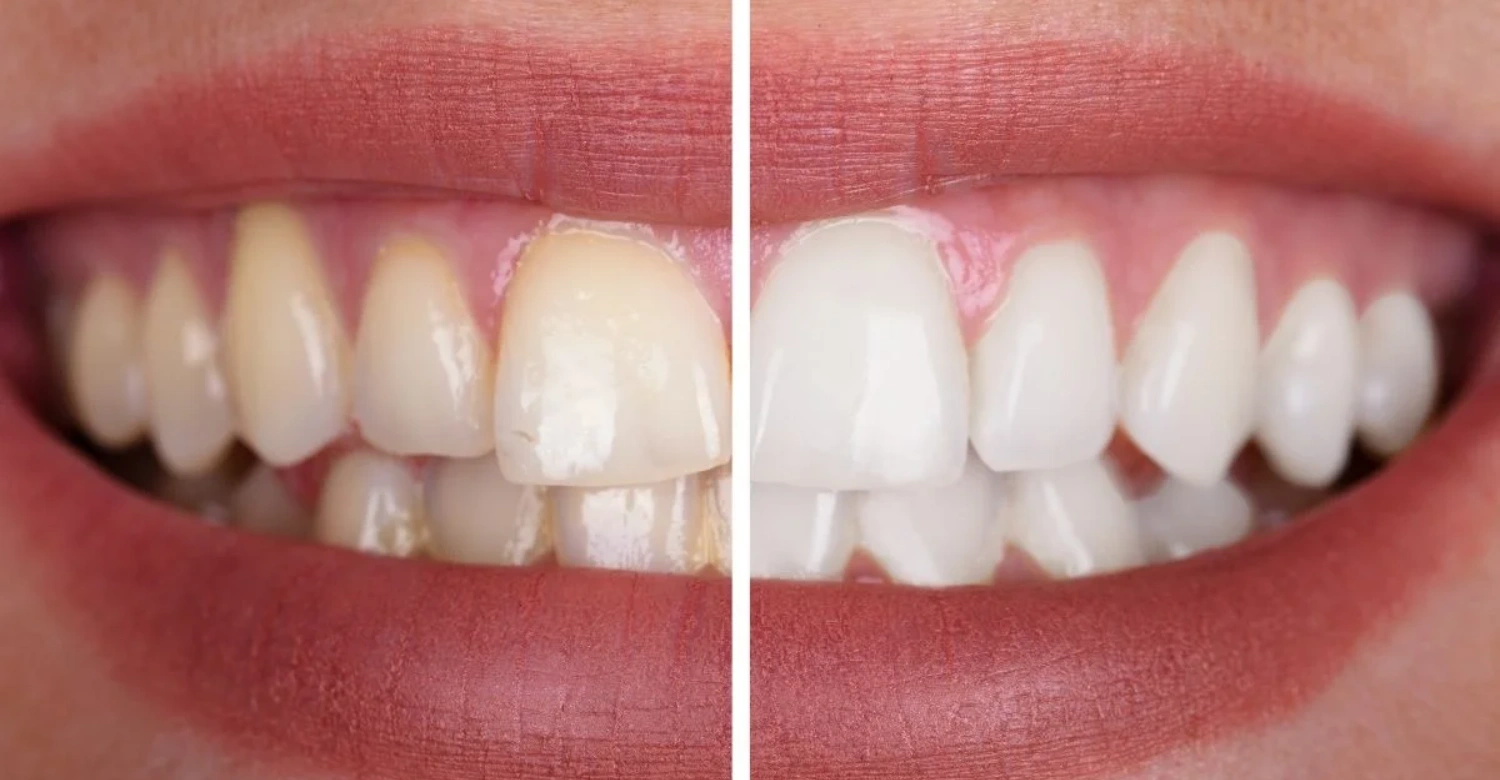
Establecer expectativas precisas es un componente esencial de una experiencia exitosa de tratamiento para la decoloración dental. Si bien se pueden lograr transformaciones dramáticas de antes y después, los resultados varían según el color de dientes inicial del individuo, el tipo y la profundidad de la tinción y el tratamiento específico elegido. El blanqueamiento profesional puede cambiar de manera confiable el tono de los dientes de tres a ocho niveles en una sola sesión, marcando una diferencia visible y a menudo significativa. Carillas y bonding pueden producir una corrección cosmética casi completa incluso en casos severos. Sin embargo, los dientes con una tinción intrínseca profunda pueden requerir múltiples fases de tratamiento antes de lograr resultados óptimos. Su profesional dental proporcionará una evaluación exhaustiva en la consulta inicial, que incluirá el mapeo de tonos y la fotografía de referencia, de modo que se puedan establecer objetivos realistas de forma colaborativa. La comunicación honesta entre el paciente y el dentista es la base de un resultado de tratamiento verdaderamente satisfactorio.
Mantenimiento a largo plazo para mantener sus dientes brillantes
Preservar los resultados de su tratamiento para la decoloración dental requiere una rutina de mantenimiento comprometida y constante que comienza inmediatamente después de su procedimiento y continúa indefinidamente. In las 48 horas posteriores a cualquier tratamiento de blanqueamiento, es especialmente importante evitar alimentos y bebidas cromogénicos, ya que los poros del esmalte están temporalmente más abiertos y son vulnerables a volver a mancharse durante este período. Después de que se cierra esta ventana, mantener una pasta de dientes blanqueadora como parte de su rutina diaria de cepillado ayuda a controlar la acumulación en la superficie de manera efectiva. Las férulas de blanqueamiento caseras recetadas por su dentista se pueden usar periódicamente, generalmente cada seis a doce meses, para retocar sus resultados entre las citas profesionales. Evitar el tabaco en todas sus formas se encuentra entre las estrategias a largo plazo más impactantes. Las limpiezas profesionales regulares eliminan el sarro y la pigmentación superficial residual que el cepillado diario no puede abordar, lo que las convierte en un componente indispensable de cualquier protocolo de mantenimiento del tratamiento de la decoloración dental.
Consejos prácticos de cuidado dental para prevenir la decoloración
La prevención es la dimensión más rentable de cualquier estrategia a largo plazo para el tratamiento de la decoloración de los dientes. Si bien los procedimientos profesionales pueden revertir el daño existente, aplicar constantemente los hábitos diarios correctos y tomar decisiones dietéticas inteligentes puede retrasar significativamente o incluso prevenir el desarrollo de una nueva decoloración. Comprender qué alimentos, comportamientos y patrones de higiene protegen su esmalte, y cuáles aceleran la tinción, le brinda un control real y práctico sobre el color y el estado de su sonrisa. Los siguientes consejos son prácticos, basados en evidencia y diseñados para integrarse perfectamente en la vida cotidiana, respaldando tanto sus objetivos de mantenimiento continuo como la salud de su esmalte a largo plazo.
Habitós diarios de higiene bucal que protegen el color de los dientes
Una rutina rigurosa de higiene bucal diaria es el elemento más simple y rentable de cualquier estrategia a largo plazo. Cepillarse al menos dos veces al día con una pasta dental blanqueadora a base de flúor elimina la placa y evita que los pigmentos superficiales se adhieran al esmalte antes de que tengan la oportunidad de acumularse. El uso de hilo dental una vez al día es igualmente crítico; la placa atrapada entre los dientes contribuye al amarillamiento y la decoloración en los espacios interdentales que el cepillo de dientes no puede alcanzar de manera efectiva. El uso de un enjuague bucal antibacteriano sin alcohol agrega una capa adicional de protección al reducir la carga bacteriana y ayudar a preservar la claridad del esmalte. Se recomienda especialmente un cepillo de dientes eléctrico con sensor de presión para una limpieza constante y profunda sin riesgo de abrasión del esmalte. Estos hábitos, realizados fielmente cada día, no solo respaldan los resultados de su tratamiento para la decoloración dental, sino que también protegen su salud bucal general de maneras significativas y duraderas.
Alimentos, bebidas y hábitos que se deben limitar para una sonrisa más brillante
Comprender cómo solucionar los dientes frontales manchados a largo plazo significa confrontar las elecciones dietéticas y de estilo de vida que hacen que se manchen repetidamente. El café y el té se encuentran entre los culpables más frecuentes; ambos contienen altas concentraciones de taninos que se adhieren al esmalte y causan un amarillamiento progresivo con el tiempo. El vino tinto, las bayas oscuras, la remolacha, la salsa de soja y la pasta de tomate tienen un potencial de tinción igualmente fuerte. Las bebidas ácidas, incluidos los refrescos carbonatados y los jugos de cítricos, erosionan el esmalte y lo dejan más poroso y susceptible a la decoloración. El tabaco, en cualquiera de sus formas, deposita nicotina y alquitrán en las capas profundas del esmalte, produciendo manchas marrones y amarillas que resisten la mayoría de los intentos de blanqueamiento casero. Como parte de un enfoque completo, se recomienda a los pacientes usar pajitas (popotes) al consumir bebidas que manchan, enjuagarse con agua inmediatamente después de comer alimentos pigmentados y reducir activamente el consumo de los elementos dietéticos de mayor riesgo.
Limpieza profesional y revisiones periódicas
Ninguna rutina de cuidado en el hogar, por meticulosa que sea, puede replicar completamente lo que logra la limpieza dental profesional en el contexto del tratamiento continuo de la decoloración de los dientes. Durante una cita profesional de limpieza y pulido, su higienista dental elimina el cálculo y el sarro endurecido de arriba y abajo de la línea de las encías, depósitos que son completamente inaccesibles para el cepillado y el hilo dental por sí solos. Los sistemas de pulido con aire que utilizan polvo fino de bicarbonato de sodio eliminan eficazmente la decoloración extrínseca y las manchas superficiales que se han acumulado desde su última visita. Los controles periódicos cada seis meses también le permiten a su dentista monitorear los cambios en el color de los dientes a lo largo del tiempo, identificar signos tempranos de erosión del esmalte y recomendar ajustes oportunos en el tratamiento de la decoloración dental según sea necesario. Estas citas no son un mero ritual de mantenimiento, son un punto de control clínico que mantiene su salud bucal general y sus objetivos estéticos firmemente encauzados bajo supervisión profesional, garantizando que los problemas pequeños se detecten antes de que se conviertan en problemas significativos.
Vitrin Clinic: experiencia en el tratamiento de la decoloración dental
Cuando se trata del tratamiento profesional de la decoloración dental, la calidad de la atención que recibe es tan importante como el tratamiento en sí. Vitrin Clinic se ha posicionado como un destino de primer nivel para los pacientes que buscan la excelencia dental cosmética, combinando lo último en tecnología clínica con una filosofía cálida orientada al paciente que coloca su comodidad y sus objetivos en el centro de cada decisión. Ya sea que sea un paciente local o viaje internacionalmente para recibir atención dental, Vitrin Clinic ofrece una experiencia perfectamente organizada desde el momento del primer contacto hasta el seguimiento a largo plazo. La reputación de la clínica por ofrecer resultados consistentes y sobresalientes en el tratamiento de la decoloración dental se basa en una base de comunicación honesta, planificación personalizada y maestría técnica que la distingue en un campo altamente competitivo.
Tecnología avanzada y planes de tratamiento personalizados
En Vitrin Clinic, cada viaje de tratamiento para la decoloración dental comienza con una evaluación clínica integral respaldada por las herramientas de diagnóstico más avanzadas disponibles. Los sistemas digitales de coincidencia de tonos brindan una medición de referencia objetiva y precisa del color actual de los dientes, lo que permite realizar un seguimiento del progreso y predecir los resultados con una precisión notable. Las imágenes digitales de alta resolución permiten al equipo dental identificar la naturaleza y profundidad exactas de la decoloración, distinguiendo claramente entre la decoloración extrínseca y las causas intrínsecas. Esta precisión diagnóstica es la base de los planes de tratamiento altamente individualizados que Vitrin Clinic crea para cada paciente. No hay dos sonrisas idénticas, y tampoco deberían serlo dos planes de tratamiento. Desde blanqueamiento profesional y microabrasión hasta carillas de porcelana y protocolos combinados, cada recomendación se calibra según la anatomía, el estilo de vida, los objetivos estéticos y el estado de salud bucal únicos del paciente, garantizando resultados óptimos con la menor intervención innecesaria posible.
Dentistas experimentados y enfoque centrado en el paciente
Los resultados de cualquier tratamiento para la decoloración dental son, en última instancia, un reflejo de la experiencia del equipo clínico, la atención al detalle y la dedicación al bienestar del paciente. Los dentistas cosméticos de Vitrin Clinic aportan una amplia formación especializada y una profunda comprensión tanto de la ciencia como del arte de la restauración de la sonrisa. Cada caso se aborda con un cuidado meticuloso, desde la selección del tono y la secuenciación del tratamiento hasta el pulido final y las instrucciones detalladas posteriores al cuidado. La filosofía de la clínica centrada en el paciente significa que usted nunca es solo un número de expediente; es un individuo con metas, inquietudes y expectativas únicas que merecen ser escuchadas y plenamente respetadas. La transparencia es un valor fundamental: los pacientes reciben evaluaciones claras y honestas, explicaciones detalladas de todas las opciones disponibles y expectativas realistas antes de que comience cualquier procedimiento. Esta cultura de apertura y respeto es lo que gana y mantiene la confianza de cada paciente que elige Vitrin Clinic para sus necesidades de tratamiento.
Transformaciones reales de pacientes e historias de éxito
La validación más poderosa de la experiencia de Vitrin Clinic en el tratamiento de la decoloración dental proviene de las experiencias de la vida real de los pacientes que se han sometido a una transformación en la clínica. Los casos documentados de antes y después abarcan un amplio espectro de tipos de decoloración, desde un ligero amarillamiento corregido mediante blanqueamiento en el consultorio hasta una tinción intrínseca grave abordada mediante tratamientos completos con carillas de porcelana. Los pacientes describen rutinariamente la experiencia como algo que cambia la vida, citando no solo las drásticas mejoras visuales sino también el profundo cambio en su confianza en sí mismos y su disposición a sonreír libremente en las situaciones cotidianas. Muchos llegan a Vitrin Clinic después de años de insatisfacción con los productos caseros o resultados inadecuados en otros lugares, y se van con las sonrisas radiantes y de aspecto natural que habían dejado de esperar. Estas historias subrayan una verdad poderosa: el tratamiento de la decoloración dental a nivel experto, brindado con precisión y atención genuina, realmente transforma vidas.
Dé el siguiente paso hacia una sonrisa más brillante, programe su consulta GRATUITA hoy mismo
Si los dientes descoloridos, amarillentos o desiguales han estado disminuyendo su confianza o afectando su vida diaria, el momento de actuar es ahora. El tratamiento profesional de la decoloración dental en Vitrin Clinic está a su alcance, y comienza con una consulta completamente gratuita y sin compromiso en la que se sentará con un experto, analizará sus inquietudes y recibirá una evaluación clara y personalizada de todas sus opciones disponibles. No hay presión, no hay compromiso y no hay razón para seguir viviendo con una sonrisa de la que no está orgulloso. Ya sea que esté considerando un blanqueamiento, carillas, microabrasión o un enfoque combinado, Vitrin Clinic tiene la experiencia y la tecnología para ofrecer resultados que superen sus expectativas. Dé ese primer paso importante hoy y descubra lo que puede sentir una sonrisa verdaderamente transformada.
FAQs
El Dr. Rifat Alsaman cuenta con más de 5 años de experiencia clínica en odontología y actualmente se desempeña como Jefe del Equipo Médico en Vitrin Clinic. Está comprometido con la prestación de una atención excepcional a los pacientes, la supervisión de los planes de tratamiento y la garantía de los más altos estándares clínicos en todo el equipo. Su experiencia, atención al detalle y compromiso con el desarrollo profesional continuo han ayudado a numerosos pacientes a lograr sonrisas más saludables y seguras de sí mismas.


