Endodontics
May 13, 2026
Why Are My Gums Swollen After Flossing?

If you've noticed your gums swollen after flossing, you're not alone. Many people experience tenderness, puffiness, or bleeding when they floss. This often happens after starting a new routine or changing techniques. While alarming, swelling is usually a sign your gums need attention. It is not a reason to stop flossing altogether. This guide explains why it happens, what it means, and how to find relief.
Understanding Why Your Gums Swollen After Flossing
Understanding what causes gum inflammation begins with knowing how delicate the tissue is. Gums are highly vascularized structures protecting your tooth roots and bone. When exposed to friction, bacteria, or improper technique, they respond with swelling. This is your body's natural defense mechanism. Whether triggered by plaque, aggressive flossing, or a health condition, finding the root cause is essential for healing.
What Swollen Gums Really Mean
Swollen gums are rarely just a cosmetic concern. They are a direct signal that your oral environment needs attention. When gums swollen after flossing become a recurring issue, plaque or tartar at the gumline is often responsible. Swelling is an immune response. Your body sends blood and white blood cells to fight bacteria. Ignoring these signals can lead to severe gum disease over time.
Common Triggers of Gum Inflammation
Several factors cause gum inflammation after flossing. Common triggers include plaque buildup, snapping floss forcefully, or bad technique. If you've flossed too hard swollen gum tissue is an immediate result. Hormonal shifts, medications, vitamin deficiencies, and diabetes also increase gum reactivity. Even using the wrong floss type causes repeated irritation and persistent tenderness.
Isolated Inflammation: Why Is My Gum Swollen or Throbbing Around One Tooth?
Swelling around one tooth often has a localized cause. Common explanations include trapped food, plaque accumulation, or flossing trauma. An irritated gum pocket or a faulty restoration can also cause it. If the area throbs or hurts when biting, flossing may not be the cause. At Vitrin Clinic, the dental team evaluates the tooth, gumline, and tissues to find the source. Dr. Rifat Alsaman, Head of the Medical Team at Vitrin Clinic and a cosmetic dentist, emphasizes that persistent single-tooth swelling needs clinical assessment.
Trapped Food Debris and Localized Micro-Trauma
Trapped food can press against the gum and create local inflammation. This is especially common between tight teeth. Flossing may disturb the area and make swelling temporarily more noticeable. Forcing floss downward or sawing against the tissue creates micro-trauma. Gentle cleaning and improved technique usually allow the tissue to settle. However, if swelling, bleeding, or pus persists, get a professional evaluation. Dr. Rifat Alsaman recommends checking for underlying pockets, decay, or infection if irritation continues.
Patient Concerns and Experiences
When patients notice their gums swollen after flossing, worry is natural. Many wonder if they caused lasting damage or need urgent care. Gum swelling after flossing is a very common dental concern. Experiences range from mild tenderness with new habits to persistent inflammation needing professional treatment.
How Swollen Gums Affect Daily Life
Living with uncomfortable, inflamed tissue makes daily activities hard. Eating, drinking hot or cold fluids, and speaking can cause pain. Many people stop flossing to avoid discomfort, which worsens the issue. Discomfort can disrupt sleep, lower appetite, and affect confidence. Recognizing this impact helps motivate timely dental care.
When to Worry: Distinguishing Normal Sensitivity from a Problem
Some tenderness after flossing is normal with a new routine. However, certain signs mean your gums swollen after flossing need attention. Red flags include swelling lasting over a week, pus, throbbing pain, or fever. Heavy bleeding during every session is also concerning. Receding gums, loose teeth, or a persistent bad taste require immediate dental evaluation.
Real Patient Stories and Common Patterns
Dentists frequently see patients who flossed too hard swollen gum tissue appearing within hours. Others report irritation that developed after months of poor care. A common pattern involves people returning to flossing after a break. Their gums react with sensitivity and swelling before adapting to daily cleaning. These shared experiences show that flossing inflammation is manageable and preventable.
Pathological Progression: How Gum Disease Develops From Initial Swelling
Gum swelling can be an early response to plaque rather than flossing trauma. When plaque remains along the gumline, bacteria trigger redness, swelling, and bleeding. Without plaque control, inflammation moves deeper into supporting tissues and contributes to periodontitis. Early recognition helps treat the problem before extensive damage develops. At Vitrin Clinic, Dr. Rifat Alsaman and his team identify the cause and severity before recommending care.
Severe Complications: Infection, Dental Abscess, and Restoration Issues
Gingivitis is not the only cause of swollen gums. Localized swelling with throbbing pain, pus, bad taste, or facial swelling suggests an infection or abscess. Defective fillings, crowns, or hidden decay also cause persistent inflammation. These conditions require immediate dental assessment. At Vitrin Clinic, clinicians examine tissues and use diagnostic imaging when needed. Dr. Rifat Alsaman stresses that treating the underlying cause is key, not just reducing visible swelling.
Clinical Evaluation Timeline: How Long Do Swollen Gums Typically Last?
The duration of swollen gums depends on the underlying cause. Mild flossing irritation settles once trauma stops. Plaque-related inflammation persists until bacterial buildup is controlled. Swelling that returns or worsens is not a normal response to flossing. At Vitrin Clinic, evaluation covers location, duration, bleeding, pain, and tooth health. Dr. Rifat Alsaman recommends seeking advice if swelling does not improve or includes pus, severe pain, or fever.
What We Notice Clinically
Clinically, the primary distinction is whether swelling is generalized or localized. Generalized puffiness often relates to plaque-induced gingivitis. Swelling around one tooth points to trapped debris, trauma, decay, or infection. Appearance alone cannot confirm the cause. At Vitrin Clinic, the team combines patient symptoms with thorough physical examinations. Dr. Rifat Alsaman emphasizes that persistent localized swelling must be investigated rather than repeatedly irritated with aggressive flossing.
Treatments and Procedures for Swollen Gums
When gums swollen after flossing do not resolve, professional treatment is necessary. Modern dentistry offers solutions ranging from routine cleanings to advanced laser therapy. Addressing swelling early prevents severe gum disease. Custom treatment plans account for your history, current health, and long-term goals.
Professional Dental Cleaning and Scaling
A key first-line treatment for irritated, puffy tissue is professional cleaning, including scaling and root planing. Dental professionals remove plaque and hardened tartar below the gumline. Home brushing and flossing cannot reach these deep deposits. Once cleared, gum tissue heals quickly, reduces inflammation, and reattaches firmly. Most patients see visible improvement within days.
Gingivitis and Periodontitis Management
If tissue tenderness is accompanied by persistent bleeding, gingivitis may be the underlying cause. Gingivitis is the earliest and most reversible stage of gum disease and is typically managed through professional cleanings combined with improved home care. When left untreated, it can progress to periodontitis, a deeper infection affecting gum tissue and supporting bone. Periodontitis requires more intensive treatment, including deep scaling, antimicrobial therapy, and close monitoring. Early diagnosis significantly reduces both treatment complexity and the risk of permanent tooth or bone loss.
Laser Therapy and Minimally Invasive Options
For patients with more advanced gum inflammation, laser therapy offers a precise and comfortable alternative to traditional surgical approaches. Dental lasers can accurately target infected gum tissue, eliminate bacteria within periodontal pockets, and stimulate faster tissue regeneration all with minimal discomfort and reduced healing time. Patients experiencing gums swollen after flossing due to deep-seated gum disease often respond exceptionally well to laser treatment. It's a modern, minimally invasive option that makes comprehensive gum care significantly more accessible, comfortable, and far less intimidating for patients at every stage of their journey.
Home Care Approaches: Soothing Swollen Gums Safely
Alongside professional treatment, evidence-based home care strategies can meaningfully soothe gums swollen after flossing. Warm saltwater rinses are among the most accessible and effective remedies they reduce bacterial load and calm inflamed tissue. Applying a cold compress externally can help minimize visible swelling. Switching to a soft-bristled toothbrush and using an alcohol-free mouthwash reduces further irritation. Staying well-hydrated supports tissue repair, and temporarily avoiding very hot, spicy, or acidic foods eases recovery. Always consult your dentist before applying any medicated oral gels or rinses at home.
Benefits of Proper Treatment
Seeking professional care for gums swollen after flossing delivers benefits that extend well beyond simply eliminating discomfort. Effective treatment restores gum health, halts the progression of gum disease, and protects the underlying bone structure that keeps your teeth firmly in place. It also sets the foundation for more effective daily oral hygiene at home. Patients who address gum swelling promptly consistently report better long-term outcomes, reduced sensitivity during everyday activities, improved confidence in their appearance, and a much lower risk of needing extensive and costly dental interventions later in life.
What Patients Can Expect After Care
After professional treatment for gums swollen after flossing, patients typically experience a noticeable reduction in inflammation within the first few days. Mild sensitivity may persist temporarily as gums heal and reattach more firmly to the tooth surface. Most patients are guided to continue a refined home care routine including gentle flossing to maintain their results. Scheduled follow-up appointments allow the dental team to monitor healing progress and adjust the care plan if needed. Recovery is generally smooth and straightforward, with significant improvements in comfort and appearance felt quite quickly.
Tips for Patients: What Should You Do When Your Gums Swell After Flossing?
Patients should avoid completely abandoning interdental cleaning because bleeding or mild inflammation can sometimes indicate that plaque remains around the gums. Instead, floss gently using a controlled motion and avoid snapping the floss into the gum tissue. A soft-bristled toothbrush and regular brushing can help maintain plaque control while irritated tissue settles. If swelling is localized, persistent, or accompanied by throbbing pain, pus, fever, facial swelling, or a bad taste, arrange a dental examination. Vitrin Clinic recommends professional evaluation when symptoms do not improve or repeatedly return. Dr. Rifat Alsaman advises patients to focus on identifying the cause of swelling rather than treating the symptom alone.
How to Soothe Gums at Home Safely
For mild irritation, patients can temporarily reduce further mechanical trauma by using gentle brushing and careful flossing. A lukewarm saltwater rinse may provide temporary comfort, while avoiding very spicy, acidic, or extremely hot foods can reduce irritation. Patients should not aggressively massage swollen gums or repeatedly floss the same area in an attempt to remove suspected debris. Home measures are supportive rather than a substitute for diagnosis. At Vitrin Clinic, patients with persistent symptoms can receive individualized guidance based on the condition of their gums and teeth. Dr. Rifat Alsaman recommends professional assessment when home care does not lead to improvement or when pain and swelling become more pronounced.
Visible Improvement: Before and After Scenarios
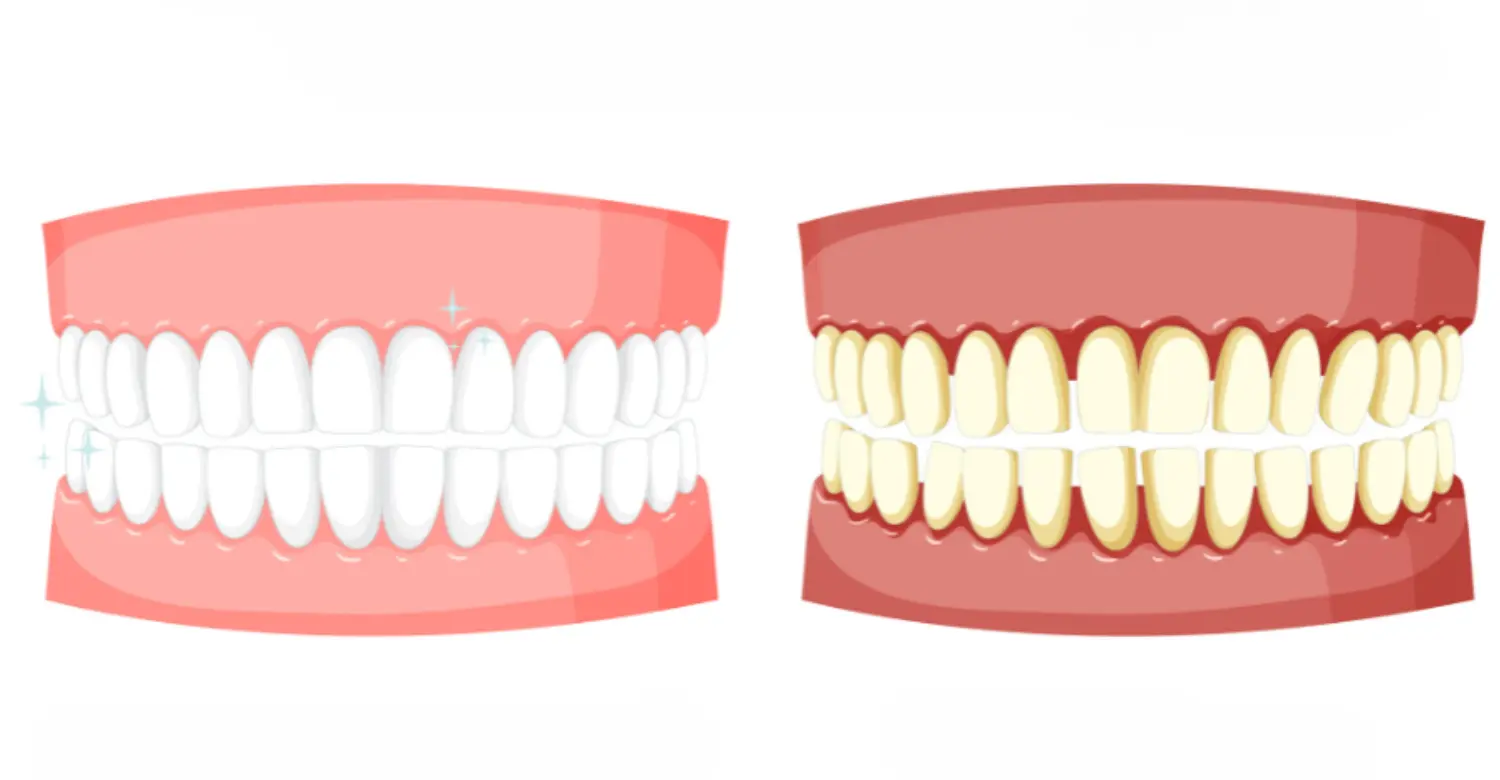
The difference between inflamed gum tissue and healthy, firm gums is clearly visible and deeply motivating for patients. Before treatment, gums swollen after flossing often appear dark red, puffy, and bleed easily on contact. After a course of professional cleaning and consistent home care, gums typically return to a pale pink, firm, healthy appearance. The gumline stabilizes, bleeding during flossing decreases dramatically, and discomfort is significantly reduced. These visible changes reflect genuine, measurable biological healing occurring beneath the surface of the gum tissue itself.
Long-Term Health Benefits Beyond Cosmetic Results
Treating gums swollen after flossing carries important health implications that reach far beyond the mouth. Research consistently links chronic gum disease to serious systemic conditions including cardiovascular disease, diabetes complications, and respiratory issues. By maintaining healthy gums, you actively support your overall physical wellbeing. Long-term benefits include a substantially reduced risk of tooth loss, lower systemic inflammation markers, and improved quality of life as you age. Patients who invest early in gum health consistently require fewer dental interventions and enjoy measurably better overall health throughout their lives.
Clinical Note: When Should Swollen Gums Be Examined?
Swollen gums should be professionally evaluated when the inflammation persists, repeatedly returns, or is associated with significant pain or other concerning symptoms. In particular, pus, fever, facial swelling, severe or throbbing pain, a loose tooth, or difficulty swallowing requires prompt dental attention. A dentist may need to examine the gum pockets, tooth surfaces, restorations, and supporting tissues to determine the cause. Clinical Note from Dr. Rifat Alsaman, Head of the Medical Team at Vitrin Clinic: swelling after flossing should not automatically be considered flossing trauma. The timing of the swelling can provide a clue, but the underlying dental or periodontal condition must be considered when symptoms persist.
Preventive Dental Care and Flossing Techniques
Prevention is always more powerful than treatment when it comes to gum health. Most cases of gums swollen after flossing can be avoided entirely with the right technique and consistent daily habits. Learning to floss correctly, choosing appropriate oral hygiene tools, and maintaining a balanced lifestyle are all foundational steps. Regular dental checkups allow professionals to catch early signs of gum inflammation before they evolve into something more serious. Prevention is genuinely the most cost-effective and health-conscious investment you can make in your long-term oral and overall wellbeing.
How to Floss Without Causing Swelling
Proper flossing technique is essential to avoiding gums swollen after flossing. Always guide the floss gently between teeth using a smooth zigzag motion, never snap it down aggressively. Curve the floss into a C-shape around each tooth and carefully slide it beneath the gumline without forcing. Use a clean section of floss for each individual tooth to prevent spreading bacteria. If you've flossed too hard and experienced swollen gum tissue, reduce your pressure and consider switching to waxed floss or a water flosser for a gentler, more controlled experience between your teeth.
Best Practices for Daily Oral Hygiene
A strong daily oral hygiene routine is the most reliable defense against gums swollen after flossing becoming a recurring problem. Brush twice daily with a soft-bristled toothbrush using gentle circular motions at a 45-degree angle to the gumline. Floss at least once per day, ideally before bedtime. Use an alcohol-free antibacterial mouthwash to further reduce plaque-causing bacteria throughout the mouth. Replace your toothbrush every three months. Schedule professional dental cleanings at least twice yearly more frequently if you have any history of gum disease or persistent sensitivity.
Dietary and Lifestyle Tips to Reduce Gum Sensitivity
What you eat and how you live directly affects gum health. Diets rich in vitamin C support collagen production in gum tissue, reducing the risk of gums swollen after flossing. Adequate hydration maintains healthy saliva flow, which naturally protects gum tissue throughout the day. Avoiding smoking is absolutely critical. Tobacco significantly increases gum inflammation and slows the body's natural healing process. Reducing alcohol consumption and managing chronic stress also strengthen gum tissue resilience. These consistent, mindful lifestyle choices can make a meaningful and measurable difference in how your gums respond to daily oral care.
Spotlight on Vitrin Clinic's Dental Expertise
Vitrin Clinic brings together experienced dental professionals and advanced technology to deliver exceptional care for patients experiencing gums swollen after flossing and broader gum health concerns. Every patient receives a thorough clinical evaluation, an accurate diagnosis, and a personalized treatment plan designed around their unique oral needs and health goals. With expertise in the latest periodontal techniques and a deep commitment to patient education, Vitrin Clinic ensures that every individual leaves empowered with the knowledge and confidence needed to maintain their gum health effectively at home.
How Clinics Like Vitrin Clinic Ensure Safe, Comfortable Treatments
At Vitrin Clinic, comfort and safety are central to every aspect of care. Patients arriving with concerns about gums swollen after flossing are welcomed into a calm, reassuring clinical environment where every concern is heard and addressed thoroughly. Modern anesthesia options, precision instrumentation, and clear communication at every step ensure that even the most anxious patients feel genuinely at ease. All treatment protocols are grounded in evidence-based dentistry, with meticulous attention to minimizing discomfort during and after every procedure. No aspect of patient safety, clinical precision, or overall wellbeing is ever compromised.
Modern Tools and Technologies for Precise Gum Care
Vitrin Clinic utilizes advanced diagnostic and treatment technologies to deliver highly precise and effective gum care. Digital imaging provides detailed views of gum tissue and supporting bone, enabling early detection of conditions that lead to gums swollen after flossing. Ultrasonic scalers offer thorough yet gentle plaque and tartar removal, while dental laser systems enable minimally invasive treatment of infected tissue. These technologies work in combination to ensure that every treatment is clinically effective, comfortable, fast-healing, and precisely tailored to each patient's specific anatomy and individual clinical needs.
Patient-Centered Approach: Education, Comfort, and Follow-Up
Vitrin Clinic's commitment to patients extends well beyond the treatment chair. Every patient experiencing gums swollen after flossing receives personalized guidance on correct flossing technique, effective home care strategies, and the early warning signs to monitor between visits. Structured follow-up appointments keep the healing process on track and allow the team to address emerging concerns promptly. International patients benefit from Vitrin Clinic's full-service support, including airport transfers, accommodation coordination, and interpreter services ensuring that world-class gum care is accessible, seamlessly supported, and fully continued from first consultation through complete recovery.
Take the Next Step for Healthy Gums, Your FREE Consultation Awaits!
If you've been struggling with gums swollen after flossing and aren't sure which step to take next, Vitrin Clinic is ready to help. A FREE initial consultation gives you the opportunity to discuss your symptoms with an experienced dental professional, receive an accurate diagnosis, and explore the most appropriate treatment options without pressure or commitment. Don't allow gum discomfort to compromise your oral health or daily quality of life. Book your FREE consultation at Vitrin Clinic today and take that first confident step toward healthier, more comfortable gums.
Conclusion
Gums swollen after flossing are often caused by temporary irritation, trapped food, plaque buildup, or inflammation, but persistent or localized swelling should not be ignored. Gentle flossing, consistent oral hygiene, and professional dental care can help protect healthy gums and prevent complications. If swelling occurs around one tooth, throbs, bleeds frequently, or is accompanied by pus or severe pain, a dental examination can help identify the underlying cause. At Vitrin Clinic, the dental team provides personalized evaluation and treatment based on each patient’s oral health needs. Dr. Rifat Alsaman, Head of the Medical Team at Vitrin Clinic and a cosmetic dentist, recommends addressing persistent gum symptoms early rather than relying only on home remedies. Healthy gums start with proper daily care and timely professional attention.
Reference
FAQs

Dr. Rifat Alsaman has more than 5 years of clinical experience in dentistry and currently serves as the Head of the Medical Team at Vitrin Clinic. He is dedicated to providing exceptional patient care, overseeing treatment planning, and ensuring the highest clinical standards across the team. His expertise, attention to detail, and commitment to continuous professional development have helped countless patients achieve healthier, more confident smiles.


