Endodontics
August 31, 2026
Dental Pulp: What Is It and Why Is It Important for Your Teeth?

The pulp is the living tissue inside every tooth. It plays a central role in tooth development, sensation, and long-term tooth health. Patients often hear terms like pulp inflammation, pulp exposure, pulp capping, and the pulp necrosis, which can sound alarming without context. Many people worry about sensitivity, sudden pain, swelling, or whether pulp damage always means a root canal treatment. This guide explains the pulp in clear, professional terms, based on established dental knowledge. It is meant to help patients understand their symptoms and options, not to replace an in-person clinical evaluation and diagnosis.
Dental Pulp: What Is It and Why Is It Important?
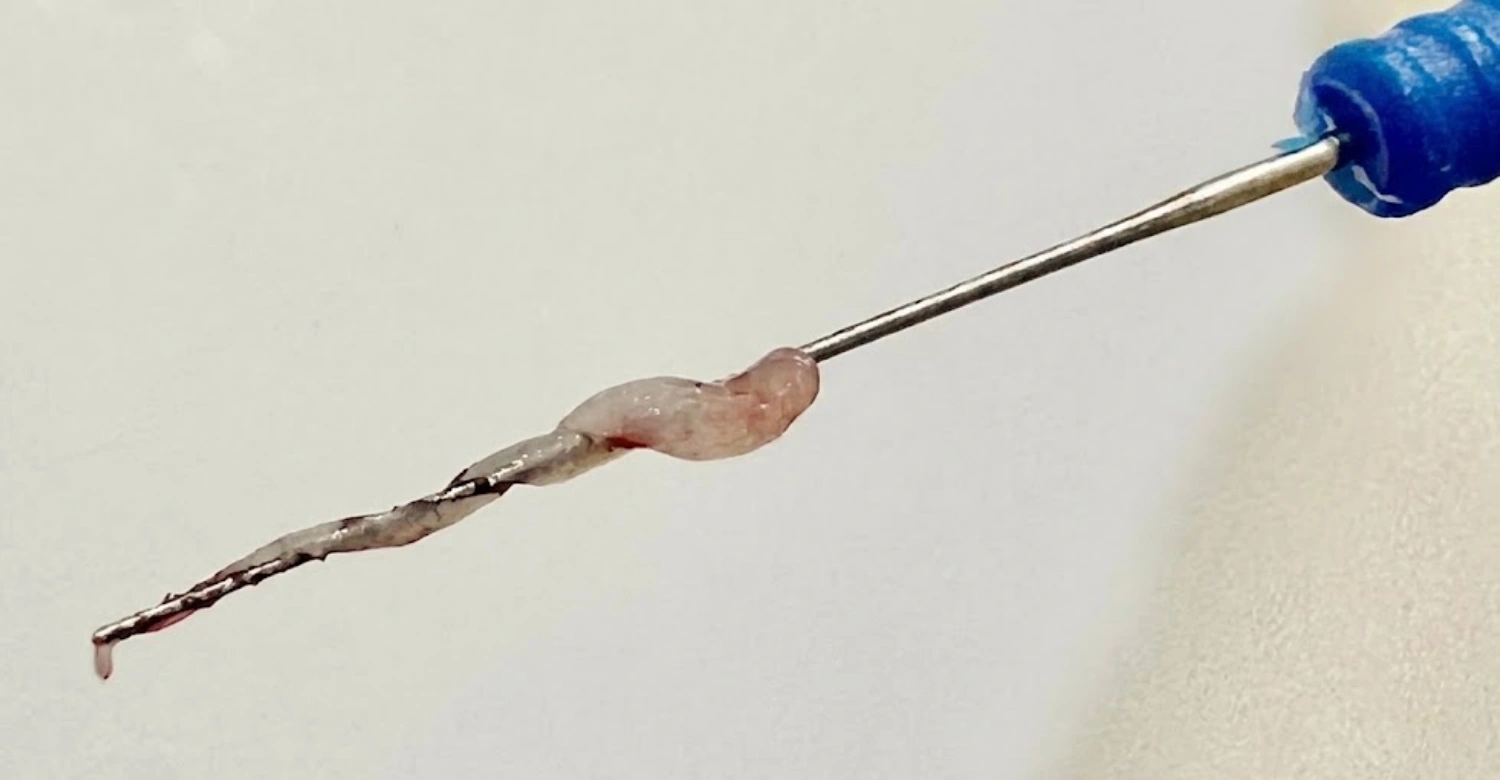
So, what is the pulp? It is the soft tissue at the center of a tooth, made up of nerves, blood vessels, connective tissue, and specialized cells. This tissue keeps the tooth alive and responsive. During development, the pulp supplies nutrients that help the tooth mature and strengthen. It also generates the nerve response behind hot, cold, or pressure sensations. Beyond sensation, the pulp acts as a defense system. It reacts to decay, irritation, or infection by triggering inflammation, which is often the first sign something needs attention.
Where Is It Located?
The dental pulp cavity sits at the center of the tooth. It has two connected parts: the dental pulp chamber in the crown, and root canals extending down into the roots. The chamber holds the bulk of the pulp tissue, while narrower canals carry it toward the tip of each root. Under normal conditions, enamel and dentin form a protective barrier around this space. Enamel shields the outer surface, while dentin cushions and insulates the pulp beneath it, keeping it safe from everyday chewing forces and temperature changes.
Pulp Tissue and Dental Pulp Stem Cells
The pulp stem cells are found within this tissue and have drawn growing interest in dental research. These cells show potential for regenerative applications, including tissue repair studies. However, most of this remains experimental. Established dental treatments today still rely on capping, restoration, or root canal therapy rather than stem cell regeneration. It is worth distinguishing between what is currently used in everyday practice and what remains under investigation. The pulp stem cells represent a promising research direction, not yet a routine clinical treatment option for patients seeking care.
What Problems Can Affect It?
Several conditions can affect the pulp, ranging from mild and reversible to severe and permanent. Decay, trauma, cracks, and repeated dental procedures can all irritate this tissue. Some pulp problems resolve once the underlying cause is treated, while others progress to lasting damage. Recognizing the difference matters, because it shapes which treatment path is realistic. A dentist evaluates the extent of irritation, the tooth's history, and clinical test results. This helps decide whether the pulp can be preserved, or whether more extensive treatment, such as root canal treatment, becomes necessary.
Inflammation of Dental Pulp
Inflammation of the pulp, known as pulpitis, is a common early response to irritation. Causes include deep tooth decay, cracks, repeated dental procedures, trauma, and bacterial infection. Reversible pulpitis means the pulp can still heal once the cause is addressed, often with mild, short-lived sensitivity. Irreversible pulpitis is different. Pain tends to be more persistent, spontaneous, or intense, and the pulp is unlikely to recover on its own. Distinguishing reversible from irreversible inflammation of the pulp is a key diagnostic step, since it determines whether pulp-preserving treatment remains a realistic option.
Dental Pulp Exposure
The pulp exposure happens when the protective enamel and dentin layers are breached, leaving the pulp directly exposed. This can result from advanced tooth decay, accidental trauma, tooth fractures, or extensive tooth preparation during dental work. Once exposed, the pulp becomes vulnerable to bacteria and further irritation. Prompt dental assessment is important, because the window for pulp-preserving treatment can narrow quickly. Delaying evaluation after the pulp exposure increases the risk of infection spreading deeper into the tooth. This can eventually limit treatment options to root canal therapy instead of more conservative care.
Dental Pulp Necrosis
The pulp necrosis occurs when the pulp loses its blood supply and the tissue dies, becoming non-vital. Common causes include untreated infection and significant trauma to the tooth. Symptoms can vary widely. Some necrotic teeth cause noticeable pain or swelling, while others show little or no discomfort at all, which can delay diagnosis. Because pain is not a reliable indicator, dentists assess pulp vitality using clinical tests alongside imaging such as X-rays. Confirming the pulp necrosis accurately is essential before deciding on treatment. A non-vital tooth requires a different approach than one with living pulp tissue.
What Are the Signs of a Pulp Problem?
Pulp problems can present through several warning signs. These include prolonged sensitivity to hot or cold, severe toothache, and pain when biting. Others include spontaneous pain, discoloration, swelling, and dental abscess. Symptoms vary depending on how far the condition has progressed. Early-stage irritation may cause only brief discomfort, while advanced pulp disease often produces stronger, longer-lasting pain or visible swelling. Urgent dental evaluation is necessary when pain is severe, persistent, or accompanied by swelling. These signs can indicate infection that needs prompt attention rather than being left to resolve on its own.
Can a Pulp Problem Cause Tooth Sensitivity?
Yes, exposed dentin and pulp inflammation are closely linked to tooth sensitivity. When protective layers thin or wear down, temperature changes reach the pulp more easily, triggering a sharp, brief response. However, brief sensitivity alone does not necessarily mean the pulp is permanently damaged. Many cases of mild sensitivity are reversible once the irritating cause, such as a small cavity or worn enamel, is addressed. Persistent or worsening sensitivity is more concerning and generally warrants a dental evaluation to rule out deeper pulp involvement before the condition advances further. In selected cases, dentists may also consider technologies such as laser dental treatment when treating related oral conditions.
Tips for Patients
Do not ignore persistent tooth sensitivity or pain.
Maintain twice-daily brushing with fluoride toothpaste.
Clean between the teeth daily.
Attend regular dental examinations.
Avoid chewing hard foods on a tooth with a suspected crack.
Seek prompt treatment for deep cavities.
Follow post-treatment instructions carefully.
Do not attempt to self-diagnose whether the pulp is healthy based only on pain.
How Is a Pulp Problem Diagnosed?
Diagnosis starts with determining whether the pulp can realistically be preserved. Dentists review medical and dental history, then perform a clinical examination. Cold or thermal testing checks how the tooth responds to temperature, while electric pulp testing may be used when appropriate. Percussion and bite tests help identify sensitivity to pressure. Dental X-rays reveal decay depth and bone changes, and CBCT may be used in selected complex cases for a more detailed three-dimensional view. Pain alone is not a reliable diagnostic tool, since it does not always reflect how severely the pulp has actually been affected. When deeper infection is confirmed, root canal treatment in one visit may be considered in appropriate cases.
What Determines Whether It Can Be Saved?
Several factors guide this decision. These include the extent of decay or trauma, and the condition of the remaining tooth structure. Duration and severity of inflammation matter too. The presence of bacterial contamination and the tooth's overall pulp vitality also play a major role. Patient symptoms and clinical findings are weighed together rather than viewed in isolation. No single factor determines the outcome on its own. A dentist weighs all of these elements together. This determines whether pulp-preserving treatment is realistic, or whether more extensive intervention is the safer path forward.
Dental Pulp Capping: Can the Pulp Be Saved?
The pulp capping is a pulp-preserving approach used in carefully selected cases. The basic principle is straightforward: protect the pulp from further irritation while supporting healing or maintaining its vitality. This method is not suitable for every situation, but when conditions allow, it offers a way to avoid more extensive treatment. Success depends heavily on accurate diagnosis, proper technique, and appropriate case selection. The pulp capping reflects a broader philosophy in modern dentistry: preserving natural tooth structure whenever it remains a safe and realistic clinical option for the patient.
What Is Pulp Cap Dental Treatment?
Pulp cap dental treatment involves placing a protective material near or directly on the pulp to support healing and limit further irritation. There are two main types: direct pulp capping and indirect pulp capping. Direct capping is considered when the pulp itself has been exposed but still shows potential to remain healthy. Indirect capping is used when decay comes close to the pulp without actual exposure. The choice between them depends on clinical findings during treatment, including the extent of decay and the condition of the surrounding tooth structure.
Direct Dental Pulp Capping
Direct pulp capping is considered when the pulp is exposed but may still retain the potential to stay healthy. The general process involves removing decay or assessing the extent of exposure, then controlling contamination and bleeding at the site. A protective material is placed directly over the exposed pulp to support healing. The tooth is then restored with a suitable filling or restoration. Proper case selection is essential here. Not every exposed pulp is a good candidate, and outcomes depend heavily on how carefully the situation is evaluated beforehand.
Indirect Dental Pulp Capping
Indirect pulp capping is used when deep decay sits close to the pulp but has not directly exposed it. Rather than removing all affected dentin, which risks exposure, selective removal leaves a thin protective layer in place. This approach reduces the chance of accidentally opening the pulp during treatment. A protective restoration is then placed over the remaining affected area to seal and support it. This method allows the tooth time to respond and potentially form additional protective dentin, helping preserve pulp vitality without unnecessary exposure.
Materials Used for Pulp Capping
Several materials are commonly used for pulp capping. These include calcium hydroxide, calcium silicate-based materials, and bioactive options such as Biodentine or similar products. Each material has different handling properties, setting times, and sealing characteristics. Material selection depends on the clinical situation, the type of capping being performed, and the dentist's professional judgment. There is no single universal choice suitable for every case. The goal across all these materials remains consistent. Each one aims to protect the pulp, support healing, and maintain long-term tooth vitality wherever clinically possible.
When Is Root Canal Treatment Needed Instead?
Pulp-preserving treatment is not always appropriate. Root canal treatment becomes necessary in certain cases. These include irreversible pulpitis, the pulp necrosis, significant bacterial infection, persistent symptoms, or periapical infection around the root tip. The purpose of root canal treatment is to remove infected or irreversibly damaged pulp tissue while preserving the natural tooth structure whenever possible. Rather than extracting the tooth, the canal system is cleaned, disinfected, and sealed. This allows many teeth that would otherwise be lost to remain functional for years, provided the tooth is properly restored afterward.
Dental Pulp Capping vs Root Canal Treatment
These two approaches differ across several dimensions. Pulp condition determines eligibility: capping suits early, reversible irritation, while root canal treatment addresses irreversible damage or necrosis. Treatment objectives also differ, since capping aims to preserve vitality, while root canal treatment removes the pulp entirely. The amount of tooth structure involved and expected clinical outcomes vary accordingly. Long-term restoration requirements can differ too, with root canal-treated teeth sometimes needing additional reinforcement. Neither treatment is automatically better than the other. The correct choice always depends on accurate diagnosis rather than personal preference.
What Can Patients Expect Before and After Treatment?
Before Treatment
Before treatment, patients typically undergo a dental examination alongside diagnostic testing to evaluate the pulp's condition. Symptoms are discussed in detail, including when pain started and what triggers it. X-rays are taken when indicated to assess decay depth and surrounding bone. Based on these findings, a treatment plan is developed, outlining the recommended approach and any alternatives. Local anesthesia is used when required to keep the procedure comfortable. This preparation stage helps ensure the chosen treatment matches the actual condition of the tooth, rather than being decided prematurely.
After Treatment
After treatment, some temporary sensitivity is normal and usually settles within a short period. Protecting the restored tooth matters, particularly avoiding excessive pressure or hard foods early on. Patients should monitor their symptoms and note anything unusual. Follow-up appointments may be recommended to confirm healing is progressing as expected. Certain warning signs, such as increasing pain, swelling, or a return of symptoms, require reassessment rather than waiting. Staying attentive during this period helps catch any complications early, supporting a better long-term outcome for the treated tooth.
What Are the Expected Benefits?
The main benefits center on preserving natural tooth structure and maintaining pulp vitality whenever possible. Successful treatment can reduce sensitivity or pain caused by pulp irritation and help prevent the progression of pulp disease into more serious stages. In appropriately selected cases, this approach also helps patients avoid more extensive treatment down the line. These benefits depend heavily on accurate diagnosis and proper case selection. Not every tooth qualifies for conservative treatment, but when it does, the outcome can meaningfully extend the natural life of the tooth.
Clinical Note
The pulp conditions can present very differently from one patient to another. Pain intensity does not always correspond to the severity of underlying damage. In some cases, a tooth with significant pulp damage shows minimal symptoms, which can be misleading. Pulp-preserving treatment depends heavily on accurate diagnosis, proper isolation during the procedure, effective infection control, and a well-executed final restoration. Skipping any of these steps can affect the outcome. The overarching goal remains preserving the natural tooth whenever it is clinically realistic to do so, based on careful assessment rather than assumption.
A Professional Note From Dr. Rifat Alsaman
Dr. Rifat Alsaman emphasizes that every case of the pulp involvement should be assessed individually rather than treated with a one-size-fits-all approach. Preserving healthy tooth structure and pulp vitality, where clinically possible, remains an important part of modern restorative dental care. According to Dr. Rifat Alsaman, treatment decisions should always follow a complete clinical examination, not assumptions drawn from symptoms alone or general information found online. This individualized approach helps ensure patients receive the most appropriate treatment for their specific tooth condition, rather than a generic recommendation.
What We Notice Clinically
Dr. Rifat Alsaman, Head of the Medical Team at Vitrin Clinic and a cosmetic dentist, stresses one point. Preserving natural tooth structure, whenever clinically possible, matters. Treatment decisions should be based on the actual condition of the pulp and tooth, rather than automatically defaulting to root canal treatment. Dr. Rifat Alsaman highlights that accurate diagnosis and conservative treatment, when appropriate, lead to better long-term outcomes. Individualized treatment planning remains central to this approach. Each patient's specific circumstances guide the recommended course of care, rather than a standard protocol.
Dental Pulp Treatment at Vitrin Clinic
Vitrin Clinic approaches the pulp assessment on an individualized basis, recognizing that no two cases are identical. Modern diagnostic tools and structured treatment planning support this process, helping identify the true condition of the pulp before any decision is made. Digital dental technology is used where clinically appropriate to improve accuracy. The dental team evaluates each tooth carefully before recommending pulp preservation, restoration, or root canal treatment. Dr. Rifat Alsaman, Head of the Medical Team at Vitrin Clinic and a cosmetic dentist, is part of this professional team. Patients experiencing persistent pain, sensitivity, suspected pulp exposure, or deep decay are encouraged to arrange a professional examination for proper evaluation.
Why Professional Diagnosis Matters
Symptoms alone cannot reliably determine the true state of pulp health. Two patients with similar pain levels may have very different underlying conditions. Early assessment often provides more treatment options, since pulp-preserving approaches are more likely to succeed before damage becomes extensive. Appropriate, timely treatment helps protect the tooth from further deterioration and reduces the risk of complications. Waiting until symptoms become severe can narrow the available choices considerably. Earlier care may have preserved more of the natural tooth in cases where root canal treatment later becomes the only option. When periodontal conditions are also present, appropriate periodontal care may include procedures such as laser treatment for gum disease.
References:
FAQs

Dr. Rifat Alsaman has more than 5 years of clinical experience in dentistry and currently serves as the Head of the Medical Team at Vitrin Clinic. He is dedicated to providing exceptional patient care, overseeing treatment planning, and ensuring the highest clinical standards across the team. His expertise, attention to detail, and commitment to continuous professional development have helped countless patients achieve healthier, more confident smiles.


.webp&w=3840&q=75)