
Restorative dentistry has changed a lot. It now blends digital technology with hands-on craftsmanship to fix both the function and the look of a damaged tooth. So, how are new dental crowns made? The short answer: through a careful multi-step journey. It starts with a clinical exam and ends with a finished, custom-fitted cap. Dentists today rely on two main paths to build these crowns: traditional lab fabrication and modern computer-aided design and manufacturing. Knowing what each path involves can help patients feel calmer about treatment.
The Preliminary Preparation and Assessment
Every crown starts with a clinical check of the damaged or decayed tooth. The dentist looks at the tooth's structure, checks the gum tissue around it, and confirms a crown is the right fix. This first visit sets the physical foundation for the whole restoration. The accuracy of the reshaping and the impression directly affects how the crown will fit. The two steps below cover exactly what happens at this stage.
Tooth Reshaping and Anesthesia
Preparation is where the process truly begins. Under local anesthesia, the dentist reshapes the damaged tooth. An outer layer of enamel is removed to create room for the new crown. This step lets the crown sit flush with the surrounding teeth. Read more about crown aesthetics to understand your treatment options and restore your smile.
Taking an Impression or Digital Scan
Once shaping is done, the dentist captures a detailed replica of the mouth. In a traditional workflow, a tray filled with putty-like material, such as alginate or silicone, is pressed over the teeth to form a physical mold. Many modern clinics skip this step. Instead, they use a digital intraoral scanner. This handheld device captures thousands of 3D images per second. It builds a highly accurate digital model of the prepared tooth and bite alignment on-screen. Understanding the crown creation process begins with this preparation stage that sets up everything that follows.
Traditional Laboratory Fabrication
The traditional route relies on skilled lab technicians rather than software. A physical impression from the clinic is sent off-site. There, the crown is built by hand over several visits. This method has been refined over decades. It remains a trusted choice for many dentists and patients. The two stages below cover how restorations are crafted when a traditional lab is involved.
From Mold to Plaster Model
If the physical impression path is chosen, the mold goes to a specialized dental lab. A technician pours dental stone into the impression. This creates a physical plaster model of the patient's mouth. That model becomes the working foundation for every remaining step.
Hand-Crafting the Crown
Using the plaster model, the technician hand-crafts the crown. The process varies by material, including porcelain-fused-to-metal, all-ceramic, or gold alloy choices. For metal-based or full-gold crowns, the technician uses lost-wax casting. The crown is shaped in wax, invested in a mold, and then cast in molten metal. For ceramic or porcelain crowns, layers of porcelain powder and liquid are painted onto the model base. The crown is then fired in a high-temperature dental oven. Firing vitrifies the material, giving it strength and a translucent, natural look. Read more about yellow dental crowns for insight on shade matching. This hand-crafted route remains popular for its precision and long track record.
Digital Fabrication via CAD/CAM Technology
Digital fabrication swaps the physical mold for a 3D scan. It also swaps hand-carving for computer-guided milling. This shift has changed modern restorative dentistry, making same-day crowns possible in many clinics. It cuts the number of visits a patient needs, and it allows a level of precision that is hard to match by hand. The three stages below cover the design, milling, and typical timeline.
How Are New Dental Crowns Made With CAD/CAM Design?
CAD/CAM design can happen in a dental lab or chairside for same-day cases. Using the digital 3D scan, dental software lets the designer map out the crown's shape, thickness, and margin lines. This ensures a precise bite. Digital design has become popular with patients who want speed without losing accuracy. It also lets the dentist preview and adjust the crown's shape before any material is cut.
Milling, Sintering, and Finishing
This is often the stage people picture when learning about crown manufacturing in modern clinics. Once the design is final, the data goes to a computer-numerical-control milling machine. The machine uses diamond-coated burs to carve the crown from a solid block of material. Zirconium oxide and lithium disilicate (E-Max) are the most common choices. After milling, the crown goes into a sintering furnace at extreme heat. This gives it a durable crystalline structure. Finally, a technician stains and glazes the crown to match the patient's natural tooth shade.
How Long Does It Take to Make a Crown?
On average, the full journey from prep to fitting takes anywhere from a single same-day visit to about one to two weeks when a lab is involved. This is one of the most common questions patients ask when researching dental treatments. The timeline depends mostly on the material and the fabrication method chosen. Chairside digital milling is noticeably faster than a lab-based workflow.
Material Selection Guide for Dental Crowns
The material used plays a central role in how dental restorations function, look, feel, and perform over time. The right choice depends on the tooth's location, the patient's bite forces, aesthetic goals, and budget. Material and method go hand in hand, so understanding both helps explain the differences in price, strength, and appearance.
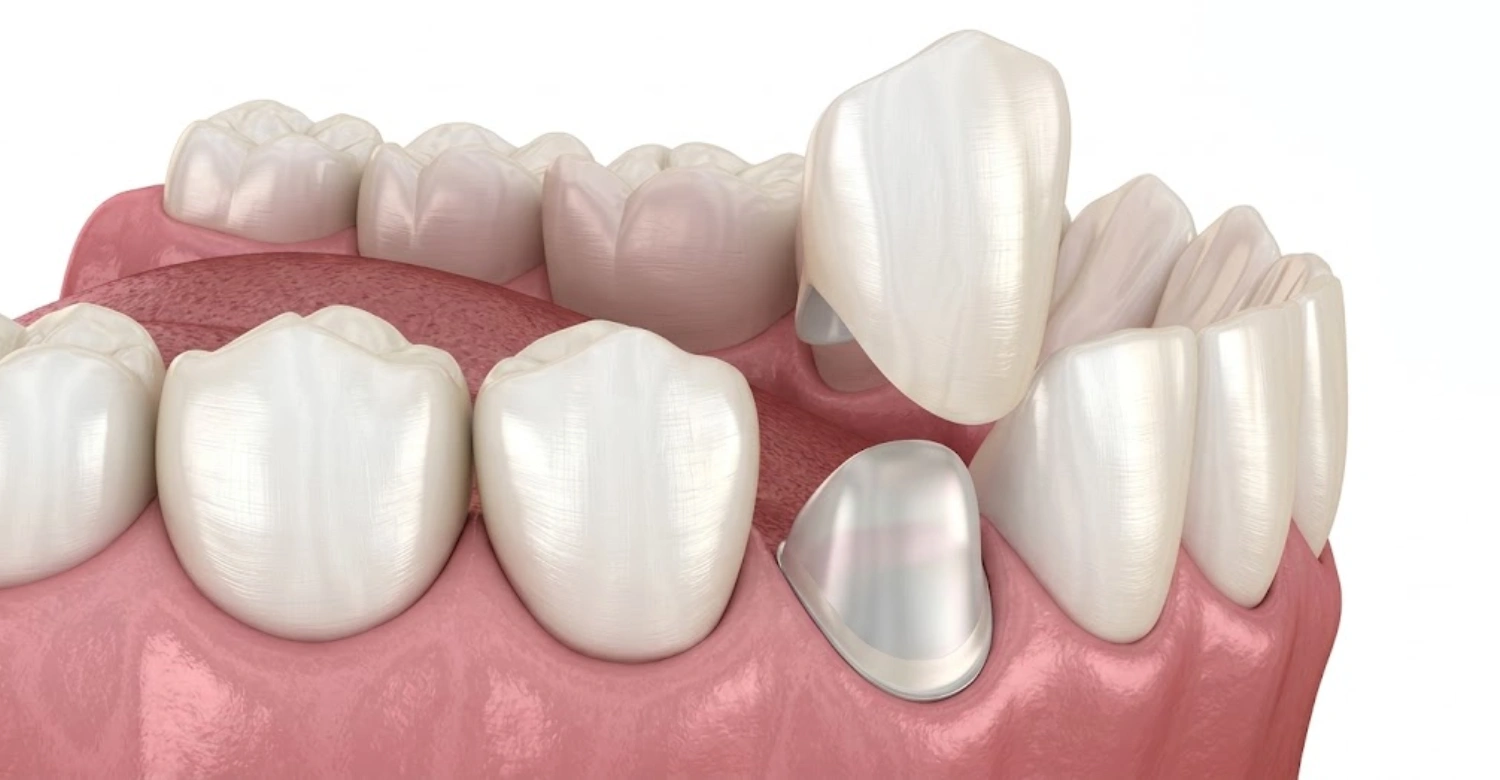
Comparing Zirconia, E-Max, PFM, and Full-Gold Options
Zirconia is prized for its strength and durability. It's a popular choice for back teeth that handle heavy chewing forces. Newer translucent formulations also look natural enough for front teeth.
E-Max (lithium disilicate) is a glass-ceramic known for outstanding translucency. It's a favorite for front-tooth restorations where a lifelike look matters most.
Porcelain-fused-to-metal (PFM) combines a metal core with a porcelain outer layer. It balances strength and aesthetics at a more accessible price.
Full-gold crowns remain one of the most durable, long-lasting options, especially for molars. Their metallic look makes them less common for visible teeth.
Clinical Note
Material selection should always follow a clinical evaluation of the tooth's position, the patient's bite, and their aesthetic goals, not cost alone. A well-matched material extends the crown's functional lifespan and lowers the risk of future complications. Patients who bring their priorities into the conversation tend to end up happier with the result long-term.
Fitting and Final Bonding
The fitting appointment is where the finished crown, whether hand-crafted or digitally milled, is placed in the mouth. This step matters as much as fabrication itself. Even a well-made crown needs careful adjustment to fit comfortably. The dentist checks the bite, the margins, and contact with neighboring teeth before anything is bonded permanently. The two steps below cover the try-in and the final bonding.
Try-In and Adjustments
The finished crown returns to the dentist for final delivery. The temporary crown is removed, the prepared tooth is cleaned, and the new crown is placed to check fit, margins, and contact points. Minor adjustments balance the bite. Read more about implants before crowns to understand related treatment paths.
Permanent Cementation
Once approved, a high-strength dental resin cement is applied. A curing light is often used to bond the crown permanently into place. This step is typically quick. Most patients leave the same appointment able to bite and chew normally right away. A short adjustment period is normal as the tongue and jaw get used to the new shape.
Pain Management & Comfort: Are New Dental Crowns Painful to Get?
In short, no, getting a crown is not considered painful for most patients. Local anesthesia numbs the area during preparation, so reshaping isn't felt. Any discomfort afterward is usually mild and temporary, tied more to sensitivity than pain. The sections below cover what to expect at each stage.
What to Expect During and After Preparation
Tooth preparation happens under local anesthesia, so patients typically feel little to no discomfort during the procedure. Mild sensitivity to hot, cold, or pressure is normal for a few days afterward, especially while the temporary crown is in place. This usually fades once the permanent crown is bonded. Over-the-counter pain relief is generally enough to manage any residual sensitivity.
For most patients, any discomfort is mild, temporary, and easy to manage. Once the final crown is cemented, lingering sensitivity typically fades within a short adjustment period. Knowing how crowns are fabricated with modern anesthesia and precise digital fitting offers peace of mind compared to older methods.
Common Myths vs. Facts About Modern Dental Crown Fabrication
There's a lot of outdated information circulating about crowns. Separating myths from facts can help patients feel more confident going into treatment. Much of the outdated information dates back to older fabrication methods, since replaced by faster, more precise digital workflows.
Myths vs. Facts at a Glance
Myth: Getting a crown is always a painful, multi-visit ordeal. Fact: Digital scanning and same-day CAD/CAM milling make the process quicker and more comfortable than in the past.
Myth: All crowns look artificial. Fact: Materials like E-Max and translucent zirconia are engineered to mimic the light-reflecting properties of natural enamel.
Myth: Crowns don't need any special care once placed. Fact: While durable, crowns still benefit from consistent oral hygiene and regular dental check-ups.
Myth: A crown means the tooth underneath is no longer at risk of decay. Fact: The margin where the crown meets the natural tooth can still decay if hygiene is neglected.
Myth: Crowns always stain or chip quickly. Fact: It depends heavily on the material. Ceramic options like E-Max and zirconia resist stains far better than older materials.
This list is a helpful starting point, but every patient's situation is different. A clinical consultation matters. A dentist can walk through each concern and explain the treatment process to suit your specific case. That personalized context is often more reassuring than any general list on its own.
Choosing a Provider and Cost Considerations
The provider a patient chooses affects more than price. It also affects the materials, technology, and clinical oversight available. Costs vary widely between countries, largely due to differences in labor, overhead, and available digital technology. It's worth comparing not just price, but what's actually included in it.
Why Patients Travel for Treatment
The choice of material and clinical technology heavily impacts final cost. Many international patients look to highly rated destinations like Turkey for state-of-the-art care at a fraction of Western prices. At Vitrin Clinic in Istanbul, for example, patients get access to advanced materials and digital workflows. Read more about where to get crowns to compare your options.
Average Crown Costs at Vitrin Clinic
A crown at Vitrin Clinic typically costs $100–$250 for standard porcelain, and around $200–$450 for premium zirconium or E-Max ceramic. That's a significant saving compared to the US or UK, where a single crown can exceed $1,000. Cost is often a deciding factor once patients understand the preparation process and how much labor goes into each restoration. Comparing quotes across providers is useful, but always weigh it against the clinic's technology, materials, and clinical experience.
Post-Placement Aftercare and Longevity
Proper aftercare plays a big role in how long a crown lasts and how comfortable it feels day to day. Good aftercare habits are simple, but consistency matters more than intensity. The two sections below cover cleaning routines and what affects a crown's appearance and durability over time.
Do New Dental Crowns Need Special Cleaning or Maintenance?
Caring for a crown is largely similar to caring for a natural tooth. Brush twice daily, floss carefully around the crown margin, and keep up with routine check-ups. This protects both the crown and the tooth structure beneath it. Pay particular attention to the gumline around the crown, where plaque can build up if brushing is rushed. Consistent care is one of the simplest ways to protect your investment.
Can Dental Crowns Stain, Chip, or Wear Out Over Time?
This depends largely on the material used. Porcelain and ceramic crowns, such as E-Max and zirconia, resist staining well, even better than natural enamel, though the cement line at the margin can occasionally discolor over time. PFM crowns can show a thin gray line at the gumline as gums recede with age. With normal wear, high-quality crowns can last many years. Chipping or wear can still occur from habits like teeth grinding or biting hard objects. Material choice and daily habits both play a major role here.
About Vitrin Clinic
Vitrin Clinic is a dental clinic in Istanbul. It treats local and international patients seeking crowns and other restorative work. The clinic combines certified clinical expertise with both traditional lab craftsmanship and modern digital fabrication. This dual approach means treatment plans can be tailored to what actually suits the tooth, rather than being limited to one method.
Our Clinical Approach
Vitrin Clinic brings together certified clinical expertise with both traditional lab craftsmanship and modern CAD/CAM digital workflows. Patients have access to a range of materials, including zirconia, E-Max, porcelain-fused-to-metal, and full-gold options. This lets treatment plans be tailored to each patient's bite, aesthetic goals, and budget.
The clinical approach centers on precise digital scanning, careful material selection, and a thorough fitting process. The goal is a crown that's comfortable, durable, and closely matched to the patient's natural smile. Patients are walked through each step of the treatment process, from scanning to final bonding. International patients are drawn to Vitrin Clinic for the mix of advanced technology, experienced clinical oversight, and significant cost savings compared to many Western countries.
Clinical Note
Dr. Rifat Alsaman, Head of the Medical Team at Vitrin Clinic, notes that patients who grind their teeth at night should use a protective nightguard. This single habit is one of the most common causes of premature chipping or wear in otherwise well-made crowns. He recommends mentioning any grinding or clenching habits during consultation, so the dentist can factor this into material choice from the start. Catching this early often prevents avoidable damage down the road.
Tips for Patients
Avoid using your crowned tooth to open packaging or bite down on very hard foods like ice.
Consider a nightguard if you grind or clench your teeth.
Schedule a dental check-up once or twice a year so early signs of wear can be caught early.
Keep crown care a routine part of your regular oral hygiene, not an occasional afterthought.
References
Understanding how modern crowns are developed highlights the role of CAD/CAM technology in creating precise, durable, and aesthetically pleasing restorations. A systematic review published in Cureus found that CAD/CAM can improve accuracy, efficiency, and marginal fit compared with traditional methods, supporting its growing role in crown fabrication.
https://pmc.ncbi.nlm.nih.gov/articles/PMC9767654/
https://pmc.ncbi.nlm.nih.gov/articles/PMC11804993/
https://pmc.ncbi.nlm.nih.gov/articles/PMC7408958/
FAQs

Dr. Rifat Alsaman has more than 5 years of clinical experience in dentistry and currently serves as the Head of the Medical Team at Vitrin Clinic. He is dedicated to providing exceptional patient care, overseeing treatment planning, and ensuring the highest clinical standards across the team. His expertise, attention to detail, and commitment to continuous professional development have helped countless patients achieve healthier, more confident smiles.


