Invisalign
April 30, 2026
How long does treatment with Invisalign alternatives typically take?
 Dr. Rifat Alsaman
.webp&w=3840&q=75)
When considering invisalign alternatives, many patients are curious about treatment duration. The length of treatment depends on several factors. These include the severity of misalignment, the type of aligner chosen, and patient compliance. Mild cases can often be corrected within six to nine months. Moderate to severe cases may take one to two years. Unlike traditional braces, many alternatives offer more flexibility and convenience. Treatment timelines are also influenced by the number of trays required. Some modern systems accelerate tooth movement through advanced materials. Consulting a professional ensures an accurate estimate tailored to your needs.
What Is an Invisalign Alternative?
An invisalign alternative refers to orthodontic solutions that mimic the benefits of Invisalign aligners. These may offer different materials, designs, or treatment processes. Alternatives include clear aligners from other brands, clear braces, removable trays, or mail-in aligner systems. The goal is to straighten teeth discreetly without relying solely on metal braces. Many alternatives provide comparable aesthetic appeal. Some options are more cost-effective or accessible. With evolving dental technology, alternatives are increasingly customized to ensure comfort and efficiency. Before diving into competitor brands, many patients ask: Is Invisalign good enough to remain the industry gold standard?
Why Some Patients Look for an Alternative
Patients seek an alternative for a variety of reasons. Cost is a significant factor, as Invisalign can be expensive. Others find the treatment schedule restrictive. Comfort and fit also influence this choice. Some patients prefer options that handle specific dental conditions more effectively. Aesthetic concerns are central: patients desire clear, low-profile options. Ultimately, choosing an alternative provides flexibility while still achieving desired results.
Common Reasons People Choose Alternatives
There are several reasons why people opt for alternatives. Some are drawn to more affordable treatments. Others prefer options that require fewer office visits. Comfort is often highlighted; alternative aligners may reduce gum irritation. Some alternatives offer faster treatment timelines. Removable systems allow better oral hygiene during meals. Certain alternatives can accommodate complex dental conditions. Personal preferences, lifestyle demands, and professional recommendations all play a role.
What Do Invisalign Aligners Look Like?
While exploring an alternative, it's helpful to understand the appearance of Invisalign alternatives aligners. They are made from clear, BPA-free plastic, designed to fit snugly over teeth. They are nearly invisible when worn. Alternatives often mimic this transparent design. Unlike metal braces, there are no brackets or wires visible. They can be removed for eating, brushing, and flossing. Some alternatives use slightly different plastic compositions, offering similar comfort while potentially improving durability.
Understanding Clear Aligners
Clear aligners are the core of most alternatives. They apply gentle, continuous pressure to teeth, gradually guiding them into position. Each set is custom-made based on digital scans or impressions. Patients typically switch to a new set every one to two weeks. One major advantage is that they are removable, facilitating better oral hygiene. Modern clear aligners are designed for both minor adjustments and comprehensive corrections. Many alternative brands offer slightly different materials but achieve comparable results.
Invisalign Clear Correct vs Other Aligners
When considering an alternative to Invisalign, it’s useful to compare Clear Correct with other aligner brands. Clear Correct uses custom trays to move teeth gradually. Some patients find it more affordable or accessible in certain regions. Other aligners, including mail-order options, offer convenience by reducing office visits. Differences can include plastic thickness, tray rigidity, attachment design, or software used for digital modeling. Invisalign alternatives has decades of clinical research supporting its effectiveness. Alternatives aim to match these results while offering greater flexibility, shorter treatment timelines, or cost savings. Consultation with an orthodontist ensures the best match for individual dental conditions.
Key Differences Between Aligners and Braces
A major consideration is understanding the differences between aligners and braces. Traditional braces use metal brackets and wires to apply pressure on teeth. They can be more noticeable but highly effective for complex misalignments. Clear aligners are removable and virtually invisible, offering aesthetic advantages and easier hygiene. Braces require routine office visits for adjustments. Aligners may require fewer in-person visits if treatment is monitored digitally. Comfort is another factor; aligners are less likely to irritate gums and cheeks. However, patient compliance is critical with removable aligners. Treatment efficiency depends on wearing them for the recommended daily hours.
Popular Invisalign Alternative Options
For patients exploring options, there are several widely recognized choices. Clear braces, see-through brackets, removable braces, and at-home dental correction trays each offer unique benefits. Some prioritize aesthetics, while others focus on cost, convenience, or speed of treatment. Many alternatives now integrate modern orthodontic technologies, including 3D scanning and software-assisted treatment planning. Choosing the right alternative involves evaluating dental needs, lifestyle considerations, and budget constraints. Orthodontists can provide personalized guidance. They recommend the most suitable option based on alignment severity, bite complexity, and patient preferences. The primary reason patients explore other clear brace options is the high cost of premium aligners associated with the leading brand.
Clear Braces
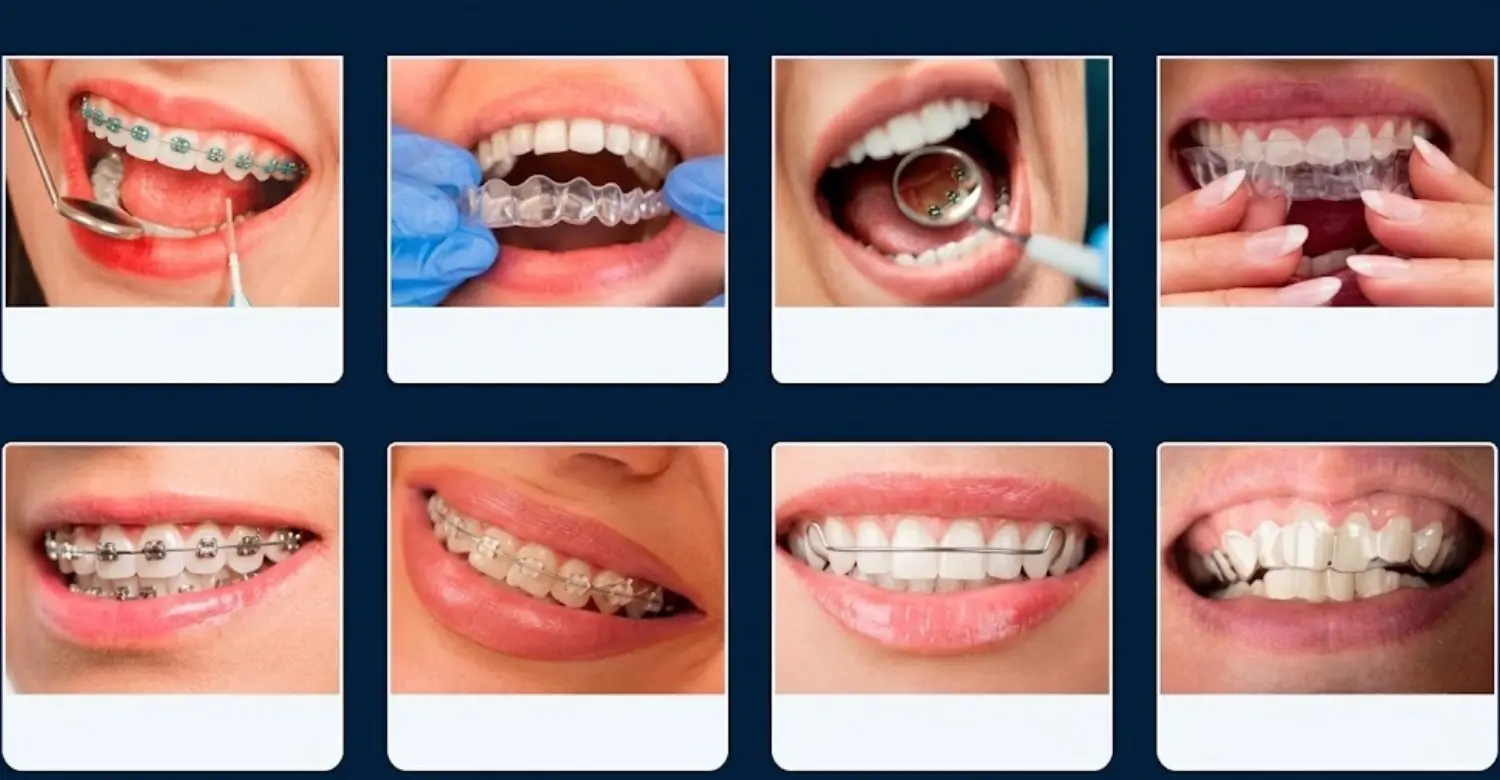
Clear braces are a prominent alternative for patients who prefer fixed treatment with a less noticeable appearance. These braces use tooth-colored or ceramic brackets combined with clear or white wires. They blend naturally with teeth. While they resemble traditional braces, they are aesthetically superior for those concerned about visibility. Clear braces can correct a broad range of dental issues, including crooked teeth, overcrowding, and bite problems. They are a popular choice among adults and teens seeking reliable results without the look of metal braces. Compared to removable alternatives, clear braces require consistent orthodontic supervision but are effective for complex cases.
How Do Clear Braces Work?
Clear braces work by applying continuous pressure on teeth through brackets and archwires. They gradually move teeth into the desired position. Each bracket is bonded to a tooth. The wire is adjusted periodically by an orthodontist to guide tooth movement. Unlike metal braces, the ceramic material is less noticeable, offering a discreet solution. These braces are durable and effective, though they may require careful maintenance to prevent staining. Patients typically undergo treatment for 12 to 24 months, depending on the complexity of misalignment. Clear braces remain a reliable option, particularly for those needing precise control over tooth movement.
See-Through Braces and Transparent Brackets
See-through braces and transparent brackets provide another aesthetic alternative. They function similarly to clear braces but focus on maximum invisibility. Made from ceramic or composite materials, transparent brackets are paired with clear wires. This allows teeth to shift discreetly. These systems are popular among professionals, adults, and image-conscious teens. They offer the stability of fixed braces while minimizing visibility. Orthodontists often recommend them for patients requiring moderate corrections or for those who want a reliable fixed solution without the appearance of metal braces.
Benefits of Transparent Orthodontic Brackets
Transparent orthodontic brackets offer multiple advantages. They are visually subtle, blending naturally with teeth, which enhances patient confidence. The fixed nature ensures continuous, predictable tooth movement. This is suitable for complex corrections. These brackets are durable and resist staining with proper care. They provide excellent control for bite adjustments. Transparent systems also reduce irritation to soft tissues compared to metal alternatives. Many patients appreciate the combination of aesthetics and clinical efficiency. Orthodontists can achieve effective results while minimizing the cosmetic impact of traditional braces.
Removable Braces for Adults
Removable braces have become a popular Invisalign Alternative for adult patients who seek flexibility and convenience. These braces typically come in the form of clear plastic trays or aligners that fit snugly over the teeth and can be removed for eating, brushing, and flossing. Unlike traditional fixed braces, they allow adults to maintain oral hygiene more easily while undergoing treatment. Removable systems are often preferred by busy professionals or those concerned about aesthetics, as they are nearly invisible in daily life. Treatment plans are customized based on digital scans or impressions, ensuring precision and predictable results, and they can often achieve similar outcomes to fixed braces for mild to moderate alignment issues.
Why Adults Prefer Removable Orthodontic Options
Adults often choose removable braces because of their convenience, comfort, and discretion. These systems enable patients to continue normal eating habits without worrying about food getting stuck in brackets. They are nearly invisible, which suits adults concerned about their professional appearance. Additionally, removable braces reduce gum irritation and speech interference compared to traditional braces. The ability to maintain optimal oral hygiene also lowers the risk of cavities or staining during treatment. Many adults appreciate the flexibility of adjusting or removing aligners temporarily for important social events, making removable orthodontics an ideal combination of function, aesthetics, and comfort. Unlike mail-order kits, traditional systems ensure you receive professional orthodontic supervision to prevent irreversible damage to your bite.
Dental Correction Trays
Dental correction trays represent a cost-effective alternative designed for at-home use. They consist of clear, removable trays that gradually reposition teeth, often accompanied by a remote monitoring system. Patients receive a series of trays corresponding to stages of tooth movement and switch them periodically as prescribed. This method offers a balance between affordability and convenience, allowing those who cannot frequently visit an orthodontist to still undergo treatment. While suitable for mild to moderate alignment issues, dental correction trays may not be ideal for complex orthodontic cases, which require professional supervision for precise bite adjustments.
Mail-In Aligners and At-Home Orthodontic Systems
Mail-in aligners and at-home orthodontic kits are growing in popularity, offering convenience and privacy. These systems allow patients to complete initial dental impressions at home, which are then used to fabricate custom aligners. Treatment progress can often be monitored virtually, reducing in-person visits. The key benefits include lower cost and time savings, especially for busy adults. However, these systems are best suited for mild misalignments and may not fully replace professional orthodontic care for complex dental issues. Patients should consult a licensed dentist or orthodontist before starting to ensure safety and effectiveness.
Options for Braces for Adults
Adult orthodontic care has evolved, offering a variety of alternatives to clear aligners. Traditional metal braces, clear braces, and removable aligners are all viable options depending on patient preference and dental complexity. Adults often prioritize aesthetics, comfort, and efficiency when selecting a treatment plan. Orthodontists can tailor treatments for bite correction, crowding, spacing, and alignment of teeth while considering long-term oral health. Clear braces or removable aligners are popular among professionals and socially active adults, providing nearly invisible results with predictable outcomes. Careful evaluation ensures the chosen method aligns with both cosmetic and functional goals. If you struggle with compliance, the disadvantages of clear trays might make traditional fixed braces a better alternative for you.
Teeth Braces for Adults
Traditional teeth braces remain a reliable option for adult patients needing significant correction. Metal or ceramic braces can address complex alignment, overcrowding, and bite issues that removable aligners may struggle to correct. Advances in orthodontic technology have made adult braces more comfortable and visually discreet than ever. Treatment duration typically ranges from one to three years depending on case complexity. Adults appreciate that braces offer precise tooth movement with predictable outcomes, and modern options like ceramic brackets or self-ligating systems can blend with natural teeth to minimize visibility.
Clear Braces for Adults
Clear braces are an increasingly common Invisalign Alternative for adults seeking discreet orthodontic treatment. They function like traditional braces but use tooth-colored or transparent brackets and wires. This approach combines the effectiveness of fixed braces with improved aesthetics. It is ideal for professional or social settings. Clear braces can address a wide range of orthodontic concerns, from mild spacing to severe crowding. Adult patients often favor these systems for their predictability and low visual impact. They can maintain confidence throughout the treatment process while achieving long-term dental alignment goals.
Choosing the Best Orthodontic Treatment for Adults
Selecting the best Invisalign Alternative for adults involves evaluating dental health, alignment needs, lifestyle, and aesthetic preferences. Professional assessment is crucial to identify bite issues, tooth crowding, or spacing problems. Adults may opt for clear braces for visibility concerns, removable aligners for convenience, or traditional braces for complex cases. Factors like treatment duration, oral hygiene requirements, comfort, and cost must be considered. A customized plan ensures optimal results while accommodating personal and professional lifestyles. Consultation with an experienced orthodontist can guide adults toward the most effective and practical treatment method for a healthy, beautiful smile.
How Long Does Treatment with Invisalign Alternatives Typically Take?
Treatment time varies depending on the complexity of your bite, the severity of tooth movement required, and the type of orthodontic system chosen. Most Invisalign alternatives require anywhere from 6 to 24 months. Minor cosmetic corrections may be completed in as little as four to six months. Some advanced aligner systems also use digital treatment planning to improve efficiency and predictability.
At Vitrin Clinic, every treatment begins with a detailed digital smile analysis to estimate the expected timeline before treatment starts. According to Dr. Rifat Alsaman, Head of the Medical Team at Vitrin Clinic and a cosmetic dentist, treatment duration should never be rushed. He explains that controlled tooth movement protects the roots, surrounding bone, and gum tissues while producing more stable long-term results.
In-House & Boutique Aligner Systems: Benefits of Lab-Fabricated Trays
Many modern clinics now produce their own customized aligners through in-house laboratories or partner with boutique dental labs instead of relying solely on large international brands. These lab-fabricated trays can provide highly personalized treatment while allowing dentists to make adjustments more quickly throughout the treatment process.
At Vitrin Clinic, digital impressions, 3D treatment planning, and customized aligner production help create treatment plans tailored to each patient's dental anatomy. Dr. Rifat Alsaman, Head of the Medical Team at Vitrin Clinic and a cosmetic dentist, emphasizes that successful orthodontic treatment depends more on accurate diagnosis and careful monitoring than on the brand name of the aligners themselves. Proper planning and regular follow-up appointments are essential for achieving predictable results.
Surgical Teeth Straightening for Severe Cases
For patients with significant misalignment, jaw discrepancies, or complex bite issues, surgical teeth straightening is a viable Invisalign Alternative. This treatment combines orthodontic appliances, such as braces or aligners, with corrective jaw surgery to reposition the jawbone for functional and aesthetic improvement. It is typically recommended when conventional aligners or braces cannot fully address severe malocclusions. Surgical orthodontics requires careful planning, including 3D imaging and collaboration between orthodontists and oral surgeons. Recovery involves post-operative care, and patients may require temporary dietary modifications. Despite being more invasive, this method ensures optimal alignment, bite functionality, and facial balance. It provides a long-lasting solution for complicated dental cases.
When Orthodontic Surgery Is Recommended
Orthodontic surgery is recommended when dental misalignment cannot be corrected with removable or fixed appliances alone. Conditions that may necessitate this approach include severe overbites, underbites, crossbites, or jaw asymmetries. Patients with significant crowding or skeletal discrepancies may also benefit from surgical intervention combined with orthodontics. Pre-surgical orthodontic treatment is often used to align teeth in preparation for jaw repositioning. Choosing surgical correction as an Invisalign Alternative ensures both functional and aesthetic outcomes. Consultation with a specialized orthodontist or oral surgeon is essential to evaluate suitability, risks, expected recovery time, and long-term benefits of combining orthodontics with surgical procedures.
Orthodontics vs Surgical Correction
Understanding the distinction between conventional orthodontics and surgical correction is key when considering an Invisalign Alternative. Orthodontics alone, such as clear aligners or braces, is effective for most alignment and bite adjustments but is limited by skeletal jaw issues. Surgical correction addresses structural discrepancies in the jawbone. It provides a permanent solution when teeth movement alone is insufficient. Orthodontic treatment often precedes and follows surgery to optimize alignment and ensure stable results. Patients should weigh the invasiveness, recovery period, and potential risks of surgery against the benefits of achieving ideal bite and facial symmetry. Combining these methods often delivers superior outcomes for severe cases.
Can You Straighten Teeth Without Braces?
Many patients explore ways to straighten teeth without braces. This is a common topic in orthodontic discussions. Non-braces options include clear aligners, removable trays, dental correction systems, and minor cosmetic procedures like dental contouring. These solutions provide teeth-straightening results while prioritizing aesthetics, comfort, and flexibility. They are suitable for mild to moderate misalignment and spacing issues. Success depends on patient compliance, the severity of dental irregularities, and professional supervision. Consulting an orthodontist ensures proper assessment and guidance. This allows patients to achieve a straighter smile safely without the appearance or restrictions of traditional braces. Before settling for a lesser-known brand, checking Vitrin Clinic pricing comparisons might reveal that the premium option fits your budget.
How Can You Fix Crooked Teeth Without Braces
Crooked teeth can be addressed using several alternatives without relying on traditional braces. Clear aligners gently shift teeth into alignment over time. Removable trays offer similar results in an at-home setting. Cosmetic solutions, like veneers, may create the appearance of straight teeth for mild cases, although they do not reposition teeth. Some patients benefit from minor restorative procedures combined with orthodontic aligners. Professional supervision is crucial, as improper DIY techniques can damage teeth or gums. A customized treatment plan ensures that the selected method aligns with the patient’s dental structure, achieving both functional correction and aesthetic improvement safely.
How to Get Teeth Straightened Without Braces
To straighten teeth without braces, patients can choose from clear aligners, removable trays, dental correction systems, or targeted cosmetic treatments. Clear aligners are custom-fitted to teeth, allowing gradual movement with minimal visibility. Removable trays offer at-home convenience but require strict adherence to treatment schedules. Advanced dental software can simulate results and track progress remotely, enhancing predictability. Consulting a licensed orthodontist or dentist is essential to identify the severity of misalignment, choose the appropriate alternative, and monitor results. These approaches provide a flexible, discreet, and efficient way to achieve a straight smile without the appearance or inconvenience of traditional braces.
Professional Treatments That Replace Traditional Braces
Professional treatments designed to replace traditional braces include clear aligners, ceramic or clear braces, and advanced orthodontic trays. These options are developed using precise digital scans, 3D printing, and customized treatment plans to ensure accurate results. Clear aligners and removable trays allow patients to maintain oral hygiene more effectively. Clear or ceramic braces combine the reliability of fixed braces with improved aesthetics. Many of these treatments require fewer office visits, making them convenient for adults and teens alike. The success of professional alternatives depends on patient compliance, regular monitoring, and adherence to the prescribed treatment schedule.
Is It Possible to Straighten Teeth at Home?
Straightening teeth at home is often explored as a convenient option, but it comes with risks and limitations. At-home aligners, dental trays, and mail-in kits offer accessibility and lower costs, making them appealing for minor misalignments. However, without professional oversight, these methods may not account for bite issues, complex crowding, or root movement. This can result in uneven alignment or dental damage. Patients considering at-home solutions should prioritize safety, follow manufacturer instructions, and consult a dentist for guidance. Professional evaluation ensures the alternative method chosen addresses individual dental needs effectively and reduces long-term risks.
How to Straighten Teeth Without Braces at Home
At-home orthodontic solutions, including clear aligners and dental trays, allow patients to straighten teeth without traditional braces. These kits usually require initial impressions, which are sent to a dental lab for fabrication. Aligners are worn for a specified number of hours each day, gradually shifting teeth into place. Remote monitoring or virtual check-ins can supplement treatment but cannot fully replace professional evaluation. While convenient, at-home methods are suitable primarily for mild alignment issues. Patients should carefully follow instructions, avoid skipping steps, and seek advice from a licensed dentist to ensure safe, effective results.
How to Make Your Teeth Straight at Home
To achieve straight teeth at home, patients can use clear aligners or removable trays. These apply gentle pressure to realign teeth gradually. Compliance with daily wear schedules is critical for successful outcomes. Digital planning and stepwise tray progression help predict tooth movement accurately. Patients must maintain proper oral hygiene and monitor any discomfort or gum irritation. For optimal safety, even at-home approaches should include initial professional evaluation. This determines suitability, ensures no underlying dental issues exist, and provides guidance on tray adjustments. This ensures teeth are straightened effectively without compromising oral health.
Risks of DIY Orthodontics
DIY orthodontics, such as attempting to straighten teeth with at-home devices without professional supervision, carries significant risks. Improper tray fitting, incorrect alignment pressure, or lack of monitoring can cause tooth root damage, gum recession, uneven movement, or bite misalignment. Long-term consequences may include permanent dental issues that require corrective treatment. Even minor misalignments treated without supervision can worsen over time. Consulting a licensed orthodontist ensures safe, effective tooth movement. Professional guidance allows patients to benefit from modern clear aligner alternatives while minimizing risks and protecting both oral health and overall smile aesthetics.
How to Get Your Teeth Straightened Safely
Achieving a straight smile safely requires professional guidance, even when using an invisalign alternatives. The first step is a thorough evaluation by a licensed orthodontist or dentist to assess dental alignment, bite issues, and oral health. Advanced imaging techniques, such as digital scans or X-rays, help create an accurate model of teeth. Professional oversight ensures that teeth move as planned, preventing complications like root damage, gum recession, or uneven alignment. Patients should avoid DIY approaches or unregulated mail-order kits without supervision. Safe treatment combines the aesthetic benefits of clear aligners or alternative braces with clinical monitoring to ensure predictable, long-lasting results.
Professional Orthodontic Evaluation
A professional orthodontic evaluation is crucial when considering any clear aligner alternative. During the evaluation, the orthodontist examines teeth alignment, jaw structure, bite relationships, and oral health. Digital imaging and 3D scanning may be used to create precise treatment plans tailored to the patient’s needs. The evaluation also identifies potential risks and ensures that the chosen alternative can safely achieve desired outcomes. For adults and teens, this step ensures that mild, moderate, or even complex misalignments are addressed efficiently. Proper assessment is the foundation of successful orthodontic treatment, minimizing complications and maximizing aesthetic and functional results.
Steps Orthodontists Use to Straighten Teeth
Orthodontists follow a structured process to straighten teeth using an Invisalign Alternative. First, impressions or digital scans are taken to map teeth positioning. Then, a customized treatment plan is created. It often includes a series of aligners or alternative appliances. Patients are instructed on wearing aligners or caring for braces properly. Periodic check-ups monitor progress and allow adjustments if necessary. Orthodontists ensure that teeth shift gradually and safely. They optimize alignment and bite. Each step is carefully managed to prevent discomfort, dental damage, or uneven movement. This systematic approach allows predictable, effective results for a wide range of orthodontic needs.
Treatment Planning for Crooked Teeth
Effective treatment planning is essential when using any Invisalign Alternative. Orthodontists consider tooth alignment, jaw structure, bite relationships, and patient lifestyle. Digital simulations may illustrate expected outcomes. They help patients visualize results. Treatment plans outline the duration, type of aligners or braces, and check-up schedule. For adults, additional factors like restorative dental work or gum health may be included. Professional planning ensures safe, precise movement of teeth. It minimizes discomfort and addresses both cosmetic and functional concerns. Following the treatment plan closely maximizes efficiency and results. Patients can achieve a straight, healthy, and confident smile.
Lingual Braces: The Fixed and Completely Hidden Alternative
For patients who want invisible orthodontic treatment without removable aligners, lingual braces offer another excellent solution. Unlike traditional braces, lingual brackets are attached to the back surfaces of the teeth. They are virtually invisible during everyday conversations and smiling.
Although lingual braces often require a short adjustment period for speech and tongue comfort, they are highly effective for correcting complex orthodontic problems while maintaining complete discretion. At Vitrin Clinic, patients receive a comprehensive assessment to determine whether lingual braces or other Invisalign alternatives will provide the best functional and aesthetic outcome.
According to Dr. Rifat Alsaman, Head of the Medical Team at Vitrin Clinic and a cosmetic dentist, lingual braces remain one of the most effective hidden orthodontic options for patients with moderate to complex tooth movement who prefer a fixed appliance.
How to Choose the Right Invisalign Alternative for Different Dental Problems
Invisalign alternatives and treatment options
Not every orthodontic system treats the same conditions. Mild crowding and spacing often respond well to clear aligners. More severe bite problems may require braces or a combination of techniques. Factors such as age, oral health, lifestyle, treatment goals, and patient compliance all influence the best choice.
At Vitrin Clinic, every patient receives a personalized digital assessment before selecting an orthodontic system. Dr. Rifat Alsaman, Head of the Medical Team at Vitrin Clinic and a cosmetic dentist, believes that choosing the right treatment begins with understanding the patient's smile goals and biological limitations. It is not simply selecting the newest aligner brand. Individualized treatment planning leads to safer, more predictable, and longer-lasting results.
Post-Treatment Retention: Why Retainers Are a Critical Component After Aligners
Completing orthodontic treatment is only the first step toward maintaining a straight smile. Without retainers, teeth naturally tend to shift back toward their original positions. This happens due to surrounding bone remodeling and soft tissue forces. Wearing retainers as instructed helps preserve the results achieved through treatment.
At Vitrin Clinic, every orthodontic treatment includes a customized retention plan based on each patient's individual needs. Dr. Rifat Alsaman, Head of the Medical Team at Vitrin Clinic and a cosmetic dentist, explains that retention is just as important as active treatment. It protects the time and investment patients have made in improving their smiles.
Post-Treatment Retention: Why Retainers Are a Critical Component After Aligners
Why retainers matter after braces
Completing orthodontic treatment is only the first step toward maintaining a straight smile. Without retainers, teeth naturally tend to shift back toward their original positions. This happens due to surrounding bone remodeling and soft tissue forces. Wearing retainers as instructed helps preserve the results achieved through treatment.
At Vitrin Clinic, every orthodontic treatment includes a customized retention plan based on each patient's individual needs. Dr. Rifat Alsaman, Head of the Medical Team at Vitrin Clinic and a cosmetic dentist, explains that retention is just as important as active treatment. It protects the time and investment patients have made in improving their smiles.
Invisalign Alternative Treatments at Vitrin Clinic
Vitrin Clinic offers advanced solutions tailored to patients seeking modern, discreet teeth straightening options. The clinic combines cutting-edge orthodontic technology with experienced professionals. It delivers efficient, comfortable, and aesthetically pleasing treatments. Options include clear aligners, removable trays, clear braces, and transparent brackets. These are customized to individual dental needs. Vitrin Clinic emphasizes patient education, monitoring, and personalized care. Every treatment plan delivers optimal results. Patients seeking an effective alternative to traditional braces benefit from the clinic’s comprehensive approach, advanced tools, and expertise in handling both simple and complex orthodontic cases.
Advanced Teeth Straightening Solutions at Vitrin Clinic
Vitrin Clinic’s advanced teeth straightening solutions include state of the art clear aligners, removable braces, and modern transparent bracket systems. Using 3D digital scanning and precise modeling software, each patient receives a treatment plan tailored to their dental structure. Remote monitoring and in-clinic check-ups ensure that teeth move safely and predictably. The clinic’s specialists guide patients through each step, adjusting treatment as needed for comfort, efficiency, and results. This combination of technology and professional expertise provides a modern, discreet, and highly effective alternative to traditional braces, ideal for both adults and teens.
Why Patients Choose Vitrin Clinic for Orthodontic Treatment
Patients choose Vitrin Clinic for its reputation in providing safe and effective treatments. The clinic emphasizes personalized care, ensuring each patient’s dental alignment, bite, and aesthetic goals are addressed. Advanced technology, including digital scans, 3D modeling, and virtual progress monitoring, ensures precision and efficiency. Patients also appreciate the combination of professional oversight with convenient, flexible treatment options like clear aligners and removable trays. Vitrin Clinic’s holistic approach prioritizes both oral health and cosmetic outcomes, making it a trusted choice for those seeking a straight, healthy, and confident smile without the restrictions of traditional braces.
Benefits of Choosing Vitrin Clinic for Orthodontic Care
Choosing Vitrin Clinic provides numerous advantages for patients seeking an alternative to traditional braces. The clinic combines cutting-edge orthodontic technology with experienced dental specialists, ensuring effective and safe treatment. Patients benefit from personalized care, accurate digital treatment planning, and modern appliances designed for comfort and aesthetics. The clinic also offers flexible options suitable for adults with busy lifestyles, minimizing office visits while maximizing results. By choosing Vitrin Clinic, patients gain access to solutions that address both functional and cosmetic needs, ensuring a confident smile and improved oral health over the long term.
Modern Orthodontic Technology
Vitrin Clinic utilizes modern orthodontic technology to enhance the effectiveness of any treatment. Digital scanners, 3D modeling, and advanced software create precise treatment plans tailored to each patient. Clear aligners, transparent brackets, and removable trays are fabricated using high-quality materials, optimizing both comfort and aesthetics. Progress is monitored digitally, allowing timely adjustments and minimizing treatment errors. The integration of technology ensures predictable results, efficient tooth movement, and reduced treatment time compared to older orthodontic methods. Patients benefit from a safe, convenient, and modern approach to teeth straightening.
Personalized Treatment for Every Smile
At Vitrin Clinic, personalized treatment ensures every patient achieves optimal results. Specialists evaluate dental alignment, bite, and individual needs to design a customized plan. Treatment options, appliance selection, and progress tracking are tailored to patient preferences and lifestyle. Personalized care addresses both cosmetic and functional goals, ensuring teeth move safely and efficiently. Patients receive ongoing support and adjustments throughout the treatment process. This individualized approach not only enhances results but also improves patient confidence and satisfaction, making Vitrin Clinic a top choice for adults and teens seeking modern, discreet orthodontic solutions.
Making Your Decision: Key Questions to Ask Your Orthodontist Before Starting
Before beginning treatment, patients should fully understand their diagnosis, expected treatment timeline, costs, maintenance requirements, and anticipated results. Asking the right questions helps establish realistic expectations and ensures the selected orthodontic system is appropriate for the individual's needs.
Useful questions include:
Questions to Ask
Am I a good candidate for clear aligners?
Which alternative is most suitable for my bite?
How long will my treatment likely take?
Will I need attachments or additional procedures?
How often will follow-up visits be required?
What type of retainer will I need after treatment?
At Vitrin Clinic, patients receive a detailed consultation using advanced digital imaging before making any treatment decisions. Dr. Rifat Alsaman, Head of the Medical Team at Vitrin Clinic and a cosmetic dentist, believes that informed patients are more likely to follow treatment instructions consistently, resulting in healthier smiles and better long-term outcomes.
Reference
Invisalign alternatives include a variety of orthodontic treatment options designed to straighten teeth and correct bite issues, depending on the patient's needs, lifestyle, and treatment goals. Alternatives may include traditional metal braces, ceramic braces, lingual braces, self-ligating braces, or other clear aligner systems. The following references provide more information about these options, their benefits, limitations, treatment effectiveness, and clinical considerations:
FAQs
Dr. Rifat Alsaman has more than 5 years of clinical experience in dentistry and currently serves as the Head of the Medical Team at Vitrin Clinic. He is dedicated to providing exceptional patient care, overseeing treatment planning, and ensuring the highest clinical standards across the team. His expertise, attention to detail, and commitment to continuous professional development have helped countless patients achieve healthier, more confident smiles.

.webp&w=3840&q=75)


.webp&w=3840&q=75)