Orthodontics
April 19, 2026
Apparecchi ortodontici in ceramica o in metallo: qual è l'opzione giusta per te?
 Dr. Rifat Alsaman
Scegliere tra apparecchio in ceramica o in metallo è una decisione comune per i pazienti ortodontici. Le tue preoccupazioni possono riguardare l'estetica, il budget o l'efficacia del trattamento. Comprendere le differenze fondamentali ti aiuta a fare una scelta consapevole e sicura. Questa guida copre costi, durata e impatto sullo stile di vita. Potrai quindi scegliere l'apparecchio più adatto ai tuoi obiettivi di sorriso e alla tua vita quotidiana.
Comprendere l'Apparecchio: Metallo vs Ceramica
Quando si confrontano gli apparecchi in metallo e in ceramica, è essenziale comprendere ciascun sistema. Entrambi i tipi applicano una pressione costante per allineare i denti. Differiscono per materiale, aspetto ed esperienza del paziente. Esplorare queste differenze aiuta i pazienti a prendere decisioni ortodontiche più intelligenti. Questo si applica a ogni fase della vita e necessità dentale.
Che Cos'è l'Apparecchio in Metallo
L'apparecchio in metallo è il dispositivo ortodontico più tradizionale. Realizzato in acciaio inossidabile di alta qualità, è composto da piastrine (bracket) applicate su ciascun dente. Fili metallici collegano le piastrine. Nel confronto tra apparecchio in metallo e in ceramica, quello in metallo è noto per durata e convenienza. È affidabile in molti casi complessi. Funziona bene per disallineamenti gravi. È spesso la prima scelta per i pazienti più giovani.
Che Cos'è l'Apparecchio in Ceramica
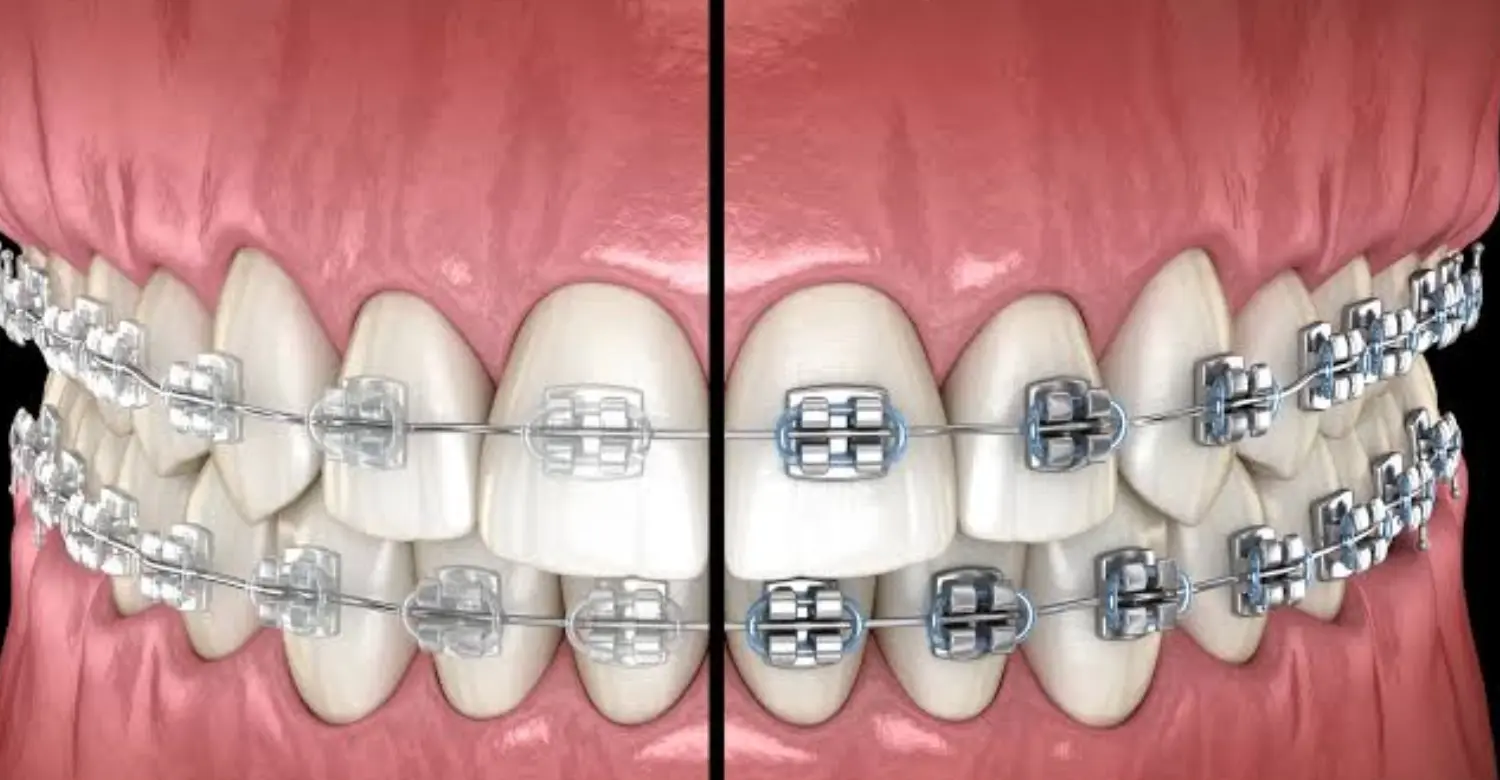
L'apparecchio in ceramica funziona in modo simile a quello in metallo. Utilizza piastrine in ceramica trasparenti o del colore del dente che si mimetizzano con lo smalto. Nel dibattito tra ceramica e metallo, la ceramica è preferita per il suo aspetto discreto. È popolare tra adulti e adolescenti. Anche i fili possono essere del colore del dente, riducendo ulteriormente la visibilità. Sebbene differiscano nell'estetica, le dinamiche meccaniche sono quasi identiche. Entrambi offrono risultati comparabili per problemi da lievi a moderati.
Differenze Chiave: Metallo vs Ceramica
Le differenze principali nel confronto tra metallo e ceramica sono la visibilità, il costo e la fragilità. Le piastrine in metallo sono più resistenti e meno soggette a scheggiature. Quelle in ceramica sono più discrete ma possono macchiarsi o incrinarsi. Le opzioni in metallo tendono ad essere più economiche, mentre la ceramica ha un prezzo superiore. Per i casi complessi, il metallo offre prestazioni costanti. Comprendere queste distinzioni aiuta i pazienti ad allineare la propria scelta con le priorità personali ed economiche.
Svantaggi dell'Apparecchio in Ceramica vs Metallo
Esaminando gli svantaggi dell'apparecchio in ceramica rispetto a quello in metallo, le opzioni in ceramica presentano dei compromessi. Offrono un fascino estetico ma possono essere più fragili e costose. Richiedono anche un'igiene orale più accurata. Questi svantaggi le rendono meno adatte per alcuni pazienti. Conoscere i limiti prima del trattamento aiuta ad evitare sorprese.
Apparecchio in Ceramica vs Metallo: Confronto dei Costi
Un argomento chiave nei confronti dei costi tra ceramica e metallo è il divario di prezzo. L'apparecchio in ceramica costa in genere dal 20 al 50% in più rispetto a quello in metallo. Ciò dipende dalla clinica e dal Paese. Per il turismo dentale internazionale, la differenza può essere significativa. Quando si valutano i costi, occorre considerare anche le eventuali spese di sostituzione se le piastrine si scheggiano. Il metallo rimane l'investimento a lungo termine più economico per la maggior parte dei pazienti.
Apparecchio in Ceramica vs Metallo: Qual è Più Resistente?
Nel confronto sulla durata, il metallo vince. Le piastrine in metallo resistono meglio alle fratture e all'usura quotidiana. Quelle in ceramica sono più fragili e possono scheggiarsi o incrinarsi, specialmente con cibi duri o sport di contatto. Le esigenze di manutenzione sono più elevate con la ceramica, dove è necessario uno spazzolamento accurato per prevenire le macchie. Per i pazienti attivi, la resistenza è un fattore critico.
Quanto Tempo Richiede il Trattamento?
La durata del trattamento è spesso simile. Le piastrine in ceramica possono creare un attrito leggermente maggiore lungo il filo, il che potrebbe rallentare il movimento dei denti in alcuni casi. In un confronto diretto, il metallo può consentire regolazioni più rapide. Tuttavia, per la maggior parte dei casi standard, entrambe le opzioni forniscono risultati in tempi comparabili. Consulta il tuo ortodontista per una stima personalizzata.
Apparecchio in Ceramica vs Metallo: Il Parere degli Esperti
Secondo il Dr. Rifaat Al-Samman, Direttore del Team Medico presso la Vitrin Clinic di Istanbul, "La scelta tra apparecchio in ceramica e in metallo dovrebbe basarsi sulle esigenze ortodontiche specifiche del paziente, sul suo stile di vita e sulle sue preferenze estetiche. Entrambe le opzioni sono altamente efficaci, ma l'apparecchio in ceramica offre un aspetto più discreto, un vantaggio significativo per adulti e adolescenti attenti alla propria immagine." Aggiunge: "Nella mia esperienza, i pazienti che danno priorità all'estetica hanno maggiori probabilità di rispettare il trattamento quando si sentono sicuri del proprio aspetto."
Assicurazione e Opzioni di Pagamento
Il trattamento ortodontico può essere un investimento significativo. Comprendere le proprie opzioni finanziarie è fondamentale. La maggior parte dei piani assicurativi dentali copre una parte del trattamento ortodontico, anche se l'importo varia. In genere, l'assicurazione copre una percentuale del costo per l'apparecchio in metallo, mentre la ceramica potrebbe comportare una spesa diretta maggiore. Molte cliniche, tra cui la Vitrin Clinic, offrono piani di pagamento flessibili. Il Dr. Al-Samman consiglia: "I pazienti dovrebbero verificare con la propria assicurazione per comprendere la copertura. Presso la nostra clinica, forniamo prezzi trasparenti e possiamo creare un piano di pagamento adatto al loro budget."
Benefici dell'Apparecchio: Ceramica vs Metallo
Entrambe le opzioni offrono benefici importanti e capaci di cambiare la vita. Correggono i problemi di masticazione, migliorano la salute dentale e aumentano l'autostima. L'apparecchio rimane una delle soluzioni ortodontiche più efficaci disponibili oggi. Che tu scelga il metallo o la ceramica, il risultato finale è un sorriso più dritto e sano. Comprendere i vantaggi di ciascun tipo aiuta i pazienti a scegliere con sicurezza e li mantiene motivati durante tutto il percorso.
Miglioramento del Sorriso e dell'Allineamento Dentale
Entrambi i tipi di apparecchio offrono eccellenti risultati per migliorare l'allineamento. Il metallo è particolarmente efficace per l'affollamento grave e le correzioni complesse del morso. La ceramica offre le stesse capacità correttive per casi da lievi a moderati, mantenendo un profilo visivo più discreto. Entrambi i sistemi funzionano spostando gradualmente i denti nelle posizioni ideali, migliorando sia la funzione che l'aspetto. Un sorriso ben allineato favorisce anche la salute orale a lungo termine, riducendo il rischio di carie e disturbi gengivali.
Considerazioni Estetiche
L'estetica gioca un ruolo fondamentale nella scelta, specialmente per i pazienti adulti. Le piastrine in ceramica sono progettate per abbinarsi al colore dei denti e sono molto meno visibili rispetto all'hardware tradizionale in metallo. Questo è uno dei motivi principali per cui gli adulti preferiscono la ceramica: desiderano mantenere un aspetto professionale durante il trattamento. Per i pazienti riservati, la ceramica offre un ottimo compromesso tra estetica e funzionalità.
Vantaggi Funzionali
Entrambe le opzioni offrono importanti vantaggi funzionali. Correggere i denti disallineati migliora l'efficienza della masticazione, la chiarezza dell'articolazione verbale e riduce la tensione sulle articolazioni della mascella. L'apparecchio in metallo fornisce una forza più robusta e costante, ideale per movimenti complessi. La ceramica eroga una pressione delicata ma efficace per casi moderati. Per i bambini, il metallo è spesso preferibile perché più robusto. Entrambe le soluzioni contribuiscono in modo significativo a una migliore funzione orale.
Preoccupazioni dei Pazienti e Domande Frequenti
Molti pazienti condividono gli stessi dubbi: Farà male? Come influirà sulla vita quotidiana? Quale opzione è migliore per la mia età? Si tratta di domande valide che meritano risposte chiare e oneste. Comprendere l'esperienza reale aiuta i pazienti a prepararsi meglio. Affrontare precocemente le preoccupazioni riduce l'ansia e favorisce la collaborazione durante la cura, influendo direttamente sul successo del trattamento.
Dolore e Disagio
Entrambi i tipi di apparecchio causano livelli di disagio simili, specialmente nei primi giorni dopo l'applicazione o la regolazione. Le piastrine in metallo possono talvolta causare maggiore irritazione all'interno delle guance a causa di angoli più acuti, mentre la ceramica tende ad avere un profilo più smussato. Nel tempo, la maggior parte dei pazienti si adatta bene. Gli analgesici da banco e la cera ortodontica possono alleviare l'indolenzimento iniziale, che è sempre temporaneo e gestibile.
Impatto sullo Stile di Vita
Sia il metallo che la ceramica richiedono modifiche allo stile di vita. Occorre evitare cibi duri, appiccicosi o croccanti che potrebbero danneggiare le componenti ortodontiche. La ceramica richiede un'attenzione extra con cibi e bevande che macchiano, come caffè, tè e vino rosso. Il metallo è più tollerante da questo punto di vista. Gli atleti potrebbero aver bisogno di un paradenti con entrambe le opzioni. L'Igiene orale e le abitudini alimentari richiedono impegno, ma la ceramica necessita di un pizzico di cura in più.
Bambini vs Adulti
La decisione varia in base alla fascia d'età. Per i più giovani si preferisce generalmente il metallo: è durevole, costa meno ed è resistente alle rotture. L'apparecchio in ceramica è scelto maggiormente da adolescenti e adulti che mettono al primo posto l'estetica. Gli adulti che intraprendono il trattamento per la prima volta apprezzano l'aspetto discreto della ceramica. In definitiva, la scelta migliore per qualsiasi età dovrebbe essere guidata da una valutazione clinica professionale.
Trattamenti Disponibili e Alternative
Oltre alle opzioni standard in metallo e ceramica, l'ortodonzia moderna offre diverse alternative, tra cui allineatori trasparenti rimovibili e sistemi ibridi. I pazienti oggi hanno più opzioni che mai. Esplorare l'intero panorama delle soluzioni ortodontiche garantisce una decisione ben ponderata e adatta alle proprie esigenze cliniche, di comfort e di stile di vita.
Allineatori Trasparenti vs Apparecchio Fisso
Gli allineatori trasparenti rappresentano l'opzione più discreta. A differenza degli apparecchi fissi, sono completamente rimovibili e quasi invisibili. Tuttavia, richiedono una rigorosa disciplina (indossarli 20–22 ore al giorno) e potrebbero non essere adatti per correzioni complesse. Gli apparecchi in metallo e ceramica sono dispositivi fissi, rendendo l'aderenza al trattamento automatica. Per casi lievi o moderati con priorità estetiche, gli allineatori sono un'ottima alternativa, ma per problemi più complessi, l'apparecchio tradizionale rimane la scelta più affidabile.
Approcci Combinati o Ibridi
Alcuni pazienti scelgono approcci ortodontici ibridi. Ad esempio, l'apparecchio in metallo può essere utilizzato sui denti inferiori (meno visibili), mentre la ceramica viene applicata sull'arcata superiore per motivi estetici. Altri possono iniziare la correzione con l'apparecchio fisso e rifinire il lavoro con gli allineatori. Discutere queste opzioni ibride con l'ortodontista può svelare soluzioni creative capaci di bilanciare efficacia clinica e preferenze personali.
Opzioni Avanzate: Apparecchi Autoleganti e Linguali
Esistono opzioni ortodontiche moderne da considerare oltre ai sistemi tradizionali. La scelta del dispositivo dipende dai requisiti di movimento dei denti, dall'estetica, dall'igiene orale, dalla complessità del caso e dal piano terapeutico dell'ortodontista.
Presso la Vitrin Clinic, la pianificazione del trattamento si concentra sulle esigenze cliniche del paziente anziché sulla semplice scelta di un apparecchio solo perché sembra più discreto.
Apparecchi Autoleganti in Metallo e Ceramica (Allineamento a Basso Attrito)
Gli apparecchi autoleganti utilizzano piastrine con clip o sportellini integrati al posto delle tradizionali legature elastiche per bloccare l'arco metallico. Sono disponibili sia in metallo che in ceramica. Questo design può ridurre la necessità di elastici e rendere i cambi di filo più agevoli, ma non deve essere considerato del tutto "privo di attrito". Il movimento dei denti dipende da diversi fattori biomeccanici, tra cui il filo, il design del bracket, il livello di forza applicato e la risposta biologica.
Nota Clinica
I bracket autoleganti non garantiscono automaticamente un trattamento più rapido o risultati migliori. L'ortodontista deve selezionare il sistema in base ai movimenti dentali specifici e agli obiettivi prefissati.
Il Dr. Rifat Alsaman spiega: “Il design delle piastrine è solo una parte della biomeccanica ortodontica. Il piano di trattamento, il controllo della forza e la risposta del paziente sono egualmente importanti per determinare un movimento dentale prevedibile.”
Alla Vitrin Clinic, il team ortodontico valuterà se i bracket convenzionali o autoleganti, in ceramica o metallo, siano appropriati per il singolo caso.
Apparecchio Linguale (Nascosto Dietro i Denti) vs Standard
Gli apparecchi linguali sono applicati sulla superficie interna dei denti, risultando molto meno visibili rispetto a quelli convenzionali. Possono fornire un'ottima alternativa estetica per chi desidera un trattamento fisso senza componenti a vista.
Tuttavia, possono richiedere un periodo di adattamento più lungo data la vicinanza alla lingua. La fonazione, il comfort della lingua, la pulizia e la complessità del caso devono essere valutati attentamente prima del trattamento.
Nota: “Nascosto” non significa necessariamente più facile. Il trattamento linguale richiede una selezione accurata del caso, una pianificazione precisa e un'eccellente igiene orale.
Il Dr. Rifat Alsaman, Capo del Team Medico presso la Vitrin Clinic e dentista estetico, sottolinea che l'estetica deve essere bilanciata con la prevedibilità clinica durante la scelta del dispositivo ortodontico.
Analisi Finanziaria e Spese Nascoste
Il prezzo iniziale è solo una parte dell'investimento ortodontico totale. I pazienti dovrebbero considerare anche la copertura assicurativa, le piastrine di ricambio, gli appuntamenti aggiuntivi, i contenzioni (retainer) e altre potenziali spese correlate al trattamento.
Presso la Vitrin Clinic, i pazienti possono discutere i costi previsti e le eventuali spese aggiuntive durante la consultazione iniziale, in modo da comprendere chiaramente l'impegno finanziario prima di iniziare.
Copertura Assicurativa Dentale e Piani di Pagamento Flessibili
La copertura assicurativa per le cure ortodontiche varia notevolmente tra compagnie e polizze. Alcuni piani possono coprire una parte delle cure, mentre altri potrebbero presentare restrizioni di età, massimali, periodi di attesa o esclusioni per determinati dispositivi.
L'apparecchio in ceramica può anche comporta costi diretti più elevati rispetto a quello in metallo, a seconda del piano di cura e del fornitore.
Consigli per i pazienti:
Verifica se il trattamento ortodontico è incluso nella tua assicurazione dentale.
Chiedi se l'apparecchio in ceramica è coperto allo stesso livello di quello in metallo.
Controlla il massimale ortodontico previsto dalla tua polizza.
Informati su franchigie e co-pagamenti.
Conferma se la sostituzione dei bracket danneggiati è coperta.
Richiedi un preventivo scritto prima di iniziare il trattamento.
Il Dr. Rifat Alsaman raccomanda ai pazienti di comprendere sia il piano clinico sia quello finanziario prima di intraprendere qualsiasi cura ortodontica.
Presso la Vitrin Clinic, il team esamina le opzioni terapeutiche e i costi previsti durante la prima visita per aiutare i pazienti a prendere decisioni informate.
Gestione delle Riparazioni d'Emergenza: Costi di Sostituzione delle Piastrine
Le piastrine possono talvolta staccarsi o danneggiarsi, in particolare dopo aver consumato cibi duri o appiccicosi o a causa di traumi. I bracket in ceramica possono essere più suscettibili a rotture poiché il materiale è più fragile del metallo.
Un appuntamento di riparazione può comportare un costo aggiuntivo a seconda della politica della clinica e della causa del danno.
Consiglio per i pazienti: Se una piastrina si stacca, evita di tirarla o rimuoverla da solo. Contatta il tuo studio ortodontico e segui le loro istruzioni. La cera ortodontica può ridurre temporaneamente l'irritazione se il componente staccato sfrega contro la guancia.
Nota Clinica: La rottura ripetuta dei bracket può interrompere le dinamiche del trattamento e contribuire a ritardi inutili.
Il Dr. Rifat Alsaman sottolinea che proteggere l'apparecchio attraverso adeguate abitudini alimentari e seguendo le istruzioni ricevute riduce notevolmente le riparazioni evitabili.
Biomeccanica Ortodontica: Come i Materiali Spostano i Denti
Gli apparecchi in ceramica e in metallo utilizzano lo stesso principio fondamentale: forze controllate vengono applicate ai denti attraverso piastrine e archi metallici per produrre un movimento graduale.
Il materiale delle piastrine può influenzare l'interazione con il filo, ma è solo un componente del sistema biomeccanico complessivo.
Differenze di Attrito dei Materiali: Come Piastrine e Fili Spostano i Denti
Una differenza comunemente discussa è l'interazione tra l'arco e la piastrina. Le piastrine in metallo e ceramica possono comportarsi diversamente a seconda del design, del materiale del filo, delle caratteristiche della superficie, dell'angolazione e del metodo di legatura.
Questo significa che l'attrito dei bracket in metallo vs ceramica non dovrebbe essere ridotto alla semplice affermazione che un materiale sposta sempre i denti più velocemente dell'altro.
Le piastrine in ceramica possono produrre una maggiore resistenza in determinate combinazioni di filo e bracket, mentre i design autoleganti e i diversi materiali d'arco possono modificare il comportamento dell'attrito.
Sicurezza nella Rimozione: Conservazione dello Smalto con Metallo e Ceramica
La rimozione dell'apparecchio è una fase importante del trattamento perché l'adesivo deve essere separato dal dente senza danneggiare inutilmente lo smalto.
Sia per il metallo che per la ceramica servono tecniche di distacco controllate. Il clinico deve utilizzare strumenti appropriati e rimuovere accuratamente i residui di adesivo.
La sicurezza dello smalto durante la rimozione della ceramica dipende più dalla tecnica di rimozione, dalla gestione dell'adesivo, dagli strumenti utilizzati e dall'esperienza del medico piuttosto che dal semplice materiale della piastrina.
Nota Clinica
I pazienti non dovrebbero mai tentare di rimuovere le piastrine o l'adesivo da soli a casa. La rimozione professionale protegge la superficie dello smalto e consente al medico di valutare lo stato dei denti dopo il trattamento.
Il Dr. Rifat Alsaman sottolinea che una rimozione controllata e una pulizia accurata dei residui sono essenziali per completare in sicurezza il percorso ortodontico.
Alla Vitrin Clinic, la rimozione dell'apparecchio viene eseguita come parte del processo di finitura programmato, seguita da una valutazione e dalla pianificazione della contenzione.
Consigli di Cura Dentale Durante il Trattamento
Mantenere un'eccellente igiene orale durante il trattamento è essenziale per ottenere i migliori risultati possibili. Gli apparecchi creano superfici aggiuntive dove cibo e placca possono accumularsi, aumentando il rischio di carie e infiammazioni gengivali. Una routine di cura quotidiana rigorosa protegge i denti per tutta la durata delle cure. Seguire le giuste pratiche previene anche macchie bianche e decolorazioni, assicurando che il tuo sorriso sia splendido una volta rimosso l'apparecchio.
Tecniche di Spazzolamento e Uso del Filo Interdentale
Uno spazzolamento corretto è fondamentale. Utilizza uno spazzolino a setole morbide inclinato a 45 gradi, pulendo sia sopra che sotto le piastrine dopo ogni pasto. Scovolini interdentali o infilafilo aiutano a pulire tra i bracket e sotto i fili. Uno spazzolino elettrico può migliorare l'efficienza nella rimozione della placca. Con l'apparecchio in ceramica, presta particolare attenzione ai bordi per evitare macchie. Usare il filo interdentale ogni giorno è fondamentale: l'accumulo di placca tra i denti può portare a danni permanenti allo smalto.
Evitare Macchie e Danni
Le piastrine in ceramica sono particolarmente soggette a macchiarsi. Evita o limita caffè, tè, vino rosso, curcuma e cibi a base di pomodoro. Sciacqua la bocca tempestivamente dopo aver consumato alimenti pigmentati. Entrambi i tipi di apparecchio possono essere danneggiati da cibi duri come ghiaccio, frutta a guscio e caramelle dure: evitali del tutto. Cibi appiccicosi come caramello e gomme da masticare possono staccare le piastrine o piegare i fili. Seguire attentamente le linee guida alimentari mantiene l'apparecchio in condizioni ottimali.
Controlli Regolari
Visite di controllo regolari ogni 4–8 settimane sono essenziali. Questi appuntamenti consentono all'ortodontista di monitorare i progressi, regolare i fili, sostituire gli elastici e individuare precocemente eventuali problemi. Con la ceramica, le piastrine devono essere ispezionate a ogni visita per verificare la presenza di scheggiature o decolorazioni. Saltare gli appuntamenti può rallentare i progressi o causare complicazioni inaspettate. Un follow-up costante garantisce che il trattamento proceda nei tempi previsti.
Guida Professionale ed Educazione del Paziente
La scelta dell'apparecchio è una decisione clinica che dovrebbe sempre coinvolgere un parere professionale. Un ortodontista può valutare il morso, la gravità del disallineamento, l'età, lo stile di vita e il budget per raccomandare l'opzione più adatta. Altrettanto importante è l'educazione del paziente: comprendere il processo, mantenere aspettative realistiche e applicare la giusta cura personale riduce l'ansia e migliora i risultati finali.
Scegliere l'Apparecchio Giusto
Selezionare l'opzione ideale dipende da molteplici fattori individuali. L'ortodontista valuterà l'affollamento dentale, l'allineamento delle mascelle, la durata prevista del trattamento e le tue priorità estetiche. I pazienti con problemi complessi possono trovare nel metallo la scelta clinica più appropriata, mentre chi ha un disallineamento lieve e preoccupazioni estetiche può trarre maggiore beneficio dalla ceramica. Anche il budget è un elemento chiave. Una consultazione approfondita è il percorso più affidabile per scegliere l'opzione giusta.
Allergie e Sensibilità
Alcuni pazienti possono presentare allergie o sensibilità ai metalli, in particolare al nichel. I sintomi includono eruzioni cutanee, infiammazioni gengivali o un sapore metallico in bocca. Se si sospetta un'allergia al metallo, la ceramica rappresenta un'ottima alternativa in quanto realizzata in ossido di alluminio, un materiale biocompatibile a basso rischio di reazioni allergiche. Il Dr. Al-Samman afferma: "Per i pazienti con sensibilità nota ai metalli, l'apparecchio in ceramica offre un'opzione sicura e confortevole. Raccogliamo sempre un'anamnesi medica dettagliata per identificare potenziali allergie prima di consigliare un piano di cura."
Cosa Dicono gli Esperti Ortodontisti
L'American Association of Orthodontists (AAO) dichiara che sia l'apparecchio in ceramica sia quello in metallo sono efficaci, ma la scelta dipende dalle esigenze e dalle preferenze del paziente. Il Dr. John Smith, ortodontista con 20 anni di esperienza, osserva: "La ceramica è una scelta popolare per gli adulti che desiderano un'opzione meno visibile. Tuttavia, richiede una gestione più delicata a causa della sua fragilità. Il metallo è più resistente e spesso più economico." Il Dr. Rifaat Al-Samman aggiunge: "Nella nostra pratica, consigliamo il tipo di apparecchio in base alla complessità del caso e allo stile di vita del paziente. Entrambi possono ottenere risultati eccellenti se usati correttamente."
Quale Opzione fa al Caso Tuo?
In definitiva, la decisione tra apparecchio in ceramica e in metallo si riduce a preferenze personali, budget ed esigenze ortodontiche. Se metti al primo posto l'estetica e sei disposto a spendere leggermente di più, la ceramica offre una soluzione discreta. Se cerchi un'opzione economica, resistente e in grado di gestire correzioni complesse, il metallo è una scelta affidabile. Il Dr. Rifaat Al-Samman consiglia: "Non esiste una risposta unica per tutti. Raccomando di prenotare una consultazione con un ortodontista che possa valutare il tuo caso specifico e discutere in dettaglio i pro e i contro di ciascuna opzione."
Cosa Osserviamo a Livello Clinico
Da una prospettiva clinica, la differenza più importante tra ceramica e metallo non è semplicemente l'aspetto visivo. Gli ortodontisti devono considerare la resistenza dei bracket, i requisiti di movimento dei denti, le abitudini del paziente, l'igiene orale e la complessità del morso.
I pazienti molto attenti all'aspetto possono sentirsi più a proprio agio con la ceramica, mentre coloro che presentano requisiti meccanici più impegnativi o un rischio maggiore di danneggiamento delle componenti trarranno beneficio dal metallo.
Il Dr. Rifat Alsaman spiega che il miglior dispositivo ortodontico è quello che bilancia un movimento dentale prevedibile con lo stile di vita e le aspettative del paziente.
Presso la Vitrin Clinic, la valutazione clinica viene utilizzata per determinare se l'opzione migliore sia la ceramica, il metallo, il sistema autolegante, quello linguale o un'altra soluzione ortodontica.
Revisione Medica
Questo articolo è stato revisionato dal punto di vista medico dal Dr. Rifaat Al-Samman, DDS, dentista generale ed estetico con estesa esperienza nella pianificazione dei trattamenti ortodontici. Il Dr. Al-Samman è il Direttore del Team Medico presso la Vitrin Clinic di Istanbul, dove guida un team multidisciplinare di specialisti in odontoiatria. Ha partecipato a migliaia di casi complessi di riabilitazione dentale ed è impegnato nell'odontoiatria basata sulle evidenze scientifiche. Le sue credenziali garantiscono che le informazioni fornite siano accurate e aggiornate.
Ulteriori Letture
Per maggiori informazioni sui trattamenti ortodontici, puoi fare riferimento alle seguenti fonti autorevoli:
L'American Association of Orthodontists (AAO) fornisce risorse informative per i pazienti sulle diverse tipologie di apparecchio: aaoinfo.org
I National Institutes of Health (NIH) offrono articoli di ricerca sui materiali ortodontici: nih.gov
Il Journal of Clinical Orthodontics pubblica studi sottoposti a revisione paritaria sulle tecniche ortodontiche: jco-online.com
Queste risorse possono aiutarti a prendere una decisione informata sulla tua cura ortodontica.
La Tua Privacy è Importante
Comprendiamo che le tue informazioni sulla salute siano personali e sensibili. Presso la Vitrin Clinic, aderiamo a rigide normative sulla protezione dei dati, incluso il Regolamento Generale sulla Protezione dei Dati (GDPR) per i nostri pazienti europei. Qualsiasi informazione condivisa con noi, sia attraverso il nostro sito web sia durante le visite, rimane confidenziale ed è utilizzata al solo scopo di fornirti la migliore assistenza possibile. Non condividiamo mai i tuoi dati con terze parti senza il tuo esplicito consenso. Per maggiori dettagli, consulta la nostra Informativa sulla Privacy.
Gestione delle Aspettative
Gestire le aspettative è fondamentale quando si inizia un trattamento ortodontico. Entrambe le opzioni richiedono tempo (in genere da 12 a 30 mesi) e i risultati sono graduali. L'apparecchio in ceramica può richiedere uno sforzo di manutenzione maggiore e alcuni pazienti riscontrano lievi discolorazioni entro la fine del trattamento. L'apparecchio in metallo è più visibile ma spesso offre maggiore prevedibilità. Comprendere pro e contro fin dall'inizio previene delusioni e favorisce pazienza e impegno, portando a una maggiore soddisfazione per i risultati finali.
L'Esperienza della Vitrin Clinic nell'Ortodonzia
La Vitrin Clinic è una destinazione di primo piano per cure ortodontiche di alta qualità. I pazienti hanno accesso a opzioni di trattamento avanzate in un ambiente moderno e centrato sul paziente. Sia per chi risiede in zona che per chi viaggia a livello internazionale per cure dentali, la Vitrin Clinic offre soluzioni ortodontiche complete, personalizzate in base alle esigenze cliniche ed estetiche. Con un costante impegno per precisione, comfort e risultati duraturi, la clinica gode della fiducia di pazienti da tutto il mondo.
Informazioni sulla Vitrin Clinic
La Vitrin Clinic è una struttura odontoiatrica ed estetica di alto livello, dotata delle più recenti tecnologie di imaging digitale e pianificazione dei trattamenti. La clinica è specializzata in un'ampia gamma di opzioni ortodontiche, tra cui apparecchi in ceramica o metallo, allineatori trasparenti e approcci ibridi, servendo una clientela internazionale e diversificata. Il team della Vitrin Clinic unisce l'eccellenza clinica a una filosofia personalizzata, dove ogni piano di cura viene progettato per adattarsi al profilo dentale, allo stile di vita e agli obiettivi estetici di ciascun paziente.
Perché Scegliere la Vitrin Clinic per l'Apparecchio in Ceramica o Metallo
Scegliere la Vitrin Clinic significa beneficiare di prezzi trasparenti e consultazioni approfondite. I piani di cura tengono conto della tua storia clinica completa e la clinica offre pacchetti flessibili per i pazienti internazionali per garantire la continuità dell'assistenza. Sia che tu stia valutando i pro e i contro della ceramica rispetto al metallo o considerando soluzioni ibride, la Vitrin Clinic fornisce una guida esperta in ogni fase. I pazienti ne apprezzano costantemente l'atmosfera accogliente, la precisione dei risultati e la comunicazione chiara e onesta.
Perché Fidarsi della Nostra Esperienza?
Con oltre dieci anni di esperienza nell'odontoiatria integrata, il Dr. Rifaat Al-Samman ha guidato migliaia di pazienti attraverso trattamenti ortodontici. Come Direttore del Team Medico presso la Vitrin Clinic, sovrintende a un gruppo multidisciplinare che include ortodontisti esperti. L'esperienza del Dr. Al-Samman sia nell'odontoiatria estetica che in quella ricostruttiva gli consente di considerare non solo l'allineamento ma l'armonia complessiva del sorriso. Spiega: "Il nostro team ha curato con successo numerosi pazienti internazionali. Ci impegniamo a utilizzare le più recenti tecniche basate su evidenze scientifiche per ottenere risultati ottimali."
Consigli per i Pazienti che Scelgono l'Apparecchio
I pazienti dovrebbero valutare diversi aspetti oltre al semplice aspetto estetico o al costo iniziale prima di prendere una decisione.
Se Dai Priorità all'Aspetto Estetico
L'apparecchio in ceramica può essere indicato per adulti e professionisti che desiderano un dispositivo fisso meno visibile.
Tuttavia, è bene sapere che le piastrine possono comunque rimanere parzialmente visibili e che gli elastici trasparenti o del colore del dente possono macchiarsi o variare di colore nel tempo.
Se Dai Priorità alla Resistenza
Gli apparecchi in metallo sono generalmente più resistenti alle rotture e sono preferibili per chi pratica sport di contatto, consuma frequentemente cibi croccanti o richiede una biomeccanica di spostamento dentale più complessa.
Se Hai Preoccupazioni per le Macchie
Chi sceglie la ceramica deve mantenere un'igiene orale impeccabile e prestare attenzione all'effetto di determinati cibi e bevande sulle legature elastiche trasparenti.
La pigmentazione degli elastici trasparenti può rendere più visibile anche un apparecchio discreto.
Se Vuoi l'Opzione Migliore per il Tuo Caso
Non scegliere l'apparecchio basandoti solo su confronti reperiti online.
Un esame ortodontico completo dovrebbe valutare:
Affollamento e spaziatura dei denti
Rapporto di masticazione (occlusione)
Allineamento delle mascelle
Movimenti dentali richiesti
Igiene orale generale
Presenza di restauri preesistenti
Stile di vita e abitudini alimentari
Preferenze estetiche personali
Budget disponibile per il trattamento
Il Dr. Rifat Alsaman consiglia di analizzare questi fattori durante una visita specialistica anziché selezionare un apparecchio esclusivamente in base all'aspetto o alla velocità di trattamento pubblicizzata.
Prenota la Tua Visita Oggi Stesso
Sei pronto a compiere il passo successivo nel tuo percorso ortodontico? Prenotare una visita presso la Vitrin Clinic è il modo più semplice ed efficace per ricevere una consulenza personalizzata ed esperta sull'opzione migliore per il tuo sorriso. Durante la visita, il team medico valuterà l'allineamento dei tuoi denti, discuterà le tue preferenze estetiche, spiegherà le differenze di costo e progetterà un piano di cura su misura. Non aspettare per ottenere il sorriso bello e sicuro che meriti: contatta la Vitrin Clinic oggi stesso e inizia la tua trasformazione con la massima affidabilità professionale.
Riferimenti Bibliografici
FAQs
Il Dr. Rifat Alsaman vanta oltre 5 anni di esperienza clinica nel campo dell’odontoiatria e attualmente ricopre il ruolo di Responsabile del Team Medico presso Vitrin Clinic. Si dedica a garantire un’assistenza ai pazienti di altissima qualità, supervisionando i piani di trattamento e assicurando il rispetto dei più elevati standard clinici all’interno del team. Grazie alla sua esperienza, all’attenzione ai dettagli e all’impegno costante nella formazione professionale, ha aiutato numerosi pazienti a ottenere sorrisi più sani e sicuri di sé.


.webp&w=3840&q=75)
