Endodontics
June 2, 2026
Are There Other Options Than a Root Canal for Saving Your Tooth?

When you're told you may need a root canal, the first question most patients ask is simple. Are there other options than a root canal that could work just as well? The good news is that modern dentistry has evolved significantly. It now offers treatments that may preserve your tooth without a full endodontic procedure. Understanding your choices helps you make an informed, confident decision alongside your dental professional at Vitrin Clinic.
About Root Canal Treatments and Why Patients Hesitate
Many patients delay or avoid treatment simply because they fear the procedure itself. Root canals have a long-standing reputation for being painful, expensive, and time-consuming. It's worth understanding a few things before exploring alternatives. What does the treatment actually involve? What risks may accompany it? Why do so many patients search for a cheaper alternative to root canal procedures? Knowing the full picture empowers you to have a productive conversation with your dentist.
What Happens During a Root Canal
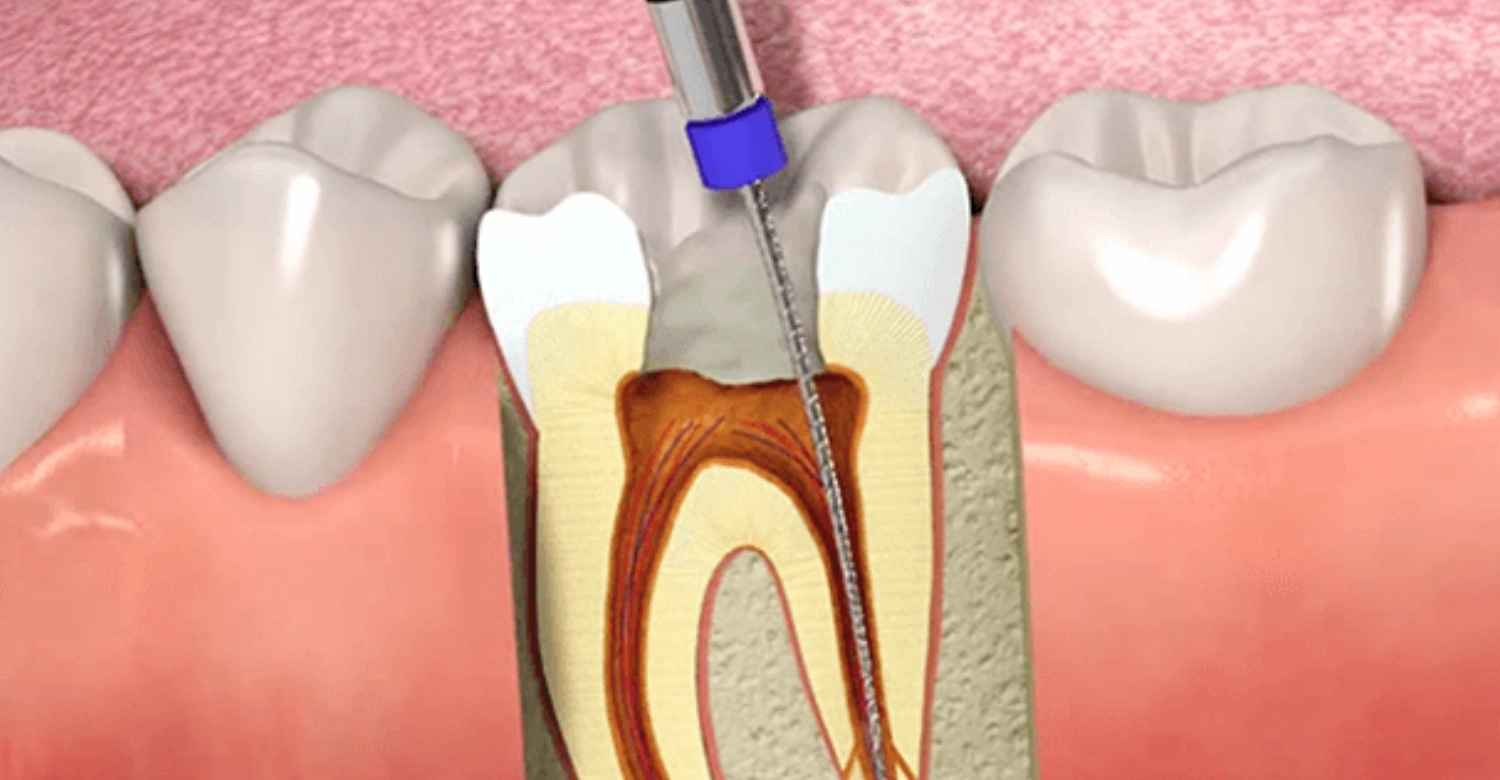
A root canal procedure involves removing the infected or damaged pulp tissue from inside the tooth. The dentist then cleans and shapes the root canals, then seals the space to prevent reinfection. The tooth is typically restored afterward with a crown. While this process sounds intensive, it is generally performed under local anaesthesia. Still, understanding the steps helps patients evaluate their situation. It shows whether a different approach might suit their specific clinical needs and overall oral health goals.
Common Concerns and Patient Experiences
Patients frequently report anxiety about pain, recovery time, and cost when facing a root canal recommendation. Many describe discomfort during or after the procedure. Others feel frustrated by multiple appointments. Some worry about long-term outcomes once a crown is placed. These shared experiences drive the search for other options than a root canal. This is especially true among patients who have had a difficult procedure in the past. It's also true for those who want to explore every treatment path first.
Risks and Limitations of Root Canals and Crowns
Understanding the dangers of root canals and crowns, and what to do instead, begins with one key fact. No dental procedure is entirely without risk. Potential complications include incomplete infection removal and canal blockages. Instrument separation inside the canal is another possibility, as is reinfection over time. When a crown is added, the tooth becomes structurally dependent on that restoration. If the crown fails or cracks, it may compromise the entire outcome. This is why many patients actively investigate alternative treatments before committing to a full endodontic and restorative plan.
Exploring Cheaper Alternatives to Root Canal Procedures
For patients concerned about cost, there are several approaches worth considering. A cheaper alternative to root canal treatment does not have to mean lower quality care. It simply means choosing a pathway that is clinically appropriate and more affordable. From pulp preservation techniques to strategic extraction and replacement, the range of other options than a root canal is broader than most patients realise. Vitrin Clinic evaluates each case individually to identify the most cost-effective and clinically sound solution.
Pulp Capping: Preserving Tooth Vitality
Pulp capping is one of the most promising alternatives to a root canal. It works best for teeth where the pulp is only minimally exposed or irritated. In this procedure, a biocompatible material is placed directly over the exposed pulp tissue. This encourages healing and protects the nerve. When successful, it preserves the tooth's natural vitality entirely. This technique is particularly effective in younger patients or early-stage decay. Vitrin Clinic uses advanced materials to maximize the success rate of pulp capping as a genuine cheaper alternative to root canal treatment.
Partial or Stepwise Root Treatment
Sometimes a tooth does not require a complete root canal immediately. Stepwise or partial treatment involves removing the most severely infected pulp tissue in stages. This gives the remaining healthy tissue a chance to heal between appointments. This method is a practical alternative when the infection has not yet reached all root canals. It minimizes trauma to the tooth and reduces the extent of intervention required. It may ultimately preserve more natural tooth structure, making it a clinically viable and cost-conscious approach.
Tooth Extraction and Replacement Options
In some cases, the tooth is too compromised to save through any means. Extraction then becomes one of the more realistic paths forward. While losing a natural tooth is not ideal, modern replacement solutions have made it a manageable outcome. Extraction may be the most appropriate root canal replacement when the tooth is structurally unsalvageable. It may also apply when the patient cannot afford root canal therapy and crown placement. The critical next step after extraction is planning an appropriate replacement. This prevents bone loss and preserves the surrounding dental architecture.
Dental Implants vs. Bridges vs. Removable Dentures
Each root canal replacement option following extraction carries its own benefits and limitations. Dental implants offer the most natural look and feel, integrating with the jawbone for long-term stability. Bridges are a fixed, non-surgical alternative that relies on adjacent teeth for support. Removable dentures are the most affordable but least permanent solution. When weighing these choices, patients should consider cost, longevity, comfort, and oral health impact. Vitrin Clinic helps patients compare these root canal replacement choices with thorough diagnostics and personalized guidance.
Root Canal Replacement Solutions: What Works Best
Selecting the best root canal replacement depends on several factors. These include the individual's dental health, the location of the affected tooth, lifestyle, and finances. Not every patient needs the same solution, which is why professional assessment is essential. Vitrin Clinic applies modern diagnostic tools and clinical expertise to determine the best path forward. This helps identify which available option will yield the best long-term outcome for each unique patient. The goal is always to preserve function, aesthetics, and comfort while minimizing unnecessary intervention.
Modern Endodontic Alternatives
Advancements in dental technology have introduced several modern alternatives to root canal therapy. Bio-ceramic materials, laser-assisted pulp therapy, regenerative endodontics, and ozone therapy are among the innovations now available in progressive clinics. These approaches aim to eliminate infection and stimulate healing. They also preserve the tooth's biological integrity without the full scope of traditional treatment. As a genuine root canal replacement in appropriate cases, these techniques represent the future of minimally invasive dentistry. They combine scientific precision with patient-focused care at Vitrin Clinic.
When Veneers or Crowns Are Viable Without Full Root Treatment
There are situations where a damaged tooth can be restored with a veneer or a crown, without first performing a root canal. This is possible when the pulp tissue remains healthy. The damage must also be limited to the outer structure of the tooth. In such cases, a crown or veneer acts as a protective layer, and the tooth continues to function normally. Vitrin Clinic carefully assesses pulp vitality before recommending this approach. This ensures the alternative is used only when it's clinically appropriate and safe.
Case Studies: Successful Root Canal Replacements
Across thousands of cases at Vitrin Clinic, patients have benefited from well-selected alternative treatments. A patient with early pulp exposure was successfully treated with direct pulp capping, avoiding a full procedure entirely. Another patient with a failing tooth opted for extraction followed by a dental implant. This root canal replacement now functions identically to a natural tooth. These outcomes show what's possible with the right diagnostic approach and personalized treatment planning. Patients can navigate the risks of root canals and crowns effectively, and understand what to do instead.
Benefits of Alternative Treatments
Choosing other options than a root canal, when clinically appropriate, can offer genuine advantages across multiple dimensions. From reduced post-treatment discomfort to measurable cost savings, alternative treatments deserve serious consideration. Patients who explore their full range of options, with professional guidance, often find solutions that fit their needs. These solutions align better with their health goals, finances, and comfort expectations. Vitrin Clinic is committed to presenting every viable path to patients. This ensures decisions are made with complete information and genuine clinical transparency.
Pain Reduction and Recovery Expectations
One of the most frequently cited benefits of alternative treatments is recovery. It's often a shorter and less uncomfortable process. Pulp capping, for example, typically causes minimal post-treatment sensitivity. Even extraction, when performed with modern techniques, can heal relatively quickly. Compare that to the multi-appointment experience of a root canal and subsequent crown. Many alternative treatments involve fewer visits and less disruption to daily life. Understanding realistic recovery expectations is essential to choosing the right path for your dental health needs.
Cost Savings Without Compromising Quality
A cheaper alternative to root canal treatment is not just a financial convenience. For many patients, it is a necessity. Root canal therapy combined with a full crown can represent a significant expense, particularly without insurance coverage. Pulp capping, partial treatment, or even a well-planned extraction with a bridge may offer comparable outcomes. These options often cost a fraction of the price. Vitrin Clinic works transparently with patients to outline the true cost of every option. This ensures quality care stays accessible regardless of budget constraints or coverage limitations.
Long-Term Oral Health Considerations
When weighing your treatment path, it is vital to think beyond the immediate procedure. Consider the long-term health of the entire mouth. Some alternatives preserve the natural tooth completely. This always supports better jawbone health and adjacent tooth stability. Others, like extraction without replacement, may lead to bone loss over time. Vitrin Clinic takes a holistic view of oral health. It factors in bone density, gum condition, bite alignment, and future restorative needs when recommending any treatment path.
Preventive Dental Care to Avoid Root Canal Needs
The most effective alternative to a root canal is ensuring you never need one in the first place. Preventive dentistry focuses on maintaining the health of your teeth and gums. It relies on daily habits, professional support, and early intervention. Understanding what causes pulp infection and decay lets patients take proactive steps. This dramatically reduces their risk. Vitrin Clinic places tremendous emphasis on prevention as the foundation of lasting dental health. Protecting a healthy tooth is always preferable to treating a compromised one.
Daily Oral Hygiene Strategies
Effective daily oral hygiene is the simplest and most powerful cheaper alternative to root canal treatment. Brushing twice a day with fluoride toothpaste helps a lot. So does flossing daily and using an antimicrobial mouthwash. Together, these habits significantly reduce plaque accumulation and bacterial activity. They prevent the cavities and gum disease that most commonly lead to pulp infection. Patients who maintain consistent oral hygiene routines are far less likely to need a root canal at all. That's because the conditions that necessitate one are prevented before they ever develop.
Early Detection of Tooth Decay and Infection
Decay and infection that are caught early are far easier, and cheaper, to treat. When diagnosed in its initial stages, a simple filling or pulp capping may be all that is needed. This represents a genuine cheaper alternative to root canal intervention. Waiting until symptoms become severe typically means the infection has reached the pulp. That leaves fewer conservative options at that stage. Vitrin Clinic encourages patients to respond to dental sensitivity, discolouration, or mild pain immediately. Waiting only makes treatment options more limited and costly.
Role of Regular Dental Check-Ups and Digital Scans
Routine check-ups and modern digital imaging are among the most important tools for avoiding root canals altogether. Digital X-rays and 3D cone beam scans allow dentists to detect early-stage decay and hairline cracks. They can also catch developing infections. These issues are often invisible to the naked eye and undetectable without symptoms. By identifying problems early, Vitrin Clinic can offer less invasive alternatives to a root canal. This means catching issues while they are still manageable, affordable, and treatable without full endodontic intervention.
Patient Education and Professional Guidance
Being an informed patient is one of the most valuable assets you can bring to any dental consultation. When patients understand the anatomy of their teeth and the biology of pulp infection, they engage more productively with their dental team. The same is true when they know the range of other options than a root canal available to them. Education reduces fear and improves compliance. It leads to better treatment outcomes. Vitrin Clinic is committed to thorough patient education. Every individual should understand their diagnosis, their options, and the reasoning behind every clinical recommendation.
Understanding When to Seek Other Options Than a Root Canal
Not every tooth that is recommended for root canal treatment actually requires one. There are circumstances where a second opinion reveals that an alternative approach is more appropriate. This is particularly true in cases of early-stage infection or partially vital teeth. Some clinical situations allow a less invasive approach to achieve the same outcome. Understanding the criteria that distinguish these cases is empowering. It helps patients ask the right questions and make well-reasoned decisions about their own care.
Questions to Ask Your Dentist Before Committing to a Root Canal
Before agreeing to any procedure, patients exploring alternative treatments should ask several key questions. Is the pulp still partially vital? Has pulp capping been considered? What root canal replacement options would be available if extraction were chosen? Is there a cheaper alternative to root canal treatment in my specific case? What are the long-term outcomes of each approach? These questions reveal whether your dentist has fully considered all available paths. They also show whether Vitrin Clinic's comprehensive assessment model might offer you more options than you currently realize.
Myths vs. Facts About Root Canal Risks and Crowns
There are many misconceptions surrounding root canal therapy. One common myth is that root canals cause systemic illness. Modern research has thoroughly debunked this claim. Another myth is that extraction is always a simpler, cheaper route. In fact, the cost of a root canal replacement such as an implant can far exceed the original treatment. Understanding the real risks of root canals and crowns requires separating myth from evidence. Vitrin Clinic provides patients with accurate, research-backed information. This ensures all decisions are grounded in fact, not fear.
How Advanced Technology at Vitrin Clinic Enhances Tooth Preservation
Vitrin Clinic is equipped with cutting-edge dental technology designed to support tooth preservation. This technology helps minimize the need for invasive procedures. By integrating modern diagnostics, digital planning tools, and minimally invasive techniques, the clinic offers patients a genuine pathway forward. Patients can explore their treatment options with confidence. Technology does not simply make treatment faster. It makes it more precise, more predictable, and better aligned with each patient's anatomy and goals. Every treatment plan at Vitrin Clinic begins with a thorough, technology-supported assessment.
Modern Diagnostic Tools for Precise Treatment Planning
Vitrin Clinic uses digital radiography, 3D CBCT imaging, and pulp vitality testing before any treatment is recommended. Together, these build a complete picture of each patient's tooth. These diagnostic tools are essential for identifying when other options than a root canal are genuinely viable. They also reveal when root canal therapy or extraction may be unavoidable. Accurate diagnosis eliminates guesswork. It ensures patients are never overtreated or undertreated. Thanks to this precision, cheaper alternatives are considered and offered whenever clinically justified.
Minimally Invasive Techniques for Maximum Preservation
The philosophy at Vitrin Clinic is to remove as little natural tooth structure as possible at every stage. Minimally invasive techniques support this approach. These include micro-preparation, laser therapy, and bio-ceramic pulp management. When a patient presents with a compromised tooth, the team first evaluates every available option to preserve it. This means offering alternative treatments wherever the clinical evidence supports doing so. This commitment to conservation means patients receive care that prioritizes the long-term health and integrity of their natural teeth.
Personalized Smile Design and Restoration
Beyond preserving individual teeth, Vitrin Clinic takes a holistic view of each patient's smile. The chosen treatment might involve a root canal replacement, a veneer, a crown, or a combination of approaches. Either way, the aesthetic outcome is always considered alongside the clinical one. Personalized smile design ensures that any restoration integrates seamlessly with the patient's natural teeth. This applies whether it's part of an alternative treatment plan or follows a root canal. These alternatives are not just about avoiding a procedure. They are about achieving a result that is healthy, beautiful, and lasting.
Alternatives to Traditional Endodontic Care at a Glance
Beyond pulp capping, stepwise treatment, and extraction, dentistry now offers more advanced alternatives for specific clinical situations. These techniques are not appropriate for every patient. But when the diagnosis fits, they can provide genuine root canal alternatives at an appealing cost and recovery profile. As with any treatment decision, a second opinion for root canal recommendations is always a reasonable step. Vitrin Clinic encourages patients to fully understand each pathway before choosing one.
Apicoectomy (Endodontic Root-End Surgery)
An apicoectomy, also known as root-end surgery, is typically considered in one specific case. This is when a tooth has already had a root canal, but the infection persists at the tip of the root. Rather than redoing the entire procedure, the dentist surgically removes the infected root tip. The end of the canal is then sealed from outside the tooth. This targeted approach can resolve stubborn infections while preserving most of the natural tooth structure. Vitrin Clinic uses precise imaging to determine whether this surgery is suitable before recommending it. Not every persistent infection responds well to this technique.
Pulpotomy and Partial Pulpotomy Procedures
A pulpotomy involves removing only the inflamed portion of the pulp inside the crown of the tooth. The healthy pulp in the root canals stays intact. Partial pulpotomy for teeth is especially relevant in cases of localized, reversible inflammation. Preserving as much living pulp tissue as possible supports the tooth's long-term vitality. This procedure is less invasive than a full root canal. It can be an effective interim, or even definitive, solution depending on how the tooth responds. Vitrin Clinic evaluates pulp bleeding patterns and vitality testing carefully before recommending a pulpotomy. Success depends heavily on accurate case selection.
Regenerative Endodontics and Pulp Revascularization
Regenerative endodontics pulp therapy is one of the more forward-looking alternatives, particularly for younger patients with immature tooth roots. Instead of removing the pulp entirely, this technique aims to stimulate the body's own healing response. It encourages new tissue, and even blood supply, to grow back into the canal space. This process is called pulp revascularization. When successful, the tooth can continue developing naturally, rather than becoming a hollow, root-canal-treated structure. Vitrin Clinic monitors these cases closely with follow-up imaging, since regenerative outcomes vary and not every tooth is a suitable candidate.
Patients comparing these paths often want to know which is right for them. Apicoectomy root end surgery suits a tooth that already failed a previous root canal. Partial pulpotomy for teeth fits cases with only localized pulp inflammation. Regenerative endodontics pulp therapy works best for a young, still-developing tooth. Vitrin Clinic reviews imaging and symptoms case by case. Each of these three techniques applies to a very different clinical picture, and they are not interchangeable.
Critical Clinical Guidance: Why You Should Consider a Root Canal If Suggested
Exploring alternatives is a reasonable and informed step. But it's equally important to understand something else. In many cases, a root canal genuinely is the most conservative, most predictable way to save a natural tooth. Vitrin Clinic believes patient education should go both directions. It means not only presenting alternatives, but also being honest about the risks of delaying recommended treatment.
What Happens If I Choose to Do Nothing and Delay Treatment?
Patients often ask what happens if I do nothing after being told a tooth needs treatment. Left untreated, an infected pulp does not resolve on its own. Searches for an infected root canal natural cure are common. But no home remedy can eliminate bacteria trapped deep inside a tooth's root canal system. The infection typically spreads, potentially forming an abscess. It can cause bone loss around the root tip and increase the risk of losing the tooth entirely. As for how long you can leave a tooth before this becomes serious, the honest answer varies by case. The risk only increases with time. Vitrin Clinic strongly advises against delaying evaluation once symptoms appear, since early intervention almost always preserves more options.
Is a Root Canal Better and More Conservative Than a Dental Implant?
A common question is whether a root canal is better than an implant. In most cases where the tooth is salvageable, the answer is yes. A root canal preserves your natural tooth root. This means the surrounding bone keeps receiving normal stimulation. The tooth also retains its natural sensory feedback and function. A dental implant is an excellent solution when extraction is unavoidable. But it still requires surgery, a healing period, and an artificial replacement for what was once a natural tooth. Vitrin Clinic generally considers a root canal the more conservative first choice whenever the tooth structure and surrounding bone support it. Implants are reserved for cases where the natural tooth truly cannot be saved.
Is a Tooth Extraction More Painful Than a Root Canal Procedure?
Many patients assume extraction is the easier or less painful path. In reality, both procedures are performed under local anaesthesia. Patients typically report similar levels of discomfort during treatment. Where the two differ is in recovery. Extraction leaves an open socket that needs to heal, and often requires a follow-up plan for replacement. A root canal, once restored with a crown, allows the tooth to function immediately as part of the bite. Vitrin Clinic finds that post-procedure discomfort is often more prolonged after extraction than after a well-performed root canal. This is one more reason a root canal is frequently the more comfortable long-term choice.
The Vitrin Clinic Approach to Root Canal Decisions
At Vitrin Clinic, every recommendation is based on individualized diagnostics rather than a one-size-fits-all protocol. This applies whether the recommendation points a patient toward a root canal or toward an alternative path. Vitrin Clinic's philosophy is that patients deserve full transparency. This covers both the alternatives and the risks of avoiding necessary treatment. This way, every decision is made with confidence rather than fear.
What We Notice Clinically
Dr. Rifat Alsaman is Head of the Medical Team at Vitrin Clinic and a cosmetic dentist by specialty. According to Dr. Alsaman, one pattern stands out in daily practice. Patients who delay treatment out of fear of a root canal often end up needing more invasive care later. Dr. Alsaman notes that the teeth Vitrin Clinic can preserve with conservative options are almost always the ones caught early. Teeth that arrive after months of avoidance frequently require extraction instead. This is often the very root canal the patient was originally trying to avoid.
Dr. Alsaman emphasizes that this clinical pattern is a key reason Vitrin Clinic encourages patients to seek evaluation as soon as symptoms appear. Waiting to see if the problem resolves on its own rarely pays off.
Clinical Note
Vitrin Clinic advises patients not to rely on symptom relief alone as a sign of healing. Pain from an infected tooth can temporarily subside even as the underlying infection continues to progress. This can create a false sense of security. Vitrin Clinic's clinical protocol includes diagnostic imaging and pulp vitality testing before ruling out the need for a root canal. This ensures decisions are based on objective findings rather than how the tooth currently feels.
Patients frequently ask the Vitrin Clinic team two things. What happens if I do nothing about a diagnosed infection? How long can you leave a tooth like that before it becomes an emergency? Vitrin Clinic's answer is consistent. There's no safe universal answer to how long a tooth can go untreated. And doing nothing is rarely a neutral outcome. It's almost always progression toward a worse, more costly situation.
Tips for the Patients
Don't wait for the pain to become unbearable before scheduling an evaluation at Vitrin Clinic. Earlier assessment generally means more treatment options.
Ask directly whether other options than a root canal apply to your case, and request the clinical reasoning behind the recommendation.
If cost is a concern, discuss root canal alternatives cost openly with the Vitrin Clinic team before deciding. Some alternatives aren't actually cheaper once long-term outcomes are considered.
Avoid searching for an infected root canal natural cure as a substitute for professional care. Home remedies cannot eliminate a bacterial infection inside a tooth.
If you're unsure about a recommendation, requesting a second opinion at Vitrin Clinic is always welcomed. It's never seen as a lack of trust, it is encouraged.
If you're weighing whether a root canal is better than an implant, ask this directly during your Vitrin Clinic consultation so the reasoning is explained clearly.
If fear of pain is holding you back, ask your Vitrin Clinic dentist directly whether extraction is more painful than a root canal for your specific tooth. The answer can vary by case.
Before committing to any pathway, ask Vitrin Clinic to break down alternatives cost against the cost of a root canal itself. This keeps the full financial picture clear from the start.
References:
In conclusion, alternatives to a root canal, such as vital pulp therapy, tooth extraction, or surgical procedures, depend on the severity of the infection and the condition of the tooth. Recent evidence highlights that conservative treatments can preserve pulp vitality in selected cases. This emphasizes the importance of early diagnosis and individualized treatment planning when considering options other than conventional root canal therapy.
https://pmc.ncbi.nlm.nih.gov/articles/PMC12842132/
https://pmc.ncbi.nlm.nih.gov/articles/PMC11484106/
https://pmc.ncbi.nlm.nih.gov/articles/PMC11908969/
FAQs

Dr. Rifat Alsaman has more than 5 years of clinical experience in dentistry and currently serves as the Head of the Medical Team at Vitrin Clinic. He is dedicated to providing exceptional patient care, overseeing treatment planning, and ensuring the highest clinical standards across the team. His expertise, attention to detail, and commitment to continuous professional development have helped countless patients achieve healthier, more confident smiles.


