How Long Does It Take to Adjust to a New Smile After Full-Mouth Rehabilitation?
Adjusting to full mouth rehabilitation in Turkey is a gradual process. For most patients, it takes a few weeks. In complex cases, it can take a few months. Your new teeth may feel larger, smoother or simply different at first.

Adjusting to full mouth rehabilitation in Turkey is a gradual process. For most patients, it takes a few weeks. In complex cases, it can take a few months. Your new teeth may feel larger, smoother or simply different at first. That is completely normal. Your tongue, lips, cheeks and jaw muscles spent years learning the shape of your old teeth. Now they need time to relearn. This guide explains what to expect, what is normal and when to contact your dentist.
Key Takeaways
Full-mouth rehabilitation restores most or all of the teeth with crowns, bridges, implants or a combination. It rebuilds chewing, speech, bite and appearance. Adjusting to full mouth rehabilitation in Turkey begins the day your new teeth are placed.
Restorations range from crowns and bridges on natural teeth to fixed implant-supported teeth and removable overdentures. Each type feels different and needs its own adaptation period.
Physical healing and getting used to your teeth are separate processes. Most patients feel comfortable chewing and speaking within a few weeks. Implant integration takes several months.
The cost depends on the number of teeth, materials, implants and planned visits. Temporary teeth and follow-up bite checks are part of the plan, so ask what your quote includes.
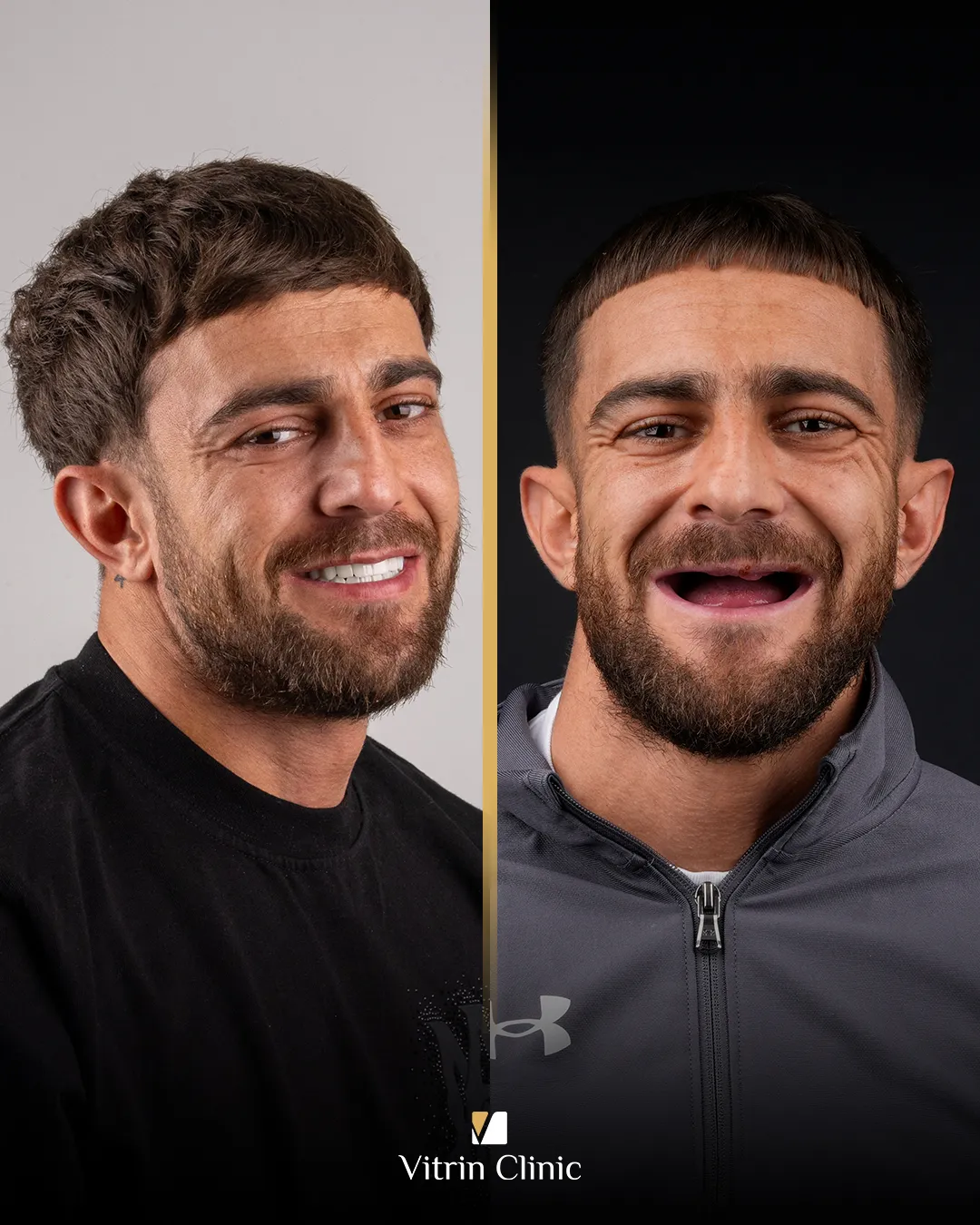
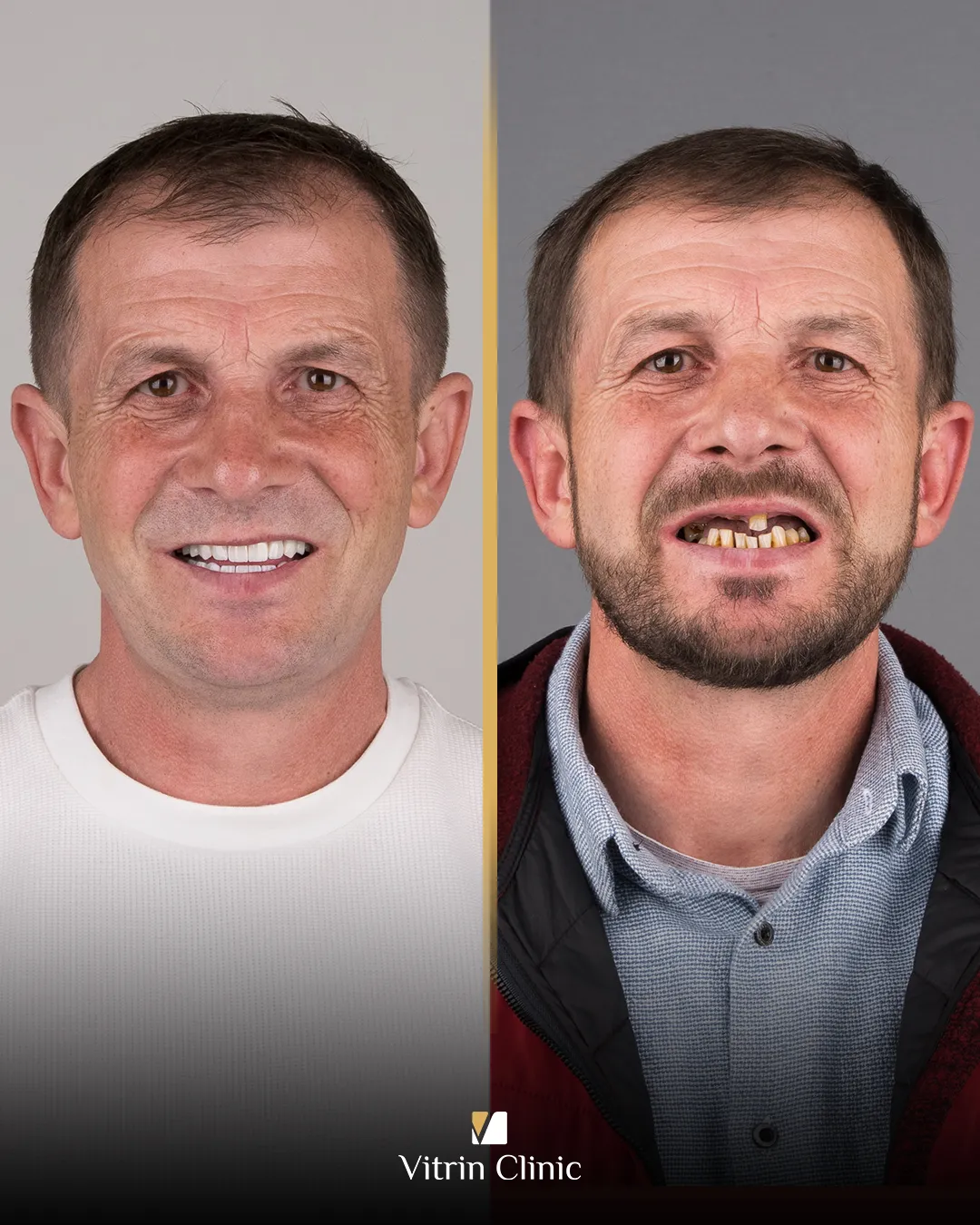
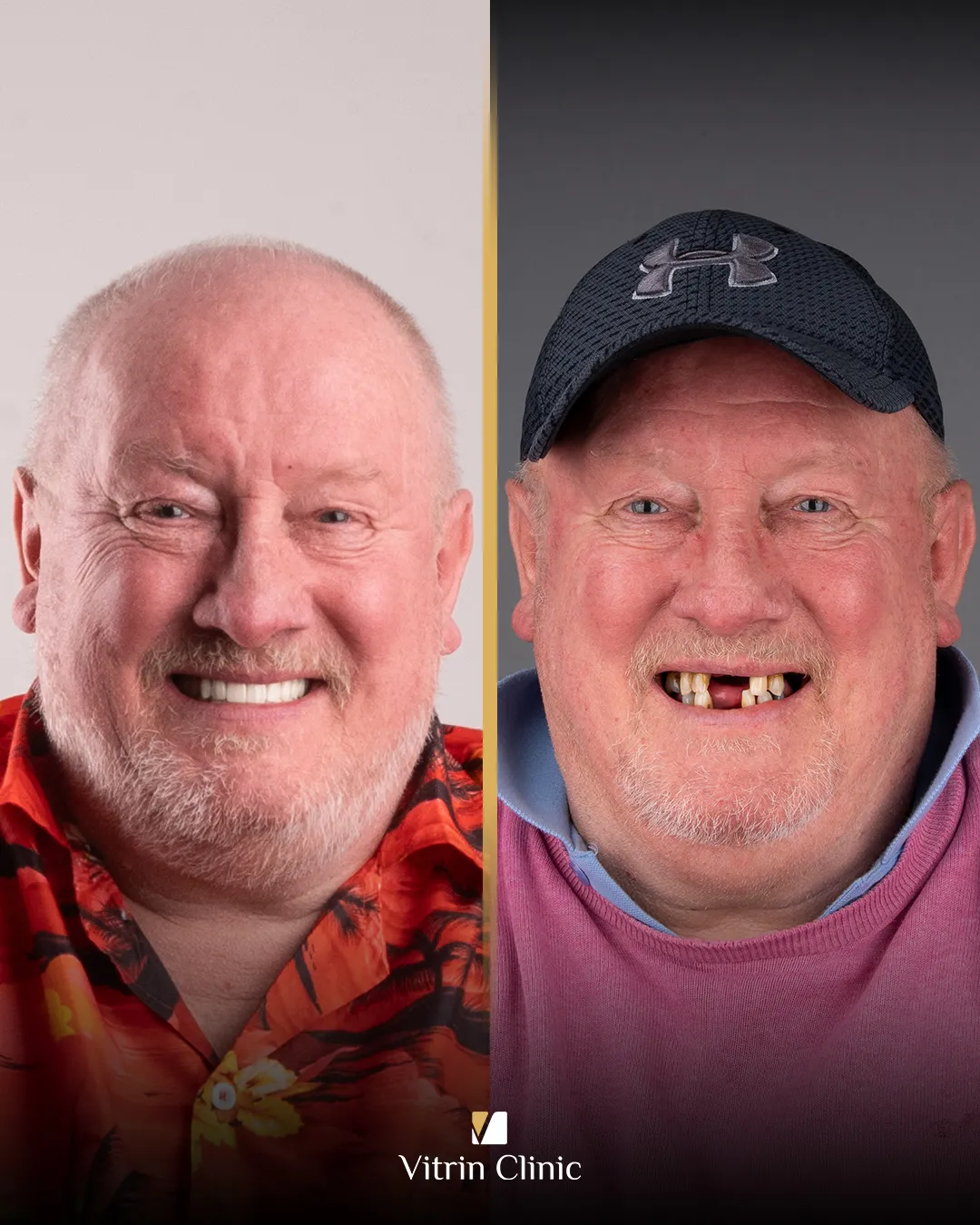
Ready to transform your smile?
Talk to our team and get a FREE treatment plan.
What Happens During the Adjustment Period After Full-Mouth Rehabilitation?
During the adjustment period, your brain recalibrates. The mouth is one of the most sensitive areas of the body. Even a change of a fraction of a millimetre can be felt. When many teeth change at once, you notice new shapes, new contact points and a new resting position for the jaw. Adjusting to full mouth rehabilitation in Turkey follows the same biological process as anywhere else. Your nerves, muscles and tongue gradually learn a new map of your mouth.
Getting Used to Your New Teeth?
At first, your new teeth may feel bulky, smooth or unfamiliar. You may notice them every time you close your mouth or move your tongue. This heightened awareness is very common. Restorations can change tooth length, width, surface texture and position. Bite height, called the vertical dimension, may also be raised to correct worn teeth. Adapting to new teeth usually becomes easier within the first two to three weeks. Gradually, your tongue stops exploring, and the teeth begin to feel like your own. For most people, this is the first milestone in adjusting to full mouth rehabilitation in Istanbul.
Will my face look different after dental implants?
Your face may look slightly different, usually in a positive and natural way. When many teeth are missing or worn, the lips and cheeks lose support and the lower face can look shorter. Full-arch implant teeth can restore this support and bite height. Some swelling is normal in the first days after surgery. The final appearance is planned and tested with your temporary teeth.
Chewing After Full-Mouth Rehabilitation?
Chewing after full mouth rehabilitation can feel different because many contact points change at once. Implant-supported teeth also lack the periodontal ligament, the tiny cushion around natural roots that senses pressure. So, some patients bite harder than needed at first. Start with soft foods such as eggs, yoghurt, soups and well-cooked vegetables. Then reintroduce firmer textures step by step. Cut food into small pieces and chew on both sides to spread forces evenly. While adjusting to full mouth rehabilitation in Turkey, change your eating habits gradually until chewing feels natural.
How long after full dental implants can I eat normally?
It depends on how the implants were loaded. If you receive fixed temporary teeth soon after surgery, a soft diet is often needed for around six to eight weeks, sometimes longer. This protects the implants while bone bonds to them. Most patients return to a broadly normal diet once the final teeth are fitted. That is usually three to six months after implant placement.
Why no dairy after dental implants?
Dairy does not damage implants. However, some dentists advise avoiding it for the first day or two. Milk products can worsen nausea after sedation or strong painkillers. Calcium also reduces the absorption of certain antibiotics, such as doxycycline and ciprofloxacin. Cool, soft dairy, such as plain yoghurt, is often allowed. Follow the specific advice your dentist gives you.
Speaking After Full-Mouth Reconstruction?
Speaking after full mouth reconstruction may feel slightly awkward at first. Speech depends on precise contact between the tongue, teeth and lips. If tooth shape, thickness or position changes, some sounds can come out differently. S sounds may whistle or lisp. F sounds rely on the upper front teeth touching the lower lip. TH sounds need the tongue to touch the front teeth. Reading aloud and having regular conversations help your tongue relearn its positions. Most speech changes settle within days to a few weeks. Regular practice matters more than time when adjusting to full mouth rehabilitation in Istanbul.
Bite Adaptation After Dental Work?
Bite adaptation after dental work involves your jaw muscles and joints, not just your teeth. When the way your upper and lower teeth meet changes, the muscles adjust their resting length and chewing pattern. Mild jaw tiredness in the first weeks is common. Final restorations are made in a dental laboratory, and the mouth behaves differently from a model. So, minor bite adjustments are often needed. Your dentist checks contact points with thin marking paper. Always report uneven contacts rather than waiting for them to settle. Regular checks are central to adjusting to full mouth rehabilitation in Turkey safely.
Ready to transform your smile?
Talk to our team and get a FREE treatment plan.
What to Expect During Full Mouth Rehabilitation Recovery Time?
Full mouth rehabilitation recovery time varies from person to person. The timeline below is a general guide, not a guaranteed recovery schedule. Your experience depends on whether surgery was involved, how many teeth were restored and how much your bite changed. When adjusting to full mouth rehabilitation in Istanbul, your dentist will give you a personal timeline based on your treatment plan.
Period | What Patients May Experience |
First few days | Sensitivity, swelling (if surgery was involved), unfamiliar tooth sensations and initial difficulty eating. |
First 1–2 weeks | Gradual improvement in comfort, speech and chewing coordination. |
First few weeks | Better familiarity with the new teeth and improved bite coordination. |
Following weeks and months | Continued adaptation, particularly in complex cases involving implants and significant bite changes. |
Surgical healing and functional adaptation follow different timelines. The gums usually heal within one to two weeks after extractions or implant placement, while the bone keeps remodelling for months.
Implant integration, called osseointegration, is the bonding of bone to the implant surface. Do not confuse this with the time needed to get used to the prosthetic teeth. In full mouth reconstruction recovery, you may feel comfortable with your teeth long before the implants are ready for final teeth. Understanding both timelines makes adjusting to full mouth rehabilitation in Istanbul less confusing.
How do I know if my dental implants are healing correctly?
Healing is usually on track when pain and swelling ease after the first three to four days. Your gums should look pink and feel less tender each week. The implant teeth should not move. Mild bruising is normal. Pus, a persistent bad taste, increasing pain or a loose implant are not. Your dentist confirms healing with examination and X-rays.
What Affects How Long Adjustment Takes?
No two patients adapt at the same pace. Adjusting to full mouth rehabilitation in Turkey is shaped by several factors:
Number of restored teeth: More changes mean more for your senses to learn.
Change in bite height: A raised bite asks the jaw muscles to work at a new length.
Fixed or removable teeth: Removable overdentures usually need longer to master.
Surgery: Extractions, implants or bone grafting add a healing phase.
Teeth grinding or clenching: Bruxism increases muscle tension and stress on restorations.
Previous jaw joint problems: Pre-existing temporomandibular joint (TMJ) discomfort may make bite changes feel stronger.
Old chewing habits: Years of chewing on one side can take time to unlearn.
General health and smoking: Uncontrolled diabetes and smoking slow gum and bone healing.
Restoration Types and How They Affect Adaptation?
The type of restoration strongly influences how your new teeth feel. Getting used to full mouth dental implants is different from adapting to crowns on natural teeth. The table below compares how each option influences adjusting to full mouth rehabilitation in Istanbul.
Restoration Type | How It Usually Feels | Typical Adaptation |
Crowns and bridges on natural teeth | Natural roots keep their pressure sense; temporary sensitivity is possible | Often the quickest, from days to a few weeks |
Fixed implant-supported teeth | Very stable; less pressure feedback than natural teeth | A few weeks for function; implants integrate over months |
Implant-retained removable overdentures | Clip onto implants; more stable than dentures; removed for cleaning | Several weeks, including learning to insert and clean them |
Combination of restorations | Mixed sensations across different areas | Varies with each area and the bite design |
What is the biggest complaint about dental implants?
Common complaints are usually practical rather than medical. Many patients find the overall treatment time long, especially with two stages. Others mention food trapping under fixed full-arch bridges. Some notice that implant teeth feel different from natural teeth at first. Most of these issues improve with good design, cleaning tools and time. Bite checks and hygiene visits also help reduce them.
Temporary vs Permanent Teeth: Does the Adjustment Period Differ?
Feature | Temporary Teeth | Permanent Teeth |
Material | Acrylic (PMMA) or composite resin | Zirconia, porcelain or lithium disilicate ceramic |
Strength | More prone to wear and chipping | Designed for long-term strength |
Shape | May be slightly bulkier or simplified | Refined using feedback from the temporary stage |
Eating | Soft foods; avoid hard and sticky foods | Gradual return to a normal diet as advised |
Main purpose | Protection, healing and testing the design | Long-term function and appearance |
Adjustment | First adaptation period | Second, usually shorter, adaptation period |
.jpg)
How Your Dentist Checks Your Adaptation?
Follow-up visits help your dentist separate normal adaptation from problems that need correction. A typical check may include:
Bite assessment: Thin articulating paper, and sometimes digital bite analysis, shows where teeth touch.
Gum and tissue check: Your dentist looks for inflammation around crowns and implants.
Dental X-rays: These check the fit of restorations and the bone around implants.
Jaw function check: Muscles and joints are assessed for tenderness or clicking.
Speech and smile review: Your dentist listens to key sounds and checks tooth display.
To prepare, note which foods, sounds or bite positions feel difficult. Bring your night guard, if you have one. Honest feedback is one of the most useful tools for adjusting to full mouth rehabilitation in Turkey.
How to Make Adjusting to Full Mouth Rehabilitation in Turkey Easier?
Small daily habits make adjusting to full mouth rehabilitation in Istanbul smoother and safer:
Follow the soft-food diet: Return to normal eating gradually, as your dentist recommends.
Practise speaking regularly: Read aloud and repeat words with S, F and TH sounds.
Keep up oral hygiene: Clean around crowns, bridges and implant-supported restorations with a soft brush, interdental brushes or a water flosser.
Avoid hard or sticky foods: Skip nuts, ice, hard sweets and toffee until your dentist approves.
Attend bite checks: Keep every scheduled follow-up appointment.
Wear a night guard if prescribed: This is especially important if you grind your teeth.
Manage sensitivity correctly: Follow your dentist's advice on pain relief and desensitizing toothpaste.
Tips for Patients
Travelling for treatment adds a few practical steps. These tips focus on the dental tourism side of adjusting to full mouth rehabilitation in Turkey:
Plan enough time in Istanbul: Allow time for fitting, early adjustments and at least one bite check before flying home.
Book your second visit early: If permanent teeth come later, arrange that trip in advance.
Keep your treatment records: Ask for a written summary, X-rays and details of the materials used.
Find a local dentist at home: They can help with minor issues and coordinate with your treating team.
Pack a travel care kit: Include a soft brush, interdental brushes and soft snacks for the journey.
Track your progress: Note any bite or speech concerns, with dates, to share during remote follow-ups.
What I wish I knew before dental implants?
Patients often say they wish they had known these points earlier:
Temporary teeth are not the final look: They are a working draft that guides the final design.
The soft diet lasts weeks: Plan meals before surgery.
Cleaning takes extra time: A water flosser becomes part of the daily routine.
Small adjustments are normal: A bite check is not a sign that something went wrong.
Smoking matters: Stopping improves healing and long-term success.
Ready to transform your smile?
Talk to our team and get a FREE treatment plan.
When Should You Be Concerned About Discomfort After Full-Mouth Rehabilitation?
Some discomfort is expected after major dental work. The key is the direction it takes. Normal adjustment symptoms are mild and improve week by week. Warning signs persist, worsen or appear suddenly. When adjusting to full mouth rehabilitation in Turkey, keep a direct line of contact with your treating team, even after you return home. The lists below help you tell the difference.
Normal Adjustment Symptoms
These symptoms are common and usually fade within days to a few weeks:
Mild sensitivity following restorative procedures, especially to cold.
Temporary difficulty chewing or speaking.
An unfamiliar feeling when closing the mouth.
Minor muscle fatigue while adapting to changes in the bite.
If these symptoms improve steadily, they are usually part of normal adaptation. Most patients adjusting to full mouth rehabilitation in Turkey notice clear progress each week, even when small sensations remain for a while.
Signs That Require a Dental Check
Contact your dentist if you notice any of the following:
Persistent or worsening pain.
A bite that consistently feels uneven or uncomfortable.
Difficulty chewing that does not improve.
Loose, fractured or damaged restorations.
Persistent swelling or signs of infection around implants or gums.
These signs are usually manageable when checked early. Small corrections often prevent bigger problems later. If you notice these signs while adjusting to full mouth rehabilitation in Istanbul after returning home, contact your treating team and share clear photos of the area.
When to Seek Urgent Care?
Some symptoms need prompt medical or dental attention. Seek urgent care if you experience:
Swelling that spreads towards the eye, cheek or neck.
Fever with facial swelling.
Difficulty swallowing or breathing.
Bleeding that does not stop after 20 to 30 minutes of firm pressure.
Numbness of the lip or chin that does not fade after the anaesthetic wears off.
A blow to the face that damages your teeth or implants.
Clinical Note
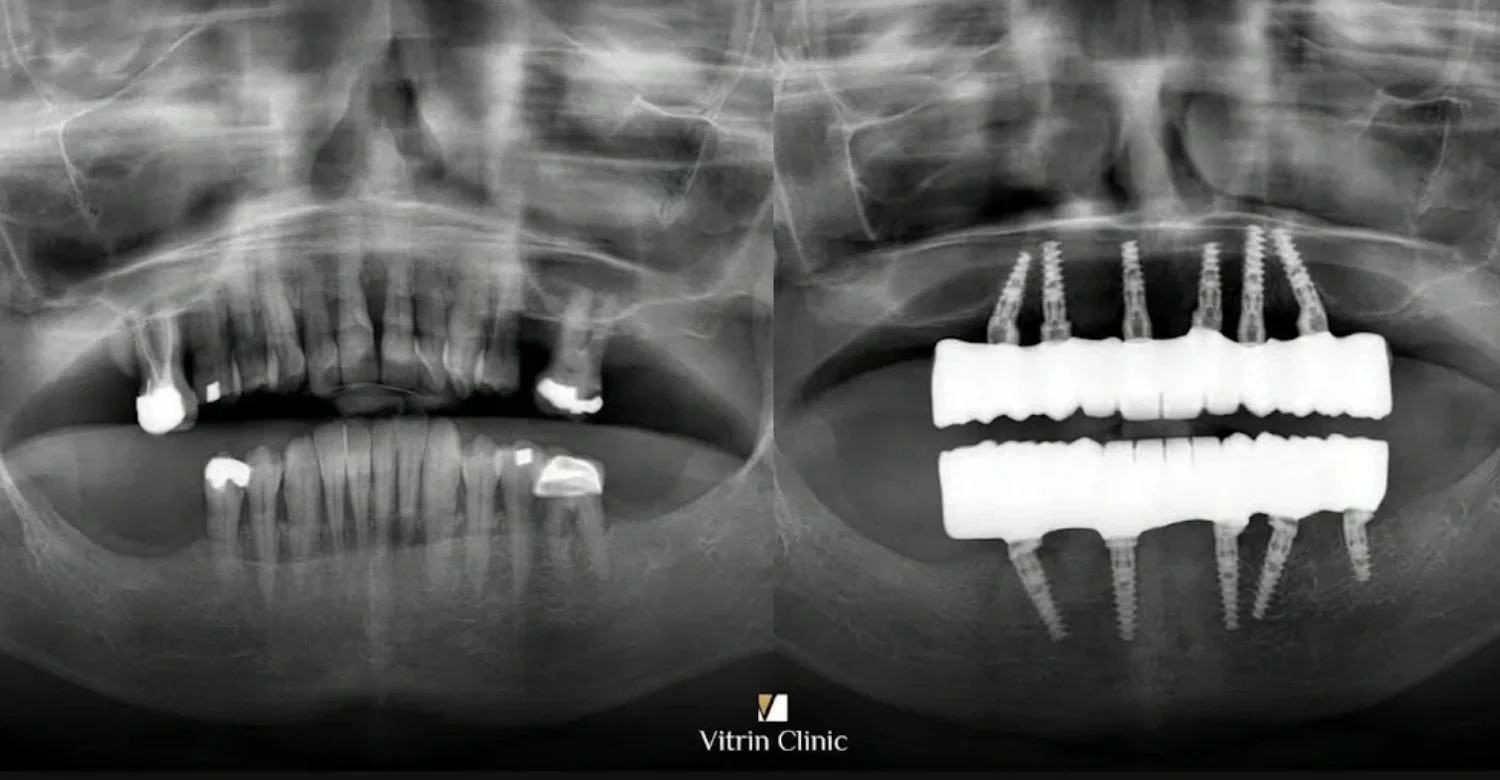
Not every unfamiliar sensation is simply part of adaptation. The final bite should always be assessed properly. Occlusion means the way your upper and lower teeth meet. It controls how chewing forces travel through your teeth, implants and jaw joints. A single high spot can concentrate force on one restoration. Over time, this may cause tooth soreness, chipped porcelain, loosened implant screws or jaw muscle pain. A balanced bite spreads forces evenly and protects the stability of your restorations. This is why bite refinement is a planned step in adjusting to full mouth rehabilitation in Turkey, not an afterthought.
For this reason, the teeth, gums, jaw function and existing restorations must be evaluated together. A sore tooth may be a bite problem. Jaw tiredness may come from clenching. Swollen gums may reflect a cleaning difficulty.
Dr. Rifat Alsaman, Head of the Medical Team at Vitrin Clinic, explains: Every patient's bite is unique. We do not assume discomfort will disappear by itself. We assess each case individually and refine the bite carefully, so the new teeth work in harmony with the jaw.
Does the Adjustment Period Affect the Cost of Treatment in Turkey?
The adjustment period itself is part of good treatment, not an extra. However, the overall cost of full-mouth rehabilitation varies. When adjusting to full mouth rehabilitation in Turkey, your total cost is usually shaped by:
Number of teeth treated: More restorations mean higher costs.
Restoration materials: Zirconia, porcelain and other ceramics differ in price.
Temporary teeth: Most staged plans include temporaries between visits.
Number of trips: Two-stage treatment means travel and accommodation for each visit.
Follow-up care: Ask whether bite checks and adjustments are included in your quote.
Questions to Ask Your Dentist
These questions can help you feel prepared and confident during your appointments:
How long should I expect adjusting to full mouth rehabilitation in Turkey to take in my case?
Which foods should I avoid with my temporary teeth, and for how long?
Will my bite height change, and how might that feel?
How many bite checks are planned before I fly home?
Who can I contact if my bite or comfort changes after I return home?
Treatments We Provide At Vitrin Clinic
Hollywood Smile - Full smile makeover with premium materials and design.
Dental Implants - Long-lasting, natural-feeling tooth replacement.
Subperiosteal Implants - Fixed implants for low bone volume, no grafting needed.
Invisalign - Clear aligner treatment, no metal brackets.
Veneers - Ceramic shells fixing stains, chips, and gaps, lasting 15-20 years.
Dental Crowns - Durable, natural-looking crowns, including same-day CEREC options.
Dental Bridge - Traditional and zirconia bridges to restore missing teeth.
Periodontics - Treatment for gum disease, recession, and bone loss.
Gingival Esthetics - Gum reshaping to fix a gummy smile.
Endodontics - Root canal treatment using laser and 3D imaging, often in one session.
Same Visit Dentistry - Fillings, root canals, and implants completed within your stay.
Teeth Whitening - Fast, professional whitening in a single visit.
.jpg)
.jpg)
.jpg)
.jpg)
What We Notice Clinically
At Vitrin Clinic, our clinical team sees some clear patterns among patients adjusting to full mouth rehabilitation in Turkey:
Speech usually settles first: Most patients stop noticing pronunciation changes before chewing feels fully natural.
Old habits linger: Patients who lived with missing teeth often keep chewing on one side until they consciously practise using both.
Early bite checks help: Patients who report uneven contacts early tend to feel comfortable sooner.
Temporary teeth guide the final result: Honest feedback during the temporary stage often leads to a better final shape and bite.
Grinders need extra protection: Patients with bruxism benefit greatly from consistent night guard use.
Your Full-Mouth Rehabilitation Journey at Vitrin Clinic
Full-mouth rehabilitation is a comprehensive approach to restoring your teeth, bite, and overall oral function while improving the appearance of your smile. At Vitrin Clinic, your journey begins with a detailed assessment of your dental condition and ends with a personalized treatment plan designed around your clinical needs and goals. Each stage is carefully coordinated, combining individualized dental care, international patient support, and attention to detail to make your treatment experience in Istanbul as smooth and comfortable as possible.
1. Your Initial Full-Mouth Assessment
Successful full-mouth rehabilitation starts with a comprehensive evaluation of your oral health. Share your smile photographs, available dental records, and relevant medical history with our team. Our dentists assess your teeth, gum health, existing restorations, bite alignment, and any missing or damaged teeth to understand the extent of rehabilitation required and identify suitable treatment options.
2. Your Personalized Rehabilitation Plan
Full-mouth rehabilitation requires an individual approach based on the condition of your teeth, gums, and bite. Following your initial assessment, we prepare a personalized treatment proposal outlining the recommended procedures, treatment sequence, estimated duration, and expected costs. Depending on your needs, this may involve a combination of dental crowns, bridges, implants, root canal treatment, or periodontal care. This plan helps you understand each stage of your rehabilitation before travelling to Istanbul.
3. Your Stay in Istanbul, Seamlessly Arranged
From your arrival to your treatment appointments, our international patient coordination team helps organize the practical details of your visit. Depending on your treatment arrangement, this may include hotel accommodation and airport, hotel, and clinic transfers. Our team also assists with appointment scheduling and communication, helping you navigate the different stages of your full-mouth rehabilitation throughout your stay.
4. Your Smile Restoration and Ongoing Care
Your full-mouth rehabilitation proceeds according to the agreed clinical plan, with each procedure tailored to your dental condition and treatment goals. Our dental team considers both aesthetics and function, paying particular attention to bite balance, tooth alignment, and the integration of new restorations. Before your departure, you receive personalized aftercare instructions and guidance on maintaining your restored smile, alongside follow-up support to help address any questions after returning home.
About Vitrin Clinic
Vitrin Clinic is a cosmetic and restorative dental clinic in Başakşehir, Istanbul, providing a wide range of dental treatments for local and international patients from many countries. We offer multilingual support throughout treatment to help patients understand each stage of their dental care. Our medical team, headed by Dr. Rifat Alsaman, Head of the Medical Team, uses digital planning tools such as intraoral scanning and 3D imaging to support individualized treatment planning. We focus on careful bite planning, staged dental treatment and clear aftercare guidance. For patients undergoing full mouth rehabilitation in Turkey, we help coordinate follow-up visits and maintain contact after they return home.


Book your FREE treatment plan with Vitrin Clinic and get a personalized treatment plan from our dental team.
Ready to transform your smile?
Talk to our team and get a FREE treatment plan.
References:

Medically reviewed by
Dr. Rifat AlsamanDr. Rifat Alsaman has more than 5 years of clinical experience in dentistry and currently serves as the Head of the Medical Team at Vitrin Clinic. He is dedicated to providing exceptional patient care, overseeing treatment planning, and ensuring the highest clinical standards across the team. His expertise, attention to detail, and commitment to continuous professional development have helped countless patients achieve healthier, more confident smiles.
More in After Care
View all 28 min readHow to Arrange Dental Maintenance in Your Home Country After Treatment in Turkey?Dental maintenance after treatment abroad in Turkey should continue after you return home. Regular examinations help monitor implants, crowns, bridges, gums, and natural teeth.
 19 min readWhat Happens If Your Teeth Shift After Completing Invisalign Treatment in Turkey?Many patients come to us about teeth shifting after Invisalign in Turkey, sometimes months and sometimes years after their final aligner. If your smile no longer looks as straight as it did, you are not alone, and the change can usually be managed.
 27 min readHow Can You Get a Second Opinion on Dental Work Completed Abroad in Turkey?Getting a second opinion after dental treatment abroad can help clarify previous procedures and identify appropriate next steps
 17 min readHow to Manage Excess Saliva or Gagging With New Dentures in Turkey?Gagging with new dentures in Turkey is a common concern among patients who travel for full or partial dentures. In the first days, many people also notice excessive saliva with dentures, drooling, or mild nausea.
Still have a question?
Our patient coordinators answer every day of the week: before, during and long after your treatment.