What Should You Do If You Develop Mouth Sores After Dental Treatment in Turkey?
Mouth sores after dental treatment in Turkey can develop from tissue injuries, accidental biting, friction, or unrelated oral conditions.

Mouth sores after dental treatment in Turkey can develop from tissue injuries, accidental biting, friction, or unrelated oral conditions. Most minor ulcers improve within one or two weeks. However, persistent, worsening, or unusual lesions need professional examination. Understanding the cause helps determine whether simple aftercare, dental adjustment, or medical treatment is appropriate.
Key Takeaways
Mouth sores after dental treatment may result from tissue injuries, accidental biting, restoration friction, infections, or recurrent oral conditions.
Minor traumatic ulcers and canker sores commonly heal within one or two weeks when irritation stops.
Dental crowns, bridges, implants, dentures, orthodontic appliances, and aligners can create pressure points or soft-tissue irritation.
Persistent ulcers, unexplained red or white patches, bleeding, or lesions lasting three weeks require professional examination.
Increasing pain, fever, pus, and spreading swelling need prompt clinical attention. Breathing or swallowing difficulties require emergency care.
Treatment depends on the cause and may include protective gels, suitable rinses, medication, or adjustment of an irritating restoration.
Vitrin Clinic can review treatment history, examine oral tissues, and recommend further investigations or referral when clinically necessary.
International patients should keep their dental records, follow aftercare instructions, and contact Vitrin about new symptoms. Remote guidance should never delay urgent local care.
Ready to transform your smile?
Talk to our team and get a personal FREE treatment plan.
What Are Mouth Sores After Dental Treatment, and How Can You Recognize Them?
Mouth sores are painful, irritated, or damaged areas affecting the lips, cheeks, tongue, gums, or other oral tissues. They may appear after dental procedures because instruments, restorations, or appliances irritate delicate tissue.
Common characteristics include:
Appearance: Small ulcers, red patches, white spots, or shallow open wounds.
Location: Inner cheeks, tongue, lips, gums, palate, or other oral surfaces.
Possible causes: Dental instruments, accidental biting, restoration friction, or irritation from dental appliances.
Symptoms: Burning, tenderness, pain when eating, or discomfort when speaking.
Timing: Some sores appear shortly after dental treatment, while others develop over the following days.
Clinical importance: Appearance, location, and duration help guide the investigation.
Persistent, spreading, worsening, or unusual sores require professional examination.
What Do Oral Ulcers Look Like After Dental Work?
Oral ulcers commonly appear as small, round or oval sores. They may have a white, yellow, or grey centre with a red border. Some cause burning, tenderness, or pain while eating and speaking. Their appearance alone cannot identify the underlying cause.
How Are Canker Sores Different From Traumatic Mouth Ulcers?
Canker sores are recurrent ulcers that usually develop inside the mouth. Traumatic ulcers follow physical irritation, such as cheek biting or contact with a sharp restoration. Both may have pale centres and red edges. A clinical examination helps distinguish them when their appearance overlaps.
Where Can Oral Lesions Develop After Dental Procedures?
Lesions can develop wherever soft tissues experience pressure or injury. Common locations include:
Inner cheeks and lips.
Tongue edges and underside.
Gums around treated teeth.
The palate and floor of the mouth.
Tissue near crowns, bridges, dentures, or implants.
The location may suggest friction, accidental biting, or another oral condition.
Are White, Red, or Yellow Spots Inside the Mouth Normal?
White or yellow centres can occur in ordinary ulcers. Redness may surround an irritated area during healing. However, persistent white patches, unexplained red patches, bleeding, or firm lesions need examination. Do not assume every unusual spot is a routine ulcer.
.jpg)
.jpg)
.jpg)
Why Do Patients Develop Mouth Sores After Dental Treatment in Turkey?
Mouth sores after dental treatment in Turkey can have several causes. Common triggers include mechanical injury, accidental biting, restoration friction, stress, and infections. The timing, location, appearance, and associated symptoms help narrow the possibilities.
Can Dental Instruments or Local Anaesthesia Cause Mouth Injuries?
Dental instruments may occasionally scratch the tongue, cheeks, lips, or gums. Retraction, suction, impressions, and surgical instruments can irritate soft tissues. A small injury may develop into a painful ulcer.
Local anaesthesia can also temporarily reduce sensation in the treated area. Patients may unknowingly bite their cheek, tongue, or lip while numb. This can cause swelling, bruising, or an ulcer.
To reduce accidental injuries after anaesthesia:
Avoid chewing until normal sensation returns.
Keep hot drinks away from numb tissues.
Avoid biting or testing the numb area.
Follow the dentist's postoperative instructions.
Persistent irritation should be reviewed rather than repeatedly treated at home.
Can Dental Crowns and Bridges Rub Against the Cheeks?
A crown or bridge with a rough edge may repeatedly rub against nearby tissue. A restoration with an unsuitable contour can also trap food or irritate the cheek. The dentist should check its shape, surface, margins, and fit. Do not file or adjust it yourself.
Why Can Dental Implants Cause Gum Irritation During Healing?
Implant surgery involves handling gum tissue and placing sutures. Temporary tenderness can occur around the surgical area. A sharp edge, rubbing temporary restoration, or trapped food may cause additional irritation. Increasing swelling, pus, fever, or worsening pain needs prompt clinical review.
Can Stress After Dental Treatment Trigger Canker Sores?
Stress may contribute to recurrent canker sores in susceptible people. Dental treatment, travel, disrupted sleep, and changes in routine can increase stress. However, stress should not automatically explain every new ulcer. A persistent or unusual lesion still requires examination.
Can Dental Materials Cause Allergic Reactions or Oral Irritation?
Some people develop contact irritation or sensitivity to dental materials. Symptoms may include redness, burning, swelling, or lesions near the contact area. A true allergy is less common than ordinary mechanical irritation. The clinician should review the material history and symptom pattern.
Can Dental Procedures Trigger Herpes-Related Mouth Sores?
Physical stress or local trauma may trigger herpes outbreaks in people already carrying the virus. Cold sores usually affect the lips or surrounding skin. Intraoral herpes can produce grouped lesions, particularly on certain oral surfaces. Antiviral treatment may be appropriate after clinical diagnosis.
When Can Oral Infections Cause Sores After Dental Work?
Infections can cause ulcers or other abnormal oral changes. Fungal conditions may produce white patches, while viral infections can cause grouped painful lesions. Bacterial infections may cause increasing redness, swelling, discharge, or fever. Antibiotics are not appropriate for every ulcer.
Which Dental Procedures Can Cause Oral Ulcers and Mouth Irritation?
Different dental procedures can irritate oral tissues through contact, pressure, or temporary changes in sensation. The following procedures may contribute to mouth sores after dental treatment in Turkey:
Dental procedure | Possible cause of irritation |
Dental implant surgery | Surgical instruments, sutures, and tissue manipulation may cause temporary irritation around the gums or nearby oral tissues. |
Tooth extraction | Instruments and cheek retractors may cause local tissue trauma and tenderness. |
Crown and bridge placement | Temporary restorations, rough edges, or pressure may irritate the tongue, cheeks, or gums. |
Dental fillings | Instruments, prolonged mouth opening, or accidental soft-tissue contact may cause minor irritation. |
Orthodontic treatment | Brackets, wires, and aligners may rub against the cheeks, lips, or tongue. |
Teeth whitening | Whitening products may irritate the gums or other soft tissues, particularly through direct contact. |
Dentures and removable appliances | Poor fit, movement, or repeated friction may create painful areas. |
Prolonged dental procedures | Extended mouth opening or repeated instrument contact may contribute to soft-tissue irritation. |
Why Can Patients Develop Mouth Sores After Dental Crowns?
Crown preparation and placement may temporarily irritate nearby gums and cheeks. A rough edge or bulky contour can create repeated friction. Patients may also bite their cheeks while adjusting to a new restoration. Persistent contact irritation requires a crown and soft-tissue review.
Are Gum Sores Common After Dental Implant Surgery?
Surgical sites may feel tender while gum tissue heals. Sutures, swelling, and temporary restorations can contribute to local irritation. An ulcer directly beside an implant needs examination if it worsens or persists. Increasing pain, pus, fever, or spreading swelling requires prompt attention.
Can Tooth Extractions Cause Oral Ulcers?
Extraction instruments and cheek retractors may cause minor soft-tissue injuries. The socket itself is a healing wound, not a typical mouth ulcer. Avoid disturbing the socket with fingers or objects. Contact the dental team if bleeding, pain, swelling, or discharge increases.
Why Is My Mouth So Sore After Root Canal Treatment?
Soreness after root canal treatment is common for a few days. The injection site, the clamp that holds the protective rubber dam, and keeping your mouth open for a long time can leave the gums, cheeks, and jaw tender. Tissues around the tooth root may also be inflamed after cleaning. Small ulcers can develop where the clamp or instruments pressed against the gum. Discomfort usually eases within a few days. Contact your dentist if pain worsens, swelling increases, or soreness lasts more than a week.
Why Can Temporary Restorations Irritate the Cheeks?
Temporary crowns and bridges may have different contours from final restorations. Rough margins, excess material, or movement can irritate nearby tissues. Patients should report rubbing or repeated cheek injuries. The clinician can check the restoration and correct the source when appropriate.
Can Dentures and Orthodontic Appliances Cause Mouth Sores?
Poorly fitting dentures can rub against the gums and cheeks. Brackets, wires, and removable appliances may also create pressure points. A dental professional can identify the contact area and recommend suitable adjustments. Patients should not bend wires or reshape appliances themselves.
Can Invisalign Attachments or Aligners Irritate Oral Tissues?
Aligners may occasionally rub against the lips, cheeks, or tongue. Attachments can also feel unfamiliar and irritate nearby tissue. A sharp or damaged aligner edge needs professional review. Do not cut or reshape an appliance without instructions from the treating clinician.
Can All-on-6 Dental Implants in Turkey Cause Mouth Sores?
All-on-6 treatment involves six implants supporting a full-arch restoration. Surgical swelling, sutures, and temporary prosthesis contours may irritate nearby tissues. A bulky edge or pressure point can cause repeated rubbing. The clinician should check the prosthesis, surgical tissues, and cleaning access. Do not assume every sore indicates implant failure.
How Can You Tell Whether Mouth Sores Are Normal or a Complication?
The difference depends on the lesion's appearance, duration, symptoms, and cause. Mild mouth sores after dental treatment in Turkey may improve as minor injuries heal. Worsening symptoms, systemic illness, or persistent lesions require professional review.
Which Symptoms Suggest Temporary Mechanical Irritation?
Temporary irritation may cause a small, localized sore near a contact point. Discomfort may increase when the tongue or cheek touches the area. Symptoms should gradually improve after the irritating source is removed. Continued rubbing can delay healing.
How Can You Recognize Possible Infection Around an Oral Lesion?
Possible infection may involve:
Increasing pain.
Spreading redness.
Swelling around the affected area.
Pus or unusual discharge.
Fever or feeling generally unwell.
A persistent unpleasant taste.
These signs require prompt clinical advice. Rapidly spreading swelling or difficulty swallowing requires emergency care.
Can Persistent Mouth Sores Indicate an Allergic Reaction?
A contact reaction may cause redness, burning, swelling, or multiple irritated areas. Symptoms may correspond with contact from a dental material or appliance. A clinician should review the exposure history. Do not remove or replace restorations without confirming the suspected cause.
When Can a Dental Restoration Cause Repeated Tissue Injury?
Repeated injury can occur when a restoration has a rough edge or unsuitable contour. A loose appliance may also move against soft tissue. The affected area may repeatedly ulcerate in the same location. A dental examination can identify the source of friction.
Which Warning Signs Require Immediate Clinical Attention?
Seek emergency medical attention for:
Difficulty breathing or swallowing.
Rapidly spreading facial, mouth, or neck swelling.
Severe swelling with signs of systemic illness.
Inability to maintain hydration because swallowing is difficult.
Seek prompt dental or medical review for fever, pus, worsening pain, or spreading redness.
How Long Do Mouth Sores Take to Heal After Dental Treatment?
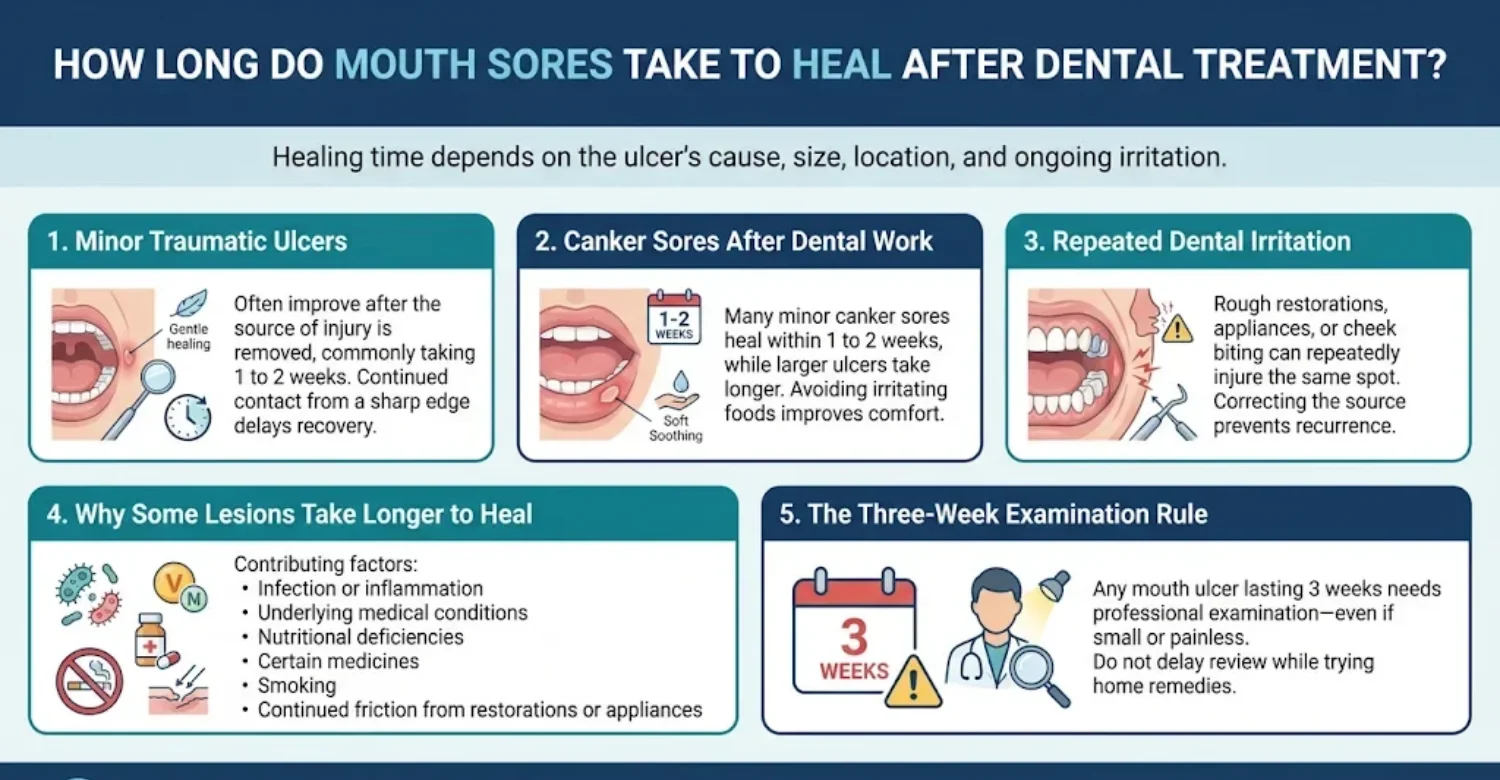
Healing time depends on the ulcer's cause, size, location, and ongoing irritation. Many uncomplicated mouth sores after dental treatment in Turkey improve within one or two weeks. Persistent lesions need examination rather than repeated home treatment.
How Long Do Minor Traumatic Mouth Ulcers Usually Last?
Minor traumatic ulcers often improve after the source of injury is removed. Healing commonly takes around one to two weeks. Continued contact from a sharp edge may delay recovery. A dentist should check sores that do not steadily improve.
How Quickly Do Canker Sores Heal After Dental Work?
Many minor canker sores heal within one or two weeks. Larger or more painful ulcers may take longer. Avoiding irritating foods can make eating more comfortable. Recurrent or unusually severe ulcers deserve clinical review.
Why Do Some Oral Lesions Take Longer to Heal?
Healing may take longer when irritation continues. Other possible contributing factors include:
Infection or inflammation.
Underlying medical conditions.
Nutritional deficiencies.
Certain medicines.
Smoking.
Continued friction from restorations or appliances.
The clinician should investigate persistent or recurring lesions.
Can Dental Irritation Cause Repeated Mouth Sores?
Yes. A rough restoration, appliance, or repeated cheek biting can injure the same area. The ulcer may return while the source remains. Correcting the cause is more useful than repeatedly applying soothing products.
When Should a Mouth Ulcer That Lasts Three Weeks Be Examined?
Any mouth ulcer lasting three weeks needs professional examination. This includes lesions that are painless or appear relatively small. Persistent ulcers can have several causes, including conditions requiring further investigation. Do not delay review while trying home remedies.
How Does Vitrin Clinic Identify the Cause of Mouth Sores After Dental Treatment?
Vitrin Clinic should identify the cause before recommending treatment for mouth sores after dental treatment in Turkey. The review begins with symptoms, treatment history, and examination of the affected tissues. Additional investigations depend on the clinical findings.
How Does Vitrin Examine Oral Ulcers and Surrounding Tissues?
The clinician reviews the lesion's location, size, colour, surface, and duration. The surrounding gums, cheeks, tongue, lips, and restorations are also examined.
The clinical review may include these steps:
Examine the lesion: Check its appearance, dimensions, colour, and surface.
Identify its location: Determine whether it is near a restoration, surgical site, or appliance.
Review symptoms: Ask about pain, burning, bleeding, and difficulty eating.
Check surrounding tissues: Examine the gums, cheeks, tongue, and lips.
Review medical history: Discuss medicines, previous ulcers, allergies, and relevant health conditions.
Determine further investigations: Recommend additional tests when clinically necessary.
This helps guide the next step.
Does Vitrin Review Previous Dental Procedures Before Recommending Treatment?
Yes, the previous treatment history is important. The clinician should review recent crowns, bridges, implants, extractions, and appliance placement. The timing of symptoms may help identify mechanical irritation or another cause. Previous records can support a more informed review.
How Can Digital Photographs Help Vitrin Review Oral Symptoms?
Clear photographs can document the lesion's appearance and location. Images taken over several days may show whether it is changing. However, photographs cannot replace an in-person examination when symptoms are persistent or concerning. Lighting and image quality can also affect interpretation.
When Might Additional Clinical Tests Be Necessary?
Most minor ulcers do not require extensive testing. Additional tests may be considered when lesions persist, recur, or appear unusual.
Possible investigations include:
Blood tests.
Microbiological testing.
Oral lesion biopsy.
Histopathological examination.
Additional imaging when clinically indicated.
The choice depends on the suspected cause.
How Does Vitrin Distinguish Appliance-Related Irritation From Other Conditions?
The clinician checks whether the lesion corresponds with a sharp edge or pressure point. They also consider infections, recurrent ulcers, medication effects, and systemic conditions. A clear contact pattern may support mechanical irritation. Unexplained lesions need appropriate investigation.
When Should Vitrin Recommend an Oral Medicine Specialist?
Referral may be appropriate for persistent, recurrent, widespread, or unusual lesions. A specialist can investigate complex oral mucosal conditions. A lesion lasting three weeks also requires timely examination. Referral depends on clinical findings, not appearance alone.
Ready to transform your smile?
Talk to our team and get a personal FREE treatment plan.
What Treatment Options Can Relieve Mouth Sores After Dental Procedures?
Treatment depends on the cause, severity, and location of the lesion. Mouth sores after dental treatment in Turkey may need simple protection, appliance adjustment, or condition-specific medical care. Antibiotics, antivirals, and other medicines should only be used when clinically indicated.
How Are Minor Traumatic Ulcers Treated?
The first step is removing the source of trauma.
Treatment may involve:
Identifying the sharp edge, rough restoration, or pressure point.
Removing the source of irritation when clinically appropriate.
Adjusting an unsuitable restoration or appliance if necessary.
Maintaining gentle oral hygiene.
Choosing soft foods while the tissue heals.
Arranging another examination if the ulcer does not improve.
A dentist may smooth or adjust an irritating restoration when appropriate. Persistent ulcers need reassessment.
What Treatments Can Help Relieve Canker Sores?
Treatment may include protective gels, topical pain relief, or suitable mouth rinses. A clinician may recommend prescription treatment for severe or recurrent ulcers. The appropriate option depends on the patient's age, health, and symptoms. No product guarantees immediate healing.
When Are Antiviral Medications Necessary for Oral Lesions?
Antiviral medicines may be considered when herpes infection is diagnosed or strongly suspected. They are not treatments for ordinary traumatic ulcers or canker sores. Early clinical advice can help determine whether treatment is appropriate. Avoid using leftover prescription medicines.
How Are Suspected Oral Infections Managed?
Management depends on whether the cause is viral, fungal, or bacterial. A clinician may recommend targeted medication or supportive care. Antibiotics are reserved for appropriate bacterial infections. Fever, spreading swelling, or systemic illness needs prompt evaluation.
Can Adjusting a Dental Crown or Appliance Relieve Irritation?
Yes, when a rough edge or unsuitable contour causes repeated trauma. The clinician checks the restoration before making any adjustment. Patients should not file crowns, bend wires, or trim aligners themselves. Incorrect changes may damage the appliance or affect the bite.
How Does Vitrin Determine Which Treatment Is Appropriate?
Vitrin's treatment recommendation should follow the clinical findings.
Mechanical injuries may require removing the source of friction.
Suspected infections or inflammatory conditions may need different care.
Persistent lesions may require referral or further investigation.
Material-related irritation may require reviewing the suspected contact source.
The recommended treatment should reflect the confirmed or suspected cause.
When Should Patients Avoid Treating Mouth Sores Without Professional Advice?
Avoid self-treatment when a lesion is persistent, spreading, bleeding, or unusually painful. Do not apply aspirin, alcohol, or harsh chemicals directly to ulcers. Avoid using antibiotics or prescription medicines without advice. Children, pregnant patients, and people with medical conditions need individualized guidance.
What Can You Do at Home to Relieve Mouth Irritation?
Home care can reduce discomfort while minor mouth sores heal. It cannot diagnose infection or replace professional treatment. Follow these steps when symptoms are mild and no warning signs are present.
Can Saltwater Rinses Help Soothe Mouth Sores?
A gentle saltwater rinse may help keep the mouth comfortable.
How to prepare and use it:
Dissolve half a teaspoon of salt in a glass of warm water.
Mix until the salt dissolves.
Rinse gently without vigorous swishing.
Spit out the solution.
Repeat as appropriate, following professional advice.
Do not swallow the solution or use water that feels hot.
Which Foods Should You Eat During Oral Ulcer Recovery?
Choose soft, mild foods that require little chewing. Suitable options may include:
Scrambled eggs.
Soft pasta or rice.
Mashed vegetables.
Plain yoghurt.
Lukewarm soups.
Soft, non-acidic fruits.
Drink enough water to maintain hydration.
Which Foods and Drinks Can Make Mouth Sores Worse?
Spicy, acidic, salty, and rough foods may irritate ulcers. Avoid citrus fruits, vinegar-heavy meals, crisps, and hard toast when painful. Very hot drinks can also aggravate sensitive tissue. Choose cooler or lukewarm alternatives.
Can You Use Mouthwash After Developing Oral Ulcers?
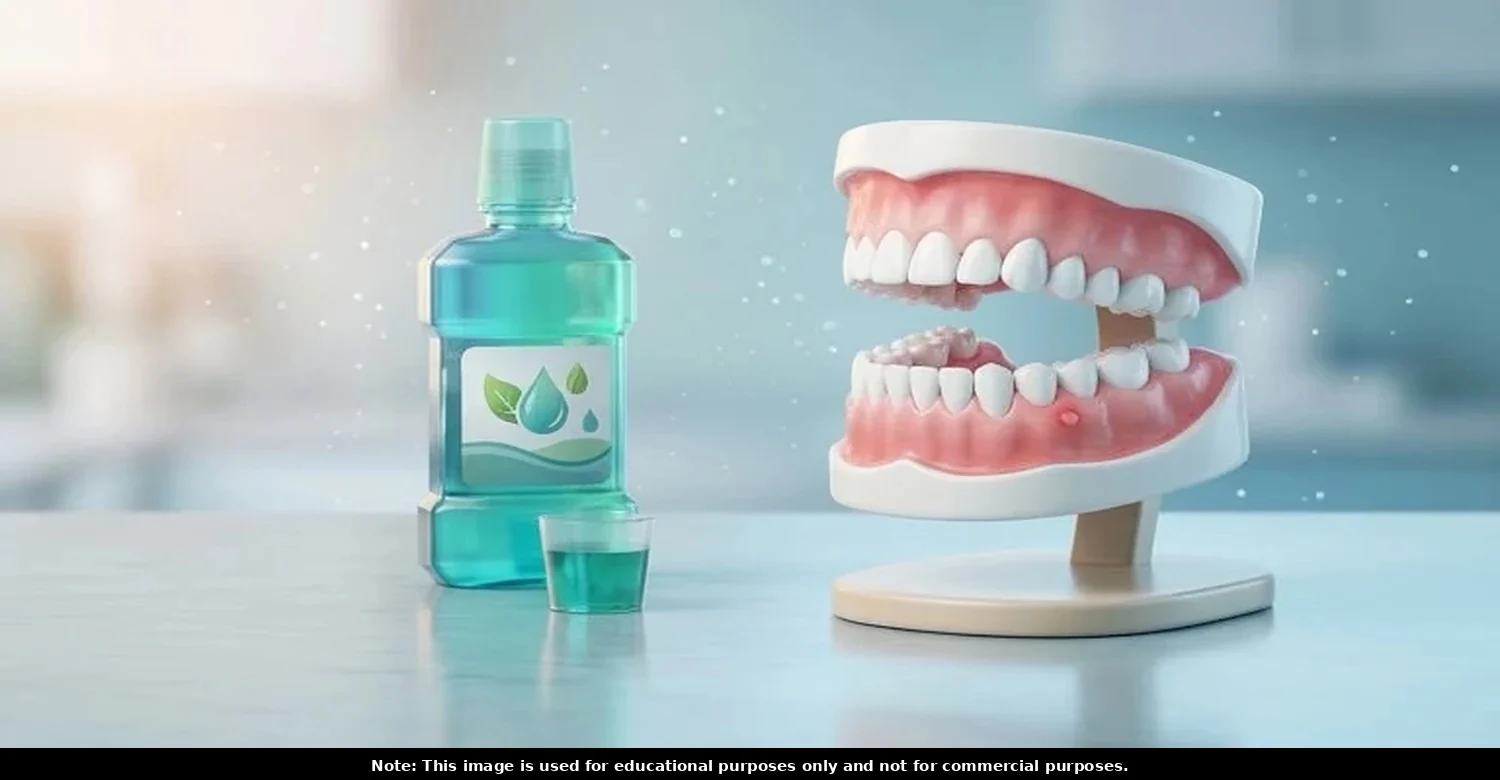
Some mouthwashes may soothe symptoms or reduce oral bacteria. Alcohol-containing products can sting or irritate sensitive tissues. Ask a dentist or pharmacist which formulation is suitable. Follow product instructions and age restrictions carefully.
Which Pain Relief Options Are Appropriate?
Pain relief depends on age, weight, product formulation, medical history, and other medicines. Follow the product label or professional instructions. Ask a pharmacist before combining medicines or using another pain-relief option. Seek individualized advice during pregnancy or breastfeeding.
People with liver or kidney problems need additional caution. Heavy alcohol consumption can also affect medication safety. Suspected overdose requires immediate professional medical advice, even without symptoms.
What Should You Avoid Applying Directly to Mouth Sores?
Avoid:
Aspirin placed directly on the ulcer.
Concentrated alcohol.
Household chemicals.
Essential oils without professional advice.
Unverified remedies that may burn tissue.
Scraping away white or yellow ulcer surfaces.
Medicated gels without checking their suitability.
Ask a professional before applying medicated products.
.jpg)

How Much Does It Cost to Examine and Treat Mouth Sores at Vitrin Clinic?
The total cost depends on the lesion's cause, diagnostic tests, and recommended treatment. The table compares indicative costs in the USA, UK, and Turkey. Turkish figures follow the 2027 Dental Association guide tariff and are not confirmed Vitrin Clinic prices.
UK
From $36
UK dental fee benchmark
Dental examination: $36
Examination and X-rays: $36–250*
Composite filling: $99
Root canal treatment: $99
Simple extraction: $99
Intraoral abscess drainage: Depends on care
Vitrin Clinic
From $33
General & urgent dental services
Dental examination: $33
Examination and X-rays: $33–54
Composite filling: From $67
Root canal treatment: $91–204
Simple extraction: From $49
Intraoral abscess drainage: $174
US
From $33
US private dental benchmark
Dental examination: $33–350*
Examination and X-rays: $100–350*
Composite filling: $90–450*
Root canal treatment: $500–1,500*
Simple extraction: $75–300*
Intraoral abscess drainage: $150–800*
How Much Does a Mouth Sore Examination Cost at Vitrin Clinic?
Vitrin Clinic's examination fee must be confirmed before booking. The 2027 Turkish guide lists a standard dental examination at approximately $33. Additional specialist consultations or diagnostic procedures may increase the total.
Turkey 2027 Guide
From $16
National dental fee guide reference
Standard dental examination: $33
Specialist examination: $40
Dental consultation: $22
Periapical X-ray: $16
Panoramic X-ray: $40
Regional tomography (CBCT): $54
Vitrin Clinic
From $15
Examination & diagnostic imaging
Standard dental examination: $30–45
Specialist examination: $40–60
Dental consultation: $25–35
Periapical X-ray: $15–25
Panoramic X-ray: $40–55
Regional tomography (CBCT): $55–75
What Additional Costs Might Be Involved in Diagnosing Oral Lesions?
Some mouth sores require more than a routine dental examination. The clinician may recommend laboratory testing, specialist consultation, or biopsy when appropriate.
Laboratory Diagnostics
From $20
Diagnostic procedure
Blood tests: $20–100
Histopathology laboratory analysis: $50–200
Cellular & systemic diagnostic screening
Consultations & Imaging (Entry Diagnostic Services)
From $15
Diagnostic procedure
Specialist consultation: $40–100
Additional imaging: $15–100
Initial clinical review & diagnostic scanning
Oral Lesion Biopsy
Estimated cost: $150–600
Diagnostic procedure
Oral lesion biopsy: $150–600
Targeted tissue sampling for pathology review
Confirmed in writing based on clinical scope
How Much Could Additional Treatment or Medication Cost?
Treatment depends on the diagnosis. A traumatic ulcer may need removal of the irritation, while an infection may require prescribed medication or drainage. Persistent or suspicious lesions may need specialist investigation rather than routine dental treatment.
Clinical & Urgent Care
From $40
Possible treatment
Professional dental treatment: $40–150
Abscess drainage: $100–250
Targeted clinical intervention & infection control
Medications & Topical Care
From $10
Possible treatment
Topical oral medication: $10–40
Prescription medication: $10–50
First-line relief for localized oral symptoms
Oral Lesion Removal or Biopsy
Indicative cost: $150–600*
Possible treatment
Oral lesion removal or biopsy: $150–600
Tissue excision & diagnostic laboratory review
Confirmed in writing after clinical assessment
Does Vitrin Include Post-Treatment Follow-Up in Dental Treatment Packages?
Package inclusions depend on the agreed treatment plan. Patients should request written confirmation covering follow-up consultations, medication, laboratory tests, and additional procedures. International patients should also clarify whether remote reviews are available after returning home.
What Factors Influence the Final Treatment Quotation at Vitrin Clinic?
Several factors can affect the final quotation:
The suspected cause, size, and location of the mouth sore.
Whether the lesion requires specialist examination.
The need for X-rays, laboratory tests, or biopsy.
Whether treatment involves medication, drainage, or minor surgery.
The number of follow-up appointments required.
Are Follow-Up Consultations Available for International Patients?
International patients should discuss follow-up arrangements before travelling. Vitrin Clinic can clarify the available review options and expected appointment schedule. Patients should also arrange local medical care if symptoms worsen after returning home.
How Can Patients Receive an Itemized Cost Estimate Before Treatment?
Patients can request a FREE Treatment Plan from Vitrin Clinic before confirming treatment. The written estimate should provide a clear breakdown of examination fees, diagnostic tests, recommended procedures, medication costs, follow-up consultations, and any additional laboratory or specialist fees. This helps patients understand exactly which services are included in the proposed treatment and which may involve additional charges.
What Should International Patients Budget for Additional Dental Visits?
Travel budgets should account for possible additional consultations and diagnostic procedures. Patients may also need extra accommodation, transport, or a longer stay if treatment requires follow-up. The recommended schedule should be confirmed after clinical review, rather than assuming every case can be completed during one visit.
How Do Mouth Sore Treatment Costs Compare Between the USA, UK, and Vitrin Clinic?
The original comparison figures require confirmation before publication because they do not identify equivalent procedures or treatment scopes.
UK Private Care versus Vitrin Clinic
Original indicative figure: $400–800
Comparison
Original indicative figure: $400–800
Substantial margin over private UK clinic fees
Includes itemized written treatment plan
USA vs Vitrin Clinic
Original indicative figure: $500–1,000
Comparison
Original indicative figure: $500–1,000
Largest benchmark contrast vs. US private rates
Vitrin root canal range: $150–$350
Turkish Guide Tariff versus Vitrin Clinic
Original indicative figure: $223
Comparison
Original indicative figure: $223
National Turkish dental tariff reference point
Final clinic quote reflects tooth & canal complexity
UK NHS versus Vitrin Clinic
Original indicative figure: $36–99
Comparison
Original indicative figure: $36–99
Reflects subsidized UK NHS treatment bands
Vitrin offers private materials & rapid scheduling
Ready to transform your smile?
Talk to our team and get a personal FREE treatment plan.
What Should International Patients Do If Mouth Sores Develop After Returning From Turkey?
Contact the treating clinic when symptoms develop after returning home. Mouth sores after dental treatment in Turkey may be reviewed using photographs initially. However, urgent symptoms require local medical care without waiting for a remote reply.
Should You Contact Vitrin Clinic Before Visiting Another Dentist?
Contact Vitrin when symptoms are mild and you need guidance about previous treatment. Do not delay urgent care while waiting for a response. A local dentist should examine worsening or persistent symptoms.
Can Vitrin Review Mouth Sores Through Photographs or Video Consultations?
Photographs can help document the lesion and its location. Video consultations may help discuss symptoms and treatment history. Neither method can replace an examination when physical assessment is necessary.
When Should You Visit a Local Dentist Instead?
Arrange a local appointment for:
Worsening pain.
Increasing swelling.
Pus or unusual discharge.
Persistent ulcers.
Repeated lesions in the same location.
Suspected infection.
Seek emergency care for breathing or swallowing difficulties. Rapidly spreading swelling also requires immediate attention.
Which Dental Records Should You Share With Your Local Dentist?
Share the following information:
Treatment dates and procedure details.
Previous and current dental X-rays.
Prescriptions and medication details.
Crown, bridge, or implant information.
Photographs showing when the lesion appeared.
Known allergies, medical conditions, and current medicines.
These records can help the local clinician understand your previous treatment.
How Can Vitrin Coordinate Communication With Your Local Dentist?
With your permission, relevant records can support communication between dental teams. Clear documentation helps explain previous procedures and materials. The local clinician remains responsible for examining and managing urgent symptoms.
What Should You Do If Symptoms Become Worse During Travel?
Seek local clinical care rather than continuing your journey without review. Avoid irritating foods and maintain hydration when possible. Do not attempt to adjust restorations or appliances yourself.
Why Choose Vitrin Clinic for Dental Treatment and Post-Treatment Support in Turkey?
Choosing a clinic involves more than the procedure itself. Vitrin Clinic should explain the diagnosis, treatment options, costs, and follow-up arrangements clearly. International patients should understand whom to contact if unexpected symptoms develop.
How Does Vitrin Create Individualized Dental Treatment Plans?
Treatment planning should consider oral health, medical history, existing restorations, and patient priorities. Recommendations should follow examination findings rather than a fixed package. The plan should explain alternatives and relevant limitations.
Why Is Clinical Diagnosis Important Before Recommending Treatment?
Different lesions can look similar but require different management. Treating irritation as infection may lead to unnecessary medication. Identifying the cause helps avoid inappropriate treatment and delays.
How Does Vitrin Coordinate Dental Procedures and Laboratory Workflows?
Restorative procedures may involve coordination between clinicians and dental technicians. Fit, contour, and surface finish can affect soft-tissue comfort. Patients should report any sharp edges or rubbing before leaving the clinic.
How Does Vitrin Support International Patients During Recovery?
International patients need clear aftercare instructions and contact information. They should know which symptoms can be monitored and which need examination. Follow-up arrangements should be explained before departure.
Why Does Vitrin Emphasize Communication After Patients Return Home?
Symptoms may develop after patients return to their home countries. Clear records and communication can help local clinicians understand previous treatment. Remote guidance should never delay emergency care.
How Can Individualized Aftercare Help Patients Manage Unexpected Symptoms?
Aftercare should reflect the procedure and patient's medical history.
Instructions may cover:
Oral hygiene and cleaning around treated areas.
Suitable foods during recovery.
Medication guidance.
Symptoms that require prompt attention.
Follow-up appointments.
Contact arrangements after returning home.
Patients should receive clear guidance about contacting the clinic.
What Does the Vitrin Clinic Patient Journey Look Like?
A planned patient journey helps international patients understand each treatment stage. Vitrin Clinic should explain the clinical process, appointments, costs, and aftercare before travel.
How Do You Start With a Free Digital Treatment Plan?
Patients can share dental photographs and relevant records for an initial review. The team can discuss possible treatment options and information still required. A digital plan does not replace an in-person examination.
What Happens During Your Initial Clinical Examination in Istanbul?
The clinician reviews medical history, symptoms, teeth, gums, and oral tissues. Digital X-rays may be recommended when clinically indicated. Further tests depend on the findings and planned procedures.
How Are Dental Procedures Planned Around Your Oral Health?
Treatment should address active disease and oral-health concerns first. The clinician explains suitable options, limitations, and expected stages. The final plan depends on examination findings.
How Does Vitrin Coordinate Your Appointments and Treatment Schedule?
The schedule should reflect clinical priorities and healing requirements. Patients should receive clear appointment details and expected treatment stages. Complex treatment may require more than one visit.
What Aftercare Guidance Do You Receive Before Leaving Turkey?
Patients should receive written instructions for oral hygiene and recovery. These should explain warning signs and medication guidance. Ask questions about symptoms before travelling home.
How Can You Contact Vitrin After Returning to Your Country?
Confirm the appropriate contact channel before departure. Keep copies of treatment records and aftercare instructions. Share photographs if symptoms develop, but seek local care when needed.
Ready to transform your smile?
Talk to our team and get a personal FREE treatment plan.
How Can You Prevent Mouth Sores After Future Dental Procedures?
Prevention focuses on reducing tissue trauma and identifying irritation early. Patients with previous mouth sores after dental treatment in Turkey should discuss their history before treatment. Careful planning can reduce avoidable irritation, although it cannot prevent every ulcer.
Should You Tell Your Dentist About Previous Mouth Ulcers?
Yes. Explain when previous ulcers developed, how long they lasted, and where they appeared. Mention known allergies, recurrent herpes, and relevant medical conditions. This information can help guide precautions.
How Can Dentists Reduce Soft Tissue Trauma During Treatment?
Careful instrument handling and tissue retraction can reduce avoidable injuries.
Preventive measures may include:
Careful handling of dental instruments.
Appropriate soft-tissue protection.
Gentle tissue retraction.
Checking restoration edges and contours.
Monitoring pressure from temporary appliances.
Addressing patient discomfort during treatment.
Patients should report sharp contact or discomfort promptly.
Why Should Temporary Crowns and Appliances Be Checked for Irritation?
Temporary restorations and appliances should not repeatedly injure nearby tissues. A clinician can check their edges, fit, and stability. Early adjustment may prevent continued friction.
How Can You Maintain Gentle Oral Hygiene After Dental Work?
Use a soft-bristled toothbrush and clean carefully around treated areas. Follow the specific instructions provided after surgery. Avoid aggressive brushing or disturbing healing tissues.
What Aftercare Instructions Should You Follow Before Travelling Home?
Before departure, confirm cleaning instructions, medication guidance, and review arrangements.
Before leaving Turkey, make sure you:
Understand how to clean the treated area.
Know which foods and drinks to avoid.
Understand your medication instructions.
Know which symptoms require urgent attention.
Have the clinic's contact information.
Keep copies of your dental records.
Ask what symptoms require urgent care. Keep clinical records and contact details accessible during travel.
.jpg)
.jpg)
.jpg)
How Can You Manage Mouth Sores After Dental Treatment in Turkey?
Most minor ulcers improve with gentle care and removal of the irritating source. However, persistent or worsening lesions need professional examination. The safest approach is to identify the cause before choosing treatment.
When Should You Seek Professional Advice Instead of Waiting?
Seek advice if an ulcer worsens, repeatedly returns, bleeds, or lasts three weeks. Fever, pus, and increasing swelling require prompt review. Breathing difficulty, swallowing difficulty, or rapidly spreading swelling requires emergency care.
How Can Vitrin Clinic Help You Understand Your Post-Treatment Symptoms?
Vitrin can review previous dental treatment information and discuss suitable next steps. Clinical examination determines whether adjustment, medication, testing, or referral is needed. International patients should seek local urgent care whenever warning signs appear.
If you develop mouth sores after dental treatment in Turkey, contact your treating clinic and explain when the symptoms started. Vitrin Clinic can discuss your concerns and available follow-up options. A clear clinical diagnosis should guide every treatment decision.
References

Medically reviewed by
Dr. Rifat AlsamanDr. Rifat Alsaman has more than 5 years of clinical experience in dentistry and currently serves as the Head of the Medical Team at Vitrin Clinic. He is dedicated to providing exceptional patient care, overseeing treatment planning, and ensuring the highest clinical standards across the team. His expertise, attention to detail, and commitment to continuous professional development have helped countless patients achieve healthier, more confident smiles.
More in After Care
View all 28 min readHow to Arrange Dental Maintenance in Your Home Country After Treatment in Turkey?Dental maintenance after treatment abroad in Turkey should continue after you return home. Regular examinations help monitor implants, crowns, bridges, gums, and natural teeth.
 19 min readWhat Happens If Your Teeth Shift After Completing Invisalign Treatment in Turkey?Many patients come to us about teeth shifting after Invisalign in Turkey, sometimes months and sometimes years after their final aligner. If your smile no longer looks as straight as it did, you are not alone, and the change can usually be managed.
 27 min readHow Can You Get a Second Opinion on Dental Work Completed Abroad in Turkey?Getting a second opinion after dental treatment abroad can help clarify previous procedures and identify appropriate next steps
 17 min readHow to Manage Excess Saliva or Gagging With New Dentures in Turkey?Gagging with new dentures in Turkey is a common concern among patients who travel for full or partial dentures. In the first days, many people also notice excessive saliva with dentures, drooling, or mild nausea.
Still have a question?
Our patient coordinators answer every day of the week: before, during and long after your treatment.