Periodontics
March 17, 2026
Periodontal Cleaning: A Dentist’s Expert Guide to Treating Gum Disease
 Dr. Rifat Alsaman
Periodontal cleaning is vital for patients dealing with gum disease. Whether you have early gingivitis or advanced periodontitis, understanding treatment helps you make confident oral health decisions. This expert guide covers costs, procedures, results, and how Vitrin Clinic restores your healthy smile.
What Is Periodontal Cleaning and When Do You Need It?
Periodontal cleaning is a specialized dental procedure. It treats and prevents gum disease by removing bacterial deposits below the gumline. Unlike standard visits, this treatment targets infection inside deep periodontal pockets.
Dentists recommend it for bleeding gums, deep pocket measurements, bone loss, or persistent inflammation. Early detection allows less invasive intervention. However, advanced stages require comprehensive deep cleaning protocols.
What Is a Periodontal Cleaning?
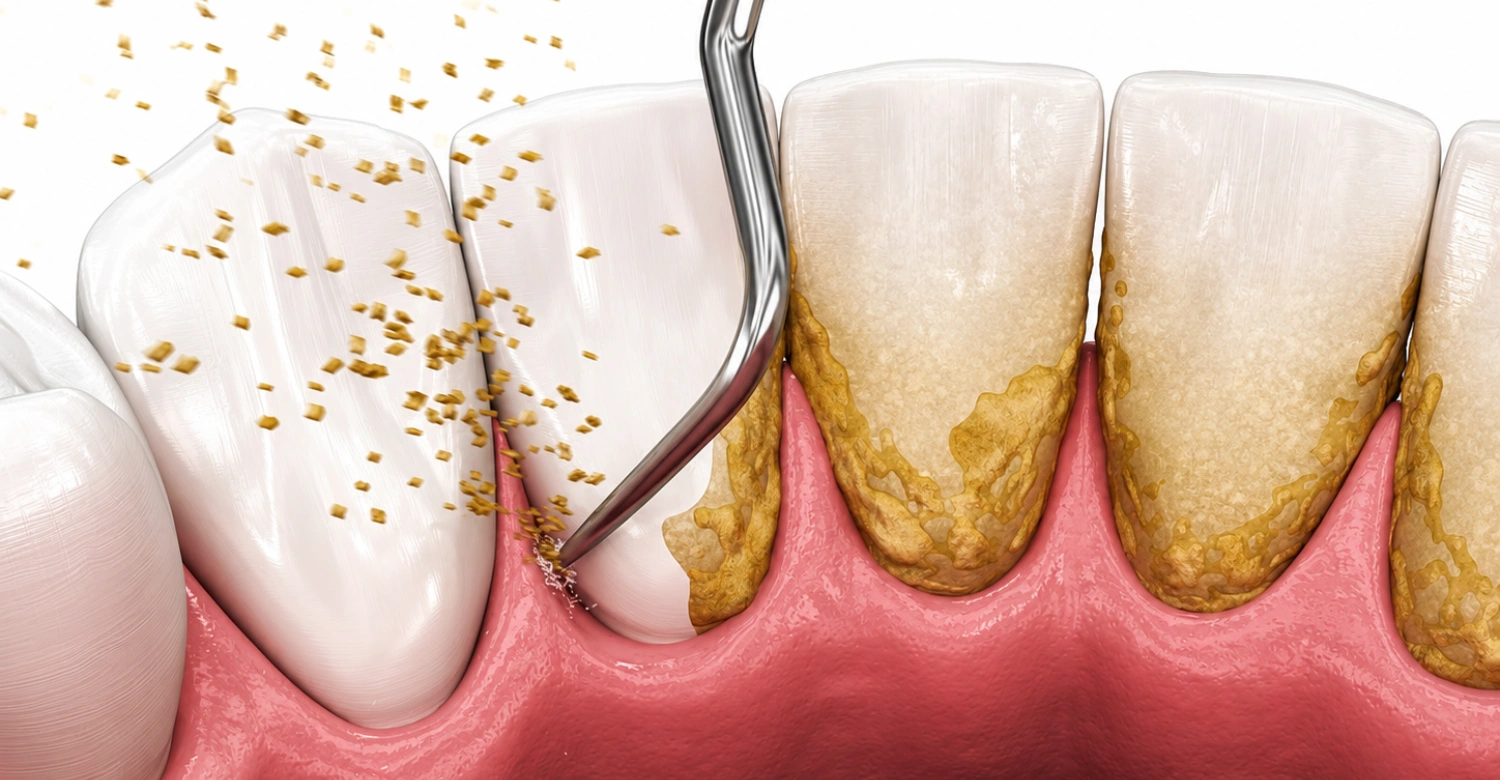
It is a clinical procedure targeting areas below the gumline. Bacteria and tartar accumulate in these deep periodontal pockets. Hygienists or periodontists use specialized instruments to remove hardened deposits from root surfaces. Commonly known as scaling and root planing, this procedure differs significantly from routine cleaning.
What Is Periodontal Cleaning vs Regular Cleaning?
Understanding this distinction is essential for every patient. Regular cleaning removes plaque and tartar from the tooth surface and just below the gumline. In contrast, specialized therapy goes much deeper. It targets pockets of 4mm or more to eliminate bacterial biofilm. The main goal is treating active infection and halting gum disease.
Periodontal Cleaning vs Routine Cleaning: Clinical Differences
Key clinical differences exist between these two approaches. Routine cleanings, known as prophylaxis, are preventive treatments for healthy gums. Periodontal therapy is prescribed specifically for diagnosed gum disease. It involves local anesthesia, multi-visit appointments, and detailed root debridement. After treatment, patients transition to regular maintenance cleanings.
Periodontitis Cleaning and Periodontal Disease Cleaning Explained
Periodontal disease cleaning targets bacterial infection beyond the gumline. Periodontitis cleaning addresses toxin accumulation that causes bone destruction. Left untreated, this infection can lead to tooth loss. Dental professionals assess pocket depths and X-rays to determine treatment extent. Early intervention consistently delivers the best long-term outcomes.
Understanding Periodontal Pocket Cleaning and Gum Measurements
Gum measurements called probing guide the periodontal pocket cleaning process. Healthy gum pockets measure 1–3mm. Pockets of 4mm or deeper signal active disease and require intervention. Clinicians map the entire mouth before and after treatment. Thorough cleaning ensures bacteria cannot re-colonize root surfaces, supporting long-term tissue stability.
Common Patient Concerns About Periodontal Cleanings
Patients often have important questions before their first appointment. Will it hurt? How long will it take? Addressing these concerns reduces anxiety and improves treatment compliance. Clear expectations ensure lasting results and healthier gums.
Does Periodontal Cleaning Hurt?
Some sensitivity is expected, especially in areas with deep pockets or inflammation. Most clinicians apply local anesthesia to manage discomfort during the session. Mild soreness can last a few days after treatment. Over-the-counter pain relief is usually sufficient. Patients with severe anxiety can request sedation options.
How Long Does a Periodontal Cleaning Take?
Most patients require multiple appointments. A single quadrant of the mouth typically takes 45 to 60 minutes. Treatment for all four quadrants is often split into two separate visits. Mild cases may be completed in one extended session. Duration depends on disease severity and pocket depth.
How Long Does Periodontal Cleaning Take in Advanced Cases?
Advanced cases with pockets exceeding 6mm may require three to four appointments. Each session focuses on a specific quadrant for thorough root debridement. Follow-up visits assess tissue healing before proceeding further. Advanced care may also incorporate laser therapy or adjunctive antibiotics for complete bacterial control.
Can Periodontal Cleaning Be Done at Home?
This type of cleaning cannot be performed at home. Brushing, flossing, and rinses support gum health, but they cannot remove subgingival calculus. Only trained dental professionals with specialized instruments can perform this therapy. Home care supports professional treatment, but it cannot replace it. Delaying care increases disease complexity and costs.
Periodontal Deep Cleaning and Available Treatment Options
Periodontal deep cleaning includes multiple evidence-based options tailored to disease severity. Today's protocols range from conventional scaling to advanced laser therapy. Vitrin Clinic offers a full spectrum of deep cleaning treatments in a modern environment.
Periodontal Deep Cleaning and Deep Periodontal Cleaning Explained
Periodontal deep cleaning removes calculus and infected tissue from above and below the gumline. It cleans root surfaces in pockets that routine tools cannot reach. Performed under local anesthesia across multiple visits, this procedure remains the primary non-surgical treatment for moderate to severe periodontitis.
Periodontal Scaling and Root Cleaning (Deep Cleaning Periodontal Therapy)
Deep cleaning periodontal therapy involves two key steps. First, scaling removes calcified deposits from tooth and root surfaces. Next, root planing smooths root surfaces to prevent bacterial reattachment. Together, these steps reduce pocket depth and promote tissue healing before surgical options are considered.
Deep Cleaning for Periodontal Disease and Infection Control
Deep cleaning for periodontal disease is fundamentally about infection control. Subgingival bacteria release harmful toxins that destroy bone tissue. Removing the bacterial source interrupts this infection cycle. Clinicians may also place local antibiotics into pockets to accelerate healing and reduce bacterial load.
Periodontal Laser Cleaning: Modern Approach to Gum Therapy
Periodontal laser cleaning is a modern, minimally invasive alternative. Concentrated light energy selectively removes infected tissue and sterilizes pockets without cutting healthy tissue. This technique results in less bleeding and faster recovery. It is highly effective for deep pockets or recurring infections.
Best Deep Cleaning Method for Periodontal Issues
The ideal deep cleaning method depends on disease severity and overall health. Scaling and root planing works well for mild to moderate cases. Laser cleaning is preferred for deeper pockets and faster recovery. Combining scaling with laser decontamination offers the most thorough bacterial elimination.
Periodontal Maintenance vs Cleaning: What Happens After Treatment?
Understanding maintenance versus routine cleaning is essential after active therapy. Focus shifts from eliminating infection to preventing recurrence. Maintenance appointments monitor pocket depths, assess tissue health, and remove new bacterial deposits regularly.
What Is Periodontal Maintenance Cleaning?
It is a specialized follow-up protocol for patients completing active therapy. The procedure includes thorough subgingival debridement, updated measurements, and home care reviews. Appointments are typically scheduled every three to four months based on individual risk factors.
What Is Periodontal Maintenance Cleaning and How Often Are They Needed?
These ongoing visits sustain initial therapy results. Most patients need appointments every three months during the first year. Intervals may extend to four months if conditions stabilize. High-risk patients, such as smokers or diabetic individuals, may require ongoing three-month visits.
Periodontal Maintenance Cleanings vs Routine Dental Cleanings
Maintenance cleanings differ from routine cleanings in scope, frequency, and clinical purpose. Routine cleanings are preventive visits for healthy gums, scheduled twice yearly. Maintenance cleanings are therapeutic follow-ups scheduled every three to four months to manage past infection and protect bone health.
Periodontal Cleaning Before and After: Expected Results
Before and after comparisons reveal clear improvements in gum health. Patients notice reduced bleeding, less swelling, and fresher breath. Clinical measurements show reduced pocket depths and better bone stability over time.
Periodontal Deep Cleaning Teeth Before and After Changes
Before and after photos show visible changes in gum tissue. Before treatment, gums appear red, swollen, and bleed easily. After treatment, tissues become firm and pink. Slight root exposure may occur as swelling resolves, signaling that tissue has successfully healed.
Periodontal Cleaning Before and After Gum Healing
Gum healing progresses steadily in the weeks following treatment. Tissue gradually reattaches to clean root surfaces, bleeding stops, and sensitivity decreases. Following home care instructions and attending maintenance visits ensures optimal healing results.
Long-Term Benefits of Periodontal Teeth Cleaning
Benefits extend far beyond oral health. Research links untreated gum disease to heart disease, diabetes, and respiratory illnesses. Treating active infection reduces systemic inflammation. Preserving natural teeth also avoids the high costs of future implants, bridges, or dentures.
Periodontal Cleaning Cost: What Patients Should Know
Costs vary based on disease extent, number of quadrants treated, and technology used. Insurance coverage and treatment complexity also influence final fees. Understanding pricing options helps patients plan financially without delaying necessary care.
How Much Does Periodontal Cleaning Cost?
In most practices, the cost per quadrant ranges from $150 to $350 USD. Full-mouth treatment can total $600 to $1,400 or more. Final costs depend on disease severity, anesthesia needs, and clinical equipment. Patients should always request an itemized estimate upfront.
How Much Is a Periodontal Cleaning on Average?
The average full-mouth cost without insurance typically ranges from $500 to $1,500. In destination clinics like Vitrin Clinic in Turkey, costs are significantly lower while maintaining clinical excellence. Transparent consultations ensure full clarity on treatment pricing.
Cost of Periodontal Cleaning by Severity
Mild gingivitis costs considerably less than advanced periodontitis requiring multi-visit therapy. Moderate cases with 4-6mm pockets fall in the mid-range. Severe cases involving bone loss or laser therapy reach higher price ranges. Precise estimates require full clinical charting.
Periodontal Cleaning Cost With Insurance
Many insurance plans cover 50% to 80% of scaling and root planing costs when medically necessary. Out-of-pocket expenses usually range from $75 to $400 per quadrant. Patients should verify coverage limits, deductible requirements, and waiting periods beforehand.
Periodontal Cleaning Cost Without Insurance
Without insurance, full-mouth treatment can range from $600 to over $2,000. However, delaying care increases overall treatment complexity and cost. Flexible payment plans and affordable options abroad, such as in Turkey, help manage out-of-pocket expenses effectively.
Is Periodontal Cleaning Covered by Insurance?
Yes, most plans cover this procedure when prescribed as medically necessary therapy. Standard prophylaxis rules do not apply; it usually falls under basic or major dental benefits. Always confirm coverage policies directly with your insurance provider prior to scheduling.
Dental Insurance That Covers Periodontal Cleaning
Comprehensive dental insurance classifies scaling and root planing as therapeutic treatment. Coinsurance rates and annual maximums vary across plans. Patients traveling for dental tourism should confirm whether their policies cover international procedures.
How Much for Periodontal Cleaning in Different Treatment Plans?
Pricing depends on whether you select standard debridement, laser-assisted care, or antibiotic therapy. Basic quadrant treatment starts at lower rates, while full-arch laser therapy costs more. Destination clinics offer reduced pricing for internationally standardized care.
Choosing the Right Provider for Periodontal Cleaning Near Me
Choosing the right provider requires evaluating clinical expertise and available technology. Not all clinics offer complete periodontal care options, such as lasers and advanced maintenance programs. Research credentials carefully before committing to a provider.
What to Look for in a Clinic Offering Deep Cleaning for Periodontal Disease
Prioritize comprehensive diagnostics, experienced periodontists, and varied treatment options. Reliable clinics perform full-mouth charting before starting therapy. Look for transparent pricing, patient reviews, clear follow-up protocols, and documented treatment outcomes.
Why Experience Matters in Periodontal Scaling and Root Cleaning
Experience is critical due to the precise technical skills required at various pocket depths. Trained specialists achieve thorough debridement while minimizing tissue trauma. Experienced professionals prevent damage to root surfaces and reduce relapse risks.
Periodontal Cleaning Vista and Location-Based Considerations
Location impacts both treatment costs and appointment availability. High local costs lead many patients to consider international options. Dental tourism provides accessible, high-quality care at accredited international centers like Vitrin Clinic in Turkey.
Professional Dental Advice to Prevent the Need for Deep Periodontal Cleaning
Prevention is the best strategy against severe gum infection. While active therapy controls disease, proper daily care prevents deep cleaning requirements. Consistent oral hygiene and routine checkups maintain long-term gum stability.
Daily Oral Care to Support Periodontal Health
Maintain a strict home care routine. Brush twice daily using a soft toothbrush, angling bristles toward the gumline. Floss daily to remove subgingival plaque. Antimicrobial rinses further lower bacterial levels and help maintain professional treatment results.
Early Signs of Deep Cleaning Periodontal Disease
Recognizing early symptoms prevents disease progression. Watch for persistent bad breath, bleeding during brushing, gum recession, or loose teeth. Prompt evaluation allows minor intervention before deep periodontal therapy becomes necessary.
Preventing the Progression of Periodontitis Cleaning Needs
Preventing disease progression requires professional care and personal discipline. Adhere strictly to maintenance schedules and home care routines. Managing risk factors like tobacco use and uncontrolled diabetes significantly protects gum tissue integrity.
When Should You Schedule a Periodontal Cleaning Consultation?
Schedule a consultation early to avoid permanent structural damage. Waiting until symptoms become severe increases treatment complexity. Early evaluation protects natural teeth and reduces overall care costs.
Warning Signs That Indicate You Need Periodontal Cleanings
Key warning signs include bleeding gums, bad breath, swollen or receding tissues, and loose teeth. Chewing pain or root sensitivity also indicates active infection. Consult a dental specialist immediately if you experience these symptoms.
Booking a Comprehensive Periodontal Evaluation
A comprehensive evaluation is the first step toward recovery. Clinicians perform periodontal probing, review digital X-rays, and assess supporting bone levels. This process establishes an accurate baseline and guides appropriate treatment planning.
Periodontal Cleaning at Vitrin Clinic
Vitrin Clinic provides patient-centered care backed by experienced specialists and modern technology. From diagnosis to maintenance, treatment is delivered with clinical precision. International patients benefit from high standards and transparent pricing structures.
Advanced Technology for Periodontal Deep Cleaning
Vitrin Clinic uses digital probing systems and state-of-the-art laser technology. Laser cleaning minimizes patient discomfort and speeds recovery times. Advanced imaging ensures precise assessment of bone levels throughout therapy.
Personalized Periodontal Maintenance Programs
Vitrin Clinic tailors maintenance programs to individual risk profiles. Clinicians monitor progress and adjust visit intervals accordingly. These customized schedules help patients retain long-term health and prevent disease relapse.
Transparent Approach to How Much Does a Periodontal Cleaning Cost
Vitrin Clinic maintains complete pricing transparency. Patients receive itemized cost estimates prior to starting care. Comprehensive pricing includes diagnostics, local anesthesia, treatment sessions, and follow-up visits without hidden fees.
When Advanced Periodontal Procedures Are Necessary
Not every case of gum disease responds fully to non-surgical deep cleaning. Surgical options become necessary when pockets remain deep or bone loss continues. Recognizing failure signs early protects supporting structures from permanent loss.
Signs Deep Cleaning May Not Be Enough
Several clinical indicators show that deep cleaning may not be sufficient. Persistent bleeding weeks after treatment and pockets deeper than 5mm signal ongoing infection. Continued bone loss on X-rays and swollen tissues also indicate persistent disease.
Loose teeth, new gaps, or pus at the gumline require immediate re-evaluation. Addressing these signs early prevents severe complications. Timely action ensures appropriate intervention before irreversible damage occurs.
Overview of Surgical Options vs. Non-Surgical Therapy
When non-surgical therapy fails, periodontists offer surgical alternatives. Flap surgery provides direct access to root surfaces and bone defects. Bone grafting and tissue regeneration rebuild lost support structures. Gum grafting treats recession effectively.
Choosing between maintenance and surgery requires clinical guidance. Periodontists evaluate pocket depth, tissue response, and remaining bone support. Clear expectations help patients navigate surgical options comfortably.
What Happens If Gum Disease Is Left Untreated?
Untreated gum disease causes damage far beyond the mouth. It progresses from mild inflammation to severe destruction of bone and ligaments. Over time, teeth loosen, shift, and eventually fall out.
Chronic oral infection also impacts systemic health. Bacteria and inflammation spread through the bloodstream, increasing risks for heart disease and diabetes. Early treatment prevents costly, complex interventions later.
Smoking and Dental Implant Success Post-Therapy
Smoking significantly impairs healing after periodontal therapy. It reduces blood flow to the gums, increasing treatment failure risks. This issue is critical for patients requiring dental implants after tooth loss.
Smokers face higher risks of peri-implantitis and implant failure. Quitting smoking during healing protects both natural tissues and dental implants. Preserving tissue health ensures long-term treatment success.
When Do You Need a Periodontal Dentist vs. General Hygienist?
General hygienists handle routine cleanings and standard scaling for mild cases. However, complex cases require specialist care. Periodontists possess advanced training to manage severe infection and surgical needs.
Referrals are necessary for deep pockets, significant bone loss, or recurring disease. Patients with complex health conditions also benefit from specialist management. Choosing the right clinician ensures optimal health outcomes.
Why Patients Choose Vitrin Clinic for Periodontal Care
Vitrin Clinic views periodontal therapy as a long-term clinical relationship. Every treatment plan begins with full diagnostic evaluations and digital imaging. Care is tailored to each patient's specific health profile.
International patients receive thorough care, detailed documentation, and transparent pricing estimates. This structured approach allows confident decision-making regarding treatment and costs.
What We Notice Clinically
Dr. Rifat Alsaman, Head of the Medical Team at Vitrin Clinic, emphasizes maintenance compliance. Relapse usually occurs when patients skip follow-up appointments after symptoms improve. Regular maintenance visits prevent disease recurrence.
Clinical data shows that three-to-four-month intervals maintain healthy pocket depths long-term. Consistent care protects patients from requiring repeated deep cleanings in the future.
Clinical Note: Early gum disease causes no pain and easily goes unnoticed at home. Comprehensive probing and X-rays reveal pocket depths before visible symptoms appear. Screening detects infection before irreversible damage occurs.
Tips for Patients: Use a soft toothbrush and clean gently along the gumline post-treatment. Floss daily to prevent bacterial buildup. Attending scheduled maintenance visits ensures lasting treatment success.
References:
Periodontal cleaning is essential for managing gum health and stopping disease progression. Long-term success depends on consistent daily hygiene and regular professional maintenance. Clinical research confirms that professional therapy combined with home plaque control sustains optimal oral health.
https://pubmed.ncbi.nlm.nih.gov/26113099/
https://www.ncbi.nlm.nih.gov/books/NBK401538/
https://www.ncbi.nlm.nih.gov/books/NBK401539/
FAQs
Dr. Rifat Alsaman has more than 5 years of clinical experience in dentistry and currently serves as the Head of the Medical Team at Vitrin Clinic. He is dedicated to providing exceptional patient care, overseeing treatment planning, and ensuring the highest clinical standards across the team. His expertise, attention to detail, and commitment to continuous professional development have helped countless patients achieve healthier, more confident smiles.


