Periodontics
March 18, 2026
Understanding Periodontal Infection: Causes, Treatments, and Prevention
 Dr. Rifat Alsaman
Periodontal Infection is a common bacterial disease that affects the tissues surrounding and supporting the teeth, making it essential to understand for anyone concerned about long-term gum health. Affecting millions of people worldwide, this condition can lead to serious oral and systemic health complications if left untreated. It ranges from mild gum inflammation to advanced bone loss and tooth mobility that may require comprehensive treatment. Recognizing the early signs is crucial, as timely intervention can prevent disease progression and reduce the need for extensive therapy or tooth extraction. From understanding what a gum infection is to exploring treatment options, recognizing localized infection within the periodontal sulcus, and learning about its impact on overall health, this comprehensive guide provides valuable insights into preventing and managing periodontal infection.
This article covers periodontal infection antibiotics, natural treatment, and ICD-10 coding. It also explains periodontal infection meaning in clear terms. Readers searching periodontal infection Coeur d Alene or asking is periodontal disease a bacterial infection will find answers here. This guide offers evidence-based information for patients. It helps them make informed decisions about treatment for periodontitis gum infection and related conditions.
What Is a Periodontal Infection?
Periodontal infection is a bacterial disease affecting the gums and supporting structures of teeth. It's caused primarily by pathogenic microorganisms colonizing areas below the gumline. Understanding what is a periodontal infection helps patients recognize symptoms early. Early recognition means seeking treatment before the condition advances. The bacterial nature of this disease makes it preventable through proper hygiene. It's also treatable through medical and natural approaches when diagnosed promptly. Recognizing early periodontal abscess symptoms is vital for preventing the spread of oral bacteria throughout the body.
Definition and Meaning of Periodontal Infection
Periodontal infection meaning covers inflammatory conditions affecting the tissues surrounding teeth. This includes the gums, periodontal ligaments, and supporting bone. These conditions are caused by bacterial invasion and the body's immune response. The condition begins when pathogenic bacteria colonize the space between gums and teeth. This triggers inflammatory reactions that progressively destroy supporting structures if untreated. Understanding this disease helps patients see why professional intervention matters. It controls bacterial populations and prevents irreversible damage to teeth and surrounding tissues.
Localized Infection Within the Periodontal Sulcus
Localized infection within the periodontal sulcus occurs when bacteria accumulate in the small space between the tooth and gum. This creates pockets that harbor pathogenic organisms. This localized infection within the periodontal sulcus represents the initial stage of gum disease. Bacterial colonization begins here before spreading to deeper structures. Early detection and treatment of localized bacteria prevents progression to more severe forms. This professional intervention helps prevent bone loss and tooth loss.
Is Periodontal Disease a Bacterial Infection?
Is periodontal disease a bacterial infection? Yes, this condition is fundamentally a bacterial disease. It's caused by specific pathogenic microorganisms that colonize subgingival areas. These bacteria produce toxins that damage gum tissue. This bacterial nature explains why antibiotics and antimicrobial treatments prove effective. They work best when combined with mechanical cleaning procedures. Understanding the bacterial cause helps patients see why eliminating the source matters. Excellent oral hygiene then prevents bacterial recolonization.
Causes and Risk Factors of Periodontal Infection
Gum disease develops through complex interactions between pathogenic bacteria and individual immune responses. Environmental and genetic factors also influence disease susceptibility and progression. Understanding causes and risk factors helps patients identify personal vulnerabilities. Patients can then implement strategies that reduce their likelihood of developing periodontitis gum infection. Some factors are modifiable through lifestyle changes, while others require professional management. Infections often originate and multiply rapidly within deep gum pockets. These pockets are incredibly difficult to clean at home.
Poor Oral Hygiene and Plaque Buildup
Poor oral hygiene allowing plaque accumulation represents the primary cause. Bacterial biofilms colonize tooth surfaces and subgingival areas without regular mechanical removal. Inadequate brushing and flossing let pathogenic bacteria establish infections in periodontal tissues. This initiates inflammatory processes that progressively destroy supporting structures over time. Consistent, thorough oral hygiene practices prevent plaque buildup and associated gum disease. They protect tissues from bacterial invasion and inflammatory damage.
Genetics and Systemic Health Conditions
Genetic predisposition influences individual susceptibility to gum disease. Some people experience more aggressive disease despite adequate oral hygiene, due to inherited immune response patterns. Systemic conditions including diabetes, cardiovascular disease, and immune disorders significantly increase risk. They do this by altering immune function and tissue healing capacity. Understanding genetic and systemic factors helps patients and practitioners develop comprehensive strategies. These strategies address both oral and systemic health for optimal outcomes.
Lifestyle Factors That Increase Risk
Lifestyle factors including smoking, stress, poor nutrition, and inadequate sleep significantly elevate risk. They do this by compromising immune function and tissue healing capacity. Smoking represents the most significant modifiable risk factor. It dramatically increases disease severity, progression rate, and treatment failure likelihood compared to non-smokers. Addressing lifestyle factors through behavior modification reduces risk. It also improves treatment outcomes once disease requires professional intervention.
Symptoms and Diagnosis
Recognizing symptoms early enables timely intervention. This prevents progression to advanced stages that require extensive treatment or result in tooth loss. Symptoms range from subtle early warning signs, easily overlooked, to obvious advanced manifestations. These advanced signs indicate significant tissue destruction and bone loss. Professional diagnosis combines clinical examination, radiographic imaging, and sometimes microbiological testing. This helps accurately assess severity and guide treatment planning.
Early Warning Signs of Periodontal Infection
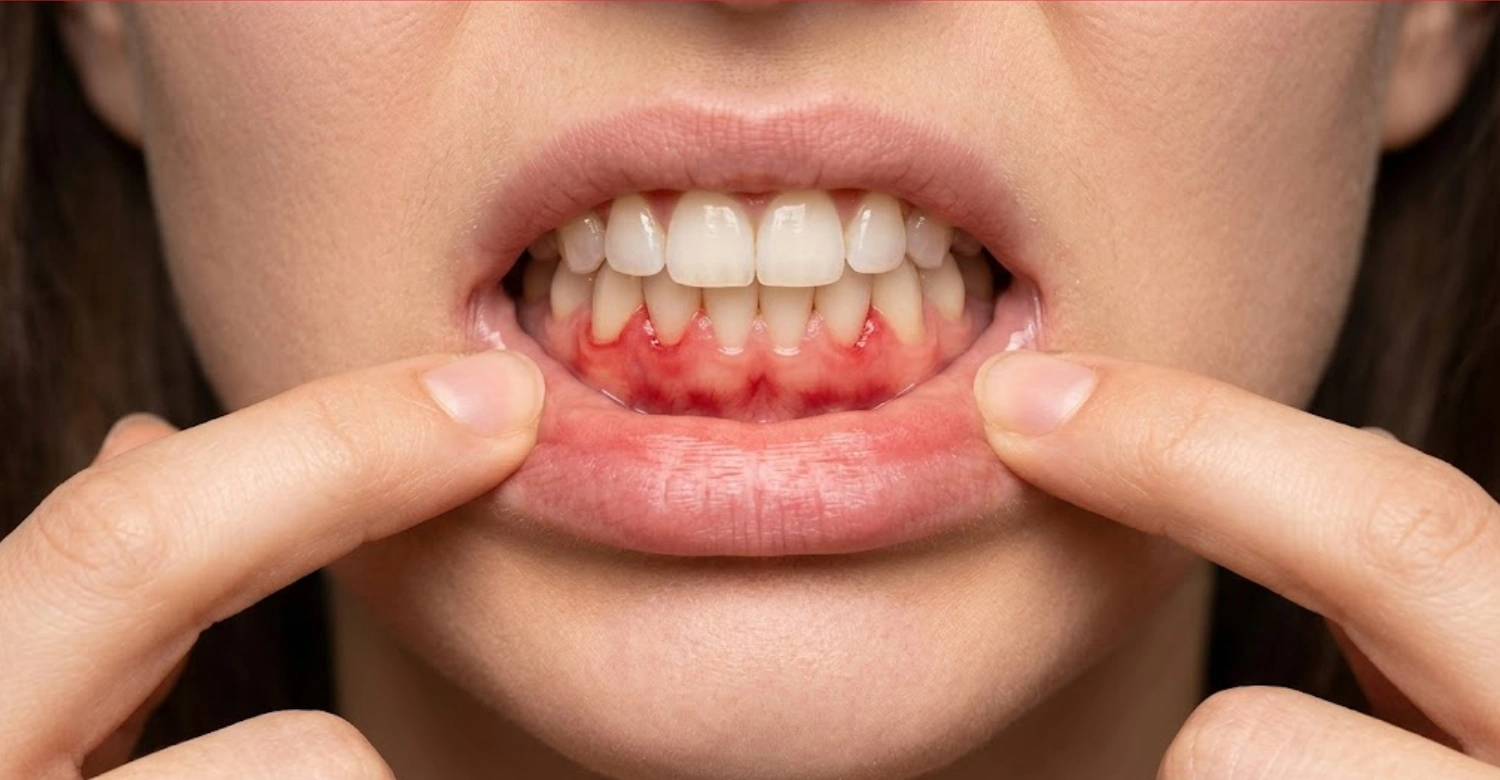
Early warning signs include bleeding gums during brushing or flossing, and persistent bad breath. Other signs include gum redness, swelling, and slight gum recession. These initial symptoms indicate developing disease that needs professional evaluation. Treatment should start before the disease progresses to more severe stages affecting bone and tooth stability. Recognizing early signs and seeking prompt treatment prevents advancement to periodontitis. This preserves natural teeth and avoids complex interventions needed for advanced disease.
Periodontitis Gum Infection: Advanced Symptoms
Periodontitis gum infection advanced symptoms include deep periodontal pockets and visible pus between teeth and gums. Other signs are loose or shifting teeth and significant gum recession exposing tooth roots. These manifestations indicate severe disease with substantial bone loss and tissue destruction. Comprehensive treatment is needed to prevent further deterioration and tooth loss. Advanced periodontitis symptoms need immediate professional intervention. Delays allow continued bacterial destruction of supporting structures, which can lead to tooth extraction. Understanding the high prevalence of gum disease shows why regular dental checkups matter for adults.
How Dentists Diagnose Periodontal Infection (Including ICD-10 Codes)
Dentists diagnose through comprehensive examination, including periodontal probing and radiographic analysis. They also assess tooth mobility and evaluate bleeding and suppuration patterns. The periodontal infection ICD 10 coding system classifies various forms of gum disease. These standardized diagnostic codes help with insurance billing and epidemiological tracking. Professional diagnosis determines severity and guides appropriate treatment selection. It also establishes baseline measurements for monitoring healing progress and long-term success.
Treatment Options for Periodontal Infection
Treatment encompasses various approaches, from non-surgical mechanical cleaning to advanced laser therapies. Surgical interventions may also be needed, depending on disease severity and progression. Effective care combines professional intervention that eliminates bacterial sources with patient home care. This home care maintains a clean oral environment, preventing reinfection and supporting healing. Understanding available options helps patients make informed decisions about their care. It also helps them commit to necessary interventions and maintenance.
Periodontal Infection Treatment: Conventional Methods
Conventional periodontal infection treatment begins with non-surgical approaches, including scaling and root planing. These procedures mechanically remove bacterial deposits and diseased tissue from tooth surfaces. Professional cleaning eliminates bacterial sources, creating conditions favorable for healing. This allows tissue to reattach to the tooth roots after bacterial removal and surface preparation. Conventional methods prove highly effective for mild to moderate disease. They prevent progression and often reverse early stages when combined with excellent home care.
Scaling and Root Planing
Scaling and root planing represents the gold standard non-surgical therapy. It mechanically removes plaque, calculus, and bacterial toxins from tooth surfaces above and below the gumline. This deep cleaning procedure smooths root surfaces and removes bacterial deposits. It creates conditions favorable for gum tissue reattachment and healing. Effectiveness for controlling disease depends on thorough execution and patient compliance with home care. Regular maintenance also helps prevent bacterial recolonization.
Periodontal Infection Antibiotics
Periodontal infection antibiotics serve as adjunctive therapy alongside mechanical cleaning. They control bacterial populations that resist physical removal alone in certain situations. Common medications include doxycycline, amoxicillin, and metronidazole. These can be prescribed systemically or delivered locally within periodontal pockets for targeted reduction. Antibiotics prove particularly valuable for aggressive cases and patients with systemic complications. They also help when mechanical therapy alone proves insufficient.
Natural Treatment for Periodontal Infection
Periodontal infection natural treatment approaches include antimicrobial mouth rinses, oil pulling, and dietary modifications. Herbal remedies and supplements that support immune function and tissue healing are also used. Natural treatments complement rather than replace professional care. They provide adjunctive support for controlling bacteria and healing when combined with conventional therapy. Evidence supporting natural approaches varies. Some show promise, while others lack rigorous scientific validation, so professional guidance matters when using natural remedies.
Advanced Therapies and Laser Treatments
Advanced options include laser therapy, which precisely targets infected tissue while preserving healthy gums. This promotes superior healing compared to conventional approaches. Laser treatments offer minimally invasive alternatives to traditional surgery. They reduce discomfort, bleeding, and recovery time while achieving excellent bacterial reduction. These innovative therapies represent significant advances in managing gum disease. They provide effective options for patients seeking alternatives to conventional surgery.
Impact of Periodontal Infection on Overall Health
The impact of periodontal infection on systemic health extends far beyond the mouth. Research links gum disease to cardiovascular disease, diabetes complications, respiratory infections, and pregnancy complications. Understanding these systemic connections shows why treatment matters, not just for oral health but for overall wellness. The inflammatory burden from chronic bacterial disease affects entire body systems. This makes comprehensive treatment essential for protecting both oral and systemic health. If tooth loss occurs due to infection, you can explore Vitrin Clinic full mouth implants to restore your smile completely.
Systemic Health Risks Linked to Gum Disease
Systemic health risks include increased cardiovascular disease risk, diabetes complications, and respiratory infections. Adverse pregnancy outcomes and potential connections to cognitive decline are also linked. The impact of periodontal infection on systemic health occurs through multiple mechanisms. These include bacterial dissemination, systemic inflammation, and immune system activation affecting distant organs. Recognizing these connections motivates patients to prioritize treatment. Treatment becomes an essential part of comprehensive health management, not an isolated oral concern.
Preventing Complications Through Early Care
Preventing complications through early treatment reduces systemic health risks. It also preserves natural teeth and supports oral structures through timely intervention. Early detection and comprehensive management prevent progression to advanced stages. This minimizes the systemic inflammatory burden that affects overall health. Proactive care represents a wise investment in both oral and systemic wellness. It can prevent serious health complications and reduce healthcare costs.
The Bidirectional Nexus: Periodontal Infection and Glycemic Control in Diabetes
Periodontal infection and diabetes share a bidirectional relationship that every patient with blood sugar concerns should understand. Research shows that periodontal disease and diabetes glycemic control are closely linked. Each condition can worsen the other when left unmanaged. Uncontrolled periodontal infection raises systemic inflammation, making it harder for insulin to regulate blood glucose. At the same time, poorly controlled diabetes weakens the immune response. This allows periodontal infection to progress more aggressively. This two-way cycle means that improving one condition often supports better management of the other. Integrated dental and medical care is essential for diabetic patients.
Diabetic Patient Periodontal Susceptibility
Diabetic patient periodontal susceptibility is significantly higher than in the general population. This is due to compromised wound healing and elevated blood sugar feeding oral bacteria. Diabetics face greater risk of developing periodontal infection and experience more severe symptoms. They often see slower healing after treatment too. Understanding diabetic patient periodontal susceptibility helps clinicians recommend closer monitoring and more frequent cleanings. Stricter home care routines are also recommended for patients managing both conditions.
Understanding the Metabolic Burden: How Chronic Oral Inflammation Disrupts Insulin Sensitivity
Chronic periodontal infection triggers a steady release of inflammatory molecules into the bloodstream. This contributes to insulin resistance and oral inflammation throughout the body. These inflammatory markers interfere with the way cells respond to insulin. This makes it harder for glucose to move out of the blood and into tissues where it's needed. This explains how gum infection affects blood sugar levels, even in patients who manage their diet and medication carefully. Treating periodontal infection promptly can measurably reduce this metabolic burden. It supports better glycemic control alongside standard diabetes management.
What We Notice Clinically
Dr. Rifat Alsaman, Head of the Medical Team at Vitrin Clinic, is a cosmetic dentist. He notes that many diabetic patients arrive unaware their blood sugar struggles may connect to gum health. According to Dr. Rifat Alsaman, patients who treat their periodontal infection frequently report easier glycemic control within a few months. Dr. Rifat Alsaman, Head of the Medical Team at Vitrin Clinic, also observes that diabetic patients need more frequent visits. These maintenance visits help prevent periodontal infection from returning. In his clinical experience, Dr. Rifat Alsaman emphasizes coordinating care with a patient's physician. This produces the best long-term outcomes for both oral and metabolic health.
Clinical Note
Patients with poorly controlled diabetes often show a slower response to standard periodontal infection treatment. This is generally reflected by an HbA1c above 9%. In these cases, Vitrin Clinic frequently recommends staged therapy. This starts with an initial round of deep cleaning. A re-evaluation visit follows six to eight weeks later, rather than attempting full treatment in one session. This staged approach lets the dental team gauge how well the gum tissue is healing. The team then decides whether further intervention, such as localized antibiotics or laser therapy, is needed. Patients on insulin or oral hypoglycemics should schedule visits when blood sugar is typically most stable. They should always inform the clinic of any recent changes to their medication or diagnosis.
Expert Advice and Prevention Tips
Expert advice for preventing gum disease emphasizes consistent oral hygiene and regular professional care. Healthy lifestyle choices and prompt attention to early warning signs also matter. Prevention proves far more effective and economical than treating established disease. Daily habits and routine professional monitoring are essential for long-term gum health. Following expert recommendations significantly reduces risk and supports optimal oral health throughout life.
Daily Oral Hygiene Habits
Daily oral hygiene habits preventing gum disease include brushing twice daily with proper technique and flossing once daily. Using antimicrobial rinses when recommended and cleaning tongue surfaces also help. Thorough mechanical plaque removal prevents bacterial colonization. This protects gums and supporting structures from inflammatory damage. Consistent excellent oral hygiene is the foundation of prevention. It's complemented by professional care and healthy lifestyle choices.
Regular Dental Check-Ups
Regular dental check-ups enable early detection and intervention before significant damage occurs, preventing progression to advanced stages requiring extensive treatment. Professional cleanings remove plaque and calculus accumulation beyond reach of home care efforts, eliminating bacterial reservoirs that could initiate disease. Consistent professional monitoring identifies developing problems early, allowing conservative treatments preventing serious complications.
Lifestyle and Dietary Recommendations
Lifestyle and dietary recommendations for prevention include smoking cessation and stress management. Balanced nutrition, adequate hydration, and sufficient sleep also help. These factors influence immune function and tissue healing capacity. They affect susceptibility and treatment outcomes when disease develops. Healthy lifestyle choices complement oral hygiene and professional care. Together, they create optimal conditions for maintaining gum health and preventing bacterial problems.
Tips for Patients
Patients managing periodontal infection alongside diabetes can take practical steps to protect both their gums and their blood sugar levels.
Monitor blood glucose closely, since spikes can worsen periodontal infection and slow healing.
Schedule dental cleanings every three to four months instead of the standard six.
Brush and floss consistently to reduce bacterial load feeding oral inflammation.
Share your diabetes diagnosis with your dental team so treatment plans account for healing differences.
Avoid smoking, which compounds both diabetic complications and periodontal infection severity.
Periodontal Infection at Vitrin Clinic
Vitrin Clinic provides comprehensive periodontal infection care. This combines advanced diagnostic technology, evidence-based treatments, and personalized attention for optimal outcomes. Our expertise in managing gum disease ensures patients receive the highest quality care. We use the most effective modern techniques for controlling bacterial problems. Choosing Vitrin Clinic means partnering with professionals dedicated to preserving your natural teeth and overall health.
Comprehensive Diagnosis and Personalized Treatment Plans
Vitrin Clinic's comprehensive diagnosis includes thorough clinical examination and advanced imaging. Microbiological testing is used when indicated, along with assessment of systemic health factors. Personalized treatment plans address each patient's unique presentation, severity, and risk factors. Personal preferences are also considered for optimal outcomes and satisfaction. This individualized approach ensures appropriate, effective care tailored to specific needs rather than one-size-fits-all protocols potentially missing important patient-specific considerations.
Advanced Care for Periodontitis and Gum Infections
Vitrin Clinic offers advanced periodontal infection treatment, including laser therapy and antimicrobial treatments. Regenerative procedures and comprehensive surgical options are available when necessary for severe disease. Our periodontitis gum infection expertise combines cutting-edge technology with time-tested techniques. This gives patients a full spectrum of treatment options for optimal results. This comprehensive approach ensures access to the most appropriate, effective therapies, regardless of disease severity. Advanced options like laser periodontal treatment offer a minimally invasive way to eradicate stubborn oral infections.
Patient Testimonials and Success Stories
Patient testimonials from Vitrin Clinic highlight successful outcomes, improved gum health, saved teeth, and enhanced overall wellness following comprehensive care. Success stories demonstrate our commitment to excellence in managing gum disease, from early-stage intervention to complex cases requiring advanced therapies. These real-world results reflect Vitrin Clinic's dedication to delivering superior care that transforms lives and preserves natural smiles.
People Also Ask
How to Heal Periodontal Disease?
Healing from periodontal infection starts with professional deep cleaning to remove bacterial deposits below the gumline. Consistent daily oral hygiene at home follows. Your dentist may recommend antimicrobial rinses or, in some cases, antibiotics to control remaining bacteria. Healing progresses over several weeks as gum tissue reattaches to the tooth root, provided plaque is kept away. Regular follow-up visits confirm that the condition has stabilized and hasn't progressed further.
What Does a Periodontal Infection Look Like?
A periodontal infection typically appears as red, swollen gums that bleed easily during brushing or flossing. As it advances, gums may pull away from teeth and pus can appear at the gumline. Teeth may also look longer due to recession. In severe cases, teeth may shift position or feel loose. Persistent bad breath is another common and noticeable sign of active gum disease.
What Are the Four Signs of Periodontal Disease?
The four classic signs include bleeding gums during brushing and persistent bad breath. Gum recession exposing tooth roots and loose or shifting teeth are the other two. Any combination of these signs suggests an active periodontal infection requiring professional evaluation. Catching these signs early allows treatment before bone loss becomes severe. Ignoring them allows the disease to progress toward tooth loss.
Conclusion: Maintaining Healthy Gums and Preventing Infection
Maintaining healthy gums and preventing periodontal infection requires commitment to excellent oral hygiene and regular professional care. Healthy lifestyle choices and prompt attention to warning signs matter too. Understanding causes, symptoms, and treatments empowers patients to take proactive roles in protecting their gum health and overall wellness. The investment in prevention and early intervention pays dividends. It shows through preserved natural teeth, reduced healthcare costs, and better systemic health.
Key Takeaways About Periodontal Infection
Key takeaways include recognizing this as a preventable bacterial disease. Early detection enables conservative treatment. Systemic health connections make treatment essential beyond oral concerns. Professional care is necessary for controlling established problems. Understanding as manageable condition rather than inevitable consequence of aging motivates proactive prevention and timely treatment when problems develop. These insights help patients prioritize gum health as essential component of overall wellness deserving consistent attention and care.
How Regular Care and Early Intervention Make a Difference
Regular care and early intervention prevent progression to advanced stages requiring extensive treatment. They also preserve natural teeth, reduce systemic health risks, and minimize treatment costs. Consistent professional monitoring enables detection of developing problems before significant damage occurs, allowing conservative interventions preventing serious complications. This proactive approach represents wise investment in long-term oral and systemic health, preventing costly interventions necessary for advanced disease.
About Vitrin Clinic
Vitrin Clinic is an international dental clinic based in Istanbul, Turkey, known for combining advanced technology with personalized patient care. The clinic treats patients from around the world, offering multilingual support throughout every stage of treatment, from consultation to aftercare. Vitrin Clinic's team, led by Dr. Rifat Alsaman as Head of the Medical Team, specializes in restorative and cosmetic dentistry. This includes comprehensive periodontal infection management. Patients choose Vitrin Clinic for its transparent pricing and modern facilities. The clinic is committed to long-term oral health rather than short-term fixes.
References:
FAQs
Dr. Rifat Alsaman has more than 5 years of clinical experience in dentistry and currently serves as the Head of the Medical Team at Vitrin Clinic. He is dedicated to providing exceptional patient care, overseeing treatment planning, and ensuring the highest clinical standards across the team. His expertise, attention to detail, and commitment to continuous professional development have helped countless patients achieve healthier, more confident smiles.


