Periodontics
March 17, 2026
Non Surgical Periodontal Therapy: Complete Guide to Healthy Gums
 Dr. Rifat Alsaman
Non Surgical Periodontal Therapy is one of the most effective approaches to maintaining healthy gums and overall oral wellness. Unlike surgical methods, it treats periodontal disease without incisions, sutures, or extended recovery periods. The therapy involves procedures such as scaling and root planing. Regenerative treatments like Emdogain stimulate tissue healing and gum reattachment. Patients benefit from reduced inflammation, minimized discomfort, and long term oral health improvement. This comprehensive guide covers techniques, benefits, locations, and comparisons with surgical therapy. It also covers post-treatment expectations, so anyone considering Non Surgical Periodontal Therapy can make informed, confident choices and maintain a healthy, lasting smile.
What is Non Surgical Periodontal Therapy?
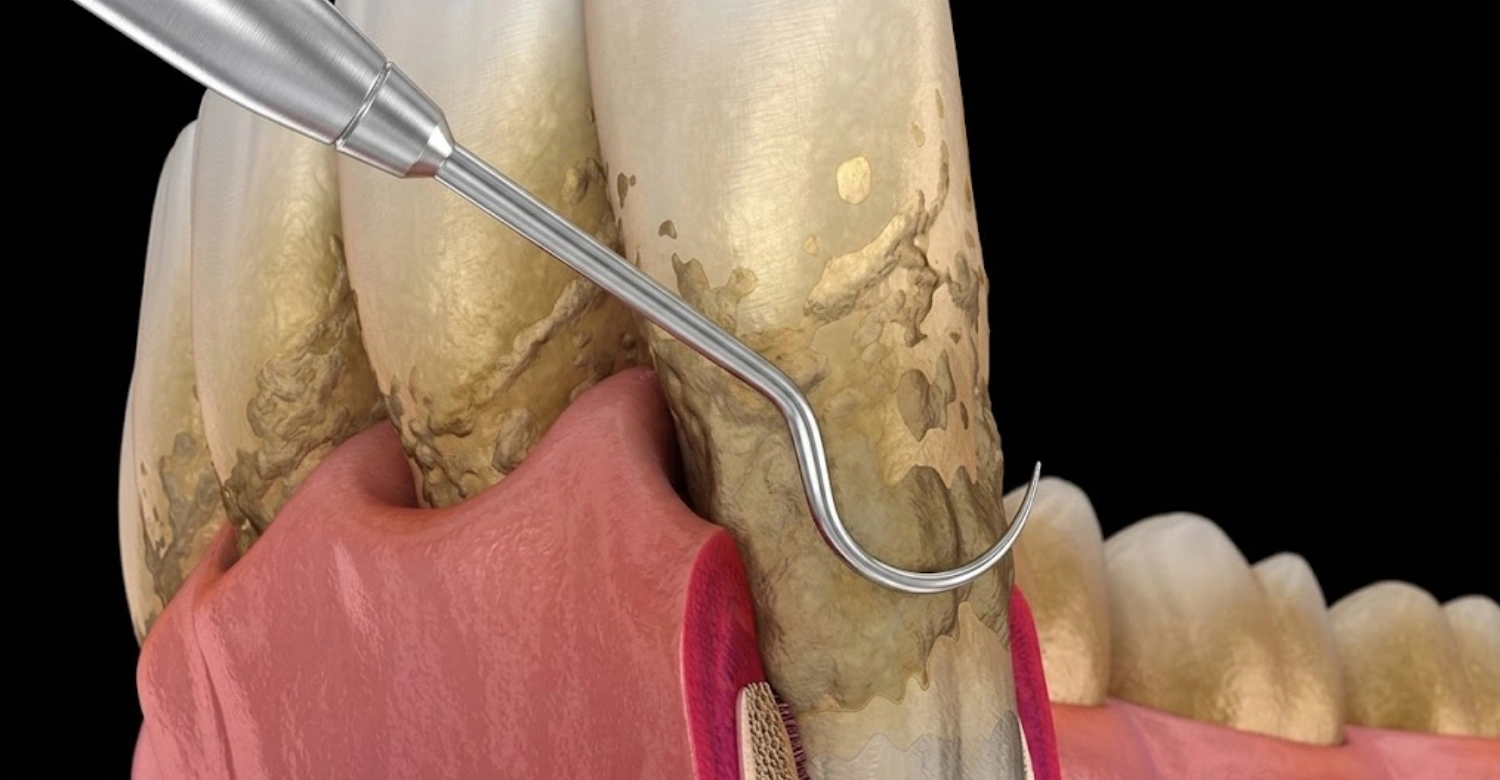
Non Surgical Periodontal Therapy is a conservative approach to treating gum disease without surgery. It targets bacterial infection, plaque, and tartar below the gumline to reduce inflammation and prevent disease progression. Procedures like scaling and root planing remove the infection. Adjunctive therapies such as Emdogain non-surgical periodontal therapy promote tissue regeneration and improve gum attachment. The therapy is ideal for patients with mild to moderate periodontal issues who want to preserve their natural teeth. Unlike surgical options, it is minimally invasive, causes less discomfort, and has a shorter recovery period. Patient education and home oral care are integral parts of achieving optimal outcomes and maintaining gum health long term.
Understanding the Basics
The foundation of Non Surgical Periodontal Therapy lies in controlling infection and promoting gum health. A thorough periodontal examination identifies pockets, bacterial colonies, and areas of inflammation. Scaling removes plaque and tartar, while root planing smooths tooth roots to encourage tissue reattachment. Advanced regenerative treatments like Emdogain enhance healing and promote bone and gum regeneration. Patients also receive educational materials, including non surgical periodontal therapy PPTs, explaining procedures, oral hygiene practices, and preventive strategies. Understanding these basics allows patients to actively participate in their care, improving compliance, comfort, and long-term success. Education is as vital as clinical procedures for maintaining periodontal health effectively.
Non Surgical vs Surgical Periodontal Therapy
Non-Surgical Periodontal Therapy focuses on minimally invasive treatment. Surgical therapy addresses severe tissue or bone loss through procedures like flap surgery, grafts, or implants. Non-surgical methods reduce discomfort and shorten recovery times. They are often the first line of treatment for early or moderate periodontal disease. Surgical therapy may be required when non-surgical approaches cannot fully control infection or regenerate tissue. Dentists typically evaluate disease severity, oral health history, and patient preferences before recommending treatment. Starting with non-surgical therapy can often prevent the need for surgery. It can still achieve excellent long-term results, making it a conservative and effective choice for gum and tooth health.
Techniques and Procedures in Non Surgical Periodontal Therapy
Non Surgical Periodontal Therapy consists of multiple procedures tailored to remove infection, restore gum health, and prevent disease progression. Techniques like scaling, root planing, and biologic regenerative therapies address plaque, tartar, and damaged tissues while avoiding surgical intervention. Properly applied, these procedures reduce inflammation, improve gum attachment, and promote long-term oral health. Patient education, maintenance visits, and consistent home care reinforce clinical treatments, maximizing effectiveness. With these strategies, non-surgical therapy provides a reliable, minimally invasive alternative to surgery. It maintains patient comfort and supports lifelong gum wellness.
Scaling and Root Planing
Scaling and root planing are the cornerstones of Non Surgical Periodontal Therapy. Scaling removes plaque and tartar deposits from above and below the gumline. Root planing smooths rough root surfaces to promote reattachment of gum tissue. These procedures reduce pocket depths, minimize bacterial colonization, and decrease gum inflammation. Typically performed over one or two visits, scaling and root planing provide immediate relief from bleeding and swelling. Dentists often pair treatment with oral hygiene instructions to reinforce proper brushing, flossing, and maintenance routines. By combining professional care with at-home practices, patients can achieve optimal periodontal health and reduce the likelihood of disease recurrence.
Emdogain Non Surgical Therapy
Emdogain non-surgical periodontal therapy enhances conventional treatment. It stimulates the regeneration of periodontal tissues, including bone, ligament, and gum attachment. Applied during scaling and root planing, Emdogain encourages healing in areas affected by moderate gum disease. This improves the overall success of non-surgical therapy. Its biologically active proteins support tissue regeneration without requiring surgery, making it a patient-friendly solution. Research demonstrates that Emdogain improves attachment levels, reduces pocket depths, and enhances overall periodontal stability. When combined with regular cleanings and home care, patients benefit from long-lasting results. The risk of disease progression drops significantly, offering an effective and minimally invasive way to manage gum health.
Educational Materials and Presentations
Patient education plays a crucial role in Non Surgical Periodontal Therapy. Dentists provide non surgical periodontal therapy PPTs or brochures explaining treatment steps, techniques, and home-care strategies. Visual aids help patients understand procedures like scaling, root planing, and Emdogain application, promoting adherence and reducing anxiety. Educational content emphasizes preventive measures such as proper brushing, flossing, and regular dental visits. Understanding the purpose and benefits of therapy empowers patients to actively participate in their care, improving outcomes. Education ensures that the positive effects of non-surgical therapy are maintained long-term. It also fosters confidence in the patient's ability to manage gum health effectively.
Benefits of Non Surgical Periodontal Therapy
Non Surgical Periodontal Therapy provides multiple benefits, making it a preferred choice for patients with periodontal concerns. Its minimally invasive nature, effectiveness, and long-term advantages make it a cornerstone of preventive dental care.
Prevents Gum Disease Progression
A primary benefit of Non Surgical Periodontal Therapy is the prevention of disease progression. By removing bacteria and plaque below the gumline, it reduces inflammation, bleeding, and the risk of tissue and bone loss. Early intervention helps maintain natural teeth and decreases the likelihood of needing surgical procedures. Patients who follow up with recommended maintenance visits and proper oral hygiene experience lasting improvements in gum health. Non-surgical therapy is particularly effective when combined with adjunctive treatments like Emdogain. This reinforces tissue regeneration and enhances periodontal stability, making it a reliable preventive solution for long-term oral wellness.
Minimally Invasive and Comfortable
Compared to surgical periodontal therapy, Non Surgical Periodontal Therapy is minimally invasive, resulting in less discomfort, swelling, and bleeding. Procedures are performed using local anesthesia or topical numbing agents, making the treatment experience more comfortable for patients. Recovery is faster, and patients can resume normal activities immediately. This gentle approach encourages compliance and helps patients maintain regular dental visits. The comfort factor also reduces dental anxiety, making non-surgical therapy suitable for a broader range of patients, including those hesitant about surgery. It still effectively manages gum disease and promotes long-term oral health.
Long-Term Oral Health Benefits
Long-term benefits of Non Surgical Periodontal Therapy include healthier gums, stronger teeth, and prevention of periodontal disease recurrence. Regular therapy, home care, and preventive checkups reduce the risk of tooth loss. They also lower systemic health complications associated with chronic gum inflammation. Patients experience improved aesthetics, fresher breath, and greater confidence in their smiles. Consistent maintenance enhances tissue regeneration and supports lasting oral health. Non surgical therapy combined with regenerative techniques such as Emdogain provides sustainable results. Patients enjoy functional and healthy gums while minimizing the need for invasive treatments over a lifetime.
Clinical Note
Non Surgical Periodontal Therapy relies on consistent maintenance, not just the initial visit. Most relapse shows up in the first three to six months after treatment, when patients skip follow-up cleanings. Regular recall visits are what keep results from reversing.
Non Surgical vs Surgical Periodontal Therapy
Choosing between non surgical vs surgical periodontal therapy requires understanding the differences, benefits, and ideal indications for each approach.
Key Differences
The primary differences between Non Surgical Periodontal Therapy and surgical periodontal therapy include invasiveness, recovery, and patient experience. Non surgical methods focus on removing plaque and tartar below the gumline, reducing inflammation, and promoting tissue healing without incisions. Surgical approaches, such as flap surgery or bone grafts, address advanced tissue or bone loss. Recovery time for non-surgical therapy is shorter, with minimal discomfort. Surgical procedures may require longer healing and more post-operative care. Dentists typically recommend non-surgical therapy as the first line treatment for mild to moderate gum disease. Surgery is reserved for severe cases or when non-surgical methods alone cannot achieve the desired outcome.
Choosing the Right Option
Selecting the appropriate therapy depends on gum disease severity, patient health, and personal preferences. Non Surgical Periodontal Therapy is generally recommended for early to moderate cases because it is minimally invasive, effective, and comfortable. Surgery may be necessary for patients with advanced bone or tissue loss or when pockets do not respond to non-surgical methods. Dentists often combine non-surgical therapy with regenerative treatments like Emdogain to enhance results. Through careful assessment and consultation, patients can choose a treatment plan that maximizes effectiveness and reduces discomfort. This helps preserve natural teeth and prevents further disease progression.
Anatomical Limitations: Reduced Efficacy in Molar Furcation Defects
Non Surgical Periodontal Therapy has clear anatomical limits, and molar furcation defects are the clearest example. Molar furcation scaling and root planing limitations become obvious once disease reaches the branching point where a molar's roots divide. Instruments cannot always reach the curved, narrow furcation area, so calculus and biofilm can persist even after thorough treatment. Class II and Class III furcation involvement typically respond less predictably to non-surgical periodontal therapy alone. Pocket depths in these zones tend to recur faster than on single-rooted teeth. For patients with molar furcation defects, dentists often combine non-surgical periodontal therapy with closer recall intervals. They may refer for surgical evaluation when non-surgical results plateau. Recognizing this anatomical limitation early helps set realistic expectations and prevents delayed treatment of areas that instruments simply cannot fully access.
Chemical Adjuncts: Local Delivery Antibiotics and Arestin Therapy
Chemical adjuncts extend what Non Surgical Periodontal Therapy alone can achieve. They help particularly in pockets that do not fully close after scaling and root planing. Arestin local delivery antibiotic periodontal therapy places minocycline microspheres directly into the periodontal pocket. The medication is released gradually over several weeks. This targeted approach reduces bacterial counts at the site without the broader effects of oral antibiotics. Arestin is most useful as an adjunct to non-surgical periodontal therapy in moderate to deep pockets. It works especially well in sites that showed limited improvement after initial treatment. Studies show a modest but measurable additional reduction in pocket depth when Arestin is added to scaling and root planing. Dentists typically reserve local delivery antibiotics for stubborn sites rather than using them across every pocket. This keeps Non Surgical Periodontal Therapy conservative and evidence based.
Alternative Protocols: Lasers, Photodynamic Therapy, and the Keyes Technique
Several alternative protocols exist alongside conventional Non Surgical Periodontal Therapy. Lasers in nonsurgical periodontal therapy are used to disinfect pockets and reduce bacterial load with minimal bleeding. They're often an adjunct to scaling rather than a replacement for it. Photodynamic therapy pairs a light-activated dye with a low-power laser to target bacteria selectively. This offers another chemical-free option for resistant sites. The Keyes technique baking soda and hydrogen peroxide protocol is an older approach that pairs these agents with mechanical debridement. It's still referenced in some non-surgical periodontal therapy discussions, though contemporary evidence for it is limited compared to standard scaling and root planing. Patients researching these alternatives should know that none currently replace mechanical debridement. They function as adjuncts within a broader non-surgical periodontal therapy plan.
Scientific Benchmarks: Long-Term Clinical Studies on Non-Surgical Efficacy
Long term clinical trials on periodontal therapy provide the evidence base supporting Non Surgical Periodontal Therapy as a first line treatment. Multi-year studies consistently show that scaling and root planing reduce pocket depth and improve clinical attachment levels. They also lower bleeding on probing in mild to moderate periodontal disease. Follow-up data at five and ten years indicate that patients who maintain regular recall visits after non-surgical periodontal therapy retain these improvements. Those who skip maintenance often see gradual relapse. Comparative trials between non-surgical periodontal therapy and surgical approaches show similar long-term attachment gains for early to moderate cases. This reinforces why non-surgical periodontal therapy remains the recommended starting point before considering surgery. These benchmarks help dentists and patients set realistic, evidence-based expectations.
Tips for Patients
Patients considering Non Surgical Periodontal Therapy get the most out of treatment by keeping a few habits consistent. Sticking to recommended recall visits, typically every three to six months, prevents the gradual relapse seen when maintenance is skipped. Brushing twice daily and flossing around molars helps protect the furcation areas that instruments can't always fully reach. Patients on adjuncts like Arestin should avoid vigorous brushing or flossing at the treated site for the first few days. Reporting any lingering swelling or bleeding promptly allows dentists to catch sites that may need a second look. This keeps Non Surgical Periodontal Therapy on track for long-term success.
People Also Ask
What are three non-surgical periodontal treatments?
The three most common non-surgical periodontal treatments are scaling and root planing, local delivery antibiotics such as Arestin, and adjunctive laser or photodynamic therapy. Each targets bacteria and inflammation below the gumline without incisions. Dentists often combine them for moderate periodontal disease.
Can periodontitis be treated without surgery?
Yes, mild to moderate periodontitis often responds well to Non Surgical Periodontal Therapy. Scaling, root planing, and adjuncts like Arestin or Emdogain can control infection and stabilize gum attachment. Surgery is typically reserved for advanced cases or sites, such as molar furcation defects, that do not respond fully to non-surgical care.
What are the alternatives to periodontal surgery?
Alternatives to periodontal surgery include non-surgical periodontal therapy with scaling and root planing, local delivery antibiotics, laser-assisted disinfection, and regenerative agents like Emdogain. These options are most effective for early to moderate periodontal disease. They can often delay or eliminate the need for surgical intervention.
What to Expect After Non Surgical Periodontal Therapy
Understanding post treatment expectations helps patients prepare for recovery and maximize outcomes.
Recovery Process
Recovery after Non Surgical Periodontal Therapy is generally straightforward and comfortable. Patients may experience mild gum tenderness, swelling, or sensitivity for a few days, which typically resolves quickly. Local anesthesia or numbing agents minimize discomfort during procedures. Dentists provide detailed instructions on oral hygiene, diet, and follow-up visits to ensure proper healing. Patients can usually resume normal activities immediately. Adhering to post-treatment care and maintaining regular dental visits helps preserve results, prevents reinfection, and supports long term periodontal health. Minimally invasive therapy allows patients to improve gum health without the prolonged downtime or discomfort associated with surgery.
Long Term Results
The long term benefits of Non Surgical Periodontal Therapy are significant. Patients often experience reduced gum pocket depths, healthier gum tissue, and stronger natural teeth. Consistent maintenance visits and proper oral hygiene support tissue regeneration and prevent recurrence of periodontal disease. When combined with adjunctive therapies like Emdogain, non-surgical therapy can promote attachment of gum tissue and bone. This minimizes the need for surgical intervention. Over time, patients enjoy improved aesthetics, fresher breath, and overall oral wellness. By committing to follow up care and preventive practices, patients can maintain the positive effects of non-surgical therapy for years. This ensures long-term oral health and functional smiles.
What We Notice Clinically
At Vitrin Clinic, Dr. Rifat Alsaman, Head of the Medical Team at Vitrin Clinic and a cosmetic dentist, notes a common pattern. Molar furcation defects are the cases where patients most often ask why Non Surgical Periodontal Therapy alone did not fully resolve their pocket depths. Dr. Rifat Alsaman explains that instrument access, not effort, is usually the limiting factor in these areas. Dr. Rifat Alsaman also observes that patients who combine scaling and root planing with local delivery antibiotics like Arestin tend to see steadier long-term stability. This holds especially true when they keep to a consistent recall schedule. In his clinical experience, Dr. Rifat Alsaman finds that setting expectations early, before treatment begins, leads to greater patient satisfaction. Non Surgical Periodontal Therapy overall works best when patients know what to expect.
Vitrin Clinic Approach to Non Surgical Periodontal Therapy
Vitrin Clinic provides comprehensive, patient centered Non Surgical Periodontal Therapy, combining advanced techniques, personalized care, and long-term maintenance programs.
Advanced Techniques
At Vitrin Clinic, dentists utilize modern equipment and technology to enhance Non Surgical Periodontal Therapy outcomes. Ultrasonic scalers, hand instruments, and biologic regenerative agents like Emdogain are used to remove bacteria, reduce pocket depths, and promote tissue regeneration. Advanced diagnostic tools, including periodontal imaging, allow precise evaluation of gum health and early detection of disease. By integrating these innovations, Vitrin Clinic ensures patients receive effective, minimally invasive care that addresses both infection and tissue restoration. This improves comfort, reduces recovery time, and provides long-lasting periodontal benefits without the need for surgery.
Patient Centered Care
Vitrin Clinic emphasizes personalized care tailored to each patient's unique needs and periodontal health status. Dentists provide step-by-step explanations, educational materials, and follow-up guidance to enhance understanding and compliance. Patients are encouraged to actively participate in their treatment through proper home care, lifestyle adjustments, and routine maintenance visits. This approach ensures optimal results, reduces the likelihood of disease recurrence, and fosters confidence in patients' ability to maintain healthy gums. Combining advanced techniques with a focus on comfort and individualized treatment makes Vitrin Clinic a trusted provider of Non Surgical Periodontal Therapy.
Vitrin Clinic
Vitrin Clinic is a dental clinic based in Istanbul, Turkey. It offers a full range of periodontal and cosmetic dental treatments to both local and international patients. The clinic's Non Surgical Periodontal Therapy protocols are overseen by Dr. Rifat Alsaman, Head of the Medical Team at Vitrin Clinic. He brings a cosmetic dentistry background to every treatment plan. Vitrin Clinic combines advanced diagnostic tools with a patient centered approach. Patients are guided through scaling, root planing, and adjunctive therapies with clear communication at every step. Patients traveling to Istanbul for treatment receive coordinated care from consultation through follow-up. This makes Vitrin Clinic a trusted option for those seeking effective, minimally invasive periodontal care.
References:
FAQs
Dr. Rifat Alsaman has more than 5 years of clinical experience in dentistry and currently serves as the Head of the Medical Team at Vitrin Clinic. He is dedicated to providing exceptional patient care, overseeing treatment planning, and ensuring the highest clinical standards across the team. His expertise, attention to detail, and commitment to continuous professional development have helped countless patients achieve healthier, more confident smiles.
.webp&w=3840&q=75)


