Invisalign
May 6, 2026
How Long Does Invisalign Take to Come In? A Complete Guide by Vitrin Clinic

If you've been researching clear aligner therapy, one of the most common questions patients ask is: how long does Invisalign take to come in? The process involves multiple stages. These range from your first consultation and digital scan to lab fabrication and final delivery. At Vitrin Clinic, we believe every patient deserves a clear, honest understanding of the full timeline. This comprehensive guide breaks down every stage so you can plan your Invisalign journey with complete confidence and zero surprises.
About Invisalign Treatment Timeline
Understanding how long does Invisalign take to come in is the essential starting point for planning your smile transformation. The timeline begins long before you ever hold a tray in your hands. It starts with booking your first consultation. Then it continues through digital scanning, treatment plan approval, lab fabrication, and final delivery. Knowing each phase in advance reduces anxiety and helps establish realistic expectations. At Vitrin Clinic, full timeline transparency is a core part of our philosophy: no vague estimates and no unexpected surprises. Once your custom trays arrive at the office, your Invisalign installation appointment will be scheduled immediately.
Overview of Invisalign and Clear Aligners
Invisalign is a modern orthodontic system using clear, removable plastic aligners to shift your teeth into proper alignment. Unlike traditional metal braces, these trays are virtually invisible. You can easily remove them for eating, drinking, and brushing. Each set is custom-made from precise digital impressions of your teeth. Understanding how long does Invisalign take to come in as part of this overall process helps patients see the bigger picture. You can trace progress from initial digital scans at the clinic all the way through to wearing your first aligner comfortably.
Why Knowing the Timeline Matters for Patients
Many patients ask how long does Invisalign take to come in because they are planning around a major event. This might be a wedding, a vacation, or a professional milestone. Knowing the Invisalign delivery time upfront allows you to schedule your consultation well in advance. This helps you avoid frustrating delays in your start date. This is especially critical for international dental tourists visiting Istanbul with limited time. When you understand the exact production and delivery timeline from your very first appointment, you can plan treatment around your life without stress or guesswork.
Scheduling Your First Invisalign Appointment
Scheduling your first Invisalign appointment is the essential first step before you can know how long does Invisalign take to come in for your specific case. Every timeline begins here. Your first consultation assesses your oral health, captures digital scans, and establishes your personalized plan. At Vitrin Clinic, this initial process is designed to be thorough, efficient, and comfortable. This applies whether you are arriving from across Istanbul or traveling internationally to receive world-class dental care in Turkey.
How Long Does First Invisalign Appointment Take
How long does first Invisalign appointment take? In most cases, your initial consultation will last between 60 and 90 minutes. This time is used for a complete oral health assessment and digital intraoral scanning. You will also have a detailed conversation about your treatment goals and timeline. If additional imaging like panoramic X-rays is required, the appointment may run slightly longer. Despite the time commitment, this first visit is vital for your entire treatment. The quality of information gathered here directly shapes everything that follows. Waiting for trays is just the first step when considering how long does Invisalign take from start to finish.
What to Expect During Your Initial Consultation
Your initial Invisalign consultation is a detailed and collaborative experience. The dental team will review your complete dental history and examine your teeth and gums. They will address questions such as how long does Invisalign take to come in in the context of your unique case. You will also view sample aligners and ask questions to understand what results are realistically possible. Vitrin Clinic approaches every consultation as a two-way conversation. We put your goals and concerns at the center of every clinical decision made.
Dental Examination and Oral Health Assessment
Before any scanning begins, a thorough dental examination is performed. This evaluates the health of your teeth, gums, and bone structure. Any pre-existing issues must be resolved before Invisalign treatment can start. These include tooth decay, gum disease, or bone loss. This foundational assessment protects your long-term dental health. It ensures the treatment plan is built on a stable, healthy base. At Vitrin Clinic, no step is ever skipped. A well-assessed baseline directly affects the accuracy and long-term success of your aligner treatment.
Digital Scans and Impressions
Once your oral health is confirmed, the team proceeds to digital scanning. Using advanced intraoral scanning technology, precise 3D images of your teeth are captured in minutes. This eliminates the need for traditional messy putty impressions entirely. These scans go directly to the Invisalign lab as the foundation for every aligner in your series. Scan accuracy is critical. Any imprecision here can affect how long does Invisalign take to come in by necessitating retakes or revisions before lab production officially begins.
From Scan to Delivery: Invisalign Production Process
After your scans are submitted, the production phase begins. This is precisely where most patients are eager to know how long does Invisalign take to come in. The typical wait from scan submission to aligner delivery is two to four weeks. This duration depends on lab workload and case complexity. Understanding what happens during this period helps set realistic expectations. Vitrin Clinic keeps patients updated throughout every step of production. You are never left in the dark about the status of your upcoming aligners. This manufacturing delay is factored into your total treatment duration discussed during your initial orthodontic consultation.
What to Do While Waiting for Your Invisalign Aligners to Arrive?
Waiting for Invisalign aligners can feel like a pause in your treatment journey. However, there are several useful things you can do during this period. At Vitrin Clinic, patients are encouraged to maintain excellent oral hygiene. You should complete any recommended dental treatment and prepare for your new aligner routine. Keeping your teeth and gums healthy before starting creates a stable foundation for orthodontic movement. You can also review how to insert, remove, clean, and store your aligners so you are ready when they arrive.
Practical Tips During the Wait Window
While waiting for your aligners, continue brushing twice daily with fluoride toothpaste. Be sure to floss or clean between your teeth every day. Has your dentist identified cavities, gum inflammation, or other dental concerns? Completing recommended treatment before starting Invisalign helps prevent interruptions later.
Dr. Rifat Alsaman, Head of the Medical Team at Vitrin Clinic and a cosmetic dentist, emphasizes that preparation is essential. Keeping your mouth healthy before the first tray arrives makes the transition into treatment much smoother and more predictable.
Can the Invisalign Delivery Timeline Be Accelerated or Expedited?
Patients often search for ways to expedite Invisalign delivery when they have an upcoming event. This might be a wedding, vacation, relocation, or another important date. Some parts of the process can be managed efficiently. However, manufacturing and shipping timelines always depend on the Invisalign production process and the individual case.
At Vitrin Clinic, the team helps minimize avoidable delays. We ensure accurate digital scans, prompt treatment-plan reviews, and efficient communication throughout the process. However, patients should be cautious about promises of guaranteed expedited delivery. Actual production times can vary.
Dr. Rifat Alsaman’s clinical opinion: The safest way to shorten avoidable waiting time is not to rush clinical decisions. Instead, make each stage accurate from the beginning. A precise scan and a carefully reviewed treatment plan help reduce unnecessary revisions.
How Long Does It Take for Invisalign to Arrive
How long does it take for Invisalign to arrive? After submitting digital scans to the manufacturing facility, the average delivery time is two to four weeks. This window covers ClinCheck treatment plan generation, dentist approval, aligner fabrication, quality checks, and shipping. For patients researching how long does Invisalign take to come in, this two-to-four-week range is the most consistent answer across standard cases. Complex cases requiring significant bite correction may take slightly longer. Vitrin Clinic actively monitors each case to minimize unnecessary delays.
How Long Does It Take to Get Invisalign After Scan
How long does it take to get Invisalign after scan completion? In most standard cases, patients wait two to three weeks from the day scans are submitted to the lab. During this window, the treating dentist reviews and approves the ClinCheck simulation. This provides a full digital preview of your planned tooth movement journey. Once approved, aligner production begins immediately. Any necessary modifications to the treatment plan can extend the timeline. Achieving accurate, high-quality scans on the very first attempt is crucial. Delivery times can vary depending on the specific types of Invisalign ordered for your case.
How Long Does It Take to Make Invisalign
How long does it take to make Invisalign? The manufacturing process uses advanced 3D printing and thermoforming technology to produce each aligner with exceptional precision. After printing, every tray is trimmed, polished, and inspected. Then it is packaged and shipped to the clinic. Fabrication alone typically takes one to two weeks. Combined with ClinCheck review time and shipping, this explains why patients asking how long does Invisalign take to come in are told to expect their aligners within two to four weeks post-scan.
Aligners Fabrication and Quality Checks
Each Invisalign aligner undergoes a rigorous multi-stage fabrication and quality control process before leaving the lab. Trays are 3D-printed from SmartTrack material. Every tray is custom-shaped to the precise geometry of your teeth as captured in your digital scan. After printing, trays are carefully trimmed at the gumline and polished to smooth all edges. They are then inspected for fit accuracy and material integrity. This meticulous approach ensures Invisalign aligners deliver predictable results. It is why Vitrin Clinic trusts this production system for every patient.
Customization for Your Smile
Invisalign's greatest strength is the depth of personalization behind every set of aligners. Your trays are not adapted from a template. They are built entirely around the unique contours of your teeth, your bite, and your desired outcome. The ClinCheck 3D software maps out every stage of movement in advance. This allows the dentist to review and approve each shift before production begins. By the time your aligners arrive at the clinic, your entire treatment path has already been personalized exclusively for you.
How Long Does Invisalign Take to Come In
Invisalign typically takes about 1–3 weeks to arrive after your treatment plan is approved, although the exact delivery time can vary depending on case complexity, production, shipping, and whether changes to the digital plan are needed. At Vitrin Clinic, the process begins with digital scanning and treatment planning before the aligners are manufactured and shipped.
If you’re wondering how long Invisalign takes to come in, your dentist can provide a more specific estimate based on your case. Keeping your records accurate and responding quickly to treatment-plan approvals can help avoid unnecessary delays.
Receiving and Starting Your Invisalign Treatment
Once your aligners are manufactured and delivered to Vitrin Clinic, you will be contacted to schedule your fitting appointment. For patients tracking how long does Invisalign take to come in throughout production, this call is an exciting milestone. The fitting appointment is where active treatment officially begins. At Vitrin Clinic, every fitting session is conducted with precision, care, and thorough patient education. We ensure you leave with your new trays and full confidence in how to manage them every day.
Key Factors Affecting the Overall Invisalign Treatment Duration
The time it takes to receive Invisalign is only one part of the complete treatment timeline. Total duration varies depending on tooth movement requirements, bite problems, and patient compliance. It also depends on whether additional aligners or refinements are needed. At Vitrin Clinic, the expected timeline is discussed during initial treatment planning. Patients understand that their individual schedule may differ from another person's.
Invisalign vs. Traditional Braces vs. Alternative Aligners Timeline
Patients often compare Invisalign with traditional braces and other clear aligner systems when planning treatment. The overall timeline involves more than simply asking which system arrives fastest. Consultations, scanning, treatment planning, manufacturing, delivery, fitting, follow-up appointments, and refinements all influence the schedule.
At Vitrin Clinic, the recommended system is selected according to your clinical needs. We do not select treatments simply based on delivery speed.
Comparing Delivery and Production Schedules Across Clear Aligner Systems
Different clear aligner systems have their own manufacturing and logistics processes, so delivery times vary. Patients searching for Invisalign vs Spark aligner delivery time should avoid comparing advertised production times alone. The complete timeline also depends on clinical approval, case complexity, shipping, and required revisions.
The most important question is whether the selected system is appropriate for your orthodontic needs.
Dr. Rifat Alsaman, Head of the Medical Team at Vitrin Clinic and a cosmetic dentist, emphasizes that treatment quality comes before a small difference in laboratory or shipping time. A carefully planned treatment is far more valuable than choosing a system solely because it may arrive slightly sooner.
Impact of Case Complexity and Patient Compliance
Simple spacing or mild crowding requires less treatment time than complex cases involving significant rotations or bite corrections. Patient compliance is equally important. Invisalign aligners generally need to be worn for approximately 20–22 hours per day. Always follow the instructions provided by your treating dentist.
Dr. Rifat Alsaman explains that consistent wear is essential. Teeth need continuous, controlled pressure to follow planned movements. Frequently removing aligners or failing to change them on schedule affects tracking and extends treatment.
Teen vs. Adult Invisalign Timelines
Teen and adult Invisalign treatments follow similar principles, but total duration is highly individual. Factors such as tooth movement complexity, jaw growth in younger patients, oral health, and compliance influence the timeline.
At Vitrin Clinic, treatment planning is personalized rather than based solely on age. The dentist evaluates your teeth, bite, oral health, and goals before estimating how long aligner therapy will take.
Dr. Rifat Alsaman notes that age alone should not be used to predict treatment duration. The clinical condition and your ability to follow the wear schedule are much more important considerations.
Role of Attachments, Buttons, and Refinement Sets in the Schedule
Some Invisalign cases require tooth-colored attachments to help achieve specific tooth movements. These features do not necessarily mean treatment will take longer. However, they are often necessary for controlled and predictable movement.
Refinement sets can also be part of the treatment process. Refinement sets are additional aligners prescribed when further movement is needed after the initial series.
At Vitrin Clinic, progress is monitored throughout treatment to confirm teeth track according to plan. Dr. Rifat Alsaman explains that refinements are not a treatment failure. They are a normal part of achieving your intended final result.
How Long Does It Take to Get Invisalign Aligners
How long does it take to get Invisalign aligners in total, from consultation to your first tray? Most patients complete the full process within three to five weeks. This includes consultation, scanning, ClinCheck approval, fabrication, and delivery. How long does Invisalign take to come in can vary slightly based on case complexity and any scan revisions. At Vitrin Clinic, the team works diligently to keep timelines short. Every patient can begin clear aligner treatment without unnecessary delays. Starting your Vitrin Clinic aligner therapy is an exciting moment once your precision-crafted trays are ready.
How Long Does It Take to Get Invisalign Put On
How long does it take to get Invisalign put on during your fitting appointment? The actual placement process typically takes 30 to 60 minutes. During this session, the dentist confirms that each tray fits snugly against your teeth. They bond any required tooth-colored attachments and walk you through proper insertion and removal techniques. You will also receive detailed guidance on wear schedules and what to expect during your first few days. This appointment officially marks the beginning of your smile transformation.
How Long Does It Take to Get Invisalign Trays
How long does it take to get Invisalign trays, and how many will you receive at one time? Your first set typically arrives three to four weeks after your digital scan. Some patients receive their full aligner series upfront. Others receive batches of 10 to 16 trays to allow for clinical monitoring and refinements throughout treatment. Either way, Vitrin Clinic ensures delivery and scheduling are well-coordinated. Your treatment will never stall or experience unnecessary interruptions between aligner sets.
First Fitting and Adjustments
Your first fitting appointment is an important checkpoint beyond simply receiving your trays. The dentist verifies that each aligner seats correctly on every tooth. There should be no excessive lifting, tightness, or unexpected discomfort. Any required composite attachments are bonded to specific teeth during this visit using tooth-colored resin. Minor adjustments are handled on the spot. This detailed attention prevents tracking issues from developing later. It ensures your treatment progresses precisely as planned from your very first day of wear.
Instructions for Daily Use and Wear
Proper daily wear is the most critical factor in Invisalign treatment success. During your fitting appointment, you will receive thorough instructions on aligner care. You will learn how to insert and remove your aligners correctly. You will also learn how many hours per day they must be worn typically 20 to 22 hours and when to remove them. You will receive guidance on transitioning between trays and what sensations are normal. Following these instructions consistently ensures your treatment stays on schedule. It helps your final results match the planned ClinCheck simulation.
Benefits and Expectations of Invisalign Treatment
Now that you understand how long does Invisalign take to come in and how treatment begins, it is equally important to understand what results to expect. Invisalign offers a remarkable combination of aesthetics, comfort, and effectiveness. This has made it one of the world's most popular orthodontic systems. Achieving excellent results requires patient commitment and realistic expectations. Vitrin Clinic prepares every patient fully for what lies ahead, from the first tray to a beautifully retained final smile.
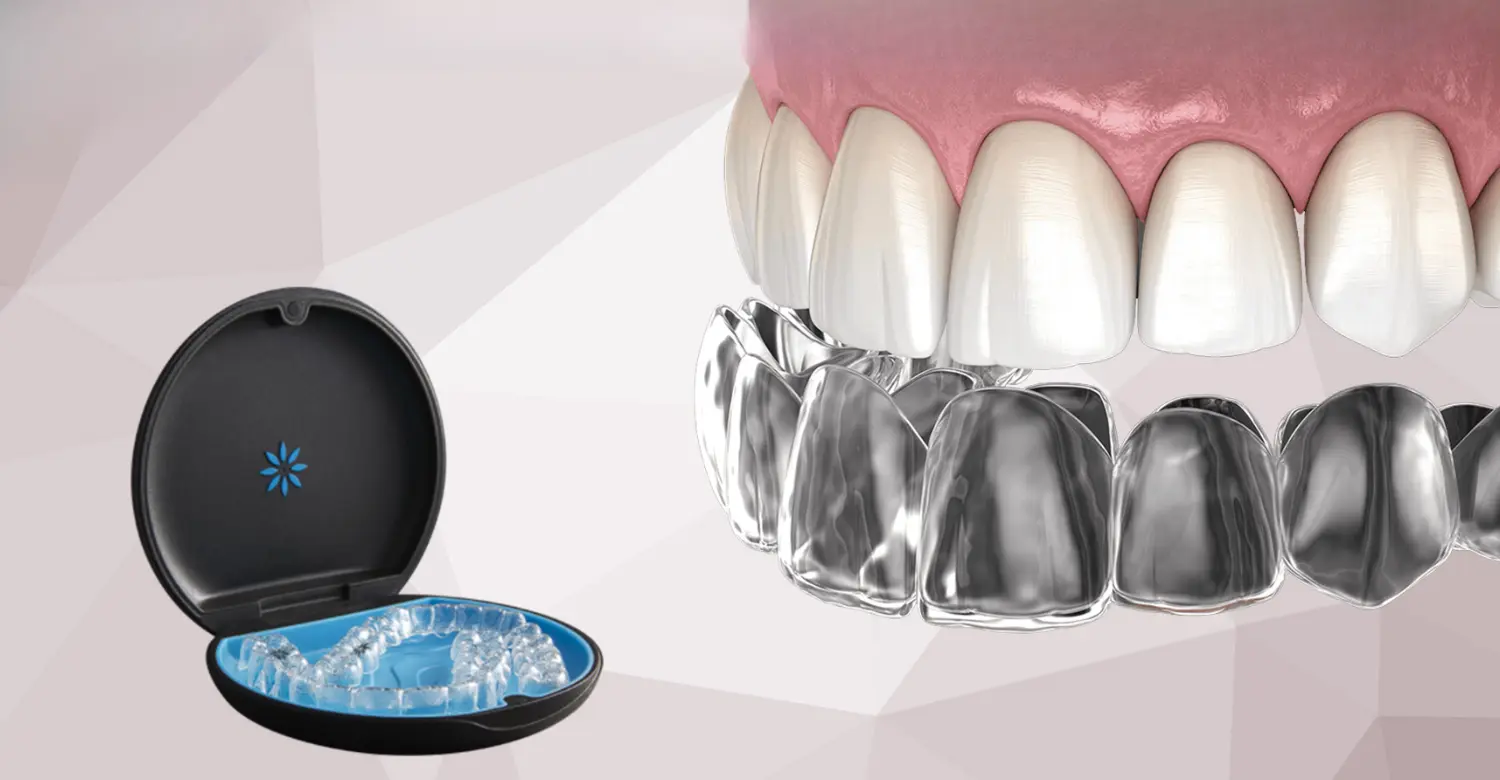
Gradual Tooth Movement and Results Timeline
Invisalign achieves results through gradual, precisely controlled tooth movement. Each aligner applies light, targeted pressure to specific teeth, shifting them incrementally typically a fraction of a millimeter per tray. Patients usually transition to a new set every one to two weeks. Depending on the complexity of your case, total treatment time ranges from six to eighteen months. Most patients begin noticing visible changes within the first two to three months of consistent aligner wear, which keeps motivation levels high throughout even longer treatment courses.
Comfort, Aesthetics, and Daily Life Integration
One of Invisalign's greatest advantages over metal braces is how naturally it integrates into everyday life. The clear trays are virtually undetectable, so most people will never notice you're undergoing orthodontic treatment. Because they're removable, there are no food restrictions, eat freely, then brush and reinsert. Mild pressure when switching to a new aligner is completely normal and typically fades within 24 to 48 hours. Most patients adapt fully to their aligner routine within the first two weeks, after which wearing the trays becomes effortless and second nature.
Before-and-After Expectations
Setting realistic before-and-after expectations is essential for a fully satisfying Invisalign experience. Before treatment, patients typically present with crowding, spacing issues, or bite irregularities of varying degrees. After completing their aligner series, most patients see significantly improved tooth alignment, a more balanced bite, and a noticeably enhanced smile. Results vary based on case severity and treatment compliance. Vitrin Clinic uses Digital Smile Design technology to generate a visual preview of expected outcomes before treatment begins giving patients a motivating, realistic picture of their post-treatment smile.
Patient Testimonials and Experiences
Vitrin Clinic has helped hundreds of patients both local and international achieve meaningful smile transformations through Invisalign. Patients frequently report that the experience was far more comfortable and discreet than they anticipated, with minimal disruption to daily professional and social life. International visitors consistently highlight the seamless coordination between consultation, scanning, and follow-up care. The most consistent feedback across patient testimonials? That the results were well worth every week of the process from the initial consultation all the way through to the final aligner in the series.
Troubleshooting Invisalign Timeline Disruptions: Lost Trays and Delays
Occasionally, an Invisalign treatment schedule can be disrupted by a lost or damaged aligner, scan revision, treatment-plan modification, or laboratory delay. Knowing what to do quickly can help prevent unnecessary interruption.
At Vitrin Clinic, patients are advised to contact their dental team as soon as a problem occurs rather than attempting to solve the issue independently.
Action Plan for Lost or Broken Aligners
If an aligner is lost or damaged, contact your dentist promptly. Do not automatically skip ahead to the next tray because the correct response depends on where you are in your treatment sequence and how well your teeth are tracking.
Your dentist may recommend wearing a previous aligner, continuing with the current tray, or arranging a replacement, depending on the circumstances.
For patients asking about the lost Invisalign tray replacement timeline, replacement time can vary based on the laboratory process, shipping, and the specific aligner required.
Dr. Rifat Alsaman recommends contacting Vitrin Clinic as soon as an aligner is lost or damaged. Early communication gives the clinical team the best opportunity to protect the treatment schedule and prevent unnecessary tooth movement.
Managing Scan Revisions and Unexpected Lab Delays
Sometimes a digital scan or treatment plan may require revision before aligners can be produced. This can happen when additional clinical information is needed or when the proposed tooth movements require modification.
Although a revision can add time to the Invisalign delivery timeline, accuracy should always take priority over speed. Producing aligners from an inaccurate scan or an insufficiently reviewed plan could create tracking problems later.
At Vitrin Clinic, the dental team reviews the digital treatment plan carefully before production to help reduce avoidable delays.
Dr. Rifat Alsaman’s clinical opinion: A short delay during planning is preferable to starting treatment with an inaccurate or unsuitable aligner sequence.
Tips for Care and Preventive Maintenance
Once you've received your aligners after wondering how long does Invisalign take to come in, protecting your investment through consistent daily care becomes your top priority. Proper aligner maintenance ensures your trays remain hygienic, comfortable, and structurally intact throughout the full duration of your treatment. Poorly maintained aligners can discolor, develop odor, harbor bacteria, or warp all of which compromise your results and your overall experience. Vitrin Clinic provides every patient with detailed care instructions beginning at the very first fitting appointment and throughout the entire treatment journey.
Cleaning and Storing Your Aligners
Cleaning your Invisalign aligners twice daily is essential for hygiene and longevity. Rinse them with lukewarm, never hot water each time you remove them, and gently brush with a soft toothbrush. Avoid toothpaste, which scratches the surface and creates bacteria-trapping micro-abrasions. Invisalign cleaning crystals or dedicated retainer tablets are ideal for a deeper daily clean. Always store your aligners in their protective case when not in use leaving them exposed to open air increases the risk of contamination, accidental warping from heat, or damage from being misplaced.
Managing Discomfort and Tracking Progress
Mild soreness when transitioning to a new aligner set is a completely normal sign that the trays are actively working. Over-the-counter pain relievers can manage discomfort during the first 24 to 48 hours of each new set. Taking regular progress photos every two to four weeks helps you visualize gradual changes that might otherwise go unnoticed day-to-day and this visual confirmation can be deeply motivating during longer treatment courses. Regular check-up visits at Vitrin Clinic allow the dental team to confirm that your teeth are tracking exactly as planned throughout treatment.
Maintaining Oral Hygiene During Treatment
Because Invisalign trays sit directly against your teeth, excellent oral hygiene throughout treatment is absolutely essential. Brush and floss thoroughly after every meal before reinserting your aligners food and plaque trapped beneath trays create conditions for cavities and gum inflammation. Fluoride mouthwash offers additional enamel protection. The removable nature of Invisalign makes hygiene maintenance far more manageable than with traditional metal braces, but it still demands consistent discipline. Maintaining a clean mouth throughout treatment directly protects your results and your long-term dental health after treatment concludes.
The Post-Treatment Phase: Retainers and Final Preservation
Receiving your final Invisalign aligner does not mean your orthodontic journey is completely finished. Teeth can naturally shift after orthodontic treatment, which is why retention is an essential part of maintaining your result.
At Vitrin Clinic, patients receive individualized guidance on retainer use based on their completed treatment and clinical needs. Retainers help maintain the position achieved during active orthodontic treatment.
How Long Do Vivera Retainers Take to Arrive After Treatment Completion?
The arrival time for Vivera retainers can vary depending on the ordering, manufacturing, and delivery process. Patients should ask their dental team for the expected timeline for their specific case rather than relying on a single universal delivery estimate.
It is important to coordinate retainer production and delivery with the end of active Invisalign treatment so there is no unnecessary gap in retention.
Dr. Rifat Alsaman, Head of the Medical Team at Vitrin Clinic and a cosmetic dentist, emphasizes that retention is not an optional final step. Maintaining the position of the teeth is an important part of protecting the result achieved through orthodontic treatment.
Tips for Patients: How to Keep Your Invisalign Treatment on Schedule
Wear your aligners for the prescribed number of hours each day, commonly around 20–22 hours.
Follow your dentist's instructions for changing aligners.
Keep every aligner in its protective case when it is not being worn.
Contact Vitrin Clinic promptly if an aligner is lost, cracked, or no longer fits correctly.
Attend scheduled progress appointments so your dentist can monitor tooth movement.
Maintain excellent brushing and interdental cleaning throughout treatment.
Do not advance to the next tray without professional guidance if your current aligner is lost or damaged.
Tell your dental team about upcoming travel, weddings, or important dates when planning treatment.
Dr. Rifat Alsaman, Head of the Medical Team at Vitrin Clinic and a cosmetic dentist, recommends treating the prescribed wear schedule as part of the treatment itself. Consistency can help keep tooth movement aligned with the planned treatment sequence.
Vitrin Clinic: Expertise in Invisalign and Dental Aesthetics
Vitrin Clinic is one of Istanbul's most trusted destinations for Invisalign treatment and comprehensive dental aesthetics. Patients from around the world visit Vitrin Clinic and receive clear, confident answers to questions like how long does Invisalign take to come in along with seamless coordination from scan to final aligner delivery. Whether you're a local patient or an international visitor, Vitrin Clinic delivers the same consistently high standard of personalized, technology-driven dental care. Every treatment plan is built around the individual patient, regardless of case complexity or country of origin.
Internationally Trained Dentists and Advanced Technology
The dental professionals at Vitrin Clinic combine rigorous international training with access to the most advanced orthodontic technology available today. Using state-of-the-art intraoral scanners and ClinCheck treatment planning software, the team produces precise digital plans that translate directly into well-fitting, effective aligners. This technological precision reduces scan errors and minimizes the need for revisions which means patients receive their aligners faster. For anyone asking how long does it take to get Invisalign aligners at Vitrin Clinic, the answer starts with clinical accuracy from the very first digital scan.
Digital Smile Design and Personalized Care
Vitrin Clinic integrates Digital Smile Design (DSD) into its Invisalign treatment planning process. This powerful technology allows the clinical team to design a smile that harmonizes with each patient's unique facial features and aesthetic goals. Before any aligner is produced, patients can preview their expected post-treatment smile in a detailed digital simulation. This personalized approach removes guesswork and builds deep confidence before treatment even begins. At Vitrin Clinic, every smile is crafted with both clinical precision and genuine aesthetic artistry because results matter as much as the experience.
Comprehensive Packages for International Patients
Vitrin Clinic offers tailored packages for international patients choosing Istanbul for their Invisalign treatment. These packages accommodate the logistical needs of dental tourists, including efficient consultations, fast-tracked digital scanning, and coordinated remote follow-up care. For patients asking how long does Invisalign take to come in relative to their planned travel dates, Vitrin Clinic provides case-specific timelines and helps coordinate treatment milestones around your travel schedule making the entire experience as smooth and stress-free as possible, whether you're visiting once or planning multiple trips throughout treatment.
What We Notice Clinically
From a clinical perspective, the Invisalign timeline is influenced by much more than laboratory production and shipping. The condition of the teeth and gums, accuracy of digital records, complexity of tooth movement, patient compliance, and the way teeth respond to treatment can all affect the overall schedule.
Dr. Rifat Alsaman, Head of the Medical Team at Vitrin Clinic and a cosmetic dentist, emphasizes that every Invisalign timeline should be individualized. Two patients may receive their aligners within a similar delivery window but require very different treatment durations because their orthodontic problems are not the same.
At Vitrin Clinic, monitoring the patient's progress helps the dental team identify tracking issues early and make appropriate clinical decisions when adjustments or refinements are needed.
Before beginning Invisalign, active cavities, significant gum inflammation, or other untreated dental problems should be assessed and managed when clinically necessary. A healthy oral environment supports safer and more predictable orthodontic treatment.
Take the Next Step, Book Your FREE Consultation
If you've been wondering how long does Invisalign take to come in and whether now is the right time to begin your treatment, the best next step is a free consultation directly with Vitrin Clinic. Our team will thoroughly assess your dental health, walk you through the precise timeline for your individual case, and design a personalized treatment plan aligned with your smile goals. Don't let uncertainty keep you from the smile you deserve. Contact Vitrin Clinic today and take the first confident step toward straighter, healthier, and more beautiful teeth.
Reference
FAQs

Dr. Rifat Alsaman has more than 5 years of clinical experience in dentistry and currently serves as the Head of the Medical Team at Vitrin Clinic. He is dedicated to providing exceptional patient care, overseeing treatment planning, and ensuring the highest clinical standards across the team. His expertise, attention to detail, and commitment to continuous professional development have helped countless patients achieve healthier, more confident smiles.
.webp&w=3840&q=75)


.webp&w=3840&q=75)
.webp&w=3840&q=75)