.webp&w=3840&q=75)
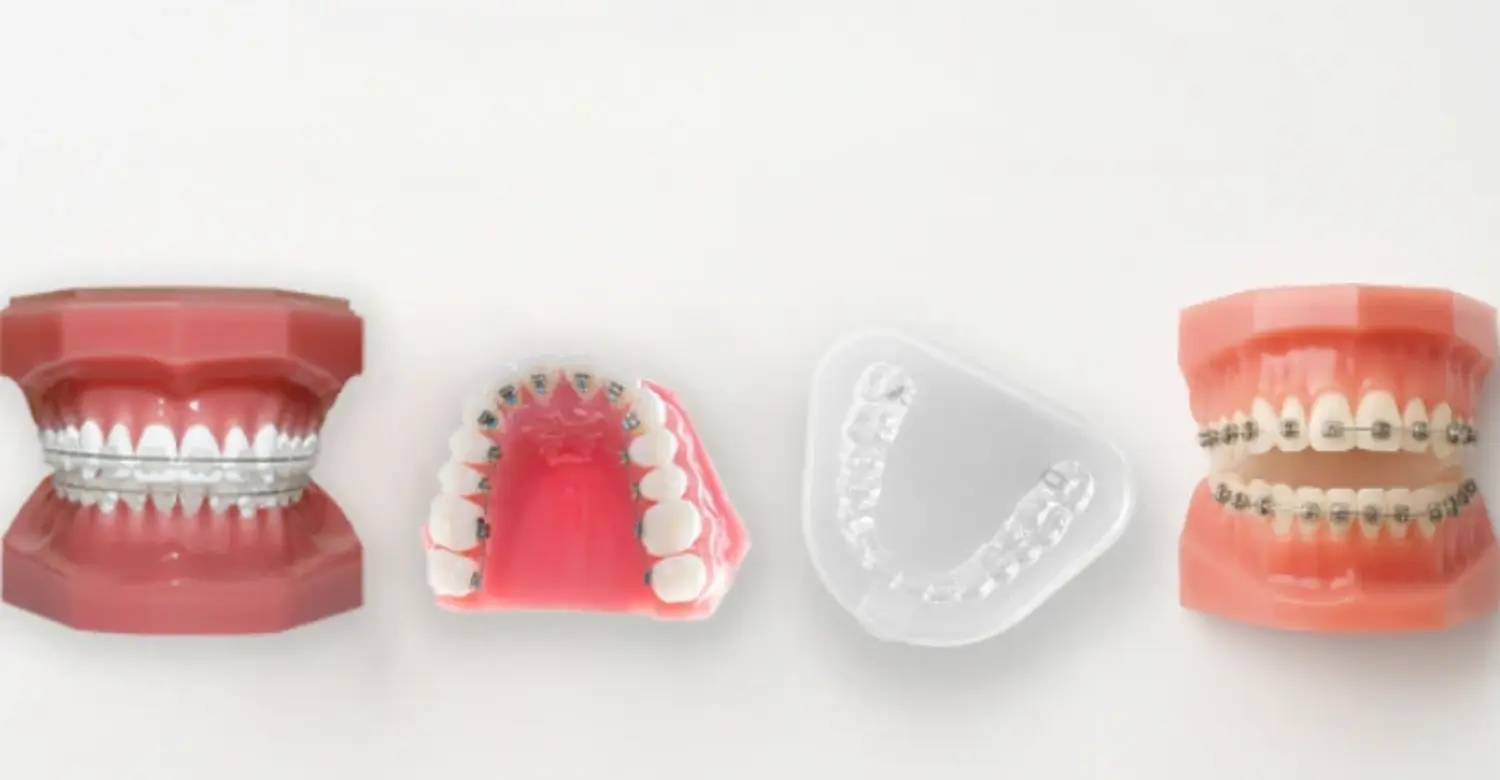
Clear aligners have revolutionized orthodontic treatment, offering an effective, discreet alternative to traditional braces. They are custom-made, transparent trays designed to gradually shift teeth into proper alignment, improving both aesthetics and function. The different types of clear aligners cater to various dental needs, ranging from minor corrections to more complex bite adjustments. Unlike metal braces, clear aligners are removable, which enhances oral hygiene and allows patients to eat and drink freely. The technology behind them ensures precision and comfort, often using digital scans and 3D modeling. Whether you are seeking subtle teeth straightening or a full smile makeover, exploring these options can help you find the solution best suited for your lifestyle and dental goals.
What Are Clear Aligners?
Clear aligners are dental devices designed to move teeth gradually and discreetly. They are made from smooth, BPA-free plastic and are custom-fitted to each patient’s teeth. Unlike traditional braces, they do not involve brackets or wires, making them more comfortable and less noticeable. The concept of these orthodontic devices allows patients to choose treatment based on the complexity of their orthodontic issues. They work through a series of progressive trays, each slightly adjusting teeth over time. Clear aligners are also convenient, as they can be removed for eating, drinking, and oral care. This flexibility, combined with modern digital scanning and modeling, ensures precise treatment outcomes while minimizing discomfort during the straightening process. Sorting through the market to find the best invisible aligners requires understanding the subtle material differences between each brand.
Understanding Clear Aligners
The mechanics of clear aligners rely on incremental force applied to teeth, gradually moving them into the desired position. Each set is worn for a specific period, usually around two weeks, before switching to the next tray. These aligners offer variations in materials, treatment planning, and monitoring methods, which can impact comfort and speed. Some aligners are designed for minor teeth adjustments, while others address complex bite issues. Understanding how these aligners function helps patients set realistic expectations and ensures better cooperation with treatment protocols. The precise fit and digital customization reduce the risk of discomfort and improve the efficiency of dental alignment.
Benefits of Clear Aligners
Clear aligners offer numerous advantages over traditional braces. They are virtually invisible, making them ideal for adults and teens who prefer a discreet treatment. Removability allows patients to maintain oral hygiene and enjoy food without restrictions. These aligners provide options for varying budgets, treatment times, and complexity levels. They are also designed for comfort, with smooth edges that minimize irritation to the gums and cheeks. Modern aligners often come with digital monitoring, which allows for efficient progress tracking and fewer in-office visits. Overall, clear aligners combine aesthetics, functionality, and convenience, making them a preferred choice for many seeking orthodontic treatment.
different types of clear aligners
There are multiple brands and systems of clear aligners, each offering unique features and treatment approaches. These include both clinic-based and direct-to-consumer options, catering to different needs and budgets. While all aligners function on the principle of gradual teeth movement, they vary in material quality, customizability, monitoring, and support from dental professionals. Popular options include Invisalign, SmileDirectClub, ClearCorrect, and Candid Aligners. Each brand has specific protocols for scanning, manufacturing, and delivering treatment. Understanding these options allows patients to make informed decisions about which aligner system will best meet their dental needs and lifestyle preferences. The industry leader alone offers multiple types of Invisalign tailored for varying degrees of orthodontic complexity and patient age.
Invisalign
Invisalign is one of the most recognized brands in orthodontics, offering high-quality clear aligners with extensive clinical support. Using advanced 3D imaging technology, Invisalign creates precise treatment plans tailored to each patient. These aligners are suitable for mild to complex orthodontic issues, including gaps, crowding, and bite misalignments. Invisalign trays are known for their comfort, durability, and smooth finish. With the various clear aligner options, Invisalign provides extensive monitoring options, including in-office checkups and digital progress tracking. Many patients choose Invisalign for its proven results, reputation, and comprehensive support system, ensuring predictable outcomes for both cosmetic and functional dental corrections.
ClearCorrect
ClearCorrect is another popular choice among orthodontists. It offers customized treatment plans for a range of dental issues. Similar to Invisalign in material and process, it may offer more flexibility in pricing. ClearCorrect can address mild, moderate, and certain complex misalignments. These aligners emphasize precision and patient comfort. Patients typically receive a series of aligners, each worn for a set period. They gradually move teeth according to the customized plan. Regular dental checkups ensure proper tracking of progress. ClearCorrect is appreciated for its effectiveness, customization, and professional oversight. It is a reliable option for comprehensive teeth alignment.
Candid Aligners
Candid Aligners provide a convenient, professional-grade solution for straightening teeth with minimal disruption. They combine remote monitoring with in-person orthodontist guidance at the start. This ensures accurate treatment tailored to your dental structure. The aligners are made from clear, smooth plastic that reduces irritation while gradually shifting teeth. Advanced digital planning makes the trays precisely fitted, so treatment is more predictable. This brand is effective for minor to moderate misalignments. It gives users a balance between convenience and professional oversight. Patients often prefer Candid for its approachable design and clear instructions. You can track progress from home using digital tools. Some brands specifically manufacture clear aligners for teens with special eruption tabs for growing molars.
Other Popular Aligner Brands
Beyond well-known brands like Invisalign and Candid, several other options exist. Brands such as SureSmile, byte, and SmileLove offer different approaches to teeth straightening. Each has unique features and treatment plans. These aligners use varying materials, including proprietary plastics for durability and comfort. They can be customized based on the complexity of your dental correction. Having multiple alternatives ensures you can choose based on budget, treatment duration, and supervision level. Exploring these brands helps you find aligners that meet both aesthetic and functional needs.
Clear Aligner Brands at a Glance
To help you compare popular clear aligner options, here is a quick reference table. Costs are approximate and may vary based on treatment complexity and location.
Brand | Type | Average Cost | Key Features |
|---|---|---|---|
Invisalign | At-home or in-office | $3,000–$8,000 | SmartTrack material, 3D digital planning, many attachments, suitable for complex cases |
ClearCorrect | In-office | $2,500–$6,000 | Clear aligners with a digital workflow, moderate complexity |
SmileDirectClub | At-home | $1,800–$3,000 | Remote monitoring, limited to mild cases, no in-person visits |
Candid | At-home or in-office | $2,400–$5,000 | Hybrid model, optional in-person scans, includes retainers |
Byte | At-home | $1,900–$3,000 | High-frequency vibration (HyperByte) to speed up treatment, mild to moderate cases |
NewSmile | At-home | $1,000–$2,500 | Budget-friendly, clear aligners for mild cases, includes whitening |
3M Clarity Aligners | In-office | $3,500–$7,000 | Advanced material, aesthetic, for complex cases |
Spark Aligners | In-office | $3,000–$6,500 | Clear, comfortable, with a proprietary material, for mild to complex cases |
Note: Costs are estimates and can vary. Consult a dental professional for a personalized quote.
Environmental Considerations
Clear aligners are typically made of medical-grade plastic. Each set is worn for about two weeks before being discarded. This results in significant plastic waste over treatment—often 20 to 30 sets. Some companies have started recycling programs, but many aligners end up in landfills. The manufacturing process and shipping also contribute to carbon emissions. If you are environmentally conscious, ask your provider about recycling options. Some brands use more sustainable materials. Dr. Rifaat Al-Samman suggests, "Discuss the environmental impact with your dentist and explore ways to reduce waste, such as recycling your aligners through company programs."
Invisalign's Product Portfolio: Different Types & Versions of the Invisible System
Many patients believe Invisalign is a single treatment, but it actually includes multiple systems designed for different orthodontic needs. The Invisalign product portfolio allows orthodontists to match treatment complexity with the most appropriate aligner package. This improves efficiency and clinical outcomes. At Vitrin Clinic, every patient receives a digital assessment before selecting the ideal Invisalign option. Dr. Rifat Alsaman, Head of the Medical Team at Vitrin Clinic and a cosmetic dentist, explains that choosing the correct Invisalign system is just as important as planning tooth movement itself. Selecting the right product reduces unnecessary refinements and helps patients achieve predictable, comfortable results.
Clinical Invisalign Types Breakdown
Different Invisalign systems are designed for specific age groups, treatment durations, and levels of tooth movement. Understanding these options helps patients know why treatment recommendations vary from person to person.
Invisalign First for Phase 1 Pediatric Orthodontics
Invisalign First is designed for children who still have a mix of baby and permanent teeth. It supports Phase 1 pediatric orthodontics by creating space for erupting teeth. It also corrects narrow dental arches and addresses developing bite problems before they become severe. At Vitrin Clinic, pediatric orthodontic assessments determine whether early intervention is appropriate. According to Dr. Rifat Alsaman, early treatment is not necessary for every child. However, carefully selected cases can reduce future orthodontic complexity and support healthier jaw development.
Invisalign Express 5 and Invisalign i7 for Minor Relapses
Invisalign Express 5 and Invisalign i7 are intended for patients who need only limited tooth movement. This often occurs after teeth have shifted following previous orthodontic treatment. These systems use fewer aligners and shorter treatment times than comprehensive plans. They are suitable for minor relapse orthodontic treatment. At Vitrin Clinic, digital scans help determine whether a limited aligner series can achieve the desired correction. Dr. Rifat Alsaman emphasizes that even small relapses require careful planning. This maintains bite stability and prevents future movement.
Invisalign Go for General Dentist Transitions
Invisalign Go focuses on mild to moderate anterior tooth corrections. It is commonly used for cosmetic alignment before restorative procedures such as veneers or crowns. It primarily addresses the front teeth while preserving overall bite relationships. At Vitrin Clinic, this approach is frequently incorporated into comprehensive smile makeover planning. Dr. Rifat Alsaman notes that aligning teeth before cosmetic restorations often reduces the amount of enamel preparation needed. This produces more natural, long-lasting esthetic outcomes.
Invisalign Lite and Invisalign Moderate
Invisalign Lite and Invisalign Moderate suit patients with moderate crowding, spacing, or bite issues. These systems provide more aligners than limited options but less than comprehensive treatment. They also keep the timeline shorter than complex cases. At Vitrin Clinic, recommendations rely on digital simulations, not aligner counts alone. Dr. Rifat Alsaman notes that choosing the right level improves efficiency and keeps results predictable.
Invisalign Comprehensive / Invisalign Full for Complex Malocclusions
Invisalign Comprehensive, also called Invisalign Full, targets complex malocclusions. These include significant crowding, spacing, crossbites, deep bites, open bites, or multiple tooth movements. This system offers the most flexibility, allowing refinements whenever needed. At Vitrin Clinic, advanced digital planning helps manage these challenging cases with precision. Dr. Rifat Alsaman explains that success depends on accurate diagnosis, patient compliance, and continuous monitoring.
How Clear Aligners Work
Clear aligners shift teeth gradually using gentle, controlled pressure. Each set moves teeth incrementally over a few weeks. Patients typically wear them 20–22 hours per day. Digital scans or impressions create a personalized plan that predicts tooth movement. Regular monitoring, either in-office or via tele-dentistry, helps adjust treatment when needed. All these systems follow this principle, but they vary in materials, supervision, and tracking methods. This approach delivers predictable, safe, and comfortable orthodontic care for both cosmetic and functional issues.
Clear Aligner Material Classifications (SmartTrack vs. Polyurethane)
Not all clear aligners use the same material. Invisalign relies on SmartTrack, which delivers controlled, consistent forces while staying flexible and comfortable. Many other systems use different polyurethane plastics. These may vary in elasticity, durability, and force delivery. At Vitrin Clinic, material choice is weighed alongside treatment goals, not brand names. Dr. Rifat Alsaman explains that material affects fit, comfort, tracking accuracy, and predictability. That makes it a key clinical factor.
Hybrid Treatment Protocols: Integrating Attachments and Buttons with Aligners
Many complex cases need more than aligners alone. Small tooth-colored attachments, elastics, or buttons can improve rotational control, extrusion, intrusion, and bite correction. These hybrid protocols expand what aligners can do for advanced movements. At Vitrin Clinic, every attachment is digitally planned before treatment begins. Dr. Rifat Alsaman explains that attachments are temporary aids. They boost aligner effectiveness while staying discreet during daily life.
Treatment Process
Clear aligners work by applying gentle, controlled pressure to shift teeth gradually. The process starts with digital scans or impressions of your teeth. These create a personalized treatment plan. Each set of aligners moves teeth incrementally. You typically wear them for 20–22 hours per day before switching to the next tray. Treatment duration depends on case complexity, usually ranging from several months to over a year. Regular monitoring, in person or digitally, ensures proper progression. Using the different types of clear aligners lets patients choose systems that offer predictable outcomes while keeping comfort and convenience throughout the alignment journey. For those who dislike daytime wear, overnight straightening trays provide a convenient, sleep-only option.
Adjustments & Monitoring
Adjustments are minimal but critical throughout treatment. Each new aligner set subtly modifies tooth positioning based on prior progress. Dental professionals or remote monitoring tools track these changes to keep alignment on schedule. Patients should report any discomfort or misfits quickly. Digital modeling and scanning help predict potential complications, enhancing accuracy. Many aligner systems now offer virtual check-ins, reducing office visits. All clear aligner systems emphasize structured monitoring to maintain effectiveness and oral health. This ensures patients achieve optimal results efficiently and safely.
What It's Like to Undergo Clear Aligner Treatment
From the first consultation to the final reveal, clear aligner treatment is a journey. Your dentist takes digital impressions or 3D scans of your teeth. These create a personalized plan showing predicted movements. You receive a series of aligners, each worn for about two weeks. At first, you may feel pressure and a slight lisp, but these fade quickly. You must remove aligners for eating and brushing, which takes discipline. Regular check-ups, often every 6–8 weeks, let your dentist monitor progress. After treatment, you wear a retainer to maintain your new smile. Dr. Rifat Alsaman explains, "The process is straightforward, but patient compliance is key."
Real Patient Experiences
Many patients have transformed their smiles with clear aligners. For example, Sarah, a 28-year-old teacher, corrected mild crowding in six months using Invisalign. She shared, "I was nervous about visible braces, but aligners were discreet and comfortable. I noticed changes within a few weeks." Another patient, James, used at-home aligners to close a gap. He said, "The process was convenient, but I had to be diligent. The result exceeded my expectations." While photos are not available here, many clinics provide before-and-after galleries. Dr. Rifat Alsaman advises, "Look for verified patient reviews and ask your dentist for case examples similar to yours."
Choosing the Right Clear Aligner for You
Selecting the ideal aligner depends on dental complexity, lifestyle, budget, and desired supervision. Mild misalignments often respond to at-home systems. More complex bite issues require clinic-based treatment. Comfort, material quality, and treatment speed also matter. Consulting with an orthodontist ensures the system fits your dental goals. The different types of clear aligners allow patients to find a solution that balances convenience, aesthetics, and professional oversight. Making an informed choice helps optimize results, minimize discomfort, and ensure teeth move efficiently toward a healthy, straight smile.
Factors to Consider
When selecting a clear aligner, consider the complexity of your dental issues, lifestyle, budget, and the level of professional supervision you prefer. Patients with minor misalignment may opt for at-home systems, while more complex cases require clinical oversight. Comfort, material quality, treatment duration, and monitoring options also play essential roles. Each brand offers unique benefits, so careful research is essential. Personal preference, convenience, and support services must align with your expectations. By weighing these factors, you can choose a treatment plan that maximizes comfort, efficiency, and aesthetic outcomes, ensuring a smooth and satisfying orthodontic experience.
Consulting With Your Orthodontist
Professional consultation is a crucial step in determining the best treatment plan. Orthodontists evaluate dental health, bite issues, and alignment goals before recommending the most suitable aligner system. They also provide guidance on expected results, maintenance, and monitoring protocols. During the consultation, you can discuss preferences between different aligner brands, considering factors like treatment duration, comfort, and cost. The expertise of a dental professional ensures that the selected system addresses both cosmetic and functional needs. Regular follow-ups guarantee adjustments are timely and effective, helping you achieve a straight, healthy smile while minimizing potential complications.
Vitrin Clinic: Expertise in Clear Aligners
Vitrin Clinic specializes in professional clear aligner treatments, offering expertise in both minor and complex orthodontic cases. Using advanced digital scanning, 3D treatment planning, and professional supervision, the clinic ensures precise and predictable outcomes. Patients can choose from a range of aligner options tailored to their dental needs and personal preferences. The clinic emphasizes patient education, monitoring, and personalized care to optimize results. With a combination of cutting-edge technology and experienced orthodontists, Vitrin Clinic provides safe, comfortable, and efficient treatment that improves both dental function and aesthetic appearance, ensuring long-term satisfaction and healthy smiles. Be careful not to confuse legitimate orthodontic devices with cheap Vitrin Clinic cosmetic alternatives that only mask crooked teeth temporarily.
Why Choose Vitrin Clinic?
Vitrin Clinic specializes in modern orthodontic solutions, providing patients with a wide range of aligner options tailored to individual dental needs. With advanced digital scanning, 3D treatment planning, and expert orthodontist supervision, patients can achieve precise, comfortable, and predictable results. Vitrin Clinic is recognized for combining professional care with the latest technology, offering all different types of clear aligners to suit varying cases, from mild adjustments to complex corrections. The clinic emphasizes patient education, comfort, and satisfaction, ensuring that each step of the treatment process is closely monitored. Choosing Vitrin Clinic means accessing professional expertise and state-of-the-art dental care for a confident, healthy smile.
Patient Success Stories
Numerous patients at Vitrin Clinic have achieved remarkable transformations, showcasing the effectiveness of clear aligner therapy. Success stories highlight improvements in both appearance and oral health, with patients reporting high satisfaction with comfort, aesthetics, and treatment duration. The clinic documents these journeys through before-and-after images and testimonials, emphasizing the reliability of professional guidance. Utilizing these orthodontic devices under expert supervision ensures that treatment is efficient and precise. These case studies inspire new patients, demonstrating that even complex orthodontic issues can be addressed successfully. Personalized treatment plans, consistent monitoring, and technological advancements contribute to these positive outcomes.
Caring for Your Clear Aligners
Proper care is crucial for maintaining both oral health and aligner effectiveness. Aligners should be cleaned daily with a soft toothbrush and mild soap or specialized cleaning solution. Avoid hot water or abrasive cleaners that may warp or scratch the trays. Patients should brush and floss before reinserting aligners to prevent plaque buildup or staining. Storing aligners in a protective case when not in use keeps them safe from damage. All clear aligners require these hygiene practices to maintain clarity, fit, and comfort. Consistent care ensures treatment progresses smoothly and reduces the risk of oral health issues during orthodontic therapy.
Cleaning and Maintenance
Proper hygiene is essential to maintain aligner effectiveness and oral health. Clear aligners should be cleaned daily using a soft toothbrush and mild, non-abrasive soap or specialized cleaning solutions. Avoid hot water, which can warp the plastic. Storing aligners in their protective case prevents damage and contamination. Patients should also brush and floss teeth before reinserting aligners to prevent plaque buildup and staining. These orthodontic devices are designed for durability but require consistent care to remain clear and functional. Maintaining proper hygiene not only improves treatment efficiency but also extends the lifespan of each tray, ensuring a smooth and safe alignment process.
Handling Common Issues
Occasional discomfort, minor cracks, or fitting issues can occur during treatment. Using orthodontic wax, alternating trays, or contacting your dental professional promptly helps resolve these problems. Avoid using sharp objects to adjust trays manually, as this can compromise their effectiveness. If an aligner becomes lost or damaged, replacements should be obtained immediately to maintain treatment continuity. Regular check-ins, whether virtual or in-person, allow for early detection of complications. The different types of clear aligners provide specific guidelines for addressing common issues, ensuring that patients continue treatment safely and effectively without compromising results.
What Research Shows About Clear Aligners
Recent clinical research demonstrates that clear aligners have become one of the fastest-growing orthodontic treatment options due to their combination of esthetics, comfort, and predictable outcomes. Studies report that patient satisfaction with clear aligners often exceeds 90%, primarily because they are removable, nearly invisible, and easier to clean than fixed braces. Research also shows that treatment success depends heavily on wearing aligners for 20–22 hours per day, with compliance being one of the strongest predictors of successful tooth movement.
Clinical investigations further indicate that comprehensive systems such as Invisalign Comprehensive can effectively treat many moderate to complex malocclusions when treatment is carefully planned. A 2019 study in the American Journal of Orthodontics and Dentofacial Orthopedics found that Invisalign achieved a 96% success rate for mild to moderate malocclusions. Another study reported that aligners are effective for treating crowding and spacing, with a success rate of over 90% for these conditions. However, for severe rotations or bite issues, traditional braces may still be more effective, but aligner technology is rapidly advancing.
At Vitrin Clinic, every patient receives a digital smile assessment and customized treatment plan based on clinical findings rather than choosing an aligner system by name alone. Dr. Rifat Alsaman, Head of the Medical Team at Vitrin Clinic and cosmetic dentist, emphasizes that selecting the correct aligner category and ensuring patient compliance contribute more to treatment success than the brand itself.
Key Statistics and Success Rates
More than 19 million patients worldwide have been treated with Invisalign since its introduction.
Most patients wear aligners 20–22 hours daily for predictable tooth movement.
Patient satisfaction with clear aligners frequently exceeds 90% in clinical studies.
Mild cases may finish in 3–6 months, while comprehensive treatments typically require 12–24 months.
Compliance remains the single most important factor affecting treatment efficiency and final outcomes.
Tips for Patients Choosing Clear Aligners
Selecting the right clear aligner treatment involves more than comparing brands. Follow these recommendations to improve your treatment experience:
Choose an experienced provider who performs a comprehensive digital examination.
Wear your aligners for 20–22 hours each day unless instructed otherwise.
Clean aligners daily using appropriate cleaning methods instead of hot water.
Attend scheduled review appointments so tooth movement can be monitored accurately.
Inform your orthodontist immediately if an aligner no longer fits properly.
Follow all attachment and elastic wear instructions for optimal tooth movement.
At Vitrin Clinic, Dr. Rifat Alsaman emphasizes that patient compliance is one of the strongest predictors of successful clear aligner treatment, regardless of the aligner system selected.
Vitrin Clinic: Innovative Dental Solutions
Vitrin Clinic integrates advanced technology to streamline the aligner process. Their digital workflow includes 3D scanning, precise treatment planning, and custom aligner manufacturing. This ensures that each tray fits comfortably and achieves predictable results. Patients benefit from fewer office visits, professional monitoring, and personalized care plans. With access to the different types of clear aligners, the clinic allows patients to select a system that suits their dental needs, lifestyle, and budget. By combining technological innovation with expert orthodontic guidance, Vitrin Clinic delivers an efficient, comfortable, and highly effective alignment experience, enhancing patient satisfaction and promoting optimal oral health outcomes.
Expert Insights from Vitrin Clinic
Our clinical experience at Vitrin Clinic shows that many patients assume all clear aligners provide identical results, but this is rarely true. The effectiveness of treatment depends on selecting the appropriate aligner system for the patient's bite, tooth movements, age, and oral health. Cases involving severe rotations, vertical tooth movement, or complex bite discrepancies often require comprehensive aligner systems combined with attachments or elastics to achieve predictable results.
Dr. Rifat Alsaman, Head of the Medical Team at Vitrin Clinic, frequently observes that patients who undergo a complete digital diagnosis before starting treatment require fewer refinements and experience smoother progress. He also notes that consistent aligner wear, excellent oral hygiene, and regular follow-up appointments significantly improve treatment predictability and long-term stability.
Digital Workflow in Aligners
Vitrin Clinic utilizes a fully digital workflow for designing and manufacturing clear aligners. Advanced 3D scanning captures precise impressions of your teeth, eliminating the need for traditional molds. This digital approach allows orthodontists to plan tooth movement accurately and monitor progress in real time. The use of high-quality printing and manufacturing technology ensures each aligner fits perfectly, providing comfort and predictable results. With this system, patients experience fewer office visits and more consistent treatment outcomes. By integrating modern technology, the clinic streamlines the alignment process while maintaining a focus on patient satisfaction. Utilizing these aligner options with a digital workflow enhances precision and efficiency in every treatment plan.
Consultation & Follow-Up Services
At Vitrin Clinic, consultations provide a comprehensive assessment of dental health, alignment goals, and treatment options. Patients receive personalized advice on which aligner system is most suitable for their needs. Follow-up services include regular monitoring, progress evaluations, and adjustments to ensure the teeth move according to plan. Virtual consultations are also available, offering convenience without compromising care quality. By combining expert guidance with professional oversight, patients can maintain confidence in their treatment outcomes. The different types of clear aligners available at Vitrin Clinic are supported by a structured follow-up program, ensuring timely intervention and continuous alignment improvements for every patient.
Costs of Clear Aligners
The price of clear aligners varies depending on brand, treatment complexity, and supervision. Invisalign is often the most expensive due to advanced technology and in-office monitoring. At-home aligners like SmileDirectClub or Candid offer more affordable solutions for mild misalignments. Mid-range options, such as ClearCorrect, balance cost and professional oversight. Treatment duration and number of aligners also influence total expenses. When considering these options, patients should weigh cost against quality, supervision, and expected results. Many clinics, including Vitrin, offer insurance guidance and financing options to make treatment more accessible while maintaining high standards of care.
What We Notice Clinically at Vitrin Clinic
During orthodontic consultations at Vitrin Clinic, one of the most common findings is that patients often choose aligner systems based on marketing rather than clinical suitability. Digital examinations frequently reveal bite discrepancies, hidden crowding, or tooth rotations that require more comprehensive treatment than expected. Dr. Rifat Alsaman, Head of the Medical Team at Vitrin Clinic, carefully evaluates tooth movement, periodontal health, and facial esthetics before recommending any aligner system. His clinical experience shows that individualized treatment planning consistently produces more predictable, stable, and natural-looking outcomes than selecting an aligner package based solely on cost or popularity.
Price Comparison Between Brands
The cost of clear aligners varies depending on brand, complexity of treatment, and geographic location. Invisalign typically represents a higher-end option due to advanced technology and comprehensive orthodontist support. SmileDirectClub and Candid are more affordable, with convenient at-home monitoring. ClearCorrect and other brands fall between these ranges, offering flexibility in cost and professional oversight. Treatment duration and severity of dental misalignment can also affect pricing. When comparing these systems, it’s important to balance cost with the level of supervision, comfort, and customization provided. Patients should review all options carefully to choose the most effective and cost-efficient solution for their dental needs.
Insurance & Financing Options
Many dental insurance plans cover partial costs for orthodontic treatment, including clear aligners, depending on the patient’s age and coverage terms. Flexible financing options are often available, allowing patients to spread payments over several months. Some providers also offer interest-free plans or promotional discounts, making aligners more accessible. When selecting an aligner system, it’s essential to confirm insurance coverage and financing possibilities. Discussing these options with your orthodontist or clinic staff ensures you understand potential costs upfront. This approach makes orthodontic treatment manageable and affordable while allowing patients to receive professional care without financial stress.
Pros and Cons of Different Clear Aligners
Clear aligners offer a modern approach to orthodontic treatment, combining comfort, aesthetics, and flexibility. One major advantage is their discreet appearance, making them ideal for adults and teens who prefer subtle solutions. They are removable, which allows patients to eat freely and maintain proper oral hygiene, while digital planning ensures accurate and efficient teeth movement. These systems provide options for various dental needs, budgets, and treatment durations. On the downside, aligners require strict compliance, as skipping wear can delay results. Severe bite or alignment issues may need additional interventions. Some patients experience mild discomfort or initial speech adaptation. Overall, understanding these pros and cons helps patients choose the system best suited to their lifestyle and goals.
Advantages
Clear aligners provide several benefits over traditional braces, including improved aesthetics, comfort, and convenience. Their removable nature allows patients to eat, drink, brush, and floss without restrictions, promoting better oral hygiene. Treatment is often faster for mild cases, and digital planning ensures precise tooth movement. They are also less likely to cause irritation to gums and cheeks. Among the available options, aligners exist to suit varying levels of dental complexity, treatment duration, and budget. Overall, aligners offer an effective, discreet, and comfortable solution for improving dental alignment while accommodating lifestyle needs.
Disclosure
The author of this article has no financial interest in any of the clear aligner brands mentioned. The content is provided for educational purposes and should not be considered as an endorsement of any specific product. Always consult with a qualified dental professional to determine the best treatment option for your individual needs.
Limitations
While highly effective, clear aligners do have limitations. They require strict compliance, as removing them for extended periods can slow treatment. Severe bite issues or complex tooth rotations may need additional orthodontic intervention. Misplacement, damage, or loss of trays can also disrupt progress. Some patients may experience temporary discomfort or speech adaptation challenges. Understanding these limitations is crucial when setting expectations. Patients who follow instructions carefully, maintain oral hygiene, and attend regular monitoring appointments can minimize these issues and achieve the best results.
Potential Side Effects and Risks
Clear aligners are generally safe, but they are not without risks. Beyond initial discomfort, some patients may experience tooth decay or gum disease if oral hygiene is neglected, as aligners can trap food particles. Temporary speech difficulties may occur during the adjustment period. Rarely, allergic reactions to the aligner material can happen. In some cases, aggressive tooth movement may lead to root resorption, which shortens tooth roots. Temporomandibular joint (TMJ) issues can arise if the bite is not properly managed. Relapse is possible if retainers are not worn after treatment.
To minimize these risks, it is essential to follow your dentist's instructions and attend regular check-ups. Dr. Rifat Alsaman emphasizes that a thorough evaluation and a customized treatment plan are crucial to avoid complications.
Clinical Note from Dr. Rifat Alsaman
Early cavities frequently cause no pain or visible changes, which is why many patients are unaware they have decay before starting orthodontic treatment. Before beginning clear aligner therapy at Vitrin Clinic, Dr. Rifat Alsaman, Head of the Medical Team and cosmetic dentist, performs a comprehensive dental examination, including digital X-rays when indicated, to identify cavities between teeth or beneath the enamel. Treating existing decay before orthodontic movement helps maintain long-term oral health and prevents complications during aligner therapy. Dr. Rifat Alsaman also advises patients to use toothpaste containing 1,450 ppm fluoride, spit rather than rinse after brushing to maximize fluoride protection, and consume sugary snacks with meals instead of throughout the day to reduce repeated acid attacks that increase cavity risk.
Conclusion
Choosing between the different types of clear aligners is not simply a matter of selecting a brand; it involves matching the right treatment system to your specific orthodontic needs. From Invisalign First for children to Invisalign Comprehensive for complex malocclusions, each option is designed to address different levels of tooth movement and bite correction. Understanding the differences between aligner systems, materials, and treatment protocols helps patients make informed decisions and achieve more predictable results.
At Vitrin Clinic, every treatment begins with advanced digital diagnostics, allowing Dr. Rifat Alsaman, Head of the Medical Team and cosmetic dentist, to recommend the most suitable aligner solution based on clinical evidence rather than marketing claims. Whether you require minor cosmetic adjustments or full orthodontic correction, personalized treatment planning, patient compliance, and regular monitoring remain the keys to achieving a healthy, functional, and confident smile.
Reference
FAQs

Dr. Rifat Alsaman has more than 5 years of clinical experience in dentistry and currently serves as the Head of the Medical Team at Vitrin Clinic. He is dedicated to providing exceptional patient care, overseeing treatment planning, and ensuring the highest clinical standards across the team. His expertise, attention to detail, and commitment to continuous professional development have helped countless patients achieve healthier, more confident smiles.

.webp&w=3840&q=75)


.webp&w=3840&q=75)