Periodontics
March 16, 2026
Raspagem e Alisamento Radicular: Tratamento de Limpeza Profunda para Gengivas e Dentes Saudáveis
 Dr. Rifat Alsaman
Raspagem e Alisamento Radicular e limpeza profunda é um procedimento de limpeza dentária profunda profissional usado para tratar doenças da gengiva e melhorar a saúde bucal. Ele remove placa, tártaro e bactérias abaixo da linha da gengiva e alisa as raízes dos dentes para ajudar as gengivas a cicatrizarem e se fixarem novamente. Este tratamento é essencial para prevenir a perda de dentes e restaurar gengivas saudáveis. Nos Estados Unidos, estima-se que 47,2% dos adultos com mais de 30 anos têm alguma forma de doença gengival (CDC), tornando esta limpeza profunda um dos tratamentos periodontais mais necessários atualmente, especialmente porque a doença gengival frequentemente se desenvolve silenciosamente antes que os pacientes notem qualquer sintoma.
O Que É Raspagem e Alisamento Radicular?
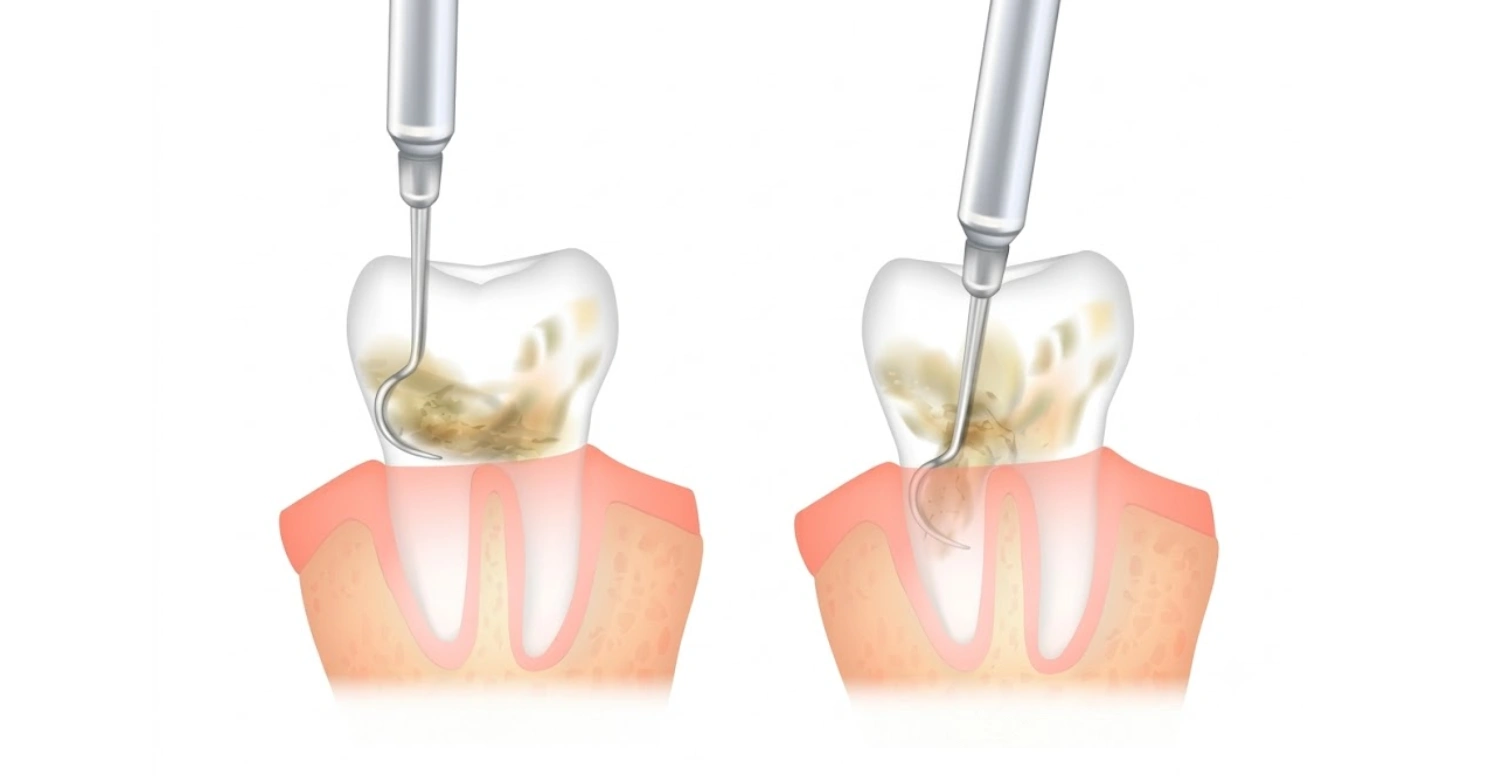
O RAR (Raspagem e Alisamento Radicular) é um procedimento não cirúrgico de limpeza profunda. Ele remove placa, tártaro e bactérias de baixo da linha da gengiva. Ele também alisa as superfícies das raízes dos dentes para que as gengivas possam se refixar e cicatrizar. É o tratamento de primeira linha padrão para gengivite e periodontite. A maioria dos pacientes o conclui em uma a quatro consultas sob anestesia local. A melhoria visível na gengiva ocorre dentro de uma a duas semanas. Os dentistas geralmente o recomendam quando o periograma mostra bolsas mais profundas que 4mm ou sinais de perda óssea em radiografias.
O Que É Esta Limpeza Profunda na Odontologia?
Este é um tratamento periodontal não cirúrgico que limpa os dentes profundamente sob as gengivas. A raspagem remove a placa e o tártaro endurecidos. O alisamento radicular alisa as raízes dos dentes para evitar o acúmulo de bactérias. Os dentistas o utilizam para tratar a gengivite e a periodontite antes que uma cirurgia avançada se torne necessária. Geralmente é realizado sob anestesia local ao longo de uma ou mais consultas. Ele forma a base de quase todos os planos de tratamento periodontal.
O Que É a Limpeza Profunda Periodontal
A limpeza profunda periodontal é um procedimento para pacientes com doença gengival. Ela foca nas bactérias e no tártaro dentro das bolsas periodontais. Ajuda a reduzir a inflamação e o sangramento nas gengivas. Também promove a cicatrização dos tecidos e previne maior perda óssea. Os dentistas geralmente a recomendam após o periograma revelar profundidades de bolsa além do intervalo normal de 1 a 3mm. Bolsas não tratadas permitem que as bactérias continuem se multiplicando abaixo da linha da gengiva, onde a escova de dentes e o fio dental não conseguem alcançar.
O Que É Limpeza Profunda vs Limpeza Regular
A limpeza profunda vai mais fundo do que uma limpeza dentária regular. A limpeza regular remove a placa superficial. Este procedimento remove bactérias de baixo da linha da gengiva e alisa as raízes. É recomendado para doença gengival moderada a grave. Limpezas de rotina são para pacientes saudáveis. Como aborda uma infecção ativa, geralmente requer anestesia local, mais tempo na cadeira e uma reavaliação agendada.
O Que É Alisamento Radicular no Tratamento Gengival
O alisamento radicular alisa as raízes dos dentes para ajudar as gengivas a se refixarem. Ele remove o cemento infectado e as toxinas bacterianas. Isso reduz a profundidade da bolsa e a inflamação. Esta etapa é crítica para estabilizar o tecido gengival e prevenir a progressão da doença. Sem ela, a superfície da raiz permanece áspera e propícia a bactérias. Mesmo uma raspagem minuciosa acima da linha da gengiva não seria suficiente para permitir que o tecido inflamado cicatrizasse e se refixasse adequadamente.
Raspagem vs Alisamento Radicular: Qual é a Diferença?
A raspagem periodontal e o alisamento são duas partes da mesma consulta. A raspagem remove a placa endurecida e o tártaro da superfície do dente e logo abaixo da linha da gengiva. O alisamento radicular alisa a própria superfície da raiz. Isso evita que bactérias e pontos ásperos se fixem e irritem a gengiva novamente. Juntos, eles permitem que o tecido gengival inflamado se refixe a uma raiz limpa e lisa. Os dentistas quase sempre realizam ambas as etapas na mesma sessão.
Aspecto | Raspagem | Alisamento Radicular |
O que foca | Placa e tártaro na coroa do dente e raiz superior | Superfície da raiz áspera e contaminada abaixo da linha da gengiva |
Objetivo | Remove depósitos visíveis e subgengivais | Alisa a raiz para que o tecido gengival possa se refixar |
Quando é feito | Primeira etapa da consulta | Imediatamente após a raspagem, na mesma consulta |
Ferramentas utilizadas | Ultrassom odontológico, curetas manuais | Instrumentos manuais finos, pontas de ultrassom |
Resultado | Dente e bolsa mais limpos | Refixação mais saudável e menos inflamação |
Limpeza Profunda vs Limpeza Regular: O Que Muda?
A limpeza profunda e a limpeza regular tratam diferentes estágios da saúde gengival. Uma limpeza regular (profilaxia) apenas remove a placa e o tártaro acima da linha da gengiva. É recomendada para pacientes com gengivas saudáveis. A limpeza profunda trata pacientes que já apresentam bolsas periodontais, sangramento ou perda óssea. Ela atinge abaixo da linha da gengiva, onde uma limpeza regular não alcança. Limpezas regulares são preventivas. A limpeza profunda é um tratamento para uma doença existente. Confundir as duas é um equívoco comum.
Aspecto | Limpeza Regular | Limpeza Profunda (RAR) |
Para quem é indicada | Pacientes com gengivas saudáveis | Pacientes com doença gengival ou bolsas profundas |
Profundidade alcançada | Acima e ligeiramente abaixo da linha da gengiva | Bem abaixo da linha da gengiva, ao longo da raiz |
Anestesia | Geralmente não é necessária | Anestesia local comumente utilizada |
Frequência | A cada 6 meses | Conforme necessário; depois, manutenção periodontal a cada 3 meses |
Finalidade | Prevenção | Tratamento e controle de infecção |
Por Que a Raspagem e o Alisamento Radicular São Necessários para a Saúde da Gengiva
É necessário para interromper a doença gengival, reduzir infecções e prevenir a perda de dentes. Sem tratamento, as bactérias podem destruir o osso e os tecidos de suporte dos dentes. A limpeza profunda restaura gengivas saudáveis, previne o mau hálito e melhora a saúde bucal geral e a saúde sistêmica. Se não for tratada, a infecção periodontal também foi associada a problemas de saúde mais amplos. Estes incluem doenças cardiovasculares e complicações da diabetes. Essa é mais uma razão pela qual os dentistas pedem aos pacientes que não adiem o tratamento assim que as bolsas forem identificadas.
Raspagem e Alisamento Radicular para Gengivite
Para a gengivite, este tratamento remove a placa e o tártaro que causam a inflamação gengival. Ele ajuda a reverter a doença gengival em estágio inicial, reduz o sangramento e o inchaço e previne a progressão para periodontite. O tratamento precoce leva a uma cicatrização mais rápida e a uma melhor saúde gengival a longo prazo. Como a gengivite ainda é reversível neste estágio, os pacientes que começam cedo muitas vezes veem suas gengivas retornarem a um estado totalmente saudável em apenas algumas semanas de cuidados em casa consistentes.
Raspagem e Alisamento Radicular Periodontal para Periodontite
Para a periodontite, este procedimento é um tratamento crítico. Ele remove depósitos bacterianos profundos e alisa as raízes para reduzir as bolsas e a destruição óssea. Esta terapia diminui a progressão da doença e ajuda a preservar os dentes naturais. Ao contrário da gengivite, a periodontite envolve alguma perda permanente de osso e fixação. O objetivo do tratamento muda de uma reversão total para a estabilização da condição. Ele previne danos adicionais por meio de manutenção contínua.
Diretrizes da ADA para Debridamento Radicular
A Associação Dental Americana (ADA) recomenda este tratamento para pacientes com bolsas periodontais e perda de inserção. As diretrizes da ADA destacam a detecção precoce, a limpeza profunda profissional e a manutenção periodontal contínua para prevenir a recorrência e a perda de dentes. As diretrizes também enfatizam que as decisões de tratamento devem ser baseadas em periogramas documentados e evidências radiográficas. Isso garante que o procedimento seja recomendado apenas quando clinicamente justificado.
O Procedimento de Raspagem e Alisamento Radicular Explicado
Este procedimento é realizado por dentistas ou higienistas usando instrumentos especializados. Pode ser concluído em várias consultas, dependendo da gravidade da doença. A anestesia local é frequentemente usada para garantir o conforto do paciente durante a limpeza profunda. A maioria das clínicas divide a boca em quadrantes e trata um ou dois por consulta. O tratamento de toda a boca em uma única consulta mais longa também é comum, dependendo da tolerância e da agenda do paciente.
O Que Esperar: O Passo a Passo do Procedimento
Os pacientes frequentemente querem saber exatamente o que acontece durante a consulta. Veja como é uma visita típica:
Exame e sondagem periodontal – o dentista mede a profundidade das bolsas ao redor de cada dente e analisa as radiografias.
Anestesia local – o quadrante ou lado da boca a ser tratado é anestesiado para garantir conforto.
Raspagem – um raspador de ultrassom e instrumentos manuais removem a placa e o tártaro acima e abaixo da linha da gengiva.
Alisamento radicular – a superfície da raiz é alisada para remover toxinas bacterianas e pontos ásperos.
Irrigação e polimento – as bolsas são enxaguadas, às vezes com uma solução antimicrobiana, e os dentes são polidos.
Instruções pós-operatórias – o dentista orienta sobre os cuidados posteriores e agenda a consulta de reavaliação.
Uma consulta de reavaliação 4 a 6 semanas após a RAR é essencial para medir novamente a profundidade das bolsas e confirmar se o tratamento foi bem-sucedido ou se são necessários cuidados adicionais.
Etapas da Limpeza Profunda com Raspagem e Alisamento Radicular
O procedimento inclui exame, anestesia, raspagem abaixo da linha da gengiva, alisamento radicular para suavizar as raízes e polimento. Os dentistas podem tratar um quadrante de cada vez para garantir uma limpeza minuciosa. Consultas de acompanhamento garantem a cicatrização adequada e a manutenção periodontal. Algumas clínicas também aplicam um gel antimicrobiano tópico ou enxágue em bolsas mais profundas logo após o alisamento radicular. Isso dá ao tecido uma camada extra de proteção enquanto ele começa a cicatrizar e se refixar à raiz.
Ferramentas e Técnicas de Raspagem e Alisamento Radicular
Os dentistas usam raspadores de ultrassom, curetas manuais e lasers para esta limpeza profunda. Dispositivos ultrassônicos quebram o tártaro. Ferramentas manuais raspam os depósitos. O alisamento radicular suaviza superfícies radiculares ásperas. Isso evita que as bactérias se fixem novamente. A escolha do instrumento depende do acúmulo de tártaro, da profundidade da bolsa e do formato da raiz.
Instrumentos Manuais vs Ultrassônicos: Qual É Melhor?
Tanto os instrumentos manuais quanto os ultrassônicos alcançam o mesmo resultado clínico. Mas eles não são idênticos. Instrumentos ultrassônicos concluem a raspagem de 20% a 50% mais rápido. Eles alcançam o mesmo resultado clínico, de acordo com pesquisas comparativas. As pontas ultrassônicas usam vibração e irrigação com água. Isso quebra o tártaro e remove as bactérias da bolsa. Muitos pacientes acham mais confortável para áreas maiores de acúmulo. As curetas manuais dão ao dentista maior controle tátil. Elas são melhores para o alisamento radicular fino em áreas de raízes estreitas ou curvadas. A maioria dos dentistas combina ambos durante a mesma consulta. Isso garante o resultado mais completo.
Laser vs Este Tratamento Tradicional
A terapia periodontal a laser pode complementar esta limpeza profunda. Ela reduz bactérias e promove a cicatrização. No entanto, a limpeza profunda tradicional continua sendo o padrão-ouro para higiene profunda. Os lasers são usados como um tratamento adjuvante. A terapia a laser é geralmente adicionada para pacientes com bolsas bacterianas persistentes ou cicatrização mais lenta. Não é um substituto completo para o tratamento mecânico. Os dentistas decidem sobre essa opção caso a caso. Nem todo paciente precisa dessa etapa adicional para alcançar um bom resultado clínico.
RAR em Toda a Boca vs por Quadrante: Qual Abordagem Escolher?
A limpeza profunda pode ser feita como uma desinfecção de toda a boca. Isso leva uma ou duas consultas longas. Ou pode ser dividida em quatro consultas separadas por quadrante ao longo de várias semanas. Uma revisão sistemática de 2024 não encontrou diferença significativa nos resultados clínicos. No entanto, o tratamento de toda a boca requer menos tempo total na cadeira e menos consultas. O tratamento por quadrante pode ser preferível para pacientes que precisam de mais tempo de recuperação da anestesia. Também ajuda aqueles com ansiedade significativa em relação a procedimentos mais longos. A escolha certa depende da gravidade da doença, do conforto do paciente e do agendamento.
O Que Notamos Clinicamente
Na Vitrin Clinic, o Dr. Rifat Alsaman, Chefe da Equipe Médica, observa que os pacientes frequentemente subestimam a rapidez com que as bactérias podem recolonizar uma bolsa tratada. Isso acontece sem uma rotina de manutenção rigorosa. Clinicamente, o maior indicador de sucesso a longo prazo não é a técnica de raspagem em si. É se o paciente retorna para as consultas de manutenção periodontal dentro do prazo. Pacientes que pulam a manutenção frequentemente veem as profundidades das bolsas aumentarem em poucos meses. Isso acontece mesmo após um procedimento de RAR tecnicamente excelente. É por isso que a clínica inclui um calendário de manutenção em cada plano de tratamento desde o primeiro dia.
Dor, Conforto e Recuperação Após o Tratamento
A raspagem subgengival geralmente é confortável com anestesia local. Dores leves e sensibilidade podem ocorrer após o tratamento. Cuidados posteriores e higiene bucal adequados ajudam a acelerar a cicatrização e reduzir o desconforto. A maioria dos pacientes retorna à alimentação e à fala normais dentro de um dia. Qualquer sensibilidade persistente a alimentos quentes ou frios geralmente desaparece na primeira semana. Seguir rigorosamente as instruções pós-tratamento do dentista faz uma diferença notável. Isso ajuda na rapidez com que esse desconforto inicial é resolvido.
Raspagem e Alisamento Radicular Dói?
Esta limpeza profunda geralmente não dói devido à anestesia. Os pacientes podem sentir pressão ou vibração durante o procedimento. Após o tratamento, uma sensibilidade leve é comum, mas administrável. Analgésicos e uma boa higiene bucal ajudam. Pacientes com dentes sensíveis ou bolsas profundas podem sentir mais desconforto. Os dentistas costumam checar o estado do paciente ao longo da consulta. Eles podem ajustar a anestesia, se necessário, para garantir total conforto.
A Raspagem e o Alisamento Radicular São Dolorosos ou Indolores?
A maioria dos pacientes descreve o procedimento como indolor com anestesia. A sensibilidade pós-tratamento é temporária. Ela diminui em poucos dias. Os dentistas podem recomendar cremes dentais dessensibilizantes e uma escovação suave. Alguns pacientes também notam uma leve sensibilidade gengival ao comer alimentos muito quentes, frios ou ácidos. Isso é normal e não é um sinal de problema.
Quanto Tempo Demora para o Alisamento Radicular Cicatrizar?
A cicatrização após este tratamento leva normalmente de 1 a 2 semanas. As gengivas ficam mais firmes e a inflamação diminui durante esse período. A cicatrização completa e a redução das bolsas podem levar várias semanas. Isso exige cuidados adequados em casa e consultas de acompanhamento. Pacientes que mantêm uma escovação suave, uso de fio dental e enxaguantes prescritos cicatrizam mais rápido. Eles também veem uma redução geral maior na profundidade das bolsas. Ignorar esses hábitos pode atrasar a cicatrização. Isso pode prejudicar os resultados de longo prazo do tratamento.
Cronograma de Recuperação: O Que Acontece Depois?
A recuperação da limpeza profunda segue um padrão previsível:
Dia 1: Desconforto leve, sensibilidade e possível sangramento ligeiro ao escovar perto da área tratada; o dormência passa dentro de poucas horas.
Dias 2–3: Sensibilidade ao quente, frio ou pressão é comum; as gengivas podem parecer ligeiramente inchadas, mas o desconforto diminui de forma constante.
Semana 1: A maior parte da dor desaparece; as gengivas começam a parecer mais firmes e menos inchadas à medida que a inflamação cede.
Semanas 2–4: As gengivas continuam se ajustando ao redor dos dentes; o sangramento ao escovar deve ser mínimo ou nulo.
Mês 1 (reavaliação): O dentista verifica novamente a profundidade das bolsas cerca de 4 a 6 semanas após o tratamento para confirmar a cicatrização e decidir se é necessária terapia adicional.
Quão Eficaz É a RAR? Os Números
Estudos clínicos mostram consistentemente melhorias mensuráveis após o procedimento:
Os pacientes normalmente veem uma redução na profundidade da bolsa de 1 a 2mm em casos moderados após uma única sessão de RAR.
Sangramento à sondagem (SS), um indicador chave de inflamação gengival ativa, cai significativamente poucas semanas após o tratamento na maioria dos pacientes.
A combinação da raspagem com a cirurgia a retalho remove mais cálculo do que a raspagem sozinha em bolsas de 4mm ou mais, de acordo com pesquisas publicadas, razão pela qual bolsas mais profundas às vezes precisam de um acompanhamento cirúrgico.
Os resultados são mais expressivos quando a RAR é seguida por uma manutenção periodontal constante, em vez de ser tratada como uma solução única, já que as bactérias podem retornar e retornarão sem ela.
Quando a RAR Não É Suficiente: Próximos Passos
Este procedimento é altamente eficaz para bolsas periodontais rasas a moderadas, mas tem limites. Para bolsas mais profundas que 6mm, este tratamento isolado geralmente não é suficiente para remover completamente o cálculo e as bactérias causadoras de doenças. Intervenções cirúrgicas, como cirurgia a retalho, enxerto ósseo ou regeneração tecidual guiada, podem ser recomendadas. Sinais de alerta de que a RAR não foi suficiente incluem bolsas que permanecem profundas na consulta de reavaliação, sangramento contínuo, retração gengival ou dentes moles. Um periodontista pode avaliar se a terapia cirúrgica adicional é o próximo passo correto. O encaminhamento precoce geralmente leva a melhores resultados de longo prazo para o paciente.
Retorno de Bactérias Após a RAR: O Cronograma de Manutenção
O procedimento não torna o paciente permanentemente imune a doenças gengivais. As bactérias podem recolonizar as bolsas periodontais em apenas alguns meses se a manutenção periodontal for ignorada. Isso anula grande parte dos benefícios do tratamento. É por isso que a manutenção periodontal é diferente de uma limpeza rotineira a cada seis meses. Os dentistas geralmente recomendam uma consulta de manutenção a cada 3 meses, pelo menos durante o primeiro ano após a RAR. Consultas mais frequentes são necessárias para pacientes com histórico de doença gengival agressiva. Manter esse cronograma é o fator isolado mais importante para preservar os resultados a longo prazo. Importa mais do que o próprio procedimento inicial.
Resultados de Antes e Depois da Raspagem e Alisamento Radicular
O tratamento oferece melhorias notáveis na saúde gengival, na aparência e no hálito. Os pacientes frequentemente experimentam menor sangramento, gengivas mais saudáveis e melhor estabilidade dos dentes. Muitos também relatam que os dentes parecem menos moles e as gengivas ficam menos inflamadas em apenas duas semanas. Esse é frequentemente o primeiro sinal visível de que o tratamento está funcionando. Fotos tiradas antes e depois do tratamento costumam tornar essas mudanças fáceis de ver rapidamente.
Transformação de Antes e Depois do Alisamento e Raspagem Radicular
Antes do tratamento, as gengivas podem estar inchadas, vermelhas e sangrando. Após esta limpeza profunda, as gengivas tornam-se mais firmes e rosadas, com redução da profundidade das bolsas. Os pacientes frequentemente notam um ganho de confiança e maior conforto bucal. A transformação é geralmente gradual e não imediata. As melhorias mais notáveis aparecem ao longo das duas a quatro semanas seguintes ao tratamento, à medida que a inflamação continua a ceder. Cuidados consistentes em casa durante esse período ajudam a consolidar a melhoria a longo prazo.
Melhorias na Saúde da Gengiva Após a Limpeza Profunda
A limpeza profunda melhora a fixação da gengiva, reduz as bactérias e previne a perda óssea. Os pacientes apresentam menos sangramento, hálito mais fresco e melhores resultados de higiene bucal. A manutenção regular garante a saúde periodontal a longo prazo. Muitos pacientes também descobrem que escovar e passar fio dental diariamente torna-se notavelmente mais fácil e menos desconfortável assim que a inflamação é resolvida e as profundidades das bolsas são reduzidas. Com o tempo, isso torna muito mais simples evitar que as bactérias voltem a se acumular entre as consultas.
Resultados de Casos de Antes e Depois da Raspagem e Alisamento Radicular
Casos clínicos mostram uma redução significativa na profundidade das bolsas e uma melhora na saúde dos tecidos após o tratamento. Os resultados a longo prazo dependem da manutenção, escovação, uso de fio dental e exames periodontais para prevenir a recorrência da doença. Casos que combinam RAR com cuidados rigorosos em casa e consultas de manutenção em dia tendem a apresentar os resultados mais estáveis anos depois. Cuidados posteriores inconsistentes frequentemente levam a recaídas. Analisar os resultados de casos individuais com um dentista pode ajudar a definir expectativas realistas para uma situação específica.
Guia de Custo para Raspagem e Alisamento Radicular
Os custos variam com base na gravidade, localização e cobertura do seguro. Geralmente é cobrado por quadrante. Podem ser necessárias várias consultas. Custos adicionais podem ser aplicados para radiografias, o exame inicial ou tratamentos antimicrobianos. Peça um detalhamento completo antes de começar. Compare orçamentos entre clínicas para planejar o orçamento de forma realista.
Quanto Custa Este Procedimento?
Este procedimento custa tipicamente de $150 a $300 por quadrante sem seguro. O tratamento total pode variar de $600 a $1.200 ou mais. Os preços variam por clínica, região e gravidade da doença. Casos avançados ou procedimentos adicionais, como aplicação de antimicrobianos, custam mais. Obtenha um orçamento detalhado antecipadamente.
Custo Por Quadrante
Os dentistas cobram frequentemente por quadrante, cobrindo um quarto da boca. Cada quadrante pode custar de $150 a $350. Podem ser necessários vários quadrantes. Algumas clínicas oferecem uma taxa reduzida para a boca toda. Pergunte sobre pacotes promocionais durante sua consulta.
Custo Com Seguro vs Sem Seguro
Com seguro, os custos podem ser reduzidos em 50% a 80%. Sem seguro, os pacientes pagam o preço integral. Algumas clínicas oferecem planos de pagamento ou descontos para limpezas profundas em toda a boca. Verifique o limite máximo anual do seu plano. Ligue para a sua seguradora para confirmar a cobertura.
Custo na Turquia
Para pacientes internacionais, o custo na Turquia é significativamente menor do que nos EUA, Reino Unido ou Europa Ocidental. Na Vitrin Clinic em Istambul, os pacientes se beneficiam de equipamentos modernos, atendimento experiente e preços transparentes. Muitos combinam este tratamento com uma transformação do sorriso mais ampla. Entre em contato com a Vitrin Clinic para um orçamento personalizado.
Esta Limpeza Profunda É Sempre Necessária?
Esta limpeza profunda não é necessária para todos. É recomendada para pacientes com doença gengival, bolsas periodontais e tártaro abaixo da linha da gengiva. Pacientes saudáveis geralmente precisam apenas de limpezas de rotina. Um exame minucioso determina se ela é necessária.
Mitos Sobre Limpeza Profunda Desnecessária
Alguns mitos afirmam que os dentistas recomendam limpezas profundas desnecessárias. No entanto, exames de sondagem e radiografias confirmam a necessidade. É uma indicação baseada em evidências e recomendada apenas quando clinicamente necessária. Peça para ver os números da sua sondagem periodontal para verificar.
Um Clinico Geral Pode Fazer Isso?
Sim, dentistas clínicos gerais e higienistas podem realizar este procedimento. Os periodontistas cuidam dos casos avançados. Muitos consultórios gerais oferecem limpeza profunda como parte do tratamento. O encaminhamento para um periodontista ocorre em casos de bolsas profundas ou perda óssea significativa.
Quando a Limpeza Profunda Periodontal É Recomendada
A limpeza profunda periodontal é recomendada quando as bolsas gengivais ultrapassam 4mm, ocorre sangramento ou é detectada perda óssea. A intervenção precoce evita a cirurgia. Os dentistas também consideram fatores de risco como tabagismo ou diabetes.
Tópicos Locais e de Pesquisa
As pesquisas frequentemente incluem consultas locais. Os pacientes buscam por clínicas próximas, preços e seguros. Compreender o SEO local ajuda as clínicas a atrair pacientes online. Muitos comparam avaliações e fotos antes de agendar.
Raspagem Periodontal Perto de Mim: O Que os Pacientes Devem Saber
Os pacientes que procuram por este tratamento devem verificar avaliações dos dentistas, credenciais e experiência em periodontia. Escolher uma clínica com ferramentas modernas e programas de pós-atendimento garante melhores resultados e conforto. Também ajuda a confirmar se a clínica oferece um cronograma claro de reavaliação e manutenção. Os cuidados contínuos importam tanto quanto o procedimento inicial.
Limpeza Profunda em Boston, Long Island, Pittsburgh, Henderson
Esta limpeza profunda está amplamente disponível em grandes cidades como Boston, Long Island, Pittsburgh e Henderson. Os custos variam por região e reputação da clínica. Clínicas urbanas frequentemente usam tecnologia avançada para tratamento periodontal. Os pacientes nessas áreas têm uma ampla escolha de profissionais. Comparar credenciais e tecnologia vale a pena antes de se comprometer.
Código Odontológico para Debridamento Radicular e Reivindicações de Seguro
Os seguros odontológicos usam os códigos D4341 e D4342 para este procedimento. Esses códigos ajudam as seguradoras a determinar a cobertura. Documentação precisa e periogramas são necessários para a aprovação. As clínicas geralmente enviam medições de profundidade de bolsas e radiografias de diagnóstico junto com esses códigos. Isso justifica o tratamento e evita a negação de coberturas.
Quão grave é a raspagem e o alisamento radicular?
A raspagem e o alisamento radicular é um procedimento de rotina, não cirúrgico, e não é considerado um tratamento grave ou de alto risco. É a terapia de primeira linha padrão para gengivite e periodontite, realizada sob anestesia local com um histórico de segurança bem estabelecido. As principais preocupações são os mesmos riscos administráveis da limpeza profunda discutidos acima, como sensibilidade temporária e dor leve, em vez de qualquer risco médico significativo para a maioria dos pacientes.
As gengivas crescem de volta após a raspagem e alisamento radicular?
O tecido gengival pode se refixar e se ajustar ao redor do dente após a raspagem e o alisamento radicular, e o inchaço relacionado à inflamação normalmente diminui, o que frequentemente faz com que as gengivas pareçam e fiquem mais saudáveis. No entanto, se a periodontite já causou retração gengival ou perda óssea, esse tecido e osso perdidos não se regeneram sozinhos após este procedimento; a raspagem e o alisamento radicular estabilizam a condição e permitem uma re-inserção saudável onde for possível, mas não revertem a perda estrutural de tecido que já ocorreu.
Quais São os Riscos ou Complicações de uma Limpeza Profunda?
Embora a raspagem e o alisamento radicular sejam considerados um tratamento seguro e padrão, os pacientes ainda devem entender os riscos da limpeza profunda antes de começar. As complicações mais comuns da raspagem e alisamento radicular são leves, incluindo sensibilidade gengival temporária, sangramento menor e sensibilidade dentária de curta duração ao quente ou frio. Menos comumente, as complicações da limpeza profunda podem incluir irritação gengival localizada, inchaço temporário ou, em casos raros, um breve surto de infecção se as bactérias forem deslocadas durante a instrumentação. Pacientes que usam anticoagulantes, com diabetes não controlada ou com sistema imunológico enfraquecido devem discutir os riscos da limpeza profunda com seu dentista com antecedência, pois esses fatores podem afetar o tempo de cicatrização e a probabilidade de complicações de raspagem e alisamento radicular após o procedimento.
Com que Frequência Precisarei Fazer a Raspagem e Alisamento Radicular?
Os pacientes frequentemente perguntam com que frequência precisam de uma limpeza profunda depois que o tratamento inicial é concluído. Para a maioria dos pacientes com gengivite ou periodontite leve a moderada, uma sessão de raspagem e alisamento radicular seguida de consultas de manutenção periodontal a cada três meses é suficiente para manter a condição estável. Pacientes com doença gengival mais agressiva, ou com fatores de risco como tabagismo ou diabetes, podem precisar repetir essa limpeza profunda em um ciclo mais curto se as bolsas retornarem a profundidades não saudáveis. A resposta honesta para a frequência com que você precisa de uma limpeza profunda depende, em última análise, de quão bem a profundidade das bolsas se mantém estável em cada consulta de manutenção periodontal, e não de um calendário fixo que se aplica a todos os pacientes igualmente.
Quando Devo Ligar para o Meu Dentista Após o Tratamento?
A maior parte do desconforto após a raspagem e alisamento radicular passa em poucos dias, mas existem sinais de alerta específicos que dizem ao paciente exatamente quando ligar para o dentista após a raspagem, em vez de esperar passar. Entre em contato com seu dentista se notar dor persistente ou que piora após a primeira semana, febre, pus ou um gosto ruim que não desaparece, pois esses podem ser sinais de infecção na bolsa periodontal e não uma cicatrização normal. O inchaço que aumenta em vez de diminuir após as primeiras 48 horas é outro motivo para saber quando ligar para o dentista imediatamente. Reconhecer os sinais de infecção na bolsa periodontal precocemente, e agir sobre eles em vez de esperar pela consulta de reavaliação agendada, ajuda a evitar que um problema menor se transforme em uma complicação mais grave.
Tratamento do Procedimento na Vitrin Clinic
Na Vitrin Clinic, este tratamento combina tecnologia avançada, dentistas especialistas e planos de cuidados personalizados. A clínica foca na saúde periodontal, estética e bem-estar bucal a longo prazo. Cada plano começa com um exame periodontal completo. A equipe adapta o número de consultas e o cronograma de acompanhamento às necessidades de cada paciente.
Limpeza Profunda Avançada na Vitrin Clinic
A Vitrin Clinic utiliza raspadores ultrassônicos, instrumentos de precisão e protocolos periodontais modernos. A limpeza profunda é realizada com técnicas focadas no conforto. Isso garante uma limpeza eficaz e desconforto mínimo. A equipe de atendimento ao paciente internacional coordena o agendamento. Os pacientes visitantes podem combinar o tratamento com outros trabalhos odontológicos durante a mesma viagem.
Cuidados Periodontais Personalizados e Planos de Pós-Atendimento
Os pacientes recebem planos de cuidados posteriores personalizados. Eles incluem instruções de higiene bucal, limpezas de manutenção e exames de acompanhamento. O atendimento personalizado garante a saúde da gengiva a longo prazo e previne a recorrência da doença. A equipe fornece orientações claras sobre técnicas de escovação e recomendações de produtos adaptados às necessidades de cicatrização de cada paciente.
Por Que Escolher a Vitrin Clinic para Serviços Odontológicos Periodontais
A Vitrin Clinic oferece especialistas periodontais experientes, tecnologia moderna e atendimento centrado no paciente. A clínica oferece tratamentos sem dor, preços transparentes e manutenção periodontal abrangente. Pacientes internacionais se beneficiam de agendamentos coordenados e comunicação clara durante todo o tratamento e recuperação.
Vitrin Clinic
Na Vitrin Clinic, a raspagem e o alisamento radicular são tratados como a base da saúde gengival a longo prazo, e não como uma solução única. A Vitrin Clinic constrói cada plano de limpeza profunda com base em periogramas precisos, para que o tratamento direcione as bolsas exatas que precisam dele, em vez de uma abordagem genérica e padronizada. Desde o exame inicial até a consulta de reavaliação, a Vitrin Clinic se concentra em tornar o procedimento o mais confortável possível, ao mesmo tempo em que oferece aos pacientes um cronograma de manutenção que realmente mantém os resultados estáveis. Essa abordagem consistente e estruturada é o que os pacientes podem esperar sempre que escolherem a Vitrin Clinic para cuidados periodontais.
Sobre o Dr. Rifat Alsaman:
O Dr. Rifat Alsaman tem mais de 5 anos de experiência clínica em odontologia. Ele atua como Chefe da Equipe Médica na Vitrin Clinic. Ele é dedicado ao atendimento excepcional ao paciente, supervisionando o planejamento do tratamento e garantindo elevados padrões clínicos. Sua experiência e atenção aos detalhes ajudaram inúmeros pacientes a alcançar sorrisos mais saudáveis.
O Que Notamos Clinicamente
De acordo com o Dr. Rifat Alsaman, Chefe da Equipe Médica da Vitrin Clinic e dentista cosmético, um dos padrões mais comuns vistos na prática diária é que os pacientes se concentram quase inteiramente no procedimento em si e ignoram o quanto o cronograma de manutenção posterior determina o resultado. O Dr. Rifat Alsaman observa que os pacientes que mantêm suas consultas de manutenção periodontal a cada três meses após a raspagem e o alisamento radicular têm muito menos probabilidade de ver as bolsas retornarem a profundidades não saudáveis. O Dr. Rifat Alsaman também aponta que reconhecer sinais de alerta precoce, como inchaço incomum ou desconforto persistente, e entrar em contato rapidamente em vez de esperar, leva consistentemente a melhores resultados a longo prazo para os pacientes da Vitrin Clinic.
Nota Clínica
As bolsas periodontais frequentemente se aprofundam silenciosamente, com pouca dor, mesmo enquanto bactérias e tártaro se acumulam abaixo da linha da gengiva. O periograma, medindo a profundidade da bolsa em vários pontos ao redor de cada dente, é o que realmente revela o quanto a doença gengival progrediu antes que o paciente sinta qualquer coisa, razão pela qual essa medição orienta a decisão de recomendar a raspagem e o alisamento radicular em primeiro lugar.
Dicas para os Pacientes
Compareça a todas as consultas de manutenção periodontal após a raspagem e o alisamento radicular, mesmo quando suas gengivas parecerem e estiverem saudáveis, já que as bactérias podem recolonizar uma bolsa tratada dentro de alguns meses se a manutenção for ignorada. Nos dias seguintes ao tratamento, escove suavemente e evite alimentos muito quentes, frios ou ácidos ao redor da área tratada, pois uma sensibilidade leve é normal, mas uma irritação desnecessária pode desacelerar a rapidez com que o tecido gengival se refixa.
Referências:
FAQs
O Dr. Rifat Alsaman possui mais de 5 anos de experiência clínica em odontologia e atualmente atua como Chefe da Equipe Médica da Vitrin Clinic. Ele é dedicado a oferecer um atendimento de excelência aos pacientes, supervisionando os planos de tratamento e garantindo os mais altos padrões clínicos em toda a equipe. Sua experiência, atenção aos detalhes e compromisso com o desenvolvimento profissional contínuo têm ajudado inúmeros pacientes a conquistar sorrisos mais saudáveis e confiantes.


