Same Visit Dentistry
August 9, 2026
Same-Day Crowns vs Lab-Made Crowns: Which Lasts Longer?
 Dr. Rifat Alsaman
Same Day Crowns vs Lab Made Crowns , Dental crowns restore damaged teeth while improving strength, function, and appearance. depends on several clinical and material factors rather than manufacturing speed alone. Longevity depends more on crown material, tooth preparation, fit, bite forces, and oral hygiene. Vitrin Clinic assesses tooth condition, occlusion, material requirements, and aesthetic goals before recommending a suitable crown option.
Same Day Crowns vs Lab Made Crowns: What's the Difference?
Same-day and laboratory crowns use different manufacturing workflows, but both aim to restore tooth structure. Same-day treatment typically uses digital scanning and CAD/CAM technology inside the dental clinic, while laboratory crowns involve impressions followed by fabrication at an external dental laboratory. The ideal approach depends on tooth position, restoration complexity, available technology, and clinical judgment. See how this same digital workflow applies to full treatment plans in same-day treatment vs. traditional multi-visit treatment.
What Are Same-Day Dental Crowns?
Same-day dental crowns are restorations designed and manufactured during a single treatment visit. Digital scanning captures the prepared tooth, and specialized software creates a digital model that is milled from a ceramic block and bonded the same day. This workflow can reduce waiting periods and may eliminate the need for a temporary crown, though complex restorations may still require laboratory fabrication a key consideration when weighing Same Day Crowns vs Lab Made Crowns.
What Are Lab-Made Dental Crowns?
Lab-made dental crowns are fabricated outside the dental clinic by a specialized dental laboratory using conventional or digital impressions. Technicians customize contours, shade, anatomy, and material characteristics according to clinical instructions. The process generally requires additional appointments and a temporary crown while the permanent restoration is manufactured, which is one of the clearest practical differences in Same-Day Crowns vs Lab-Made Crowns.
Same-Day Dental Crowns vs Lab-Made Crowns : How the Process Differs
The two workflows differ mainly in scanning, design, fabrication, and delivery. Same-day treatment keeps most manufacturing stages within the clinic, while laboratory treatment transfers fabrication to an external technician. Neither manufacturing method guarantees superior longevity by itself; material selection and clinical execution matter more when evaluating Same-Day Crowns vs Lab-Made Crowns.
Digital Scanning and CAD/CAM Technology
Digital scanning captures the prepared tooth without conventional impression materials, and CAD software allows clinicians to design the restoration before CAM technology manufactures it. Scanning accuracy depends on operator technique, moisture control, and equipment quality.
Traditional Impressions and Laboratory Fabrication
Traditional workflows use impression materials that are transferred to a laboratory for model production and fabrication. Physical impressions can be reliable when properly performed, though distortion, moisture, and tray selection can affect accuracy. Modern laboratories may also receive digital files instead.
Chairside Milling vs Laboratory Workflows
Chairside milling connects scanning, design, milling, and fitting within the clinic, while laboratory workflows give technicians more time for customization and layered ceramic work. The dentist must still verify contacts, margins, occlusion, and overall fit regardless of the workflow chosen.
Do Same-Day Crowns Last as Long as Lab-Made Crowns?
Same-Day Crowns vs Lab-Made Crowns can provide comparable longevity when treatment is properly planned and executed. Clinical studies generally report favorable survival for modern CAD/CAM and laboratory ceramic restorations, though outcomes vary by material, tooth position, and patient habits such as bruxism and hygiene.
Same-Day Crowns Longevity vs Traditional Crowns
Modern chairside crowns can provide long-term service when appropriate materials and techniques are used, and should not be judged by fabrication time alone. Posterior teeth experience greater chewing forces, so patients with bruxism may need additional protection regardless of manufacturing method.
What Determines How Long a Dental Crown Lasts?
Several clinical and patient-related factors influence how long a crown remains functional, including material, marginal fit, tooth preparation, occlusion, hygiene, and grinding habits. Same-Day Crowns vs Lab-Made Crowns becomes less important when these fundamental restorative principles are overlooked, so the factors should be considered together rather than evaluated separately.
Crown Material
Crown material directly influences strength, fracture resistance, translucency, and wear. Zirconia offers high strength for posterior teeth, lithium disilicate balances strength with aesthetics, and conventional or hybrid ceramics provide other combinations of resilience and appearance. Material selection should reflect tooth location and functional demands rather than convenience.
Crown Fit and Marginal Adaptation
Accurate crown fit protects the restored tooth and surrounding tissues. Poor margins can allow plaque to accumulate, contributing to inflammation and decay. Both digital scanning and careful laboratory impressions can achieve accurate margins when properly controlled, but the dentist must inspect fit clinically before cementation. Learn what happens if a crown doesn't fit quite right in dental crown pain — causes and what to do.
Bite Forces and Occlusion
Occlusion determines how chewing forces are distributed across a restoration. Premature contacts can concentrate stress and contribute to fracture or cement failure, so dentists adjust contacts during fitting and may recommend a night guard for patients with bruxism.
Oral Hygiene and Gum Health
Bacteria can accumulate around crown margins and contribute to gingival inflammation, so patients should brush twice daily, clean between teeth, and attend professional cleanings. Monitoring bleeding, swelling, or sensitivity helps catch problems early.
Tooth Preparation and Remaining Tooth Structure
The quality of tooth preparation strongly influences crown retention and stability. Dentists must remove damaged tissue while preserving healthy structure and providing sufficient space for the restorative material, since both excessive and insufficient reduction can compromise the result.
Bruxism and Teeth Grinding
Bruxism places repetitive forces on teeth and restorations that can contribute to chipping, fractures, or cement complications. Protective occlusal appliances may be recommended, and patients should report jaw discomfort, headaches, or unusual wear. Discover how grinding affects your restorations long-term in night guards for bruxism.
Clinical Note: What Really Determines Crown Longevity
Crown longevity depends on multiple interacting variables material, preparation, margins, occlusion, hygiene, and bruxism rather than manufacturing technique alone. At Vitrin Clinic, treatment planning weighs these factors before selecting a restorative workflow.
Same-Day Crowns vs Traditional Crowns: Which Is Stronger?
Strength depends primarily on the restorative material, thickness, design, and functional demands rather than where the crown was made, so Same-Day Crowns vs Lab-Made Crowns should not be compared by manufacturing location alone. Zirconia, lithium disilicate, and other ceramics have different mechanical characteristics suited to different teeth and patients.
CAD/CAM Crowns vs Lab-Made Crowns
CAD/CAM crowns are designed digitally and milled using computer-controlled technology, which can also occur within a professional laboratory. Many modern laboratories use sophisticated digital workflows, so the real difference often involves where the restoration is fabricated and how quickly it is delivered.
Chairside Crowns vs Laboratory Crowns
Chairside crowns are fabricated within the clinic, while laboratory crowns are manufactured externally by technicians. Neither workflow automatically produces a stronger restoration the outcome depends on material selection, preparation quality, and clinical fitting.
How Crown Materials Affect Strength and Durability
Zirconia is known for high strength and fracture resistance, lithium disilicate offers favorable optical properties, traditional porcelain can deliver excellent aesthetics with adequate support, and hybrid ceramics provide alternative combinations of resilience and machinability.
Zirconia Crowns
Zirconia is widely used for its high strength, with different formulations balancing strength and translucency for posterior or anterior use. Proper preparation, occlusal adjustment, and finishing remain essential regardless of the manufacturing environment. Get the full picture on this material in our dedicated guide to zirconia crowns.
E.max and Lithium Disilicate Crowns
Lithium disilicate is a glass-ceramic valued for its combination of strength and natural translucency. It can be milled chairside or fabricated in a laboratory, and its performance depends on thickness, preparation, and cementation. See how this material compares in real cases through our porcelain and ceramic cost comparison.
Porcelain and Ceramic Crowns
Porcelain and ceramic systems vary considerably in strength, translucency, and processing requirements. Some can be milled chairside while others require laboratory fabrication, and the dentist should select the system according to the tooth's functional demands.
Hybrid Ceramic Materials
Hybrid ceramics combine ceramic and resin-based elements for favorable machinability and shock absorption. Their indications depend on the manufacturer and clinical circumstances, and material selection should always follow evidence-based guidance.
What We Notice Clinically: Material Choice vs Manufacturing Method
Clinical outcomes often depend more on material selection and execution than manufacturing speed. A high-quality material cannot compensate for poor preparation or inaccurate occlusion, and an excellent laboratory restoration can still fail when biological conditions are untreated.
Same-Day Crown Advantages and Disadvantages
Same-day crowns can simplify treatment by combining several stages into one visit, but they involve trade-offs in materials and case suitability. Same-Day Crowns vs Lab-Made Crowns involves important differences in convenience, timing, and case suitability, so the dentist should evaluate each case individually before recommending same-day treatment.
Advantages of Same-Day Crowns
Same-day crowns provide practical advantages for appropriately selected patients, including fewer appointments and streamlined digital planning, though these benefits depend on suitable clinical conditions.
Fewer Dental Appointments
Chairside workflows may combine scanning, design, fabrication, and fitting during one visit, which can benefit busy patients or those traveling long distances. Not every crown can be completed this way, however.
Faster Treatment
Digital scanning and CAD/CAM software can significantly shorten the time between preparation and final placement, though speed should never compromise fit, occlusion, or biological considerations.
Digital Scanning
Intraoral scanners eliminate many disadvantages of traditional impressions and are often more comfortable for patients. Accuracy still depends on operator technique and scanning conditions.
Same-Day Design and Manufacturing
Computer-assisted design connects directly with milling equipment, reducing external laboratory communication. The dentist remains responsible for evaluating anatomy, contacts, margins, and occlusion before placement.
No Temporary Crown in Many Cases
Suitable same-day restorations may eliminate the temporary crown stage entirely, though additional procedures in some cases may still require temporary protection.
Disadvantages of Same-Day Crowns
Same-day treatment has limitations that patients should understand, including material availability and case complexity. Appropriate case selection remains the foundation of successful chairside dentistry.
Limited Material Options in Some Systems
Chairside systems may offer a defined selection of compatible materials, while laboratories can access a broader range of ceramics and layering techniques for complex cases.
Not Suitable for Every Complex Case
Extensive damage, complex aesthetics, multiple adjacent crowns, or certain implant restorations may require laboratory involvement and coordinated planning.
Technology and Equipment Requirements
Same-day dentistry requires scanners, CAD software, milling machines, and trained personnel, all of which require maintenance and calibration.
Importance of Clinical Expertise
Digital technology cannot replace professional diagnosis. Preparation design, material selection, and occlusion all require clinical judgment that software alone cannot provide.
Tips for Patients: When Should You Consider a Same-Day Crown?
Patients with straightforward damaged teeth and good periodontal health may be suitable candidates for same-day treatment. Same-Day Crowns vs Lab-Made Crowns should be discussed according to individual requirements, including bite habits and aesthetic goals, since treatment speed should never outweigh biological considerations.
Lab-Made Crown Benefits and Drawbacks
Laboratory fabrication provides extensive options for customization and design, though it generally requires more than one appointment. Same-Day Crowns vs Lab-Made Crowns can differ significantly here, and the best approach depends on the patient's tooth condition and functional requirements.
Benefits of Lab-Made Crowns
Skilled technicians can modify anatomy, shade matching, and surface characterization according to detailed clinical instructions, which is valuable for complex or highly visible restorations.
Wider Range of Materials
Laboratories often provide access to zirconia, lithium disilicate, layered ceramics, and other systems, allowing dentists to select materials according to tooth position and functional demands.
Greater Laboratory Customization
Technicians can adjust anatomy, texture, shade gradients, and translucency so restorations integrate naturally with neighboring teeth, which is especially valuable for anterior cases.
Suitable for Complex Cases
Laboratory crowns can be advantageous for extensive damage, multiple coordinated restorations, or implant-supported cases that require specialized technical support.
Advanced Aesthetic Options
Technicians can manipulate translucency, texture, and shade transitions to help restorations resemble neighboring natural teeth, particularly for demanding cosmetic cases.
Drawbacks of Lab-Made Crowns
Laboratory crowns can require additional appointments and a temporary restoration, though the extra time can support advanced customization for complex cases.
Multiple Appointments
Laboratory fabrication commonly requires separate visits for preparation, temporary placement, and final delivery, which can be inconvenient for patients with demanding schedules. Curious exactly how long this process usually takes? Find out in dental crown procedure time.
Longer Treatment Time
Laboratories need time for designing, milling, pressing, layering, and glazing, though this additional time may allow greater aesthetic customization.
Temporary Crown Period
Patients typically wear a temporary crown during fabrication and should avoid excessive forces that could dislodge it, contacting their dentist promptly if it becomes loose. Wondering what happens while you wait? Read temporary crowns vs. permanent crowns for the full comparison.
Laboratory Fabrication Time
Laboratory time depends on material, complexity, and required characterization, so patients should ask their dentist about the expected completion date.
Clinical Note: When Are Lab-Made Crowns the Better Choice?
Laboratory crowns can be preferable when restoration complexity exceeds chairside capabilities, such as demanding anterior aesthetics or coordinated multiple crowns. At Vitrin Clinic, patient suitability is evaluated before selecting either workflow.
Same-Day Crowns vs Lab-Made Crowns for Different Patients
Different patients have different priorities, so Same-Day Crowns vs Lab-Made Crowns should be personalized rather than treated as a universal choice. A thorough dental assessment helps determine the most appropriate balance of efficiency, durability, and aesthetics.
Best for Patients Who Need Fast Treatment
Patients with limited schedules may benefit from an efficient chairside workflow when the tooth has sufficient structure and appropriate restorative conditions.
Best for Complex Cosmetic Cases
Front teeth requiring precise shade matching and coordinated design across several teeth often benefit from laboratory characterization and layered ceramic techniques.
Best for Back Teeth
Back teeth experience significant chewing forces, so material selection often zirconia or select lithium disilicate options should account for occlusal space and grinding habits. See why back teeth need extra durability in our guide to the best crown for molars.
Best for Front Teeth
Front teeth require attention to translucency and natural anatomical appearance; some chairside materials look highly natural, while laboratory characterization offers additional customization. Want a natural-looking result up front? Explore dental crowns for front teeth.
Best for Multiple Crowns
Several teeth requiring simultaneous restoration often benefit from laboratory coordination of shape, shade, contacts, and occlusion across the treatment area.
Best for Dental Patients Traveling Abroad
Patients traveling abroad often prioritize efficient schedules, so suitable chairside cases may reduce appointments, though complex restorations may still require laboratory work. Vitrin Clinic explains the expected workflow before treatment begins. Planning treatment during a trip? Don't miss our full guide to a dental trip to Turkey.
Same-Day Crowns Cost vs Lab-Made Crowns
Crown costs vary according to materials, technology, complexity, and location. Same-Day Crowns vs Lab-Made Crowns may have different cost structures despite producing similar restorative goals, so patients should compare complete treatment plans rather than focusing only on the crown price. Get a full pricing breakdown in our dedicated guide to dental treatment costs.
What Determines Same-Day Crown Cost?
Costs reflect the selected material, digital equipment investment, preparation complexity, and any additional procedures such as buildups. Patients should request a complete treatment estimate before starting.
What Determines Lab-Made Crown Cost?
Laboratory fees, premium ceramic systems, characterization stages, the dentist's clinical fee, and temporary restorations all contribute to the final treatment cost.
Same-Day Crown Cost vs Traditional Crown Cost
Chairside systems reduce external laboratory costs but require significant equipment investment, while laboratory restorations include technician fees and may offer greater customization at a higher price.
Material Costs
Zirconia, lithium disilicate, and other ceramics have different production requirements, and the most expensive material is not necessarily the best choice for every tooth.
CAD/CAM Technology Costs
Clinics must invest in scanners, milling units, and software, though this investment can reduce external laboratory steps and treatment time.
Laboratory Fees
Laboratory fees vary according to material, complexity, and technician expertise, and can increase when several restorations are fabricated simultaneously.
Number of Dental Visits
Chairside treatment may combine several stages into one appointment, while laboratory treatment usually requires a preparation visit and a later delivery appointment.
Is a Same-Day Crown More Expensive Than a Lab-Made Crown?
There is no universal answer, since Same-Day Crowns vs Lab-Made Crowns pricing depends on technology, materials, and appointment requirements. A clinically appropriate restoration offers greater value than simply choosing the lowest price.
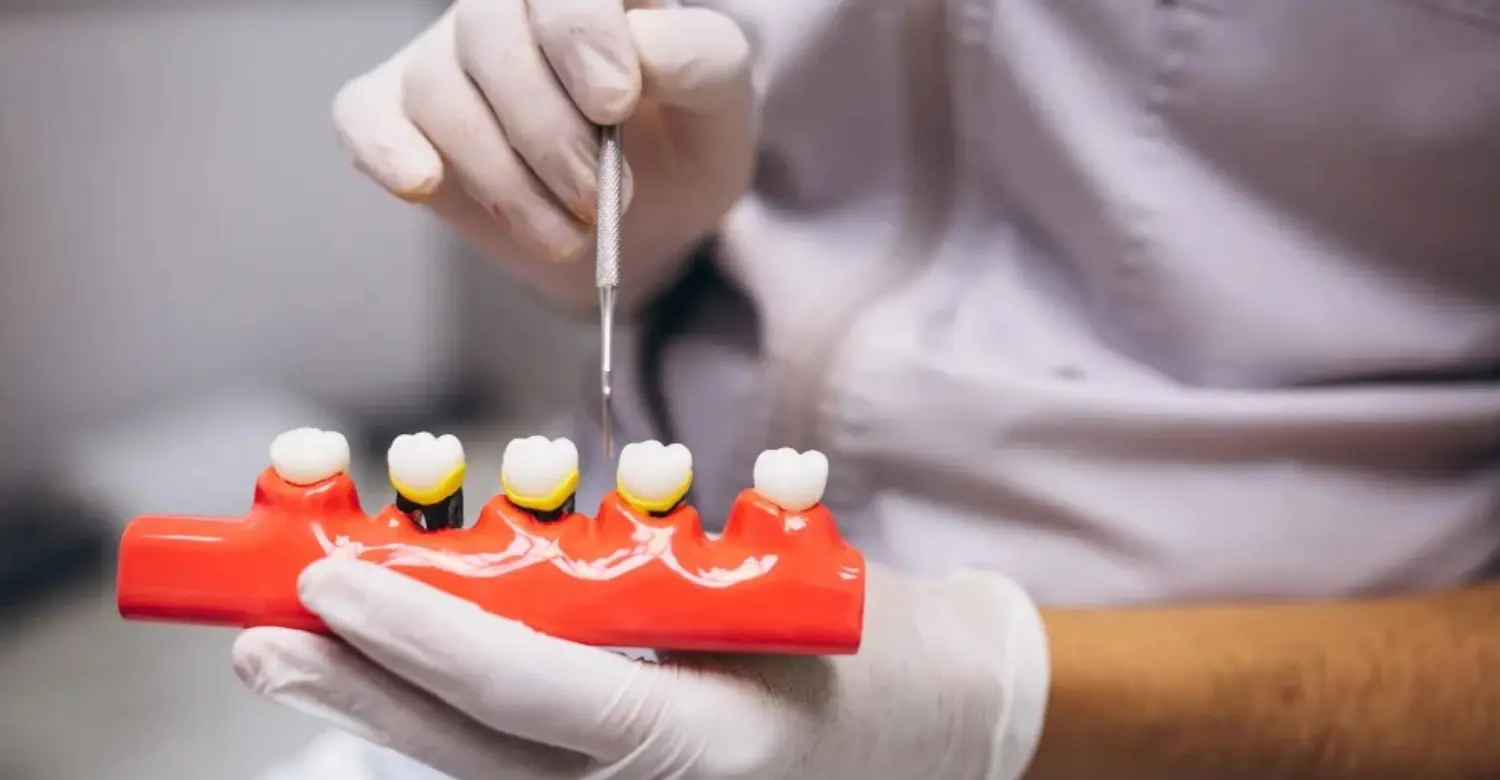
Digital Dentistry Crowns vs Conventional Crowns
Digital dentistry has changed how many crowns are planned, designed, and manufactured, though it does not automatically produce a more durable crown. Same-Day Crowns vs Lab-Made Crowns can both involve digital technology depending on the laboratory workflow, and clinical preparation, material selection, and cementation remain critical regardless of technology.
Digital Scanning and Crown Planning
Intraoral scanners capture optical information transferred directly into design software, allowing dentists to evaluate preparation margins within the digital model before fabrication.
CAD/CAM Crown Design and Manufacturing
The dentist or technician creates a digital design considering anatomy, contacts, margins, and function, and CAM equipment then mills the restoration from a selected material.
Digital Accuracy and Crown Fit
Digital records can be highly detailed, but scanning errors can occur from saliva, movement, or difficult access. Crown fit depends on the entire workflow, not scanning alone.
Digital Workflow and Patient Comfort
Digital scanning eliminates bulky impression trays and can move files quickly between clinical and laboratory teams, though it still requires patient cooperation and moisture control.
Clinical Note: Why Digital Technology Does Not Replace Clinical Expertise
Digital tools provide valuable information, but diagnosis still depends on professional judgment regarding tooth structure, periodontal health, and restorative prognosis.
What We Notice Clinically About Same-Day and Lab-Made Crowns
Restoration success depends on several interacting factors material, preparation, occlusion, patient habits, and follow-up and Same-Day Crowns vs Lab-Made Crowns is only one consideration within this complete treatment picture.
Crown Material Can Affect Longevity
Zirconia suits patients with substantial functional demands, while lithium disilicate balances strength and appearance; the manufacturing workflow does not eliminate these material considerations. Not sure which material fits your case? Compare your options in the types of dental crowns.
Proper Tooth Preparation Is Essential
Dentists must preserve healthy structure while creating sufficient space for the restorative material, since excessive or insufficient reduction can compromise strength or form.
Occlusion Should Be Carefully Evaluated
Excessive contacts can concentrate forces and contribute to fracture or discomfort, so dentists evaluate static and functional contacts before final cementation.
Patient Habits Can Affect Crown Lifespan
Biting hard objects, frequent hard foods, and teeth grinding can increase mechanical stress, while smoking and poor hygiene may affect periodontal stability around the crown.
Regular Follow-Up Supports Crown Longevity
Regular examinations allow dentists to evaluate margins, contacts, occlusion, and gum health, helping address minor problems before they become significant complications.
Tips for Patients: How to Make Your Dental Crown Last Longer
Long-term performance depends on professional treatment and consistent daily maintenance. Same-Day Crowns vs Lab-Made Crowns does not determine how carefully a restoration must be maintained, regardless of whether the crown was made chairside or in a laboratory.
Maintain Good Oral Hygiene
Brushing twice daily, cleaning between teeth, and attending professional cleanings help protect the crown margins and surrounding gums.
Avoid Hard and Sticky Foods
Chewing very hard objects or using teeth as tools can place additional stress on restorations, so patients should follow their dentist's specific eating instructions.
Manage Teeth Grinding
A custom night guard may help protect teeth and restorations for patients who grind or clench, particularly during sleep. Get the full picture on protecting your investment in the effects of bruxism on teeth.
Protect Your Gums and Supporting Teeth
Plaque accumulation around crown margins can contribute to gingival inflammation, so careful interdental cleaning and periodontal maintenance are important.
Attend Regular Dental Checkups
Dentists can assess margins, occlusion, and periodontal tissues, identifying early signs of wear or damage that patients may not notice themselves. See what a proactive care routine really looks like in preventive dentistry at Vitrin Clinic.
Follow Your Dentist's Aftercare Instructions
Patients should follow eating, brushing, and activity guidance provided after cementation, and report persistent pain, sensitivity, or bite changes promptly.
Same-Day Crowns vs Lab-Made Crowns: Pros and Cons Compared
Both restorative workflows offer meaningful advantages and limitations, and Same-Day Crowns vs Lab-Made Crowns should be compared according to treatment goals rather than speed alone.
Same-Day Crown Advantages
Chairside treatment can reduce appointments, provide rapid delivery, and avoid temporary crowns in suitable cases, though case selection remains essential for predictable results.
Same-Day Crown Disadvantages
Some systems offer fewer material options and may be unsuitable for complex aesthetics or additional required procedures.
Lab-Made Crown Benefits
Laboratories offer extensive customization, broader material access, and coordinated design for multiple or complex restorations.
Lab-Made Crown Drawbacks
Laboratory crowns require more appointments and a temporary restoration, though the additional time can improve customization and predictability.
Same-Day Crowns vs Lab-Made Crowns Comparison
A direct comparison should consider treatment time, materials, customization, appointments, and case complexity. Same-Day Crowns vs Lab-Made Crowns does not have one universal winner for every patient.
Factor | Same-Day Crowns | Lab-Made Crowns |
Treatment speed | Usually faster | Usually longer |
Appointments | Often fewer | Usually more |
Digital workflow | Commonly integrated | Increasingly common |
Material options | System-dependent | Often broader |
Customization | Good for suitable cases | Extensive options |
Complex cases | May have limitations | Often advantageous |
Temporary crown | Often avoidable | Commonly required |
Laboratory involvement | Usually limited | Central to workflow |
Aesthetic customization | System-dependent | Often extensive |
Best use | Suitable straightforward cases | Complex or customized cases |
The dentist should evaluate clinical requirements before recommending either option.
Why Choose Vitrin Clinic for Same-Day Crowns?
Choosing a clinic involves more than selecting the fastest procedure. Same-Day Crowns vs Lab-Made Crowns requires careful evaluation of technology, materials, and patient expectations, and Vitrin Clinic combines digital dentistry with individualized clinical assessment before recommending a suitable restorative workflow.
Digital Dentistry and CAD/CAM Technology
Digital scanning creates detailed three-dimensional information, and compatible milling technology can manufacture selected restorations directly within the clinic when clinically appropriate.
Personalized Crown Material Selection
Vitrin Clinic evaluates available materials according to each patient's tooth position, function, aesthetics, and grinding habits before recommending zirconia, lithium disilicate, or other ceramics.
Digital Treatment Planning
Intraoral scanning provides detailed records for preparation and surrounding anatomy, helping the dentist determine whether chairside production is clinically suitable or laboratory involvement is needed. Curious how your whole smile gets mapped out digitally? Explore Digital Smile Design.
Experienced Clinical Assessment
Vitrin Clinic evaluates remaining tooth structure, periodontal health, occlusion, and aesthetic requirements, preventing unsuitable patients from receiving treatment solely because it is faster.
Same-Day Dentistry for Suitable Patients
Straightforward crown cases may be suitable for chairside fabrication, reducing treatment interruptions, while complex aesthetics or structural damage may require additional treatment.
Same-Day Crown Treatment at Vitrin Clinic
Vitrin Clinic follows a structured digital workflow for suitable same-day restorative cases. Same-Day Crowns vs Lab-Made Crowns is discussed during treatment planning according to individual clinical needs, combining digital efficiency with professional restorative assessment at every stage.
Digital Scan and Dental Assessment
The dentist assesses tooth structure, periodontal health, and occlusion, then captures a digital scan when chairside treatment is appropriate for the case.
Treatment Planning and Crown Design
Digital software helps create a virtual representation of the proposed crown, considering anatomical shape, contacts, margins, and material selection before manufacturing begins.
Same-Day Crown Fabrication
Compatible CAD/CAM equipment mills the restoration within the clinic, followed by any necessary crystallization, polishing, or glazing before the dentist evaluates it for placement. See this same technology applied to complex implant cases in CBCT and CAD subperiosteal implant design.
Final Fitting and Bite Adjustment
The dentist checks marginal adaptation, proximal contacts, and occlusion, making adjustments before permanent cementation to reduce unnecessary mechanical stress.
Aftercare and Long-Term Monitoring
Patients receive individualized aftercare guidance and should maintain regular brushing, avoid excessive biting forces, and report any sensitivity or discomfort promptly.
Clinical Note: Why Patient Selection Matters
Patient selection is one of the most important considerations in same-day dentistry. Same-Day Crowns vs Lab-Made Crowns should never be decided solely by treatment speed, since the tooth must have suitable structural and biological conditions.
Which Is Better: Same-Day or Lab-Made Crowns?
There is no universal winner because crown selection depends on the patient's clinical situation. Same-Day Crowns vs Lab-Made Crowns should be evaluated using tooth location, material requirements, aesthetics, occlusion, and remaining tooth structure.
When Same-Day Crowns May Be the Better Choice
Same-day treatment may suit straightforward cases where efficiency is especially important, provided the tooth meets appropriate clinical requirements and suitable materials are available.
When Lab-Made Crowns May Be the Better Choice
Laboratory fabrication may be preferable for extensive customization, coordinated multiple crowns, complex implant components, or demanding anterior aesthetics.
Factors Your Dentist Should Consider
Remaining tooth structure, tooth location, occlusal forces, material availability, periodontal health, aesthetic expectations, and the number of crowns required all influence the recommended workflow. Same-Day Crowns vs Lab-Made Crowns should never be selected based on treatment speed alone.
Dr. Rifat Alsaman's Clinical Perspective
Dr. Rifat Alsaman, Head of the Medical Team at Vitrin Clinic, emphasizes that crown selection should begin with the patient's clinical requirements rather than treating Same-Day Crowns vs Lab-Made Crowns as a simple competition between technologies. "A successful crown requires accurate preparation, suitable material, proper occlusion, and careful final fitting," notes Dr. Rifat Alsaman. He adds that patient habits such as bruxism and hygiene influence long-term performance regardless of which workflow is chosen.
Conclusion
Choosing between chairside and laboratory crown fabrication requires more than comparing treatment times. Same-Day Crowns vs Lab-Made Crowns involves differences in workflow, customization, materials, appointments, and clinical indications, but neither approach automatically guarantees greater durability. Crown longevity depends on material selection, preparation, marginal fit, occlusion, and patient maintenance. Vitrin Clinic evaluates these considerations before recommending the restorative approach that best matches each patient's individual clinical needs.
Reference
FAQs
Dr. Rifat Alsaman has more than 5 years of clinical experience in dentistry and currently serves as the Head of the Medical Team at Vitrin Clinic. He is dedicated to providing exceptional patient care, overseeing treatment planning, and ensuring the highest clinical standards across the team. His expertise, attention to detail, and commitment to continuous professional development have helped countless patients achieve healthier, more confident smiles.


.webp&w=3840&q=75)