Dental Implant
August 5, 2026
CBCT CAD Subperiosteal Implant Design: The Complete Guide to Personalized Implant Solutions
 Dr. Rifat Alsaman
CBCT CAD subperiosteal implant design has changed how patients with severe bone loss regain a fixed, functional smile. Personalized implant design gives people who were once told "no" by conventional dentistry a real path forward. Modern digital workflows combine CBCT imaging, CAD planning, and precision manufacturing. Together, they improve fit, comfort, and long-term outcomes. This guide walks through CBCT imaging basics, CAD technology, and patient-specific manufacturing. Readers will learn who qualifies. They will also learn how the digital workflow unfolds step by step, and what to expect before, during, and after treatment with a custom subperiosteal implant.
CBCT CAD Subperiosteal Implant Design: Understanding the Digital Workflow
CBCT CAD subperiosteal implant design starts with a full digital scan of the jaw. This scan replaces guesswork with precise anatomical data. From there, CAD software builds a virtual implant framework shaped to the patient's exact bone contours. Digital subperiosteal implant planning removes much of the uncertainty that once made this treatment unpredictable. The result is a workflow that moves from imaging to design to manufacturing without a single physical impression. This gives clinicians and patients far more confidence before surgery even begins.
What Is a CBCT CAD Subperiosteal Implant Design?
A CBCT CAD subperiosteal implants design is a custom-made implant framework that sits on top of the jawbone rather than inside it. It is built using 3D CBCT scans and CAD software rather than traditional molds. This approach allows the implant to match the patient's unique bone surface precisely. Unlike older subperiosteal implants shaped during surgery, the custom subperiosteal implant design is planned entirely beforehand. This reduces surgical time and improves how well the final structure fits the jaw.
Why Traditional Implant Planning Is Not Always Enough
Traditional implant planning relies on standard measurements and physical impressions. These methods can miss fine anatomical detail. Patients with irregular bone shapes or severe atrophy often don't fit standard implant systems well. Without CBCT dental implant planning, clinicians work with less complete information about nerve position, sinus location, and bone density. This increases the risk of poor fit or complications. Digital subperiosteal implant planning fills that gap. It maps the jaw in three dimensions before any surgical decision is made.
How Digital Dentistry Has Changed Complex Implant Rehabilitation
Digital dentistry has turned complex implant rehabilitation into a more predictable, data-driven process. CBCT-guided subperiosteal implants let clinicians visualize bone volume, density, and anatomical landmarks long before surgery. CAD/CAM subperiosteal implant technology then translates that data into a manufacturable design. This shift means fewer surprises in the operating room and shorter procedures. Implants are shaped for the individual rather than adjusted on the spot. Patients with complex cases now have realistic, well-planned treatment options.
Evolution from Conventional Impressions to Fully Digital Planning
Dental implant planning has moved from physical impressions and flat X-rays to fully digital workflows. Early subperiosteal implants were designed during surgery, based on what the surgeon could see and feel. Today, CBCT dental implant planning captures the entire jaw in 3D, and CAD software builds the implant virtually. 3D CAD design for subperiosteal implants means the framework is finalized and manufactured before the patient ever reaches the operating room. This improves both accuracy and safety. Identifying Cyclospora Symptoms And Oral Health
Who Needs a CBCT CAD Subperiosteal Implant?
Not every implant candidate needs a custom subperiosteal implant design. This option is generally reserved for patients whose bone anatomy makes conventional implants difficult or impossible. CBCT CAD subperiosteal implants design is often recommended after other implant approaches have failed or been ruled out. The following groups tend to benefit most from a patient-specific subperiosteal implant. This is especially true when bone volume is limited and a fixed restoration is still the treatment goal.
Patients with Severe Jawbone Loss
Patients with severe jawbone loss often lack enough bone height or width to support conventional implants. A custom subperiosteal implant design rests on the remaining bone surface instead of inside it. This avoids the need for extensive bone volume. CBCT-guided subperiosteal implants map exactly how much bone remains. This allows the framework to be shaped around it precisely. Fixed tooth replacement becomes possible for patients who would otherwise face very limited options.
Patients Unsuitable for Bone Grafting
Some patients cannot safely undergo bone grafting due to health conditions, healing concerns, or a preference to avoid additional surgery. For these individuals, a custom jaw implant with CBCT offers an alternative that works with existing bone rather than adding to it. Digital subperiosteal implant planning identifies the available bone surface and designs the implant accordingly. This removes the grafting step from the treatment timeline while still supporting a stable, fixed restoration.
Failed Conventional Dental Implant Cases
When conventional implants fail repeatedly, often due to insufficient bone support, a different approach is needed. CBCT CAD subperiosteal implants design offers a route forward by working with the jaw's existing structure. The subperiosteal implant CAD design process accounts for previous surgical sites and remaining bone quality. This makes it a practical option for patients who have already tried and lost conventional implants and want a more stable, long-term solution.
Elderly Patients Seeking Fixed Teeth
Elderly patients frequently experience bone resorption that limits conventional implant placement. A patient-specific subperiosteal implant can restore fixed, functional teeth. It does this without demanding extensive bone grafting or prolonged healing. CBCT dental implant planning also allows clinicians to design around age-related bone changes with precision. For patients seeking a stable alternative to removable dentures, this digitally planned approach offers a realistic path to a fixed set of teeth.
Full-Arch Rehabilitation Candidates
Full-arch rehabilitation candidates often need implants placed across the entire jaw. This raises the importance of accurate planning. CAD/CAM subperiosteal implant technology allows the full framework to be designed as one cohesive structure rather than several separate pieces. This improves overall stability and distributes chewing forces more evenly. For patients pursuing full-arch treatment, custom subperiosteal implant design offers a coordinated, precisely fitted solution across the whole dental arch. Truth about Does Smoking Affect Teeth Whitening Results
Common Patient Concerns Before Treatment
Patients considering CBCT CAD subperiosteal implant design usually have similar questions before committing to treatment. Concerns about bone grafting, stability, pain, accuracy, and recovery time are common and understandable. Addressing these questions clearly helps patients make informed decisions. Digital subperiosteal implant planning has answered many of these concerns directly. The entire process is mapped and tested virtually before any surgical step takes place. This reduces much of the uncertainty patients associate with implant treatment.
Will I Need Bone Grafting?
One of the main advantages of a custom subperiosteal implant design is that bone grafting is often unnecessary. The implant rests on the bone surface rather than inside it, so CBCT-guided subperiosteal implants are shaped to work with existing anatomy. This makes the approach appealing to patients who want to avoid additional surgery. It also spares them the extended healing time associated with grafting procedures before conventional implant placement.
Is the Implant Stable?
Stability depends heavily on accurate planning and fit. CBCT CAD subperiosteal implants design uses detailed 3D imaging to shape the framework precisely to the patient's bone surface. This improves how securely it sits in place. CAD/CAM subperiosteal implant manufacturing further ensures the framework matches the digital design exactly. When planning and manufacturing are this precise, stability tends to be significantly more predictable than with older, freehand-shaped subperiosteal implants.
Is the Procedure Painful?
As with most implant surgeries, some discomfort is expected during recovery. It is generally manageable with standard pain control. A patient-specific subperiosteal implant is planned digitally beforehand, so surgical time is often reduced. This can mean less tissue disruption. Digital subperiosteal implant planning allows the surgical team to work more efficiently, since the implant fit is confirmed before surgery rather than adjusted during it.
How Accurate Is Digital Planning?
Digital planning accuracy is one of the strongest advantages of this approach. CBCT dental implant planning captures the jaw in fine anatomical detail. CAD software then builds the implant to match that data closely. The subperiosteal implant CAD design process is reviewed digitally before manufacturing begins, catching potential fit issues early. This level of accuracy is difficult to achieve with traditional impression-based methods.
What Is the Recovery Time?
Recovery time varies by patient. A well-planned custom jaw implant with CBCT often supports a smoother healing process. Because the implant is manufactured precisely beforehand, less time is spent adjusting it during surgery. Most patients experience initial healing within the first couple of weeks. Continued adaptation follows over the next few months, as tissue settles around the custom subperiosteal implant design. Comprehensive Senior Dental Care For Seniors Guide
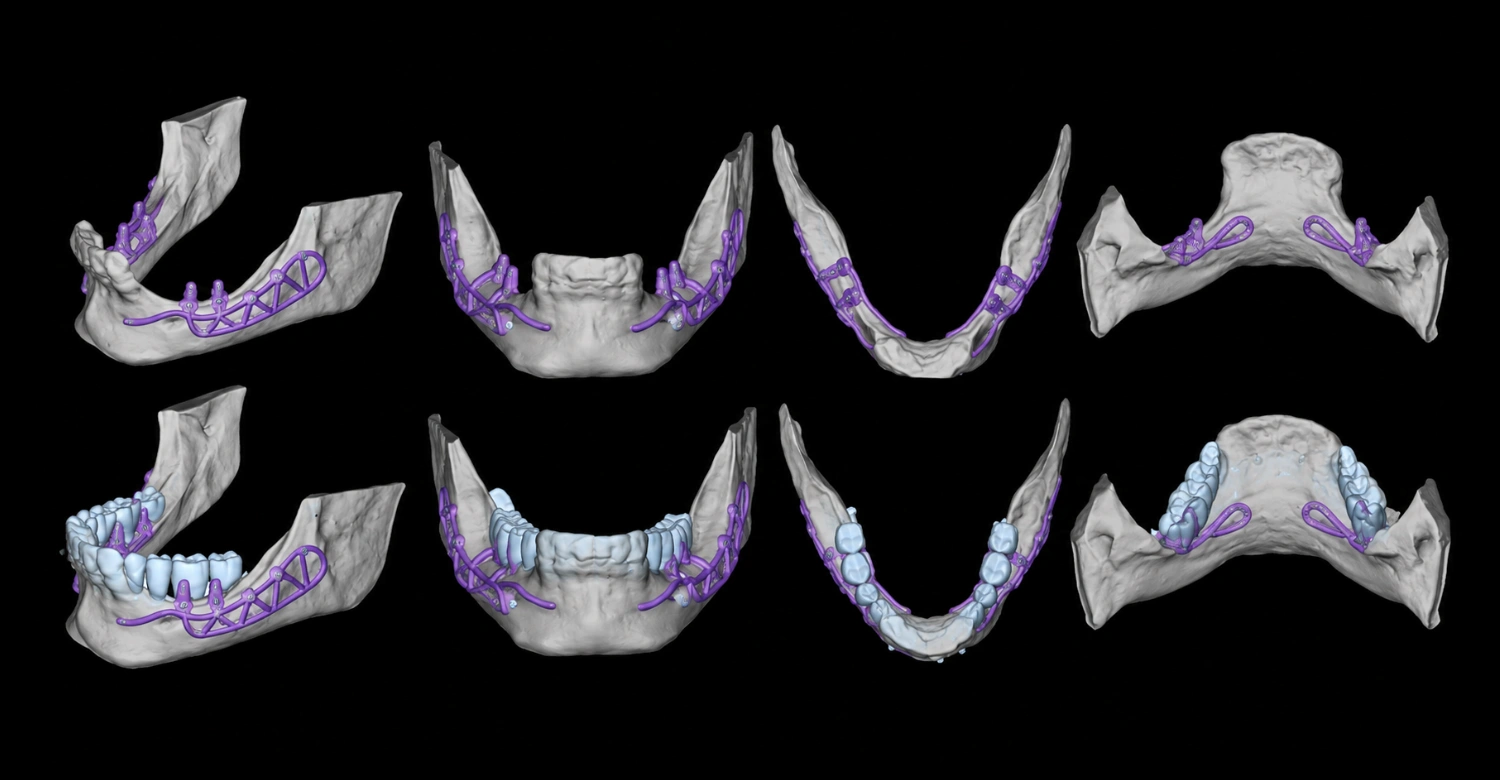
CBCT Dental Implant Planning Step by Step
CBCT dental implant planning follows a structured sequence from initial imaging through final restoration. Each step builds on the last. This ensures the custom subperiosteal implant design is accurate before manufacturing begins. This step-by-step digital subperiosteal implant planning process reduces surprises during surgery and improves long-term outcomes. Understanding each stage helps patients know what to expect. It also explains why digital planning takes the time it does before treatment moves forward.
Clinical Examination
The process begins with a thorough clinical examination of the mouth, gums, and remaining bone structure. This step helps determine whether a patient is a suitable candidate for CBCT CAD subperiosteal implant design. Oral health, bone condition, and overall treatment goals are all assessed. The findings from this examination guide the imaging and digital planning stages that follow. This ensures the treatment plan is built on accurate baseline information.
CBCT Scan and Bone Evaluation
A CBCT scan captures a detailed 3D image of the jaw. It reveals bone volume, density, and shape from every angle. This scan is central to CBCT-guided subperiosteal implants, since it provides the exact data needed for digital design. Bone evaluation at this stage identifies anatomical structures to avoid, such as nerves and sinus cavities. This ensures the implant framework is planned safely around them.
Digital Jaw Analysis
Once the CBCT scan is complete, digital jaw analysis begins. Software processes the imaging data to create a precise 3D model of the patient's bone anatomy. This analysis forms the foundation of digital subperiosteal implant planning. It allows the design team to study bone contours in detail. Accurate digital analysis at this stage directly influences how well the finished implant will fit.
Virtual Implant Positioning
Virtual implant positioning allows the design team to place the proposed implant framework on the 3D jaw model before manufacturing. This step is central to the subperiosteal implant CAD design process, since it confirms fit, coverage, and anchoring points digitally. Adjustments can be made virtually at this stage. This is far more efficient than making changes during surgery itself.
CAD Design of the Implant Framework
CAD design turns the virtual positioning into a finalized implant framework. Every contour is shaped to match the patient's bone surface precisely. This supports the goals of custom subperiosteal implant design. This stage of 3D CAD design for subperiosteal implants determines the final shape, thickness, and anchoring structure before the file is sent for manufacturing. Little room is left for guesswork later.
3D Printing and Manufacturing
Once the CAD design is finalized, 3D printed subperiosteal implants are manufactured using precision printing technology. CAD/CAM subperiosteal implant workflows ensure the physical implant matches the digital design exactly, layer by layer. This manufacturing method allows for complex, patient-specific shapes that would be difficult to achieve using older casting techniques. Both fit and consistency improve across the finished implant.
Sterilization and Quality Verification
After manufacturing, the implant undergoes strict sterilization and quality verification before it can be used in surgery. This step confirms the physical implant matches the approved CAD design and meets safety standards. Quality verification is a non-negotiable part of any custom subperiosteal implant design process. It ensures the final product is both accurate and safe for surgical placement.
Surgical Placement
Surgical placement is typically faster and more predictable when the implant has been planned digitally in advance. CBCT CAD subperiosteal implant design finalizes the fit before surgery, so the surgical team spends less time making adjustments. The framework is positioned according to the pre-planned digital design. This reduces surgical time compared with implants shaped freehand during the procedure.
Healing and Prosthetic Restoration
Following placement, the healing period allows soft tissue to settle around the implant framework. Once healing is confirmed, the prosthetic restoration phase begins, attaching the final replacement teeth. This stage completes the custom jaw implant with CBCT treatment. Patients receive a fixed, functional set of teeth, built on a framework that was precisely matched to their anatomy from the start. Identifying Dental Signs Of Mouth Breathing
Custom Subperiosteal Implant Design vs Conventional Implant Systems
Comparing custom subperiosteal implant design with conventional implant systems highlights why digital planning matters. Conventional implants are placed inside the bone and require sufficient bone volume. Custom subperiosteal implant design sits on the bone surface instead. CBCT-guided subperiosteal implants are shaped to each patient individually, unlike standardized conventional systems. This comparison helps patients understand which approach fits their specific anatomical situation and treatment goals.
Surgical Differences
Conventional implants require drilling into the jawbone. This depends on adequate bone height and density. Custom subperiosteal implant design instead rests on top of the bone, secured with screws along the surface. This difference means the surgical approach, incision pattern, and healing process vary considerably. Patients with limited bone often find the subperiosteal approach more accessible, since it avoids the anatomical demands of traditional implant placement.
Precision Comparison
Precision comparison favors CAD/CAM subperiosteal implant systems in complex cases. Conventional implants rely on standardized sizes and shapes, adjusted somewhat to the patient. A patient-specific subperiosteal implant, by contrast, is designed from CBCT data to match exact bone contours. This level of individualized precision is difficult to replicate with off-the-shelf conventional implant components, particularly in patients with irregular or resorbed bone structure.
Healing Expectations
Healing expectations differ between the two approaches. Conventional implants typically require a longer osseointegration period as bone fuses around the implant. Custom subperiosteal implant design relies on soft tissue healing around a surface-mounted framework instead. This can follow a different timeline. Digital subperiosteal implant planning helps set realistic healing expectations upfront, since the surgical approach and implant fit are already confirmed before treatment begins.
Long-Term Success
Long-term success depends on fit, patient anatomy, and ongoing maintenance in both approaches. CBCT CAD subperiosteal implant design aims to improve long-term outcomes by ensuring an accurate fit from the start. Conventional implants can also achieve strong long-term results when bone volume is sufficient. The right choice depends on individual bone condition. Personalized assessment is essential before comparing long-term expectations.
Which Patients Benefit Most?
Patients with severe bone loss, failed previous implants, or contraindications to grafting tend to benefit most from custom subperiosteal implant design. Those with adequate bone volume may still be good candidates for conventional implants. CBCT dental implant planning helps determine which category a patient falls into. This ensures the recommended treatment matches their actual anatomical situation rather than a one-size-fits-all approach.
CBCT-Guided Subperiosteal Implants and Digital Precision
CBCT-guided subperiosteal implants rely on detailed imaging to achieve a level of precision that older techniques could not offer. Digital precision affects every stage, from identifying anatomical structures to confirming implant fit before manufacturing. This section explains why accurate imaging is so central to CBCT CAD subperiosteal implants design. It also shows how imaging directly improves surgical safety and the predictability of the final result.
Why Accurate Imaging Matters
Accurate imaging is the foundation of any custom subperiosteal implant design. Without detailed CBCT data, planning relies on estimates rather than exact measurements. Precise imaging allows the design team to account for bone irregularities, thickness variations, and anatomical landmarks. This directly affects how well the finished implant fits. Accurate imaging is one of the most important factors in achieving a predictable surgical outcome.
Avoiding Anatomical Structures
CBCT dental implant planning allows clinicians to clearly identify nerves, sinus cavities, and other sensitive structures before surgery. This visibility reduces the risk of complications during implant placement. Digital subperiosteal implant planning incorporates this anatomical mapping directly into the CAD design. This ensures the implant framework avoids these structures by design, rather than relying on the surgeon's judgment alone during the procedure.
Improving Surgical Safety
Improved surgical safety is a direct result of thorough digital planning. CBCT CAD subperiosteal implants design maps the surgical site in advance, so the surgical team knows exactly where the implant will sit before entering the operating room. This reduces unexpected findings during surgery and shortens overall procedure time. Both factors contribute to a safer surgical experience for the patient.
Predictable Implant Fit
A predictable implant fit is one of the clearest benefits of CBCT-guided subperiosteal implants. The framework is designed and manufactured to match the patient's exact bone surface. Surgeons can then expect the implant to seat correctly without significant on-the-spot adjustment. This predictability is a major improvement over older subperiosteal techniques that relied on shaping the implant during surgery itself. Medical query: Can A Tooth Infection Cause Elevated Liver Enzymes
CAD/CAM Subperiosteal Implant Technology
CAD/CAM subperiosteal implant technology brings together digital design software and precision manufacturing to produce implants matched to individual patients. This combination allows the entire process, from initial scan to finished framework, to happen with minimal manual adjustment. CAD/CAM subperiosteal implant systems support the accuracy goals of CBCT CAD subperiosteal implant design. Clinicians gain confidence that the manufactured implant reflects the planned digital design closely.
CAD Software in Implant Design
CAD software allows the design team to build a virtual implant framework directly from CBCT imaging data. This software supports precise control over shape, thickness, and anchoring points throughout the subperiosteal implant CAD design process. Adjustments can be made digitally before manufacturing. This reduces errors that might otherwise only be caught during surgery. CAD software is central to accurate custom subperiosteal implant design.
CAM Manufacturing Technology
CAM manufacturing technology takes the finalized CAD design and produces the physical implant using precision equipment. This process supports 3D printed subperiosteal implants that match the digital design closely, layer by layer. CAM technology reduces manual manufacturing variability. This helps ensure that each patient-specific subperiosteal implant reflects the exact specifications approved during the digital planning stage.
Digital Quality Control
Digital quality control checks the manufactured implant against the original CAD file to confirm dimensional accuracy. This step is essential in CAD/CAM subperiosteal implant workflows, catching any deviation before the implant reaches surgery. Quality control at this stage protects the precision achieved during digital subperiosteal implant planning. It also protects the safety of the eventual surgical procedure.
Benefits of Fully Customized Implants
Fully customized implants offer a closer anatomical fit than standardized systems. Custom subperiosteal implant design reduces the need for intraoperative adjustments and can shorten surgical time. Patients benefit from an implant shaped specifically for their bone structure, rather than adapted from a generic template. This individualized approach supports better long-term stability and a more comfortable overall treatment experience.
3D Printed Subperiosteal Implants
3D printed subperiosteal implants represent a major shift in how these frameworks are manufactured. Rather than casting or hand-shaping, 3D printing builds the implant layer by layer from the finalized CAD file. This manufacturing method supports the precision goals of CBCT CAD subperiosteal implants design. Complex, patient-specific shapes can be produced consistently and accurately for each individual case.
Why Titanium Is Commonly Used
Titanium is commonly used for 3D printed subperiosteal implants due to its strength, biocompatibility, and long track record in dental applications. It integrates well with surrounding tissue and withstands the functional forces of chewing over time. These properties make titanium a practical choice for custom subperiosteal implant design. It supports durability alongside the precise fit achieved through digital planning.
Precision Manufacturing
Precision manufacturing ensures that each printed implant matches its CAD design closely, layer by layer. This level of control is difficult to achieve with older casting methods. CAD/CAM subperiosteal implant technology relies on this manufacturing precision. It translates digital planning into a physical framework that fits the patient's anatomy as intended, without significant deviation from the approved design.
Patient-Specific Production
Patient-specific production means each implant is manufactured individually based on that patient's CBCT data and CAD design. No two patient-specific subperiosteal implants are identical, since each is shaped around unique bone anatomy. This individualized production process is central to achieving the anatomical accuracy that CBCT CAD subperiosteal implant design aims to provide for every case.
Safety and Quality Standards
Safety and quality standards govern every stage of manufacturing, from material selection to sterilization. 3D printed subperiosteal implants must meet strict dimensional and biocompatibility requirements before use. These standards protect patients. They also ensure that custom subperiosteal implant design consistently delivers a safe, reliable framework suitable for long-term placement in the mouth.
Tips for Patients
Patients considering this treatment should ask about the imaging technology, design software, and manufacturing process used for their custom jaw implant with CBCT. Understanding each stage of digital subperiosteal implant planning can help set realistic expectations. Bringing questions about material, sterilization, and follow-up care to the consultation supports a more informed decision before treatment begins. Anatomical overview of Tooth Surfaces
Custom Jaw Implant with CBCT: Benefits for Patients
A custom jaw implant with CBCT offers several practical advantages over conventional approaches, particularly for patients with complex bone anatomy. The entire process is planned digitally, so patients benefit from a more predictable surgical experience. This section outlines the main benefits patients can expect from choosing CBCT CAD subperiosteal implant design over less individualized treatment options.
Better Anatomical Fit
Better anatomical fit is one of the most significant benefits of custom subperiosteal implant design. The implant is shaped directly from CBCT imaging data, so it follows the patient's actual bone contours rather than a generic shape. This close fit can improve comfort. It also supports more even distribution of chewing forces across the jaw over time.
Reduced Surgical Time
Reduced surgical time is a direct benefit of thorough pre-surgical digital planning. CBCT-guided subperiosteal implants are manufactured to the exact planned specifications, so surgeons spend less time adjusting the framework during the procedure. Shorter surgical time can also reduce patient discomfort. It supports a more efficient overall treatment experience, from placement through initial healing.
Less Invasive Treatment
Less invasive treatment is often possible when the implant fit is confirmed digitally before surgery. Custom subperiosteal implant design avoids extensive intraoperative shaping, so the surgical approach can be more conservative. This can translate into a less disruptive procedure overall. It compares favorably with older subperiosteal techniques that required more extensive freehand adjustment during surgery.
Improved Stability
Improved stability results from the precise fit achieved through digital design and manufacturing. CAD/CAM subperiosteal implant technology ensures the framework matches the patient's bone surface closely, supporting secure anchoring. This stability is particularly valuable for patients pursuing full-arch rehabilitation. Consistent support across the jaw is essential for long-term function.
Faster Functional Recovery
Faster functional recovery is often reported when the implant fit is accurate from the outset. A patient-specific subperiosteal implant reduces the need for readjustment during healing. Tissue can settle around a framework that was correctly positioned from the start. This can support a smoother transition toward normal chewing function during the recovery period. Detailed structure of Gingival Sulcus
Before and After Treatment: What Patients Can Expect
Understanding what happens before and after treatment helps patients prepare realistically for CBCT CAD subperiosteal implant design. Each phase, from initial consultation through final restoration, plays a specific role in the overall outcome. This section walks through what patients can expect at each stage of the process, from the first visit through long-term recovery.
Before Surgery
Before surgery, patients undergo a CBCT scan, clinical examination, and digital planning consultation. This phase establishes the foundation for the subperiosteal implant CAD design process. Patients typically review the proposed digital plan before manufacturing begins. This gives them time to ask questions and confirm treatment goals before moving forward with the custom subperiosteal implant design.
During Surgery
During surgery, the pre-manufactured implant framework is positioned according to the digital plan. CBCT CAD subperiosteal implant design finalizes the fit beforehand, so this stage generally proceeds more efficiently than freehand shaping methods. The surgical team focuses on precise placement and secure fixation. They rely on the accuracy established during earlier digital planning.
First Week of Healing
The first week of healing typically involves some swelling and mild discomfort. This is manageable with standard care instructions. Patients are usually advised on diet, oral hygiene, and activity restrictions during this period. Custom subperiosteal implant design reduces surgical trauma compared with older techniques, so initial healing tends to progress in a fairly predictable manner.
Long-Term Recovery
Long-term recovery involves continued tissue adaptation around the implant framework over several months. Regular follow-up appointments help monitor healing progress and confirm the implant remains stable. Digital subperiosteal implant planning supports this phase by ensuring the underlying fit was accurate from the beginning. This reduces the likelihood of complications during extended recovery.
Final Prosthetic Phase
The final prosthetic phase involves attaching the permanent replacement teeth to the healed implant framework. This stage completes the CBCT CAD subperiosteal implant design treatment, giving patients a fixed, functional result. The prosthetic is fitted to match the individual's bite and aesthetic goals. This finishes the process that began with the initial CBCT scan.
Possible Risks and Limitations
Like any surgical treatment, custom subperiosteal implant design carries some risks and limitations that patients should understand beforehand. Digital planning reduces many uncertainties, but no implant treatment is entirely without risk. This section outlines the main considerations patients and clinicians weigh when evaluating CBCT CAD subperiosteal implant design as a treatment option.
Surgical Risks
Surgical risks can include infection, swelling, or implant instability, similar to other implant procedures. CBCT-guided subperiosteal implants aim to reduce these risks through precise pre-surgical planning, but they cannot eliminate them entirely. Discussing individual risk factors during consultation helps patients understand what to expect. It also clarifies how the surgical team plans to manage potential complications.
Infection Prevention
Infection prevention relies on strict sterilization protocols and careful post-surgical care. Patients are typically given specific hygiene instructions to follow during healing. Custom subperiosteal implant design involves a framework in close contact with soft tissue. Maintaining good oral hygiene afterward plays an important role in reducing infection risk throughout the healing period.
Patient Selection
Patient selection is critical to the success of CBCT CAD subperiosteal implant design. Not every patient is an ideal candidate. Factors such as gum health, bone condition, and overall health must be assessed carefully. CBCT dental implant planning helps identify suitable candidates early. This ensures the treatment approach matches each patient's specific anatomical and medical situation.
Long-Term Maintenance
Long-term maintenance involves regular checkups, good oral hygiene, and monitoring of the implant framework over time. Even with a precisely fitted patient-specific subperiosteal implant, ongoing care is necessary to support lasting results. Patients should expect periodic follow-up visits to confirm the implant remains stable and functioning as intended.
Clinical Note
Careful patient selection and consistent follow-up remain essential, even with highly accurate digital planning. CBCT CAD subperiosteal implant design significantly improves predictability, but individual healing responses can still vary. Ongoing monitoring helps catch any issues early. This supports the long-term success of the custom subperiosteal implant design over years of function. Function of Periodontal Ligament
Professional Guidance for Long-Term Success
Long-term success with CBCT CAD subperiosteal implant design depends on more than the initial surgery. Ongoing professional guidance helps patients maintain their implant and surrounding tissue for years to come. This section covers the habits and monitoring routines that support lasting results after treatment with a custom subperiosteal implant design.
Importance of Regular Monitoring
Regular monitoring allows the treatment team to catch early signs of tissue irritation or implant movement before they become significant problems. Scheduled checkups are an important part of maintaining any custom subperiosteal implant design over time. Consistent follow-up supports early intervention. This generally leads to better long-term outcomes for patients.
Maintaining Healthy Gums
Maintaining healthy gums around the implant framework is essential for long-term stability. Good oral hygiene, including proper brushing and flossing, helps prevent inflammation near the implant site. Custom subperiosteal implant design involves close contact between the framework and soft tissue. Consistent gum care plays a direct role in supporting long-term implant health.
Protecting the Implant from Excessive Forces
Protecting the implant from excessive forces, such as teeth grinding or biting hard objects, helps preserve its long-term stability. Patients may be advised to use a night guard if grinding is a concern. Avoiding unnecessary strain supports the durability of a patient-specific subperiosteal implant over years of everyday function.
Lifestyle Habits That Improve Implant Longevity
Lifestyle habits such as avoiding tobacco, maintaining good nutrition, and attending regular dental visits all support implant longevity. These habits help protect the tissue surrounding a custom subperiosteal implant design. They also reduce the risk of complications. Combined with routine monitoring, healthy lifestyle choices contribute meaningfully to long-term treatment success.
What We Notice Clinically
Clinically, patients who pursue CBCT CAD subperiosteal implant design often arrive after trying other options without success. Dr. Rifat Alsaman, Head of the Medical Team at Vitrin Clinic and cosmetic dentist, observes that accurate CBCT dental implant planning consistently improves both surgical predictability and patient confidence going into treatment. He notes that digital subperiosteal implant planning also tends to shorten consultation-to-surgery timelines. The design and manufacturing stages are clearly mapped out well before the surgical date arrives.
Why Choose Vitrin Clinic?
Vitrin Clinic combines advanced CBCT imaging with CAD/CAM subperiosteal implant technology to deliver individualized treatment planning for international patients. Choosing a clinic experienced in custom subperiosteal implant design matters, since accuracy at every stage affects the final outcome. This section outlines what sets Vitrin Clinic apart for patients considering this treatment.
Comprehensive Digital Diagnosis
Comprehensive digital diagnosis at Vitrin Clinic begins with detailed CBCT imaging and clinical evaluation. This thorough approach ensures every factor relevant to custom subperiosteal implant design is considered before treatment planning begins. A complete diagnostic picture supports more accurate decision-making throughout the entire digital subperiosteal implant planning process.
Advanced CBCT Imaging and CAD/CAM Workflow
Vitrin Clinic uses advanced CBCT imaging paired with a CAD/CAM subperiosteal implant workflow to design and manufacture patient-specific frameworks. This combination supports precise, predictable results across each stage, from initial scan to finished implant. It reflects the standards expected in modern CBCT CAD subperiosteal implant design.
Personalized Treatment Planning
Personalized treatment planning at Vitrin Clinic accounts for each patient's unique anatomy, health history, and treatment goals. Rather than applying a standardized approach, the clinic builds each custom subperiosteal implant design around individual CBCT data. This ensures the plan reflects the patient's specific needs from consultation through final restoration.
Experienced Multidisciplinary Team
An experienced multidisciplinary team supports each stage of treatment, from diagnosis through surgical placement and prosthetic restoration. This coordinated approach helps ensure consistency throughout the CBCT CAD subperiosteal implant design process. Each team member contributes specialized expertise to support accurate, well-managed patient care.
International Patient Care
International patient care at Vitrin Clinic includes support for scheduling, communication, and treatment coordination across borders. Patients traveling for custom subperiosteal implant design receive guidance throughout their visit. This helps make a complex treatment process more manageable for those coming from outside the local area.
Long-Term Follow-Up and Support
Long-term follow-up and support continue after treatment is complete, helping monitor the custom subperiosteal implant design over time. Vitrin Clinic maintains contact with patients for ongoing check-ins. This supports ongoing implant health even after patients have returned home following their initial treatment visit.
Consultation and Treatment Planning
Consultation and treatment planning at Vitrin Clinic begin with a detailed review of CBCT imaging and patient goals. This initial step lays the groundwork for accurate digital subperiosteal implant planning. It gives patients a clear understanding of their treatment path before any manufacturing or surgical steps take place. Breathing and oral health: Lung Disease And Dental Health
Book Your FREE Treatment Plan Now
Getting your free treatment plan is the first step toward a custom subperiosteal implant design suited to your specific anatomy. CBCT imaging and individualized treatment planning provide the accuracy needed for a lasting, well-fitted result. Book now to discuss your eligibility for a custom-designed subperiosteal implant in detail, at no cost to you. The treatment team at Vitrin Clinic provides personalized assessments using advanced digital technologies. This helps you understand your options before committing to treatment.
References:
FAQs
Dr. Rifat Alsaman has more than 5 years of clinical experience in dentistry and currently serves as the Head of the Medical Team at Vitrin Clinic. He is dedicated to providing exceptional patient care, overseeing treatment planning, and ensuring the highest clinical standards across the team. His expertise, attention to detail, and commitment to continuous professional development have helped countless patients achieve healthier, more confident smiles.


