Same Visit Dentistry
August 10, 2026
Does Speed Affect Quality? The Truth About Faster Dental Treatment
 Dr. Rifat Alsaman
Does Speed Affect Quality? It's the question many patients ask when offered same-day or accelerated dental treatment. A faster timeline can feel reassuring, yet it can also raise doubt about whether corners are being cut. The truth lies in a key distinction: speeding up a process is not the same as rushing a procedure. Treatment time is shaped by diagnosis, complexity, materials, technology, biological healing, and clinical judgement. High-quality dentistry can sometimes be delivered quickly, but speed should never come at the expense of safety or precision. In this guide, patients will learn when faster treatment is appropriate and when extra time is essential. They will also see how technology improves efficiency and what dentists assess before recommending same-day treatment.
Does Speed Affect Quality? What Actually Determines Dental Treatment Quality?
Does Speed Affect Quality on its own? Not really. Treatment duration alone cannot determine whether dentistry is high quality, because quality depends on what happens during that time, not simply how long it takes. A rapid appointment built on careful planning can be excellent. A slow appointment without proper diagnostics can still fall short. Six factors matter more than speed: accurate diagnosis, individualised planning, clinical precision, material quality, quality control, and follow-up. Together, these determine whether treatment is safe, predictable, and long-lasting, regardless of the clock.
Accurate Diagnosis
Every treatment begins with a clinical examination, supported by X-rays or CBCT scanning when indicated. Teeth, gums, bite, and existing restorations are all assessed before any plan is made. This diagnostic stage protects against surprises later in treatment, and it's the clearest example of Does Speed Affect Quality in practice. Skipping or shortening it is what actually creates risk, not a fast overall timeline. Accurate diagnosis is the foundation that allows efficient treatment to remain safe and predictable for each individual patient case.
Individualised Treatment Planning
Two patients receiving the same procedure may still need different timelines. One may have straightforward anatomy; another may need additional preparation. Planning accounts for these differences rather than applying a fixed schedule to everyone. Good planning can actually make treatment faster, because fewer unexpected issues arise mid-procedure. It is not about rushing decisions. It is about making informed decisions early, so execution afterward is smooth and clinically sound proof that Does Speed Affect Quality depends on preparation.
Clinical Precision
Precision covers tooth preparation, occlusion, restoration fit, contacts, aesthetics, and functional assessment. These details determine comfort and longevity far more than appointment length. A precise restoration that fits correctly the first time can be completed efficiently. An imprecise one, even done slowly, may require rework. Precision is a skill and process issue, not a time issue. It remains non-negotiable regardless of how quickly treatment is delivered, which answers Does Speed Affect Quality at the technical level.
Material and Laboratory Quality
High-quality materials and proper fabrication directly affect how restorations perform and last. Faster production, particularly through digital workflows, does not automatically mean inferior materials. Modern CAD/CAM systems can manufacture precise restorations quickly without lowering material standards. What matters is whether the materials and lab processes meet clinical requirements, not simply how many days production takes. Efficient manufacturing and quality materials can coexist successfully, another reminder that Does Speed Affect Quality has more to do with process than pace.
Quality Control
Before any appointment ends, a final examination checks bite adjustment, aesthetic evaluation, and overall fit. Patients also receive clear instructions for aftercare. This step exists regardless of how quickly the earlier stages moved. Quality control is the safeguard that confirms treatment meets clinical standards before the patient leaves. Removing this step to save time is where genuine risk begins, not efficient earlier stages. This is exactly why Does Speed Affect Quality hinges on this final check.
Follow-Up and Maintenance
Treatment quality extends beyond the appointment itself. What happens afterward, including healing, adjustment, and long-term maintenance, is part of the overall outcome. A well-planned follow-up schedule confirms that fast treatment has settled correctly. Ignoring this stage undermines even the most precise procedure. Follow-up is not optional. It is the final measure of whether a faster process delivered a genuinely lasting result, closing the loop on Does Speed Affect Quality for every case.
Does Faster Dental Treatment Affect Quality?
Does faster dental treatment affect quality? It depends entirely on how that speed is achieved. There is a real difference between efficient dentistry, accelerated dentistry, and rushed dentistry. Efficient workflows can shorten treatment without compromising essential clinical steps, because they remove unnecessary waiting rather than necessary assessment. In some cases, faster treatment can even improve the patient experience by reducing visits, discomfort, and disruption. This only holds provided every clinical requirement is still respected.
When Faster Treatment Can Maintain Quality
Faster treatment tends to maintain quality in straightforward cases, well-planned cosmetic procedures, and certain restorative work. Digital workflows and suitable same-day cases also support this. These situations share predictable anatomy and clear diagnostics, allowing dentists to move efficiently without skipping steps. Speed here reflects preparation and technology, not compromise. Outcomes can remain consistently reliable and safe for appropriately selected patients a clear yes to Does Speed Affect Quality when conditions align.
When Faster Treatment Can Become a Problem
Complex diagnosis, active infection, poor gum health, or complicated surgical cases all require additional time. Insufficient tooth structure, biological healing needs, and treatments involving laboratory stages cannot be safely condensed. Attempting to accelerate these situations increases risk rather than convenience. Recognising when a case does not suit a fast timeline is itself part of responsible, quality-focused clinical decision-making. It is part of answering Does Speed Affect Quality honestly.
The Difference Between "Fast" and "Rushed"
Fast treatment combines better planning, efficient workflow, and appropriate technology. Rushed treatment involves less assessment, skipped steps, and insufficient quality control. The visible difference may be small during the appointment, but the long-term outcome tells the real story. Understanding this distinction helps patients evaluate offers of quick treatment with confidence rather than automatic suspicion.
Fast Dental Treatment vs Quality: Is It Really a Trade-Off?
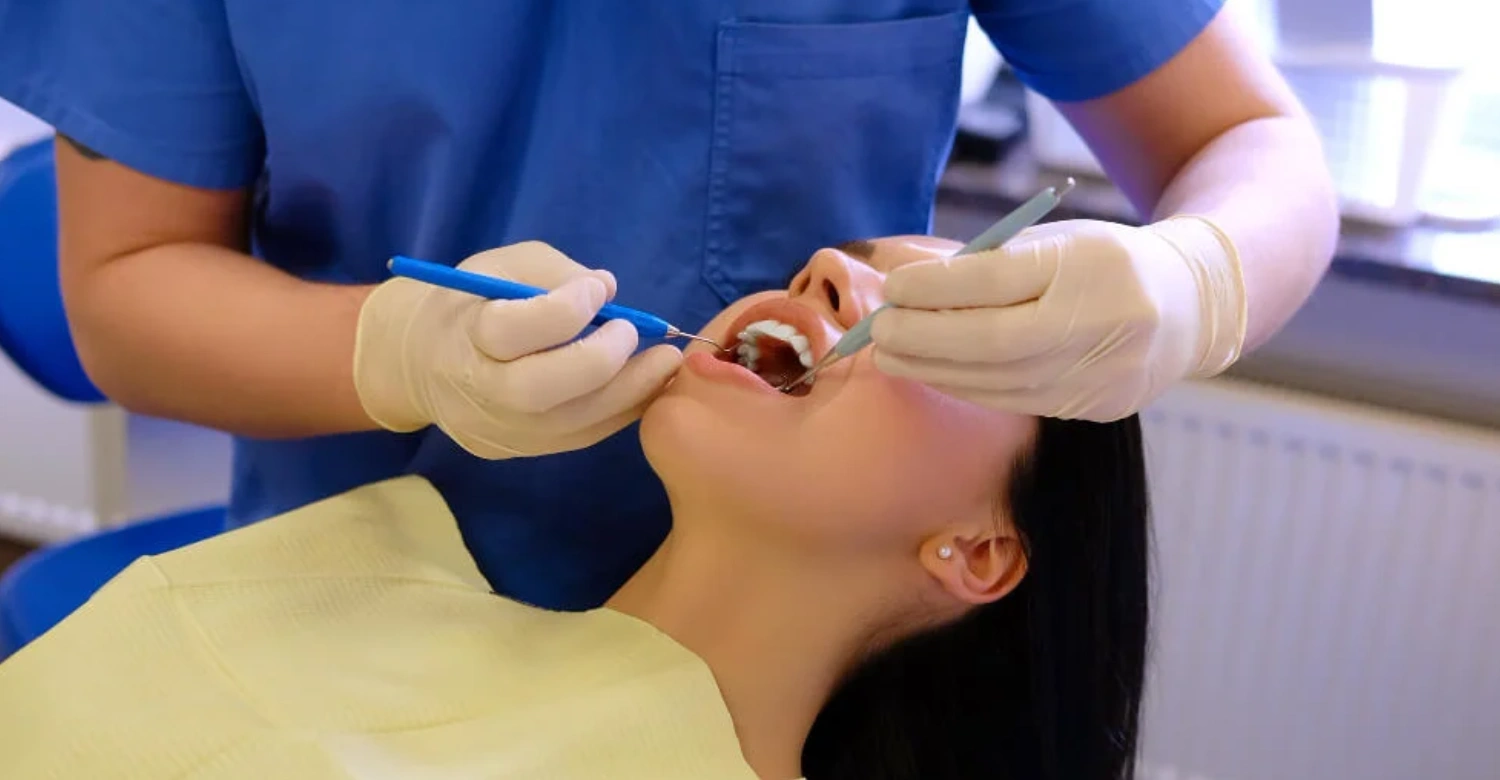
Fast dental treatment vs quality is often framed as an either-or choice, but that assumption doesn't always hold. Modern dentistry, supported by digital planning, can sometimes improve both speed and outcome together. Treatment planning reduces unnecessary waiting time between diagnosis and execution. The shortest possible timeline is not automatically the best timeline. The right timeline is the one matched to the individual case, not the fastest one available.
What Patients Should Never Trade for Speed
Certain elements must never be shortened for the sake of a faster timeline. These include accurate diagnosis, sterilisation and infection control, appropriate preparation, proper material selection, occlusal assessment, final fitting, and post-treatment instructions. These are the non-negotiables of dental care. Any provider willing to skip them to save time is prioritising convenience over patient safety. That should always be a warning sign for patients asking Does Speed Affect Quality before choosing a clinic.
What Can Safely Be Made More Efficient?
Digital impressions, communication with laboratories, treatment planning, CAD/CAM workflows, digital smile planning, and certain chairside restorations can all be streamlined safely. These improvements remove administrative and logistical delays rather than clinical steps. Efficiency here comes from better tools and coordination, not reduced care. This is where genuine time savings exist. Nothing touches the parts of treatment that determine long-term quality, reinforcing that Does Speed Affect Quality depends on which steps are shortened.
Same-Day Dentistry Quality: Can Treatment Really Be High Quality in One Visit?
Same-day dentistry quality depends on what actually happens within that single visit. Same-day does not mean every stage is skipped. A carefully planned one-day procedure can still include diagnosis, digital scanning, treatment preparation, restoration design, manufacturing, fitting, bite assessment, and final review. The compression happens in scheduling and technology, not in the clinical process itself, which is what allows same-day dentistry to remain genuinely reliable.
Quality of Same-Day Dental Treatment Depends on the Case
The quality of same-day dental treatment depends heavily on several factors: patient selection, tooth condition, gum health, and bite or functional requirements. Some patients are simply better candidates than others for compressed timelines. A careful assessment beforehand determines suitability, rather than assuming every case can be completed in one visit. This individual evaluation is what protects outcomes when timelines are shortened.
When Same-Day Dentistry May Be Appropriate
Selected crowns, selected veneers, certain restorative procedures, and certain cosmetic dental workflows may suit same-day treatment. These cases typically involve predictable anatomy and minimal complicating factors. When conditions align, same-day dentistry quality can match that of a longer timeline, offering convenience without any meaningful compromise to the final clinical result.
When Same-Day Treatment May Not Be Appropriate
Complex surgery, cases requiring healing, and extensive periodontal treatment are generally unsuitable for same-day compression. The same applies to certain implant procedures and complicated full-mouth rehabilitation. These situations depend on biological timelines that cannot be shortened safely. Recommending a longer schedule in these cases reflects sound clinical judgement, not a limitation in technology or skill.
Fast Dental Procedures: Which Treatments Can Be Completed Quickly?
Fast dental procedures typically rely on digital technology and predictable anatomy. Not every treatment suits compression, but several common procedures can be completed efficiently when the case is appropriate. Understanding which treatments fall into this category helps patients set realistic expectations. The following sections outline where speed is achievable, and where additional time remains clinically necessary for a safe, lasting outcome.
Same-Day Crowns
Digital scanning and CAD/CAM manufacturing can significantly shorten the crown workflow, removing the need for temporary restorations and a second visit. However, tooth preparation and final fitting still require the same precision as a traditional crown. The technology accelerates production, not clinical judgement. A same-day crown, done correctly, should fit and function identically to one produced over several days, another practical answer to Does Speed Affect Quality.
Same-Day Veneers
Same-day veneers typically involve digital smile planning, shade selection, and tooth preparation, sometimes with a trial or assessment stage where appropriate. Final bonding and evaluation complete the process. Each of these steps remains essential regardless of the compressed schedule. The efficiency comes from digital design and manufacturing speed. Nothing is omitted from the careful, precision-driven veneer process, which is central to Does Speed Affect Quality for cosmetic cases.
Same-Day Restorative Dentistry
Selected fillings and restorations can often be completed in a single visit, particularly with digital tools. Procedure complexity, rather than convenience, determines whether same-day treatment is realistic. Straightforward restorative cases suit this approach well, while more extensive damage may require a staged plan. The deciding factor is always the clinical picture, not simply patient preference for speed.
Procedures That Usually Need More Time
Several procedures typically require more time: complex root canal treatment, implant surgery and healing, bone grafting, extensive periodontal treatment, and complex restorative rehabilitation. These procedures depend on biological healing or multi-stage precision that cannot be safely compressed. Patients considering these treatments should expect a longer, carefully staged plan rather than a same-day approach. In the interest of long-term success, Does Speed Affect Quality clearly favours patience here.
Same-Day Dental Treatment Benefits: When Faster Can Be Better for Patients
Same-day dental treatment benefits go beyond simple convenience. Fewer visits, less disruption, and faster restoration of function all matter clinically and practically, particularly for patients balancing travel, work, or family commitments. When a case is genuinely suitable, a shorter timeline can improve the overall experience without reducing the quality of the outcome. These benefits explain why same-day options remain popular among appropriately selected patients.
Fewer Dental Visits
Reducing the number of appointments is particularly valuable for patients travelling internationally. They may not have the flexibility to return for multiple stages. Fewer visits mean less time away from home, work, and daily responsibilities. For suitable cases, this benefit doesn't come at the cost of quality. The clinical steps are simply consolidated, not removed from the overall process, so Does Speed Affect Quality here has a reassuring answer.
Less Disruption to Daily Life
Faster, well-planned treatment reduces disruption to work, family commitments, and travel arrangements. Patients can return to their routines sooner, which matters for both practical and emotional wellbeing. This convenience is a genuine benefit when the underlying case supports it. Dental care can fit into a busy life rather than dominating the schedule for weeks at a time.
Faster Restoration of Dental Function
When clinically appropriate, patients may regain chewing function and comfort sooner through a compressed treatment timeline. This can meaningfully improve daily life, particularly for those dealing with discomfort or missing teeth. Faster restoration of function is only appropriate when the clinical case supports it. Otherwise, healing and staged treatment remain the safer, more reliable path to a lasting result.
A More Streamlined Patient Journey
A streamlined journey involves fewer handoffs, better coordination between clinical and laboratory teams, and reduced waiting between stages. This organisation improves the patient experience even when the underlying treatment itself takes a similar amount of clinical time. Streamlining is largely about logistics and communication. It makes the process feel efficient without altering the essential clinical work involved, which is why Does Speed Affect Quality rarely applies to scheduling improvements.
Faster Does Not Mean "Instant"
Patients should maintain realistic expectations. Some procedures can be completed quickly, while biological healing continues quietly afterward, out of sight. Fast does not mean the body's response is instant too. Understanding this distinction helps patients appreciate why aftercare and follow-up remain essential, even when the visible treatment itself was completed efficiently in a single appointment.
Dental Treatment Time and Quality: How Much Time Does Good Dentistry Need?
Dental treatment time and quality are connected, but there is no universal "ideal" duration that applies to every patient. What matters is clinically appropriate treatment time: long enough to meet every diagnostic and clinical requirement, without unnecessary delay. This concept shifts the focus away from arbitrary timelines and toward what each individual case genuinely requires for a safe, precise, and lasting outcome.
How Long Does Dental Treatment Take?
How long does dental treatment take depends on several variables. These include the number of teeth involved, existing dental problems, gum condition, tooth structure, treatment type, digital workflow availability, laboratory requirements, healing needs, and patient expectations. Because these factors vary so widely between individuals, there is no single answer. A proper consultation and diagnostic assessment are the only reliable way to estimate a realistic timeline. Does Speed Affect Quality really depends on the specifics of each case.
Why Two Patients May Have Different Treatment Timelines
Patient A may require straightforward restorative treatment completed quickly. Patient B may need periodontal or surgical preparation first, extending the overall timeline considerably. Comparing these two cases directly can be misleading, since their starting conditions differ. Copying another patient's timeline as an expectation ignores the individualised planning that genuinely determines how long treatment should take.
Tips for Patients
Ask specific questions about diagnosis and treatment planning.
Confirm that quality control and follow-up care are included.
Choose experienced dental providers with proven digital workflows.
Prioritise treatment suitability over convenience or speed.
Accept faster treatment only when supported by a genuine clinical assessment.
Be cautious of scheduling pressure or promotional promises.
Does Faster Dental Treatment Work?
Does faster dental treatment work? The honest answer is balanced: it works when the clinical protocol genuinely supports it. Predictability matters more than raw speed. A shorter timeline should always be based on diagnosis and planning, not on convenience alone. When these conditions are met, faster treatment can deliver results as reliable as a traditional schedule, without introducing unnecessary clinical risk to the patient.
What Makes Faster Treatment Predictable?
Predictable faster treatment relies on appropriate patient selection, an experienced clinical team, accurate diagnostics, digital planning, appropriate materials, quality control, and follow-up. Each element reduces uncertainty during the process. When all of these are in place, speed becomes a byproduct of good preparation. It is not a goal pursued at the expense of safety, precision, or long-term outcome settling Does Speed Affect Quality in favour of preparation.
Before and After Faster Dental Treatment: What Should Patients Expect?
Understanding what happens before and after faster dental treatment matters as much as the procedure itself. Each stage, from initial consultation through long-term maintenance, shapes the overall outcome. Patients who understand this full journey tend to have more realistic expectations and better long-term satisfaction. This holds true regardless of how quickly the core procedure was completed.
Before Treatment
Before treatment, patients should expect a consultation, examination, and diagnostics, followed by treatment planning. The proposed timeline and expected outcome should be discussed clearly, along with any relevant risks and limitations. This preparatory stage sets realistic expectations and confirms suitability for a faster approach. Patients enter treatment with a full understanding of what will happen and why, which is where Does Speed Affect Quality is first addressed.
Immediately After Treatment
Immediately after treatment, patients may notice improved aesthetics and function, alongside temporary sensitivity or bite awareness as the mouth adjusts. Minor adjustments are sometimes needed in the days that follow. These responses are normal and expected, regardless of how quickly the procedure itself was completed. They form a routine part of settling into any new restoration or treatment.
Long-Term Results
Long-term results depend on consistent oral hygiene, regular examinations, and professional maintenance. Protecting restorations and managing bruxism, where relevant, also plays a meaningful role. A fast procedure does not remove this ongoing responsibility. Long-term success is shared between the clinical team's precision and the patient's continued care after leaving the appointment. This underscores that Does Speed Affect Quality extends well past the treatment day.
Why a Fast Treatment Timeline Does Not Guarantee a Long-Lasting Result
Longevity depends on treatment quality and patient behaviour after treatment. It has little to do with how quickly the procedure was completed. A precise, well-planned fast treatment can last just as long as a traditional one, provided aftercare is followed. Speed and durability are separate variables; assuming one guarantees the other overlooks the ongoing role patients play in protecting their results.
Clinical Note
Does Speed Affect Quality when every stage of this formula is respected? Generally not. Problems arise only when a stage is skipped or shortened to meet an artificial deadline. Patients are encouraged to view timelines as an outcome of careful planning, not as the starting point for treatment decisions made under pressure.
How Technology Can Improve Speed Without Sacrificing Quality
Technology plays a central role in making faster treatment genuinely safe. Digital scanning, CAD/CAM systems, and digital smile design each remove specific inefficiencies from the traditional workflow. Rather than replacing clinical judgement, these tools support it. They allow dentists to plan and execute treatment more accurately and efficiently, which is often what makes a shorter timeline clinically reliable.
Digital Scanning
Digital scanning replaces traditional impressions with faster, more comfortable, and more accurate digital records. This improves communication between the clinical team and laboratory, reducing errors and remakes. The accuracy gained through digital scanning often shortens the overall workflow naturally. There is no reduction in diagnostic thoroughness or the precision required for a well-fitting final restoration, a good example of Does Speed Affect Quality working in the patient's favour.
CAD/CAM Dentistry
CAD/CAM dentistry combines digital design with computer-aided manufacturing, allowing restorations to be produced with precision and, in many cases, a shorter workflow. This technology supports same-day options for suitable cases. The manufacturing speed does not replace the clinical steps of preparation, fitting, and adjustment, which remain essential regardless of how the restoration itself was produced.
Digital Smile Design
Digital smile design allows visual treatment planning before any irreversible steps are taken. It improves patient communication and supports more predictable cosmetic planning. Patients can see a realistic preview of expected results, which reduces uncertainty and supports informed decision-making. This planning tool often makes subsequent treatment stages more efficient, because expectations are aligned early in the process.
The Dentist Still Makes the Clinical Decisions
Technology supports the dentist; it does not replace diagnosis or clinical judgement. Every digital tool still requires interpretation and decision-making from an experienced clinician. This human oversight is what ensures technology-driven efficiency translates into genuine quality, rather than simply faster output. The final clinical call always rests with the treating dentist, not the software alone. This is ultimately why Does Speed Affect Quality is a clinical question first.
Quality vs Speed in Dentistry: What Should Patients Prioritise?
Quality vs speed in dentistry shouldn't be framed as a simple opposition. Patients should not ask only how quickly they can finish. A more useful question is whether the proposed timeline is appropriate for their specific case. Removing unnecessary waiting time is entirely different from removing necessary clinical steps, and understanding that difference is the key to evaluating any faster treatment offer confidently.
The Ideal Dental Treatment Formula
The ideal formula follows diagnosis, planning, efficient treatment, quality control, and follow-up, in that order. Diagnosis identifies the real clinical picture. Planning organises the approach. Efficient treatment removes unnecessary delay. Quality control confirms the outcome. Follow-up protects it long-term. Removing unnecessary waiting time is different from removing necessary clinical steps, and this formula keeps that distinction clear throughout.
What We Notice Clinically
Dr. Rifat Alsaman, Head of the Medical Team at Vitrin Clinic and a cosmetic dentist, is clear that speed itself is never the measure of quality. Before recommending a faster pathway, his first question is always whether treatment can be performed safely within the proposed timeframe. He draws an important distinction between reducing unnecessary delays and shortening clinically necessary steps. In his view, precision, patient suitability, and predictable results remain the priority, the clearest answer to Does Speed Affect Quality from a clinical perspective.
Vitrin Clinic: Where Efficient Dentistry Meets Clinical Precision
Vitrin Clinic approaches treatment time as a clinical decision, not a marketing promise. Efficient dentistry and precision are treated as complementary goals rather than competing priorities. This final section explains how patient-specific planning, modern technology, and clinical expertise come together at Vitrin Clinic. Together, they determine whether a faster pathway is genuinely appropriate for each case.
A Patient-Specific Approach to Treatment Time
Vitrin Clinic does not treat every patient according to a fixed timeline. Treatment duration is determined only after thorough assessment and planning specific to that individual. This approach ensures that speed, when offered, reflects genuine clinical suitability. It is never a standardised promise applied regardless of each patient's unique diagnostic picture, keeping Speed Affect Quality central to every plan.
Modern Technology and Dental Workflows
Vitrin Clinic uses digital diagnostics, digital treatment planning, CAD/CAM workflows where appropriate, and cosmetic dentistry technology to support efficient care. These tools improve accuracy and communication throughout treatment. Technology at Vitrin Clinic is applied selectively, based on what each case requires, rather than used indiscriminately simply to shorten every treatment timeline possible.
Clinical Expertise
Vitrin Clinic's clinical team brings experienced, precision-focused care to every treatment plan. Clinical planning, aesthetics, and patient safety remain central to every recommendation made. This expertise underpins the clinic's ability to offer faster treatment pathways confidently in suitable cases. It also means recommending longer, staged approaches whenever a patient's situation genuinely requires more time.
Is Faster Treatment Right for You?
A professional assessment is the only reliable way to know. Consultation determines whether a faster treatment pathway is clinically suitable for an individual case, based on diagnosis rather than assumption. Patients considering same-day or accelerated treatment are encouraged to start with an honest evaluation, rather than choosing a timeline before understanding their own clinical picture.
Discover Your Appropriate Treatment Timeline
Curious whether faster treatment suits your case? Vitrin Clinic invites you to schedule a consultation built around quality, safety, predictability, and efficiency, not simply the fastest possible promise. Contact Vitrin Clinic today to discuss your goals and receive a treatment timeline genuinely matched to your individual diagnosis and needs.
References:
FAQs
Dr. Rifat Alsaman has more than 5 years of clinical experience in dentistry and currently serves as the Head of the Medical Team at Vitrin Clinic. He is dedicated to providing exceptional patient care, overseeing treatment planning, and ensuring the highest clinical standards across the team. His expertise, attention to detail, and commitment to continuous professional development have helped countless patients achieve healthier, more confident smiles.


.webp&w=3840&q=75)
