General Dentistry
August 5, 2026
Subperiosteal Implant Failure: Causes, Symptoms, and Treatment

Subperiosteal implant failure is a concern that every patient considering this type of implant should understand before treatment begins. Subperiosteal implants can offer a solution for patients with insufficient jawbone. However, they are not risk-free, and problems can develop over time if warning signs are missed. Recognizing the causes and symptoms early, and seeking prompt care, makes a real difference in outcome. At Vitrin Clinic, patients are guided through every stage of the process, from diagnosis to long-term follow-up. This reduces the chances of implant failure and protects their oral health for years to come. This guide explains what subperiosteal implant failure looks like, why it happens, and how it can be treated and prevented.
Can a Subperiosteal Implant Fail?
Yes, a subperiosteal implant can fail, and understanding why is the first step toward prevention. Long-term data shows that survival rates decline the longer an implant remains in place. Some prospective studies following 3D-printed titanium subperiosteal implants found survival dropping sharply between the third and sixth year. This highlights how implant failure can develop gradually rather than suddenly. Other long-term mobility research found that roughly a quarter of implants showed mobility issues by year six. This reinforces the need for ongoing monitoring rather than a single post-surgery check.
What Causes Subperiosteal Implant Failure?
Several biological and mechanical factors can contribute to subperiosteal implant failure. Most of them are preventable with proper care and monitoring.
Common causes of failure
Infection around the implant
Poor bone support
Incorrect implant positioning
Excessive pressure on the implant
Smoking and poor oral hygiene
Gum disease and medical conditions
Clinical studies have linked failure directly to these factors. For example, one clinical review reported a 13.3% implant failure rate, primarily attributed to infection and inadequate osseointegration. So when patients ask, can a subperiosteal implant fail, the honest answer is that it can. However, the risk is significantly reduced with careful case selection, precise surgical planning, and consistent follow-up. Understanding what causes dental implant failure in general also helps here. Many of these risks apply across implant types, not just subperiosteal designs. Dental implant complications are rarely random; they usually trace back to an identifiable cause.
Tips for the Patients
Maintain excellent oral hygiene
Attend regular dental checkups
Avoid smoking
Report unusual pain or swelling immediately
Following these habits consistently is one of the simplest ways patients can lower their personal risk of implant failure over time.
How Long Do Subperiosteal Implants Last?
Longevity varies widely from patient to patient, and this is one of the most common questions asked before treatment. A ten-year survival rate of 79% has been reported for mandibular subperiosteal implants. Survival drops to around 60% at fifteen years, and implant loss tends to increase gradually over time rather than stabilizing. This pattern is an important part of understanding subperiosteal implant failure. It shows that the risk window does not close after the first year. Risk continues throughout the life of the implant.
Factors That Affect Implant Longevity
Implant longevity is rarely determined by a single element. Instead, several biological, mechanical, and personal factors interact over time to decide whether an implant remains stable or eventually fails. Some of these factors are within a patient's control, while others depend on bone anatomy and healing response. Understanding each one helps set realistic expectations from the very first consultation.
Factors influencing lifespan
The list below outlines the main variables that influence how long a subperiosteal implant can be expected to function. Some factors, like implant material, are decided during treatment planning. Others depend on the patient's daily habits. Reviewing them together gives a clearer picture of long-term outcomes.
Bone quality
Oral hygiene habits
Implant material
Gum health
Lifestyle factors
Each of these factors plays a role in whether or not implant failure eventually develops. This is why lifestyle and hygiene habits matter just as much as the surgery itself. Patients frequently search how long do subperiosteal implants last. The honest answer is that outcomes vary. Some implants remain functional for well over a decade, while others fail earlier due to the factors above. Ongoing awareness of dental implant complications and regular professional evaluation remain the best tools for extending implant life.
What Are the Early Signs of Dental Implant Failure?
Catching problems early is one of the most effective ways to prevent full implant failure. Minor issues are usually far easier to treat than advanced ones.
Warning Signs You Should Never Ignore
Not every symptom after implant placement is serious, but some deserve immediate attention. Learning to tell the difference between normal healing and a genuine problem can prevent small issues from becoming major complications. The signs below are the ones patients should never dismiss or wait out. Reporting them quickly gives the clinical team the best chance to intervene early.
Early symptoms
Persistent pain
Swelling and redness
Bleeding gums
Difficulty chewing
Implant mobility
Bad breath
Any combination of these symptoms can be an early warning of implant failure. They should always be taken seriously rather than watched from a distance. Recognizing the early signs of dental implant failure allows patients to seek treatment before the problem progresses. Even mild failure symptoms, such as occasional tenderness or slight swelling, should be reported rather than dismissed. They can be the first indication of a developing infection or bone issue.
Tips for the Patients
Contact the Vitrin Clinic if symptoms persist for more than a few days. Early evaluation is one of the most reliable ways to prevent minor irritation from progressing into implant failure.
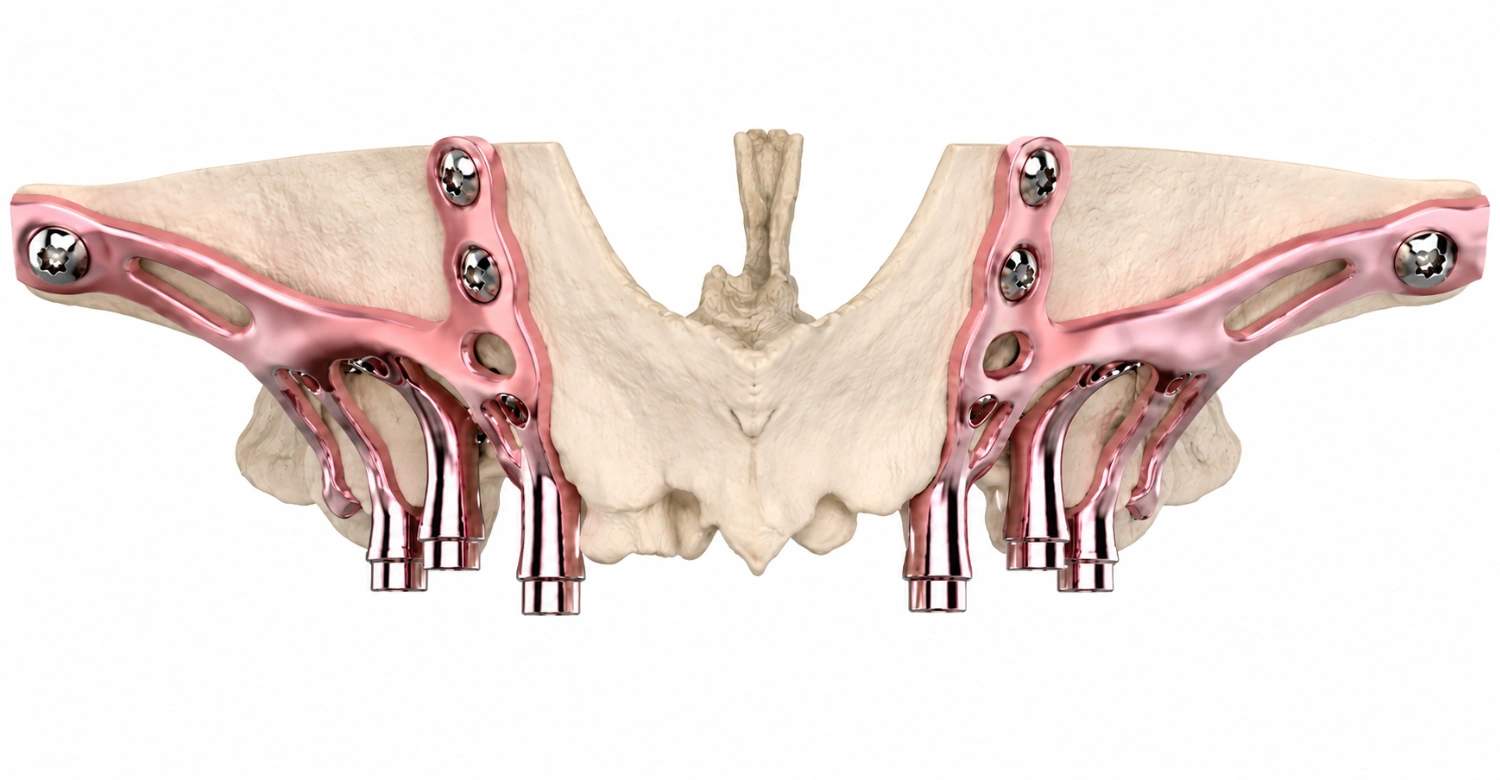
What Causes Dental Implant Failure?
Implant failure generally falls into two broad categories: biological and mechanical. Understanding both helps clarify why subperiosteal implant failure can sometimes occur even in patients who follow their aftercare instructions carefully.
Biological and Mechanical Causes
Implant failure is rarely caused by one isolated issue. In most cases, it develops from a mix of biological reactions in the tissue and bone. Mechanical stress placed on the implant during daily function adds to this. Separating these two categories helps clinicians pinpoint the root cause more accurately. It also allows treatment to be tailored to the specific type of failure a patient is experiencing.
Biological causes
Biological causes relate to how the body's tissue and bone respond to the implant over time. These reactions can develop slowly and are not always obvious in the early stages. The following are the most commonly reported biological contributors to implant failure.
Gum infection around implants
Bone loss
Peri-implantitis
Mechanical causes
Bite problems
Implant overload
Poor implant design
When biological and mechanical stress combine, the risk of implant failure rises considerably. This is why both categories are assessed together during treatment planning. A systematic review of modern, additively manufactured subperiosteal implants followed 227 patients for a weighted average of over 21 months. It found that nearly 98% of implants were still functioning. However, roughly a quarter showed partial exposure, and around 5% of patients experienced soft tissue problems or persistent infection. This illustrates an important point. Even with strong short-to-medium-term success rates, dental implant failure often comes down to a combination of biological response and mechanical stress. Gum infection around implants remains one of the most consistently reported contributing factors across studies.
What Are the Symptoms of Subperiosteal Implant Failure?
Symptoms of implant failure can appear gradually or, in some cases, quite suddenly. They may be subtle at first, such as slight discomfort. Or they may be more obvious, such as visible swelling or movement of the implant. Because symptoms vary from patient to patient, it helps to know the full range of possible warning signs. Being familiar with them allows for faster recognition and a quicker path to treatment.
Recognizing Dental Implant Failure Symptoms
Recognizing symptoms early is one of the most valuable skills a patient can have after implant surgery. Many of the signs overlap with normal post-operative sensations, which is why context and duration matter. The list below highlights the symptoms that call for prompt evaluation.
Common symptoms
The symptoms listed here range from mild to more advanced indicators of a problem. Some may appear on their own, while others tend to occur together as the underlying issue progresses. Patients experiencing any of the following should not wait to seek advice.
Persistent pain
Gum swelling
Bleeding
Loose implant
Difficulty chewing
Bad taste in the mouth
These symptoms often overlap, and noticing more than one at the same time is a strong signal that implant failure may already be underway. Older case series illustrate how serious untreated symptoms can become. One historical series followed 19 subperiosteal implants for a minimum of 4.5 years. It found that 26% failed and 63% developed at least one infection around a post, often linked to inadequate implant-to-bone fixation. These findings underline why dental implant failure symptoms should never be brushed aside. Persistent pain after implant placement, in particular, is one of the clearest indicators that something needs professional attention. It is often the earliest clue pointing toward failed dental implant treatment if left unaddressed.
How Is Failed Dental Implant Treatment Performed?
Once a failed implant is identified, treatment is planned around the specific cause and severity of the problem. Some cases can be resolved with conservative, non-surgical approaches, while others require more involved procedures to restore a stable foundation. The goal at every stage is to preserve as much natural bone and tissue as possible. A step-by-step approach also helps minimize discomfort and recovery time for the patient.
Treatment Options for Failed Implants
Treatment for a failed implant is never one-size-fits-all. The right option depends on several factors. These include the extent of bone loss, whether infection is present, and how long the problem has gone untreated. In many cases, a combination of approaches is used to achieve the best possible outcome. The following options represent the main paths available to patients.
Available treatments
Below are the treatment options most commonly used to address a failing or failed implant. Some are minimally invasive and can be completed in a single visit, while others involve a longer recovery process. The right choice is always determined after a full clinical evaluation.
Deep cleaning
Antibiotic therapy
Bone grafting
Implant replacement
Corrective surgery
The right treatment path always depends on how far implant failure has progressed before it is diagnosed. When subperiosteal implant failure does occur, treatment depends on the severity and underlying cause. Mild infections may respond well to deep cleaning and antibiotic therapy. More advanced cases involving bone loss or implant mobility often require bone grafting or full implant replacement. Failed dental implant treatment is approached step by step, starting with the least invasive option whenever possible. Treatment escalates only when necessary to restore function and comfort.
How to Prevent Implant Failure
Prevention plays a far bigger role in implant success than most patients realize. Some risk factors are outside anyone's control. However, many of the most common causes of failure can be avoided through consistent daily habits and timely professional care. Building good routines from the very first days after surgery sets the foundation for long-term stability. The strategies below are simple to follow but make a significant difference over time.
Best Practices for Long-Term Implant Success
Long-term implant success depends on ongoing effort from both the patient and the clinical team. Regular monitoring allows small issues to be caught before they escalate. Good daily habits also protect the implant from unnecessary strain and infection. Consistency matters more than perfection when it comes to prevention. The following practices form the foundation of a solid long-term care routine.
Prevention strategies
The strategies listed below are straightforward but require consistency to be effective. Skipping even one of these steps for an extended period can increase the risk of complications. Patients who follow them closely tend to see the best long-term results.
Brush and floss daily
Avoid smoking
Attend follow-up appointments
Treat gum disease early
Follow your dentist's instructions
Comparative research also offers reassurance. A five-year study comparing zygomatic and subperiosteal implants found survival rates of 96.3% and 97.1% respectively. Subperiosteal implants also showed fewer cases of peri-implantitis, at 5.6%. This suggests that patients who understand how to prevent implant failure benefit the most. Staying consistent with the strategies above can make long-term outcomes very favorable. Treating gum infection around implants promptly, rather than waiting for symptoms to worsen, is highly effective. It remains one of the best ways to avoid dental implant complications and reduce the risk of failure.
Tips for the Patients
Schedule regular professional cleanings
Avoid chewing hard foods during recovery
Follow all aftercare instructions from Vitrin Clinic
Consistency with these habits is one of the most practical ways patients can guard against implant failure long after the initial healing period ends.
Why Choose Vitrin Clinic for Subperiosteal Implant Treatment?
Vitrin Clinic combines advanced digital imaging with a personalized treatment plan. This plan is built around each patient's unique bone structure and health history. Every case is reviewed individually, since no two patients carry the same risk factors for implant failure. Long-term follow-up protocols are built into the plan from day one, allowing the clinical team to catch warning signs early. This attentive, case-by-case approach reflects Vitrin Clinic's experience handling even complex or previously failed implant cases.
Advanced Diagnosis and Personalized Care
Vitrin Clinic is dedicated to reducing the risk of implant failure through advanced digital imaging. Treatment planning is personalized and tailored to each patient's bone structure and health history. Every case is reviewed individually, since no two patients present the same risk factors or anatomy. Long-term follow-up protocols are built into the treatment plan from the start. This allows the clinical team to catch early warning signs before they progress. This level of attentiveness reflects Vitrin Clinic's broader experience in handling complex implant cases. This includes patients who have experienced difficulties with previous implants elsewhere.
What We Notice Clinically
The clinical team at Vitrin Clinic consistently observes a clear pattern. Patients who attend regular follow-ups have significantly better long-term outcomes than those who skip routine checkups. Early diagnosis and an individualized treatment plan are described as the two most important factors in preventing subperiosteal implant failure. This matters because every patient's bone density, gum health, and lifestyle habits differ.
Clinical Note
Minor symptoms should never be ignored. Slight discomfort or mild swelling may seem minor. In some cases, though, it can be an early indicator of a deeper problem. Addressing these signs promptly, rather than waiting for them to worsen, may prevent implant loss. It can also help patients avoid more invasive treatment down the line. This is the core principle behind Vitrin Clinic's approach to managing implant failure at every stage.
Resource:
Subperiosteal implant failure highlights the importance of early diagnosis and proper treatment planning. Regular follow-up also helps prevent complications such as bone loss and infection. According to the recent study, modern subperiosteal implants achieved a 97.1% success rate with fewer soft-tissue complications. This shows that advanced techniques and careful case selection play a crucial role in reducing failure rates.
https://pmc.ncbi.nlm.nih.gov/articles/PMC11818549/
https://www.mdpi.com/2304-6767/13/8/337
FAQs

Dr. Rifat Alsaman has more than 5 years of clinical experience in dentistry and currently serves as the Head of the Medical Team at Vitrin Clinic. He is dedicated to providing exceptional patient care, overseeing treatment planning, and ensuring the highest clinical standards across the team. His expertise, attention to detail, and commitment to continuous professional development have helped countless patients achieve healthier, more confident smiles.


.webp&w=3840&q=75)


