General Dentistry
August 31, 2026
Tooth Root Attachment: How Your Teeth Stay Secure in the Jaw?

Tooth root attachment is the reason your teeth don't simply sit loose in your mouth. Teeth are not fixed directly into the jawbone like a nail driven into wood. Instead, the periodontal ligament, tooth socket, surrounding bone, and gum tissues work together. Together, they hold each tooth securely in place. Understanding tooth root anchorage matters for anyone experiencing loose teeth, gum disease, trauma, or discomfort while biting. From a professional dental perspective, any change in tooth stability should be assessed rather than ignored. Early evaluation often makes the difference between preserving a natural tooth and losing it.
Tooth Root Attachment: How Does It Keep Your Teeth Stable?
Tooth root anchorage describes the anatomical system that keeps a tooth firmly positioned. The tooth root sits inside the tooth socket. It is surrounded by the periodontal ligament, a thin but resilient layer between the root surface and the alveolar bone. This dental ligament contains fibres that connect the tooth to the surrounding jawbone support. These fibres allow teeth to withstand normal chewing forces without shifting. Rather than being rigidly fused to bone, each tooth is cushioned and supported. This is what gives natural tooth attachment its flexibility and tooth stability over a lifetime of use.
What Structures Are Involved in Tooth Root Attachment?
Tooth root
Cementum
Periodontal ligament
Alveolar bone
Gingival tissues
Tooth socket
These structures work together continuously. Each one contributes a specific function, from anchoring fibres to absorbing pressure. Together, they form the complete system responsible for tooth root attachment and long-term jawbone support.
What Is the Role of the Periodontal Ligament?
The periodontal ligament performs several essential jobs. It absorbs shock during chewing, distributes biting forces evenly, and provides sensory feedback. This feedback helps the brain control chewing pressure. It also contributes directly to tooth stability and correct positioning within the tooth socket. When this ligament is damaged, a tooth can feel different when biting. Sometimes it feels tender, sometimes slightly mobile. This signals that the root attachment has been disturbed and needs assessment.
Why Isn't the Tooth Root Directly Fused to the Jawbone?
Normal periodontal attachment is flexible. This differs from ankylosis, where the root fuses directly to bone with no ligament between them. Ankylosis removes the natural cushioning effect. The periodontal ligament instead allows controlled, microscopic movement and shock absorption. This protects both the tooth and jawbone support from the repeated stress of chewing, speaking, and everyday function.
What Can Cause Tooth Root Attachment to Become Weaker?
Tooth root anchorage can weaken for several reasons. Identifying the cause is essential before any treatment begins. Weakening rarely happens without warning. It usually develops gradually through disease, trauma, or excessive force. Understanding these causes helps patients recognize symptoms earlier, rather than dismissing them as minor.
Periodontal Disease and Bone Loss
Untreated gum disease steadily damages periodontal tissues. As inflammation progresses, supporting bone around the tooth is gradually lost. This reduced jawbone support often leads to increasing tooth mobility. The periodontal ligament and bone can no longer hold the root as firmly as before.
Dental Trauma
Sports injuries, falls, accidents, and direct impact can all injure the periodontal ligament. This type of trauma may cause luxation injuries, where the tooth is displaced within its socket. Even when a tooth appears intact afterward, the root attachment underneath may be compromised. It requires prompt evaluation.
Excessive Bite Forces and Bruxism
Chronic grinding or clenching places ongoing strain on the tissues supporting each tooth. Over time, these excessive forces can contribute to periodontal ligament inflammation and increased mobility. Left unmanaged, bruxism gradually undermines tooth root attachment, even in patients with otherwise healthy gums.
Tooth Infection and Advanced Dental Problems
Infections around a tooth can affect surrounding periodontal tissues and bone. It's important to distinguish periodontal causes from endodontic causes. Periodontal causes relate to gum and bone disease. Endodontic causes relate to infection inside the tooth itself. Each requires a different diagnostic and treatment approach.
Tooth Loss and Reduced Jawbone Support
After a tooth is extracted, the jawbone in that area no longer receives normal chewing stimulation. Without this stimulation, gradual bone resorption can occur over time. This is one reason timely tooth replacement is often recommended, to help preserve jawbone support.
What Are the Signs of a Problem With Tooth Root Anchorage?
Recognizing early signs of tooth root attachment problems allows patients to seek assessment before the situation worsens. Symptoms vary depending on the underlying cause. Several patterns appear frequently and should never be dismissed as unimportant or purely cosmetic.
Common Symptoms Patients May Notice
A loose or mobile tooth
Discomfort when biting
A sensation that the tooth has changed position
Swollen or bleeding gums
Gum recession
Increased spacing between teeth
Sensitivity or tenderness around the affected tooth
Changes in the way the teeth meet
Any combination of these symptoms suggests the periodontal ligament or surrounding bone may be under stress. A dental evaluation is the appropriate next step.
When Should a Loose Tooth Be Checked by a Dentist?
Adult tooth mobility should never be considered normal. Prompt assessment is especially important after trauma or when mobility develops suddenly, without an obvious cause. Early diagnosis significantly improves the chance of preserving the natural tooth. Many causes of weakened root attachment respond well to timely, targeted treatment.
Tips for Patients
Protect Your Tooth Attachment Every Day
Brush twice daily with fluoride toothpaste
Clean between the teeth regularly
Attend routine dental and periodontal examinations
Avoid using teeth to open packages or bite hard objects
Wear an appropriate mouthguard during contact sports
Seek assessment after significant dental trauma
Manage grinding or clenching with professional guidance
Do not ignore persistent bleeding, swelling, or tooth mobility
What Patients Should Avoid
Delaying treatment for a loose adult tooth
Attempting to reposition a mobile tooth themselves
Applying excessive pressure while brushing
Relying only on pain as an indicator of dental disease
Assuming that the absence of pain means the supporting tissues are healthy
How Does a Dentist Diagnose Tooth Root Anchorage Problems?
Diagnosing tooth root attachment problems requires more than a visual check. A structured clinical process helps determine exactly which tissues are affected and how severely. This guides an accurate, individualised treatment plan, rather than a generic response to mobility alone.
Clinical Examination
A clinical examination typically includes tooth mobility assessment, periodontal probing, and evaluation of gum inflammation and recession. It also includes assessment of the bite and examination for signs of trauma or infection. Together, these checks give a detailed picture of how well the periodontal ligament and surrounding bone are supporting the tooth.
Dental X-Rays and Imaging
Radiographs show bone levels and root-related changes that aren't visible during a visual exam. Additional imaging may be appropriate in certain cases. CBCT may be considered for selected complex cases. This applies where three-dimensional information is clinically necessary to fully understand the problem.
Evaluating the Periodontal Ligament and Jawbone Support
Dentists assess the supporting structures collectively rather than in isolation. Symptoms alone cannot determine the true condition of the root attachment. This is why probing, imaging, and clinical history are combined to reach an accurate, reliable diagnosis before any treatment decisions are made.
What Treatments Can Protect or Restore Tooth Stability?
Treatment for tooth root attachment problems depends on the underlying cause, rather than simply treating tooth mobility itself. Two patients with the same symptom may need entirely different care. It depends on whether the root cause is periodontal, traumatic, mechanical, or infectious in nature.
Periodontal Treatment
Periodontal treatment often includes professional plaque and calculus removal. It also includes scaling and root surface debridement where indicated, and ongoing periodontal maintenance to manage active gum disease. Controlling inflammation early helps preserve remaining support. It can prevent further deterioration of the periodontal ligament and jawbone support.
Occlusal Adjustment and Bite Management
When bite forces contribute to mobility, adjustment may be considered. This happens only after professional diagnosis confirms this is the actual cause. Occlusal splints may be recommended for selected patients with bruxism. They help reduce the excessive load placed on the periodontal ligament during grinding or clenching.
Splinting a Mobile Tooth
Dental splinting joins a mobile tooth to neighbouring teeth for added stability. Temporary or longer-term splinting may be considered, depending on the case. Importantly, splinting does not remove the underlying cause of weakened tooth root attachment. It manages the symptom while the root problem is addressed separately.
Treatment After Dental Trauma
Traumatic injuries involving the periodontal ligament require timely assessment, since delays can affect long-term outcomes. Depending on severity, treatment may involve monitoring and stabilization. Structured follow-up appointments track how the root attachment responds and whether further intervention becomes necessary.
Regenerative or Surgical Periodontal Procedures
Periodontal regenerative approaches may be introduced for carefully selected bone defects. Suitability depends on defect morphology, periodontal health, and overall prognosis. These procedures are not guaranteed to fully rebuild lost supporting structures. Expectations should always be discussed realistically before proceeding.
Extraction and Tooth Replacement When a Tooth Cannot Be Saved
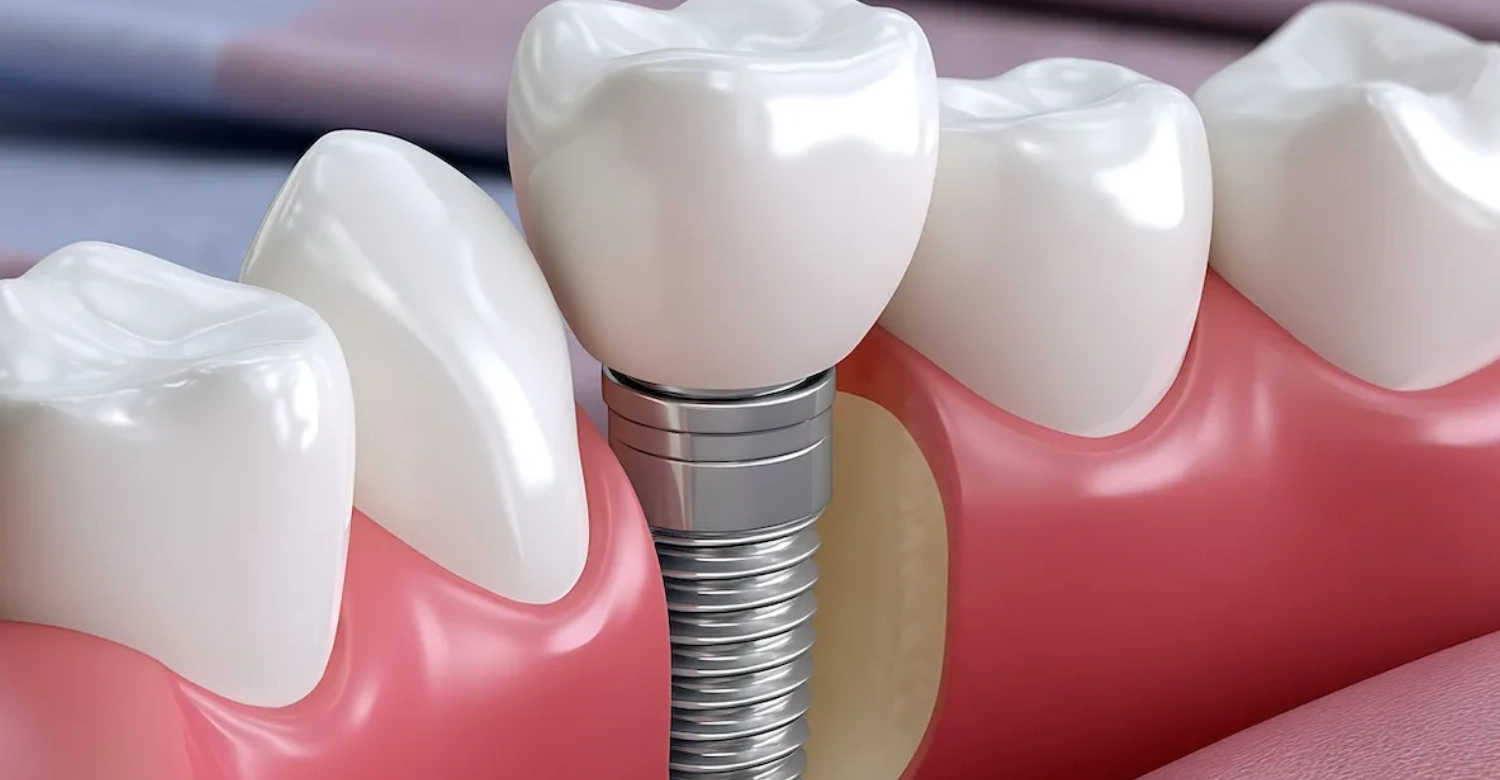
When a tooth cannot be preserved, extraction becomes necessary. Replacement options include dental implants, bridges, and removable prostheses. Treatment planning should always consider the remaining jawbone support and the patient's overall oral health. This helps in selecting the most suitable long-term replacement option.
Clinical Note
Tooth mobility does not automatically mean a tooth must be extracted. Prognosis depends on remaining periodontal support, root condition, and the presence of infection or periodontal disease. It also depends on occlusal forces and the patient's ability to maintain consistent oral hygiene at home between appointments.
A Dentist's Approach to Preserving Natural Tooth Support
The approach typically follows a sequence. First, identify the cause. Then stabilise active disease and control excessive forces. Next, monitor periodontal attachment and bone levels over time, and reassess the tooth's long-term prognosis. Extraction is considered only when preserving the tooth root anchorage is no longer predictable or realistic.
Can Tooth Root Anchorage Heal After Damage?
Tooth root attachment can sometimes heal after damage. Outcomes vary widely depending on the type and severity of the original injury. Understanding what healing can and cannot achieve helps set realistic expectations for patients going through treatment and recovery.
Periodontal Ligament Healing
Periodontal ligament tissues can respond to injury and may heal, depending on the type and severity of trauma involved. The timing of treatment matters significantly. Prompt intervention after injury generally supports better healing outcomes than delayed assessment, particularly following traumatic displacement of the tooth.
What Affects Healing?
Severity of injury
Duration of displacement or trauma
Existing periodontal health
Oral hygiene
Occlusal forces
Patient compliance with follow-up
Each of these factors influences how well the periodontal ligament and surrounding tissues recover after damage.
Can Lost Jawbone Support Come Back?
Healing and regeneration are not the same thing. Advanced bone loss cannot always be completely reversed once it has occurred. In selected cases, regenerative periodontal procedures may be considered to help rebuild some lost support. Results depend heavily on the extent of prior damage.
What Can Patients Expect Before and After Treatment?
Understanding what to expect at each stage helps patients feel more prepared. This applies whether the cause is periodontal, traumatic, or structural in nature.
Before Treatment
Before treatment begins, patients can expect a comprehensive examination and a diagnosis of the underlying problem. They can also expect an assessment of periodontal support and tooth stability, along with appropriate radiographic imaging. An individualized treatment plan follows, tailored to their specific diagnosis rather than a standardized approach.
During Treatment
Treatment depends on whether the cause is periodontal, traumatic, mechanical, infectious, or structural. Complex cases may require multiple stages spread across several appointments. This is particularly true when both periodontal treatment and restorative or replacement procedures are needed.
After Treatment
After treatment, patients often notice improved control of inflammation where periodontal disease was present. Ongoing monitoring of tooth mobility and continued periodontal maintenance follow. Comfort and chewing function may gradually improve. Long-term results depend heavily on consistent maintenance and regular follow-up appointments.
How Does Technology Help Evaluate Tooth Root Anchorage?
Modern diagnostic technology plays an important role in accurately assessing tooth root attachment. It helps dentists move beyond guesswork toward evidence-based treatment planning for each individual case.
Digital Dental Imaging
Digital radiography helps evaluate supporting bone levels with precision. Intraoral photography documents visible changes over time. Digital records allow dentists to monitor a patient's periodontal condition and tooth stability across multiple visits, making subtle changes easier to detect early.
CBCT Imaging in Complex Cases
Three-dimensional imaging offers value when conventional radiographs don't provide sufficient information. CBCT should be prescribed based on clinical need rather than used routinely. This ensures patients receive appropriate imaging without unnecessary exposure, particularly in complex cases involving significant bone loss or trauma.
Digital Treatment Planning
Modern digital workflows support both diagnosis and treatment planning. These tools also strengthen patient education. They allow dentists to visually explain findings and options clearly, which helps patients better understand their own tooth root attachment condition and the reasoning behind recommended treatment.
Tooth Root Attachment vs. Tooth Attachment: Is There a Difference?
Tooth attachment is a broader concept, while tooth root attachment specifically refers to the structures supporting and connecting the tooth root to surrounding tissues. This includes the periodontal ligament, cementum, alveolar bone, tooth socket, and overall jawbone support. Understanding this relationship helps clarify terminology patients often encounter during dental consultations, especially when discussing mobility, gum disease, or trauma-related concerns with their dentist.
How Much Does Treatment for Tooth Root Anchorage Problems Cost?
There is no single price for treating tooth root attachment problems, since cost depends entirely on the underlying diagnosis and required treatment. Factors may include consultation and examination, X-rays or CBCT, periodontal treatment, splinting, periodontal surgery, regenerative procedures, and extraction and tooth replacement. Because these variables differ so much between patients, an accurate diagnosis should always come before discussing a final treatment cost.
How Long Does It Take to Treat Tooth Root Anchorage Problems?
Treatment duration for tooth root attachment problems varies significantly between patients. Simple periodontal management may require only a few appointments, while traumatic injuries often need monitoring over a longer period. Complex periodontal treatment can involve multiple stages, and tooth replacement typically requires additional healing time. It's worth emphasizing that healing time and treatment time are not always the same thing.
What We Notice Clinically
Dr. Rifat Alsaman, Head of the Medical Team at Vitrin Clinic and a cosmetic dentist, offers a clinical perspective on tooth stability and treatment planning. Identifying the reason behind mobility matters more than treating the visible symptom alone. Patients with loose teeth should receive a comprehensive assessment of periodontal tissues, bite, root condition, and jawbone support. The emphasis remains on preserving natural teeth whenever their prognosis allows.
Why Early Assessment Matters
Early periodontal intervention can help prevent further loss of supporting tissue. Regular periodontal monitoring plays a key role in catching changes before they progress. Treatment outcomes ultimately depend on disease severity, patient cooperation, oral hygiene, and underlying systemic or mechanical factors unique to each individual case.
Vitrin Clinic: Professional Assessment and Modern Dental Care
At Vitrin Clinic, comprehensive dental assessment always comes before selecting a treatment approach. Modern diagnostic and digital dental technologies are used where clinically appropriate, supporting more accurate, personalized treatment planning. Clear patient communication remains central to the process, with treatment options explained openly at every stage. Recommendations are based on each patient's individual dental condition, rather than a one-size-fits-all approach. Patients experiencing tooth mobility, gum problems, trauma, or concerns about tooth stability are encouraged to arrange a professional dental consultation. This ensures a clear, personalized assessment.
References
FAQs

Dr. Rifat Alsaman has more than 5 years of clinical experience in dentistry and currently serves as the Head of the Medical Team at Vitrin Clinic. He is dedicated to providing exceptional patient care, overseeing treatment planning, and ensuring the highest clinical standards across the team. His expertise, attention to detail, and commitment to continuous professional development have helped countless patients achieve healthier, more confident smiles.
.webp&w=3840&q=75)


