.webp&w=3840&q=75)
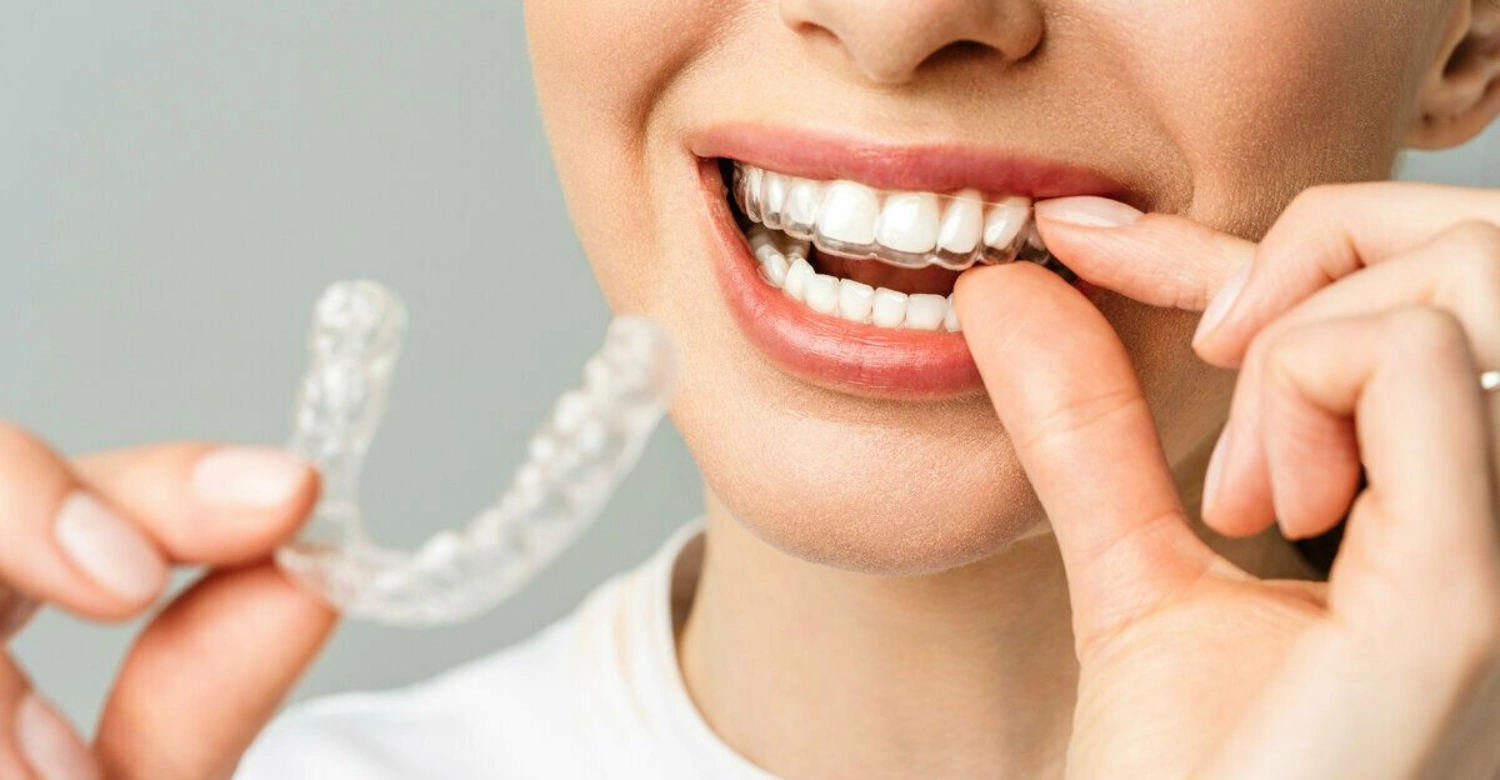
Underbite aligners are a modern orthodontic solution. They correct misalignment of teeth where the lower jaw protrudes beyond the upper jaw. Unlike traditional braces, underbite aligners use clear, removable trays to gradually shift teeth into the correct position. This makes them a discreet and comfortable treatment option. These aligners are customized for each patient using advanced digital scans to ensure precision and effectiveness. Patients benefit from reduced discomfort and enhanced oral hygiene compared to metal braces. Underbite aligners are suitable for mild to moderate cases and can be combined with specialized devices for more severe underbites. With consistent wear, they help achieve a balanced bite and improved aesthetic appearance.
What is an Underbite and How Does It Affect Your Smile?
An underbite is a dental condition where the lower teeth extend beyond the upper teeth when the mouth is closed. This misalignment affects the overall facial profile, often giving the chin a more pronounced appearance. Beyond aesthetics, underbites can cause functional problems such as difficulty chewing, speaking, and maintaining oral hygiene. Over time, untreated underbites may lead to uneven tooth wear, jaw pain, and increased risk of gum disease. The visibility of the lower teeth can affect confidence and the way a person smiles. Correcting an underbite with aligners enhances the smile and improves overall oral health. It does this by aligning teeth properly, reducing strain on the jaw muscles, and promoting balanced dental function. Just as patients wonder can aligners fix overbite, those with protruding lower jaws seek invisible solutions for their condition.
Understanding the Causes of Underbite
Underbites can develop due to several factors, including genetic predisposition, childhood habits, or developmental jaw discrepancies. Some individuals inherit jaw structures that naturally position the lower jaw forward. In other cases, habits such as thumb sucking, prolonged pacifier use, or tongue thrusting during childhood may contribute to misalignment. Trauma or injury to the jaw can also create an underbite later in life. Understanding the root cause is crucial for selecting the right treatment, whether that's underbite aligners or, in severe cases, surgery. Early detection in children allows for less invasive correction, while adult patients may require more comprehensive solutions. Proper evaluation ensures both functional improvement and aesthetic enhancement.
The Impact of Underbite on Oral Health and Appearance
An underbite affects not only the visual appearance of the face and smile but also long-term oral health. Misaligned teeth can cause uneven wear on enamel, making teeth more susceptible to cavities and sensitivity. Jaw misalignment may lead to temporomandibular joint (TMJ) discomfort, headaches, and difficulty chewing. From an aesthetic perspective, an underbite can alter facial proportions, affecting self-esteem and confidence. Using underbite aligners can mitigate these issues by gradually repositioning teeth to their optimal alignment. Over time, patients experience both improved function and a more harmonious smile. This highlights the dual benefits of aligner treatment for oral health and cosmetic appeal.
Can Clear Aligners Fix an Underbite?
Clear aligners offer an effective, non-invasive solution for correcting underbites, especially mild to moderate cases. These custom-made trays apply gentle, controlled pressure to gradually reposition the lower teeth behind the upper teeth. Unlike braces, clear aligners are removable, allowing for easy cleaning and minimal lifestyle disruption. They can be paired with specialized attachments or advanced technologies like Dalign to handle more complex cases. Patients appreciate the discreet appearance and reduced discomfort during treatment. Severe skeletal underbites may still require surgery. For most patients, though, clear aligners provide a reliable, convenient method to correct dental misalignment, achieve a balanced bite, and restore both oral function and confidence.
How Clear Aligners Work for Underbite Correction
Clear aligners function through a sequence of customized trays that progressively shift teeth into proper alignment. Each set of aligners moves teeth slightly closer to the ideal position, with adjustments made every few weeks. Digital scans and 3D modeling allow orthodontists to plan the complete treatment from start to finish. Small attachments may be added to teeth to enhance movement efficiency. The aligners exert consistent, gentle pressure, ensuring gradual correction with minimal discomfort. Patients wear aligners for a prescribed 20–22 hours daily. With consistent wear, they can achieve significant improvements in bite alignment and smile aesthetics, without the bulk and restrictions of traditional braces. The elastic techniques used here are similar to the methods for how to fix overbite, just applied in reverse.
Advantages of Using Aligners Over Traditional Braces
Aligners provide multiple advantages over conventional metal braces for underbite correction. They are nearly invisible, offering a more aesthetic treatment option for adults and teens. Being removable, they facilitate better oral hygiene, allowing patients to brush and floss without obstruction. Aligners reduce the risk of soft tissue injuries and discomfort associated with wires and brackets. Dietary restrictions are minimal, unlike braces, which require avoiding hard or sticky foods. Treatment is also often more comfortable, with gradual, predictable tooth movement and fewer in-office adjustments. These benefits make underbite aligners an attractive option for patients seeking effective correction, combined with convenience and discretion.
Comfort and Convenience of Clear Aligners
Clear aligners are designed for patient comfort and ease of use. Made from smooth, BPA-free plastic, they minimize irritation to gums and cheeks. The removable nature allows patients to eat, brush, and floss without interference. Aligners are custom-fitted for each individual, ensuring a snug, precise fit. They can be worn during daily activities without drawing attention, making them ideal for professionals or teens concerned with appearance. Adjustments are handled digitally, reducing the need for frequent office visits. Overall, underbite aligners offer a comfortable, practical, and discreet alternative to traditional orthodontics. This encourages consistent use and promotes effective treatment outcomes.
Types of Underbite Aligners
There are various types of underbite aligners designed to address different severities of the condition. Standard clear aligners are ideal for mild underbites, using a series of trays to gradually shift teeth. Advanced cases may require specialized technologies such as Dalign or Advanced Clear Orthodontic Appliances. These combine precision attachments with stronger movement strategies. Some aligners focus on completely transparent solutions to ensure aesthetics during treatment. Non-surgical aligner options have been developed to correct underbites in adults without invasive procedures. Choosing the right aligner type ensures effective treatment and a faster, more predictable correction. Underbite aligners provide patients with multiple options depending on the complexity of the bite misalignment.
Standard Clear Aligners for Mild Underbite
Standard clear aligners are best suited for patients with mild underbite conditions. They involve a series of custom-made trays that gradually adjust the position of teeth. The trays are worn for 20–22 hours per day and replaced every two weeks, ensuring slow but effective movement. Mild underbites usually respond well to this non-invasive treatment, eliminating the need for braces or surgery. Patients appreciate the near-invisibility of the aligners, which lets them correct their bite without impacting social interactions. Regular monitoring by an orthodontist ensures progress is on track, and minor adjustments can be made to optimize results. Achieving correct teeth alignment when you have an underbite is critical for proper chewing function and clear speech.
Dalign Technology Underbite Treatment for Advanced Cases
Dalign Technology offers an advanced solution for complex underbite cases that standard clear aligners may not fully address. Using precise digital planning and specially designed aligner attachments, Dalign allows controlled movement of both teeth and jaw segments. This technology is particularly effective for patients whose underbite is moderate to severe and involves skeletal discrepancies. The system provides predictable results by combining 3D modeling, customized trays, and progressive adjustments. Dalign technology underbite treatment enhances efficiency and reduces treatment time compared to traditional methods. For patients seeking an advanced, non-surgical option, Dalign offers a reliable way to achieve a balanced bite and improved facial aesthetics.
Advanced Clear Orthodontic Appliances Underbite Treatment
Advanced Clear Orthodontic Appliances are another specialized treatment designed for underbite correction. These devices work in conjunction with clear aligners to apply targeted pressure, facilitating precise tooth movement. Illusion devices are particularly beneficial for patients with difficult bite patterns or uneven jaw alignment. They maintain comfort while allowing for effective correction of both mild and complex underbites. Illusion devices paired with clear aligners provide an aesthetic solution that is discreet and removable. This minimizes disruption to daily life. Treatment is carefully monitored to ensure consistent progress. The result is a functional bite, improved oral health, and a more confident smile.
Transparent Aligners for Underbite Correction
Transparent aligners provide a virtually invisible option for correcting underbites. They are crafted from clear, medical-grade plastic and customized to each patient's dental anatomy. These aligners allow patients to undergo treatment discreetly, maintaining confidence in social and professional settings. They are removable, making daily oral hygiene simple and efficient. Despite their subtle appearance, transparent aligners are highly effective at repositioning teeth and improving bite alignment. Their comfort and flexibility make them ideal for both adults and teens seeking non-invasive underbite correction. Regular replacement of aligners ensures progressive tooth movement and predictable results over time.
Aligner Solutions Underbite Without Surgery
For patients seeking non-surgical solutions, specialized aligner systems have been developed to correct underbites effectively. These aligners employ advanced biomechanics, including attachments and incremental adjustments, to reposition teeth and balance the jaw. With consistent use, patients can achieve significant bite improvement without invasive procedures. This approach is particularly appealing to adults who wish to avoid surgery and maintain a natural appearance during treatment. Non-surgical underbite aligners are suitable for mild to moderate cases. Combined with proper orthodontic supervision, they can deliver results comparable to more invasive methods, while minimizing discomfort and recovery time.
How to Choose the Right Underbite Aligner
Selecting the right underbite aligner depends on several factors, including the severity of the underbite, patient age, and lifestyle considerations. Mild underbites can often be corrected with standard clear aligners. Moderate to severe cases may require Dalign Technology or Advanced Clear Orthodontic Appliances. Age plays a role because younger patients often respond more quickly to treatment. Lifestyle factors such as the need for removability, convenience, and aesthetics should also be considered. Consulting with an orthodontist ensures the aligner chosen is suitable for the patient's dental condition and personal preferences. Proper selection maximizes treatment success and reduces overall time in underbite aligners.
Factors to Consider: Severity, Age, Lifestyle
When choosing an underbite aligner, severity of the misalignment is the primary consideration. Mild cases respond well to standard trays, while complex underbites may require advanced devices. Age affects treatment speed; younger patients' teeth are more adaptable, often resulting in faster correction. Lifestyle is another important factor, including work or school demands, willingness to comply with daily wear requirements, and preference for discreet treatment. Aligners should fit comfortably and allow normal eating, speaking, and cleaning. Considering these factors ensures the selected underbite aligner provides the most effective and convenient correction for each patient. Severe skeletal underbites may require surgery. Mild cases, though, respond beautifully to transparent tray treatments combined with rubber bands.
Consultation with an Orthodontist or Dental Specialist
A consultation with an experienced orthodontist or dental specialist is essential before starting underbite aligner treatment. Professionals can evaluate bite severity, assess jaw structure, and recommend the most appropriate aligner system. Digital scans and imaging provide a clear roadmap for treatment planning, ensuring precise movements. Specialists can also advise on potential adjunctive therapies for complex cases and guide patients on proper aligner usage. During consultation, patients can ask questions regarding duration, comfort, and expected outcomes. Personalized recommendations based on professional assessment significantly increase the likelihood of successful correction and patient satisfaction.
Underbite Aligners vs Surgical Treatment
Underbite aligners offer a non-invasive alternative to surgical correction, suitable for mild to moderate cases. They provide gradual tooth movement, reduce discomfort, and maintain aesthetic appearance throughout treatment. Surgical treatment may be required for severe skeletal discrepancies where the lower jaw protrudes significantly. Surgery offers immediate structural correction but involves longer recovery and higher costs. Choosing between underbite aligners and surgery depends on severity, patient preferences, and orthodontic evaluation. Aligners allow for a comfortable, discreet solution. Surgery, meanwhile, remains a reliable option for complex, structural underbites that aligners alone cannot correct.
Non-Surgical Options with Clear Aligners
Non-surgical correction with clear aligners has become increasingly popular due to its convenience, aesthetic appeal, and minimal invasiveness. Patients with mild to moderate underbites can achieve significant improvements without undergoing jaw surgery. Clear aligners work by applying controlled pressure to teeth, gradually repositioning them over time. Attachments or advanced technologies may be used to enhance effectiveness in more complex cases. Regular monitoring ensures consistent progress and timely adjustments. Non-surgical underbite aligners provide a predictable, safe, and patient-friendly way to improve bite alignment and facial appearance, while avoiding the risks tied to surgery.
When Surgery Becomes Necessary
Surgical intervention is sometimes necessary when the underbite is severe. This is also true when it's caused by skeletal discrepancies that aligners alone cannot correct. Surgery typically involves repositioning the jaw to achieve proper alignment and improve both function and aesthetics. Patients with extreme bite misalignment, asymmetry, or limited jaw growth may require orthognathic surgery. Aligners may still be used pre- or post-surgery to fine-tune tooth positioning. While surgery delivers immediate structural results, it carries higher cost, longer recovery time, and potential risks. Determining the need for surgery requires careful evaluation by an orthodontist and oral surgeon, to ensure the most effective treatment plan.
Treatment Process with Underbite Aligners
The treatment process with underbite aligners involves several structured steps to ensure effective bite correction. It begins with a comprehensive consultation, including an evaluation of teeth alignment, jaw structure, and oral health. Digital scans or 3D imaging are often used to map out the exact movement required for each tooth. Based on these scans, custom aligners are fabricated to fit precisely and guide teeth into proper positions over time. Patients receive a series of aligners, with each set slightly adjusted to progress treatment gradually. Follow-up appointments allow the orthodontist to monitor progress and make any necessary modifications. This method provides a predictable and comfortable approach to underbite correction. Your customized Vitrin Clinic lower arch trays feature special cutouts. These attach the elastics needed to shift your jaw.
Initial Consultation and Digital Scans
The initial consultation for underbite aligners is crucial to developing a tailored treatment plan. Orthodontists assess the severity of the underbite, jaw structure, and overall oral health. Digital scans or 3D imaging replace traditional molds, providing highly accurate models of teeth and bite relationships. These scans help in creating a step-by-step plan, ensuring that each aligner moves teeth precisely. Patients also receive guidance on aligner use, wearing schedules, and expected duration of treatment. This digital-first approach reduces errors, enhances predictability, and allows patients to visualize potential outcomes. Starting with an accurate assessment ensures the success of underbite aligner therapy.
Customized Aligner Fabrication
Once digital scans are complete, custom underbite aligners are fabricated to match the patient's dental anatomy. Advanced 3D printing technology or precision molding creates trays that fit snugly over the teeth. This applies gentle, controlled pressure to encourage movement. Each aligner in the series is slightly different, allowing for gradual progression toward optimal alignment. For more complex cases, attachments or advanced devices like Dalign may be integrated to enhance tooth movement. Custom fabrication ensures comfort, effectiveness, and accuracy throughout the treatment. Properly crafted aligners are critical to achieving long-lasting results, and to maintaining patient confidence and satisfaction.
Step-by-Step Teeth Movement and Adjustment
Underbite aligners move teeth gradually through a series of incremental adjustments. Each aligner in the treatment sequence is worn for approximately two weeks, shifting teeth slightly toward the desired position. Orthodontists may use attachments or precision tools to assist in complex movements, particularly for moderate to severe underbites. Progress is regularly monitored through check-ins or digital tracking, to ensure proper alignment and timely adjustments. This step-by-step process minimizes discomfort and reduces the risk of relapse. Patients benefit from predictable results, improved oral function, and enhanced aesthetics. Consistent wear of underbite aligners is key to achieving effective bite correction.
Monitoring Progress and Adjustments
Monitoring progress is an essential component of underbite aligner treatment. Orthodontists track tooth movement through periodic appointments or remote digital monitoring, ensuring each aligner works effectively. Adjustments may be made if progress is slower than expected, or if minor corrections are needed. Patients are encouraged to report discomfort or issues promptly to optimize treatment. This ongoing supervision ensures that teeth move predictably and that the underbite is corrected efficiently. Regular monitoring also allows orthodontists to make early interventions. This prevents complications and ensures the final result meets both functional and aesthetic goals.
Benefits of Using Clear Aligners for Underbite
Clear aligners offer multiple benefits for underbite correction. Their transparent design provides a discreet solution, allowing patients to undergo treatment without noticeable appliances. Aligners are removable, which facilitates proper oral hygiene, reduces dietary restrictions, and minimizes discomfort. The gentle pressure applied by aligners encourages gradual, predictable movement, reducing pain associated with traditional braces. Treatment is also more flexible and convenient, with fewer emergency visits for broken brackets or wires. Using clear underbite aligners can improve the appearance of the smile and overall oral health alike, creating lasting functional and aesthetic benefits.
Invisible Appearance and Confidence Boost
Clear underbite aligners provide a nearly invisible solution for correcting misaligned teeth. This discretion helps patients feel confident in social, professional, and personal settings while undergoing treatment. Unlike metal braces, transparent aligners allow patients to maintain a natural appearance, reducing self-consciousness. The confidence boost is significant, as individuals can smile freely without concern over visible orthodontic appliances. This aesthetic advantage, combined with effective treatment, encourages consistent aligner use. That contributes to faster and more predictable outcomes. Patients can achieve improved bite alignment and a balanced smile, without sacrificing appearance during the correction process.
Easy Oral Hygiene Maintenance
One key advantage of underbite aligners is that they are removable, making oral hygiene simple and efficient. Patients can brush and floss normally without navigating around wires or brackets. This reduces the risk of cavities, plaque buildup, and gum disease. Clean aligners themselves are easy to maintain with regular rinsing or specialized cleaning solutions. This ease of maintenance encourages compliance and prevents oral health issues during treatment. Unlike traditional braces, patients do not need to avoid certain foods, making daily routines more manageable. Proper hygiene ensures both effective underbite correction and long-term dental health.
Reduced Treatment Discomfort Compared to Braces
Underbite aligners reduce treatment discomfort compared to traditional metal braces. The gentle, controlled pressure applied by aligners gradually shifts teeth without the sharp, sudden forces of wire adjustments. Smooth plastic trays minimize irritation to gums and cheeks, preventing sores or abrasions common with braces. There are no brackets or wires to break, eliminating emergency visits and additional discomfort. The gradual movement and customizable fit make aligners a more comfortable, patient-friendly solution for underbite correction. Overall, this reduced discomfort improves compliance, ensuring better results and a positive treatment experience.
Vitrin Clinic: Expert Underbite Treatment
Vitrin Clinic is a leading provider of underbite aligner treatment, offering state-of-the-art solutions tailored to each patient. Their experienced orthodontists utilize advanced digital technology, including 3D scanning, Dalign, and Advanced Clear Orthodontic Appliances. This delivers precise, effective outcomes. Patients receive individualized treatment plans designed to meet both functional and aesthetic goals. The clinic's focus on comfort, convenience, and long-term success has made it a trusted choice for adults and teens seeking non-surgical underbite correction. With modern techniques and highly trained professionals, Vitrin Clinic ensures predictable results with a patient-centered approach.
Advanced Aligner Solutions at Vitrin Clinic
At Vitrin Clinic, advanced underbite aligner solutions are tailored to the severity and complexity of each patient's condition. Mild underbites may be corrected with standard clear aligners. Moderate and severe cases can benefit from Dalign Technology or Advanced Clear Orthodontic Appliances. Digital treatment planning allows precise customization for each tray, ensuring effective and comfortable tooth movement. The clinic combines clinical expertise with the latest technology to achieve optimal alignment, bite correction, and improved facial aesthetics. Patients experience efficient treatment, minimal discomfort, and exceptional support throughout their underbite aligner journey.
Dalign Technology and Advanced Clear Orthodontic Appliances
Vitrin Clinic integrates Dalign Technology and Advanced Clear Orthodontic Appliances for enhanced underbite correction. Dalign provides precise, progressive tooth movement for moderate to severe cases, while Illusion devices target challenging bite patterns. These advanced systems work alongside clear aligners, offering a non-surgical alternative for patients who wish to avoid invasive procedures. Both technologies utilize digital planning, attachments, and customized trays to ensure predictable, efficient treatment. The clinic's expertise in these methods ensures that patients achieve functional and aesthetic improvements. This comes with comfort and confidence throughout their aligner therapy.
Vitrin Clinic Success Stories
Vitrin Clinic has numerous success stories showcasing the effectiveness of underbite aligners. Patients with mild to severe underbites have achieved remarkable results, improving both functionality and aesthetics. The clinic combines clear aligners, Dalign Technology, and Advanced Clear Orthodontic Appliances to build tailored treatment plans that address individual dental needs. Patient satisfaction is consistently high due to the discreet appearance of the aligners, comfort during treatment, and predictable outcomes. Before-and-after photos demonstrate the transformation in bite alignment and facial symmetry. This highlights the effectiveness of non-surgical underbite correction. These success stories also emphasize the importance of consistent aligner wear and professional supervision.
Patient Testimonials on Underbite Aligners
Many patients report positive experiences with underbite aligners at Vitrin Clinic. Testimonials frequently highlight improved self-confidence, reduced discomfort, and enhanced smile aesthetics. Adults appreciate the invisible nature of the aligners, which lets them undergo treatment without altering social or professional interactions. Teens benefit from minimal lifestyle disruption and the convenience of removable trays. Patients often note that the clinic's personalized approach, combined with advanced technology, ensures efficient progress and successful correction. These testimonials speak to the clinic's expertise and the transformative power of underbite aligners for those seeking effective, non-invasive treatment.
Before-and-After Transformations
Before-and-after transformations at Vitrin Clinic provide tangible evidence of underbite aligner success. Patients' teeth and jaws are gradually repositioned, resulting in improved bite alignment, balanced facial appearance, and enhanced oral function. Photos often reveal more than aesthetic improvement. They also show functional benefits such as easier chewing, reduced jaw strain, and better overall dental health. These transformations demonstrate the efficacy of advanced technologies like Dalign and Advanced Clear Orthodontic Appliances, used alongside clear aligners. Each patient's results are unique. Consistent themes, though, include enhanced confidence, comfort, and satisfaction, highlighting the long-term value of professional treatment.
Maintenance and Aftercare for Underbite Aligners
Proper maintenance and aftercare are essential for achieving and sustaining results with underbite aligners. Aligners must be cleaned daily to prevent bacterial buildup and maintain clarity. Regular brushing, rinsing, or using specialized cleaning solutions ensures hygiene and prolongs the lifespan of each tray. Patients should also store aligners in protective cases when not in use to prevent damage or loss. Long-term results may require the use of retainers after active treatment to maintain corrected alignment. Consistent adherence to professional guidance ensures optimal outcomes and preserves the investment made in treatment.
Cleaning and Storage Tips
To maintain hygiene and functionality, underbite aligners should be cleaned regularly. Use a soft-bristled toothbrush and clear, non-abrasive toothpaste, or a recommended cleaning solution. Avoid hot water, which can warp the aligners, and always rinse thoroughly. When not in use, aligners should be stored in a protective case to prevent contamination or breakage. Proper storage and cleaning improve longevity, and reduce the risk of oral infections and unpleasant odors. Maintaining cleanliness ensures comfort during wear and supports effective tooth movement throughout treatment.
Retainers and Long-Term Results
After completing underbite aligner treatment, retainers are often necessary to preserve long-term results. Teeth have a natural tendency to shift over time, especially after extended orthodontic treatment. Retainers may be fixed or removable, depending on the patient's needs and the orthodontist's recommendations. Consistent use of retainers ensures that teeth remain aligned and bite improvements are maintained. It also preserves the smile's aesthetic enhancements. Patients who follow these guidelines experience durable outcomes and can enjoy the functional and cosmetic benefits of their aligners for years to come.
How Rubber Bands Provide the Force to Shift Your Jaw
While clear aligner trays reposition individual teeth, they can't move the jaw on their own; that's where elastics come in. Small rubber bands are attached to hooks or buttons on the upper and lower aligners, connecting the two arches. This applies continuous, directional force. This is essentially how rubber bands work with clear aligners underbite cases. The elastics pull the lower jaw backward, or the upper jaw forward, depending on the setup. At the same time, the aligner trays guide individual teeth into their new positions. The two systems work together: trays move teeth, elastics move the bite.
Daily Wear and Consistency
Patients typically wear their elastics around the clock, removing them only to eat, brush, and floss. They replace them with a fresh band each day to maintain consistent tension. The exact configuration, band strength, and hook placement are mapped out digitally during treatment planning at Vitrin Clinic. This means the force is applied at precisely the right angle and intensity for each patient's bite.
Why Elastics Improve Predictability
This is also why clear aligners with elastics for underbite correction tend to produce more predictable jaw-position changes than aligners used alone. The rubber bands supply the skeletal correction, while the trays refine the dental alignment. Consistent elastic wear is one of the biggest factors influencing how long it takes to fix an underbite with aligners. Inconsistent use can slow jaw movement and extend the overall treatment timeline.
Long-Term Damage to Your TMJ and Dental Enamel
Leaving an underbite untreated doesn't just affect appearance. It places ongoing mechanical stress on the mouth that tends to worsen over time. Understanding the untreated underbite complications TMJ patients often face can help explain why early intervention matters, even for cases that seem cosmetically minor.
TMJ Strain
When the lower jaw sits forward of the upper jaw, the temporomandibular joint is forced into an unnatural position. This happens every time you chew, speak, or clench. Over years, this can lead to chronic jaw pain, clicking or popping sounds, restricted jaw movement, and frequent headaches. In more advanced cases, TMJ dysfunction can become a separate condition requiring its own treatment, independent of the original bite misalignment.
Enamel Wear
Because the upper and lower teeth aren't meeting as they should, biting forces concentrate unevenly on a small number of teeth, rather than distributing across the whole arch. This accelerates enamel erosion and increases tooth sensitivity. It also raises the risk of chips, fractures, and premature wear on the teeth that bear the brunt of the misalignment. Enamel doesn't regenerate, so this damage is permanent once it occurs.
Compounding Effects Over Time
Left uncorrected, these issues tend to reinforce each other. TMJ strain can change how a person chews, which shifts wear patterns further, which can in turn increase joint stress. This is part of why non surgical underbite correction cost is often framed by orthodontists as a long-term investment. Addressing the bite earlier typically prevents the need for more extensive, and more expensive, restorative or joint treatment later on.
About Vitrin Clinic
Vitrin Clinic focuses on non-surgical, aligner-based solutions for underbite correction, combining digital treatment planning with a patient-centered approach. Every treatment plan starts with a full digital assessment of the bite, jaw structure, and oral health. This ensures the recommended aligner system, whether standard clear aligners, elastics, or more advanced appliance combinations, is matched to the patient's specific case, rather than applied as a one-size-fits-all solution.
What Sets Vitrin Clinic Apart
Vitrin Clinic prioritizes predictability and comfort throughout treatment. Patients are guided through each stage, from the initial scan to the final retainer phase, with clear expectations about timeline, cost, and expected outcomes. This is especially relevant for patients researching non surgical underbite correction cost, and how long it takes to fix an underbite with aligners. Vitrin Clinic structures its consultations around answering exactly these questions before treatment begins.
A Full Range of Non-Surgical Options
Vitrin Clinic offers a full spectrum of non-surgical treatment paths. These range from mild cases treated with standard trays, to more complex bites requiring clear aligners with elastics for underbite correction. Surgical referral is reserved only for the small number of cases where skeletal severity genuinely requires it.
What We Notice Clinically
Dr. Rifat Alsaman, Head of the Medical Team at Vitrin Clinic and a cosmetic dentist, shares the clinical patterns the Vitrin Clinic team observes most often when treating underbite cases with aligners.
Dr. Rifat Alsaman on Elastic Compliance
According to Dr. Rifat Alsaman, Head of the Medical Team at Vitrin Clinic, one factor separates fast, predictable cases from delayed ones more than any other: how consistently patients wear their elastics. Dr. Alsaman notes that patients who understand how rubber bands work with clear aligners underbite treatment tend to see jaw movement track closely with the original digital plan. This holds especially true when they stay consistent with daily wear.
Dr. Rifat Alsaman on Early Intervention
Dr. Rifat Alsaman, a cosmetic dentist and Head of the Medical Team at Vitrin Clinic, also points out a pattern among patients who delay treatment. They often arrive with more advanced untreated underbite complications, TMJ symptoms, jaw discomfort, and uneven enamel wear, compared to patients who start correction earlier. In his clinical view, this reinforces why Vitrin Clinic recommends addressing an underbite as soon as it's identified, rather than waiting for symptoms to worsen.
Clinical Note
At Vitrin Clinic, treatment plans for underbite correction are built around a simple principle: teeth and jaw need to move together, not separately. A clinical note worth highlighting: aligner trays alone address tooth position, while elastics address jaw position. Patients who only track one half of the movement, for example focusing solely on how straight their teeth look, may misjudge their real progress.
On Timeline Expectations
As a clinical note, Vitrin Clinic reminds patients that how long it takes to fix an underbite with aligners varies significantly by severity. Mild cases may resolve faster with standard trays. Cases requiring clear aligners with elastics for underbite correction generally need a longer, more gradual timeline, to protect both the teeth and the jaw joint during movement.
Tips for the Patients
Before starting, ask about non surgical underbite correction cost, and how long it takes to fix an underbite with aligners, during your Vitrin Clinic consultation. During treatment, wear your elastics exactly as prescribed. Consistency is key to how rubber bands work with clear aligners underbite, and to clear aligners with elastics for underbite correction. If you notice jaw pain or clicking, this could signal untreated underbite complications TMJ. Report it to your Vitrin Clinic provider right away. Keep your aligners and elastics clean daily to protect both your progress and your oral health.
Before Starting Treatment
Ask about non surgical underbite correction cost upfront during your Vitrin Clinic consultation, so there are no surprises later in treatment.
Get a clear answer on how long it takes to fix an underbite with aligners for your specific case, since mild and moderate underbites have very different timelines.
During Treatment
If your plan includes clear aligners with elastics for underbite correction, wear the elastics exactly as prescribed. Inconsistent wear is the most common cause of delayed results.
Make sure you understand how rubber bands work with clear aligners underbite treatment before you start, so you know why consistency matters week to week.
Watch for These Signs
Persistent jaw pain, clicking, or headaches can be early signs of untreated underbite complications TMJ issues. Report these to your Vitrin Clinic provider rather than waiting for a scheduled check-in.
Keep aligners and elastics clean daily to protect both treatment progress and general oral hygiene.
References:
In conclusion, underbite aligners can offer a discreet and effective option for improving certain cases of malocclusion. This depends on the severity and individual treatment needs. As highlighted in the referenced clinical report, successful underbite correction requires careful diagnosis and treatment planning. Patients should consult a qualified dental professional to determine whether clear aligners are suitable for achieving a healthier bite and a more balanced smile.
https://pmc.ncbi.nlm.nih.gov/articles/PMC12066874/
FAQs

Dr. Rifat Alsaman has more than 5 years of clinical experience in dentistry and currently serves as the Head of the Medical Team at Vitrin Clinic. He is dedicated to providing exceptional patient care, overseeing treatment planning, and ensuring the highest clinical standards across the team. His expertise, attention to detail, and commitment to continuous professional development have helped countless patients achieve healthier, more confident smiles.

.webp&w=3840&q=75)


.webp&w=3840&q=75)