Dental Veneers in Turkey
November 2, 2026
Can Veneers for Discolored Teeth in Turkey Cover Deep and Permanent Stains?
 Dr. Rifat Alsaman

Veneers for Discolored Teeth in Turkey , Severe tooth discoloration can affect the appearance of an otherwise healthy smile. Veneers for discolored teeth Turkey may help cover persistent intrinsic stains that develop inside enamel or dentin. Common causes include ageing, fluorosis, dental trauma, and developmental conditions.
However, not every discolored tooth requires veneers. Treatment suitability depends on enamel condition, tooth structure, gum health, and the underlying cause. This guide explains ceramic materials, stain coverage, clinical assessment, treatment stages, advantages, disadvantages, aftercare, and estimated costs.
Key Takeaways
Ceramic veneers can cover selected deep and persistent tooth stains.
Porcelain and E.max offer different optical properties.
Ceramic opacity and thickness influence stain coverage.
Whitening may be more suitable for certain types of discoloration.
Enamel condition and tooth vitality must be assessed first.
Treatment costs depend on material, preparation, and the number of veneers.
Final suitability requires an individual clinical examination.
Ready to transform your smile?
Talk to our team and get a personal FREE treatment plan.
What Causes Severe Tooth Discoloration?
Tooth discoloration can develop through external staining, developmental changes, ageing, or internal tooth damage. Identifying the cause helps determine whether whitening, restorative treatment, or veneers for discolored teeth Turkey are appropriate.
Intrinsic and Extrinsic Discoloration: Yellow, Brown and Grey Stains
Tooth discoloration is classified into two main categories:
Extrinsic discoloration: Stains accumulate on the enamel surface, commonly due to coffee, tea, tobacco, and certain foods.
Intrinsic discoloration: Colour changes develop within enamel or dentin and may result from fluorosis, ageing, trauma, or developmental conditions.
Different tooth colours can indicate different underlying changes:
Yellow: Age-related enamel thinning or accumulated surface stains.
Brown: Persistent external staining or certain developmental changes.
Grey: Trauma, internal tooth changes, or developmental discoloration.
Colour alone cannot establish a diagnosis. Professional cleaning may improve surface stains, while intrinsic discoloration requires further assessment to identify the affected tooth structures.
Developmental Discoloration, Fluorosis, Ageing and Dental Trauma
Several conditions can cause persistent changes in natural tooth colour:
Tetracycline-related discoloration: Exposure during tooth development can produce yellow, brown, grey, or banded stains. Their depth and distribution vary between individuals.
Dental fluorosis: Excessive fluoride exposure during enamel formation may produce white spots, cloudy patches, brown staining, or surface irregularities.
Enamel defects: Developmental abnormalities can affect enamel thickness and surface integrity, creating visible colour differences.
Age-related discoloration: Gradual enamel thinning makes the naturally darker underlying dentin more visible.
Dental trauma: Internal bleeding or changes within the dental pulp may produce grey or dark discoloration.
Dentists assess enamel thickness, surface condition, sensitivity, and tooth vitality before recommending treatment. A traumatized tooth may require further investigation of its internal condition.
Cosmetic coverage should never replace necessary treatment of an underlying dental problem.
Can Veneers Cover Deep and Permanent Tooth Stains?
Yes, ceramic veneers can mask many persistent stains by covering the visible tooth surface. Veneers for discolored teeth Turkey may improve selected cases of intrinsic discoloration, including certain tetracycline-related stains and fluorosis-related colour changes.
However, the underlying tooth must remain suitable for restoration. Treatment planning considers:
Depth and distribution of discoloration.
Remaining enamel thickness.
Tooth vitality and structural condition.
Required ceramic opacity.
Bite forces and functional demands.
Severe internal discoloration may require a different restoration or additional treatment. Healthy supporting tooth structure remains essential for appropriate bonding.
When Are Veneers Not Suitable for Discolored Teeth?
Veneers may be unsuitable when teeth have:
Untreated decay or active gum disease.
Insufficient remaining enamel.
Extensive structural damage.
Uncontrolled grinding or clenching.
Significant untreated bite problems.
Active infection or unexplained pain.
Some cases require restorative or periodontal treatment first. Others may need full-coverage restorations instead. The dentist must establish the appropriate treatment option.
What Are the Best Veneers for Severely Discolored Teeth?
The appropriate veneer material depends on stain severity, enamel thickness, desired translucency, and functional requirements. No single ceramic material suits every discolored tooth.
Porcelain Veneers for Stained Teeth
Porcelain veneers are custom-made ceramic restorations designed to improve tooth appearance. Their optical properties can be adjusted through material selection and laboratory fabrication.
Potential benefits include stable ceramic colour, resistance to many external stains, customised shapes, and natural-looking surface characteristics.
For patients researching veneers for discolored teeth Turkey, severe discoloration may require additional opacity planning. Suitability depends on whether the remaining enamel supports appropriate bonding.
E.max Ceramic Veneers for Dark Teeth
E.max veneers are commonly produced from lithium disilicate glass-ceramic. This material combines strength with useful optical properties.
Its translucency can help reproduce natural-looking enamel characteristics. However, highly translucent ceramics may allow dark underlying tooth colours to show through.
Dentists must assess the original shade before selecting ceramic thickness and opacity. Not every dark tooth is suitable for an ultra-thin E.max restoration.
How Do Opacity and Translucency Affect Stain Coverage?
Stain coverage depends on ceramic opacity, thickness, original tooth colour, and cementation planning.
Material characteristic | Clinical consideration |
Higher opacity | Helps mask darker backgrounds |
Greater translucency | Allows more underlying colour to show |
Ceramic thickness | Influences colour masking |
Shade selection | Affects overall smile harmony |
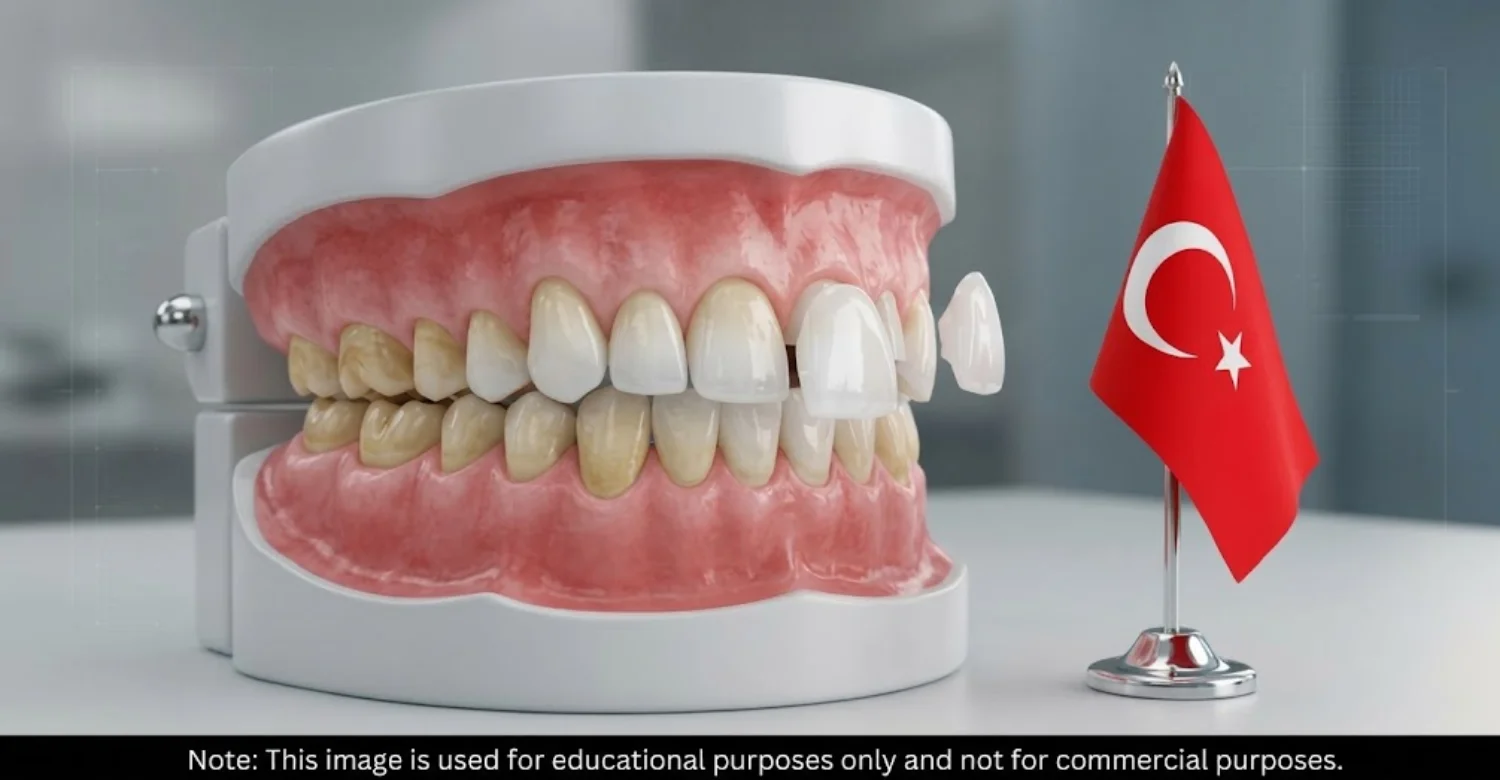
Veneers vs Teeth Whitening: Which Is Better for Discolored Teeth?
Veneers cover visible discoloration, while whitening lightens natural tooth structure. The appropriate choice depends on stain depth, enamel condition, and treatment expectations.
Can Professional Whitening Remove Deep Tooth Stains?
Professional whitening can improve several types of discoloration. However, its effectiveness varies according to the original cause.
Surface stains often respond to cleaning and whitening. Some intrinsic stains also improve, but severe tetracycline staining and trauma-related discoloration may respond less predictably.
Whitening does not change the colour of existing ceramic restorations. A dentist should assess natural teeth before treatment.
When Are Porcelain Veneers a Better Option?
Porcelain veneers may be considered when persistent discoloration remains despite appropriate conservative treatment. They can also address certain shape and surface irregularities simultaneously.
For patients considering Veneers for Discolored Teeth in Turkey , the decision should include enamel preservation. Removing healthy tooth structure solely for a lighter shade requires careful consideration.
Can Whitening and Veneers Be Combined?
Yes, whitening and veneers can sometimes be combined within one treatment plan. Dentists may whiten untreated natural teeth before selecting the final veneer shade.
This helps coordinate the appearance of restored and untreated teeth. Whitening should generally be completed before final ceramic shade selection. Existing veneers will not become lighter through bleaching.
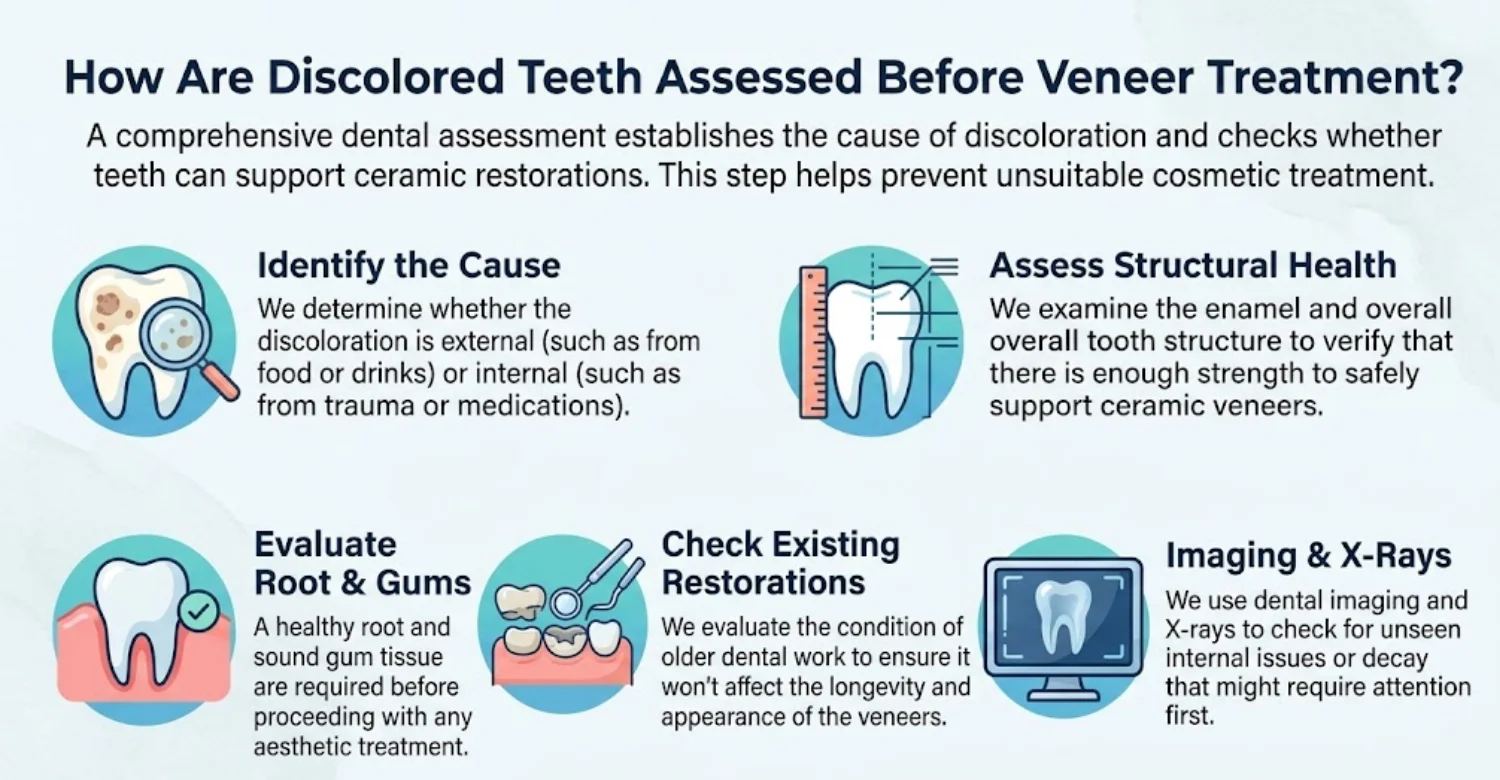
How Are Discolored Teeth Assessed Before Veneer Treatment?
A comprehensive dental assessment establishes the cause of discoloration and checks whether teeth can support ceramic restorations. This step helps prevent unsuitable cosmetic treatment.
Dental Examination and Tooth Colour Assessment
The dentist examines each affected tooth and records its colour characteristics. Assessment may include:
Distribution and intensity of discoloration.
Surface texture and enamel defects.
Existing fillings and restorations.
Tooth shape and visible irregularities.
Patient expectations and smile proportions.
Standardised shade assessment helps guide communication with the dental laboratory.
Checking Enamel, Dentin and Gum Health
Enamel provides an important bonding surface for ceramic veneers. The dentist evaluates its thickness, condition, and distribution.
Dentin is assessed when discoloration or structural changes extend beneath enamel. Gum health also matters because inflammation can affect treatment planning and restoration margins.
Active dental problems should receive appropriate attention before cosmetic treatment.
Digital X-Rays and Pulp Testing When Clinically Indicated
Digital dental X-rays can help identify hidden decay, previous dental treatment, and changes around tooth roots.
Pulp testing may help evaluate whether a discolored tooth remains vital. These investigations are selected according to clinical findings. Not every patient requires the same imaging or testing.
How Do Dentists Select the Appropriate Veneer Shade?
Shade selection considers the original tooth colour, surrounding teeth, and desired appearance. The dentist evaluates brightness, hue, and translucency.
Ceramic opacity must also be considered when covering darker backgrounds. Digital photographs and laboratory communication can support consistent shade planning.
Ready to transform your smile?
Talk to our team and get a personal FREE treatment plan.
Clinical Considerations Before Treating Severely Discolored Teeth
Severe discoloration does not always indicate the same dental problem. Similar-looking teeth can have different internal conditions and restorative requirements.
Why Similar Tooth Stains May Require Different Treatments
Two teeth with similar grey discoloration may have different causes. One may have developmental staining, while another may have experienced trauma.
Their pulp condition and remaining enamel can also differ. Treatment must follow the clinical diagnosis rather than colour alone.
Common Misconceptions About Veneers and Permanent Stains
Several misconceptions can lead to unrealistic treatment expectations:
Every dark tooth needs a veneer.
Thicker ceramic always produces better aesthetics.
E.max veneers conceal every severe stain.
Veneers eliminate the need for future dental care.
All veneers require identical tooth preparation.
A personalized assessment helps correct these assumptions before treatment.
Clinical Note: Dr. Rifat Alsaman's Perspective
Dr. Rifat Alsaman, Head of Medical Team
Severe discoloration requires more than selecting a lighter ceramic shade. The original cause, enamel condition, and tooth vitality must be evaluated first.
The objective is appropriate colour masking while preserving healthy tooth structure whenever possible.
Editorial note: Obtain Dr. Rifat's approval before publishing this statement as his direct professional opinion.
4
How Does the Veneer Treatment Process Work?
Veneer treatment involves assessment, planning, preparation, laboratory fabrication, and final placement. The exact sequence depends on the patient's clinical needs.
Initial Consultation and Smile Assessment
The initial consultation identifies the patient's concerns and treatment expectations. The dentist examines teeth, gums, bite, and existing restorations.
Photographs and appropriate diagnostic investigations may support planning. For international patients considering veneers for discolored teeth Turkey, an initial remote review can help explain possible treatment options.
Final suitability requires an in-person clinical examination.
Digital Smile Design and Shade Selection
Digital Smile Design can help patients visualise proposed changes before treatment. Planning considers tooth proportions, smile symmetry, facial features, and desired shade.
A temporary mock-up may help evaluate appearance and function. Digital previews are planning tools, not guarantees of the final ceramic result.
Tooth Preparation and Digital Scanning
Tooth preparation creates the required space for ceramic restorations. The amount removed depends on the original tooth position, shape, and discoloration.
The dentist aims to preserve healthy enamel wherever clinically possible. Digital scanning records the prepared teeth and surrounding structures. These measurements support accurate laboratory fabrication.
Custom Ceramic Fabrication and Temporary Veneers
The dental laboratory fabricates individual ceramic veneers using the approved design and shade instructions.
Temporary restorations may protect prepared teeth while permanent veneers are manufactured. They also allow patients to assess basic appearance and comfort.
Final Veneer Placement and Bite Adjustment
The dentist checks each veneer before permanent bonding. Fit, margins, colour, and contact points require careful evaluation.
After bonding, the dentist checks the bite and makes necessary adjustments. Patients receive instructions about cleaning and protecting their restorations.
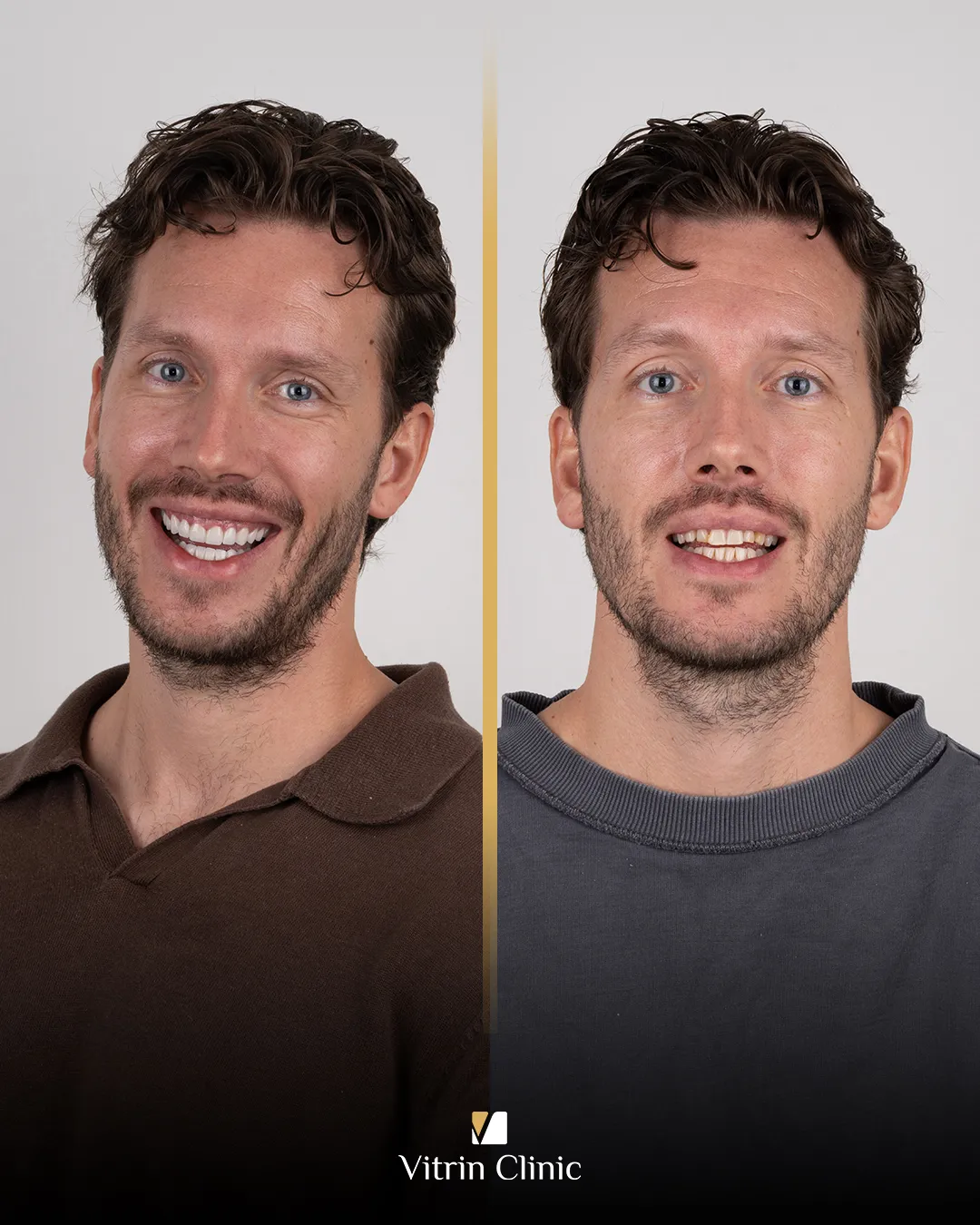
How Long Does Veneer Treatment Take in Turkey?
Many conventional veneer cases require approximately five to seven days in Turkey. However, treatment duration is not identical for every patient.
The schedule depends on preparation, laboratory availability, clinical findings, and additional procedures. International patients should allow sufficient time for assessment, fitting, and necessary adjustments. Complex cases may require additional visits.
What Are the Advantages, Disadvantages and Side Effects of Veneers?
Ceramic veneers can improve selected forms of discoloration, but they also have limitations. Patients should understand the potential benefits and risks before agreeing to treatment.
Potential Advantages
Potential advantages include:
Covering selected intrinsic discoloration.
Improving visible tooth proportions.
Providing stable ceramic colour.
Addressing certain minor surface irregularities.
Creating coordinated tooth shades.
The advantages depend on appropriate case selection and professional execution.
Potential Disadvantages and Possible Side Effects
Potential disadvantages include:
Removal of healthy enamel in many cases.
Higher initial costs than whitening.
Possible sensitivity after preparation.
Risk of chipping or debonding.
Future repair or replacement requirements.
Limited suitability for unhealthy teeth.
Other possible concerns include:
Temporary tooth sensitivity: Sensitivity can occur after preparation or veneer placement. Patients may notice discomfort with cold drinks or temperature changes. Persistent or worsening sensitivity requires professional assessment.
Gum irritation: Gum irritation may occur around temporary or final restorations. Poorly fitting margins can contribute to inflammation. Persistent bleeding, swelling, or discomfort should be evaluated.
Chipping, cracking or debonding: Ceramic veneers can chip, crack, or become detached. Excessive biting forces and accidental trauma may increase these risks. Damaged restorations require dental assessment.
Irreversible preparation: Conventional veneer preparation often removes some natural enamel. Enamel does not regenerate after removal. Consequently, treated teeth may require ongoing restorative maintenance. Some minimally prepared cases are possible, but not every patient qualifies.
When Should Patients Contact Their Dentist?
Patients should contact their dentist if they experience:
Persistent or increasing pain.
A loose or broken veneer.
Gum swelling or bleeding.
New bite discomfort.
Unusual sensitivity.
Signs of possible infection.
Rapidly spreading swelling, breathing difficulties, or swallowing difficulties require emergency medical attention.
Ready to transform your smile?
Talk to our team and get a personal FREE treatment plan.
How Should You Care for Veneers After Treatment?
Appropriate aftercare helps maintain gum health and protect ceramic restorations. Patients should follow their dentist's individual instructions.
Managing Sensitivity and Choosing Foods
Temporary sensitivity may occur following preparation and bonding. Patients can avoid extreme temperatures temporarily and follow their dentist's recommendations.
Choose comfortable foods while the mouth adjusts after treatment. Avoid biting directly into very hard foods with restored front teeth. Persistent pain should not automatically be considered a normal adjustment.
Brushing, Flossing and Protecting Ceramic Veneers
Brush twice daily using a soft-bristled toothbrush and fluoride toothpaste.
Clean between teeth daily using appropriate floss or interdental cleaning aids.
Pay attention to the gumline and veneer margins.
Avoid using teeth to open packaging or bite hard objects.
Patients who grind their teeth may benefit from an individually assessed protective night guard.
Routine dental reviews help identify early problems before they become more complicated.
How Much Do Veneers for Discolored Teeth Cost in Turkey?
The cost of veneers for discolored teeth Turkey depends on material, tooth preparation, laboratory work, and the number of restorations required.
Estimated Porcelain Veneer Costs by Country
United Kingdom
Estimated Cost: $650 – $1,500 / tooth
Estimated cost per tooth
Cost per tooth: $650 – $1,500
Private UK clinic standard rate
Domestic cosmetic dental treatment
Turkey (Best Value)
Estimated Cost: $250 – $500 / tooth
Estimated cost per tooth
Cost per tooth: $250 – $500
Save up to 70–80% vs. US/UK
High-standard clinic materials
United States
Estimated Cost: $900 – $2,500 / tooth
Estimated cost per tooth
Cost per tooth: $900 – $2,500
US private clinic standard rate
Highest domestic private expense
What Factors Affect Veneer Treatment Prices?
Important cost factors include:
Number of veneers required.
Ceramic material and laboratory.
Tooth preparation complexity.
Additional restorative treatment.
Digital planning and temporary restorations.
Follow-up appointments.
What Is Included in Veneer Packages in Turkey?
Packages may include consultation, imaging, temporary restorations, laboratory work, and final placement. Some also include accommodation and transfers.
Always request written confirmation of inclusions, exclusions, and additional treatment charges.
Estimated Cost of 6, 8, 10 and 20 Veneers
The following examples use an illustrative rate of $250–$500 per veneer.
Partial Smile Line
From $1,500
Estimated total cost
6 veneers: $1,500 – $3,000
8 veneers: $2,000 – $4,000
Upper arch visible smile focus
Full Smile Makeover
From $2,500
Estimated total cost
10 veneers: $2,500 – $5,000
20 veneers: $5,000 – $10,000
Complete dual-arch smile alignment
All Package Tiers
Price Range: $1,500 – $10,000
Estimated total cost
6 veneers: $1,500 – $3,000
8 veneers: $2,000 – $4,000
10 veneers: $2,500 – $5,000
20 veneers: $5,000 – $10,000
Additional Dental Treatment Costs
United Kingdom
From $60
Procedure costs in USD
Examination and X-rays: $60 – $120
Filling: $100 – $250
Root canal: $300 – $700+
Extraction: $120 – $300
Abscess treatment: Varies
Turkey (Best Value)
From $30
Procedure costs in USD
Examination and X-rays: $33 – $90
Filling: $60 – $90
Root canal: $60 – $135
Extraction: $30 – $100
Abscess treatment: Varies
United States
From $50
Procedure costs in USD
Examination and X-rays: $50 – $350
Filling: $90 – $450
Root canal: $500 – $1,500
Extraction: $75 – $800
Abscess treatment: Varies
Planning Veneer Treatment in Turkey with Vitrin Clinic
At Vitrin Clinic, planning veneers for discolored teeth Turkey begins with an assessment of tooth colour, enamel condition, gum health, and the underlying cause of discoloration. Our dental team considers porcelain and E.max options according to the original tooth shade, available enamel, and required stain coverage.
Digital Smile Design supports planning tooth proportions, smile appearance, and personalised shade selection. International patients can share photographs and available dental records for an initial review before travelling to Istanbul. Following an in-person examination, the dentist confirms treatment suitability, preparation requirements, ceramic selection, and an itemised estimate.
The treatment process includes digital scanning, custom ceramic fabrication, veneer placement, and final checks of fit, colour, and bite. Patients also receive instructions on oral hygiene, restoration protection, and follow-up care to help maintain their veneers after returning home.
Request Your FREE Digital Treatment Plan to discuss your concerns and explore suitable treatment options. Final recommendations and costs depend on an individual clinical examination.
Your Journey at Vitrin Clinic
Your journey at Vitrin Clinic begins with a personalised consultation and an initial review of your dental concerns. Our team assesses your tooth discolouration, oral health, and smile goals to determine whether porcelain or E.max veneers are suitable. We then prepare a tailored treatment plan, including the recommended materials, treatment stages, and an itemised estimate.
During your visit to Istanbul, our clinical team completes the necessary examinations and confirms your treatment plan before proceeding. Digital Smile Design can help you preview the proposed smile, while careful shade selection supports a natural-looking result. After veneer placement, we check your bite, provide personalised aftercare instructions, and explain how to maintain your new restorations.
From your first enquiry to your return home, our coordinators help organise your appointments and treatment arrangements. Contact Vitrin Clinic today to receive your FREE Digital Treatment Plan.
Ready to transform your smile?
Talk to our team and get a personal FEEE treatment plan.
Conclusion about Veneers for Discolored Teeth Turkey
Veneers for discolored teeth Turkey may help cover selected deep and persistent stains. However, the right treatment depends on the cause of discoloration, enamel condition, and tooth health.
Porcelain and E.max differ in their optical properties and masking potential. Professional whitening may remain a more conservative option for suitable cases.
Before choosing treatment, discuss preparation requirements, realistic results, costs, and long-term maintenance with a qualified dental professional.
Reference
FAQs
Yes, ceramic veneers can cover many permanent intrinsic stains. Their effectiveness depends on the original tooth colour, ceramic opacity, and available enamel. Severe discoloration may require specific laboratory techniques and careful preparation.
Dr. Rifat Alsaman has more than 5 years of clinical experience in dentistry and currently serves as the Head of the Medical Team at Vitrin Clinic. He is dedicated to providing exceptional patient care, overseeing treatment planning, and ensuring the highest clinical standards across the team. His expertise, attention to detail, and commitment to continuous professional development have helped countless patients achieve healthier, more confident smiles.


