Dental Veneers in Turkey
November 3, 2026
What Are the Best Veneers for Chipped Teeth Turkey? Costs, Materials & Results
 Dr. Rifat Alsaman

A chipped tooth can affect its shape, appearance, and sometimes its ability to function comfortably. veneers for chipped teeth Turkey are an option for patients seeking to restore damaged front teeth. However, the most suitable treatment depends on the size of the chip, remaining enamel, tooth structure, and bite alignment. Porcelain and E-max veneers can improve the appearance of selected damaged teeth. This guide explains veneer materials, clinical suitability, treatment stages, possible complications, costs, and expected results. It also covers important considerations for international patients choosing treatment in Istanbul.
Key Takeaways
Choose the right material: Porcelain and E-max veneers offer different aesthetic and functional properties.
Check tooth suitability: Remaining enamel, damage extent and bite alignment determine whether veneers are appropriate.
Compare treatment costs: Veneers in Turkey typically cost 250–500 per tooth.
Consider alternatives: Minor chips may need simple repairs, while extensive damage may require dental crowns.
Prioritise natural results: Tooth shape, shade and translucency help create a balanced appearance.
Understand the risks: Enamel removal is irreversible, and veneers can chip, crack or become detached.
Check clinic standards: Review dentist qualifications, laboratory quality, treatment details and aftercare.
Maintain your veneers: Good oral hygiene and regular dental examinations help protect your restorations.
Ready to transform your smile?
Talk to our team and get a personal FREE treatment plan.
How Can Veneers Improve the Appearance of Chipped Teeth?
Veneers are thin, custom-made restorations bonded to the front surfaces of teeth. They can conceal selected chips, uneven edges, minor cracks, and cosmetic imperfections. veneers for chipped teeth Turkey involve assessing the remaining natural tooth before choosing a suitable restoration. The dentist considers enamel thickness, damage location, bite pressure, and aesthetic requirements.
Veneers can improve the appearance of selected chipped front teeth by recreating the missing contour. They may be suitable when the damage is relatively superficial and enough healthy tooth structure remains for reliable bonding. However, veneers do not automatically strengthen severely damaged teeth. Deeper fractures require further investigation, particularly if the tooth's nerve may be affected.
What Types of Damage Can Veneers Repair?
Veneers can address several cosmetic problems affecting the visible front surface, including:
Small enamel chips along the biting edge.
Uneven or worn front tooth edges.
Minor fractures without significant structural damage.
Small defects affecting tooth shape.
Localised cosmetic imperfections following previous damage.
veneers for chipped teeth Turkey may also help restore symmetry between neighbouring front teeth. However, extensive fractures, deep decay, and substantial structural loss may require alternative restorative treatments. The location and depth of the damage determine suitability.
What Causes Chipped and Broken Teeth?
Chipped teeth develop when pressure or trauma damages the enamel or underlying tooth structure. Common causes include:
Accidental falls and sports injuries.
Biting hard foods or objects.
Teeth grinding during sleep.
Untreated tooth decay weakening the structure.
Damage to previous dental restorations.
Repeated pressure from an uneven bite.
Age-related enamel wear can also increase vulnerability. Identifying the cause is important because repairing the visible chip alone may not prevent further damage. Patients who grind their teeth may need an additional bite assessment and protective measures.
.jpg)
.jpg)
What Are the Best Veneers for Chipped Teeth?
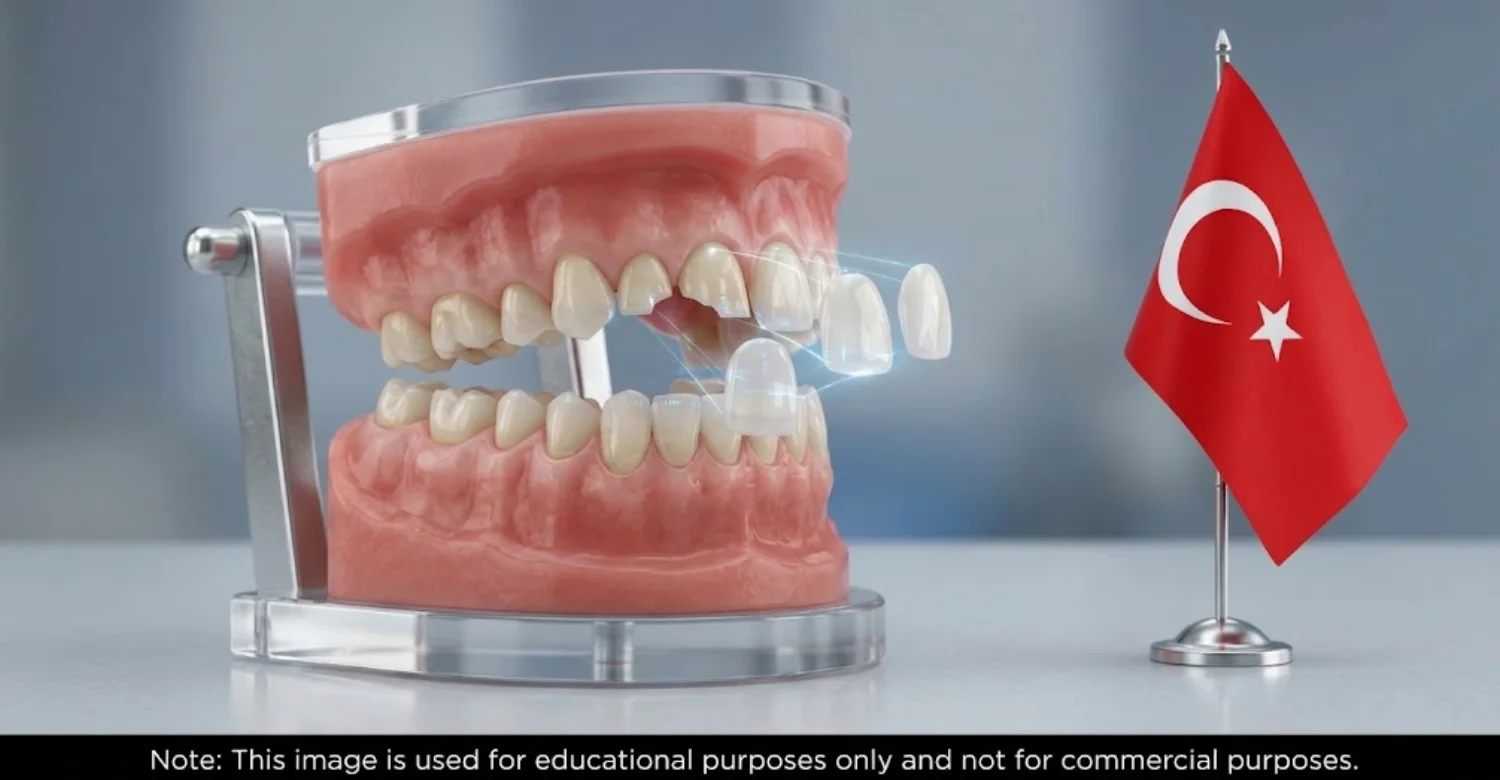
The best veneer material depends on the tooth's condition, remaining enamel, restoration design, and aesthetic requirements. veneers for chipped teeth Turkey commonly involve porcelain or lithium disilicate ceramic options, including E-max. Both materials can reproduce natural tooth contours when appropriately selected. However, material strength alone does not determine suitability. The dentist must consider restoration size, bonding surfaces, and bite forces. Treatment should preserve as much healthy tooth structure as possible.
Porcelain vs E-max Veneers for Chipped Teeth
Porcelain veneers are custom-made ceramic shells designed to cover the front tooth surface. They can restore the appearance of selected chipped teeth while providing natural-looking translucency and colour matching. Laboratory fabrication allows each veneer to match the prepared tooth and surrounding teeth. Some enamel preparation is usually necessary, depending on the tooth's original position and desired shape. Porcelain can still fracture under excessive pressure.
E-max veneers use lithium disilicate glass-ceramic, which combines translucency with mechanical strength. veneers for chipped teeth Turkey using E-max may suit selected front teeth with minor structural damage. However, suitability depends on restoration thickness, bonding conditions, and bite forces. The dentist must assess whether enough enamel remains for predictable adhesion. E-max is not automatically appropriate for every broken tooth.
How Do Dentists Choose the Right Veneer Material?
Dentists select veneer materials according to clinical findings rather than appearance alone. Important considerations include:
Remaining enamel and available bonding surfaces.
Size and location of the chipped area.
Tooth colour and translucency requirements.
Bite alignment and contact pressure.
Existing restorations and previous dental treatment.
Grinding or clenching habits.
What Are the Advantages and Disadvantages of Veneers?
Veneers offer aesthetic benefits, but patients should understand their limitations before treatment.
Advantages:
Restore the visible shape of chipped teeth.
Improve symmetry between neighbouring teeth.
Provide customized colour and surface characteristics.
Porcelain offers good resistance to surface staining.
Preserve more tooth structure than many full crowns.
Disadvantages:
Preparation may permanently remove enamel.
Temporary sensitivity can occur.
Ceramic can chip or fracture.
Bonding can weaken or become detached.
Replacement may be necessary after damage.
Treatment suitability depends on individual clinical findings. Veneers should not be selected solely because they offer cosmetic improvements.
Veneers vs Crowns for Chipped Teeth: Which Is Better?
Veneers and crowns serve different restorative purposes. Veneers cover the front surface of a tooth, while crowns cover the entire visible tooth. Veneers may suit limited chips with sufficient healthy enamel, whereas crowns may be more appropriate for extensive fractures or significant tooth structure loss. The best option depends on the condition of the tooth.
Comparison | Veneers | Dental Crowns |
Coverage | Cover the front surface of the tooth | Cover the entire visible tooth |
Suitable damage | Minor chips and selected cosmetic defects | Extensive fractures and significant structural damage |
Tooth preparation | Usually requires less preparation | Requires preparation around the tooth |
Enamel requirements | Need sufficient enamel for reliable bonding | Can be considered when less enamel remains |
Main purpose | Improve appearance and restore the front surface | Restore appearance, shape, and structural support |
Common considerations | Gum health, bite alignment, and bonding conditions | Remaining tooth structure, previous fillings, and fracture extent |
When Are Veneers or Crowns Suitable for Chipped Teeth?
Veneers may be suitable when a front tooth has limited damage, healthy surrounding gums, and enough enamel for adhesive bonding. Crowns may be considered when larger fractures, extensive fillings, or significant tooth structure loss affect the tooth.
Can Minor Chips Be Repaired Without Veneers?
Yes. Minor chips may only require smoothing, reattachment of the original fragment, or a suitable local repair. These options can preserve more natural tooth structure. The choice depends on the chip's size, position, and clinical findings.
How Are Chipped Teeth Examined Before Veneer Treatment?
A dental examination identifies the extent of damage before selecting a restorative option. veneers for chipped teeth Turkey require an assessment of visible surfaces and underlying tooth structures. The dentist checks whether the damage involves enamel, dentin, or deeper tissues. Gum health and bite alignment also influence treatment planning. Photographs and digital scans may support aesthetic planning. Imaging is selected according to clinical needs rather than performed automatically.
Dental Examination and Assessment of Tooth Structure
The dentist examines the chipped area and measures the remaining healthy tooth structure. Enamel assessment is particularly important because it influences adhesive bonding. The examination checks for exposed dentin, decay, existing fillings, weakened edges, and tooth mobility. Gum condition is also evaluated, as active dental disease should receive appropriate attention before elective cosmetic treatment.
veneers for chipped teeth Turkey require sufficient suitable tooth structure for the proposed restoration. The dentist must also check for cracks extending beyond the visible chipped area. Gum inflammation and periodontal problems may affect treatment suitability.
Bite alignment is assessed because excessive pressure can damage ceramic restorations. The dentist examines how upper and lower teeth contact during movement. Grinding and clenching habits may increase restoration failure risks. Functional assessment is therefore as important as aesthetic planning.
When Are Dental X-Rays Necessary?
Dental X-rays may be necessary when a clinical examination cannot fully establish the extent of damage. They can help identify deeper structural problems, decay, or changes around the tooth root. Imaging selection depends on symptoms and examination findings. Not every chipped tooth requires an X-ray.
veneers for chipped teeth Turkey should only proceed after relevant clinical concerns have been investigated. Three-dimensional imaging is reserved for situations where additional diagnostic information is clinically justified.
How Is Veneer Treatment for Chipped Teeth Performed?
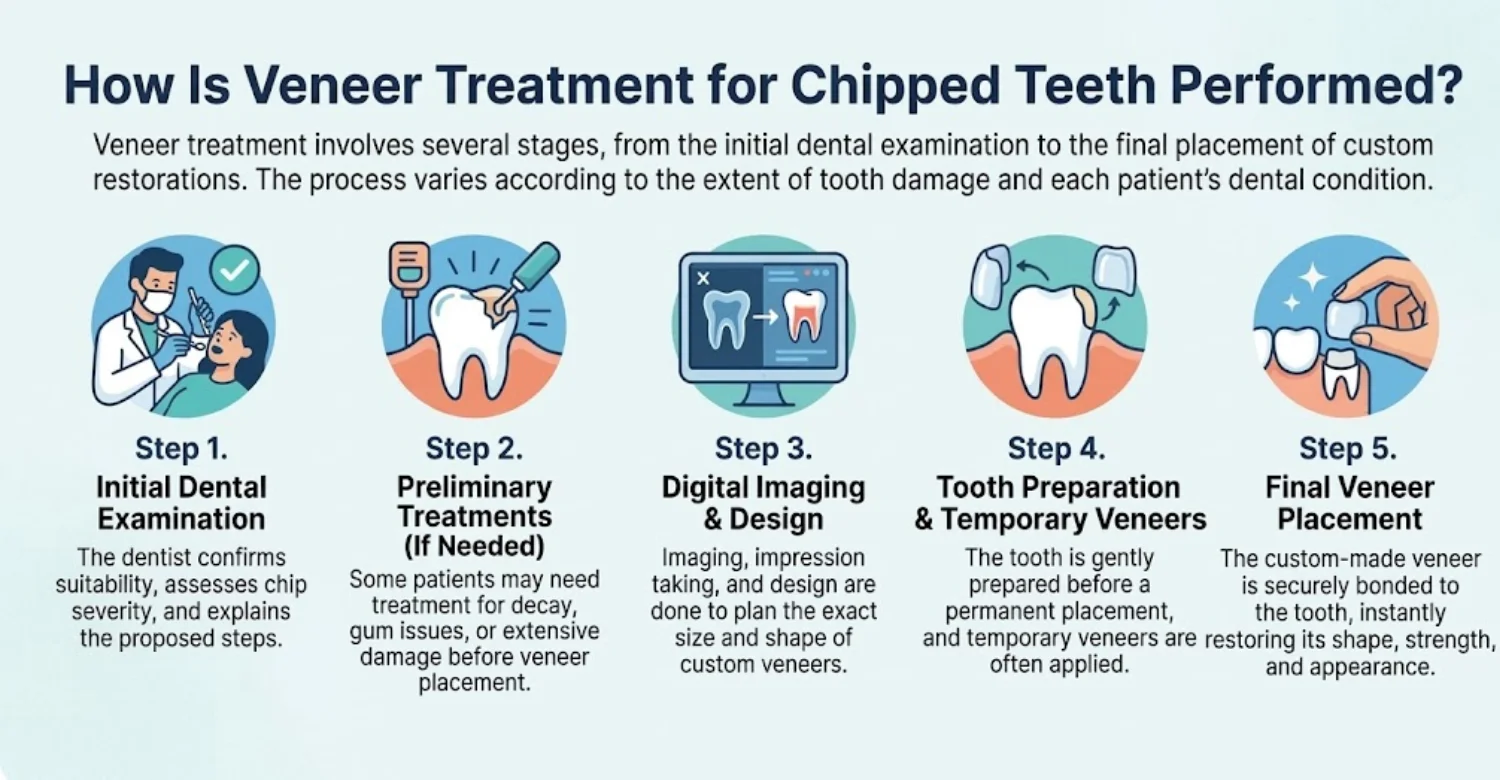
Veneer treatment involves several stages, from the initial dental examination to the final placement of custom restorations. The process varies according to the extent of tooth damage, the number of veneers required, and each patient's dental condition. Some patients may need preliminary treatment before veneers can be placed. The dentist confirms suitability and explains the proposed steps before any permanent tooth preparation.
Initial Examination, Treatment Planning, and Tooth Preparation
The process begins with a discussion of the patient's concerns, smile preferences, and treatment expectations. The dentist examines the teeth, gums, and bite, using photographs and digital scans when appropriate.
Based on these findings, the dental team recommends suitable materials, explains preparation requirements, and provides an estimated treatment cost. When tooth preparation is necessary, a small amount of enamel may be reshaped to create space for the veneers. The dentist aims to preserve as much healthy tooth structure as possible. Digital scans or conventional impressions are then taken to guide custom fabrication. Temporary veneers may be provided when needed.
Custom Porcelain and E-max Veneer Fabrication
After preparation, digital scans or impressions are sent to the dental laboratory. Technicians create restorations according to the dentist's specifications, considering tooth shape, shade, thickness, and surrounding teeth.
Before placement, the dentist checks each veneer for fit, appearance, and compatibility with the planned smile design. Minor adjustments may be required to achieve the intended result.
Veneer Placement and Final Bite Checks
Once the restorations are approved, the dentist prepares the tooth surfaces and veneers for adhesive bonding. Each veneer is carefully positioned and secured using an appropriate dental adhesive.
Excess adhesive is removed, and the dentist checks the margins, appearance, and bite contacts. Any necessary adjustments are made to support comfortable chewing. Patients also receive instructions on cleaning and maintaining their new restorations.
How Long Does Veneer Treatment Take in Turkey?
Veneer treatment may take approximately five to seven days, depending on the number of restorations and laboratory requirements. This timeframe is an estimate, not a guaranteed schedule. Additional dental procedures or adjustments may extend the stay.
Ready to transform your smile?
Talk to our team and get a personal FREE treatment plan.
What We Notice Clinically When Treating Chipped Teeth
Clinical examination at Vitrin Clinic focuses on identifying the cause and extent of a chipped tooth before recommending treatment. Dr. Rifat Alsaman emphasises preserving healthy enamel, checking for deeper cracks, decay, gum problems, and excessive bite pressure. While veneers for chipped teeth Turkey may suit selected cases, smaller chips may need simpler repairs, while extensive damage may require a different restoration. The priority is choosing a conservative solution that protects tooth structure and supports long-term function.
How Much Do Veneers for Chipped Teeth Cost in Turkey?
The price depends on the material, number of teeth, preparation, and laboratory requirements. Veneers for chipped teeth Turkey are generally priced per tooth.
Average for Chipped Teeth Costs in the US, UK and Turkey
Indicative private-treatment prices for one porcelain or E-max veneer:
United Kingdom
Approximate Cost: 900–1,500
Approximate cost per unit
Approximate cost: 900–1,500
Private UK clinic standard rate
Domestic cosmetic dental treatment
Turkey
Approximate Cost: 250–500
Approximate cost per unit
Approximate cost: 250–500
Up to 70–80% savings vs. US/UK
High-standard clinic materials
United States
Approximate Cost: 900–2,500
Approximate cost per unit
Approximate cost: 900–2,500
US private clinic standard rate
Highest domestic private expense
What Factors Affect Porcelain and E-max Veneer Prices?
Several factors influence the final treatment estimate:
Material selection and laboratory fabrication.
Number of teeth requiring restoration.
Clinical examination and necessary imaging.
Tooth preparation and temporary restorations.
Additional treatment for existing dental problems.
Complexity of bite adjustments and aesthetic planning.
The location and condition of each tooth also matter. Written estimates should distinguish included services from additional charges.
How Much Do Multiple Veneers for Chipped Teeth Cost?
Multiple veneers usually increase the total treatment cost according to the number of restored teeth. However, treatment should not involve unnecessary additional teeth. The dentist evaluates smile symmetry, tooth proportions, and existing damage.
The following table provides estimated costs based on the Turkish price range:
Targeted Touch-Up
From $250
Estimated cost
1 veneer: $250 – $500
6 veneers: $1,500 – $3,000
Ideal for front teeth aesthetic alignment
Full Smile Line
From $2,000
Estimated cost
8 veneers: $2,000 – $4,000
10 veneers: $2,500 – $5,000
Complete visible upper arch makeover
All Package Tiers
Price Range: $250 – $5,000
Estimated cost overview
1 veneer: $250 – $500
6 veneers: $1,500 – $3,000
8 veneers: $2,000 – $4,000
10 veneers: $2,500 – $5,000
What Is Included in Veneer Treatment Packages in Turkey?
Treatment packages vary between clinics and individual cases. Some may include accommodation, airport transfers, consultations, and transportation. Others may charge these services separately.
Patients should confirm whether the quotation includes:
Dental examination and necessary imaging.
Digital scans and smile planning.
Temporary restorations, if required.
Laboratory fabrication and final placement.
Bite adjustments and scheduled follow-up.
What Are the Possible Side Effects of Porcelain Veneers?
Porcelain veneers may cause temporary sensitivity, gum irritation, or longer-term complications. veneers for chipped teeth Turkey require careful preparation and bonding to reduce avoidable risks. However, complications such as chipping, cracking, or debonding can still occur.
Common Side Effects and Possible Complications
Tooth sensitivity: Hot or cold foods may cause temporary discomfort after preparation and bonding.
Gum irritation: Restoration margins or excess bonding material may cause inflammation or bleeding.
Veneer damage: Excessive biting pressure, grinding, or trauma may cause chipping, cracking, or debonding.
Good oral hygiene and regular dental examinations help maintain restoration health. If a veneer becomes damaged or detached, seek professional assessment rather than attempting to repair it yourself.
When Should You Contact Your Dentist?
Contact your dentist if you experience persistent pain, increasing sensitivity, gum swelling, a loose veneer, or sudden bite changes. Fever with dental swelling requires urgent assessment. Rapidly spreading facial or neck swelling needs immediate medical attention. Breathing or swallowing difficulties require emergency medical assistance.
Ready to transform your smile?
Talk to our team and get a personal FREE treatment plan.
Pain Relief, Recovery and Medical Tips After Veneer Treatment
Recovery depends on preparation depth, the number of treated teeth, and individual sensitivity. Temporary discomfort may occur, but persistent or worsening pain requires dental assessment.
How to Manage Sensitivity and Protect Your Veneers
Follow your dentist's aftercare instructions. Avoid foods that trigger sensitivity, particularly hard or sticky foods during early recovery. Cut harder foods into smaller pieces and avoid biting directly into hard objects with restored front teeth.
If pain relief is appropriate, ask whether paracetamol is suitable. Follow the product label and professional advice, especially during pregnancy, breastfeeding, or with existing medical conditions. Suspected overdose requires immediate professional advice, even without symptoms. Pain relief cannot treat an underlying dental problem.
To maintain your veneers:
Brush twice daily with a soft toothbrush.
Clean between your teeth every day.
Attend regular dental examinations.
Avoid biting fingernails or hard objects.
Discuss a protective night guard if you grind your teeth.
Report persistent sensitivity or changes in veneer fit and bite.
Regular professional checks help monitor both the veneers and the underlying natural teeth.
Tips for Patients Considering Veneers for Chipped Teeth
Choosing a suitable restoration requires more than comparing photographs or advertised prices. Patients should understand the proposed treatment and its limitations. veneers for chipped teeth Turkey should involve transparent communication about preparation, materials, and follow-up. A clear treatment plan helps patients make informed decisions.
Questions to Ask Your Dentist Before Choosing Veneers
Before treatment, discuss the following questions with your dentist:
How deep is my tooth damaged?
Is the tooth suitable for a veneer?
How much enamel needs removal?
Would a less invasive restoration work?
Which material suits my bite?
What are the fracture risks?
What happens if the veneer becomes damaged?
What follow-up arrangements are available?
Compare materials according to clinical suitability rather than price alone. Ask about translucency, restoration thickness, bonding requirements, and fracture risks. Confirm whether porcelain or lithium disilicate suits the damaged tooth. The dentist should explain the advantages and limitations of each option rather than making universal claims about the best material.
Why Genuine Before-and-After Results Matter
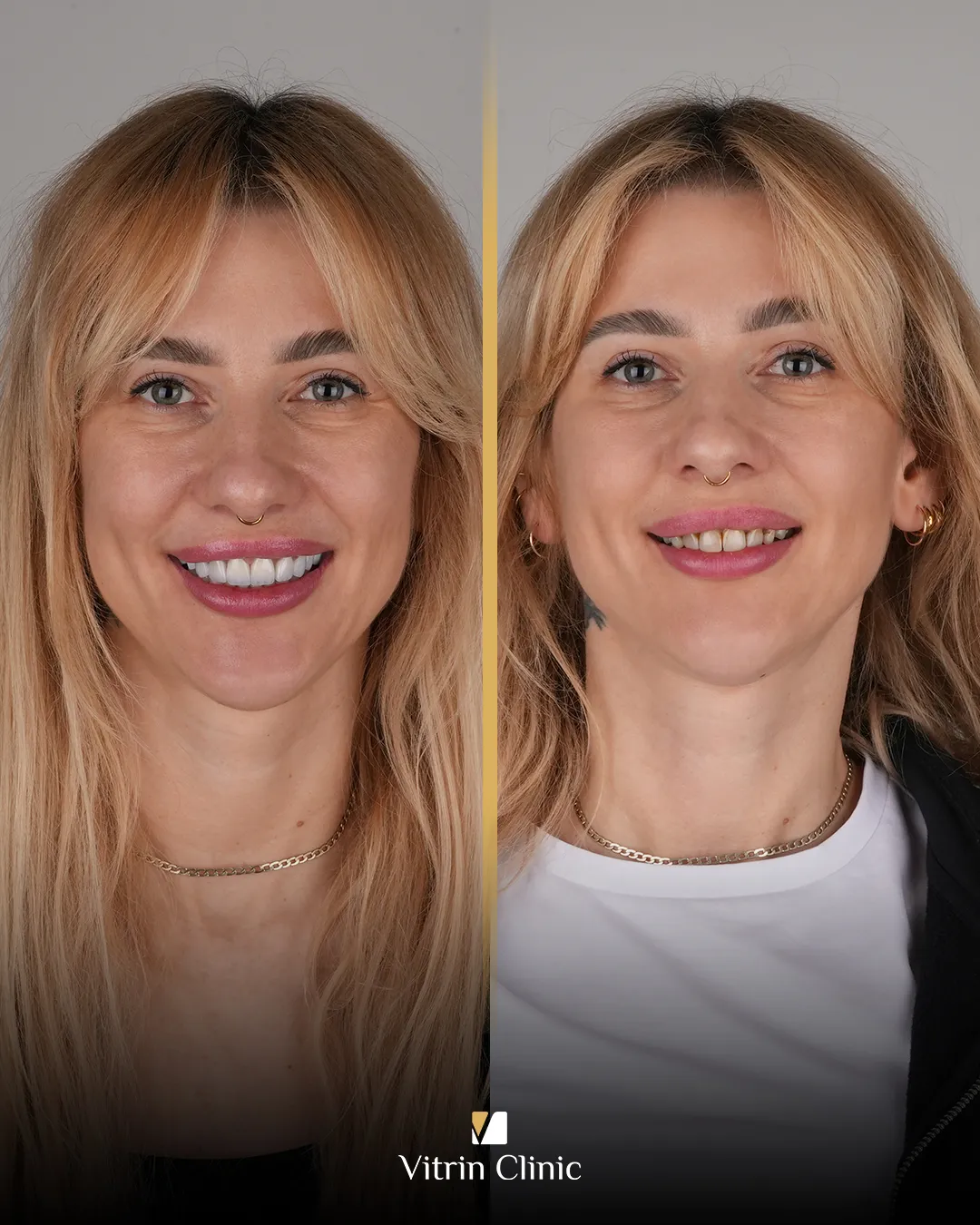
Authentic clinical photographs help patients understand possible aesthetic changes. However, photographs cannot establish whether another patient's treatment is suitable for you.
Look for consistent lighting, comparable angles, and clear treatment descriptions. Ask whether the images represent actual completed cases. Written patient consent should be obtained before clinical photographs are published
Your Ceramic Veneer Journey at Vitrin Clinic
At Vitrin Clinic, we make the ceramic veneer journey about more than the treatment itself. From the first consultation to the final smile checks, our team coordinates each stage to create an organised and comfortable experience for international patients visiting Istanbul.
Personalised Smile Planning with Digital Technology
Every journey begins with understanding the patient's expectations and reviewing their dental condition. Our dental team examines the teeth, gums, existing restorations, and bite before recommending suitable treatment options. Digital scans and photographs support treatment planning, while Digital Smile Design (DSD) helps patients preview proposed aesthetic changes before treatment begins. The final plan is based on an in-person clinical examination and individual dental needs.
Coordinated Treatment and Patient Experience in Istanbul
Our international patient coordinators help organise appointments, accommodation, airport transfers, and transportation throughout the stay. We aim to make each stage clear, from the initial examination and veneer preparation to laboratory fabrication, fitting, and final checks.
Patients can also enjoy the additional facilities available at Vitrin Clinic, including our terrace, Vitrin Café, and dedicated photo studio. These details add to the overall experience while our dental team remains focused on treatment quality and individual care.
Final Checks, Aftercare, and Continued Support
Before patients travel home, our dental team checks the restorations, reviews bite comfort, and explains how to care for ceramic veneers. Patients receive relevant aftercare guidance and information about follow-up arrangements. We also encourage international patients to allow sufficient flexibility in their travel schedule in case clinical findings or necessary adjustments affect the planned appointments.
At Vitrin Clinic, we bring together personalised dental planning, digital technology, coordinated travel support, and attentive aftercare to make the journey from consultation to final checks as clear and organised as possible.
Ready to transform your smile?
Talk to our team and get a personal FREE treatment plan.
Conclusion: Choosing Veneers for Chipped Teeth Turkey
Choosing a restoration begins with understanding the extent and cause of tooth damage. veneers for chipped teeth Turkey can improve selected chipped front teeth when sufficient healthy structure remains. Porcelain and E-max offer different material characteristics. Neither option is automatically suitable for every patient. A clinical examination helps determine whether veneers, another restoration, or conservative repair is appropriate. Patients should compare treatment plans, preparation requirements, laboratory standards, and aftercare arrangements. The priority should remain preserving healthy teeth while achieving a functional, natural-looking restoration.
Reference
FAQs
Yes, veneers can restore the appearance of selected chipped front teeth. They cover the visible surface and recreate the missing contour. Suitability depends on the depth of damage and available enamel. Deeper fractures may require additional restorative treatment. A dentist must examine the tooth before recommending veneers.
Dr. Rifat Alsaman has more than 5 years of clinical experience in dentistry and currently serves as the Head of the Medical Team at Vitrin Clinic. He is dedicated to providing exceptional patient care, overseeing treatment planning, and ensuring the highest clinical standards across the team. His expertise, attention to detail, and commitment to continuous professional development have helped countless patients achieve healthier, more confident smiles.


