
Orthodontic braces are dental appliances that gradually move teeth into correct positions. They improve both smile appearance and bite function. A common question patients ask before treatment is: what are orthodontic braces made of? Understanding the materials helps patients feel confident and make informed decisions.
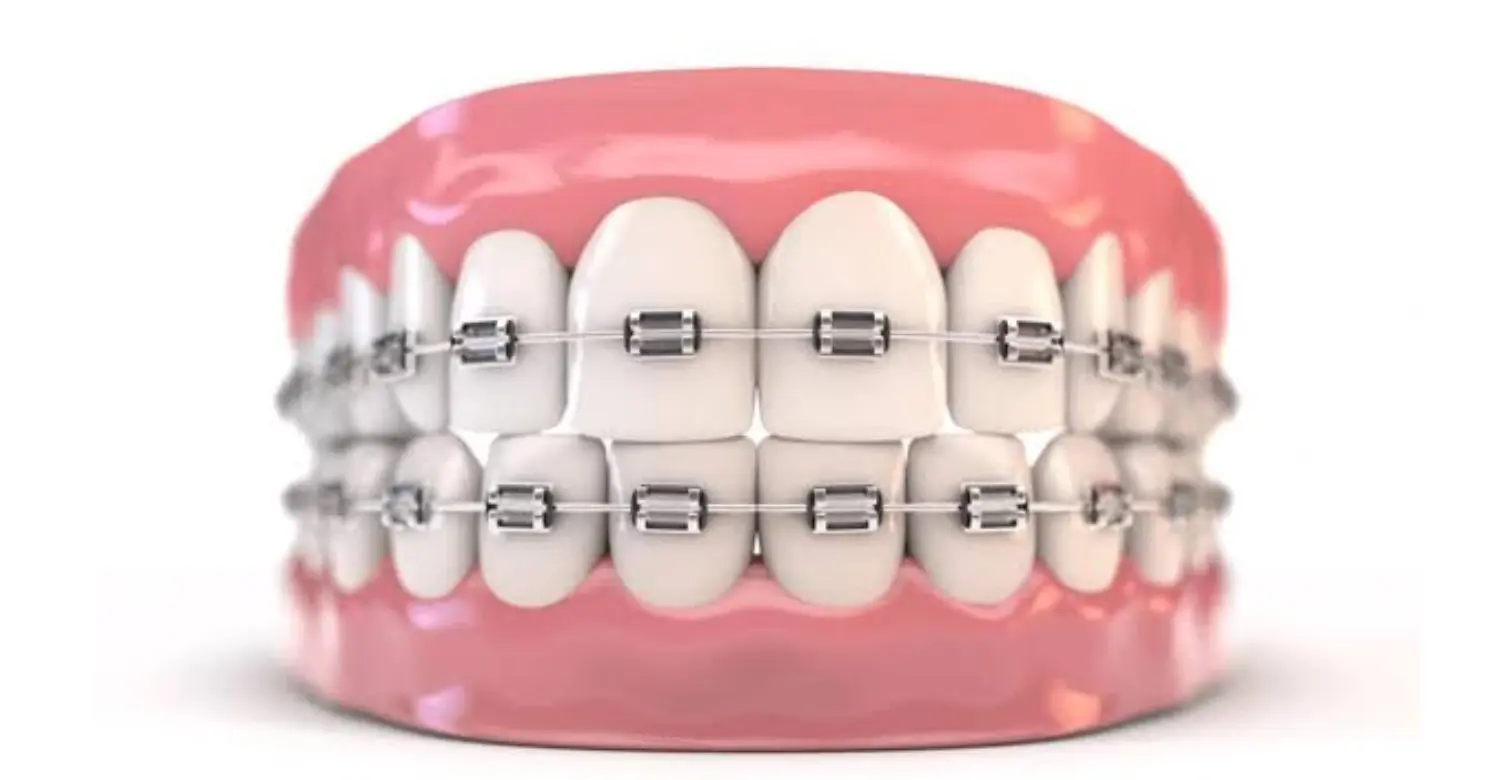
Modern braces use durable, biocompatible materials chosen for strength, safety, and effectiveness. Depending on the type, these may include stainless steel, ceramic, nickel-titanium alloys, plastic, and specialized elastics.
What Are Orthodontic Braces Made Of? main Component
Orthodontic braces consist of several parts working together to move teeth gradually. Each component is made from a specific material chosen for its unique properties. You might also like: is orthodontic treatment necessary.
What Materials Are Braces Brackets Made Of?
Brackets are small attachments bonded to the front surface of each tooth. They act as anchors that guide tooth movement.
The most common bracket materials include:
Stainless Steel: The traditional and most widely used material. These brackets are strong, durable, corrosion-resistant, and highly effective.
Ceramic: Tooth-colored or clear brackets made from high-quality ceramic. They provide a more discreet appearance while maintaining excellent performance.
Polycrystalline Ceramic: A popular ceramic option known for its transparency and aesthetic appeal.
Monocrystalline Sapphire: Used in premium clear braces for an almost invisible appearance.
What Materials Are Used in Orthodontic Braces
The archwire is the thin wire that connects all brackets and applies pressure to move teeth.
Common archwire materials include:
Nickel-Titanium (NiTi): Known for its flexibility and memory shape properties. It delivers gentle, continuous pressure during early treatment.
Stainless Steel: Often used during later treatment phases when stronger control is needed.
Beta-Titanium: Offers a balance between flexibility and strength. Related read: wisdom teeth removal in orthodontics.
Copper Nickel-Titanium: An advanced material that responds to body temperature and can improve treatment efficiency.
What Are the Ligatures in Braces Made Of
Ligatures are small elastic bands or metal ties that hold the archwire in place within the brackets.
They may be made from:
Medical-grade elastic materials
Stainless steel wire ties
Colored elastic ligatures are popular among younger patients because they allow personalization of the braces.
Types of Orthodontic Braces and Their Materials
What Materials Are Orthodontic Braces Made Of?
Metal braces remain the most common orthodontic treatment worldwide.
They are primarily made from:
High-grade stainless steel brackets
Stainless steel archwires
Nickel-titanium wires during initial alignment stages
Elastic ligatures
Metal braces are valued for their durability, effectiveness, and affordability.
Read also: do dental plans cover orthodontics.
What Materials Are Used in Orthodontic Braces?
Ceramic braces function similarly to metal braces but use more aesthetic materials.
They typically include:
Ceramic brackets
Tooth-colored or clear ligatures
Metal or coated archwires
These braces are popular among adults and teenagers seeking a less noticeable orthodontic solution. Learn more: orthodontic insurance lifetime max.
What Materials Are Used in Orthodontic Braces
Self-ligating braces use specialized brackets with built-in clips instead of elastic ligatures.
Materials commonly include:
Stainless steel
Ceramic
Nickel-titanium archwires
These systems may reduce friction and simplify orthodontic adjustments.
Clear Aligners for orthodontic braces
Although not technically braces, clear aligners are a popular orthodontic option.
They are made from:
Medical-grade thermoplastic materials
BPA-free transparent polymers
Clear aligners are custom-designed for each patient and offer a nearly invisible treatment option.
What Materials Are Used in Orthodontic Braces?
When people ask what orthodontic braces are made of, they usually think about brackets and wires. However, one of the most important materials is the bonding adhesive. Without this specialized dental adhesive, braces would not remain securely attached to the teeth throughout treatment.
Orthodontic bonding adhesives are typically made from light-cured composite resin. This material is similar to tooth-colored fillings but engineered for orthodontic use. These adhesives create a strong mechanical and chemical bond between the enamel surface and the bracket. They remain safe for long-term intraoral use.
Modern bonding adhesives are designed to:
Resist chewing forces
Maintain bond strength for months or years
Minimize enamel damage during bracket removal
Be biocompatible with oral tissues
Work with both metal and ceramic brackets
At Vitrin Clinic, premium orthodontic bonding systems are selected to maximize bracket retention while protecting natural tooth enamel. Proper bonding techniques significantly reduce emergency visits caused by loose brackets. Explore: how to cure periodontal disease.
What Materials Are Orthodontic Braces Made Of?
Although many modern braces rely entirely on bonded brackets, molar bands and buccal tubes continue to play an important role in many orthodontic treatments.
Molar Bands
Molar bands are thin stainless steel rings that fit around the back molars. They provide exceptional stability for teeth that experience heavy chewing forces.
Molar bands are commonly used when:
Heavy orthodontic forces are required
Headgear or special appliances are needed
Teeth have large restorations
Extra anchorage is necessary
Buccal Tubes
Buccal tubes are small metal attachments placed on molars. Instead of tying a bracket onto the tooth, the orthodontic wire slides through the tube. This allows controlled movement and improves treatment efficiency.
Many modern self-ligating systems use advanced buccal tube designs. These reduce friction and simplify wire changes.
At Vitrin Clinic, orthodontists decide between molar bands and bonded buccal tubes. They base the choice on each patient's bite, treatment goals, and oral health.
What Type of Stainless Steel Is Used in Metal Braces?
Not all stainless steel is the same. High-quality orthodontic brackets are commonly made from 316L stainless steel. This medical-grade alloy is strong, corrosion-resistant, and biocompatible.
The "L" in 316L stands for low carbon. This improves corrosion resistance. It also helps maintain structural integrity in the moist oral environment.
Advantages of 316L Stainless Steel
Outstanding corrosion resistance
High mechanical strength
Excellent durability
Smooth surface that reduces plaque accumulation
Long history of safe clinical use
Potential Limitations
Contains small amounts of nickel
May not suit patients with severe nickel allergies
Less aesthetic than ceramic alternatives
At Vitrin Clinic, only high-quality orthodontic materials are used. They meet international medical standards for safety and long-term performance.
What Are Ceramic Braces Made Of?
Ceramic braces are designed for patients seeking a more discreet appearance. They still provide effective tooth movement.
Modern ceramic brackets are made from polycrystalline aluminum oxide (Al₂O₃). Some premium systems use monocrystalline aluminum oxide.
These highly refined ceramic materials provide:
Tooth-colored appearance
High compressive strength
Excellent stain resistance
Good biocompatibility
However, ceramic brackets also have certain disadvantages.
Advantages
More aesthetic than metal braces
Resistant to discoloration
Comfortable smooth surface
Disadvantages
Greater friction between the bracket and wire
May slightly prolong treatment in some cases
More brittle than metal brackets
Usually more expensive
At Vitrin Clinic, ceramic braces are recommended for adults and older teenagers. They prioritize smile aesthetics during treatment.
How Does Shape Memory Nickel-Titanium Wire Work?
One of the greatest innovations in orthodontics is the nickel-titanium (NiTi) archwire. It is famous for its shape memory and superelastic properties.
Unlike conventional metal wires, nickel-titanium wires can be bent significantly without permanent deformation.
When inserted into the brackets, the wire tries to return to its original shape. This creates gentle, continuous forces that gradually move teeth into alignment.
A unique characteristic of many modern NiTi wires is their thermodynamic shape memory.
As the wire warms to body temperature inside the mouth:
It becomes slightly stiffer.
It activates more efficiently.
It delivers consistent orthodontic forces.
It improves patient comfort by reducing excessive pressure.
These temperature-sensitive properties allow orthodontists to move teeth more predictably. They also minimize discomfort during early treatment.
At Vitrin Clinic, heat-activated nickel-titanium wires are frequently used during alignment. They provide controlled biological tooth movement with less initial soreness.
Are Orthodontic Braces FDA-Approved or CE-Certified?
Safety is one of the most important considerations when choosing orthodontic treatment.
High-quality orthodontic components are typically manufactured under internationally recognized standards. These include:
FDA-approved or FDA-cleared materials for the U.S. market
CE-certified medical devices for European regulatory compliance
ISO-certified manufacturing processes
Strict biocompatibility testing
These certifications help ensure that orthodontic materials meet rigorous standards for:
Safety
Performance
Material quality
Manufacturing consistency
Long-term clinical reliability
At Vitrin Clinic, orthodontic systems come from reputable manufacturers. Their products comply with recognized international medical standards. This gives patients confidence in safety and durability.
Are Orthodontic Brace Materials Safe?
Yes. Modern orthodontic materials undergo strict testing. They must meet international medical and dental safety standards.
The materials used in braces are selected because they are:
Biocompatible
Non-toxic
Resistant to corrosion
Durable enough to withstand chewing forces
Safe for long-term use inside the mouth
Orthodontists use materials that have been extensively studied. They have been used successfully for decades.
What About Nickel Allergies?
Some orthodontic wires contain nickel, particularly nickel-titanium archwires.
For patients with known nickel sensitivities, orthodontists can often provide alternative materials. These include:
Titanium archwires
Beta-titanium wires
Ceramic-based treatment options
Patients should always inform their orthodontist about any known allergies before treatment begins.
Why Are Different Materials Used?
Different stages of orthodontic treatment require different mechanical properties.
For example:
Flexible nickel-titanium wires are ideal for initial tooth alignment.
Strong stainless steel wires provide greater control during later treatment phases.
Ceramic brackets improve aesthetics while maintaining functionality.
Using a combination of materials allows orthodontists to optimize treatment efficiency. It also maximizes patient comfort.
Lingual Braces: Hidden on the Inside
For those seeking a more discreet option, lingual braces are attached to the back of the teeth. They are virtually invisible from the outside.
Lingual braces are custom-made to fit each patient's teeth. The brackets are typically made of gold or high-grade stainless steel alloy. These materials are strong and biocompatible.
The archwires are usually made of nickel-titanium or stainless steel, similar to traditional braces. Because they are placed on the inside, they require specialized training to install and adjust.
While they offer aesthetic benefits, they can be less comfortable initially. They may also affect speech temporarily.
Dr. Rifaat Al-Samman notes that lingual braces are an excellent option for patients who want effective treatment without visible hardware.
Durability: Ceramic vs. Metal Brackets
When choosing braces, durability is a key factor. Metal brackets, typically made of stainless steel, are known for their strength and resistance to breakage. They can withstand chewing forces and are less likely to fracture.
Ceramic brackets are more aesthetic but more brittle. They can chip or crack under pressure. However, modern ceramic brackets are reinforced with aluminum oxide to improve strength.
Ceramic brackets are also more resistant to staining, but the ligatures can discolor. Metal brackets generally have a longer lifespan and are less likely to need replacement.
Ceramic brackets may require more careful handling. They are often recommended for patients not involved in high-impact activities. Your orthodontist will help you weigh the pros and cons based on your lifestyle.
Allergic Reactions: What to Watch For
While rare, some patients may experience allergic reactions to materials used in braces. For example, latex in elastics can cause itching, redness, or swelling in the mouth or on the lips.
If you have a known latex allergy, inform your orthodontist before treatment. They can use latex-free elastics made from silicone or other materials.
Some patients may be sensitive to nickel, which is present in many stainless steel brackets and wires. If you suspect a nickel allergy, discuss alternative options like ceramic brackets or titanium wires.
Dr. Rifaat Al-Samman emphasizes the importance of communicating any allergies or sensitivities to your dental team. This allows them to tailor your treatment accordingly.
How to Care for Your Braces to Extend Their Lifespan
Proper care keeps your braces effective and prolongs their lifespan. Here are some essential tips:
Oral Hygiene: Brush after every meal with a soft-bristled toothbrush and fluoride toothpaste. Floss daily using a floss threader or water flosser to remove food particles and plaque around brackets and wires.
Diet: Avoid hard, sticky, or chewy foods that can damage brackets and wires. Cut fruits and vegetables into small pieces, and avoid chewing on ice or hard candies.
Protection: If you play sports, wear a mouthguard to protect your braces and teeth from impact.
Regular Adjustments: Keep all appointments with your orthodontist for adjustments and check-ups. They will ensure that the wires are applying the right pressure and that no components are loose or broken.
Avoid Bad Habits: Don't chew on pens, pencils, or fingernails. This can bend wires and loosen brackets.
By following these guidelines, you can help ensure that your braces work efficiently and last throughout your treatment.
Certifications and Affiliations
Vitrin Clinic adheres to international healthcare standards and is committed to patient safety and quality. The clinic is affiliated with professional dental organizations and follows strict infection control protocols.
While specific certifications are not listed, the clinic's dedication to excellence is evident in its multidisciplinary approach and positive patient outcomes. For more information about the clinic's credentials, patients are encouraged to contact the clinic directly.
Trusted Resources
For more information on orthodontic treatment, you can refer to authoritative sources such as the American Association of Orthodontists (AAO) at www.aaoinfo.org, the British Orthodontic Society at www.bos.org.uk, or the World Federation of Orthodontists at www.wfo.org. These organizations provide evidence-based guidelines and patient education materials to help you make informed decisions about your orthodontic care.
Disclosure
This article is provided for informational purposes and does not constitute medical advice. The author, Dr. Rifaat Al-Samman, is affiliated with Vitrin Clinic, which offers orthodontic treatments. The clinic does not receive commissions from aligner manufacturers or other dental product companies. Any recommendations are based on clinical judgment and patient needs, not financial incentives.
Your Privacy Matters
At Vitrin Clinic, we take patient privacy seriously. We comply with data protection regulations, including GDPR, to ensure that your personal and medical information is kept confidential. We use secure systems for storing and processing data, and we never share your information without your consent. When you visit our clinic, you can trust that your privacy is protected.
How Long Do Brace Materials Last?
Orthodontic materials are designed to remain effective throughout the entire treatment period, which often lasts between 12 and 36 months.
During treatment:
Archwires may be replaced several times.
Elastic ligatures are usually changed at adjustment appointments.
Brackets generally remain attached throughout treatment unless damaged.
With proper care, the materials used in braces remain durable and reliable until treatment is completed.
Do Different Materials Affect Treatment Cost?
Yes. The materials used can significantly influence orthodontic treatment costs.
Average orthodontic treatment costs in Turkey are approximately:
Metal braces: $1,500–$3,000
Ceramic braces: $2,000–$4,000
Self-ligating braces: $2,500–$4,500
Clear aligners: $2,000–$5,000
The final cost depends on factors such as treatment complexity, duration, orthodontic technology used, and the patient's individual needs.
What We Notice Clinically
At Vitrin Clinic, clinical experience shows that successful orthodontic treatment depends not only on the skill of the orthodontist but also on the quality of the materials used and the precision of every treatment step. According to Dr. Rifat Alsaman, Head of the Medical Team at Vitrin Clinic and a cosmetic dentist, premium orthodontic materials consistently deliver more predictable performance, greater durability, and improved patient comfort throughout treatment.
Dr. Rifat Alsaman explains that adhesive failure is rarely caused by the bonding material itself. Instead, moisture contamination during bracket placement, inadequate enamel preparation, or excessive biting forces are the most common reasons a bracket becomes loose. Careful isolation and precise bonding techniques are therefore just as important as selecting a high-quality orthodontic adhesive.
Material selection also plays a significant role in long-term treatment success. Dr. Rifat Alsaman notes that medical-grade 316L stainless steel offers excellent corrosion resistance, strength, and dimensional stability, allowing brackets and other orthodontic components to maintain their precision throughout treatment. Lower-quality alloys, on the other hand, may be more susceptible to corrosion or gradual loss of accuracy.
When discussing aesthetic treatment options, Dr. Rifat Alsaman emphasizes that ceramic braces have advanced considerably over the past decade. While they provide a more discreet appearance, patients should understand that ceramic brackets can generate greater friction against orthodontic archwires, which may slightly reduce treatment efficiency in certain cases compared with traditional metal braces.
Heat-Activated Nickel-Titanium Archwires
Another advancement frequently observed in modern orthodontics is the performance of heat-activated nickel-titanium archwires. Dr. Rifat Alsaman explains that these shape-memory wires respond to body temperature by delivering gentle, continuous forces that improve patient comfort while promoting controlled and predictable tooth movement during the early alignment phase.
Finally, Dr. Rifat Alsaman advises patients not to choose orthodontic appliances based on price alone. Internationally recognized standards such as FDA-approved (or FDA-cleared) and CE-certified orthodontic materials help ensure high levels of safety, manufacturing quality, and clinical reliability. At Vitrin Clinic, certified, high-quality orthodontic systems are selected to provide predictable treatment outcomes, long-term durability, and the highest standards of patient care.
Retainers: Maintaining Your New Smile
After your braces are removed, retainers are essential to keep your teeth in their new positions. They are typically made from a few different materials. The most common type is a clear plastic retainer (often made from polyurethane or a similar thermoplastic) that fits snugly over your teeth. Another option is a Hawley retainer, which consists of a thin acrylic plate that fits against the roof of your mouth or behind your lower teeth, with a metal wire that crosses the front of your teeth to hold them in place. Some retainers are fixed, bonded to the back of your teeth with a thin wire. The choice of retainer depends on your specific needs and your orthodontist's recommendation. Proper care and regular check-ups will ensure your retainer lasts and continues to protect your investment.
Real Patient Experiences
Many patients have successfully undergone orthodontic treatment at Vitrin Clinic. For instance, Sarah from the UK shared, "I was nervous about getting braces as an adult, but Dr. Al-Samman and his team made me feel comfortable. The process was smooth, and I'm thrilled with my new smile." Another patient, Michael from Germany, noted, "I had ceramic braces for 18 months, and the results exceeded my expectations. The team was professional and supportive throughout." These testimonials reflect the clinic's commitment to patient satisfaction and high-quality care. If you're considering braces, hearing from others who have been through the process can provide reassurance and insight.
A Trusted Clinic with Extensive Experience
Vitrin Clinic in Istanbul has been providing dental care to international patients for over a decade. Under the leadership of Dr. Rifaat Al-Samman, the clinic has successfully treated thousands of patients from Europe, North America, the Middle East, and beyond. With a focus on comprehensive and multidisciplinary care, the clinic has become a trusted destination for orthodontic treatments. The team's experience ensures that each patient receives personalized attention and high-quality outcomes. Whether you're seeking traditional braces, clear aligners, or other orthodontic solutions, you can trust in the expertise and track record of Vitrin Clinic.
Expertise You Can Trust
Dr. Rifaat Al-Samman is a highly accomplished dental professional with a Doctor of Dental Surgery (DDS) degree from Izmir Katip Celebi University in Türkiye. He has extensive experience in comprehensive dentistry, including orthodontics, and currently serves as the Director of the Medical Team at Vitrin Clinic. His leadership and clinical expertise ensure that patients receive evidence-based, high-quality care. Dr. Al-Samman is committed to continuous education and ethical practice, making him a reliable authority on dental topics.
Orthodontic Treatment at Vitrin Clinic
At Vitrin Clinic, orthodontic treatments utilize modern, high-quality materials that meet international safety standards. Whether patients choose traditional metal braces, aesthetic ceramic braces, or clear aligner solutions, the materials used are carefully selected to provide durability, comfort, and predictable tooth movement throughout treatment.
A personalized orthodontic assessment allows specialists to determine which materials and treatment system are most appropriate for achieving the desired smile transformation while maintaining long-term oral health.
Conclusion
Orthodontic braces are made from a combination of advanced materials including stainless steel, ceramic, nickel-titanium alloys, titanium, elastics, and medical-grade plastics. Each material serves a specific purpose in guiding teeth into proper alignment safely and efficiently. Modern orthodontic technology has made braces more comfortable, durable, and aesthetically pleasing than ever before. For patients considering orthodontic treatment in Turkey, understanding the materials used in braces can help them choose the option that best balances appearance, performance, and budget. With average orthodontic costs ranging from $1,500 to $5,000 in Turkey, patients can access high-quality treatment using internationally recognized orthodontic materials at a significantly more affordable price than in many Western countries.
Reference
Orthodontic braces are made from a combination of durable, biocompatible materials such as stainless steel, nickel-titanium alloys, ceramic, and specialized polymers, each selected for its strength, flexibility, and effectiveness in moving teeth safely and efficiently. The following references provide more information about the materials used in orthodontic braces, their properties, and their clinical applications:
FAQs

Dr. Rifat Alsaman has more than 5 years of clinical experience in dentistry and currently serves as the Head of the Medical Team at Vitrin Clinic. He is dedicated to providing exceptional patient care, overseeing treatment planning, and ensuring the highest clinical standards across the team. His expertise, attention to detail, and commitment to continuous professional development have helped countless patients achieve healthier, more confident smiles.


