General Dentistry
August 6, 2026
When to Stop Drinking Alcohol Before Wisdom Teeth Surgery? Complete Guide to Safe Preparation

Understanding when to stop drinking alcohol before wisdom teeth surgery is an important step in preparing for a safer extraction experience. Alcohol can affect several factors involved in oral surgery, including anesthesia response, hydration levels, blood clot formation, immune function, and tissue healing.
Most oral surgeons recommend avoiding alcohol for at least 24–72 hours before the procedure. However, patients with frequent or heavy alcohol consumption may require a longer preparation period based on their health condition and anesthesia plan.
Research shows that alcohol can influence the body’s ability to recover after surgical procedures. A clinical trial published in BMJ found that patients who stopped alcohol consumption for 4 weeks before surgery reduced postoperative complication rates from approximately 33% to 5%.
The World Health Organization (WHO) reports that alcohol consumption contributes to around 2.6 million deaths worldwide every year, highlighting its significant impact on overall health, immunity, and inflammation control.
Alcohol can also affect wound healing because it may reduce immune system efficiency and increase inflammatory responses. After wisdom teeth removal, the body needs strong healing activity to rebuild gum tissue and protect the extraction site.
At Vitrin Clinic, patient preparation is considered an essential part of successful wisdom teeth treatment. The dental team evaluates medical history, lifestyle habits, medications, and surgical needs before the procedure.
Following professional instructions before surgery helps create better conditions for anesthesia safety, controlled healing, and a smoother recovery experience.
Why Should You Stop Drinking Alcohol Before Wisdom Teeth Surgery?
Understanding how to prepare safely helps patients reduce avoidable surgical risks. Alcohol can influence anesthesia response, bleeding control, immune function, and recovery speed after extraction.
Before wisdom teeth removal, dentists usually recommend avoiding alcoholic beverages because they may interfere with medications used during the procedure. Alcohol can also contribute to dehydration, which may affect the body’s ability to recover.
Research shows that regular consumption can weaken immune responses and increase inflammation. These effects may make healing after oral surgery more challenging.
At Vitrin Clinic, patient safety begins before treatment starts. The dental team evaluates medical history, lifestyle habits, and preparation steps before wisdom tooth extraction.
Following professional instructions allows the body to enter surgery in a healthier condition. Proper preparation supports smoother procedures, better comfort, and more predictable healing outcomes.
According to the World Health Organization (WHO), alcohol consumption contributes to approximately 2.6 million deaths worldwide every year, representing about 4.7% of all deaths globally. Alcohol also contributes to more than 200 health conditions, including diseases that can affect immune function and healing.
How Long Before Wisdom Teeth Surgery Should You Stop Drinking Alcohol?
The recommended time to avoid alcohol before wisdom teeth surgery depends on individual health factors and the type of anesthesia planned.
Most oral surgeons advise patients to stop drinking at least 24 to 72 hours before surgery. Some cases may require a longer period, especially for patients with frequent consumption habits.
Alcohol remains active in the body and may affect blood circulation, hydration levels, and medication metabolism. These factors are important during wisdom tooth extraction.
Clinical studies suggest that alcohol exposure can influence immune activity and tissue repair processes. This makes avoiding it an important preparation step.
Patients should always follow their dentist’s specific instructions. At Vitrin Clinic, treatment planning includes personalized guidance based on the patient’s health condition and surgical requirements.
A safer preparation period helps reduce complications and supports a more comfortable recovery experience.
The study reported a reduction in postoperative complications from approximately 33% to 5% among patients who significantly reduced alcohol intake before surgery.
Recommended Timeline to Avoid Alcohol Before Wisdom Teeth Removal
A clear timeline helps patients understand how alcohol avoidance supports successful wisdom teeth surgery preparation.
72 Hours Before Surgery
Patients should ideally avoid alcoholic beverages completely. This allows the body to improve hydration and stabilize normal functions.
48 Hours Before Surgery
Avoiding alcohol continues to support better anesthesia response. It also reduces possible interactions with prescribed medications.
24 Hours Before Surgery
Alcohol should remain completely avoided. The body needs optimal conditions before oral surgery.
Surgery Day
Patients should not consume alcohol before arriving at the dental clinic. Alcohol can increase safety concerns during anesthesia.
After Surgery
Alcohol should also be avoided during early healing. It may interfere with medications and increase irritation around the surgical area.
Vitrin Clinic recommends following personalized recovery instructions because every patient has different healing needs.
Can You Drink Alcohol Before Wisdom Teeth Surgery?
Drinking before surgery is generally not recommended because it may create unnecessary risks during treatment.
Alcohol can affect the nervous system, which may change how patients respond to sedation. It may also influence blood vessels and increase bleeding concerns during extraction.
Patients sometimes believe that a small amount will not affect surgery. However, even moderate consumption can interact with medications.
According to dental professionals, avoiding alcohol before oral procedures improves preparation quality. It allows dentists to provide treatment under safer conditions.
At Vitrin Clinic, patients receive detailed pre-operative instructions before wisdom tooth removal. These instructions include guidance about alcohol, food, medications, and daily habits.
Avoiding alcohol is a simple preparation step that can improve surgical safety and recovery confidence.
Clinical Note: How Alcohol Affects Surgery Preparation and Safety
Alcohol can influence several biological processes that are important during oral surgery.
First, it may affect blood clotting functions. Blood clot formation is essential after extraction because it protects the healing socket.
Second, alcohol can contribute to dehydration. Proper hydration supports circulation and tissue recovery after surgery.
Third, it may affect the way the body processes anesthesia and pain medications. This can create additional concerns for surgical teams.
Studies from medical organizations indicate that alcohol use can impact immune response and wound healing. These effects are especially important after procedures involving soft tissue healing.
Dr. Rifat Alsaman emphasizes that preparation is a major part of successful oral surgery. Following instructions before treatment helps create safer conditions and improves patient outcomes.
Why Is Alcohol Before Wisdom Teeth Removal a Concern?
Understanding preparation guidelines is important because alcohol can affect several factors involved in safe oral procedures.
It may influence blood circulation, immune activity, and medication response. These effects can create additional concerns during extraction and recovery.
Before surgery, the body needs stable conditions to handle anesthesia, control bleeding, and begin healing properly. Alcohol consumption may interfere with these natural processes.
Studies have shown that excessive intake can delay tissue repair and increase inflammation. These effects may become more noticeable after surgical procedures involving gum tissue and bone.
At Vitrin Clinic, dentists evaluate each patient’s medical background before wisdom tooth removal. This approach helps identify possible risks and create personalized preparation plans.
Avoiding alcohol before surgery is a simple step that supports safer treatment and better recovery results.
Alcohol and Anesthesia for Wisdom Teeth Surgery
Alcohol and anesthesia require careful consideration because both substances affect the central nervous system.
Patients researching surgical prep should understand that alcohol may change how the body responds to sedative medications.
Anesthesia works by controlling pain, awareness, and comfort during the procedure. Alcohol can influence nervous system activity, which may create unpredictable responses.
Recent medical insights indicate that alcohol use before procedures can affect medication metabolism. This may require dental professionals to adjust their approach.
It may also increase feelings of nausea or dizziness after anesthesia. These symptoms can make the early recovery period more uncomfortable.
At Vitrin Clinic, the dental team reviews patient history and provides clear instructions before extraction. This preparation helps create a safer surgical environment.
Patients should always inform their dentist about recent alcohol consumption before receiving anesthesia.
Research shows that alcohol affects anesthesia management because approximately 20%–30% of surgical patients may consume alcohol regularly, making pre-operative screening important.
Research indicates that chronic alcohol consumption can increase anesthesia requirements because of changes in the central nervous system and medication metabolism.
Dr. Rifat Alsaman’s Clinical Opinion: Why Pre-Surgery Instructions Matter
Proper preparation plays an essential role in achieving predictable wisdom teeth surgery results.
According to Dr. Rifat Alsaman, following pre-operative instructions helps dentists reduce preventable risks and provide safer patient care.
Patients often focus on the procedure itself but overlook preparation habits. However, factors such as alcohol intake, fasting, medication use, and hydration can influence treatment outcomes.
Knowing when to stop drinking alcohol before wisdom teeth surgery allows patients to support their body before extraction.
Dr. Rifat Alsaman explains that successful oral surgery depends on cooperation between the dental team and the patient. Clear communication helps identify possible concerns before treatment begins.
At Vitrin Clinic, every patient receives personalized guidance before surgical procedures. This approach supports comfort, safety, and long-term oral health.
Following professional recommendations creates better conditions for healing after wisdom teeth removal.
Drinking Alcohol Before Tooth Extraction and Bleeding Risks
Consumption before extraction may increase concerns related to bleeding control and healing.
Patients should know that alcohol can affect blood vessel behavior and normal clot formation.
After wisdom tooth removal, a blood clot forms inside the extraction site. This clot protects the area and supports early healing.
Alcohol may interfere with this process by affecting circulation and increasing irritation around the surgical site.
Dental professionals emphasize that maintaining stable conditions before extraction helps reduce complications. Avoiding alcohol is one important preparation step.
Research suggests that heavy intake may negatively affect wound healing and immune responses. These effects can influence recovery after oral surgery.
Dry socket occurs in approximately:
1%–5% of routine tooth extractions.
5%–30% after impacted wisdom teeth removal, depending on surgical difficulty and patient risk factors.
Studies identify smoking as the strongest risk factor, increasing dry socket risk by approximately 2–5 times.
Alcohol’s Effect on Healing After Oral Surgery
Healing after wisdom teeth removal depends on several factors, including nutrition, hygiene, medication use, and lifestyle habits.
Understanding proper pre-op guidelines helps patients avoid behaviors that may slow recovery.
Alcohol can reduce the body’s ability to maintain healthy immune activity. This may affect tissue repair after extraction.
The surgical area requires protection during the first days after removal. Drinking may increase irritation and interfere with recommended recovery routines.
Medical research has connected excessive intake with slower wound healing. This occurs because alcohol can influence inflammation and immune system function.
At Vitrin Clinic, patients receive recovery instructions designed around their individual treatment needs. These recommendations include avoiding harmful habits during healing.
A careful recovery approach helps reduce complications and supports comfortable healing after wisdom tooth extraction.
Research shows that heavy alcohol consumption can weaken immune responses and increase infection risks. Studies estimate that unhealthy alcohol use affects approximately 15%–20% of surgical patients, making screening an important part of pre-operative assessment.
Alcohol can interfere with inflammation control, which is essential during the first 7–14 days after oral surgery.
What Happens If You Drink Alcohol Before Wisdom Teeth Surgery?
Drinking alcohol before wisdom teeth surgery may increase the possibility of complications during and after treatment.
Patients should understand proper preparation because it directly affects surgical safety.
It may interfere with anesthesia, increase dehydration, and affect medication effectiveness. These factors can make the procedure more challenging.
Some patients may experience increased nausea, dizziness, or discomfort after surgery if alcohol was consumed beforehand.
It can also affect judgment, which may make it harder to follow important pre-operative instructions.
Dental professionals recommend avoiding alcohol before surgery to create the safest possible treatment conditions.
At Vitrin Clinic, patient education is an important part of the surgical process. The team explains preparation requirements before every procedure.
Following instructions helps patients feel more confident and supports a smoother wisdom teeth removal experience.
Possible Complications of Alcohol Before Oral Surgery
Alcohol before oral surgery may contribute to several possible complications that affect comfort and healing.
Understanding when to stop drinking alcohol before wisdom teeth surgery helps patients reduce unnecessary risks before treatment.
Potential concerns include increased bleeding, delayed healing, medication interactions, and greater discomfort after extraction.
It may also increase swelling or irritation because it can affect normal inflammatory responses.
Patients with frequent alcohol consumption may require additional evaluation before surgery. Dentists need accurate health information to provide safe care.
Statistics from global health organizations show that alcohol remains a major factor affecting overall health outcomes. These effects can also influence oral health conditions.
A large surgical review found that patients with unhealthy alcohol use had:
Around 2 times higher risk of postoperative complications.
Longer recovery periods.
Increased chances of infection-related problems.
Alcohol-related surgical risks are especially associated with heavy or frequent consumption.
Should You Inform Your Oral Surgeon About Alcohol Consumption?
Patients should always communicate openly about alcohol habits before wisdom teeth removal. Knowing when to stop drinking alcohol before wisdom teeth surgery is only one part of proper preparation.
Dentists need accurate information about recent consumption because it may affect anesthesia planning and medication choices.
Some patients may feel uncomfortable discussing alcohol use. However, this information helps the dental team create safer treatment conditions.
Habits can influence healing, bleeding risks, and recovery expectations. Honest communication allows the oral surgeon to provide appropriate recommendations.
Research in surgical care shows that patient disclosure improves safety because medical professionals can identify potential risk factors earlier.
At Vitrin Clinic, consultations focus on complete patient assessment before surgical procedures. The dental team considers lifestyle factors, medical history, and treatment goals.
Sharing accurate information helps create a personalized wisdom teeth removal plan and supports better recovery outcomes.
Tips for Patients: What to Do Before Your Appointment
Preparing correctly before surgery helps improve comfort and reduce possible complications.
Patients should focus on several important preparation steps:
Follow all fasting instructions provided by the dental team.
Avoid alcohol and smoking before surgery.
Arrange transportation if sedation or anesthesia is planned.
Prepare soft foods for the recovery period.
Inform the dentist about medications and health conditions.
Hydration before the recommended fasting period can support better recovery. Patients should also prepare questions about the procedure, medications, and aftercare instructions.
At Vitrin Clinic, patients receive detailed guidance before treatment. This preparation process helps patients feel informed and comfortable.
Good preparation creates a smoother surgical experience and supports effective healing after wisdom tooth extraction.
Wisdom Teeth Surgery Preparation: Complete Pre-Op Instructions
Proper preparation before wisdom teeth surgery helps reduce risks and supports successful healing.
Knowing when to stop drinking alcohol before wisdom teeth surgery allows patients to make safer choices before their procedure.
Pre-operative instructions usually include avoiding alcohol, following fasting rules, and discussing medications with the dentist.
Patients may need to stop certain habits that could affect healing. Smoking, alcohol consumption, and poor nutrition can influence recovery.
The dentist may also review medical history, allergies, and previous experiences with anesthesia.
Studies show that effective pre-operative education improves patient confidence and reduces anxiety before surgical procedures.
Studies in surgical care show that proper patient preparation can reduce anxiety levels by approximately 20%–30% and improve understanding of aftercare instructions.
Following professional instructions helps create optimal conditions for treatment and allows the body to recover efficiently after surgery.
Pre-Op Instructions for Wisdom Teeth Removal
Following professional instructions before wisdom teeth removal helps protect patient safety.
Common pre-op instructions include:
Avoid alcohol before surgery.
Follow fasting requirements.
Take only approved medications.
Wear comfortable clothing.
Arrange transportation after sedation.
Maintain good oral hygiene.
Patients should avoid making independent decisions about medications before extraction.
The oral surgeon provides specific instructions based on the patient’s health condition and procedure complexity.
Clinical evidence shows that proper preparation can reduce unnecessary surgical challenges.
At Vitrin Clinic, each patient receives personalized recommendations before treatment. This ensures that preparation matches individual needs.
Following these steps helps create a safer environment for wisdom tooth extraction and recovery.
Fasting Before Wisdom Teeth Surgery
Fasting before wisdom teeth surgery is an important safety requirement, especially when sedation or anesthesia is involved.
Patients should understand when to stop drinking alcohol before wisdom teeth surgery along with when to stop eating and drinking before the procedure.
Fasting helps reduce the risk of complications related to anesthesia. When the stomach is empty, the chance of nausea or aspiration problems may decrease.
The exact fasting period depends on the type of anesthesia and the dentist’s instructions.
Patients should never ignore fasting guidelines because they are designed for protection during treatment.
Professional anesthesia organizations emphasize the importance of following pre-operative fasting recommendations.
At Vitrin Clinic, patients receive clear instructions before wisdom tooth extraction. The team explains fasting requirements based on the planned procedure.
Following these instructions helps improve anesthesia safety and supports a smoother surgical experience.
Clinical Note: Why Fasting Guidelines Improve Anesthesia Safety
Fasting guidelines are designed to improve patient safety during procedures involving sedation or anesthesia.
Understanding when to stop drinking alcohol before wisdom teeth surgery should be combined with understanding proper fasting requirements.
During anesthesia, normal protective reflexes may become reduced. Food or liquid in the stomach can increase certain risks.
Following fasting instructions allows anesthesia providers to work under safer conditions.
Medical guidelines recommend specific fasting periods depending on the type of procedure and anesthesia method.
Patients should always follow their dentist’s instructions rather than general online recommendations.
Dr. Rifat Alsaman highlights that preparation quality directly affects surgical safety. Careful planning helps reduce avoidable concerns during wisdom teeth removal.
At Vitrin Clinic, safety protocols focus on patient comfort, proper preparation, and predictable treatment outcomes.
What Should You Avoid Before Wisdom Teeth Extraction?
Avoiding certain habits before wisdom teeth extraction can improve treatment safety and recovery.
Before surgery, patients should avoid:
Alcohol consumption.
Smoking or vaping.
Unapproved medications.
Heavy meals before anesthesia.
Ignoring pre-operative instructions.
Smoking and alcohol may negatively influence healing because they affect blood circulation and tissue recovery.
Patients should also avoid stressful activities before surgery and prepare a comfortable recovery environment.
Research indicates that lifestyle factors can influence oral wound healing after surgical procedures.
Vitrin Clinic encourages patients to follow preparation guidelines carefully. The dental team provides support before and after wisdom tooth removal.
Avoiding harmful habits creates better conditions for healing and helps patients achieve a smoother recovery journey.
Alcohol After Wisdom Teeth Removal: When Is It Safe?
After wisdom teeth removal, patients should be careful about alcohol because the healing period is critical for protecting the extraction site.
Knowing when to stop drinking alcohol before wisdom teeth surgery is important, but understanding when to avoid alcohol after surgery is equally necessary.
Most oral surgeons recommend waiting until the mouth has healed sufficiently before consuming alcohol. The exact timing depends on healing progress, medications, and surgical complexity.
Alcohol may interfere with pain medications, increase dehydration, and irritate healing tissues. These effects can make recovery more uncomfortable.
The first few days after extraction are especially important because the blood clot protects the surgical area.
At Vitrin Clinic, patients receive personalized aftercare instructions after wisdom tooth removal. These instructions help prevent complications and support faster healing.
Following professional advice allows patients to return to normal habits safely while protecting their oral health.
When Can You Drink Alcohol After Wisdom Teeth Surgery?
Patients often ask about returning to alcohol after extraction because lifestyle habits may affect recovery.
Understanding surgical guidelines also helps patients recognize the importance of avoiding alcohol after the procedure.
Generally, dentists recommend waiting several days after wisdom teeth surgery before drinking alcohol. Some patients may need a longer waiting period depending on healing speed.
Alcohol should especially be avoided while taking prescribed pain medications or antibiotics. Combining alcohol with these medications may create unwanted effects.
The extraction area needs time to stabilize and develop healthy tissue. Drinking too early may increase irritation and discomfort.
Clinical recommendations emphasize protecting the surgical site during the early healing stage.
At Vitrin Clinic, dentists evaluate recovery progress and provide guidance about returning to regular activities.
Following recovery instructions helps patients maintain comfort and reduce unnecessary risks.
Alcohol and Dry Socket Risk After Tooth Extraction
Dry socket is one of the most common concerns after wisdom tooth removal, especially when the protective blood clot becomes damaged.
Patients who learn when to stop drinking alcohol before wisdom teeth surgery should also understand how alcohol may affect dry socket prevention.
After extraction, the blood clot acts as a natural protective barrier. It covers the bone and supports tissue healing.
Alcohol may contribute to dry socket risk by irritating tissues, affecting hydration, and interfering with recovery habits.
Dry sockets can cause significant pain and may require additional dental treatment.
Research shows that certain behaviors, including smoking and poor aftercare, increase dry socket risk after extraction.
At Vitrin Clinic, patients receive detailed instructions to protect the extraction area. These recommendations include avoiding harmful habits during early healing.
Protecting the blood clot is essential for comfortable recovery after wisdom teeth surgery.
Research estimates that dry socket affects:
Around 2%–5% of normal tooth extractions.
Up to 30% of lower impacted wisdom tooth extractions.
Most dry socket cases appear between 1 and 5 days after extraction, when the blood clot becomes unstable or disappears.
Tips for Patients: Protecting the Healing Area After Surgery
Protecting the extraction site after wisdom teeth removal helps prevent complications and supports proper healing.
Important recovery tips include:
Avoid alcohol during the recommended healing period.
Follow prescribed medication instructions.
Keep the mouth clean with gentle care.
Avoid strong rinsing during the first days.
Eat soft foods that support recovery.
Avoid smoking because it increases healing risks.
Patients should avoid disturbing the surgical area with fingers or objects.
Maintaining good oral hygiene helps reduce bacterial buildup around the healing site.
At Vitrin Clinic, aftercare guidance is designed to make recovery easier and more comfortable.
Following these steps helps protect the extraction area and improves the overall wisdom teeth removal experience.
Preparing for Wisdom Tooth Extraction: Recovery Tips for Better Healing
Recovery preparation begins before the surgery and continues throughout the healing period.
Knowing when to stop drinking alcohol before wisdom teeth surgery helps patients create healthier conditions for recovery.
A successful recovery requires several important habits. Patients should maintain hydration, follow medication instructions, and choose suitable foods.
The body needs enough nutrients to repair tissues after extraction. Protein-rich foods and proper hydration can support healing.
Patients should also rest adequately after surgery. Physical stress may increase discomfort and delay recovery.
Dental professionals recommend monitoring symptoms carefully during the healing period.
Research indicates that following post-operative instructions improves patient satisfaction and reduces preventable complications.
At Vitrin Clinic, recovery support continues after treatment. Patients receive guidance about hygiene, nutrition, and follow-up care.
A careful recovery approach helps patients return to normal activities more comfortably.
Foods and Habits That Support Recovery
Nutrition plays an important role in healing after wisdom teeth removal. Recommended foods during early recovery include:
Yogurt and soft dairy products.
Smooth soups.
Mashed vegetables.
Soft fruits.
Eggs and other protein sources.
Patients should avoid hard, crunchy, or spicy foods that may irritate the surgical area.
Alcohol and smoking should be avoided because they can negatively influence healing.
Good hydration also supports recovery by helping maintain normal body functions.
Clinical experience shows that patients who follow nutrition and aftercare instructions often experience smoother recovery periods.
At Vitrin Clinic, dentists provide practical advice to help patients manage healing comfortably.
Choosing the right foods and habits supports tissue repair after wisdom tooth extraction.
How to Reduce Complications After Wisdom Teeth Removal
Reducing complications after wisdom teeth removal requires careful attention to aftercare instructions.
Common ways to reduce complications include:
Following medication schedules.
Avoiding alcohol and smoking.
Maintaining gentle oral hygiene.
Attending follow-up appointments.
Protecting the extraction area.
Possible complications include infection, prolonged bleeding, swelling, and dry socket.
Early recognition of unusual symptoms allows dentists to provide timely support.
Statistics from dental research show that proper patient education can reduce post-operative concerns and improve recovery experiences.
At Vitrin Clinic, dentists focus on prevention through detailed instructions and continuous patient support.
A combination of professional care and patient cooperation creates better conditions for successful healing.
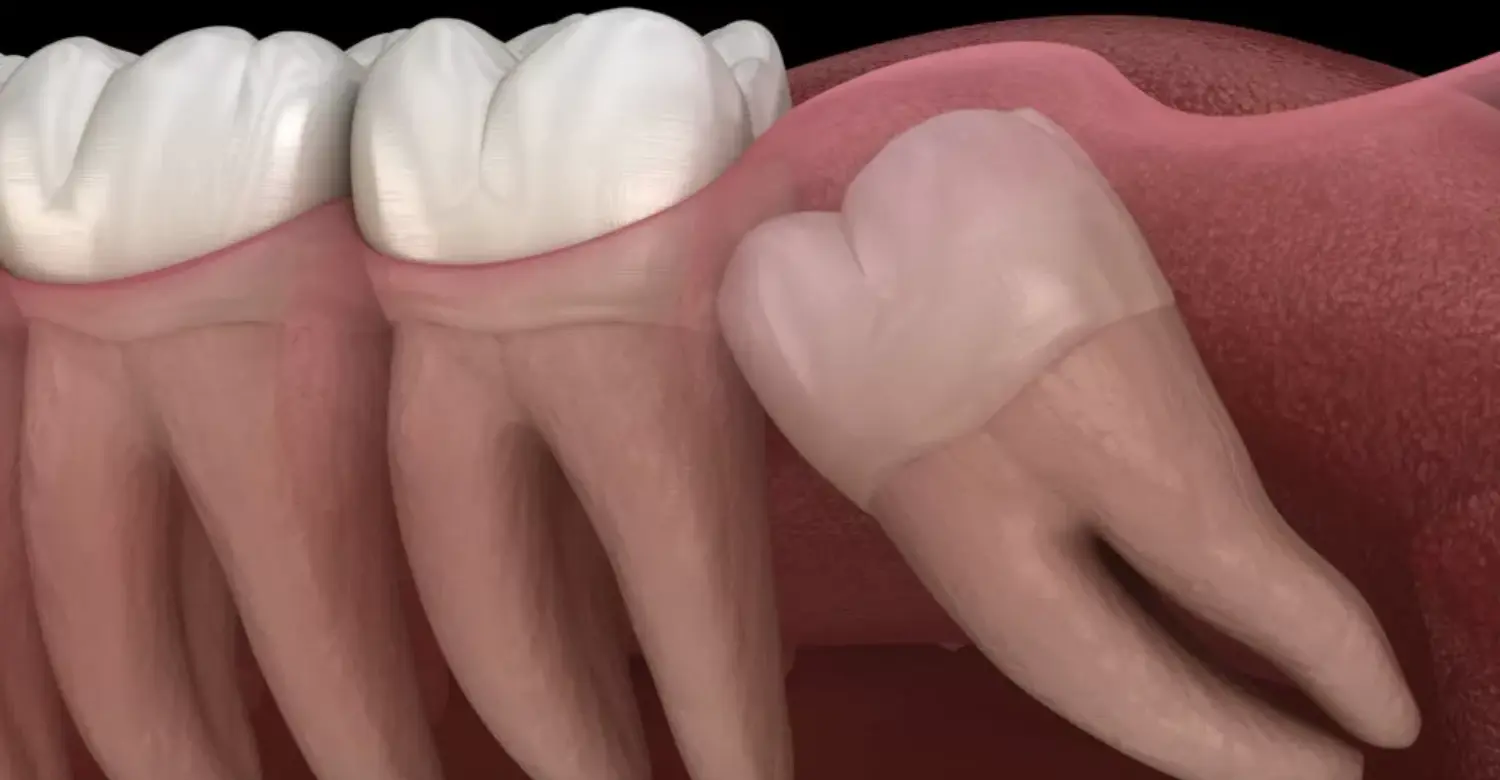
How Alcohol Habits Influence Wisdom Teeth Surgery Outcomes
Alcohol habits can influence both preparation and recovery during wisdom teeth removal.
Regular consumption may affect immune function, hydration, and tissue repair abilities.
Patients who frequently consume alcohol should discuss their habits with their dentist before surgery.
This information helps the dental team create safer treatment plans and provide appropriate recommendations.
Health organizations have reported that alcohol can contribute to multiple health risks, including oral health concerns.
At Vitrin Clinic, patient discussions are confidential and focused on improving treatment safety.
Understanding personal habits allows dentists to provide more accurate guidance before and after wisdom tooth extraction.
The WHO reports that alcohol causes approximately:
3 million deaths annually worldwide.
About 5.3% of all deaths globally.
Nearly 13% of deaths among people aged 20–39 years.
These statistics highlight alcohol’s influence on overall health systems, including recovery ability.
Alcohol Habits and Wisdom Teeth Surgery Recovery
Clinical experience shows that patient habits before surgery can influence recovery quality and comfort.
Dentists often notice differences between patients who follow preparation instructions and those who continue harmful habits before treatment.
Alcohol consumption may affect hydration, medication response, and tissue recovery after wisdom tooth removal.
Patients who avoid alcohol before and after surgery usually provide better conditions for healing.
Clinical observations also show that clear communication improves treatment outcomes. When patients share lifestyle information, dentists can create safer treatment plans.
At Vitrin Clinic, the dental team evaluates every patient individually before wisdom teeth procedures.
This approach helps identify possible concerns and provides personalized recommendations.
Proper preparation is not only about the surgery day. It is a complete process that supports healing, comfort, and long-term oral health.
How Patient Preparation Impacts Surgical Outcomes
Patient preparation plays a major role in achieving successful wisdom teeth removal results.
Knowing when to stop drinking alcohol before wisdom teeth surgery allows patients to make choices that support safer treatment conditions.
Preparation includes avoiding alcohol, following fasting instructions, maintaining oral hygiene, and discussing medical history.
When patients follow these steps, dentists can perform procedures more efficiently and predictably.
Research in surgical care shows that informed patients often experience better recovery because they understand aftercare requirements.
Poor preparation may increase concerns such as delayed healing, medication complications, or unnecessary discomfort.
At Vitrin Clinic, preparation begins during consultation. The dental team explains every stage of treatment clearly.
Patients receive guidance about surgery, recovery, and lifestyle adjustments.
A cooperative approach between patients and dentists creates a safer environment and improves overall treatment satisfaction.
Dr. Rifat Alsaman’s Clinical Opinion: Improving Patient Safety Through Proper Preparation
Proper preparation is one of the most important factors affecting wisdom teeth surgery safety.
Dr. Rifat Alsaman explains that understanding when to stop drinking alcohol before wisdom teeth surgery helps patients avoid preventable complications.
According to his clinical approach, patient education should begin before the procedure, not only after treatment.
Many recovery challenges can be reduced when patients understand their responsibilities before surgery.
Alcohol avoidance, medication awareness, and following professional instructions all contribute to better outcomes.
Dr. Rifat Alsaman emphasizes that every patient requires personalized guidance because health conditions and surgical needs differ.
At Vitrin Clinic, safety protocols focus on detailed planning and patient communication.
The goal is to create a comfortable surgical experience while supporting effective healing.
Proper preparation allows dental professionals to provide higher-quality care and helps patients feel more confident throughout their treatment journey.
Clinical Recommendations: Best Practices Before Wisdom Teeth Surgery
Following evidence-based recommendations before wisdom teeth surgery helps improve safety and recovery.
Recommended steps include:
Avoid alcohol before the procedure.
Follow anesthesia instructions carefully.
Share complete medical information.
Prepare recovery foods in advance.
Arrange transportation when needed.
Maintain proper oral hygiene.
These simple actions help reduce possible complications.
Clinical guidelines emphasize that preparation is an essential part of surgical success.
Patients should avoid relying only on general internet advice because individual situations can differ.
At Vitrin Clinic, dentists create personalized treatment plans based on patient needs.
Professional recommendations help patients approach wisdom teeth removal with better confidence.
A prepared patient is more likely to experience a smoother procedure and comfortable recovery.
Steps to Prepare for a Safe Wisdom Tooth Extraction
A safe wisdom tooth extraction begins with careful planning before the appointment.
Understanding when to stop drinking alcohol before wisdom teeth surgery is one important step in preparing properly.
Patients should begin preparation by scheduling a consultation and discussing medical history.
The dental team may review medications, allergies, previous surgeries, and lifestyle habits.
Before surgery, patients should follow instructions about:
Alcohol avoidance.
Food restrictions.
Medication use.
Transportation arrangements.
Recovery planning.
Preparing soft foods and arranging rest time can improve comfort after extraction.
Research shows that patient preparation reduces anxiety and improves overall treatment experiences.
At Vitrin Clinic, the treatment process includes detailed guidance before the surgical appointment.
Patients receive clear instructions designed around their specific procedure.
Following preparation steps helps create better conditions for safe wisdom tooth removal.
Why Following Oral Surgeon Instructions Matters
Following oral surgeon instructions is essential for preventing complications during wisdom teeth removal.
Instructions are created based on clinical experience and patient safety standards.
Ignoring preparation guidelines may increase risks related to anesthesia, bleeding, infection, or delayed healing.
Patients should follow instructions about fasting, medications, alcohol avoidance, and aftercare.
Dental professionals provide these recommendations because every step has a purpose.
Research shows that patient compliance can influence surgical outcomes and recovery quality.
At Vitrin Clinic, dentists explain instructions clearly to help patients understand the importance of each recommendation.
A strong partnership between the patient and dental team supports successful treatment.
Following professional advice helps protect oral health before, during, and after wisdom teeth surgery.
When to Stop Drinking Alcohol Before Wisdom Teeth Surgery?
Most dentists recommend stopping alcohol 24–72 hours before wisdom teeth surgery. Avoiding alcohol helps improve anesthesia safety, reduce bleeding risks, and support healing. Patients with frequent alcohol use may need a longer avoidance period based on their dentist’s advice. Clinical insight: Studies show reducing alcohol before surgery can lower postoperative complications and improve recovery outcomes.
Why Choose Vitrin Clinic for Wisdom Teeth Surgery?
Choosing the right dental clinic can influence comfort, safety, and overall treatment experience.
Vitrin Clinic provides personalized wisdom teeth treatment supported by experienced dental professionals and modern technology.
The clinic focuses on patient-centered care, from initial consultation to recovery support.
Each patient receives an individual assessment before surgery. This helps the dental team understand specific needs and concerns.
The treatment approach emphasizes safety, comfort, and clear communication.
Advanced dental facilities allow patients to receive professional care in a comfortable environment.
Vitrin Clinic follows structured preparation and aftercare protocols to support successful healing.
Patients benefit from detailed instructions that help them prepare correctly and recover confidently.
Personalized Treatment Planning and Advanced Dental Care
Personalized treatment planning helps create safer and more effective wisdom teeth removal experiences.
Every patient has different dental conditions, health factors, and recovery needs.
At Vitrin Clinic, dentists assess the position of wisdom teeth, possible complications, and patient health history.
This information helps create a customized surgical approach.
Modern dental technology supports accurate diagnosis and effective treatment planning.
Personalized care allows dentists to address concerns before they become complications.
The clinic focuses on combining advanced techniques with patient education.
Patients receive clear explanations about preparation, procedure steps, and recovery expectations.
This approach helps create a comfortable experience and supports better long-term oral health outcomes.
Patient-Focused Surgical Experience and Aftercare Support
A comfortable wisdom teeth removal experience depends on professional care before, during, and after the procedure.
At Vitrin Clinic, patient care extends beyond the surgical appointment. The dental team provides preparation instructions, procedure explanations, and recovery support.
Every patient receives personalized recommendations based on their oral condition and healing requirements.
Aftercare support includes guidance about medications, diet, oral hygiene, and warning signs that require attention.
Clinical experience shows that patients who understand their recovery steps often feel more confident after surgery.
The Vitrin Clinic approach focuses on combining advanced dental care with patient education.
Clear communication helps reduce anxiety and improves cooperation between the patient and dental team.
A supportive treatment environment allows patients to recover comfortably while protecting their oral health.
Why International Patients Trust Vitrin Clinic for Wisdom Teeth Removal?
International patients often look for dental clinics that provide safe treatment and complete support.
Vitrin Clinic supports international patients through organized treatment planning and personalized communication.
The clinic helps patients understand every stage, including consultation, surgery preparation, and recovery instructions.
Many dental travelers value professional guidance because they may be unfamiliar with local treatment processes.
A complete care approach helps patients feel more comfortable before arriving for their procedure.
Vitrin Clinic focuses on creating a smooth experience by combining clinical expertise with patient-focused services.
The dental team explains preparation requirements clearly, including alcohol avoidance, medications, and aftercare steps.
This structured approach helps international patients receive quality wisdom teeth care with confidence.
Complete Support From Consultation to Recovery
A successful wisdom teeth removal journey requires support from the first consultation until complete healing.
Patients who learn when to stop drinking alcohol before wisdom teeth surgery can prepare more effectively before beginning treatment.
The consultation stage allows dentists to evaluate wisdom tooth position, oral health condition, and possible surgical challenges.
After assessment, the dental team creates a personalized treatment plan.
Before surgery, patients receive instructions about preparation, medications, and lifestyle adjustments.
After extraction, recovery guidance helps protect the surgical area and reduce complications.
At Vitrin Clinic, patient support continues throughout the entire treatment journey.
The team focuses on answering questions and providing clear explanations at every stage.
This approach improves patient confidence and encourages better recovery habits.
Complete support helps patients experience a safer and more comfortable wisdom teeth removal process.
Safe and Comfortable Oral Surgery Experience
A safe oral surgery experience requires careful planning, advanced techniques, and patient cooperation.
Patients researching when to stop drinking alcohol before wisdom teeth surgery should also consider choosing a clinic with strong safety protocols.
Wisdom teeth removal involves careful evaluation of nerves, bone structure, and surrounding tissues.
Experienced dental professionals use detailed assessments to reduce possible complications.
Patient comfort is also an important part of modern oral surgery.
Pain management techniques, clear instructions, and supportive care help improve the overall experience.
Clinical studies show that proper communication before procedures can reduce patient anxiety.
At Vitrin Clinic, dentists focus on creating a comfortable environment throughout treatment.
Patients receive guidance before surgery and support during recovery.
Combining professional expertise with patient preparation helps create safer and more predictable wisdom teeth procedures.
Conclusion: Preparing Safely for Wisdom Teeth Surgery
Understanding when to stop drinking alcohol before wisdom teeth surgery is an important part of preparing for a safe and successful procedure. Avoiding alcohol before extraction helps reduce possible risks related to anesthesia, bleeding, hydration, and healing.
Proper preparation does not stop at alcohol avoidance. Patients should also follow fasting instructions, discuss medications with their dentist, maintain good oral hygiene, and follow all aftercare recommendations.
Research shows that healthy preparation habits can support better recovery outcomes after oral surgery. Small lifestyle changes before treatment can make the healing process more comfortable and predictable.
At Vitrin Clinic, patient safety is the priority from consultation through recovery. The dental team provides personalized instructions and professional support to help every patient achieve a smoother wisdom teeth removal experience.
Following your dentist’s advice allows your body to heal properly and supports better long-term oral health.
Reference
FAQs

Dr. Rifat Alsaman has more than 5 years of clinical experience in dentistry and currently serves as the Head of the Medical Team at Vitrin Clinic. He is dedicated to providing exceptional patient care, overseeing treatment planning, and ensuring the highest clinical standards across the team. His expertise, attention to detail, and commitment to continuous professional development have helped countless patients achieve healthier, more confident smiles.


.webp&w=3840&q=75)


