Dental Crowns
August 25, 2026
Zirconia vs Porcelain vs Emax : Which Dental Crown Is Best?
 Dr. Rifat Alsaman
Choosing the right dental crown involves more than comparing materials. Zirconia vs Porcelain vs Emax depends on strength, appearance, tooth location, bite forces, and long-term goals. The right answer changes from patient to patient.
Zirconia is known for high strength and fracture resistance. Porcelain is valued for its natural appearance and established clinical use. Emax (lithium disilicate) combines strong mechanical performance with excellent optical properties.
Recent evidence shows modern all-ceramic crowns achieve high five-year survival rates. A 2026 systematic review reported a 98.5% five-year survival rate for monolithic lithium disilicate crowns. It also reported 96.8% for monolithic densely sintered zirconia crowns. These figures reflect real improvements in manufacturing precision and bonding protocols.
The best material depends on the individual tooth and patient. No single ceramic is universally superior. At Vitrin Clinic, dentists evaluate these factors before recommending a restoration. They weigh strength requirements against aesthetic priorities and remaining tooth structure.
Patients who understand the basic differences between materials have more productive consultations. They arrive already familiar with the terminology and tradeoffs a dentist will discuss.
Zirconia vs Porcelain vs Emax: What’s the Difference?
Zirconia, porcelain, and Emax are different ceramic materials. Each has unique mechanical and optical characteristics. Zirconia vs Porcelain vs Emax should be viewed as a clinical decision, not a simple ranking. Each material was engineered with different priorities in mind.
Zirconia prioritizes strength and durability. Traditional porcelain prioritizes optical appearance and reproduces natural tooth characteristics effectively. Emax uses lithium disilicate glass-ceramic. It offers an attractive balance between strength, translucency, and bonding potential.
Clinical evidence supports strong outcomes for both zirconia and lithium disilicate crowns. One systematic review found five-year survival of approximately 95.9% for tooth-supported zirconia crowns. Another review reported a 97.8% five-year cumulative survival rate for lithium disilicate single crowns.
Porcelain-based systems have a longer clinical history overall. Decades of accumulated case reports support porcelain's role in carefully selected restorations.
What Are Zirconia Crowns?
Zirconia crowns are ceramic restorations made primarily from zirconium dioxide. Their crystalline structure provides high strength and resistance to fracture. Modern zirconia is also much more translucent than earlier generations.
Different zirconia formulations offer unique combinations of strength and translucency. High-strength zirconia provides greater mechanical resistance. More translucent formulations improve aesthetics, but they may sacrifice some strength.
A systematic review found five-year survival rates between 91.2% and 95.9% for tooth-supported zirconia single crowns. Zirconia is particularly useful where functional demands are substantial. It suits posterior teeth where chewing forces are higher.
However, material selection still requires attention to preparation design, occlusion, cementation, and crown thickness. A strong material cannot compensate for poor clinical planning. Even tough zirconia can chip at a thin, poorly supported margin. Dentists spend substantial time optimizing geometry and support.
Many discussions of Zirconia vs Porcelain vs Emax begin with zirconia. Its mechanical profile sets the benchmark that other ceramics are measured against. Patients researching online frequently encounter zirconia first. Understanding its strengths early makes the rest of the comparison easier to follow.
What Are Porcelain Crowns?
Porcelain crowns are ceramic restorations designed to reproduce natural tooth enamel. Their major advantage is creating lifelike optical effects. These include subtle color gradients and surface texture.
Porcelain provides excellent color characterization and surface detail. It is ideal when appearance is the primary concern. However, porcelain is not one single material. Different ceramic systems have different strengths, fracture behaviors, and clinical indications.
Feldspathic ceramics have different mechanical characteristics from stronger glass-ceramics. Evidence shows ceramic survival depends strongly on the specific material and design. A large systematic review reported a five-year survival rate of 90.4% for feldspathic or silica-based ceramic single crowns.
Patients should ask which porcelain or ceramic system is being proposed. Simply calling a restoration “porcelain” does not fully describe its clinical properties.
Within any discussion of Zirconia vs Porcelain vs Emax, porcelain represents the classic aesthetic reference point. Newer, stronger ceramics are constantly compared to it. This historical role explains why patients associate porcelain with natural-looking dentistry, even as other materials close the aesthetic gap.
What Are Emax Crowns?
Emax crowns are commonly made from lithium disilicate glass-ceramic. Lithium disilicate combines a glass matrix with crystalline phases. This structure improves mechanical performance while maintaining excellent optical properties for visible teeth.
The material provides substantial translucency alongside practical strength for single-crown applications. A systematic review reported a 97.8% five-year cumulative survival rate for lithium disilicate single crowns. A newer review reported 98.5% survival for monolithic variants.
Emax provides a balanced option between aesthetics and function. However, suitability still depends on restoration design and applied forces. It is particularly attractive for anterior and selected posterior single crowns. Your dentist should determine whether the material fits the tooth’s functional requirements.
In most conversations about Zirconia vs Porcelain vs Emax, Emax is positioned as the middle path. This framing helps patients understand why it is frequently recommended when neither pure strength nor pure aesthetics should dominate the decision.
How Do Zirconia, Porcelain, and Emax Compare?
The most useful comparison considers strength, aesthetics, durability, translucency, tooth location, and functional demands. Zirconia vs Porcelain vs Emax does not have one universal winner.
Zirconia emphasizes strength. Emax emphasizes a balance between strength and optical performance. Traditional porcelain emphasizes natural visual reproduction. A 2026 meta-analysis found that monolithic zirconia and monolithic lithium disilicate crowns had fewer ceramic fractures and chipping complications than veneered alternatives.
The final restoration success depends on more than the material name. Thickness, preparation, manufacturing method, cementation, occlusion, and laboratory quality all influence outcomes. At Vitrin Clinic, these factors are evaluated together to develop a personalized crown plan.
Quick Comparison Table: Zirconia vs Porcelain vs Emax
Feature | Zirconia | Porcelain (Feldspathic/Silicabased) | Emax (Lithium Disilicate) |
Primary Strength | Very high flexural strength | Lower, varies by system | Moderate to high, balanced with aesthetics |
FiveYear Survival | 91.2%–96.8% | Around 90.4% | 97.8%–98.5% |
Translucency | Opaque to highly translucent | High, strong characterization | High, close to natural enamel |
Best Suited For | Molars, bruxism, highload cases | Highly visible anterior shading | Anterior and selected posterior crowns |
Fabrication | CAD/CAM milled, sintered | Layered or pressed | CAD/CAM milled or pressed |
Common Complications | Retention loss, veneer chipping | Fracture under high load | Chipping mainly in multiunit bridges |
General Cost Tier | Moderate to high | Moderate | Moderate to high |
Material Composition
Zirconia is a polycrystalline ceramic based on zirconium dioxide. It contains no glass matrix in its conventional form. Its mechanical behavior differs significantly from glass-ceramics. Porcelain refers to silica-based ceramic systems, and its composition varies depending on the restorative material used.
Emax lithium disilicate is a glass-ceramic. It contains lithium disilicate crystals within a glassy matrix. This unique structure contributes to its balance of optical and mechanical properties.
Composition directly influences translucency, flexural strength, fracture behavior, and bonding. Material selection must reflect the intended clinical application.
Strength
Zirconia generally offers the highest strength among these commonly discussed ceramic options. However, strength values vary between zirconia generations and formulations. Highly translucent zirconias provide greater aesthetics but offer reduced flexural strength. A systematic review reported strength ranges of approximately 600–900 MPa for certain 4Y zirconia materials.
Lithium disilicate provides substantial strength for many single-crown applications. Porcelain systems can have lower strength depending on their composition and design.
Strength alone should not determine the choice. The dentist must also consider tooth position, available thickness, occlusal forces, and restoration design.
Appearance
Appearance depends on translucency, shade, surface texture, thickness, cement, and the underlying tooth. No material automatically looks perfect in every case. Emax is often favored for highly aesthetic restorations because lithium disilicate ceramics provide natural-looking optical properties.
Zirconia has improved considerably with modern translucent formulations. Traditional porcelain also produces excellent characterization and lifelike surface effects. A systematic review found that increasing zirconia translucency involves greater cubic phase content, which reduces mechanical strength.
Durability
Durability depends on material choice, design, tooth preparation, cementation, occlusion, oral hygiene, and patient habits. No crown material is immune to failure.
Modern evidence supports strong medium-term survival for zirconia and lithium disilicate crowns. A 2026 systematic review reported five-year survival above 96% for monolithic zirconia and lithium disilicate single crowns.
Long-term durability can still be affected by chipping, fracture, loss of retention, and biological complications. Dentists evaluate the entire restorative system rather than the ceramic alone.
Zirconia, Porcelain and Emax Crown Durability
Crown durability is influenced by material properties and clinical circumstances. Zirconia vs Porcelain vs Emax should be evaluated using evidence rather than marketing claims.
Modern ceramic crowns provide excellent longevity when properly designed and maintained. Monolithic restorations reduce some technical complications compared with veneered designs. However, a crown’s lifespan cannot be guaranteed. Bruxism, poor oral hygiene, periodontal disease, inadequate preparation, and unfavorable occlusion increase failure risks regardless of material.
Patient age, dietary habits, and professional cleaning frequency also support restoration lifespan. These factors rarely appear in headline survival statistics, but they matter significantly.
The supporting tooth matters just as much. Endodontic complications, tooth fracture, decay, and periodontal problems affect the survival of successful restorations. Patients should view crown longevity as a combination of material quality and continuous clinical management.
Zirconia Crown Strength and Longevity
Zirconia is widely recognized for high mechanical strength. It is ideal for restorations exposed to substantial chewing forces. Clinical reviews report satisfactory five-year outcomes for zirconia restorations. A review covering roughly 10,000 restorations found five-year survival between 91.2% and 95.9% for single crowns.
Monolithic zirconia reduces the risk of veneering ceramic chipping because there is no separate external layer. However, zirconia is not maintenance-free. Occlusal design, surface polishing, crown thickness, cementation, and preparation remain essential.
A well-polished zirconia surface is gentle on opposing natural teeth. A rough or improperly glazed surface causes wear, making finishing techniques critical.
Porcelain Crown Durability
Porcelain durability varies according to the ceramic system used. Traditional feldspathic porcelain differs mechanically from reinforced glass-ceramics. Modern porcelain-based systems provide reliable outcomes only when properly selected for the clinical situation.
A large systematic review found a five-year survival rate of 90.4% for feldspathic or silica-based ceramic single crowns. Crown design, thickness, location, and occlusal forces also influence performance. Porcelain is particularly useful when optical demands are high.
Dentists must balance appearance against functional requirements before selecting the material. Reinforced porcelain systems incorporate stronger crystalline fillers into the glass matrix. This narrows the survival gap, giving patients a middle option between aesthetic ceramics and high-strength materials.
Emax Crown Strength and Longevity
Emax lithium disilicate crowns provide strong performance for single-tooth restorations. They combine strength with optical qualities that make them popular in aesthetic dentistry. A systematic review reported a 97.8% five-year cumulative survival rate for lithium disilicate single crowns. A newer meta-analysis reported 98.5% five-year survival for monolithic versions.
These figures support lithium disilicate as a reliable option for appropriately selected cases. Still, performance depends on adequate thickness, proper preparation, appropriate cementation, and controlled occlusion.
Adhesive bonding protocols play a meaningful role in Emax longevity. The material's glass content allows it to be etched and bonded, which further reinforces the restoration.
Which Crown Is Best for Strong Bite Forces?
Patients with strong bite forces require careful assessment before choosing a crown material. Posterior teeth typically experience greater functional loading than anterior teeth. Zirconia is frequently selected when high strength is a priority. Its mechanical properties suit many posterior restorations.
However, strength is not the only consideration. Highly translucent zirconia formulations have lower mechanical properties than traditional zirconia types.
Patients with bruxism require additional occlusal management regardless of the chosen ceramic. Night guards, bite evaluations, and appropriate crown design reduce mechanical risks.
Individualized treatment planning assesses bite force, tooth position, remaining tooth structure, and restoration thickness. For patients with unusually strong bite forces, the Zirconia vs Porcelain vs Emax conversation narrows quickly toward zirconia or a reinforced alternative.
Clinical Note: What Affects Crown Longevity?
Crown longevity depends on several interacting factors. Material selection is only one component of success.
Tooth preparation influences retention, resistance, material thickness, and stress distribution. Occlusion affects fracture risk and surface wear. Cementation influences retention and marginal performance.
Biological health is equally important. Caries, periodontal disease, endodontic problems, and tooth fractures compromise long-term prognosis. A systematic review identified retention loss, endodontic treatment, veneer fractures, and periodontal complications among reported problems with zirconia crowns.
These complications are not unique to zirconia; they occur across all ceramic systems. They relate to the broader clinical process rather than a single material.
Patients should not judge a crown solely by its material. Proper diagnosis, preparation, fabrication, cementation, and maintenance work together to determine clinical performance. The Zirconia vs Porcelain vs Emax question rarely has a short answer because longevity is a system-level outcome.
Zirconia vs Emax vs Porcelain Aesthetics
Aesthetic dentistry depends on how a restoration interacts with light. Translucency, opacity, shade, surface texture, and the underlying tooth all influence appearance. Zirconia vs Porcelain vs Emax becomes especially important when restoring visible teeth.
Emax is selected when translucency and lifelike appearance are top priorities. Modern zirconia has improved significantly. Newer formulations offer greater translucency than traditional high-strength zirconia, though increased translucency reduces mechanical properties.
Porcelain remains useful for detailed aesthetic characterization. The final result depends on both the ceramic system and laboratory technique. At Vitrin Clinic, aesthetic planning considers facial proportions, tooth color, gum appearance, and patient goals.
Which Dental Crown Looks Most Natural?
The most natural-looking crown depends on more than the ceramic itself. Translucency, shade, surface texture, tooth preparation, and laboratory characterization all influence the result.
Emax provides natural optical behavior because lithium disilicate glass-ceramics transmit and reflect light effectively. This is valuable for visible anterior teeth. Porcelain reproduces subtle enamel characteristics, and skilled ceramic layering creates individualized restorations.
Modern translucent zirconia produces attractive results while offering greater strength than many glass-ceramics. However, zirconia formulations differ substantially in their optical properties. The dentist must match the material to aesthetic requirements to prevent an artificial look.
Zirconia vs Emax Aesthetics
Emax provides excellent translucency and is selected for highly visible aesthetic restorations. Zirconia offers a broader range of optical properties depending on its formulation. Traditional high-strength zirconia appears more opaque than lithium disilicate.
Modern translucent zirconia has narrowed this aesthetic gap substantially. Research shows that increased yttria content increases the cubic phase and improves zirconia translucency. However, this can reduce flexural strength.
Emax is advantageous when maximum optical integration is the priority. Zirconia is preferable when greater strength is clinically necessary.
Porcelain Crown Aesthetics
Porcelain has a long history in aesthetic restorative dentistry. Its ability to reproduce natural color and surface characteristics remains a major advantage.
Different porcelain systems create different levels of translucency and opacity. Layering techniques produce subtle variations resembling natural enamel and dentin.
However, highly aesthetic porcelain systems may not suit high-load situations. Material thickness and fracture resistance must be considered alongside appearance.
The final result also depends on shade selection before preparation. The underlying tooth, cement, preparation color, and gingival tissues influence perceived crown color.
Lighting conditions during shade matching matter tremendously. Natural daylight, fluorescent office lighting, and warm indoor lighting can make the same shade tab look different.
Which Crown Has the Best Translucency?
Translucency varies among zirconia, porcelain, and lithium disilicate ceramics. Emax is recognized for strong optical performance in aesthetic applications. Modern zirconia has also become increasingly translucent through changes in composition and crystalline structure.
Porcelain provides excellent translucency and characterization when appropriately layered. The exact result depends on the ceramic formulation and fabrication technique.
No single material always provides the best appearance. Dentists must evaluate underlying tooth color and the desired final shade before selecting a ceramic.
When patients ask which option wins the Zirconia vs Porcelain vs Emax translucency comparison, the answer depends on the specific product. Translucency ranges overlap considerably between the three material families.
What We Notice Clinically
Clinically, the best aesthetic result comes from matching the material to natural tooth characteristics. Translucency is important, but it is not the only visual factor. A very translucent crown may reveal a dark underlying structure. Excessive opacity can make the restoration look fake.
Modern zirconia provides more aesthetic flexibility than earlier generations. Lithium disilicate remains attractive when optical integration is critical.
Surrounding gums also influence perceived crown aesthetics. Healthy, symmetrical gingival tissues make even a technical crown look natural.
Photographs taken under consistent lighting track subtle shade changes. This gives the dental team and patient a shared visual record.
Best Crown Material for Front Teeth
Front teeth place greater emphasis on aesthetics, although function remains important. The best material depends on tooth position, remaining structure, occlusion, and desired appearance.
Emax is highly suitable for selected anterior crowns because of its optical characteristics. Translucent zirconia also provides excellent results when greater strength is needed.
Porcelain is appropriate when detailed characterization and natural optical effects are priorities. The specific ceramic system always matters.
A dentist must assess underlying tooth color, as dark discoloration requires a material with greater masking ability. The final restoration must integrate with neighboring teeth. Digital planning, shade analysis, and laboratory communication improve consistency.
For front-tooth cases, the Zirconia vs Porcelain vs Emax discussion weighs optical integration heavily. However, the dentist must confirm the chosen material can withstand normal biting forces.
Is Emax Best for Front Teeth?
Emax is an excellent option for selected front teeth. Lithium disilicate ceramic combines favorable strength with high aesthetic potential. Clinical evidence supports strong survival for lithium disilicate single crowns, with a systematic review reporting a 97.8% five-year cumulative survival rate.
However, Emax is not automatically the best choice for every anterior tooth. Heavy bruxism, limited thickness, unfavorable occlusion, or extensive structural loss can change the recommendation.
Is Zirconia Good for Front Teeth?
Zirconia is suitable for front teeth, particularly when strength or masking ability is required. Modern translucent zirconia has improved its aesthetic potential considerably. However, highly translucent zirconia has lower mechanical strength than traditional formulations.
Zirconia is useful when a patient requires a strong anterior restoration. It is also ideal when the underlying tooth requires greater masking.
Is Porcelain Suitable for Anterior Teeth?
Porcelain is suitable for anterior restorations when appearance is the primary consideration. The term “porcelain” covers multiple ceramic systems with different mechanical properties. Dentists must identify the specific material rather than relying on a generic label.
Feldspathic ceramics provide excellent aesthetics, but they have lower strength than reinforced glass-ceramics. Aesthetic success depends on tooth preparation and laboratory artistry.
Contour is often underappreciated. A crown with the correct shade but an unnatural shape or surface texture will look out of place.
Choosing a Crown for a Visible Front Tooth
Choosing a crown for a visible front tooth requires evaluating color, translucency, tooth position, gum levels, and occlusion. Underlying tooth color is especially important. A severely discolored foundation may require a more opaque restorative material.
Emax is attractive when natural translucency is the primary goal. Translucent zirconia is preferable when additional strength or masking is required. Porcelain provides detailed characterization and individualized surface effects.
Patients should discuss photographs, shade references, and desired brightness before treatment. Working through Zirconia vs Porcelain vs Emax together with a dentist produces a predictable outcome.
Dr. Rifat Alsaman’s Opinion: Balancing Aesthetics and Function
Dr. Rifat Alsaman emphasizes that crown selection should balance appearance with biological and functional requirements. A beautiful crown must function comfortably within the patient’s bite. Anterior restorations require careful attention to translucency, contour, phonetics, and gingival harmony.
Posterior restorations require attention to load distribution and mechanical resistance. Material selection should follow diagnosis rather than precede it.
The strongest ceramic is not automatically the best aesthetic option. Conversely, the most translucent ceramic may not suit a high-load patient.
Dr. Alsaman notes that patients fixated on one answer to Zirconia vs Porcelain vs Emax often need to step back. A predetermined material choice can conflict with what the tooth actually needs.
Zirconia vs Emax Crowns: Strength and Appearance
Zirconia and Emax are both advanced ceramic options, but their properties differ. Zirconia vs Porcelain vs Emax should be interpreted within individual clinical requirements rather than a simple ranking.
Zirconia offers greater mechanical strength. Emax offers stronger optical integration and favorable bonding characteristics. A 2026 systematic review reported 96.8% survival for monolithic densely sintered zirconia and 98.5% for monolithic lithium disilicate. This demonstrates that both perform well without one being universally superior.
The correct choice depends on tooth position, occlusion, restoration design, aesthetic requirements, and remaining tooth structure.
Zirconia vs Emax Strength
Zirconia has higher flexural strength than lithium disilicate. This makes it attractive for situations involving substantial functional forces.
However, newer translucent zirconia formulations trade some strength for improved optical properties. Strength varies significantly between zirconia products.
Lithium disilicate offers sufficient mechanical performance for many single crowns. Its clinical survival has been strong in systematic reviews. Patients with heavy bruxism may require additional protection regardless of the material chosen.
Zirconia vs Emax Appearance
Emax provides excellent translucency and natural optical integration. This makes it attractive for many anterior restorations. Zirconia has improved substantially with newer translucent and multilayer formulations that reproduce gradual shade transitions.
However, increasing zirconia translucency can reduce some mechanical properties. The dentist selects the zirconia formulation based on clinical demands. Emax may be preferred when optical characteristics dominate. Zirconia is preferred when strength and masking are more important.
Which Is Better for Back Teeth?
Back teeth experience substantial chewing forces, making strength and fracture resistance vital. Zirconia is frequently considered for posterior crowns because of its high mechanical performance. Monolithic zirconia also avoids complications associated with veneering ceramics.
Recent evidence found five-year survival of 96.8% for monolithic densely sintered zirconia single crowns. Emax can work well for selected posterior single crowns, depending on restoration thickness, occlusion, preparation, and patient-specific forces.
For posterior teeth, the Zirconia vs Porcelain vs Emax conversation centers on which material can reliably absorb repeated heavy loading without chipping or fracturing over time.
Which Is Better for Front Teeth?
Front teeth require greater attention to aesthetics and optical integration. Emax is considered when translucency and natural appearance are priorities. Translucent zirconia produces excellent anterior results when greater strength or masking is required.
Porcelain remains valuable for detailed aesthetic work, though the ceramic system should always be identified. The final choice depends on tooth discoloration, occlusion, preparation, gum health, and neighboring teeth.
Front-tooth decisions within Zirconia vs Porcelain vs Emax reward patience. Reviewing shade photography and mockups before finalizing the material produces a more satisfying result than rushing to a conclusion.
Porcelain vs Zirconia vs Emax: Pros and Cons
Every crown material has advantages and limitations. Zirconia vs Porcelain vs Emax should therefore be approached as a comparison of clinical tradeoffs rather than a search for one universal winner.
Zirconia emphasizes strength, Emax emphasizes balanced strength and aesthetics, and porcelain emphasizes optical customization depending on the ceramic type. No material eliminates the need for careful diagnosis, and the restoration must fit the tooth, bite, periodontal environment, and patient’s expectations.
Zirconia Crowns: Pros and Cons
Zirconia offers high strength and resistance to fracture, and it can be useful for posterior restorations and selected anterior cases. Modern zirconia also provides improved translucency compared with earlier generations, and multilayer formulations can reproduce natural color gradients. Manufacturers now offer zirconia blanks preshaded in graduated layers from the cervical to incisal portion of the crown, reducing the amount of manual staining required to achieve a natural-looking result.
However, zirconia can still present aesthetic limitations in certain cases, and highly translucent zirconia may provide lower mechanical strength than traditional high strength zirconia.
Advantages of Zirconia
Zirconia provides excellent mechanical strength for many restorative applications, and it can be manufactured as a monolithic restoration, reducing dependence on veneering ceramic. Systematic evidence supports satisfactory five-year survival for tooth-supported zirconia crowns, and modern multilayer zirconia can also provide improved aesthetic transitions.
Limitations of Zirconia
Zirconia is not equally translucent across all formulations, and stronger zirconia can be more opaque than highly translucent alternatives. Surface finishing is also important because rough ceramic surfaces can influence opposing tooth wear and plaque retention, so proper polishing and occlusal adjustment are essential after placement.
Porcelain Crowns: Pros and Cons
Porcelain offers excellent aesthetic potential and can reproduce natural tooth characteristics effectively, though mechanical performance varies substantially between ceramic types. Some porcelain systems are better suited to highly aesthetic anterior restorations, while others offer greater strength through reinforcement.
A generic “porcelain crown” description therefore does not provide enough information for clinical comparison. Asking a laboratory or dentist to name the exact ceramic brand and category being used is a simple way for patients to get a much clearer picture of what their restoration is actually made from.
Advantages of Porcelain
Porcelain can provide excellent color customization and surface characterization, and skilled technicians can reproduce subtle features found in natural teeth. Its optical performance can be particularly valuable in the smile zone, and porcelain can also be combined with different restorative frameworks.
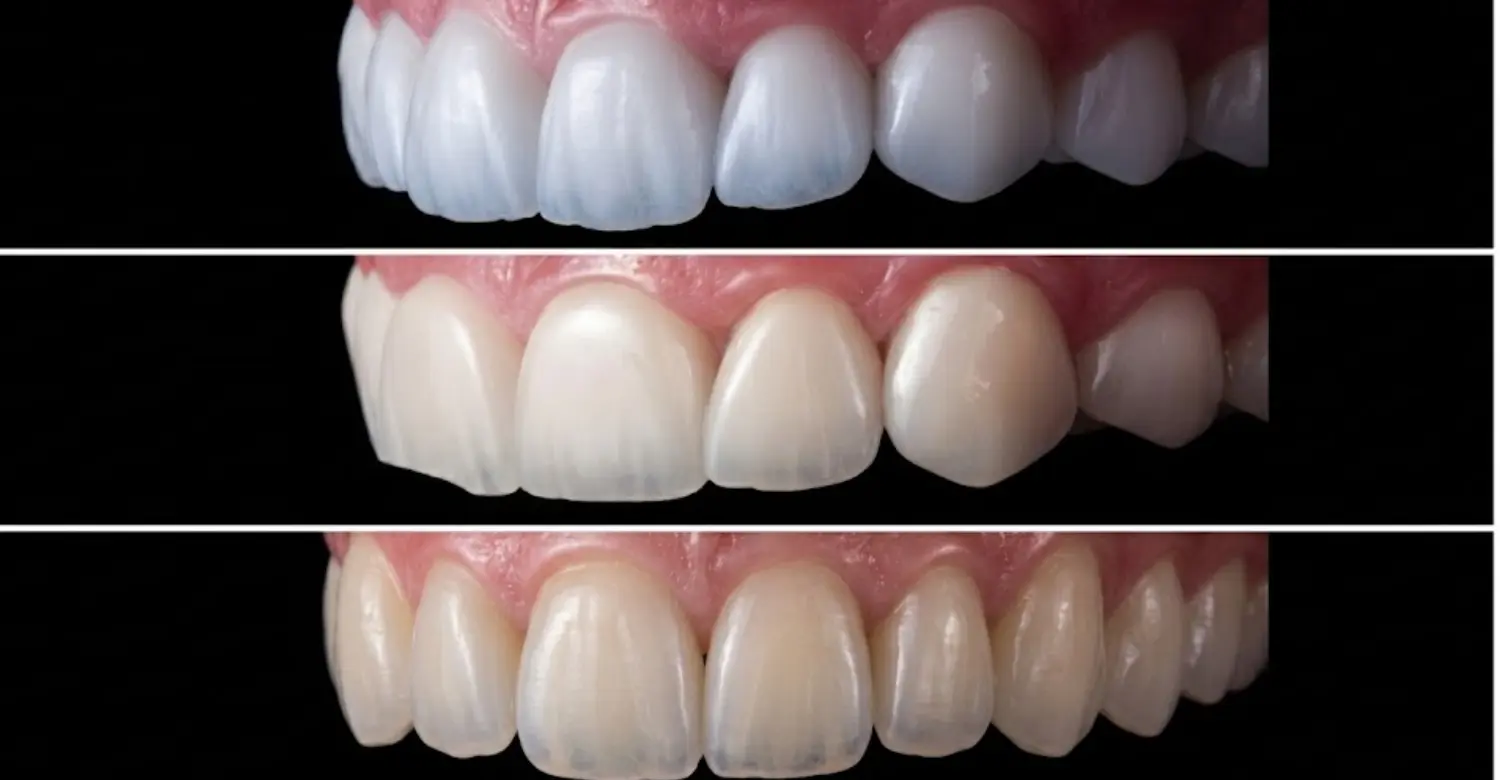
Limitations of Porcelain
Some porcelain systems have lower fracture resistance than zirconia or reinforced glass ceramics, which can make material selection more important in highload situations. Feldspathic or silicabased ceramic crowns showed lower fiveyear survival than several reinforced ceramic categories in a recent systematic review.
Emax Crowns: Pros and Cons
Emax lithium disilicate crowns provide a strong combination of aesthetics and mechanical performance, and they are particularly popular for singletooth aesthetic restorations. Clinical evidence demonstrates high five-year survival for lithium disilicate single crowns, though Emax is not necessarily appropriate for every highload or multiunit restoration.
Advantages of Emax
Emax provides excellent translucency and natural optical behavior, creating highly aesthetic restorations when the underlying conditions are favorable. Lithium disilicate also provides sufficient strength for many single crowns, and a recent systematic review reported 98.5% five-year survival for monolithic lithium disilicate crowns.
Limitations of Emax
Lithium disilicate generally has lower mechanical strength than high strength zirconia, so extremely high functional demands may change the recommendation. Material thickness and preparation design are important for fracture resistance, and Emax may also be less suitable for certain longspan restorations, since recent evidence found lower five-year survival for lithium disilicate multiunit prostheses than several zirconia designs.
Best Dental Crown Material: Zirconia, Porcelain or Emax?
The best dental crown material depends on the tooth and patient. Zirconia vs Porcelain vs Emax should never be reduced to a universal “best” material, since strength, appearance, tooth location, remaining tooth structure, occlusion, and bruxism all influence the recommendation.
A 2026 systematic review found excellent five-year survival for monolithic lithium disilicate and monolithic zirconia single crowns, demonstrating that multiple modern materials can produce reliable outcomes. The most appropriate material is the one that satisfies the biological, mechanical, and aesthetic requirements of the specific case.
Best Crown for Strength
Zirconia is generally the strongest option among these commonly discussed ceramics, though strength varies among zirconia formulations. Hightranslucency zirconia can have lower flexural strength than highstrength varieties, so the dentist should select the appropriate formulation rather than simply choosing “zirconia.”
When strength is the deciding factor in Zirconia vs Porcelain vs Emax, zirconia tends to win the conversation by a wide margin, though the specific product still needs to be matched to the tooth rather than chosen by name alone.
Best Crown for Natural Appearance
Emax is often an excellent choice when natural translucency is a major priority, while porcelain can also provide highly natural results when customized by an experienced laboratory. Modern translucent zirconia can achieve excellent aesthetics while offering greater strength, and the best appearance ultimately depends on shade, thickness, surface texture, and laboratory craftsmanship.
When appearance is the deciding factor in Zirconia vs Porcelain vs Emax, the conversation usually narrows to Emax or a carefully layered porcelain system, with the final decision resting on the specific shade and translucency the patient hopes to achieve.
Best Crown for Front Teeth
Emax is frequently considered for anterior single crowns because of its optical properties, and translucent zirconia can also work well when additional strength is needed. Porcelain may be appropriate for highly customized aesthetic cases, though underlying tooth color and occlusion should be assessed first.
Fronttooth patients weighing Zirconia vs Porcelain vs Emax often benefit from a short trial conversation about brightness and translucency preferences before any preparation begins, since this small step can prevent a mismatch between expectation and outcome.
Best Crown for Back Teeth
Zirconia is frequently selected for posterior crowns because of its high strength, and monolithic zirconia can reduce the risk of veneering ceramic chipping. However, Emax can be appropriate for selected posterior single crowns depending on available material thickness and functional forces.
Backtooth decisions within Zirconia vs Porcelain vs Emax generally favor whichever material offers the most reliable long-term resistance to fracture, since posterior teeth rarely allow much room for compromise on strength.
Best Crown for Patients With Teeth Grinding
Patients with bruxism require individualized planning, since grinding can increase mechanical stress on almost any restorative material. Zirconia may be considered because of its high strength, though material selection alone does not eliminate bruxism-related risks, and a night guard may be recommended when clinically appropriate.
For patients who grind their teeth, Zirconia vs Porcelain vs Emax is rarely just a material question; it also involves occlusal management, protective appliances, and realistic expectations about maintenance regardless of which ceramic is ultimately chosen.
Zirconia vs Porcelain vs Emax: Which Is Better?
There is no universal winner. Zirconia often leads when strength is the dominant requirement, Emax often excels when aesthetics and moderate to high functional demands must be balanced, and porcelain can provide exceptional aesthetic customization when the appropriate ceramic system is selected.
The best decision is therefore patient-specific and should follow a professional examination rather than general online comparisons.
Emax vs Zirconia vs Porcelain Crowns Cost
Crown cost varies by country, clinic, laboratory, technology, dentist experience, and treatment complexity. Zirconia vs Porcelain vs Emax should not be compared by material price alone, since the fee reflects far more than the ceramic itself.
The final treatment fee can include examination, imaging, preparation, temporary restoration, laboratory fabrication, fitting, cementation, and followup. Higher material cost does not automatically mean better clinical performance, and the appropriate material depends on the tooth and treatment objectives.
Approximate Crown Cost Comparison: US, UK, and Turkey
The table below offers a general, approximate comparison of typical price ranges reported for single tooth crown treatment across these three regions. Figures are illustrative and can vary widely by clinic, city, dentist experience, and case complexity, so patients should always request a personalized, itemized quotation before committing to treatment.
Material | United States (per crown) | United Kingdom (per crown) | Turkey (per crown) |
Zirconia Crown | Approx. $1,000–$2,500 | Approx. £600–£1,200 | Approx. $250–$450 |
Porcelain Crown | Approx. $900–$2,000 | Approx. £500–£1,000 | Approx. $200–$400 |
Emax (Lithium Disilicate) | Approx. $1,000–$2,500 | Approx. £600–£1,300 | Approx. $250–$500 |
Typically Included | Consultation, scan/impression, temporary crown, lab fabrication | Consultation, impression, temporary crown, lab fabrication | Consultation, digital scan, temporary crown, lab fabrication |
Value Notes | Higher overhead and labor cost | Varies by private provider | Often positioned as a value-focused destination |
These figures are general estimates for orientation only, and actual pricing should be confirmed directly with a treating clinic. Patients considering treatment abroad should also weigh travel, accommodation, and followup logistics rather than comparing crown price in isolation.
What Determines Dental Crown Cost?
Several factors influence crown cost, including the ceramic material, manufacturing process, laboratory quality, dentist expertise, preparation complexity, and number of teeth treated. Digital scanning and CAD/CAM manufacturing may also affect pricing, and additional procedures such as root canal treatment, buildup, periodontal treatment, or replacement of an old restoration can increase the overall cost.
Patients should request a complete treatment estimate rather than comparing material prices alone. Cost comparisons of Zirconia vs Porcelain vs Emax should always be read alongside what is actually included in the quoted fee, since two clinics quoting similar prices can be offering very different scopes of service.
Emax Crown Cost Factors
Emax cost can vary according to the specific lithium disilicate product and fabrication technique, since CAD/CAM and pressed techniques may have different laboratory costs. Aesthetic characterization can also affect the final price, and the dentist should explain whether the proposed restoration is monolithic, layered, pressed, or milled.
Zirconia Crown Cost Factors
Zirconia cost depends on the zirconia formulation, manufacturing process, laboratory, and required aesthetic characterization. Multilayer or highly translucent zirconia may involve different laboratory workflows, so patients should ask which zirconia type is being used, since “zirconia” describes a broad family of materials rather than one standardized product.
Porcelain Crown Cost Factors
Porcelain pricing depends heavily on the ceramic system and laboratory technique, and highly customized layered porcelain can require significant technician time. The underlying tooth condition can also increase treatment complexity, so patients should clarify which porcelain material is being proposed before comparing quotations.
Does a Higher Crown Cost Mean Better Quality?
Higher cost does not automatically indicate better quality. A premium material can perform poorly if preparation, occlusion, cementation, or laboratory fabrication is inadequate, while a more affordable material can perform well when appropriately selected and professionally fabricated.
Therefore, patients should evaluate the complete treatment plan, since material, dentist experience, laboratory quality, diagnosis, and aftercare all matter far more than price alone.
Assuming that the priciest option in a Zirconia vs Porcelain vs Emax quote must be the best clinical choice is a common but understandable mistake, and dentists can help correct this assumption by explaining exactly what drives the price difference between materials.
Clinical Note: Why Cost Should Not Be the Only Factor
Cost should be considered alongside clinical suitability. Choosing the cheapest crown may create problems if the material does not match the functional demands, while choosing the most expensive crown may also be unnecessary if a different material provides the required performance.
A dentist should explain why a specific ceramic is recommended, and patients should understand the material’s advantages, limitations, expected maintenance, and alternatives. At Vitrin Clinic, treatment planning focuses on matching crown selection with clinical needs rather than relying on price alone.
How to Choose Between Zirconia, Porcelain, and Emax
Selecting a crown requires a structured clinical assessment. Zirconia vs Porcelain vs Emax becomes easier when the decision is based on practical factors such as tooth location, bite force, aesthetic goals, remaining tooth structure, bruxism, and maintenance requirements.
No single material is ideal for every patient.
Consider the Tooth Location
Anterior teeth usually require greater attention to optical integration, while posterior teeth generally require greater attention to mechanical performance. This does not mean every front tooth needs Emax or every back tooth needs zirconia; the specific tooth, preparation, occlusion, and aesthetic environment should determine the final choice.
Consider Your Bite Force
Bite force affects restoration selection, since patients who clench or grind may place greater mechanical demands on crowns. Zirconia may provide advantages when strength is a major concern, though proper occlusal management remains essential regardless of material.
Consider Your Aesthetic Goals
Patients should communicate whether they prioritize translucency, brightness, natural characterization, or masking. Emax can provide strong optical integration, porcelain can offer detailed characterization, and translucent zirconia can combine improved aesthetics with substantial strength.
Consider the Condition of Your Natural Tooth
The remaining tooth structure influences preparation and crown design, and severely damaged or discolored teeth may require different restorative strategies. The dentist should evaluate cracks, previous restorations, endodontic status, and available enamel.
Consider Bruxism and Teeth Grinding
Bruxism can increase fracture, wear, and chipping risks, so patients should disclose grinding or clenching habits before crown treatment. The dentist may modify crown design or recommend protective measures accordingly.
Consider LongTerm Maintenance
Every crown requires ongoing oral hygiene and professional monitoring, and healthy gums help preserve both function and aesthetics. Patients should maintain regular dental examinations and address problems early.
Tips for Patients Choosing a Dental Crown
Patients can make better decisions by asking targeted questions before treatment, and understanding the material helps set realistic expectations. A good consultation should cover aesthetics, strength, longevity, maintenance, and alternatives.
Patients who walk into a consultation with a working understanding of Zirconia vs Porcelain vs Emax tend to ask sharper questions and leave with a clearer sense of why a particular material was recommended for their specific tooth.
Ask Your Dentist Which Material Fits Your Needs
Ask why the dentist recommends a specific ceramic; the answer should relate to your tooth, bite, aesthetics, and remaining structure. Avoid choosing a crown solely because it is popular online.
Discuss Strength and Aesthetic Expectations
Tell your dentist whether strength or appearance is your highest priority, since some cases require a balance between both. This conversation can help identify the most appropriate material.
Ask About Crown Longevity
Ask about expected survival and possible complications, since clinical studies provide populationlevel evidence rather than guarantees for individual patients. For example, recent evidence reported five-year survival above 96% for monolithic zirconia and lithium disilicate single crowns.
Inform Your Dentist About Teeth Grinding
Grinding can change crown selection and aftercare, so tell your dentist about clenching, nighttime grinding, jaw discomfort, or worn teeth. Additional protection such as a night guard may be recommended.
Maintain Good Oral Hygiene and Regular Checkups
Crown treatment does not eliminate the risk of decay or gum disease, and plaque can accumulate around crown margins if oral hygiene is inadequate. Regular examinations can identify biological or technical problems early.
What We Notice Clinically
Clinical crown selection requires consideration of the entire oral environment. Zirconia vs Porcelain vs Emax is only one part of restorative planning, and the dentist should evaluate the tooth, gums, occlusion, neighboring teeth, and patient expectations together.
Long-term outcomes depend on more than ceramic strength; biological health and technical execution are equally important.
Crown Selection Should Be Individualized
Two patients with identical-looking teeth may require different materials, since bite forces, tooth structure, aesthetic expectations, and habits may differ. Individualized selection helps balance function and appearance.
This is ultimately why Zirconia vs Porcelain vs Emax resists a one size fits all answer: the same three materials can be ranked differently depending on which patient, and which tooth, is under discussion.
Bite and Occlusion Can Affect Crown Performance
Occlusal contacts influence stress distribution, and poorly controlled contacts can increase mechanical complications. Patients with bruxism may require additional protection regardless of the ceramic selected.
Tooth Preparation Influences the Final Result
Preparation determines available ceramic thickness and restoration geometry. Inadequate reduction can compromise material thickness, while excessive reduction can unnecessarily weaken the tooth.
Gum Health Matters for Crown Aesthetics
Healthy gums provide a stable frame around the restoration, while inflammation can cause swelling, bleeding, and altered gingival contours. Periodontal health should therefore be addressed before definitive crown placement.
Dr. Rifat Alsaman’s Clinical Perspective
Dr. Rifat Alsaman considers crown selection a balance between biological preservation, functional stability, and aesthetic harmony. The material should serve the clinical situation rather than dictate it, since a strong crown is not necessarily the most aesthetic option and an exceptionally aesthetic ceramic may not be appropriate for severe functional loading.
Clinical examination should guide the final recommendation.
Why Choose Vitrin Clinic for Dental Crowns?
Vitrin Clinic approaches crown treatment through individualized diagnosis and treatment planning, recognizing that material selection should reflect the patient’s tooth position, functional demands, and aesthetic goals. The clinic’s approach integrates examination, digital planning, shade assessment, and restorative coordination.
Rather than presenting Zirconia vs Porcelain vs Emax as a fixed menu of choices, the clinic frames it as a starting point for a conversation that adapts to the tooth, the bite, and the patient’s own priorities.
Personalized Crown Material Selection
Each crown is planned around the patient’s specific clinical requirements, whether that involves zirconia, lithium disilicate, porcelain, or another suitable restorative material.
Digital Smile and Aesthetic Planning
Digital tools can support treatment visualization and communication, helping evaluate tooth proportions, shade relationships, and smile symmetry. Digital smile design software can also generate a preview of the expected outcome before any preparation takes place, giving patients a clearer sense of what to expect and an opportunity to request adjustments early in the process.
Experienced Dental Team
A multidisciplinary dental team coordinates diagnosis, preparation, laboratory communication, and final restoration, and the quality of this coordination can influence the final outcome. Clear communication between the treating dentist and the ceramic laboratory, including detailed shade photography and written instructions, tends to reduce the number of adjustment visits needed before a crown is finally seated.
HighQuality Crown Treatment
Highquality crown treatment involves more than selecting premium materials. Accurate preparation, scanning, laboratory fabrication, occlusal adjustment, and followup are all important. Skipping or rushing any single step in this chain, even when an expensive premium ceramic is being used, can introduce small errors that accumulate into a noticeably less satisfying final result.
Your Dental Crown Treatment at Vitrin Clinic
A structured treatment process helps identify the most appropriate crown material. Vitrin Clinic organizes treatment around diagnosis, planning, restoration, and followup.
Every step of this process feeds back into the Zirconia vs Porcelain vs Emax decision, since new information gathered during examination or planning can shift the recommendation even after an initial material preference has been discussed.
Comprehensive Dental Examination
The dentist evaluates the tooth, surrounding tissues, existing restorations, and overall oral condition before recommending any specific treatment.
Tooth and Gum Health Assessment
Gum inflammation, periodontal disease, decay, and tooth structure should be addressed before definitive restoration.
Bite and Occlusion Evaluation
The dentist evaluates how the tooth contacts opposing and neighboring teeth, and bruxism and excessive loading should also be considered.
Crown Material and Shade Selection
The dentist selects the material according to strength, translucency, masking needs, and aesthetic objectives.
Personalized Treatment Planning
The treatment plan explains preparation, temporary restoration, laboratory fabrication, fitting, cementation, and followup.
Aftercare and FollowUp
Patients should maintain oral hygiene and attend regular dental examinations, since followup helps monitor margins, gums, occlusion, and restoration integrity. A short checkup appointment a few weeks after placement, followed by routine sixmonth examinations, gives the dental team a reliable opportunity to catch minor issues before they develop into larger problems.
Final Verdict: Zirconia vs Porcelain vs Emax
There is no universal crown material that is best for every patient. Zirconia vs Porcelain vs Emax should be decided according to clinical requirements, weighing the specific tooth, bite, and aesthetic goals involved.
Zirconia generally provides exceptional strength, Emax provides an attractive balance between aesthetics and mechanical performance, and porcelain can provide excellent optical customization depending on the ceramic system chosen. Recent evidence demonstrates high five-year survival for modern monolithic zirconia and lithium disilicate crowns.
The best restoration is therefore the one that matches the tooth, bite, aesthetics, and long term maintenance needs.
The Best Crown Depends on Your Individual Needs
Your tooth location, remaining structure, bite, gum health, and aesthetic goals all influence the choice. No material should be selected without considering these factors.
In the end, Zirconia vs Porcelain vs Emax is less a competition between three products and more a framework for asking the right questions about your specific tooth before any irreversible treatment begins.
Strength, Aesthetics, and Longevity All Matter
A successful crown should function comfortably while maintaining an attractive appearance. Material strength, optical properties, preparation quality, cementation, and maintenance all contribute to longevity.
Your Dentist Can Help You Choose the Right Material
A professional examination allows your dentist to compare appropriate options for your specific tooth. This individualized approach is more reliable than choosing a material from generalized online rankings.
Reference
FAQs
Dr. Rifat Alsaman has more than 5 years of clinical experience in dentistry and currently serves as the Head of the Medical Team at Vitrin Clinic. He is dedicated to providing exceptional patient care, overseeing treatment planning, and ensuring the highest clinical standards across the team. His expertise, attention to detail, and commitment to continuous professional development have helped countless patients achieve healthier, more confident smiles.


