Dental Crowns
November 12, 2026
Dental Crowns for Damaged Teeth Turkey: Costs, Types & Treatment
 Dr. Rifat Alsaman

Dental crowns for damaged teeth Turkey patients research usually start with one question: can this tooth still be saved? A crown covers the whole visible tooth. It restores strength, shape, and bite after a fracture, deep decay, or root canal treatment. Success depends on matching the material and preparation to the actual damage. International patients also weigh cost, clinic standards, and length of stay. At Vitrin Clinic in Istanbul, every restorative plan begins with an individual clinical and digital assessment.
Key Takeaways
A crown covers the entire visible tooth. It is used for broken, cracked, heavily filled, or root canal-treated teeth.
Zirconia, E.max, porcelain-fused-to-metal, and metal crowns differ in strength and appearance.
Mild sensitivity usually settles within days. Most patients chew normally soon after fitting.
Price depends on material, number of teeth, and any extra procedures.
Dental Crown Options for Different Types of Tooth Damage
When planning dental crowns for damaged teeth, Turkey dentists first identify the type of damage. The amount of healthy structure left guides every decision.
Crowns for Broken and Fractured Teeth
Minor chips rarely need dental crowns for damaged teeth; bonding often works. A broken cusp, however, removes part of the tooth's chewing wall. Extensive fractures may reach the nerve or extend toward the root. The dentist measures how much sound tooth remains above the gum. A collar of about 1.5–2 mm of healthy structure, called a ferrule, helps a crown resist fracture. Without it, a core build-up, root canal, or gum procedure may come first.
Crowns for Teeth with Extensive Decay or Large Fillings
Large cavities and old fillings leave thin, unsupported walls that can split under chewing forces. When a filling spans much of the tooth's width, it can no longer hold the remaining cusps together. Here, dental crowns for damaged teeth bind the tooth as one unit. Before placement, the dentist removes old fillings and checks for hidden decay. Leaking or cracked restorations are replaced with a solid core.
Crowns for Cracked and Worn-Down Teeth
Grinding, clenching, and acid erosion slowly weaken enamel. Cracks range from harmless surface lines to deep fractures. A typical symptom is sharp pain when biting or releasing pressure. The dentist uses magnification, bite tests, and imaging to judge crack depth. If the crack stays above the gumline, a crown can hold the tooth together. Cracks running down the root usually have a poor outlook.
Crowns After Root Canal Treatment
Root canal treatment removes infected nerve tissue, but the tooth becomes more brittle. Back teeth carry heavy chewing loads, so they usually need cusp coverage afterwards. Front teeth with little structure lost may only need a filling. When too little crown structure remains, a core build-up, sometimes with a fibre post, provides support.
.jpg)
.jpg)
.jpg)
.jpg)
.jpg)
Ready to transform your smile?
Talk to our team and get a FREE treatment plan.
Which Dental Crown Material Is Best for Damaged Teeth?
The best material for dental crowns for damaged teeth Turkey patients receive depends on tooth position, bite force, and aesthetic needs.
Zirconia Crowns
Zirconia is a high-strength ceramic and a common choice for molars and premolars. Monolithic zirconia is milled from one solid block, which reduces chipping risk. Layered zirconia adds porcelain on top for better translucency, but that layer can chip. For heavy bite forces or grinding, monolithic zirconia is often preferred. Newer translucent zirconia looks more natural but is generally less strong.
E.max and All-Ceramic Crowns
E.max is a lithium disilicate glass-ceramic with natural translucency. It reflects light much like enamel, making it popular for front teeth and premolars. It can be bonded adhesively, which strengthens the tooth-crown unit. However, it is less fracture-resistant than zirconia. For heavily damaged molars or patients who grind, zirconia is usually the safer option.
Porcelain-Fused-to-Metal Crowns
A PFM crown has a metal framework covered by porcelain. It has decades of reliable clinical use. The metal core blocks light, so it looks less natural than all-ceramic options. The porcelain layer can chip over time. If gums recede, a dark line may appear at the crown edge.
Metal Crowns
Full-metal crowns, often gold alloys, are extremely durable. They rarely chip and need less tooth reduction than most ceramics. They are also gentle on opposing teeth. Their colour limits them to back molars that are not visible when smiling. Patients with metal allergies should discuss alternatives.
How to Choose Between Zirconia, E.max, and Porcelain Crowns
Choose according to tooth position, bite pressure, and visibility. Zirconia suits back teeth and strong bites. E.max suits visible teeth where appearance matters most. PFM remains an option when budget or clinical factors require it.
Table: Dental Crown Material Comparison
Feature | Zirconia | E.max | PFM | Metal |
Strength and fracture resistance | Very high | Moderate to high | High (porcelain may chip) | Very high |
Aesthetic appearance | Good to very good | Excellent | Moderate | Low |
Suitability for front and back teeth | Mainly back; selected front | Front and premolars | Front and back | Back only |
Bite pressure considerations | Suits heavy bites | Less suited to grinding | Porcelain at risk | Suits heavy bites |
Typical clinical applications | Molars, root-treated teeth | Visible single teeth | General restorations | Hidden molars |
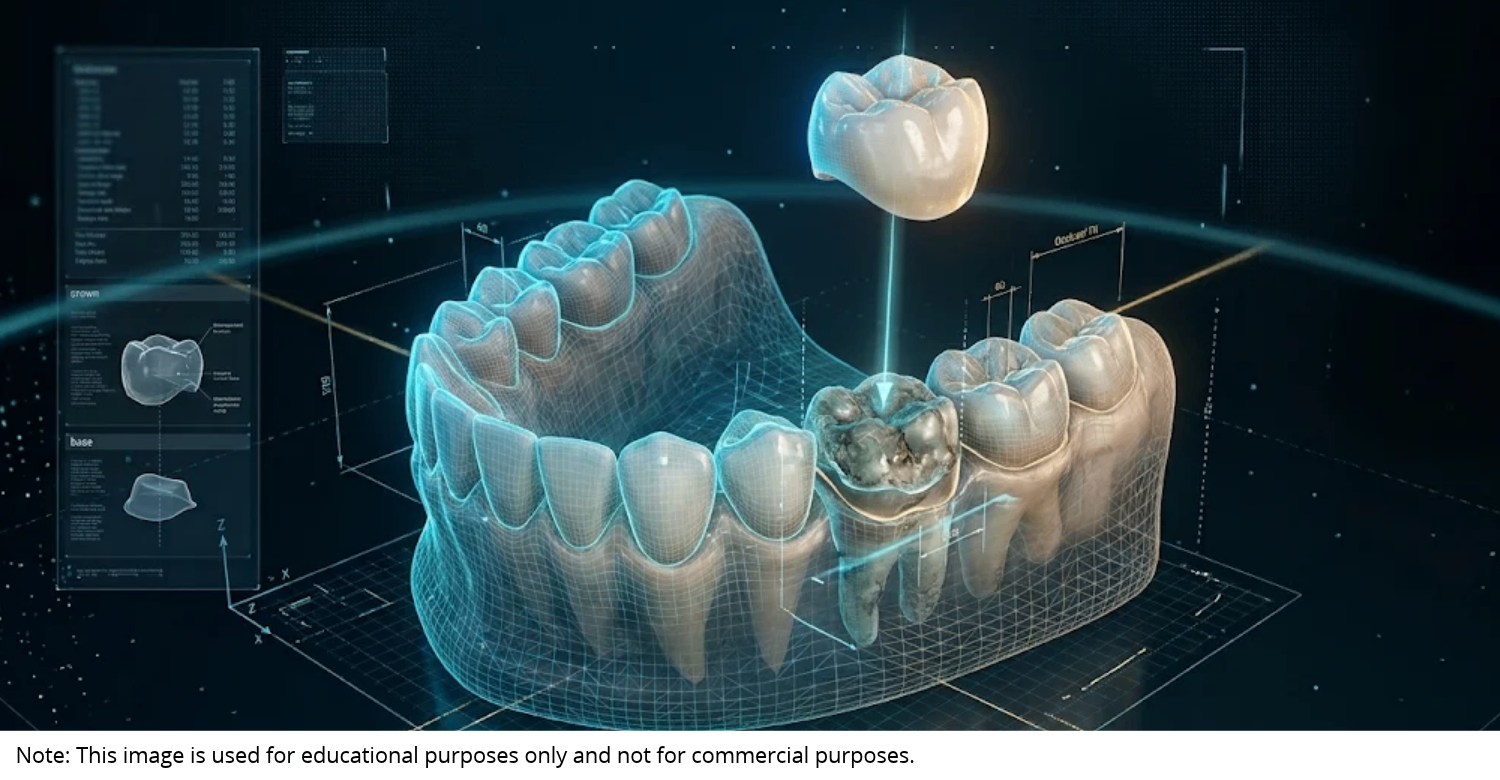
Dental Crown vs Filling vs Onlay: Comparing Treatment Options
Feature | Dental Filling | Dental Onlay | Dental Crown |
|---|---|---|---|
Best for | Small cavities and minor chips | Moderate damage involving one or more cusps | Extensive damage or weakened tooth structure |
Tooth coverage | Restores the affected area | Covers damaged cusps and part of the tooth | Covers the entire visible tooth |
Tooth preparation | Minimal removal of damaged tissue | Preserves more healthy structure than a crown | Requires reshaping the tooth to accommodate full coverage |
Common materials | Composite resin, amalgam | Porcelain, ceramic, composite, gold | Zirconia, E.max, porcelain, PFM |
Main advantage | Preserves the most natural tooth structure | Provides additional support while preserving healthy tissue | Offers full coverage and protection for weakened teeth |
Typical indications | Small to moderate cavities | Larger cavities or damaged cusps | Extensive decay, multiple cracks, or heavily restored teeth |
When Can a Damaged Tooth Be Restored Without a Full Crown?
A filling or onlay may be sufficient when enough healthy tooth structure remains to support the restoration. Small cavities and minor chips can often be treated with fillings, while moderate damage involving one or more cusps may require an onlay. These options preserve more natural tooth structure and are preferred when they can provide adequate strength and function.
When Is a Crown More Appropriate Than an Onlay?
A crown may be recommended when several tooth walls are weakened or missing, or when extensive decay, multiple cracks, or large existing fillings compromise the tooth's strength. Some root canal-treated molars also benefit from full coverage. The decision depends on the remaining structure, fracture risk, and whether a more conservative restoration can provide sufficient protection.
Can a Severely Broken Tooth Be Saved or Does It Need Extraction?
A severely broken tooth is not automatically considered beyond repair. The dentist evaluates the remaining structure, fracture depth, root condition, and surrounding gum and bone support. Some teeth may be restored with additional procedures, such as crown lengthening, followed by a suitable restoration. However, a split root or an unfavourable deep fracture may make extraction the safer option.
Same-Day vs Traditional Dental Crowns in Turkey
For dental crowns for damaged teeth, Turkey clinics may offer same-day or laboratory-made options. Both work well when chosen correctly.
How CEREC and CAD/CAM Technology Work
CAD/CAM means computer-aided design and manufacturing. With chairside systems such as CEREC, the dentist scans the prepared tooth and designs the crown on screen. A milling unit then carves it from a ceramic block. Some materials need brief firing or glazing. The crown can often be fitted the same day.
Differences in Fabrication and Appointment Requirements
Same-day crowns are designed and milled inside the clinic during one longer visit. Traditional crowns are made in a laboratory over several working days. Laboratory work allows layered ceramics and detailed shading. It does, however, require a temporary crown and a second appointment.
When Are Same-Day Crowns a Suitable Option?
Same-day options suit single teeth with moderate damage, healthy gums, and limited travel time. Teeth needing root canal treatment, gum surgery, or complex build-ups may not be ready for same-day completion.
When Is a Laboratory-Fabricated Crown More Appropriate?
Laboratory crowns are preferred for multiple teeth, visible front teeth, or complex bite changes. They allow custom characterisation that closely matches natural teeth.
Dental Crown Procedure at Vitrin Clinic, Turkey: Treatment Steps and Timeline
At Vitrin Clinic in Istanbul, dental crown treatment follows a structured restorative process based on the condition of each tooth. Led by Dr. Rifat Alsaman, the medical team evaluates tooth structure, gum health, and bite alignment before recommending the appropriate restoration. The procedure generally involves five main stages, from initial diagnosis to final crown placement.
Initial Examination and Digital Assessment
Your treatment begins with a comprehensive clinical examination to assess the damaged tooth, surrounding gums, and bite. The dentist reviews existing restorations and checks for decay, cracks, or signs of infection. Digital imaging, X-rays, or 3D scans may be recommended when clinically necessary to evaluate the tooth and supporting structures. These findings help determine whether a crown is appropriate or whether additional treatment is required first.
Tooth Preparation and Restorative Build-Up
Once the treatment plan is confirmed, the affected tooth is prepared under local anaesthesia when necessary. The dentist removes decay, compromised tissue, and failing restorative material before shaping the tooth to accommodate the selected crown. If significant tooth structure is missing, a core build-up may be performed to create a stable foundation. Preparation is planned carefully to preserve healthy natural tissue wherever possible.
Digital Scanning and Crown Fabrication
Following tooth preparation, digital impressions or conventional impressions are taken to record the prepared tooth, neighbouring teeth, and bite relationship. Where appropriate, Vitrin Clinic uses digital scanning and coordinates crown fabrication with its dental laboratory. The selected material, tooth anatomy, and shade are considered during the design process to support accurate fit, appropriate function, and a natural appearance.
Temporary Crown Placement
For treatments requiring laboratory fabrication, a temporary crown may be placed to protect the prepared tooth while the permanent restoration is being produced. It helps reduce sensitivity, maintain appearance, and protect the tooth during the waiting period. Patients are advised to avoid particularly sticky or hard foods and maintain careful oral hygiene. If the temporary crown becomes loose, they should contact the clinic for guidance.
Final Crown Placement and Bite Adjustment
Once the permanent crown is ready, the dentist checks its marginal fit, shape, shade, and contact with neighbouring teeth. Bite alignment is also assessed to identify excessive pressure or uneven contact during chewing. Any necessary adjustments are completed before the crown is permanently cemented or bonded. The dentist then provides instructions on oral hygiene, crown maintenance, and follow-up care.
.jpg)
What Results Can Patients Expect FromDental Crowns for Damaged Teeth Turkey:?
Results from dental crowns for damaged teeth Turkey patients receive depend on each tooth's starting condition.
Restoring Broken and Severely Damaged Teeth
A well-made crown restores a broken tooth's shape and chewing ability. Teeth that hurt when biting usually become comfortable once sealed and protected. The crown also lowers the risk of the remaining tooth splitting. Success depends on healthy roots and enough supporting structure.
Improving Tooth Shape, Colour, and Function
Crowns correct uneven shape, heavy staining, and worn edges. They restore proper contacts, which helps prevent food trapping. Crowns do not respond to whitening, so any whitening should be completed before shade selection.
Differences Between Front and Back Tooth Restorations
For dental crowns for damaged teeth, Turkey dentists treat front and back teeth differently. Front crowns focus on translucency. Back crowns prioritise strength against chewing forces. This is why E.max is often used in front, while monolithic zirconia is common for molars.
Factors That Influence the Final Crown Result
Original tooth condition: More remaining structure supports a stronger result.
Crown material and design: These affect strength and appearance.
Gum health: Inflamed gums can affect fit.
Bite alignment: Uneven forces stress the crown.
Quality of preparation and fitting: Accurate margins reduce leakage.
Some of Our Patients
.jpg)
.jpg)
Ready to transform your smile?
Talk to our team and get a FREE treatment plan.
Dental Crown Cost in Turkey Compared with the UK, USA, and Europe
Cost is a major reason patients compare dental crowns for damaged teeth Turkey clinics offer with treatment at home.
Average Dental Crown Prices in (Vitrin Clinic) Turkey
Prices for dental crowns for damaged teeth Turkey patients need depend on material, fabrication, and tooth condition. Zirconia and E.max generally cost more than PFM. The final quotation is confirmed after examination.
Turkey (Vitrin Clinic) (Approx.)
Zirconia crown = From $150 / unit
E.max crown = From $180 / unit
Porcelain-fused-to-metal (PFM) crown = From $100 / unit
Same-day CEREC crown = From $200 / unit
Dental Crown Prices in Turkey vs Other Countries (Per Tooth)
What Factors Affect the Final Cost of Dental Crowns?
Crown material and manufacturing technique
Number of teeth requiring treatment
Extent of tooth damage
Need for root canal treatment
Core build-up or additional restorative procedures
Diagnostic examinations and laboratory work
Are There Additional Costs Beyond the Crown Price?
Yes, sometimes. Temporary crowns, diagnostic imaging, additional restorative procedures, and follow-up appointments may be charged separately. Ask what is included before you travel.
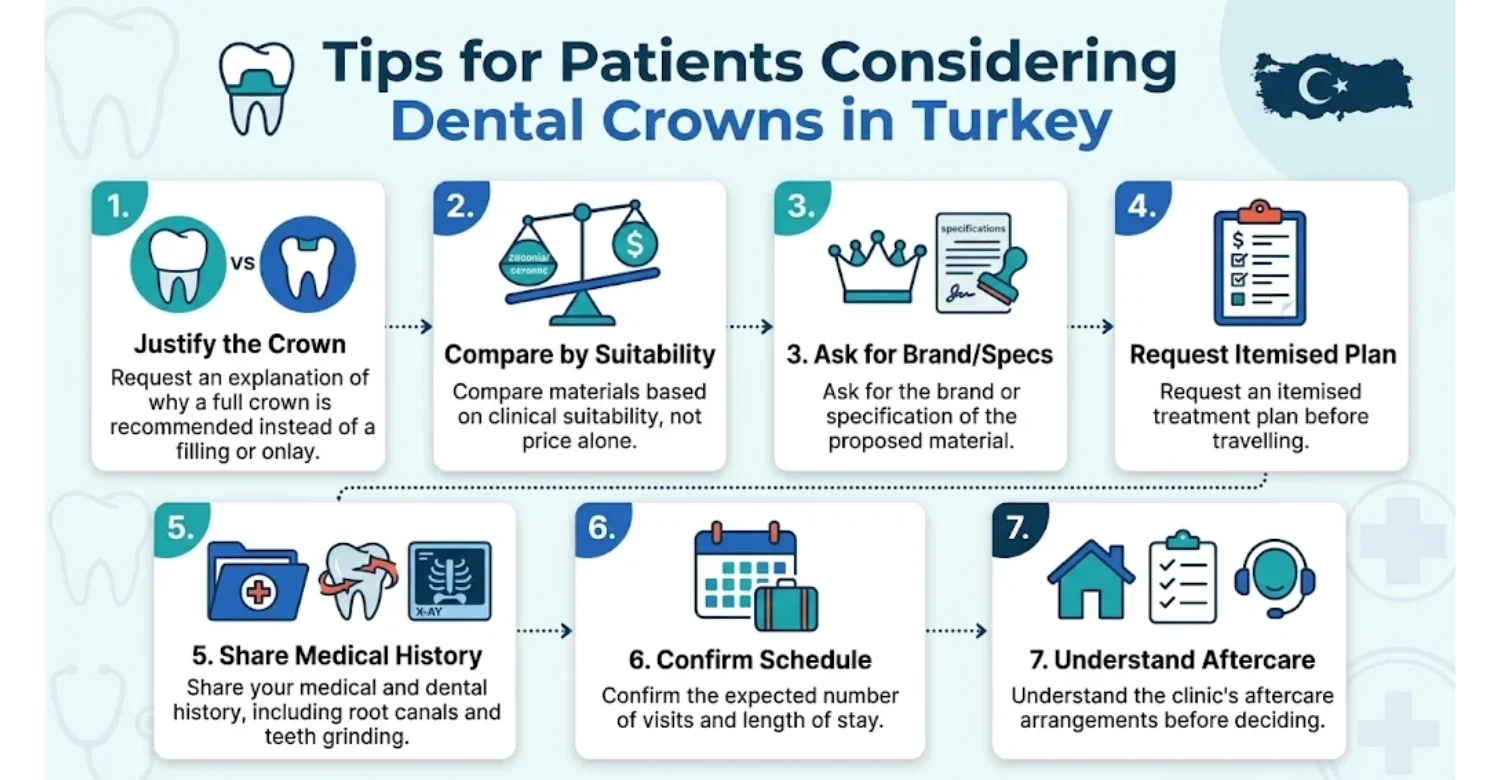
What Should Be Included in a Dental Crown Treatment Quotation?
A clear quotation lists the number of crowns, exact materials, additional procedures, temporary restorations, appointments, and aftercare arrangements. This makes fair comparison between clinics possible.
Ready to transform your smile?
Talk to our team and get a FREE treatment plan.
Clinical Note
Dr. Rifat Alsaman – Head of the Medical Team at Vitrin Clinic
Visible damage rarely tells the whole story. A tooth may look badly broken yet still have a healthy root and enough structure for a strong crown. Another may look intact but hide a crack running toward the root. That is why we assess remaining tooth structure, root condition, and periodontal support before recommending anything. We also study the bite carefully. Patients who grind or clench need a material that tolerates high forces. Sometimes a core build-up, gum procedure, or onlay is the better first step. Our priority is always to preserve as much natural tooth as possible.
How to Choose the Best Dental Crown Clinic in Turkey
Choosing the right clinic for dental crowns for damaged teeth Turkey offers matters as much as choosing the right material.
Dentist Experience and Clinical Treatment Planning
Ask who will examine your tooth and who makes the final decisions. Complex cases should be reviewed by an experienced restorative dentist, not decided by sales staff. A good clinic explains why a crown is needed and what alternatives exist.
Crown Materials and Manufacturer Transparency
Ask for the exact material proposed, not just "ceramic." Zirconia and glass-ceramic products vary in strength and translucency. A transparent clinic explains why a material suits your tooth and where the crown will be fabricated.
Digital Technology and Dental Laboratory Capabilities
Digital scanning improves accuracy and comfort. CAD/CAM fabrication, where available, supports consistent fit. Ask whether the laboratory is in-house or external, and how the dentist and technician communicate about shade and design.
Before-and-After Cases and Patient Reviews
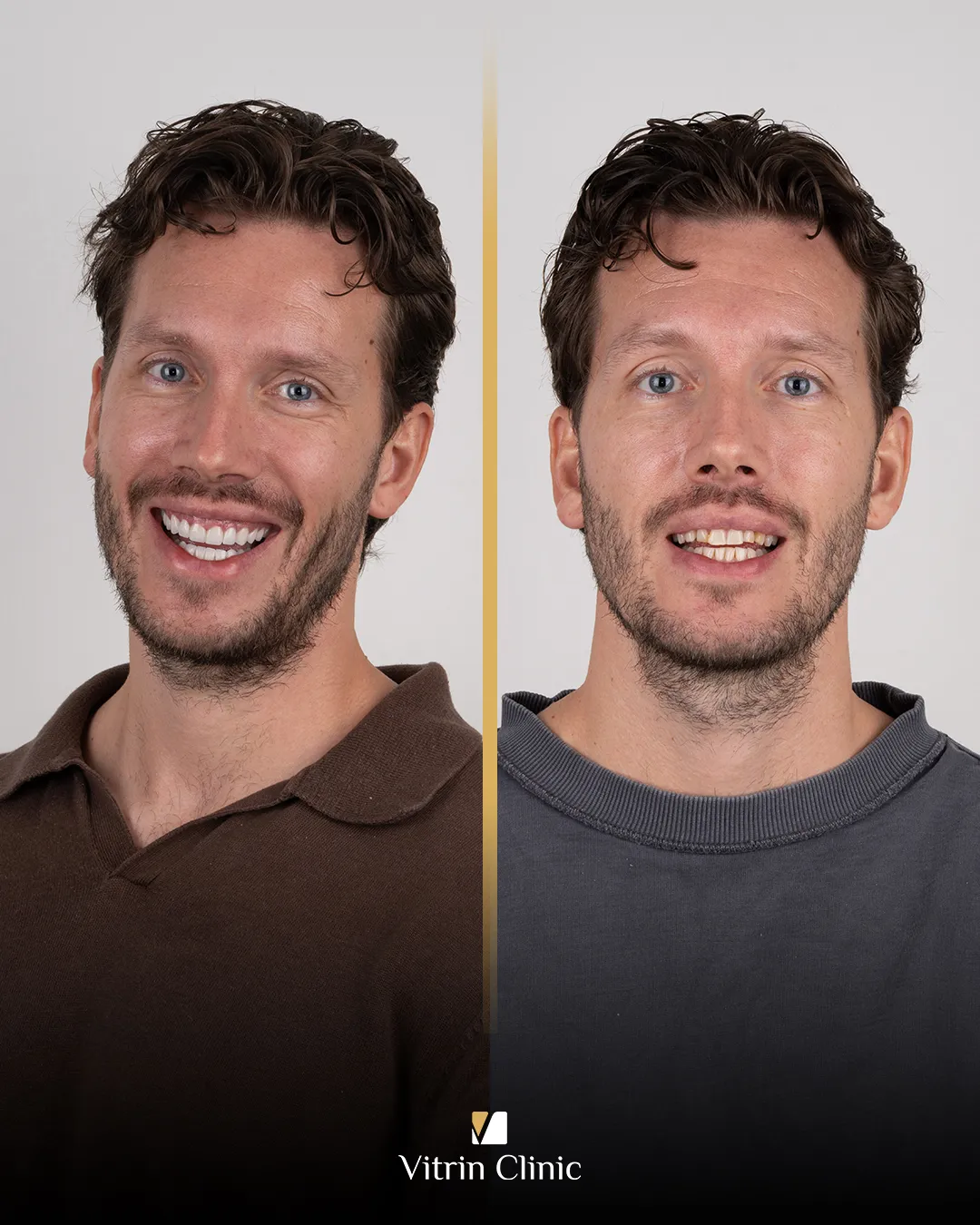
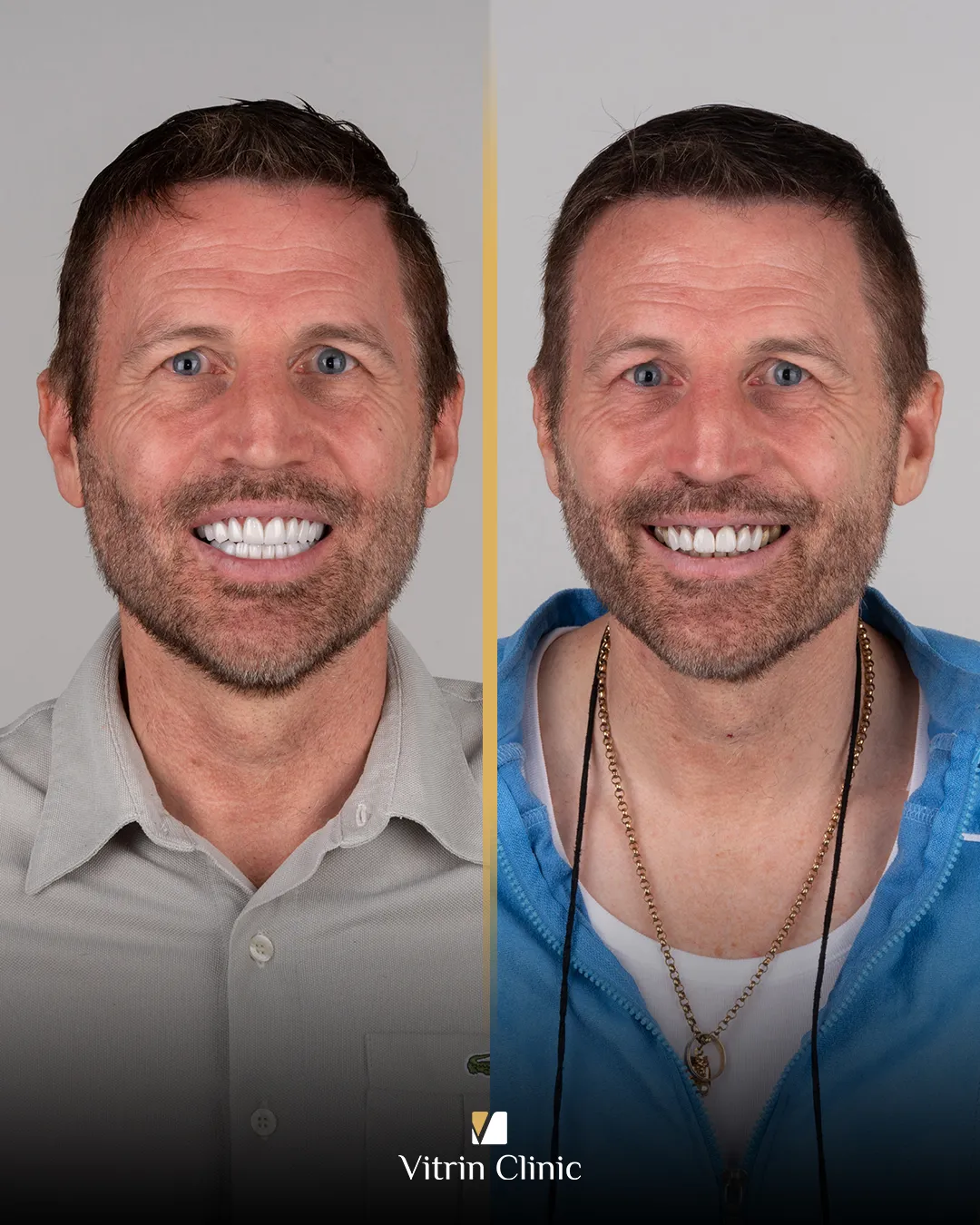
Look for real dental crowns for damaged teeth Turkey cases similar to yours. Good clinical photographs clearly show margins, gums, and shade. Reviews should mention follow-up support, not just the first visit. Be cautious of heavily edited images.
Treatment Pricing and Aftercare Transparency
For dental crowns for damaged teeth, Turkey clinics should provide an itemised quotation. Ask what happens if a crown loosens, chips, or needs adjustment after you return home.
Getting Dental Crowns in Istanbul: Treatment Duration and Travel Planning
Planning your stay for dental crowns for damaged teeth Turkey trips helps treatment run smoothly.
How Many Days Do International Patients Need in Istanbul?
For laboratory-made dental crowns for damaged teeth, Turkey visits usually last around five to seven days. This covers examination, preparation, fabrication, try-in, and adjustment. Same-day crowns may shorten the stay for suitable cases. Root canal or gum treatment can extend it. Vitrin Clinic confirms the recommended stay after reviewing your records.
Can Multiple Crowns Be Completed During One Visit?
Yes, several crowns can often be completed in one trip. Multiple teeth may be prepared in one session and fitted together. Larger cases may need extra appointments to balance the bite, and complex cases sometimes benefit from a second visit.
What May Affect the Treatment Schedule?
Number of teeth
Complexity of preparation
Need for additional procedures
Laboratory fabrication requirements
Same-day treatment suitability
Online Consultation Before Travelling to Turkey
Before travelling for dental crowns for damaged teeth, Turkey patients can share photographs and X-rays. The team gives an initial assessment, discusses options, and provides a preliminary quotation. The final plan is confirmed after an in-person examination, since some problems appear only clinically.
Hotel, Transfers, and International Patient Coordination
Confirm whether accommodation is included. Clarify airport and clinic transfers. Ask whether a coordinator or interpreter will support you, and how to contact the clinic after returning home.
Dental Crown Recovery, Longevity, and Aftercare
Recovery after dental crowns for damaged teeth Turkey patients receive is usually quick. Long-term success depends on daily care.
What to Expect After Permanent Crown Placement
Mild sensitivity and tender gums around the crown edge are common for a few days. If the bite feels high or pain persists, contact the dentist, since a small adjustment may be needed.
How Long Do Different Dental Crown Materials Last?
Well-maintained dental crowns for damaged teeth, Turkey or elsewhere, often last 10 to 15 years or longer. Metal and monolithic zirconia are highly durable on back teeth. E.max performs well on front teeth and premolars. PFM crowns have a long record but may chip.
Factors That Affect Crown Longevity
Oral hygiene: Plaque at the margin causes new decay.
Gum health: Healthy gums protect the crown edge.
Bite pressure and bruxism: Grinding increases stress.
Crown fit and material: Accurate margins reduce leakage.
Regular dental examinations: Early checks catch problems sooner.
How to Maintain Dental Crowns After Returning Home
Brush twice daily with fluoride toothpaste and clean between teeth. Avoid chewing ice, pens, or hard shells. If you grind, wear a night guard. Share your treatment records with your local dentist.
Signs That a Crown May Need Adjustment or Replacement
Contact a dentist if the crown feels loose, the bite feels uneven, or chewing hurts. Chipped porcelain, a dark gum line, food trapping, or swelling are also warning signs. Decay under a crown may be painless early, so regular X-rays matter.
What We Notice Clinically
Patients sometimes focus on the visible fracture while overlooking the condition of the tooth underneath the gumline.
Large fillings can leave weakened cusps that may fracture under chewing forces.
A crown's long-term performance depends not only on material strength but also on preparation quality, marginal fit, and bite distribution.
Bruxism can increase mechanical stress on restorations and may require additional protective measures.
Patients with gum inflammation or periodontal problems may need treatment before definitive crown placement.
Discover Your Smile Journey at Vitrin Clinic
Your journey to a new smile begins with understanding your dental needs and ends with a treatment plan designed around your goals. At Vitrin Clinic, every stage is carefully coordinated, combining personalised dental care, international patient support, and attention to detail to make your experience in Istanbul as smooth and comfortable as possible.
1. Your Initial Smile Assessment
Every successful treatment begins with a thorough understanding of your dental condition. Share your smile photographs, available dental records, and relevant medical history with our team. Our dentists review your case, assess your initial requirements, and identify potential treatment options based on your teeth, gum health, and bite.
2. Your Personalised Treatment Plan
Your dental needs deserve an individual approach, not a standard treatment package. Following your initial assessment, we prepare a personalised proposal outlining the recommended procedures, treatment stages, estimated duration, and expected costs. This gives you a clearer understanding of your treatment journey and allows you to make informed decisions before travelling to Istanbul.
3. Your Stay in Istanbul, Seamlessly Arranged
From your arrival to your clinic appointments, our international patient coordination team helps organise the practical details of your visit. Depending on your treatment arrangement, this may include hotel accommodation and airport, hotel, and clinic transfers. Our team also assists with appointment coordination and communication, allowing you to focus on your treatment throughout your stay.
4. Your Smile Transformation and Ongoing Care
Your treatment takes place according to the agreed clinical plan, with each procedure tailored to your dental condition and desired outcome. Our team considers both aesthetics and function throughout the process. Before your departure, you receive personalised aftercare instructions and guidance on maintaining your results, alongside follow-up support to help address questions after returning home.
Why Choose Vitrin Clinic for Dental Crown Treatment in Turkey?
Vitrin Clinic approaches dental crown treatment through individualized diagnosis, careful restorative planning, and material selection based on each patient's clinical needs rather than fixed treatment packages.
Individualized Dental Assessment and Treatment Planning
Every treatment begins with an examination of the affected teeth, remaining tooth structure, gum health, and bite alignment. The dentist also reviews existing fillings, crowns, and previous root canal treatments. This helps identify underlying problems before restoration and determine whether a crown is appropriate or additional procedures are needed. Conservative treatment options are considered wherever clinically suitable to preserve healthy natural tooth structure.
Clinical Leadership Under Dr. Rifat Alsaman
Treatment planning is led by Dr. Rifat Alsaman, Head of the Medical Team at Vitrin Clinic. His clinical approach considers the condition of each tooth, its supporting tissues, and the forces acting on it during chewing. Particular attention is given to cracked teeth, extensive fillings, and root canal-treated teeth, where the remaining structure must be carefully evaluated before recommending a suitable restoration.
Digital Dental Technology and Laboratory Coordination
Digital dental technology supports the planning and fabrication stages of crown treatment. Where appropriate, digital scans capture tooth contours and surrounding structures, helping guide restoration design. Coordination between the dentist and dental laboratory supports accurate margins, appropriate contact points, and natural-looking shades. Each crown is also assessed for fit and bite compatibility before final placement to help achieve comfortable function and integration.
Crown Material Selection Based on Individual Requirements
Choosing a crown involves more than selecting a preferred colour or material. Vitrin Clinic considers tooth position, chewing pressure, remaining tooth structure, and aesthetic expectations before recommending zirconia, E.max, porcelain, PFM, or CEREC restorations where suitable. Patients receive an explanation of the available options, including their restorative properties and limitations, so material selection reflects clinical requirements rather than appearance alone.
Transparent Treatment Plans and Quotations
Before treatment begins, patients receive a personalized treatment proposal based on their clinical examination. The quotation outlines the recommended crown types, materials, number of restorations, and any additional procedures identified during assessment. This approach helps clarify the expected treatment stages and associated costs before travel. If the initial online estimate changes following an in-person examination, the reasons are explained before proceeding.
International Patient Support and Aftercare
International patients receive coordination support throughout their treatment journey, from arranging consultation appointments to organizing communication with the medical team. The clinic helps patients understand their treatment schedule and prepares them for the required appointments during their stay in Istanbul. After crown placement, patients receive oral hygiene and maintenance instructions, with follow-up support available after returning home when further guidance is needed.





Book your FREE treatment plan with Vitrin Clinic and get a personalized treatment plan from our dental team.
Ready to transform your smile?
Talk to our team and get a FREE treatment plan.
Medical Disclaimer:
This article is for general information and does not replace a personal assessment by a qualified dentist. Prices are approximate 2026 averages, with UK and Turkey figures converted to US dollars, and may vary by clinic and case.
References:
FAQs
Prices depend on the crown material, number of teeth, and additional procedures. Turkey generally offers more affordable treatment than the UK, USA, and Germany.
Dr. Rifat Alsaman has more than 5 years of clinical experience in dentistry and currently serves as the Head of the Medical Team at Vitrin Clinic. He is dedicated to providing exceptional patient care, overseeing treatment planning, and ensuring the highest clinical standards across the team. His expertise, attention to detail, and commitment to continuous professional development have helped countless patients achieve healthier, more confident smiles.


