
The best age for braces depends on the dental issues being treated. For children, orthodontists often recommend an initial evaluation around age 7. This helps identify early problems. Many children start treatment between ages 9 and 14. At this stage, permanent teeth have come in and jaw growth can be guided. Teenagers benefit from orthodontics because their teeth and jaws are still developing. This makes treatment faster and more predictable. Adults can also get braces at any age. However, treatment may take longer due to fully developed jawbones. Early intervention can prevent more serious problems later. It can also reduce the need for extractions. Orthodontic treatment improves appearance and oral health. It helps with bite alignment and tooth function. The timing should be personalized. It depends on dental development and individual needs. Regular orthodontic check-ups help determine the ideal start time.
Ultimately, the best time for braces is when treatment can achieve the most stable and lasting results.
How Do You Know the Right Age for Braces?
Determining the right the typical age to start orthodontic treatment requires a comprehensive orthodontic evaluation. This assessment looks at dental development, skeletal maturation, malocclusion severity, and individual circumstances. Professional assessment typically begins around age 7. At this age, mixed dentition allows early problem detection. However, active treatment timing varies individually. Multiple factors influence optimal timing decisions. These include tooth eruption patterns, jaw relationships, facial growth, and treatment objectives. The American Association of Orthodontists recommends evaluating braces for kids by age seven to catch developing issues early.
Every Child's Smile Is Unique: Why Chronological Age Isn't Everything
Chronological age is only one piece of the orthodontic puzzle. Treating it as the deciding factor overlooks how differently children grow. Two nine-year-olds can have completely different dental ages, jaw development, and eruption patterns. That is why a braces age by age guide should always be paired with individual assessment. Skeletal maturity, root development, and even a child's emotional readiness matter as much as the number on a birth certificate. Vitrin Clinic evaluates each child individually rather than defaulting to a single "correct" age. This ensures treatment starts when the mouth and the child are truly ready, not simply when a calendar suggests it.
What is the Average Age for Braces?
The average the recommended age for getting braces centers around 11-13 years. At this stage, most permanent teeth have erupted and facial growth continues. This provides ideal conditions for comprehensive orthodontic treatment. This timeframe represents statistical norms. However, individual variation exists based on development rates, specific dental conditions, and treatment approaches. Early adolescence offers several advantages. Active growth facilitates skeletal modification. Sufficient permanent teeth allow comprehensive alignment. Treatment efficiency is high. Patient cooperation is typically good. However, appropriate timing ultimately depends on individual assessment rather than averages alone.
What Age is Best for Braces in Children and Teens?
The best age for kids to get braces typically ranges from 9 to 14 years. This period capitalizes on the mixed-to-permanent dentition transition and active facial growth. These factors optimize treatment outcomes. During this period, orthodontists can guide dental development. They can also modify skeletal relationships when necessary. This achieves stable, comprehensive results efficiently. Early treatment (ages 7-9) addresses severe problems requiring intervention before complete permanent dentition. Standard treatment (ages 10-14) provides comprehensive correction. Teen years remain excellent for treatment. They offer cooperation advantages and social acceptance of orthodontics among peers.
What is a Good Age for Braces According to Experts?
What is a good the typical age to start orthodontic treatment according to orthodontic experts? Professional consensus recommends evaluation by age 7. Treatment timing is then individualized based on specific conditions discovered. Experts emphasize that the good when kids usually get braces varies. Some conditions benefit from early intervention (6-9 years). Others optimize outcomes by waiting until 10-14 years. Professional assessment considers dental maturation, skeletal growth patterns, malocclusion severity, treatment complexity, and patient readiness. Expert guidance ensures timing maximizes treatment efficiency. It also minimizes duration and complexity through appropriate developmental staging.
Can Braces Be Worn at Any Age?
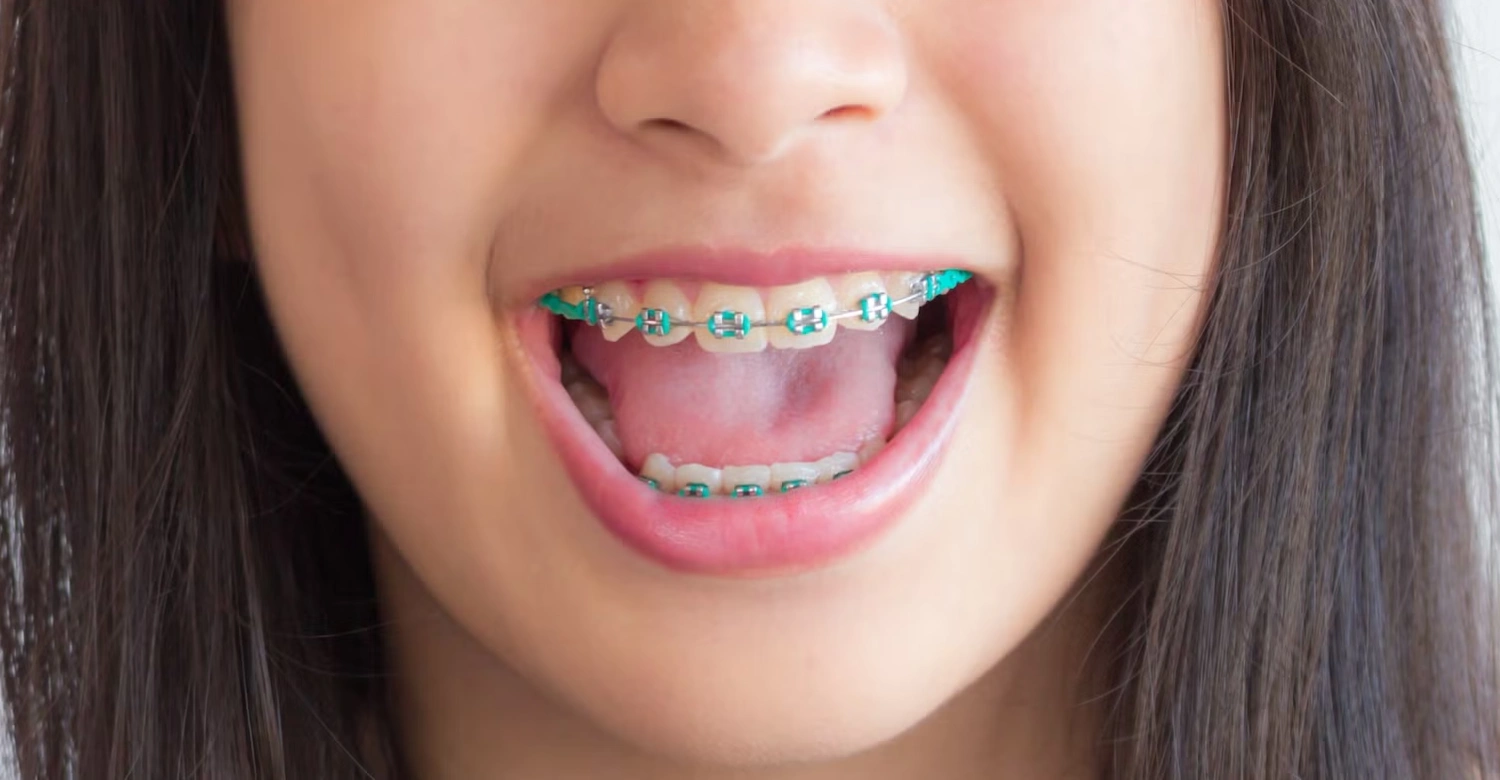
Braces for all ages reflects modern orthodontic reality. Successful treatment occurs at any life stage, though biological differences influence approaches and timelines. Children, teenagers, and adults all benefit from orthodontic correction. Age-appropriate techniques optimize outcomes for each demographic. While timing affects efficiency and approach, no age precludes orthodontic treatment when dental and periodontal health support tooth movement. Conversely, healthy teeth can be moved at any age. This makes braces for adults increasingly popular and highly effective.
Clinical Comparison: Phase 1 vs. Phase 2 Orthodontic Care (And Why Some Kids Need Both)
Understanding phase 1 vs phase 2 braces helps parents make sense of why some children need two separate rounds of treatment. Phase 1 typically begins around ages 7 to 10. It focuses on guiding jaw growth, correcting crossbites, and creating space for permanent teeth. Expanders or limited appliances are used. Phase 2 begins once most permanent teeth have erupted, usually ages 11 to 14. Full braces achieve final alignment and bite correction. Children with severe skeletal discrepancies or habits like thumb sucking often need both phases. Children with milder issues may only require a single comprehensive phase of treatment.
Braces Age by Age: A Year-by-Year Guide for Parents
This braces age by age guide breaks down what parents can expect at each stage of a child's dental development. It covers the first signs of crowding to the final months of comprehensive treatment. Every child develops on a different timeline. These ages serve as general markers rather than fixed rules. Vitrin Clinic uses this framework alongside X-rays, growth charts, and clinical examination to personalize timing. Reviewing each age bracket helps families understand what to watch for. It also clarifies what questions to ask and when a consultation is worth scheduling. This is true even if treatment itself is still a year or two away.
Age 8: Watching for Mixed-Dentition Issues
At age 8, most children are in mixed dentition. They have a combination of baby and permanent teeth. This is a key window for spotting crossbites, significant crowding, or protruding front teeth. These issues could benefit from early guidance. Not every 8-year-old needs treatment. But this is an ideal time for a monitoring visit. Orthodontists track how permanent molars and incisors are erupting. They also check whether jaw growth is following a healthy pattern. Catching problems now can simplify or shorten treatment later. This is especially true for skeletal issues that respond best to growth modification during active development.
Age 9: When Phase 1 Decisions Get Made
Many parents ask, can a 9 year old get braces. The answer is yes, when specific conditions call for early intervention. Age 9 is often when orthodontists decide whether a child needs Phase 1 treatment. This applies to issues like severe crowding, crossbites, or harmful habits still affecting jaw development. Not every 9-year-old requires appliances. Many are advised to wait until more permanent teeth erupt. When Phase 1 is recommended at this age, it usually targets a specific structural problem. It does not aim for full alignment. Comprehensive treatment is planned for a later phase.
Age 10: The "Pre-Braces" Sweet Spot
Age 10 often marks the pre braces sweet spot for many children. Most primary teeth have been replaced. The bite pattern is becoming clearer without being fully set. This stage allows orthodontists to see a fuller picture of crowding, spacing, and bite relationships. Some flexibility for growth guidance still remains. Children at this age are usually better able to tolerate wearing appliances. They also follow hygiene instructions more easily. For families weighing early treatment against waiting, age 10 frequently offers the clearest signal of which direction is right.
Age 11 to 13: Peak Permanent Teeth and Growth Spurts
Between ages 11 and 13, most permanent teeth have erupted. Many children experience active growth spurts. This makes it the most common window for comprehensive braces treatment. This stage combines two advantages. There is enough permanent dentition for full alignment planning. There is also enough remaining growth to help modify jaw relationships when needed. Cooperation tends to improve as children better understand hygiene routines and appliance care. This is why average statistics often point to this range. Individual readiness, not age alone, should guide the final decision. An orthodontist's evaluation is essential.
What About Ages 14+: Late Starters and Catch-Up Orthodontic Care
Late starter orthodontic care is common and effective. Teenagers 14 and older still have healthy bone remodeling capacity. This is true even after most facial growth has slowed. Treatment at this stage focuses more on comprehensive alignment and bite correction. It relies less on skeletal growth guidance. Outcomes remain excellent with consistent compliance. Some teens catch up quickly because they are highly motivated. They want to complete treatment before high school milestones. Whether a teen is starting for the first time or resuming interrupted care, late starter orthodontic care at Vitrin Clinic is planned around the same evidence-based principles used for younger patients.
What Age for Dental Braces in Adults?
Adults can begin orthodontic treatment at any age. Patients in their 30s, 40s, 50s, and beyond achieve excellent results. Adult treatment has unique considerations. Bone is denser, so teeth move more slowly. Facial growth is complete, so skeletal changes are not possible. Many adults prefer clear aligners or lingual braces for aesthetics. Periodontal health must be evaluated first. Adults seek alignment, bite correction, and smile enhancement for personal, professional, and health reasons.
Is There a Youngest Age for Braces?
Interceptive treatment may start at ages 6-8. This is for severe problems that need early intervention. Early treatment addresses severe crowding, crossbites, and harmful habits like thumb sucking. It also helps skeletal discrepancies. Comprehensive treatment usually waits until ages 10-14. By then, enough permanent teeth have erupted. Early intervention may be followed by observation. A second phase of treatment often comes later. A professional evaluation determines if early treatment helps.
Is There an Age Limit for Braces?
There is no age limit for braces. Healthy teeth and supporting structures can move at any age. Orthodontic treatment is viable throughout life. Biological factors affect treatment. Adult bone is denser, so movement is slower. Growth is complete, so skeletal changes are not possible. Periodontal health is crucial. Age alone does not prevent success. Patients in their 60s, 70s, and beyond complete treatment successfully. Modern orthodontics offers techniques for all life stages.
When Should You Get Braces for Specific Dental Issues?
Optimal timing varies by dental condition. Some problems benefit from early intervention. Others improve by waiting for dental maturity. Understanding condition-specific timing helps families decide. A professional evaluation assesses each situation. The orthodontist recommends timing that maximizes efficiency and outcome quality. Early interceptive care is a cornerstone of pediatric dental alignment. It often prevents the need for jaw surgery later.
What is the Best Age to Get Braces for an Overbite?
The best age for an overbite depends on severity. It also depends on whether the overbite is skeletal or dental. Severe skeletal overbites benefit from early treatment. Ages 8-12 are ideal during growth spurts. Functional appliances can modify jaw relationships. Dental overbites can be treated at ages 10-14 or in adulthood. Early intervention prevents trauma from protruding teeth. It improves facial aesthetics. It may reduce later treatment complexity.
What is the Appropriate Age for Braces Based on Tooth Development?
The appropriate the ideal time for orthodontics depends on tooth development. Treatment usually starts when enough permanent teeth have erupted. This is often 10 or more permanent teeth. Ideal timing balances permanent dentition and remaining primary teeth. Primary teeth help manage space and guide eruption. Tooth development stages influence treatment. Early mixed dentition (6-9 years) allows interceptive treatment. Late mixed dentition (9-11 years) enables transitional treatment. Permanent dentition (12+ years) permits comprehensive correction. An orthodontic evaluation assesses the developmental stage. It determines the best timing for each case.
How Can You Tell if Your Child is Ready for Braces?
Signs of readiness include most permanent teeth erupted. Look for incisors and first molars. Noticeable crowding or spacing is a sign. Bite problems like overbite, underbite, or crossbite matter. Difficulty chewing or speaking is another sign. Mouth breathing and jaw growth concerns also count. Behavioral readiness includes cooperation and hygiene responsibility. The child must understand the treatment commitment. A professional evaluation around age 7 establishes a baseline. It monitors development and identifies optimal timing. Orthodontists assess dental maturation, skeletal development, and malocclusion severity. They also consider individual circumstances beyond chronological age.
What Steps Help Decide the Right Age for Braces?
Determining the right age for braces involves a systematic evaluation. It combines professional assessment, diagnostic records, growth analysis, and treatment planning. Multiple steps ensure timing is optimized for each person. This maximizes treatment efficiency and outcome quality. A comprehensive approach considers dental, skeletal, and personal factors. These factors influence treatment success at different ages. For older patients, comprehensive mature orthodontic care focuses on aesthetics and correcting long-standing bite issues.
Why is an Orthodontist Consultation Important?
An orthodontist consultation provides expert evaluation. It determines the appropriate the typical age to start orthodontic treatment. The assessment covers dental development, skeletal maturation, and malocclusion characteristics. Professionals identify problems that need early intervention. They also identify problems that can wait for further development. The consultation establishes a treatment timeline. It discusses options, duration, and costs. It answers family questions about timing. Early evaluation around age 7 does not mean immediate treatment. It enables monitoring and timely intervention when conditions are optimal.
How Do X-rays and Dental Assessments Help?
X-rays and dental assessments reveal crucial information invisible to clinical examination. They show unerupted teeth, root development, bone levels, jaw relationships, and pathology. Panoramic radiographs display entire dentition development. They help predict eruption timing and identify problems. Cephalometric X-rays analyze skeletal relationships and growth patterns. These inform timing decisions, especially for growth modification treatments. Assessments combine radiographic findings with clinical examination, photographs, and models. This creates a comprehensive diagnostic database guiding timing and treatment decisions.
When Should You Plan Treatment Timing and Duration?
Treatment timing planning follows diagnostic evaluation. It considers dental development stage, skeletal maturity, problem severity, and growth remaining. Single-phase treatment typically begins ages 10-14. At that point, sufficient permanent teeth exist and growth continues. Two-phase treatment involves early intervention (ages 7-10) addressing urgent problems. Then comes observation, followed by comprehensive phase-two treatment (ages 11-14) completing correction. Duration planning estimates 18-36 months for comprehensive treatment. This varies by complexity, age, biology, and compliance. Strategic timing minimizes overall treatment time while optimizing outcomes.
What Expert Tips Can Help Choose the Age for Braces?
Expert recommendations emphasize individualized timing based on comprehensive evaluation rather than arbitrary age thresholds. Professional guidance balances treatment efficiency, outcome optimization, patient readiness, and family circumstances. Following evidence-based timing principles ensures treatment occurs when conditions maximize success probability while minimizing complexity and duration.
Life with Braces: How to Help Your Child Adjust to Orthodontic Hardware
Knowing how to help child adjust to braces makes a real difference in comfort and cooperation during the first weeks of treatment. Mild soreness after adjustments is normal and typically fades within a few days, easing with soft foods and orthodontic wax on brackets that irritate the cheeks. Establishing a consistent brushing and flossing routine early prevents plaque buildup around brackets and wires. Encouraging children to speak up about discomfort, rather than tolerating pain silently, allows parents and the orthodontic team to address issues quickly. Patience and positive reinforcement help children see braces as a normal, manageable part of daily life.
Practical Considerations Beyond Clinical Care
Choosing the right the age at which braces are commonly applied also involves practical family considerations that go beyond dental development alone. Budgeting, daily activities, and long-term comfort all factor into whether a family feels ready to begin treatment. Addressing these questions upfront, alongside the clinical evaluation, helps families plan realistically and avoid surprises once treatment is underway. Vitrin Clinic discusses these practical factors openly during consultation so that timing decisions reflect both what is clinically appropriate and what fits comfortably into a child's and family's daily routine.
Financial Planning: How Much Do Children's Braces Cost?
The cost of childrens braces varies depending on the type of appliance, treatment complexity, and expected duration, with two-phase treatment typically costing more than a single comprehensive phase. Traditional metal braces are generally the most budget-friendly option, while ceramic braces or clear aligners often cost more due to materials and aesthetics. Many clinics, including Vitrin Clinic, offer payment plans to spread costs over the treatment period. Getting a personalized quote after diagnostic evaluation is the most reliable way to plan, since estimates based on averages alone rarely reflect an individual child's actual treatment needs.
Lifestyle Impact: Can My Child Still Play Sports or Musical Instruments with Braces?
Playing sports with braces is safe and common, though a properly fitted mouthguard is strongly recommended to protect brackets and soft tissue during contact activities. Most children adjust their playing style within a few weeks and experience no lasting limitations. Playing musical instruments with braces, particularly wind instruments, can feel awkward at first as the lips and tongue adapt to the new hardware. Orthodontic wax can ease friction against the mouthpiece during this adjustment period. With patience and minor technique adjustments, most young athletes and musicians continue their activities with little disruption to their skill or enjoyment.
Addressing Potential Structural Side Effects from Having Braces
Understanding the side effects of braces in children helps set realistic expectations for treatment. Common, temporary effects include soreness after adjustments, minor speech changes during the first week, and a slightly higher risk of enamel demineralization if oral hygiene is neglected around brackets. Root resorption, a mild shortening of tooth roots, can occur in some cases but is rarely significant with monitored treatment. Choosing an experienced orthodontic team, attending regular check-ups, and maintaining consistent hygiene keeps these risks low, allowing children to complete treatment with healthy teeth and gums intact.
Clear Aligners: A Discreet Alternative for Teens and Adults
While traditional braces are highly effective, clear aligners like Invisalign offer a popular alternative for many patients. For teenagers, aligners can be a great choice if they are responsible enough to wear them consistently. Adults often prefer them for their nearly invisible appearance and the convenience of removing them for eating and brushing. However, aligners may not be suitable for complex orthodontic issues, and compliance is crucial for success. Dr. Rifaat Al-Samman notes, "Clear aligners are an excellent option for mild to moderate cases, but a thorough evaluation is necessary to determine if they are right for you."
Potential Risks and Complications to Consider
While braces are generally safe, there are some risks to be aware of. Root resorption, a shortening of the tooth roots, can occur in some patients, though it is usually minor and without symptoms. In rare cases, more significant resorption can occur. Additionally, inadequate oral hygiene during treatment can lead to enamel demineralization (white spots) and gum disease. Patients with pre-existing conditions like temporomandibular joint disorders (TMD) may experience exacerbation of symptoms. Dr. Al-Samman emphasizes, "It's essential to discuss your medical history with your orthodontist to minimize potential complications."
Choosing the Right Type of Braces for Your Age
Metal Braces: These are the most common and are highly effective for all ages, especially for complex cases. They are often the first choice for children and teenagers due to their durability and cost-effectiveness.
Ceramic Braces: These are less visible than metal braces and are popular among adults and teens concerned about aesthetics. They are more fragile and may require more careful handling.
Lingual Braces: Placed on the inside of the teeth, these are virtually invisible and are a favorite among adults. However, they can be more uncomfortable initially and are harder to clean.
Dr. Al-Samman advises, "The best type of braces depends on your specific needs, lifestyle, and aesthetic preferences. A consultation will help determine the most suitable option."
How Early Should Braces Be Started for Best Results?
Early braces initiation benefits specific conditions. These include severe skeletal discrepancies, harmful habits affecting development, extreme crowding, and crossbites causing functional problems. Earliest the standard age for orthodontic intervention intervention might be 6-8 years for these issues. It prevents worsening and simplifies later treatment. However, most cases optimize outcomes beginning ages 10-14. Then treatment can be completed in a single comprehensive phase. Starting too early risks prolonged treatment duration, patient burnout, and incomplete permanent dentition complicating planning. Professional assessment determines when early intervention truly benefits versus when waiting proves superior.
What Are the Benefits of Early Intervention?
Early intervention benefits include guiding jaw growth during development. It creates space for erupting teeth and corrects harmful habits. It reduces trauma risk from protruding teeth. It improves self-esteem during formative years. It may simplify later treatment. Growth modification opportunities available during childhood cannot be replicated in adulthood. This makes early treatment valuable for specific skeletal problems. However, benefits must outweigh costs. These include treatment duration, patient cooperation demands, and potential need for later phase-two treatment. Careful case selection ensures early intervention provides genuine advantages rather than premature treatment. No matter your age, reading the Vitrin Clinic orthodontic overview is the best first step toward a healthier smile.
How to Decide Between Waiting and Starting Braces Early?
Deciding between waiting and early treatment requires weighing several factors. Consider problem severity, growth modification potential, treatment complexity reduction, patient readiness, and family circumstances. Severe problems causing functional impairment, developmental concerns, or significant psychosocial impact often warrant early intervention. Mild-moderate problems manageable in comprehensive single-phase treatment typically benefit from waiting until ages 10-14. Professional consultation provides individualized recommendations based on specific conditions, growth patterns, and treatment objectives. Second opinions can provide additional perspectives for families uncertain about timing recommendations.
What We Notice Clinically
Dr. Rifat Alsaman, Head of the Medical Team and cosmetic dentist at Vitrin Clinic, notes that parents often place too much weight on chronological age alone when deciding on treatment timing. Dr. Rifat Alsaman explains that dental age, growth patterns, and the specific malocclusion present matter far more than a child's birthday. In clinical practice, Dr. Rifat Alsaman observes that children who receive early monitoring, even without immediate treatment, tend to have smoother, more predictable orthodontic journeys later on. This individualized approach, guided by Dr. Rifat Alsaman's clinical experience, remains central to how Vitrin Clinic determines the right the age most people get their teeth straightened for every child.
What Are the Key Takeaways About the Age for Braces?
Understanding the typical age to start orthodontic treatment involves recognizing that optimal timing varies individually. It depends on dental development, skeletal maturation, malocclusion characteristics, and personal circumstances. While average ages provide guidelines, professional evaluation determines best timing for specific situations. Modern orthodontics successfully treats all ages from young children through seniors. Timing affects treatment approach and efficiency.
What Should Parents and Adults Remember?
Parents should remember that early evaluation (age 7) enables problem detection and timing optimization. Immediate treatment isn't always necessary. Ideal the usual age for beginning orthodontic care typically ranges 9-14 years for children. This capitalizes on development and growth. Adults should remember that age doesn't preclude successful treatment. The braces for all ages philosophy makes correction possible at any life stage. Both demographics benefit from professional consultation. It determines personalized timing recommendations based on individual assessment rather than age alone.
How Can You Make the Best Decision for Braces Timing?
Best decisions combine professional orthodontic evaluation, understanding individual dental conditions, considering personal circumstances, and weighing treatment timing options. Vitrin Clinic provides comprehensive assessments determining optimal the typical age to start orthodontic treatment based on thorough examination, diagnostic records, and evidence-based recommendations. Schedule consultation to discuss your specific situation, receive personalized timing guidance, and understand treatment options. Making informed decisions requires professional expertise combined with family involvement in timing choices affecting treatment success and satisfaction.
About Vitrin Clinic
Vitrin Clinic is a cosmetic dentistry and orthodontic clinic in Istanbul, Turkey, serving international patients seeking high-quality dental care in a modern, patient-centered environment. The clinic combines experienced specialists, advanced diagnostic technology, and personalized treatment planning across a full range of dental services, from orthodontics to full smile makeovers. Led clinically by Dr. Rifat Alsaman, Head of the Medical Team and cosmetic dentist at Vitrin Clinic, the team is committed to evidence-based care and transparent communication with every patient. Families and adults from around the world choose Vitrin Clinic for comprehensive support, from initial consultation through treatment and long-term follow-up.
Why Choose Vitrin Clinic for Braces?
Vitrin Clinic offers comprehensive orthodontic services for all ages. We combine experienced specialists, advanced technology, and personalized care optimizing treatment outcomes. Our expertise spans early intervention, adolescent comprehensive treatment, and adult orthodontics. This ensures appropriate care regardless of patient age. We provide evidence-based timing recommendations, multiple treatment options, and patient-centered approaches. This makes orthodontic care accessible and successful.
What Services Does Vitrin Clinic Offer for Children and Adults?
Vitrin Clinic offers early orthodontic evaluation from age 7. We provide interceptive treatment for young children. We also offer comprehensive adolescent orthodontics and adult alignment correction. Retention programs support long-term results. Patients can choose traditional metal braces, ceramic braces, lingual braces, or clear aligners. Our services cover initial consultation through active treatment to lifetime retention support. This age-inclusive approach ensures appropriate care for children and adults.
Who Are the Orthodontic Experts at Vitrin Clinic?
Our orthodontic experts have advanced training and extensive clinical experience. They treat diverse age groups. They stay current through continuing education. The team understands age-specific considerations. They optimize treatment for children, teens, and adults. We provide personalized care. The ideal timing for orthodontic treatment varies individually. Expert judgment determines optimal timing. Our patient-centered philosophy ensures comfortable experiences and excellent outcomes.
How Does Vitrin Clinic Use Advanced Technology for Braces?
Vitrin Clinic uses digital treatment planning and 3D imaging. These tools enable precise diagnosis. Computer-aided appliance design improves efficiency. Modern bracket systems maximize results. Technology supports accurate age assessment and growth prediction. It also aids treatment simulation and progress monitoring. Digital tools enhance communication. Patients can visualize treatment plans and expected outcomes. Advanced appliances reduce treatment duration. They improve comfort and aesthetics for all ages.
References:
FAQs

Dr. Rifat Alsaman has more than 5 years of clinical experience in dentistry and currently serves as the Head of the Medical Team at Vitrin Clinic. He is dedicated to providing exceptional patient care, overseeing treatment planning, and ensuring the highest clinical standards across the team. His expertise, attention to detail, and commitment to continuous professional development have helped countless patients achieve healthier, more confident smiles.


.webp&w=3840&q=75)
