
What is orthodontics? Orthodontics is a branch of dentistry focused on diagnosing, preventing, and correcting misaligned teeth and jaws. Its main goal is to improve both the function and appearance of your smile. Orthodontic treatments, such as braces, clear aligners, and retainers, gently move teeth into proper alignment over time. By correcting bite issues, orthodontics can help prevent tooth decay, gum disease, and jaw pain. It also improves speech and chewing efficiency, contributing to better overall oral health. Orthodontic care is not limited to children adults can also benefit from treatment at any age. Regular check-ups allow orthodontists to monitor progress and make adjustments as needed. Modern options, including clear braces and lingual braces, provide discreet treatment while enhancing confidence and promoting a healthier, more functional smile.
What Is Orthodontics? Understanding the Science of Teeth Alignment
Orthodontics is a dental specialty that diagnoses, prevents, and treats misaligned teeth and bite problems. It uses treatments such as braces, clear aligners, retainers, and other appliances to gradually move teeth into proper alignment. Correcting these issues improves oral health, chewing function, speech, and smile aesthetics while making teeth easier to clean. Modern orthodontics also uses digital imaging and advanced technology to deliver more precise, comfortable, and efficient treatment for patients of all ages.
How Do I Know If I Need Orthodontic Treatment? Common Warning Signs
Many patients ask how to know if you need orthodontic treatment before booking a consultation. Warning signs include crowded or overlapping teeth, visible gaps, and difficulty biting or chewing food properly. Jaw clicking, frequent cheek biting, and speech changes can also point to alignment problems. Some patients notice their bite shifting over time, while others see uneven wear on certain teeth. Children showing early signs of crowding or protruding teeth should see an orthodontist by age seven. Adults experiencing new discomfort or shifting teeth benefit from an evaluation too. A simple consultation with X-rays and a bite assessment confirms whether treatment is needed and outlines the aims of orthodontic treatment plan.
Understanding Orthodontic Treatment
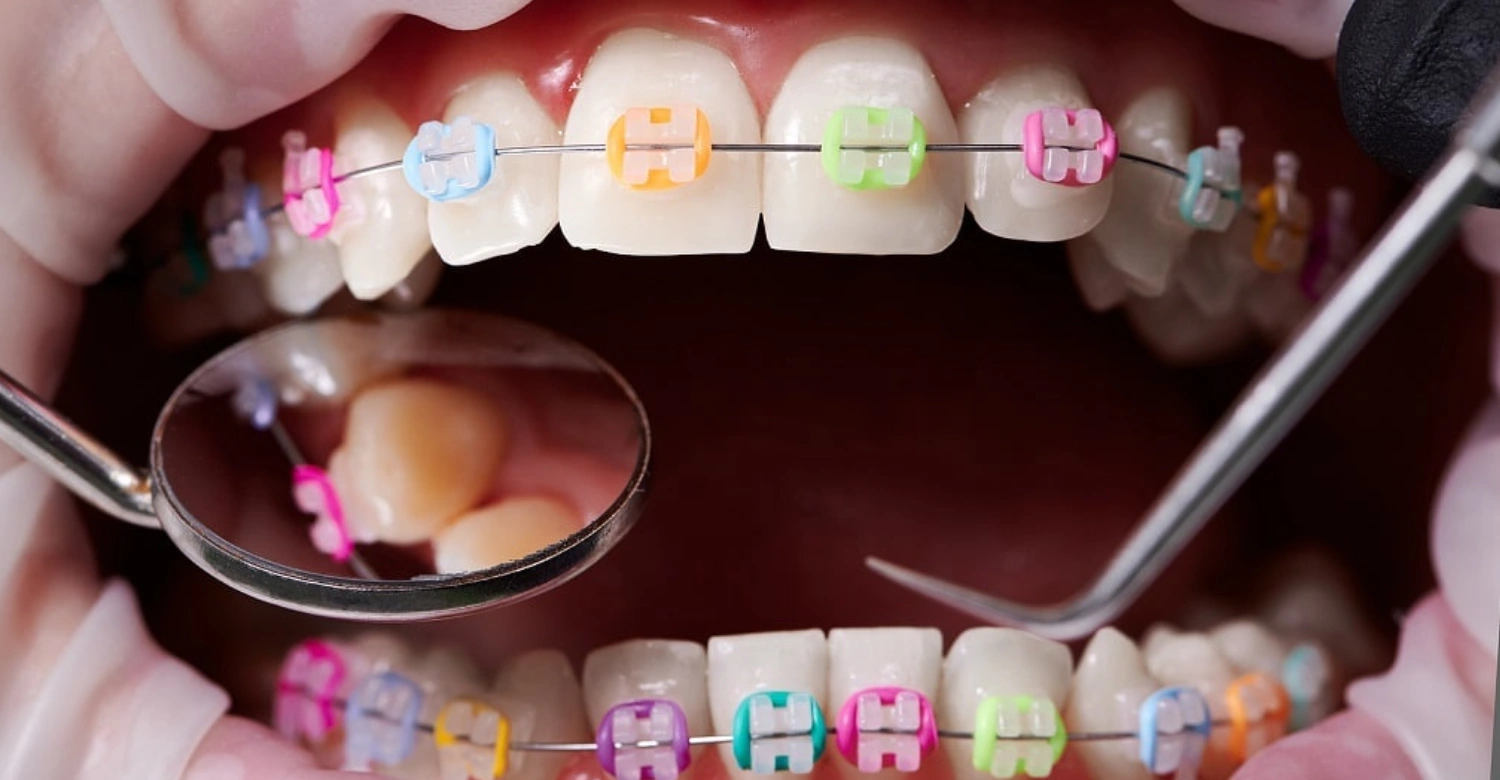
Orthodontic treatment encompasses comprehensive processes involving diagnosis, treatment planning, active correction using various appliances, and long-term retention maintaining achieved results. These interventions address diverse problems including crowding, spacing, overbites, underbites, crossbites, and other malocclusions affecting both children and adults. What is orthodontic treatment's ultimate goal? Creating functional, healthy, aesthetically pleasing smiles that patients can maintain throughout their lives through proper care and retention. Modern dentistry offers many solutions, so learning about the various types of braces is a great next step for patients.
What is Orthodontic Treatment?
What is orthodontic treatment fundamentally? It's the systematic process of diagnosing dental and skeletal irregularities, then applying controlled forces through specialized appliances to move teeth into proper positions. Treatment objectives include improving bite function, enhancing facial aesthetics, preventing dental wear and trauma, facilitating better oral hygiene, and boosting patient confidence. Common procedures involve comprehensive diagnostics (X-rays, photographs, impressions), customized treatment planning, appliance placement, regular monitoring adjustments, and post-treatment retention ensuring stability for long-term success.
What is an Orthodontic?
What is an orthodontic professional? An orthodontist is a dental specialist who completed dental school plus an additional 2-3 years of advanced residency training focused exclusively on tooth movement, jaw growth, and facial development. The role encompasses diagnosing malocclusions, developing individualized treatment plans, selecting appropriate appliances, monitoring treatment progress through regular adjustments, and ensuring long-term stability. Qualifications required include dental degree, specialized orthodontic residency, continuous education maintaining expertise in evolving techniques, and often board certification demonstrating advanced competency in understanding what is orthodontics.
What is Orthodontic Services?
What is orthodontic services offered by specialized practices? These include comprehensive diagnostic evaluations, preventive interceptive treatments for children, full comprehensive correction for all ages, surgical orthodontics coordinating with oral surgeons, retention programs, and emergency care. Services divide into preventive treatments (early intervention guiding proper development) versus corrective treatments (addressing established problems in adolescents and adults). If you are curious about the mechanical aspects, discovering how braces work can demystify the entire tooth alignment process.
What is Considered Orthodontic Services?
What is considered orthodontic services for insurance and treatment purposes? Examples include diagnostic records (X-rays, photographs, models), comprehensive treatment with braces or aligners, functional appliances guiding jaw growth, space maintainers preserving room for permanent teeth, surgical preparation orthodontics, and retention appliances. Insurance relevance varies significantly, with some plans covering orthodontics as essential health benefits while others exclude or limit coverage. Understanding what's covered helps patients plan financially for treatment and make informed decisions about care.
Types of Orthodontics
Orthodontic treatment types encompass various approaches and appliance systems, each offering unique advantages for specific patient needs, preferences, and clinical situations. Options range from traditional metal braces to virtually invisible lingual braces and removable clear aligners. Understanding what is orthodontics in its various forms helps patients select treatments aligning with their lifestyle, aesthetic preferences, and clinical requirements for optimal outcomes.
What is Lingual Orthodontics?
What is lingual orthodontics specifically? This advanced technique places brackets and wires on the tongue-side (lingual) surfaces of teeth rather than the visible front surfaces. Advantages include virtually complete invisibility from outside view, customized brackets designed precisely for each tooth's lingual surface, and effective treatment for most malocclusions. Ideal candidates include image-conscious professionals, public figures, adults seeking discreet treatment, and anyone prioritizing aesthetics without compromising treatment effectiveness, demonstrating another dimension of what is orthodontics.
What is IPR in Orthodontics?
What is IPR in orthodontics? Interproximal Reduction (also called slenderizing or reproximation) involves carefully removing small amounts of enamel from between teeth, typically 0.2-0.5mm per surface. This conservative procedure creates space for alignment, avoiding extractions in borderline cases and improving contact points between teeth. How it fits treatment plans: IPR provides strategic space for resolving mild to moderate crowding, refining tooth proportions, improving smile aesthetics, and facilitating aligner treatment by allowing teeth to move into better positions.
Fixed vs. Removable Appliances: Deciding Between Braces and Aligners
Choosing between fixed vs removable orthodontic appliances depends on lifestyle, treatment complexity, and personal preference. Fixed appliances, like traditional and lingual braces, stay bonded to teeth throughout treatment and work continuously without patient removal. They suit complex bite corrections and cases needing precise, sustained force. Removable appliances, including clear aligners and retainers, offer flexibility for eating and cleaning. They still require strict wear discipline, typically 20-22 hours daily. Patients who may forget to wear removable devices often achieve better results with fixed options. Those prioritizing discretion and convenience may prefer aligners. An orthodontist reviews malocclusion severity, oral hygiene habits, and aesthetic goals first. Only then does the orthodontist recommend the appliance type best suited to the treatment plan. This comparison is often where patients first grasp what is orthodontics in practical, day-to-day terms. Understanding what is orthodontics this way makes the appliance choice feel less overwhelming.
Orthodontic Coverage and Costs
Understanding orthodontic costs and insurance coverage helps patients plan financially for treatment, maximize benefits, and make informed decisions about timing and treatment options. Costs vary significantly based on treatment complexity, duration, appliance type, and geographic location. Insurance coverage, when available, typically provides partial assistance with treatment expenses, making it essential to understand what is orthodontics coverage before beginning treatment.
What is Orthodontic Coverage?
What is orthodontic coverage provided by dental insurance? Many plans offer partial coverage for orthodontic treatment, typically covering 50% of costs up to lifetime maximums (commonly $1,000-$3,000). Insurance considerations include age limitations (some plans cover only children), medical necessity requirements, waiting periods before coverage activates, and plan-specific exclusions. Factors affecting treatment cost include malocclusion severity, chosen appliance type (metal braces typically cost less than lingual or aligners), treatment duration, practice location, and included services. It is never too late to improve your smile with Vitrin Clinic adult orthodontics designed for mature dental profiles.
How to Choose the Right Orthodontic Services
Selecting appropriate orthodontic care involves researching qualified specialists, understanding treatment options, evaluating practice philosophy and technology, and considering logistical factors like location and scheduling flexibility. Tips include verifying orthodontist credentials and experience, reviewing before-and-after treatment examples, reading patient testimonials, comparing treatment approaches and costs, and assessing office atmosphere and staff professionalism. Questions to ask before starting treatment: what is orthodontics approach for my specific concerns? What's the expected duration? What are total costs and payment options? What emergency care is available?
Expert Tips for Successful Orthodontic Care
Successful orthodontic outcomes require patient cooperation with appliance wear, excellent oral hygiene, dietary modifications protecting appliances, and attending all scheduled appointments. Following expert recommendations maximizes treatment efficiency, prevents complications, and ensures lasting results. Understanding what is orthodontics care requirements helps patients commit to the process with realistic expectations and dedication to achieving their smile goals.
Best Practices During Treatment
Best practices include wearing appliances as prescribed (especially removable devices), attending all adjustment appointments, immediately reporting broken appliances or unusual discomfort, following dietary restrictions avoiding hard/sticky foods damaging braces, and maintaining meticulous oral hygiene. Patient cooperation significantly impacts treatment duration and quality of results. Compliance with orthodontist instructions ensures treatment progresses efficiently without unnecessary delays or complications, demonstrating commitment to understanding what is orthodontics success.
Maintaining Oral Hygiene with Braces or Aligners
Maintaining excellent oral hygiene with orthodontic appliances requires enhanced cleaning techniques, specialized tools, and dedicated time investment preventing cavities and gum disease during treatment. Recommendations include brushing after every meal using soft-bristled brushes and fluoride toothpaste, flossing daily with floss threaders or specialized tools, using interdental brushes cleaning around brackets, rinsing with antimicrobial mouthwash, and attending regular professional cleanings. Aligners require removal for eating and cleaning, plus daily appliance cleaning preventing bacterial accumulation.
Lifestyle Habits That Support Orthodontic Outcomes
Lifestyle habits supporting orthodontic success include avoiding tobacco (impairing healing and staining appliances), limiting sugary foods and beverages (reducing cavity risk), drinking adequate water (supporting saliva production and oral health), wearing protective mouthguards during sports (preventing appliance damage and dental injury), and managing stress (reducing teeth grinding and jaw clenching). These habits complement professional treatment, protecting investments in orthodontic care and supporting overall oral health throughout the journey of understanding what is orthodontics.
Potential Risks of Orthodontics: Understanding Decalcification and Root Resorption
Like any dental treatment, orthodontics carries some risks patients should understand beforehand. Root resorption is a shortening of tooth roots. It can occur during prolonged tooth movement, though it's usually mild and doesn't affect long-term stability. Regular X-rays during treatment let orthodontists monitor root health closely. Decalcification, white spots forming around brackets from plaque buildup, represents another concern linked to poor oral hygiene during treatment. Orthodontic decalcification prevention relies on diligent brushing, fluoride use, and reduced sugar intake. Beyond risks of orthodontic treatment root resorption, patients may notice temporary discomfort or minor gum irritation. Rare allergic reactions to appliance materials can also occur.
Clinical Note
Root resorption risk increases with longer treatment duration and greater force applied during tooth movement. Orthodontists reduce this risk by using lighter, controlled forces and scheduling periodic X-ray checks. Patients with a family history of resorption or unusual root shapes may need closer monitoring. This clinical note is a general guide; every patient's risk profile depends on individual anatomy, treatment plan, and appliance type. A consultation with an orthodontist remains the only reliable way to assess personal risk before starting treatment. This note reflects just one piece of what is orthodontics risk management overall.
What We Notice Clinically
Dr. Rifat Alsaman is Head of the Medical Team at Vitrin Clinic and a cosmetic dentist. He notes that patients often underestimate how orthodontic decalcification prevention depends on daily habits, not just clinic visits. Dr. Rifat Alsaman observes that patients wearing fixed appliances who skip proper brushing develop white spot lesions within months, not years. Dr. Rifat Alsaman also finds that many adults delay treatment out of concern about visible braces. Lingual or aligner options, in his view, could meet their aesthetic goals just as effectively. In his clinical experience, patients who ask early about how to know if you need orthodontic treatment tend to finish treatment with fewer complications and better results.
Tips for Patients
Keep a soft-bristled toothbrush and interdental brush handy for cleaning around brackets and wires.
Photograph your smile before treatment starts to track progress over time.
Avoid hard, sticky, or chewy foods that can damage fixed appliances.
Wear removable aligners for the full recommended hours daily for predictable results.
Attend every adjustment appointment, even when teeth feel comfortable.
Ask your orthodontist about the aims of orthodontic treatment plan at each stage so expectations stay realistic.
Report any unusual pain, loose brackets, or broken wires promptly rather than waiting for the next visit.
Revisit your questions about what is orthodontics with your orthodontist whenever something feels unclear.
Spotlight on Vitrin Clinic
Vitrin Clinic provides comprehensive orthodontic services combining clinical excellence, advanced technology, personalized patient care, and flexible treatment options addressing diverse needs and preferences. Our orthodontic team brings extensive experience treating patients of all ages with various malocclusions, utilizing evidence-based approaches ensuring optimal outcomes. We prioritize patient education, comfort, and satisfaction throughout the orthodontic journey, helping every patient understand what is orthodontics and how it can transform their smile.
Why Choose Vitrin Clinic for Orthodontics
Services offered at Vitrin Clinic include comprehensive orthodontic evaluations, traditional metal and ceramic braces, lingual orthodontics for discreet treatment, clear aligner therapy, early interceptive treatment for children, adult orthodontics, surgical orthodontic preparation, and lifetime retention programs. Expertise of our orthodontic team includes advanced training from leading institutions, continuous education in emerging techniques and technologies, experience treating complex cases, and commitment to personalized care addressing each patient's unique needs. Patient success stories demonstrate dramatic smile transformations, improved oral function, enhanced self-confidence, and high satisfaction with treatment experiences at Vitrin Clinic. For younger patients, focusing on early intervention strategies can prevent severe alignment issues from developing later in life.
References:
FAQs

Dr. Rifat Alsaman has more than 5 years of clinical experience in dentistry and currently serves as the Head of the Medical Team at Vitrin Clinic. He is dedicated to providing exceptional patient care, overseeing treatment planning, and ensuring the highest clinical standards across the team. His expertise, attention to detail, and commitment to continuous professional development have helped countless patients achieve healthier, more confident smiles.


.webp&w=3840&q=75)
